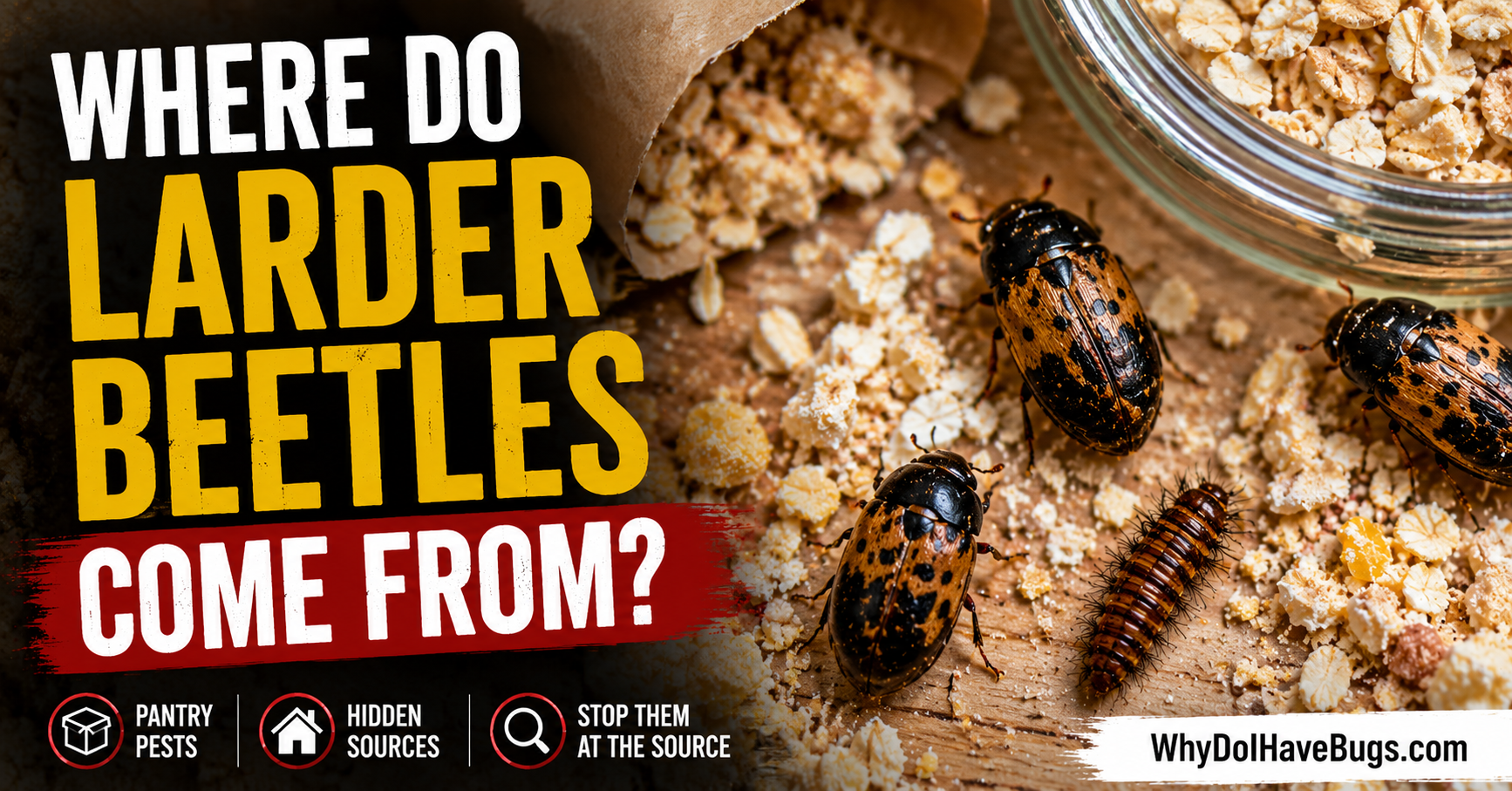
One of the biggest questions I had after identifying the beetle crawling across my floor was simple.
Where did it come from?
At first, I assumed it must have flown in through an open door or window.
After learning more about larder beetles, I realized that answer is only part of the story.
Sometimes they do fly in from outside.
But many times, the adults you’re seeing today actually developed somewhere inside your home weeks or even months earlier.
That’s why I never assume a beetle simply wandered indoors by accident.

Instead, I start asking where it developed and, more importantly, what it was feeding on.
Finding that answer is often the key to eliminating the infestation for good.
If you haven’t positively identified the insect yet, compare it with my guide showing what larder beetles look like. I also recommend reading carpet beetle vs larder beetle because these two closely related beetles are commonly confused.
Sometimes They Fly in From Outside
Let’s start with the simplest possibility.
Adult larder beetles are capable of flying.
During the spring and early summer, they naturally search for places where they can find suitable food and lay eggs.

If a door is left open or a damaged window screen gives them access, they can certainly enter your home that way. Similar access points can let carpet beetles indoors too; see these carpet beetle entry routes for a closer look at how they get inside.
Finding one adult beetle doesn’t automatically mean you have an infestation.
I’ve seen plenty of situations where a single beetle simply wandered inside and never established a population.
The concern starts when I repeatedly find adults or begin discovering larvae.
That’s when I know there’s probably something inside attracting them. Adult larder beetles commonly overwinter outdoors as well as in sheltered locations around buildings before becoming active again in spring.



Most Home Infestations Start With a Food Source
One thing I’ve learned is that larder beetles don’t stay where they can’t survive.
If they’re reproducing inside your house, something is providing enough food for the larvae to complete their development.
Unlike ants that may simply enter searching for crumbs, larder beetles almost always have a much more specific reason for staying.
That food source may be obvious.
Or it may be hidden somewhere you’ll never see without a careful inspection.
That’s why I spend much more time looking for the source than chasing individual beetles.

Dead Insects Are One of the Most Overlooked Sources
This was probably the biggest surprise to me.
I expected pet food.
I expected old meat.
I didn’t expect dead insects.
Every fall, thousands of insects try to spend the winter inside homes.
Cluster flies.
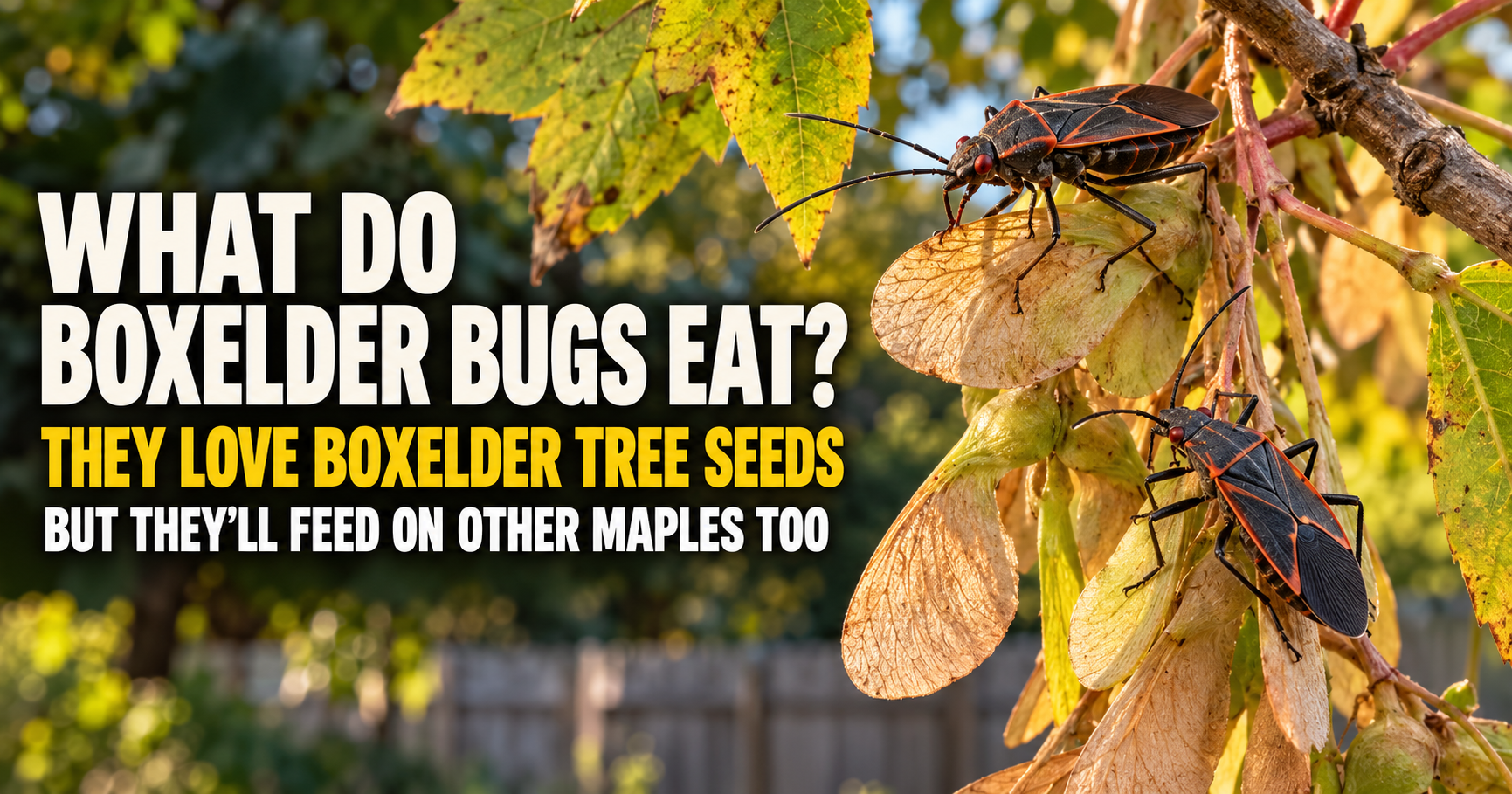
Boxelder bugs.
Lady beetles.
Stink bugs.
Wasps.
Many of them die inside wall voids, attics, soffits, and ceiling spaces.
Those dead insects become an excellent food source for larder beetles.
In fact, several university extension offices identify accumulations of dead overwintering insects as one of the most common hidden causes of household larder beetle infestations.
That’s one reason homeowners are often completely confused.
The beetles aren’t feeding on anything in the kitchen.
They’re feeding on insects that died months earlier inside the walls.
Dry Pet Food Is Another Major Attraction
Whenever someone tells me they’re finding larder beetles in the garage, mudroom, laundry room, or pantry, I immediately ask where they store their dog food.

Dry pet food is one of the most common food sources for larder beetles today. Their potential to contaminate stored food and damage household materials is explained in what larder beetles can contaminate.
I’ve learned to inspect:
- Large bags of dog food.
- Cat food.
- Pet treats.
- Livestock feed.
- Bird seed stored nearby.
Even a small amount of spilled kibble behind a storage shelf can support beetle activity over time.
If the food is infested, I don’t try to save it.
I replace it and thoroughly clean the surrounding area before applying any treatment. Modern larder beetle infestations are frequently associated with dry pet foods and other animal-based stored products rather than cured meats alone.


Dead Rodents Can Create a Much Bigger Problem
Whenever I can’t find an obvious food source, I start thinking about something hidden.
One of the first possibilities is a dead mouse or rat.
Rodents sometimes die inside:
- Wall voids.
- Attics.
- Crawl spaces.
- Basement ceilings.
- Garages.
Unfortunately, those locations are also perfect for larder beetles.
By the time homeowners notice adult beetles wandering through the house, the larvae may have already spent weeks feeding on the carcass.

If you’ve recently noticed a rodent odor, heard mice in the walls, or found signs of rodent activity, I consider that a very important clue. Extension specialists routinely list dead rodents and other animal remains among the primary breeding sources for household infestations.
Bird Nests Can Be the Hidden Source You Never Think About
Another place I always consider is bird nests.
Whether it’s a nest tucked into an attic vent, chimney, soffit, or under the eaves, bird nests contain exactly the kinds of materials larder beetles love.
Feathers.
Dead insects.
Dried organic material.
Sometimes even dead nestlings or unhatched eggs.
After the birds leave, the nest can continue attracting larder beetles for months.
As the beetle population grows, adults may eventually wander into your living space, making it seem like they appeared out of nowhere.
Whenever I can’t find a source inside the house, I always take a slow walk around the outside looking for old nests attached to the structure. Bird nests are a well-documented source of larder beetles and other dermestid beetles.



They May Already Be Living Inside Your Walls
This is probably the hardest concept for homeowners to accept.
Sometimes the beetles aren’t coming into your house.
They’ve already been living there.
Wall voids, attic spaces, crawl spaces, and ceiling cavities provide dark, undisturbed places where larvae can develop without anyone ever noticing.
By the time adults begin appearing on windowsills or crawling across the floor, the infestation may have been hidden for weeks or even months.
That’s one reason I never assume the room where I found the beetle is the room where the problem started.
Adult beetles can travel surprisingly far once they emerge.
Why They Suddenly Appear in Spring
One question I see over and over is:
“Why am I suddenly seeing these beetles now?”
Spring is actually one of the most common times for homeowners to notice adult larder beetles.
Many adults overwinter in protected places outdoors or around buildings before becoming active as temperatures rise.
At the same time, larvae that developed over the winter inside wall voids or attics may also be reaching adulthood.
Those newly emerged adults begin searching for light and often end up on windows, making it seem like they suddenly invaded overnight when the infestation actually began much earlier.


Why I Always Check the Windows
One pattern I’ve noticed is that homeowners almost always discover larder beetles on windowsills.
That doesn’t mean the windows are where the beetles entered.
Quite the opposite.
Like many beetles, adult larder beetles are attracted to light.
After emerging somewhere inside the home, they naturally move toward the brightest windows while trying to escape.
So instead of treating the window as the source, I treat it as a clue.
The windows tell me adults are already inside somewhere.
Now my job is figuring out where they developed.
Sometimes You’ll Never Find the Original Source
As frustrating as this sounds, it’s true.
If the larvae developed inside a wall feeding on dead overwintering insects, you may never actually see the source.
The beetles finish developing.
The food is consumed.
The adults emerge.
By the time you begin searching, there’s almost nothing left.
University extension specialists point out that many homeowners never locate the original breeding site because it’s hidden inside wall voids or attic spaces that aren’t easily accessible.
Fortunately, that doesn’t necessarily mean the infestation will continue forever.
Once the hidden food source has been exhausted, the beetle population usually begins declining naturally.


What I Do After Finding the Source
Once I finally determine where the beetles came from, everything becomes much simpler.
First, I remove or dispose of the food source whenever possible.

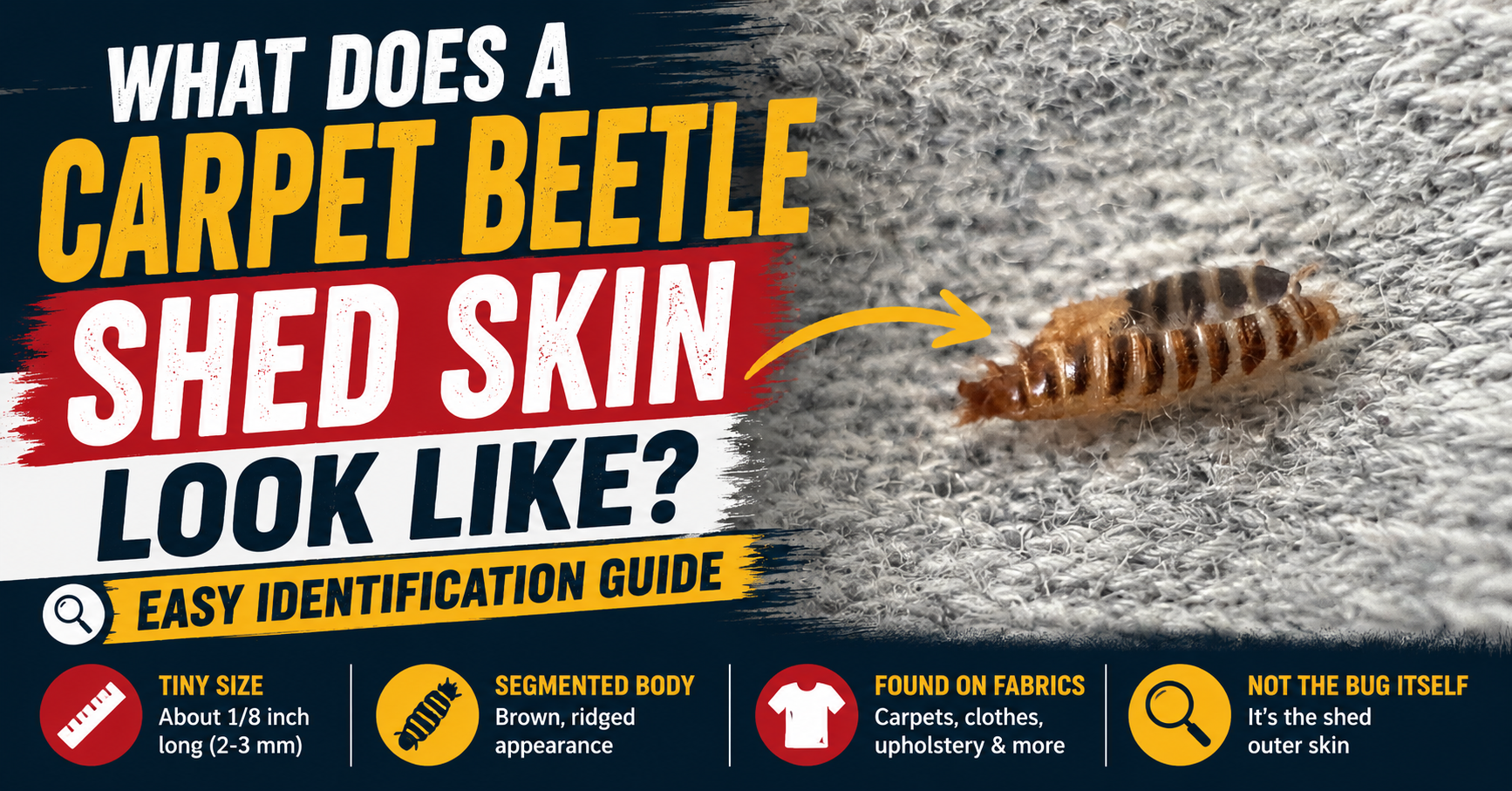
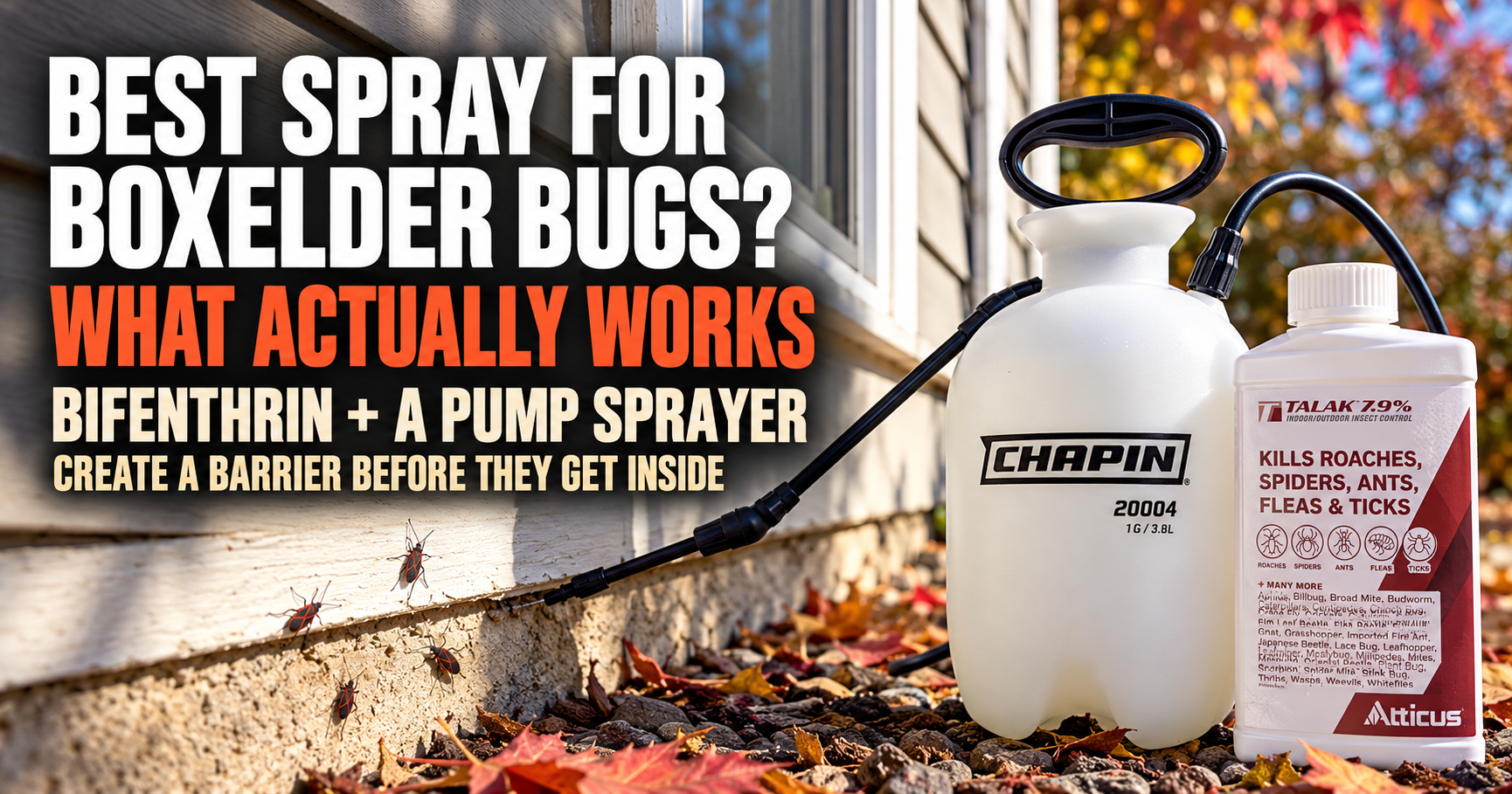
Next, I vacuum thoroughly around the affected area to remove adults, larvae, shed skins, and debris. A bug and larvae vacuum can help remove the adults, larvae, and debris collected around the affected area.

Finally, I treat beetle travel routes with a residual insecticide to eliminate any remaining adults. For readers considering that step, Ortho Home Defense insect killer is one option to review for indoor and perimeter use.

For most homeowners, I recommend starting with the product I reviewed in Best Larder Beetle Killer My Honest Review because it’s easy to apply and works well as part of a complete treatment plan.
The Best Way to Prevent Them From Coming Back
After dealing with larder beetles once, I changed a few habits that have greatly reduced the chances of seeing them again.
I now:
- Store pet food in airtight containers.
- Clean spilled kibble immediately.
- Vacuum garages and storage rooms regularly.
- Remove dead insects from windows and light fixtures.
- Watch for signs of rodent activity.
- Inspect the outside of my house for old bird nests.
- Keep attic vents properly screened.
- Rotate stored pet food so it doesn’t sit for months.
None of those steps take very long, but together they remove many of the food sources that allow larder beetles to establish themselves.
Frequently Asked Questions
Do larder beetles come from outside?

Yes. Adult larder beetles can fly and may enter homes from outdoors, especially during spring. However, many infestations begin when adults locate a food source already inside the home and lay eggs there. Flight can also help explain how other dermestid beetles move through a house, and carpet beetle flight behavior breaks down what homeowners should know about carpet beetle adults and larvae.
Why do larder beetles suddenly appear?
Most of the time, they didn’t suddenly appear. The larvae were developing unnoticed for weeks or months before the adults emerged and became visible.
Can dead bugs attract larder beetles?
Absolutely. Dead overwintering insects inside attics, wall voids, and soffits are one of the most common hidden food sources for larder beetles.
Can larder beetles come from a dead mouse?
Yes. Dead rodents inside walls, attics, crawl spaces, or garages are a well-known source of larder beetle infestations because the larvae feed on animal remains.
Will they disappear after the food source is gone?
In most cases, yes. Once the larvae have exhausted their food source and no new eggs are being laid, the remaining adults gradually die off and the infestation comes to an end.
About the Author
Mark Sullivan has spent years researching household beetles and helping homeowners identify hidden infestations. After discovering larder beetles in his own home and initially mistaking them for carpet beetles, he learned firsthand that understanding where these beetles come from is often the biggest step toward getting rid of them for good.