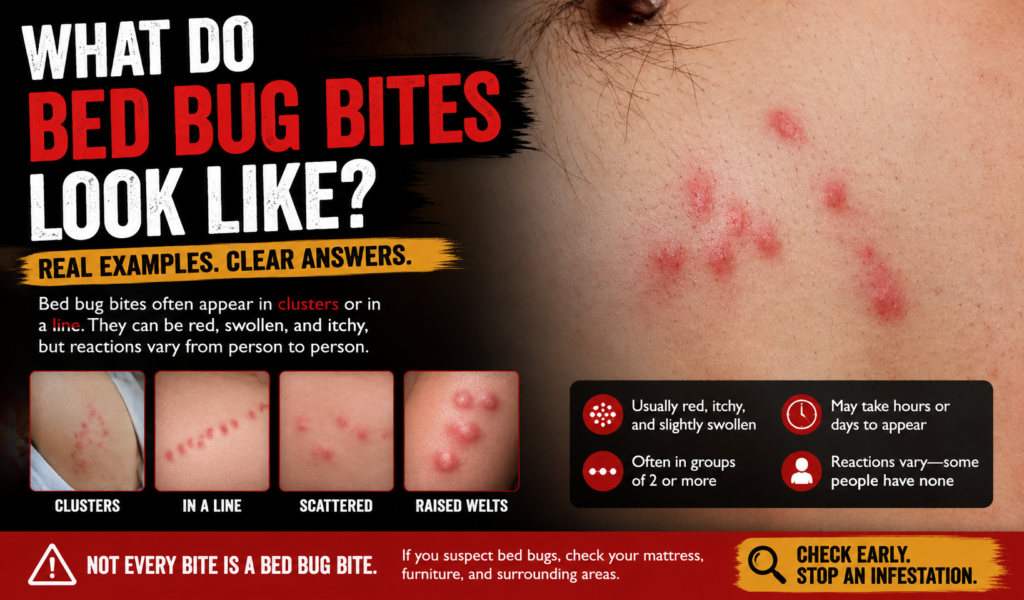
Waking up with itchy red bumps is enough to make almost anyone think about bed bugs.
I’ve talked to countless homeowners who were convinced they had bed bugs simply because they woke up with a few bites.
Sometimes they were right.
Many times they weren’t.
One of the biggest mistakes people make is trying to identify bed bugs based only on their bites. While bites can certainly be a clue, they aren’t proof by themselves. Different insects, skin conditions, and even allergic reactions can look surprisingly similar.
That’s why I never diagnose a bed bug problem from bites alone.
Instead, I use the bites as one piece of a much larger investigation.
Sarah’s First Impression
When someone tells me they have bed bug bites, I don’t ask to see the bites first.
I ask what they’ve found in the bedroom.
Have they seen a live bed bug?
Found dark spots on the mattress?
Discovered eggs?
Noticed shed skins?
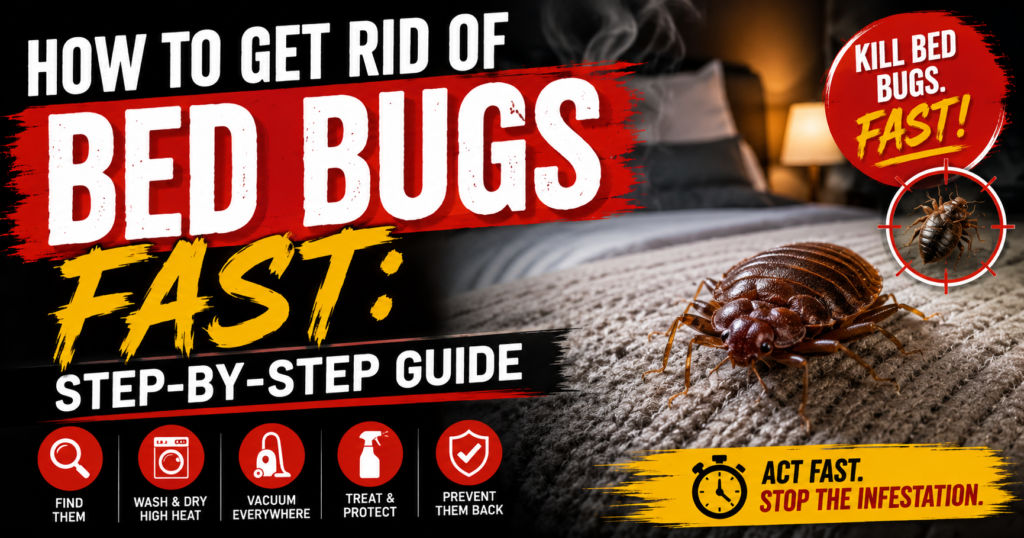
Those clues tell me much more than the appearance of the bites themselves. Once those clues point to a possible infestation, How to Get Rid of Bed Bugs Fast: Step-by-Step Guide outlines the next steps for confirming and addressing it.
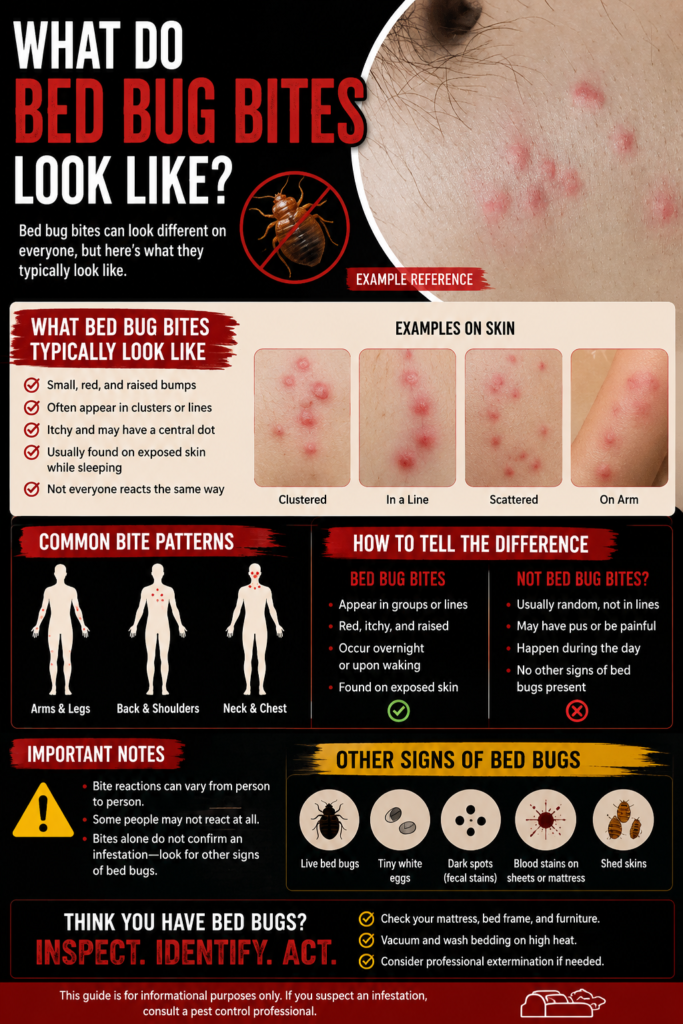
What Do Bed Bug Bites Usually Look Like?
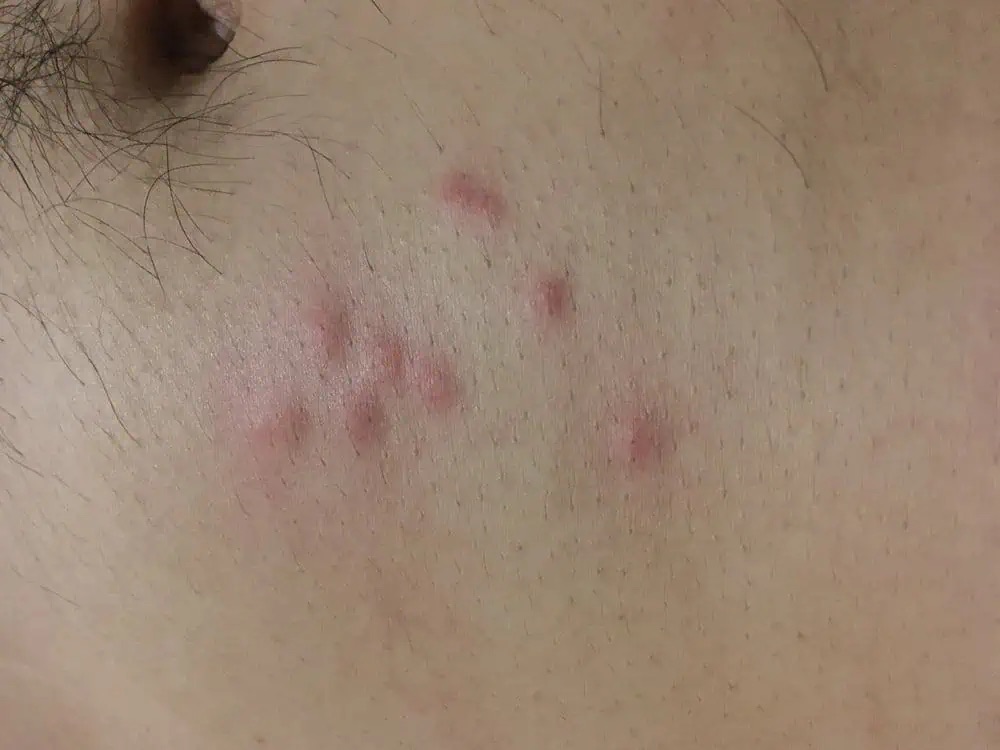
Bed bug bites often appear as:
- Small red bumps
- Itchy raised welts
- Groups or clusters of bites
- Lines or zigzag patterns
- Swollen areas in people who react more strongly
However, there’s no single appearance that confirms bed bugs.
Some people develop large, itchy welts.
Others get tiny red marks.
Some people don’t react at all.
That’s why two people sleeping in the same bed can have completely different experiences.
Where Do Bed Bugs Usually Bite?
Bed bugs generally bite skin that’s exposed while you sleep.
Common areas include:
- Arms
- Hands
- Neck
- Shoulders
- Face
- Legs
They don’t intentionally target one body part over another.
They’re simply feeding where they can easily reach exposed skin.
Do Bed Bug Bites Hurt?
Most people don’t feel the bite while it’s happening.
Instead, the itching often develops later.
For some people, the bites become noticeable within hours.
For others, it may take a day or more before a reaction appears.
This delay is another reason bites alone can make bed bug problems difficult to identify.


Can You Have Bed Bugs Without Bites?
Absolutely.
One fact that surprises many homeowners is that not everyone reacts to bed bug bites.
It’s entirely possible for two people sleeping in the same room to have very different reactions.
One person may develop itchy welts.
The other may have no visible reaction at all.
That’s why I never assume “no bites” means “no bed bugs.”
Bed Bug Bites vs. Mosquito Bites
This is one of the comparisons I hear most often.
Mosquito bites tend to appear individually and are usually noticed shortly after being bitten.
Bed bug bites are more likely to appear in clusters or lines after sleeping, but there’s plenty of overlap.
Without finding additional evidence, I wouldn’t confidently identify either one based on appearance alone.
I’ll be covering this comparison in much greater detail in an upcoming article about bed bug bites versus mosquito bites.



Bed Bug Bites vs. Flea Bites
Flea bites often occur around the ankles and lower legs because fleas commonly jump from floors or carpets.
Bed bug bites are more often found on exposed skin while sleeping.
Even so, there can be overlap.
That’s why I always recommend looking beyond the bites themselves.
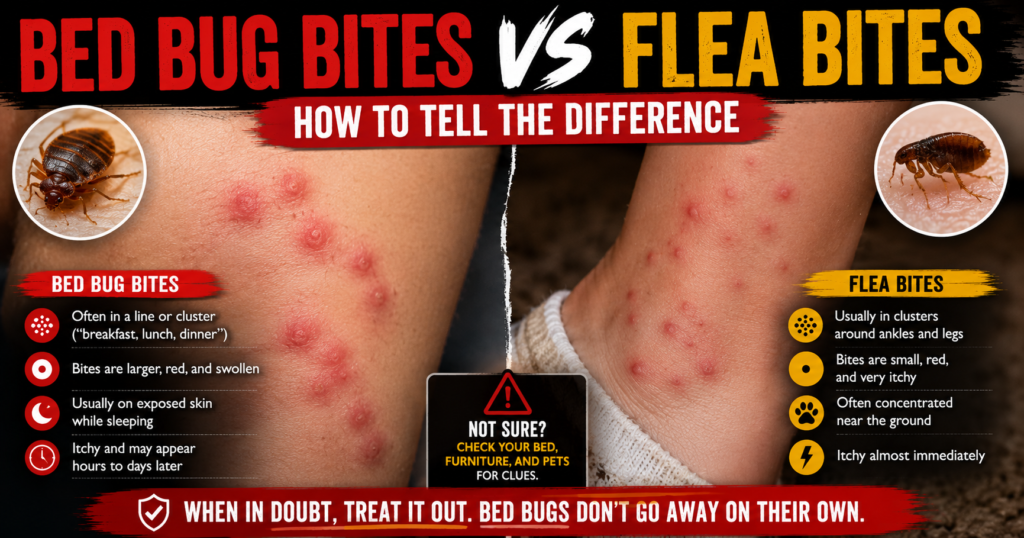
If you’re trying to decide whether your bites are really from bed bugs, don’t rely on bite appearance alone. Flea bites can look surprisingly similar, especially if they’re itchy and appear in small groups. I recommend comparing the two before jumping to conclusions. Our guide on Bed Bug Bites vs. Flea Bites: How to Tell the Difference explains the clues I look for during an inspection.
What Else Should You Look For?
Whenever someone suspects bed bugs, I recommend searching for additional evidence.
That includes:
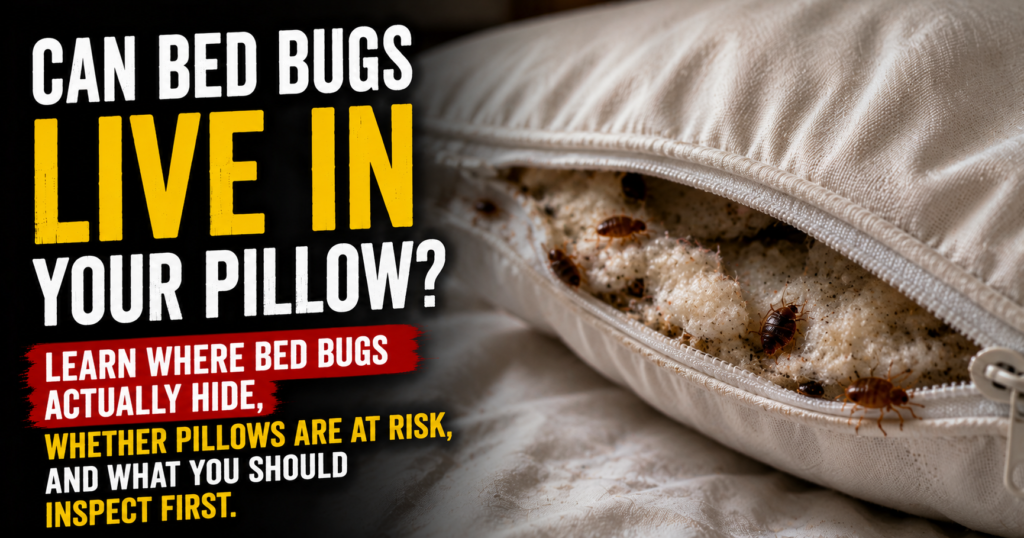
- Live bed bugs
- Tiny white eggs
- Dark fecal spots
- Shed skins
- Blood stains on bedding
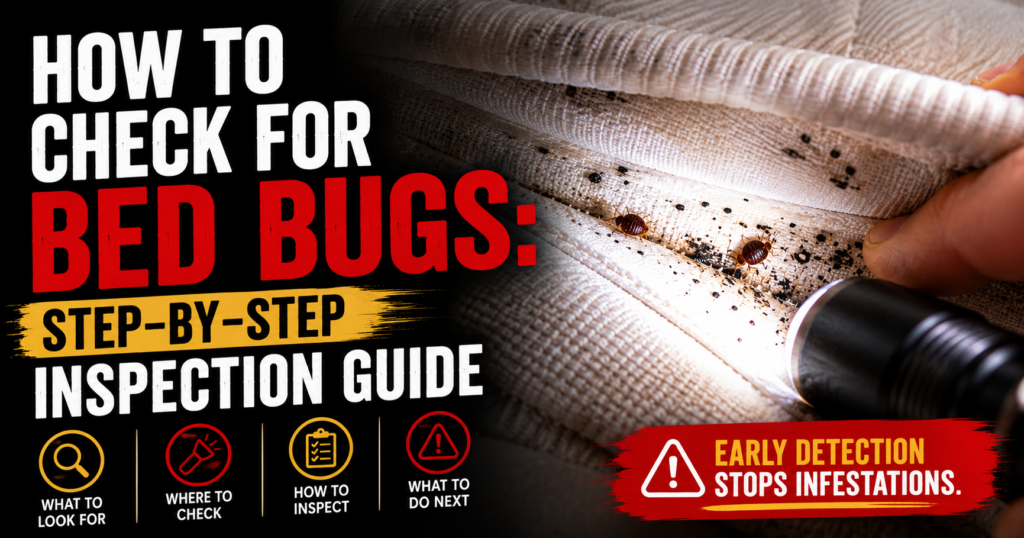
Our guide on how to check for bed bugs walks through exactly how I inspect a bedroom before deciding whether bed bugs are actually present.
Where I Would Inspect First
If this were my house, I wouldn’t spend an hour looking at my arms.
I’d spend that hour inspecting my bed.
I’d begin with:
- Mattress seams.
- Box spring.
- Bed frame.
- Headboard.
- Nightstands.
- Upholstered furniture.
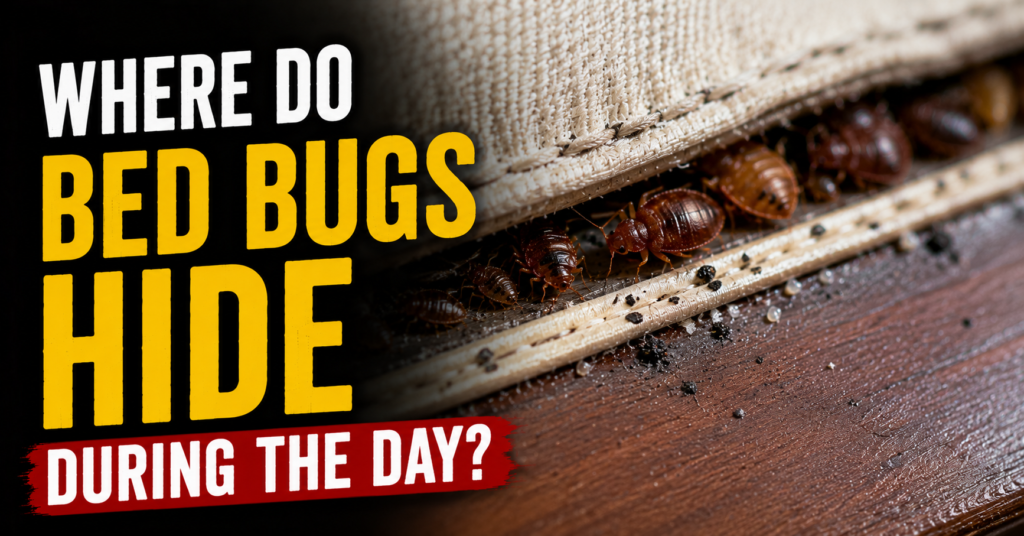
Our article on where bed bugs hide during the day explains why these areas are almost always my starting point.
What If You Only Found One Bite?
One bite doesn’t necessarily mean one bed bug.
Likewise, one bite doesn’t confirm bed bugs at all.
Instead of jumping to conclusions, I recommend looking for additional signs before deciding what you’re dealing with.
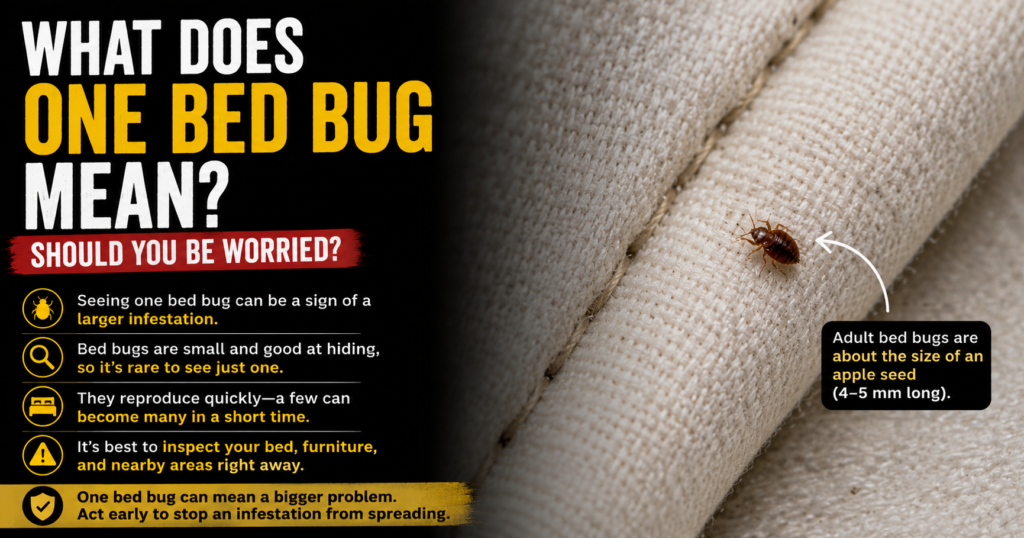
If you’ve found a single bug, our guide on what finding one bed bug really means explains how I evaluate that situation.
What I Would Do If This Were My House
If I woke up with suspicious bites tomorrow morning, I wouldn’t immediately buy sprays or replace my mattress.
I’d perform a careful inspection first.
If I found eggs, shed skins, or live bugs, I’d know I had much stronger evidence than bites alone.
That’s the information I’d use to decide my next step.
Products That Can Help
If you’ve confirmed bed bugs through a careful inspection, protecting your bed should be one of your first priorities.
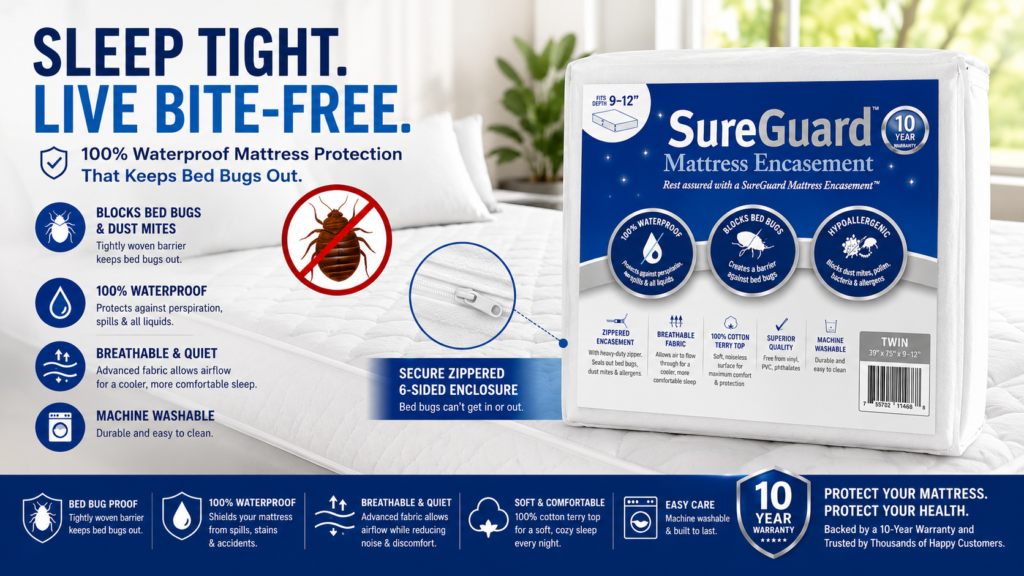

Many homeowners install a SureGuard Mattress Encasement because it helps eliminate one of the insects’ favorite hiding places while making future inspections much easier. You can learn more in our guide on whether mattress encasements really work for bed bugs.
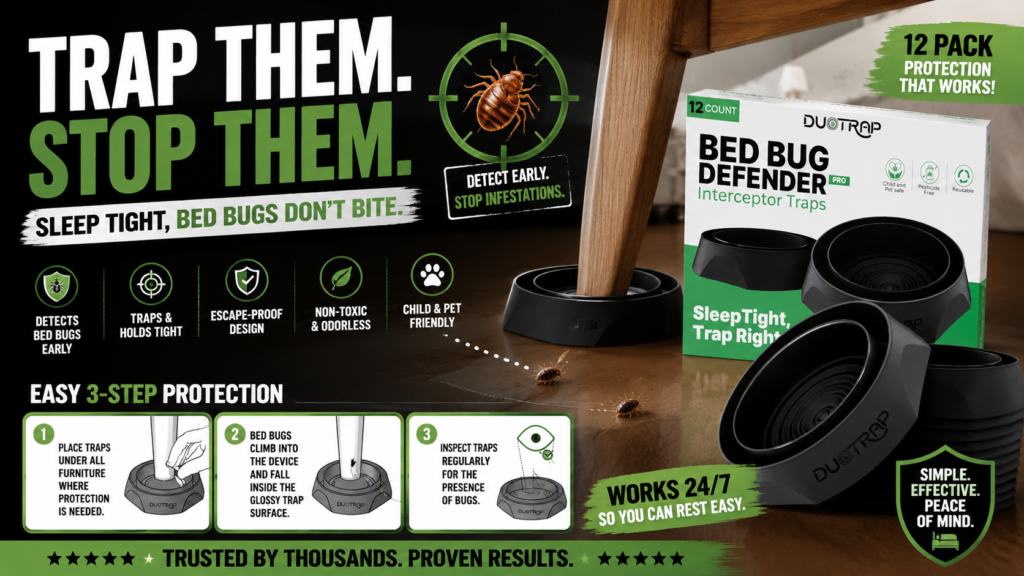
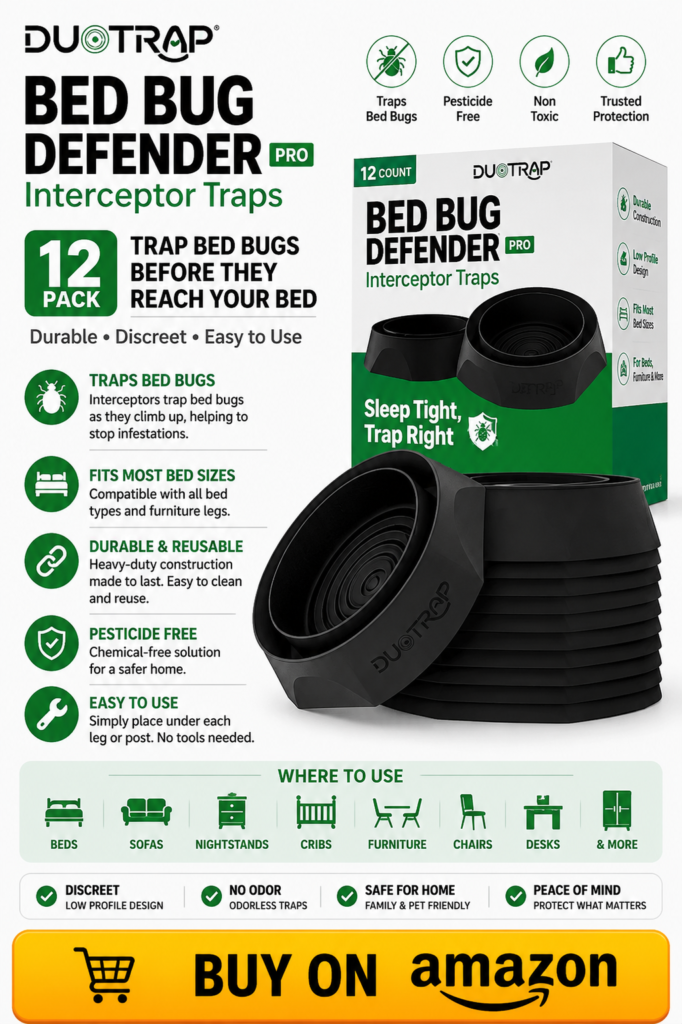
To monitor activity after treatment, I also like bed bug interceptor cups. Our review of bed bug interceptor cups explains how they help determine whether bed bugs are still active.


If treatment is needed, many homeowners use Harris Toughest Bed Bug Killer. Our review of Harris Toughest Bed Bug Killer explains where it fits into an overall treatment plan.
The Biggest Mistake I See
The biggest mistake I see is assuming every itchy bump is caused by bed bugs.
Bed bug bites can look similar to bites from mosquitoes, fleas, and other insects, and some skin conditions can resemble insect bites as well.
That’s why I always recommend confirming the presence of bed bugs through a careful inspection rather than relying on bites alone.
Frequently Asked Questions
Do bed bug bites always itch?
No. Some people experience intense itching, while others have little or no reaction.
Can you identify bed bugs by their bites alone?
No. Bites can raise suspicion, but they cannot confirm a bed bug infestation without additional evidence.
Do bed bug bites appear in a straight line?
They sometimes appear in lines or clusters, but this pattern isn’t present in every case.
How long do bed bug bites last?
The length of time varies from person to person depending on their individual skin reaction.
What’s the first thing I should do if I think I have bed bug bites?
Inspect your sleeping area for live bugs, eggs, shed skins, and other evidence before assuming bed bugs are the cause.
About the Author
Sarah Bennett researches bed bugs, household pests, and practical inspection methods. She specializes in helping homeowners identify bed bug infestations using evidence-based inspections instead of common myths and assumptions.