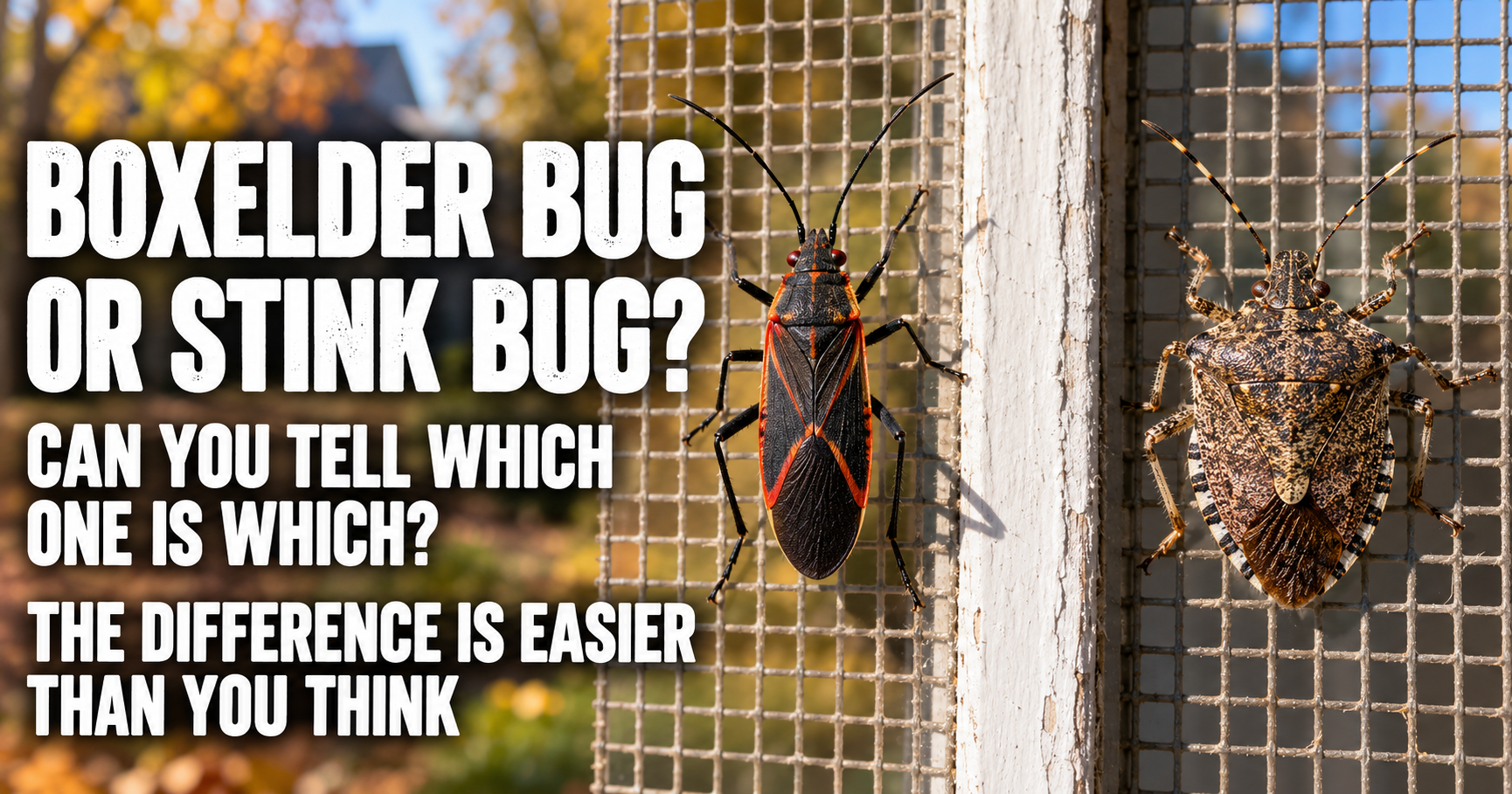
Boxelder bugs and stink bugs get confused because both can show up on sunny exterior walls and work their way into houses in fall. Once you see them side by side, though, they are actually very different insects.
The fastest way I separate them is by body shape. A boxelder bug is narrow, mostly black, and marked with sharp red or orange lines. A stink bug is broader and shield-shaped, usually mottled brown rather than black and red.
That difference matters because the two bugs behave a little differently outdoors, have different food sources, and create different annoyances once they get inside.
Boxelder Bugs vs. Stink Bugs at a Glance
| Feature | Boxelder Bug | Stink Bug |
|---|---|---|
| Body shape | Long, narrow, and flatter | Wide, broad, shield-shaped |
| Typical color | Black with red or orange lines | Mottled brown, gray-brown, or green depending on species |
| Adult size | About 1/2 inch long | Usually about 1/2 to 5/8 inch long |
| Wing pattern | Folded wings often make a red-lined X | Wings fold over a shield-like body |
| Smell when disturbed | May have a mild odor if crushed | Often releases a strong, unpleasant odor |
| Common fall behavior | Large groups on warm, sunny walls | Enters cracks and sheltered areas to overwinter |
| Main outdoor food | Seeds and plant juices from boxelder, maple, and ash | Plant juices, fruit, vegetables, seeds, and other plant material |



What Does a Boxelder Bug Look Like?
Adult boxelder bugs are easy to recognize once you know their color pattern. Their bodies are black, but bright red or orange lines run along the sides and wings. When the wings are folded, the markings can create a noticeable X across the back.
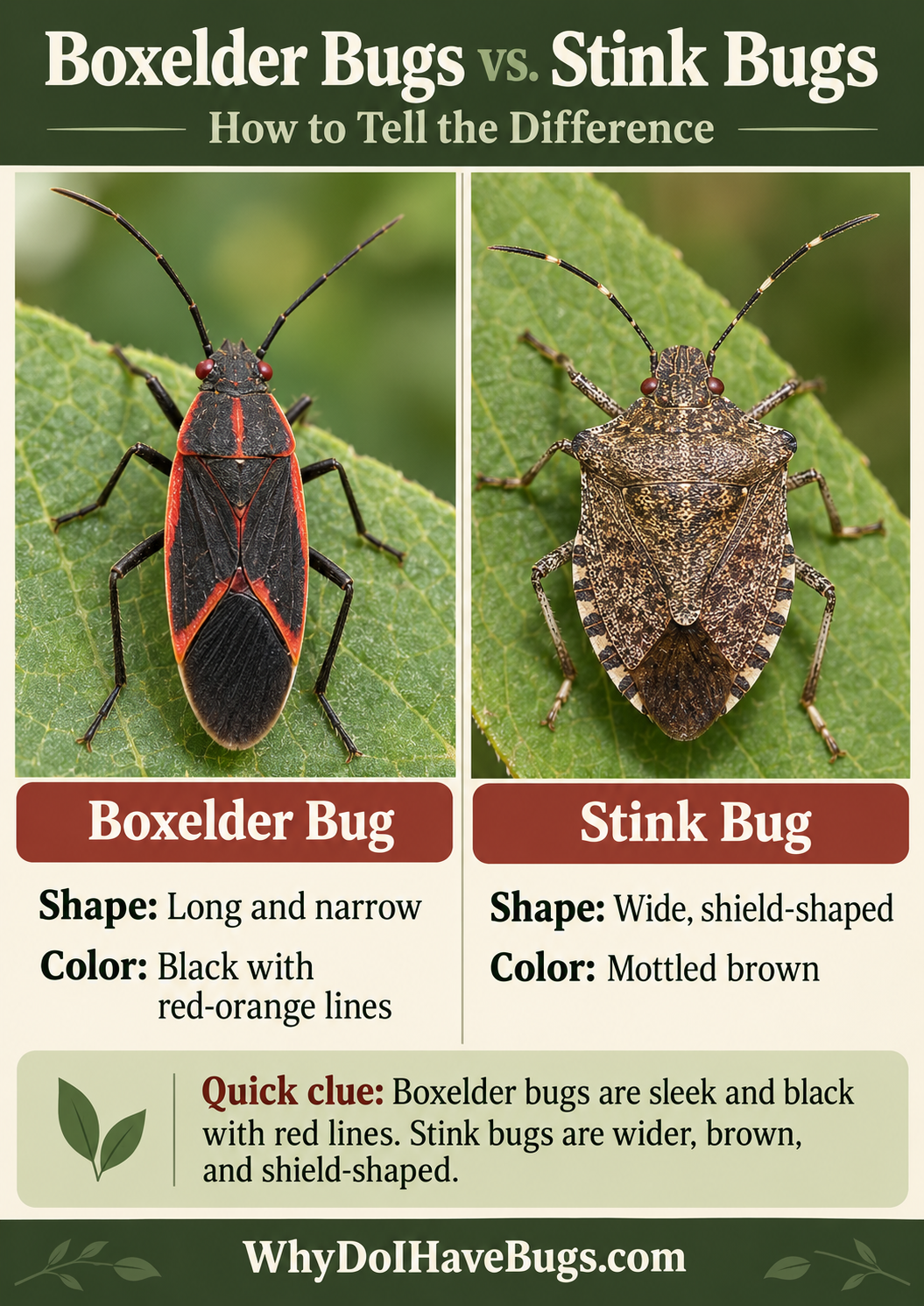
They are slim rather than round. From above, a boxelder bug looks more like a long black insect with red trim than a true beetle or a shield bug.
Young boxelder bugs look different from adults. The nymphs are often bright red with black legs, black heads, and dark wing pads as they mature. If you are seeing lots of tiny red-and-black bugs moving around a tree, foundation, or sunny wall, that is often the clue. This boxelder bug identification guide shows the details to look for at each stage.


What Does a Stink Bug Look Like?
Most people asking about a stink bug in the house are dealing with a brown marmorated stink bug. It has a broad, flattened body shaped a little like a small shield. Its coloring is usually mottled brown and gray, which helps it blend into bark, leaves, and outdoor surfaces.
Look closely at the antennae and the edge of the abdomen. Brown marmorated stink bugs often have pale bands on their antennae and alternating light-and-dark markings around the sides of the body.
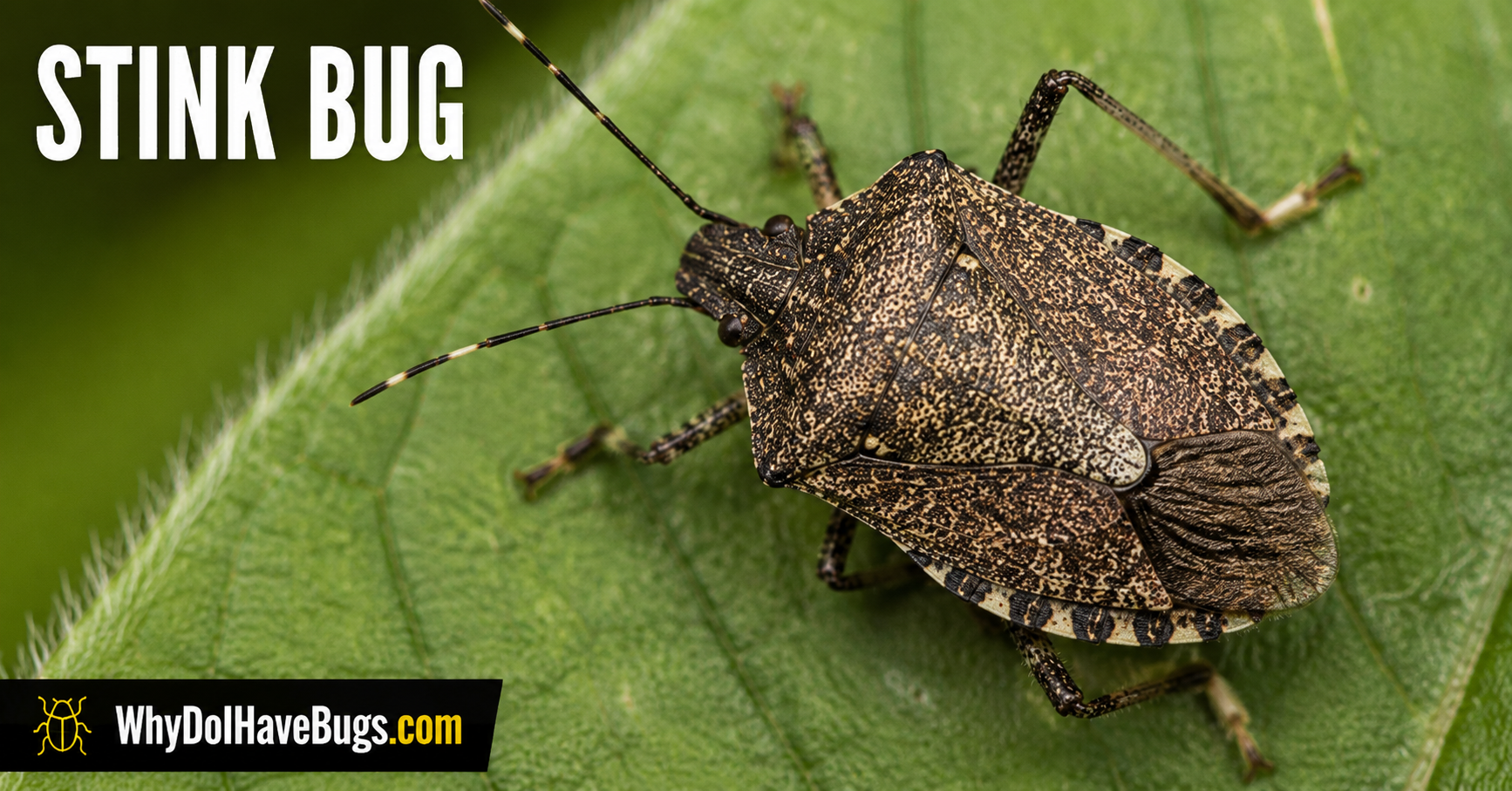
Not every stink bug is brown. Some species are green, brown, gray, or marked with other colors. The broad shield-shaped body is the more dependable clue. For a closer breakdown, compare what you found with this stink bug identification guide.
The Body Shape Is the Best Way to Tell Them Apart
Color can be useful, but body shape is more reliable.
A boxelder bug has a longer, narrower body. Its head and body appear more stretched out, and its red or orange lines are usually crisp and obvious. It also has a more delicate look when it walks across a wall or window.
A stink bug is noticeably broader. Its shoulders stick out to the sides, giving it the familiar shield shape. Even if the brown coloring is hard to make out, the overall outline gives it away.
If the bug is black with red striping and an X-shaped wing pattern, it is almost certainly a boxelder bug. If it is brown, wide, and shaped like a tiny shield, it is much more likely a stink bug.


Which Bug Smells Worse?
Stink bugs win that contest by a long shot.
When a stink bug is crushed, squeezed, or badly disturbed, it can release a strong defensive odor. The smell is why people often notice them before they even identify them. It is unpleasant but not dangerous.
Boxelder bugs can also leave behind a slight odor when crushed, but they are not known for the powerful smell that gives stink bugs their name. Their bigger indoor nuisance is staining. Crushing several boxelder bugs on light walls, curtains, upholstery, or painted surfaces can leave reddish or brown marks behind.
That is why I would avoid smashing either one. A cup and piece of paper, a vacuum, or a gentle sweep into a container is usually cleaner.
Why Do Both Bugs Come Into Houses in Fall?
Boxelder bugs and stink bugs are both looking for a protected place to spend winter. They are not coming inside to build a nest, eat your furniture, or reproduce in the walls.
As the weather cools, they gather on warm, sunny sides of houses and look for tiny gaps around windows, doors, soffits, siding, pipes, utility openings, and screens. Once they find a gap, they may settle into wall voids, attics, or other protected spaces.
Warm winter days can wake them up. That is when they may appear around windows, lights, or upper walls inside the house.
Boxelder bugs are especially known for gathering in large, visible groups on the sunny side of a home. Stink bugs can also gather outside, but people often notice them one at a time indoors after they have already found their way into a wall or attic space.

If the bugs you are seeing are black and red every fall, this guide on why boxelder bugs come into houses in fall explains the seasonal pattern in more detail.

Are Boxelder Bugs or Stink Bugs Dangerous?
Neither is considered dangerous to people, dogs, cats, or the structure of your home.
They do not sting. They are not known to spread disease through a house. They do not chew wood, eat insulation, or breed in a home the way roaches, bed bugs, or some pantry pests can.
A stink bug may occasionally probe skin if handled roughly, but it is not a meaningful biting threat. A boxelder bug can also be handled without much concern, although I would still avoid crushing or squeezing either insect.
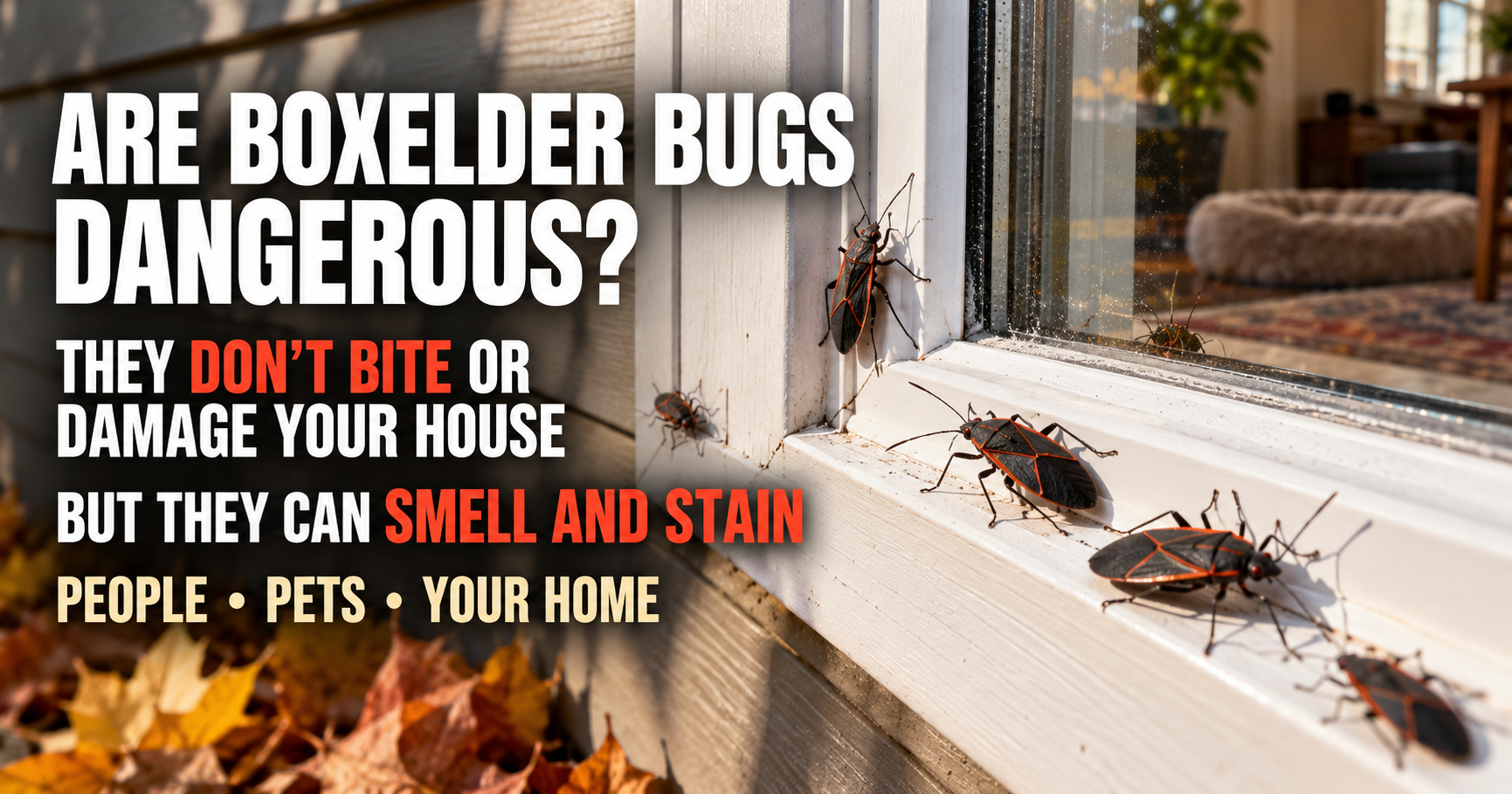
The bigger issue is annoyance. Both can appear in numbers, crawl around windows, and make a house feel invaded during fall and warm winter spells. This guide to whether boxelder bugs are dangerous explains what they can and cannot harm.
Which One Is Worse for Gardens?
Plant-feeding stink bugs are usually the bigger garden concern.
Brown marmorated stink bugs and other plant-feeding stink bug species can feed on fruit, vegetables, beans, ornamental plants, and tree crops. Their piercing mouthparts can leave dimples, discoloration, deformed fruit, and internal damage that may not show until you cut the fruit open.
Boxelder bugs feed mostly on boxelder trees, maples, ash, and some other plants. They can occasionally feed on fruits or other vegetation, but they are rarely a major garden pest in the way stink bugs can be.
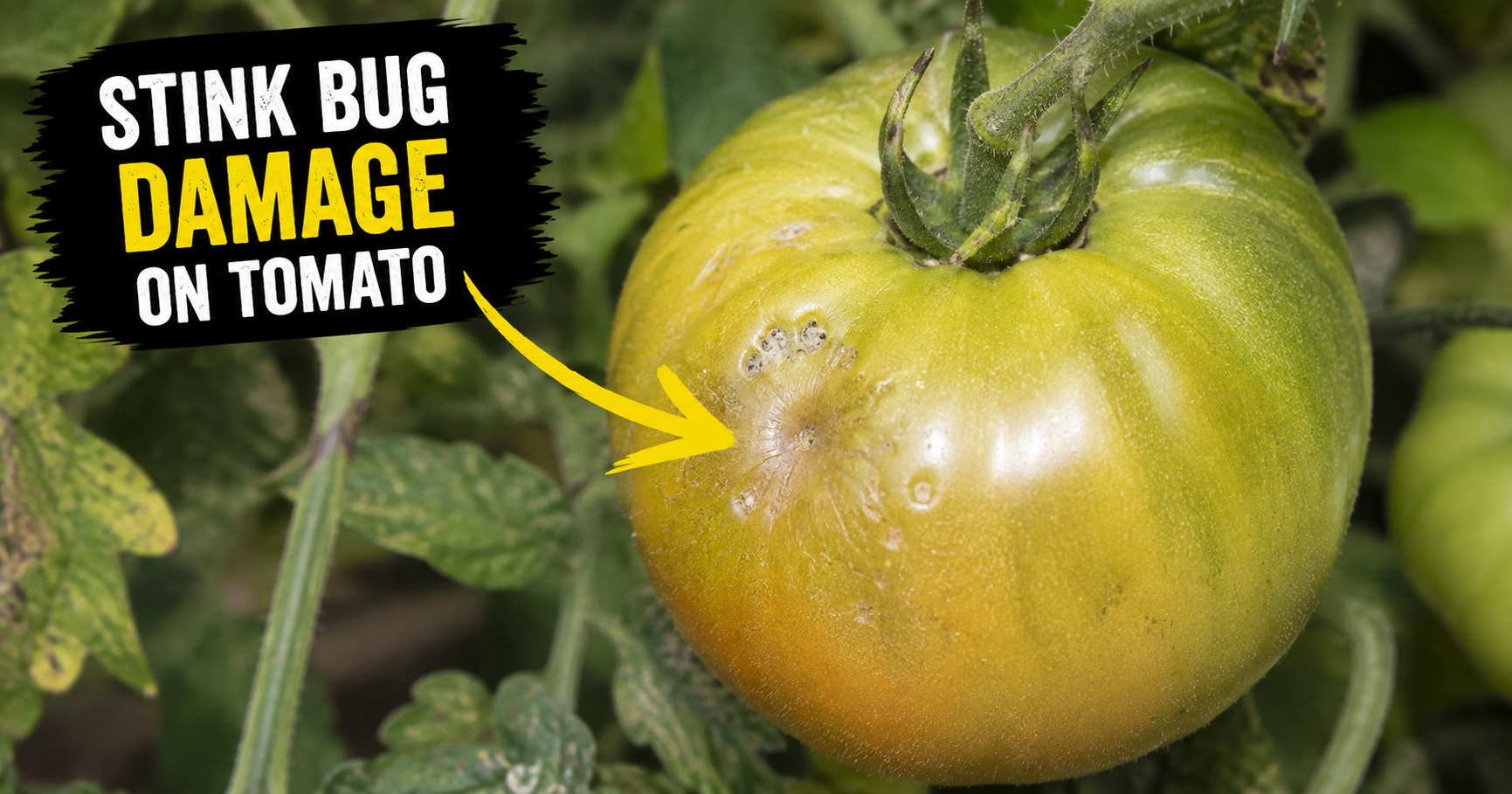
If tomatoes are showing pale spots, dimples, or firm white patches inside, stink bugs are more likely to be involved than boxelder bugs. You can compare the symptoms in this guide to stink bug damage on tomatoes.


How to Get Rid of Boxelder Bugs and Stink Bugs Indoors
The immediate indoor response is similar for both insects: remove the bugs you can see without crushing them, then focus on preventing the next group from entering.
I would vacuum them from windowsills, walls, and floor edges using a hose attachment. Empty the vacuum outside soon afterward if possible, because live insects can remain inside the bag or canister. A cup and stiff piece of paper also works well for one or two bugs.
Avoid using foggers or broad indoor sprays for a few wandering bugs. Those products rarely solve the source of the issue, and they add unnecessary pesticide exposure inside the house.
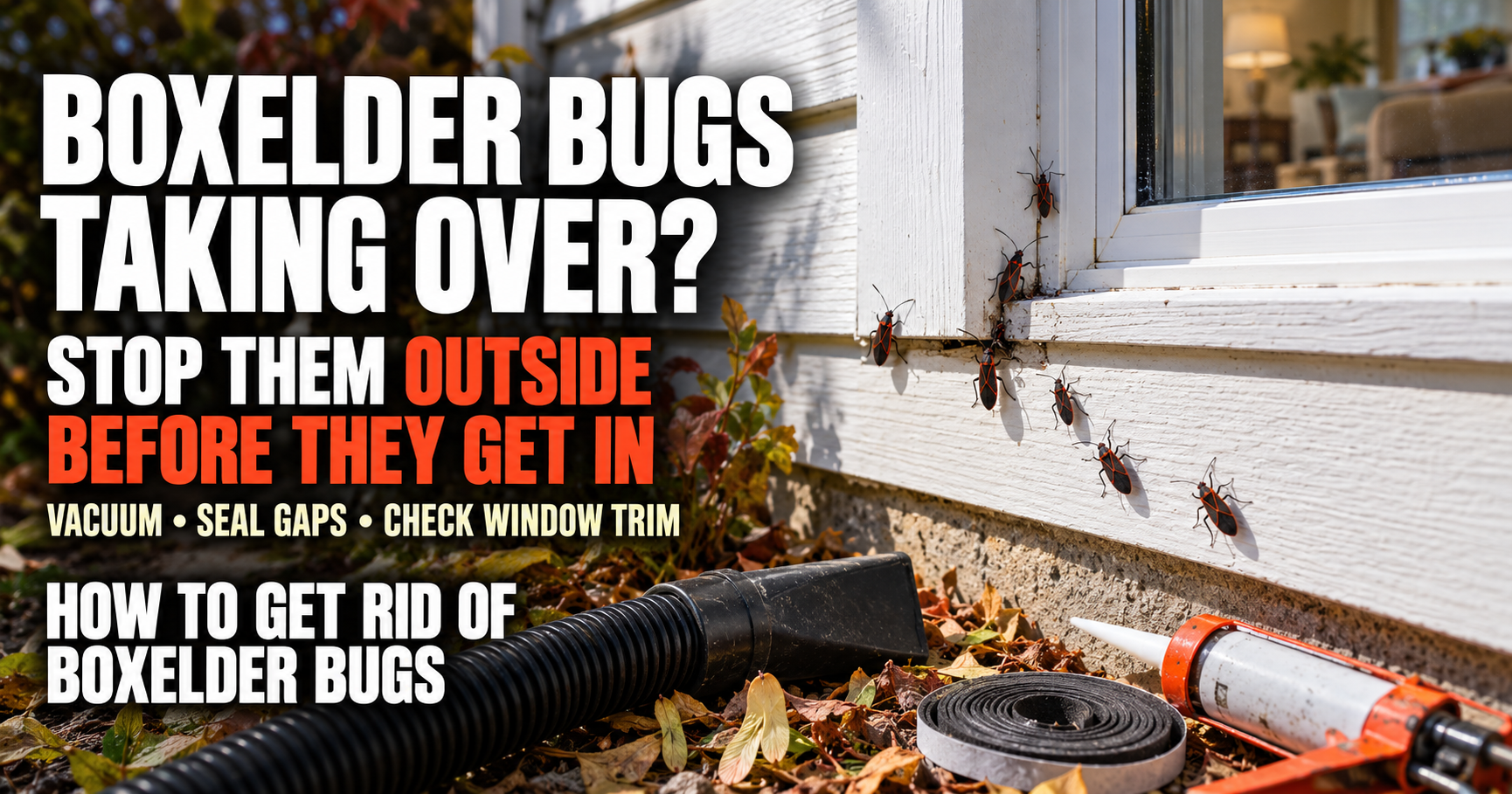
For boxelder bugs, practical steps such as vacuuming, reducing exterior gathering areas, and sealing entry points are usually enough. This full boxelder bug control guide walks through the process indoors and outside.
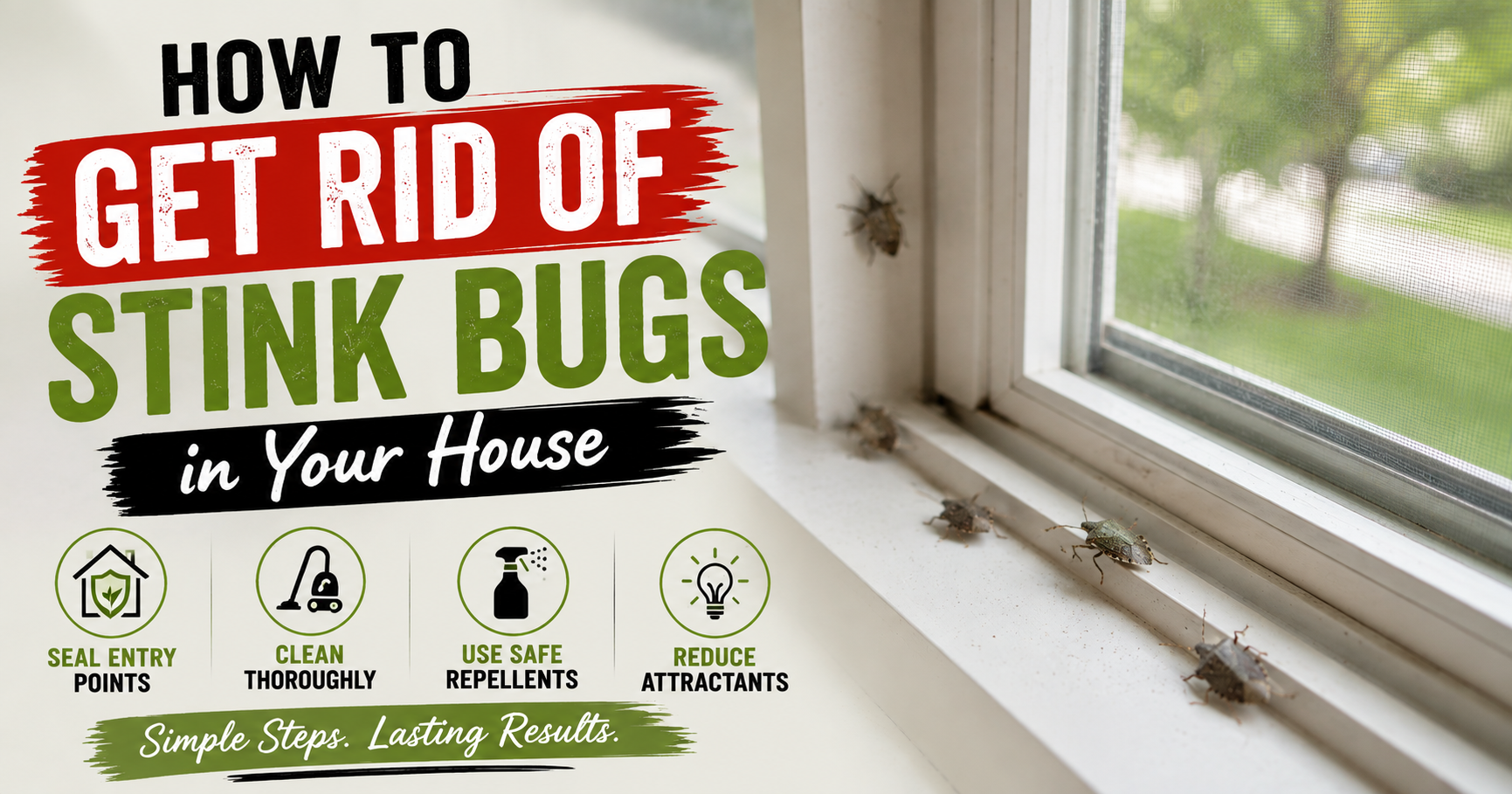
For stink bugs, exclusion matters even more because adults can keep emerging from hidden wall spaces for a while. This stink bug removal guide covers the best ways to remove them without creating a smell problem.
How to Keep Them From Coming Back
The best long-term treatment for both pests is sealing the home before cool weather sends them looking for shelter.
Check the gaps around window frames, doors, utility lines, dryer vents, attic vents, siding, fascia boards, and foundation openings. Repair torn screens, replace worn weatherstripping, and use caulk where it makes sense.
Pay close attention to sunny south- and west-facing walls. Those warm surfaces often attract both boxelder bugs and stink bugs during fall afternoons.
You will not stop every insect from landing on the house, especially in a rural area or near trees, but reducing the easy entry points makes a dramatic difference in how many end up indoors.
Can You Have Both Boxelder Bugs and Stink Bugs?
Yes. The same house can attract both, especially in fall.
A home near maples, boxelder trees, ash trees, gardens, orchards, fields, or wooded areas can provide plenty of habitat for each type of bug. Both may gather on the exterior and use the same small cracks to enter.
The good news is that the prevention plan overlaps. Vacuum the ones that get inside, avoid crushing them, seal gaps before the next fall season, and keep screens and weatherstripping in good shape.
Frequently Asked Questions
Do boxelder bugs look like stink bugs?
Not very closely once you know the body shapes. Boxelder bugs are narrow and black with red or orange lines, while stink bugs are broader and shield-shaped.
Which smells worse, a boxelder bug or a stink bug?
A stink bug smells much stronger when crushed or disturbed. Boxelder bugs may have a mild odor, but they are more likely to create stains when crushed.
Are boxelder bugs and stink bugs both harmful?
Neither is dangerous to people, pets, or a house. Plant-feeding stink bugs can be more damaging outdoors because they may injure fruits and vegetables.
Do both boxelder bugs and stink bugs come inside in fall?
Yes. Both seek protected places to overwinter and may enter through small cracks around windows, doors, vents, and siding.
Can boxelder bugs bite people?
Boxelder bugs are not considered a meaningful biting threat. They do have mouthparts for feeding on plants, but they are not known for biting people in normal household situations.
Should I spray boxelder bugs or stink bugs inside my house?
For a few bugs, no. Vacuuming or removing them by hand is usually the better choice. Focus on sealing entry points so fewer get inside next season.
Caleb Warren writes practical pest guides for WhyDoIHaveBugs.com, helping homeowners identify the bug in front of them before spending money on the wrong treatment.