
When most homeowners discover bugs inside their house, their first instinct is to grab a can of bug spray.
Sometimes that’s the right decision.
But if you ask me, there’s something you should do before spraying anything.
Find out where the bugs are actually coming from.
That’s exactly why I recommend sticky glue traps.
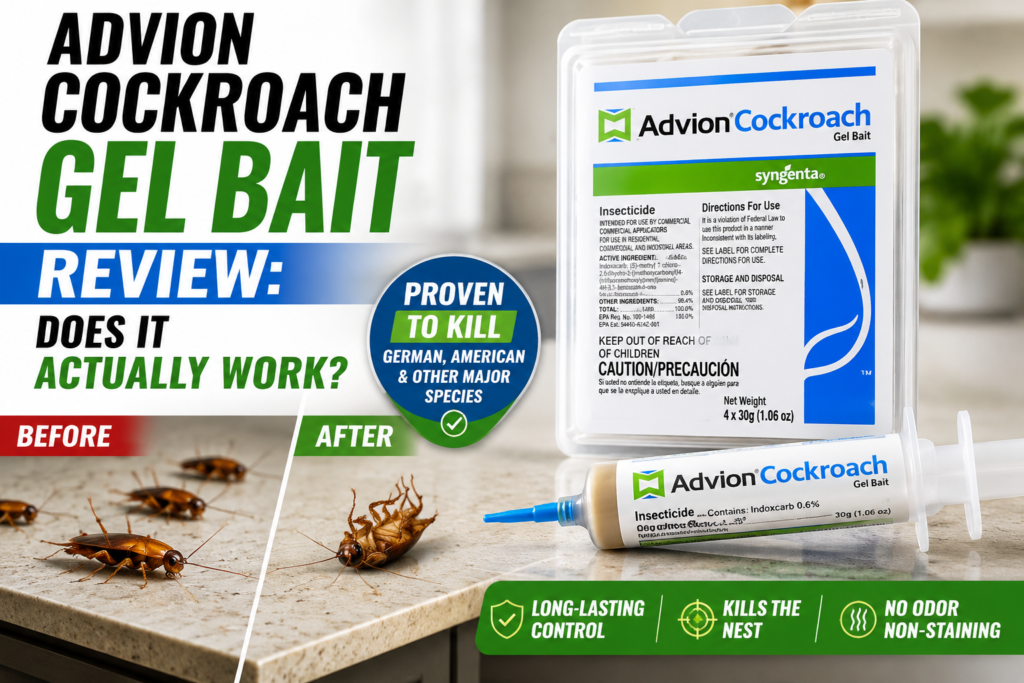
Unlike sprays that only work where they’re applied, glue traps quietly monitor your home around the clock. They catch crawling insects, show you where activity is highest, and help you determine whether your treatment plan is actually working. If the traps confirm cockroach activity, cockroach gel bait can provide a more targeted treatment option.
If I could recommend just one monitoring product for homeowners dealing with indoor crawling insects, it would be the Catchmaster Spider & Insect Traps Indoor Sticky Glue Boards (12 Pack).

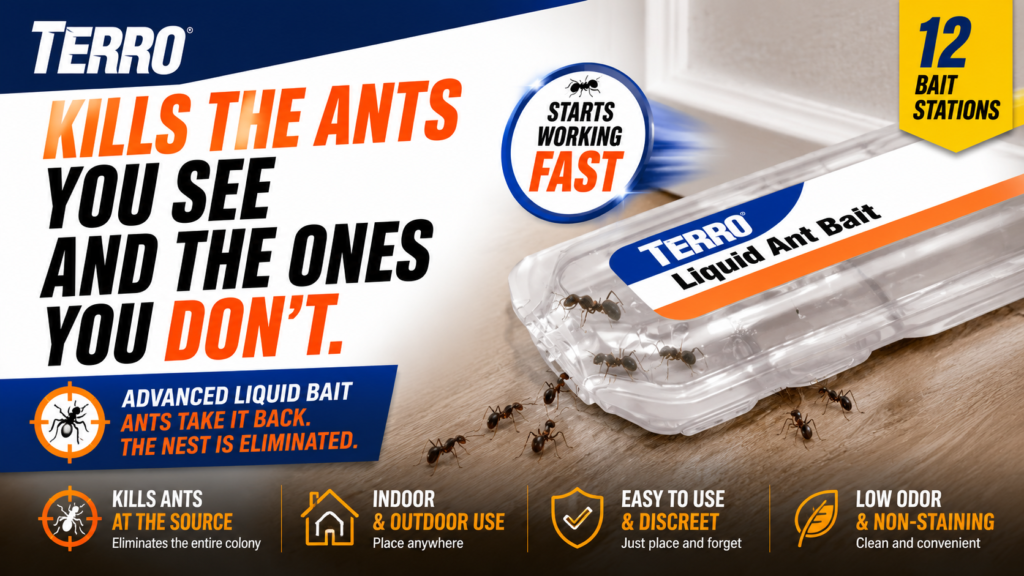
They’re pesticide free, easy to use, and capable of catching many of the most common household pests, including earwigs, silverfish, carpet beetles, centipedes, crickets, cockroaches, ants, spiders, and other crawling insects when placed along walls and common travel routes. They can be used flat or folded into a tunnel, require no bait, and remain effective for extended periods under normal indoor conditions. For ant problems specifically, colony-targeting ant bait offers a colony-focused alternative to monitoring traps.
Why I Recommend Glue Traps Before Spraying
One mistake I see homeowners make all the time is buying insecticide before they even know what insect they’re fighting.
That’s like trying to fix a leak without knowing where the water is coming from.
Glue traps solve that problem.

Instead of guessing, they let the bugs tell you where they’re traveling.
Within just a few days you’ll often learn:
- Which room has the most activity.
- Which wall insects are following.
- Whether your infestation is growing.
- Whether your treatment is working.
- Which type of bug you’re actually dealing with.
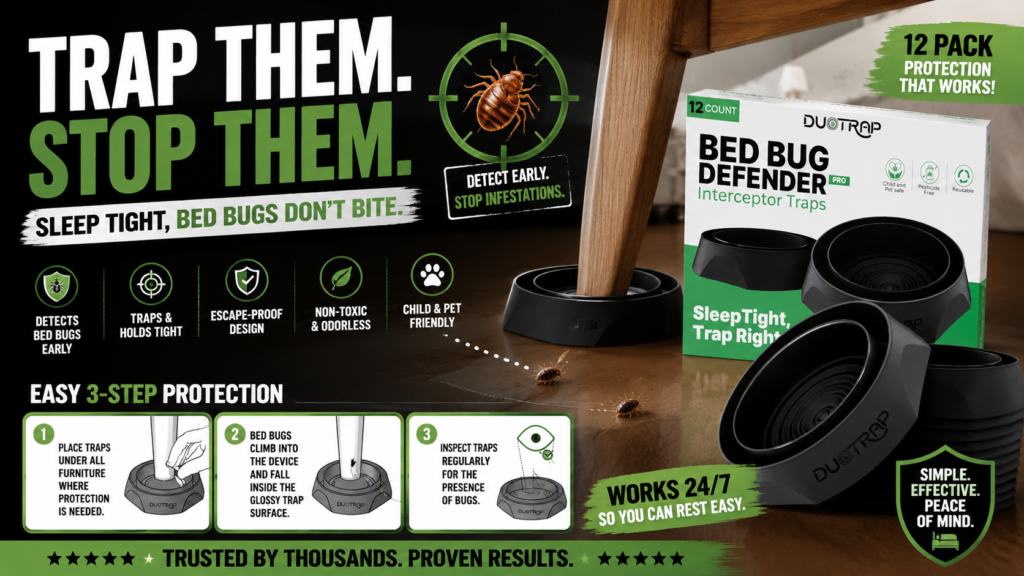
Professional pest control companies regularly use monitoring traps because they provide valuable information before and after treatments. For bed-specific monitoring, bed bug interceptor monitoring can reveal activity around the bed while also creating a physical barrier.
Bugs These Traps Can Catch
One of the biggest reasons I recommend these traps is their versatility.
Instead of buying a different trap for every pest, these work for many of the insects homeowners commonly find indoors.
I’ve recommended them for:
- Silverfish.
- Earwigs.
- Carpet beetles.
- Larder beetles.
- House centipedes.
- Crickets.
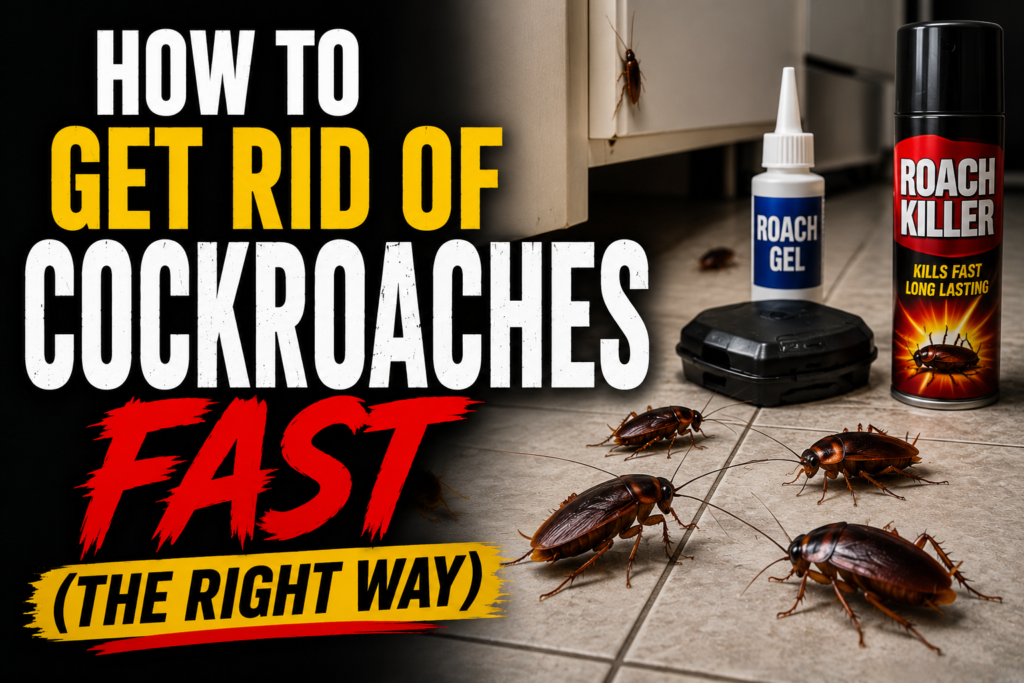
- Cockroaches.
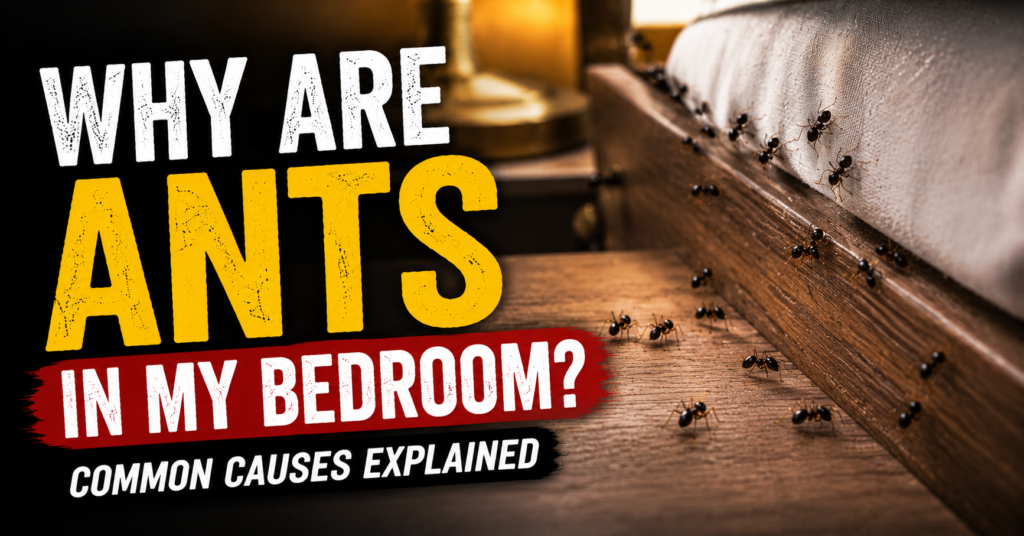
- Ants.
- Spiders.
- Other crawling insects.


Where I Place Them
Location matters much more than quantity.
I rarely place glue traps out in the middle of a room.
Instead, I put them where insects naturally travel.

My favorite locations include:
- Along baseboards.
- Behind toilets.
- Under bathroom sinks.
- Behind refrigerators.
- Beneath stoves.
- Under washing machines.
- Inside utility rooms.
- Along basement walls.
- Inside closets.
- Near garage walls.
Most crawling insects naturally follow edges instead of crossing open spaces.
That’s why placing traps against walls almost always produces better results than placing them in the center of a room. The foldable tunnel design is also useful in dusty areas or tight spaces.
What I Like Most About These Traps
They Don’t Use Pesticides
One of my favorite things about these traps is their simplicity.
There are no chemicals to spray.
No odors.
No mixing.
No bait.
Just peel off the protective paper, place the trap where insects travel, and let it do the work.
They Work Day and Night
Unlike sprays that only affect insects that happen to contact a treated surface, these traps are always working.
Whether you’re asleep, at work, or away for the weekend, they’re quietly monitoring your home.
Every insect they catch gives you more information about what’s happening inside your house.
They’re Great for Monitoring
This is honestly why I buy them.
If I’m treating silverfish, I can compare how many are caught each week.
If the numbers drop…
I know my treatment is working.
If catches stay the same…
I know I need to keep looking for the source of the problem.
That kind of feedback is something bug sprays simply can’t provide.

One Product Works for Multiple Infestations
Another thing I appreciate is that I don’t have to buy different traps for every bug.
Whether I’m dealing with silverfish in the bathroom, earwigs in the basement, carpet beetles in a closet, or centipedes in the garage, these same glue boards help me monitor activity.
That makes them one of the most useful pest-control products I keep around the house.


Why These Traps Work So Well
One thing I like about these traps is that they don’t rely on attracting insects with food or chemicals.
Instead, they work with the natural behavior of crawling insects.
Many household pests instinctively travel along walls, under cabinets, behind appliances, and around other edges instead of crossing open areas.
By placing the traps directly in those travel paths, insects simply walk onto the adhesive and become trapped.
It’s a simple idea, but it’s surprisingly effective when the traps are placed correctly.
What These Traps Won’t Do
As much as I like these glue boards, I also think it’s important to set realistic expectations.
They’re an excellent monitoring tool.
They’re a very good way to reduce the number of wandering insects.
But they’re usually not enough to eliminate a large infestation by themselves.
For example, if silverfish are breeding behind your bathroom walls, the glue traps will catch the ones that venture out, but they won’t eliminate the entire population hiding inside wall voids.
The same is true for earwigs living beneath landscaping mulch or carpet beetles developing inside stored fabrics.
That’s why I view glue traps as one piece of a complete pest-control strategy rather than the only solution.
How I Use Them With Other Treatments
This is where these traps really shine.
Rather than replacing other treatments, I use them alongside them.
For example:

If I’m dealing with silverfish, I’ll place several Catchmaster Spider & Insect Traps beneath bathroom sinks and behind toilets while treating cracks and crevices with the product I recommend in my guide to the Best Silverfish Killer That Actually Works.
If I’m trying to identify mysterious insects around the house, I’ll often place traps in multiple rooms.
Within a week, I usually have a much better idea of where activity is concentrated and which insects are actually present.
That information makes choosing the right treatment much easier.
How Often Should You Replace Them?
Glue traps don’t last forever.
Over time they collect:
- Dust.
- Pet hair.
- Dirt.
- Dead insects.
As the adhesive becomes covered, the trap becomes less effective.
I usually replace them:
- When they’re full of insects.
- When dust covers much of the adhesive.
- When the glue loses its stickiness.
- As part of routine pest monitoring every few months.
If you’re actively fighting an infestation, checking the traps once a week gives you a good picture of whether things are improving.
Who Should Buy These?
I think these traps are an excellent investment for:
- Homeowners dealing with occasional indoor bugs.
- Apartment dwellers.
- Pet owners looking for a pesticide-free monitoring option.
- Anyone trying to identify an unknown crawling insect.
- People who want to monitor an infestation before calling a pest control company.
They’re also great for homeowners who simply want peace of mind.
Even if the traps stay empty, that’s valuable information because it tells you your home probably doesn’t have much crawling insect activity.
My Final Recommendation
If someone asked me to recommend just one product to keep on hand for unexpected indoor bug problems, this would be near the top of my list.
The Catchmaster Spider & Insect Traps Indoor Sticky Glue Boards (12 Pack) are affordable, easy to use, pesticide free, and useful for monitoring many of the crawling insects homeowners encounter most often.
More importantly, they help answer one of the biggest questions in pest control:
“Where are these bugs coming from?”
Once you know that answer, solving the problem becomes much easier.
I keep a pack available because they’re just as useful for confirming a treatment has worked as they are for discovering a new infestation.
Frequently Asked Questions
What bugs do sticky glue traps catch?
These traps are designed to capture many common crawling pests, including silverfish, earwigs, carpet beetles, spiders, crickets, cockroaches, ants, centipedes, and other similar insects that travel across floors and along walls. If cockroaches are the pest you're finding, why cockroaches appear in clean homes can help explain why they may be present despite regular cleaning.
Do glue traps really work?
Yes. When placed correctly along walls, beneath sinks, behind appliances, and other insect travel routes, glue traps are an effective way to monitor and capture crawling insects. They’re especially valuable for identifying where pest activity is occurring.
Where should I put indoor bug traps?
Place them where crawling insects naturally travel, including along baseboards, under sinks, behind toilets, behind appliances, inside utility rooms, along basement walls, and in closets or garages.
Are sticky bug traps safe around pets?
The traps don’t contain pesticides, making them a good monitoring option for many households. However, because they’re extremely sticky, place them where curious pets and small children can’t accidentally come into contact with the adhesive. Always follow the manufacturer’s instructions. For broader guidance on using pest-control products safely, review the site's product-use disclaimer.
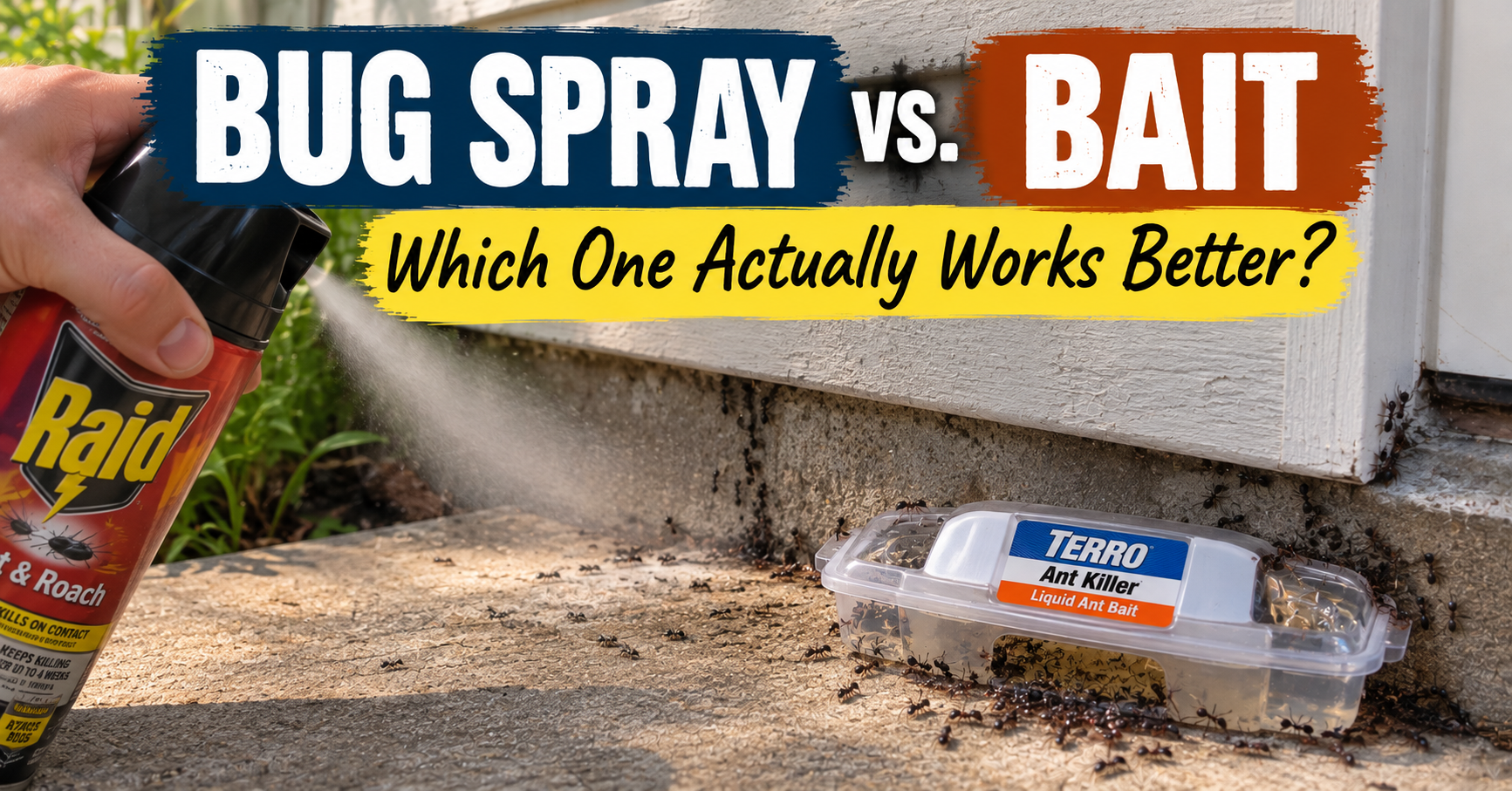
Should I use glue traps or bug spray?
I often recommend starting with glue traps because they help identify where insects are active. Once you know what pest you’re dealing with and where it’s coming from, you can choose the most effective treatment if additional control is needed.
About the Author
Daniel Brooks is an urban entomology educator with more than 15 years of experience helping homeowners identify common household pests and understand why they’re invading their homes. He specializes in practical, science-backed prevention strategies and long-term pest control solutions that help readers solve problems before they become major infestations.