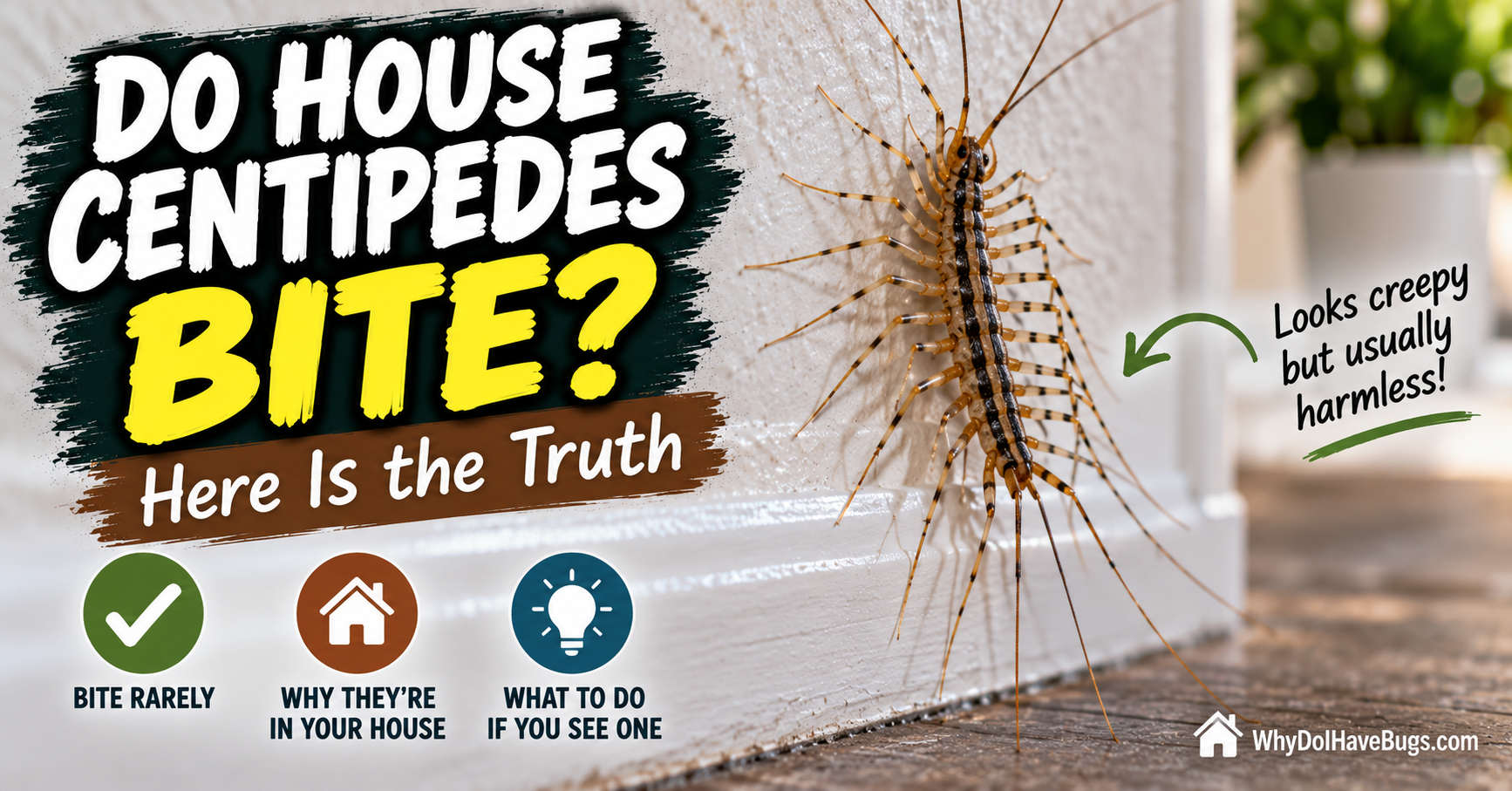
Seeing a house centipede race across the floor can make almost anyone wonder if it bites. The honest answer is yes, house centipedes can bite, but it is uncommon. They are quick, shy predators that would much rather disappear into a crack, drain area, or basement corner than interact with a person.
Most people who have house centipedes never get bitten. The bigger issue is usually figuring out why they are inside and deciding whether the occasional fast-moving visitor is tolerable or a sign of moisture and other bugs in the home.
Do House Centipedes Bite?
Yes, house centipedes are physically able to bite. They use modified front legs called forcipules to grab prey and inject venom that helps subdue small insects and spiders.
That sounds more alarming than it usually is. A house centipede is built to hunt ants, silverfish, flies, roaches, spiders, and other small arthropods. It does not seek people out, feed on blood, or treat humans as prey.
A bite is most likely if a centipede is trapped against skin, picked up with bare hands, squeezed, or otherwise unable to escape. Even then, bites from the common long-legged house centipede are rare.



Do House Centipedes Bite People in Their Sleep?
It is extremely unlikely. House centipedes do not come into beds to bite people, and they are not like bed bugs, fleas, or mosquitoes that feed on blood.
They may wander through bedrooms at night because they are active hunters and rooms can contain other insects. Finding one on a wall, floor, or near a baseboard does not mean it has been crawling on you while you sleep.
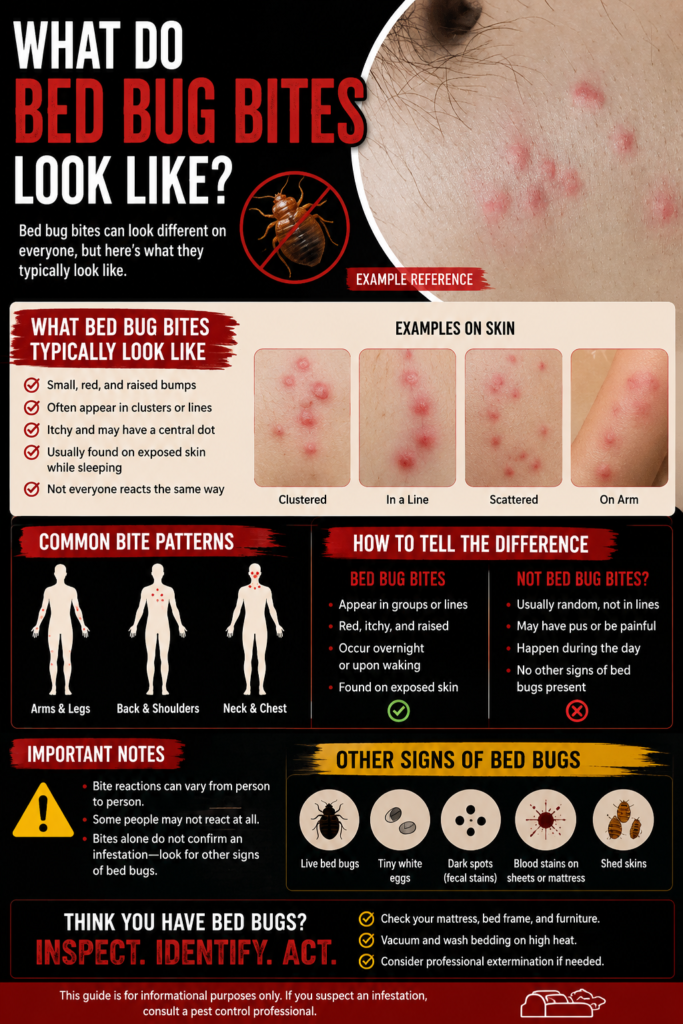
If you wake up with itchy bumps, a rash, or repeated marks, do not automatically blame a house centipede. That situation calls for a closer look at the actual pattern and possible causes, such as mosquitoes, fleas, bed bugs, skin irritation, or an allergic reaction.


What Does a House Centipede Bite Feel Like?
If a house centipede does manage to bite, the reaction is usually mild and local. Some people describe a quick sharp pinch, burning sensation, or discomfort similar to a mild bee sting.
You may notice:
- A small red area at the contact point.
- Mild swelling or tenderness.
- Itching or a warm feeling around the spot.
- Temporary discomfort that improves over hours or a day or two.
Not everyone reacts the same way. Skin sensitivity, the location of the bite, and how much contact occurred can all affect how noticeable it feels.
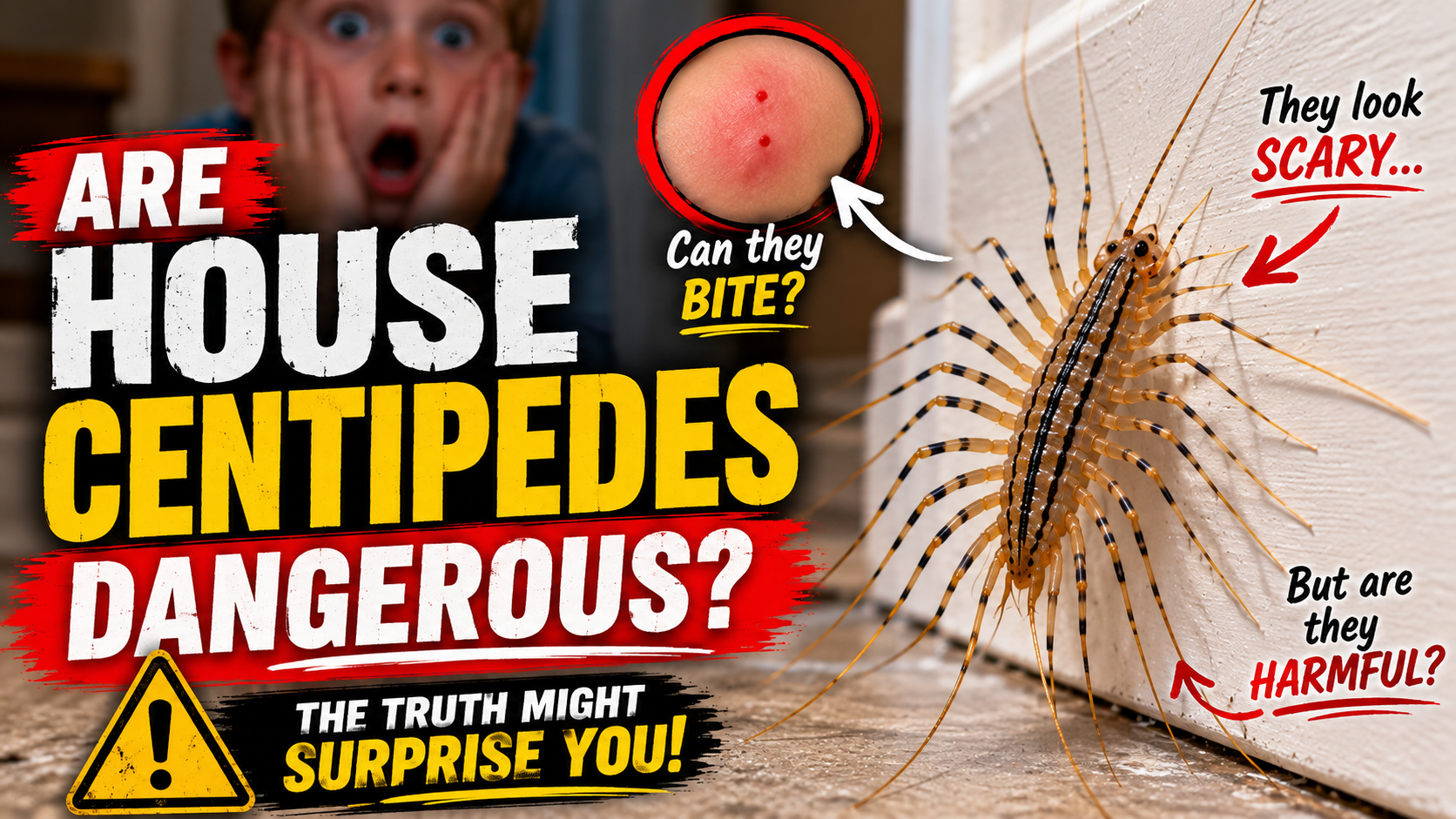
The common house centipede is not considered a serious danger to healthy adults. For the full safety picture, including what they can and cannot do to people, pets, and your home, see whether house centipedes are dangerous.
Can a House Centipede Bite Break Skin?
It can, although it is not common. Their forcipules are small, and house centipedes usually flee before they ever make contact with a person.
This is one reason many supposed “centipede bites” are difficult to confirm. People may see a centipede in the room and later notice an unexplained mark, but the two things are not necessarily connected.
If you did not feel a pinch, did not see the centipede make contact, and have no clear puncture or localized reaction, it is wise to keep other explanations in mind.

Are House Centipede Bites Poisonous?
House centipedes do use venom, but that does not mean a bite is dangerous in the way many people imagine. Their venom is designed for tiny prey, not for harming humans.
The word “venomous” often creates unnecessary panic. A house centipede is venomous to the insects and spiders it catches, but a rare bite to a person is generally limited to short-term local pain, redness, or swelling.
This is very different from a medically significant bite from a dangerous spider or a severe allergic reaction to a wasp or bee sting. Still, any unusual reaction deserves attention, especially if symptoms are getting worse instead of better.
What Should You Do If a House Centipede Bites You?
For a simple bite with mild local discomfort, basic first aid is usually enough.
- Wash the area gently with soap and clean running water.
- Apply a cold pack wrapped in a cloth for short periods to help with pain or swelling.
- Avoid scratching, squeezing, or repeatedly checking the spot.
- Keep an eye on the area over the next day or two.
- Use an over-the-counter pain reliever or antihistamine only if it is safe for you and you follow the product directions.
If you develop trouble breathing, swelling of the lips, tongue, or throat, widespread hives, dizziness, or any other signs of a severe allergic reaction, seek emergency medical help right away. Contact a medical professional if redness is spreading, pain becomes severe, the wound looks infected, or you are concerned about a reaction in a child or pet.


Can House Centipedes Bite Dogs or Cats?
A house centipede may defend itself if a dog or cat paws at it, mouths it, or traps it. In practice, that is not a common household emergency.
Pets are far more likely to chase, bat at, or eat a house centipede than to be harmed by one. A curious pet may have brief mouth irritation after grabbing one, but a serious reaction is unusual.
Monitor your pet if you saw direct contact. Call your veterinarian promptly if you notice facial swelling, repeated vomiting, unusual weakness, trouble breathing, or behavior that concerns you.
Why Do House Centipedes Look So Dangerous?
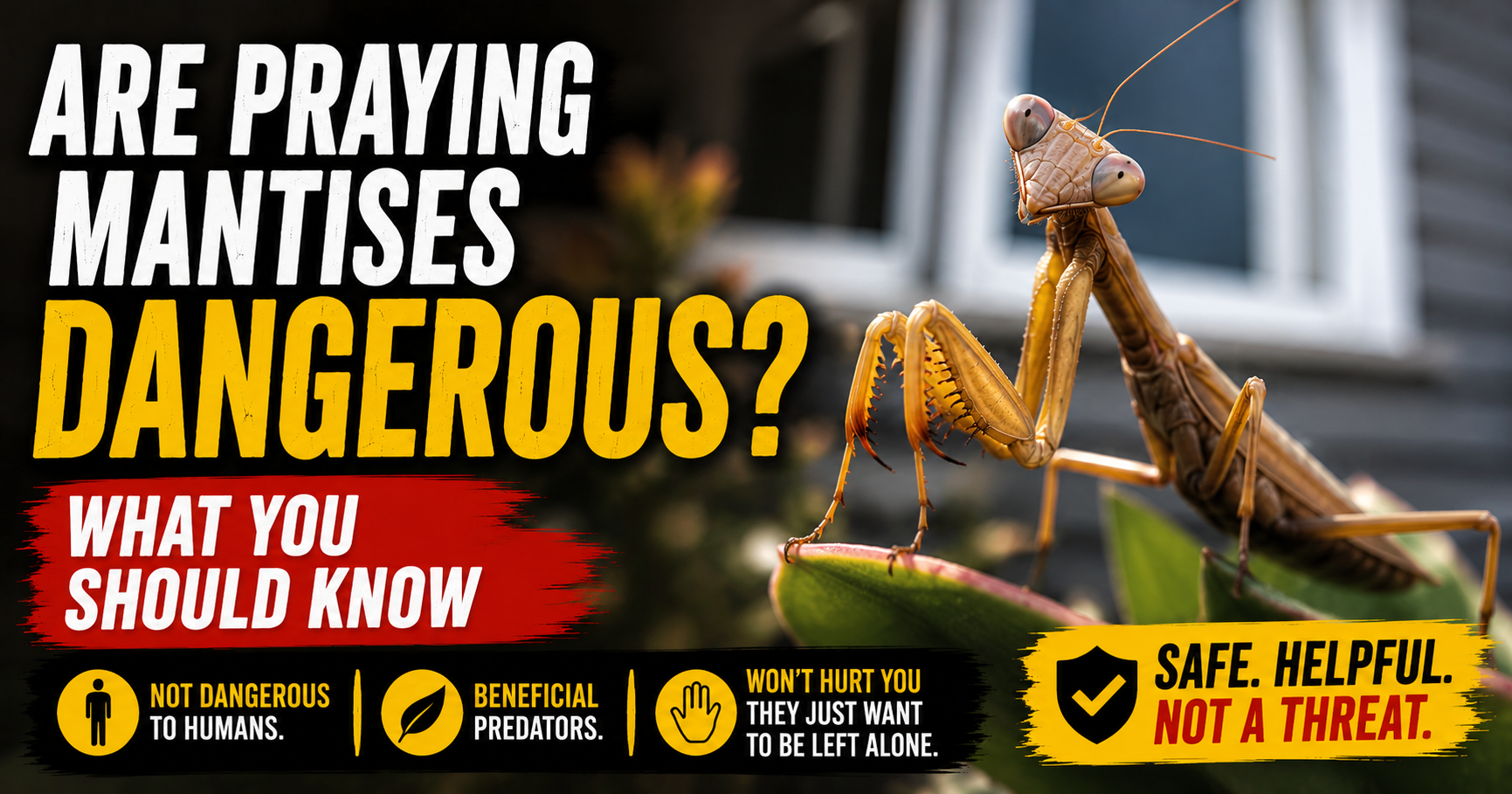
Their appearance does most of the frightening work. A house centipede has a narrow striped body, long antennae, and up to 15 pairs of extremely long legs. When it runs, the legs seem to move in every direction at once.
Those legs are not stingers, and they are not used to bite people. They help the centipede move quickly and capture prey.
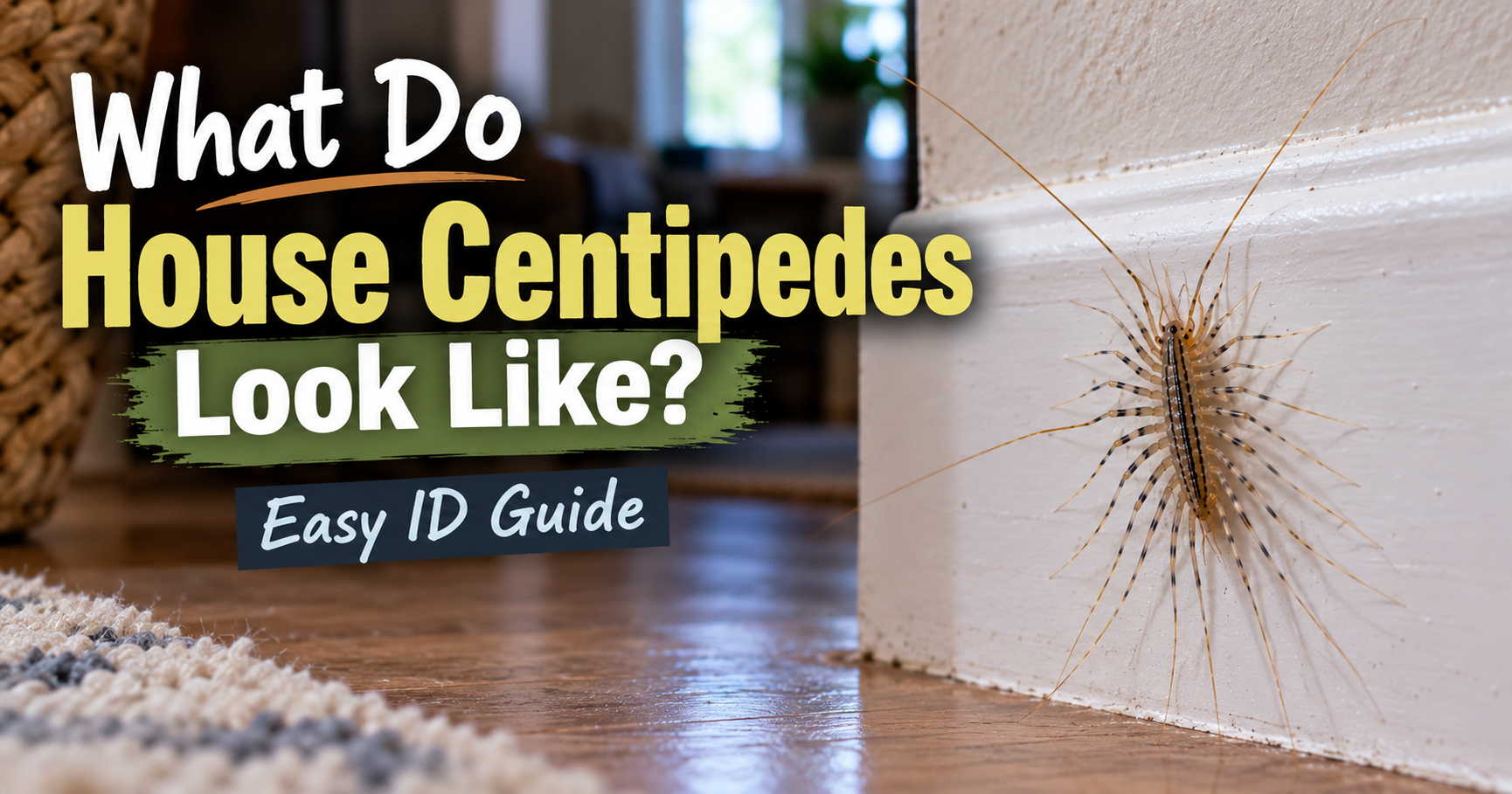
If you are not certain the creature you found was a house centipede, compare it with this house centipede identification guide. Correct identification matters because a house centipede is handled very differently from a spider, silverfish, earwig, or larger outdoor centipede.


Why House Centipedes Usually Run Away Instead of Biting
House centipedes survive by staying hidden and moving fast. They hunt small prey in dark, quiet places, then retreat when something much larger approaches.
They do not build nests in furniture, swarm people, chew fabric, or defend colonies the way some social insects do. When you turn on a basement light and one takes off across the wall, it is trying to escape, not charge you.
That is also why trying to grab one by hand is unnecessary. If you want it gone, use a cup and stiff paper to move it outside, vacuum it up, or reduce the conditions that keep attracting them.
A House Centipede Can Actually Be Hunting Other Pests
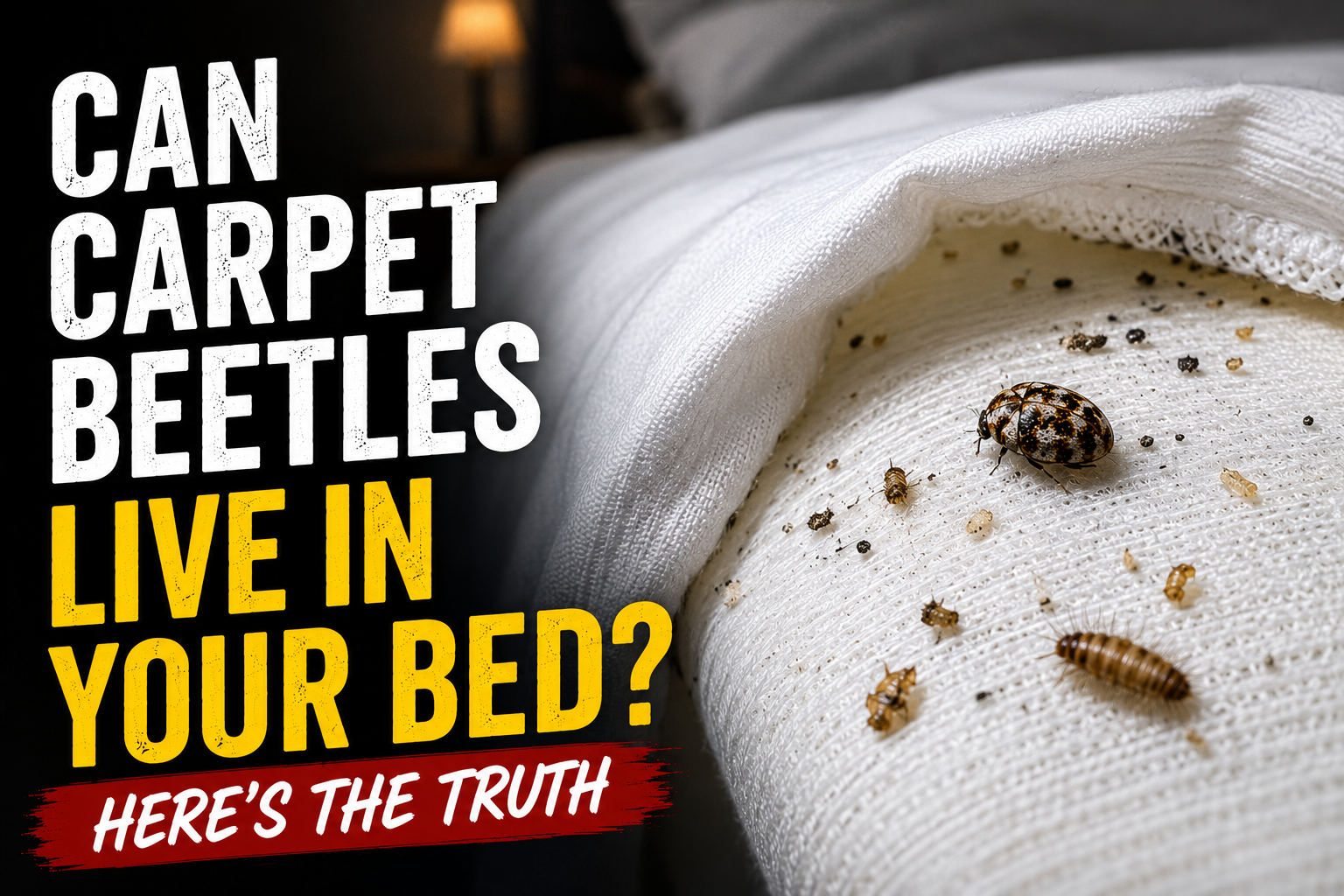
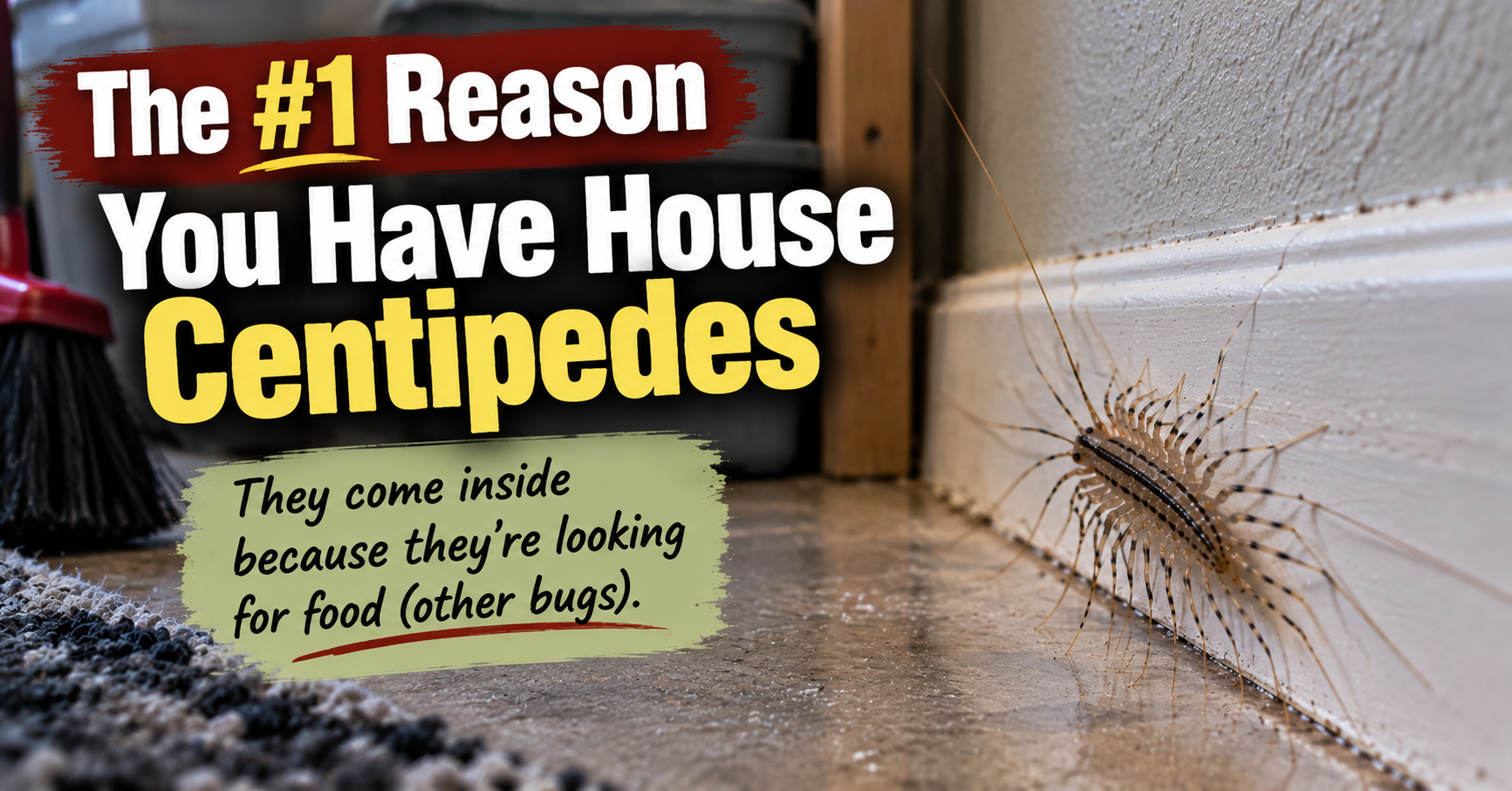
House centipedes eat other indoor arthropods. Their menu can include ants, flies, roaches, silverfish, spiders, and carpet beetle larvae.
That does not mean you have to be happy about finding them indoors. It does mean repeated sightings can be a clue that your home offers moisture, hiding places, entry gaps, or a steady supply of prey.
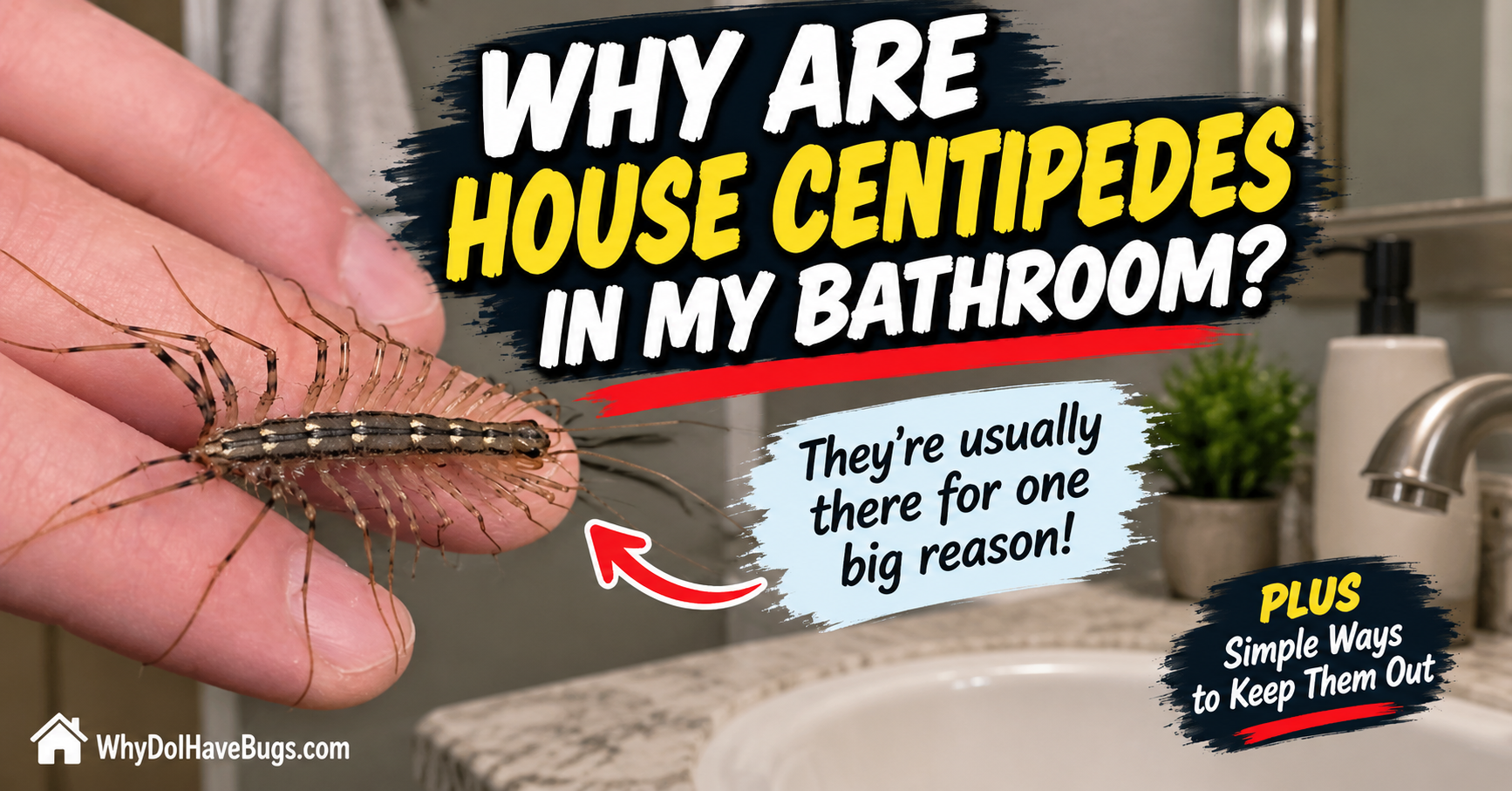
A single centipede is not proof of an infestation. Seeing them frequently, especially in the same bathroom, basement, laundry room, or crawlspace area, is worth investigating. If the repeated sightings are in a bathroom, repeated bathroom centipede sightings explains what to inspect first.


How to Lower the Chance of Finding House Centipedes Indoors
Preventing them is more useful than worrying about a rare bite. The goal is to make the house less damp, less accessible, and less appealing to the insects they hunt.
- Repair plumbing drips, condensation problems, and water leaks.
- Run bathroom exhaust fans and use a dehumidifier in damp basements or laundry areas.
- Seal cracks around utility lines, foundation gaps, doors, and windows.
- Reduce clutter along basement walls, in storage rooms, and near crawlspace access points.
- Address ants, silverfish, roaches, flies, or spiders that may be supplying food.
- Keep mulch, leaf piles, stacked wood, and dense ground cover from resting directly against the foundation.
For a more complete look at the moisture and pest conditions behind repeat sightings, read why house centipedes show up in homes.
Should You Kill House Centipedes Because They Bite?
That is your call, but their ability to bite does not usually make them an urgent threat. Most house centipedes avoid people, and many homeowners never have direct contact with one.
If you only see one occasionally, removing it and making a few moisture fixes may be enough. If you are finding several every week, focus on the source instead of relying only on random sprays.

Sticky monitoring traps can also help show where they are traveling. Place them along walls, behind storage items, or near a basement or bathroom entry point, away from children and pets. Catchmaster Spider and Insect Traps are a practical option for monitoring activity and catching wandering centipedes without spraying the whole room.
When Repeated House Centipedes Mean It Is Time to Look Closer
Repeated sightings are usually not about aggressive centipedes. They are often about the conditions supporting them.
Look closer if you notice:
- Several centipedes in a short period.
- Activity concentrated near a damp bathroom, basement, crawlspace, or utility room.
- Silverfish, roaches, ants, spiders, or other insects in the same area.
- Musty odors, water stains, condensation, or recurring leaks.
- Gaps around pipes, foundation walls, doors, or floor drains.
Handling those problems makes the home less inviting to house centipedes and can improve the overall pest situation at the same time.
House Centipedes vs. Creatures That Are More Likely to Bite
A house centipede is often blamed because it looks scary, but several common pests create more realistic bite concerns.
Mosquitoes bite to feed. Fleas can bite people and pets. Bed bugs feed on blood while people sleep. Certain spiders can bite when trapped or handled. House centipedes are not in the same category as these pests because they do not feed on people and do not seek contact.
That is one more reason to identify the actual bug before treating a bite, rash, or indoor pest problem. The right answer depends on what you are dealing with, not what you fear it might be.
Frequently Asked Questions
Do house centipedes bite humans?
They can bite, but it is rare. House centipedes are shy predators that normally run away from people rather than approaching them.
Does a house centipede bite hurt?
A rare bite may cause a quick pinch, mild burning, redness, or small local swelling. Reactions are usually mild, but people can respond differently.
Can house centipedes bite through clothing?
It is unlikely. A bite generally requires close contact, such as trapping or handling the centipede against bare skin.
Do house centipedes crawl on you at night?
They may wander through a room at night while hunting other insects, but they do not seek people out or come to beds to feed.
Are house centipedes dangerous to babies or pets?
They are not generally considered dangerous, but direct contact should still be monitored. Get medical or veterinary help for any severe or unusual reaction.
Should I worry if a house centipede is in my bedroom?
One occasional centipede is not usually a reason to panic. Repeated sightings are a better reason to inspect for dampness, entry points, and the small insects centipedes eat.
What attracts house centipedes indoors?
Moisture, dark hiding places, cracks that allow entry, and other indoor insects all make a home more appealing. This guide to house centipede safety explains why their presence is more often a home-condition clue than a direct danger.
Daniel Brooks writes practical home pest guides for WhyDoIHaveBugs.com, helping homeowners identify what they are seeing and fix the conditions that keep pests coming back.