
Baby praying mantises look like miniature adults, but they are much smaller and do not yet have functional wings. They have triangular heads, long bodies, six legs, and folded front legs designed for grabbing prey.
A newly hatched praying mantis may be so small that it is easy to mistake for an ant, mosquito, or another young insect. Once I look closely at the shape of its head and front legs, however, the difference is usually clear.
The proper name for a baby praying mantis is a nymph. A nymph will molt and grow several times before becoming a fully developed adult. Cicadas use the same general term for their immature stage, and the cicada nymph stage shows how that stage differs in appearance and development.
What Does a Baby Praying Mantis Look Like?
A baby praying mantis has most of the same basic features as an adult mantis. The main differences are its size and lack of developed wings.
The easiest features to look for include:
- A small triangular head
- Two large, widely spaced eyes
- Long antennae
- An elongated body
- Six legs
- Folded, grasping front legs
- No visible wings on a young nymph
The specialized front legs are particularly helpful for identification. A mantis holds these legs up and folded in front of its body, creating the familiar praying position.
Those front legs are not actually used for praying. They are powerful hunting tools lined with spines that help the mantis catch and hold insects.
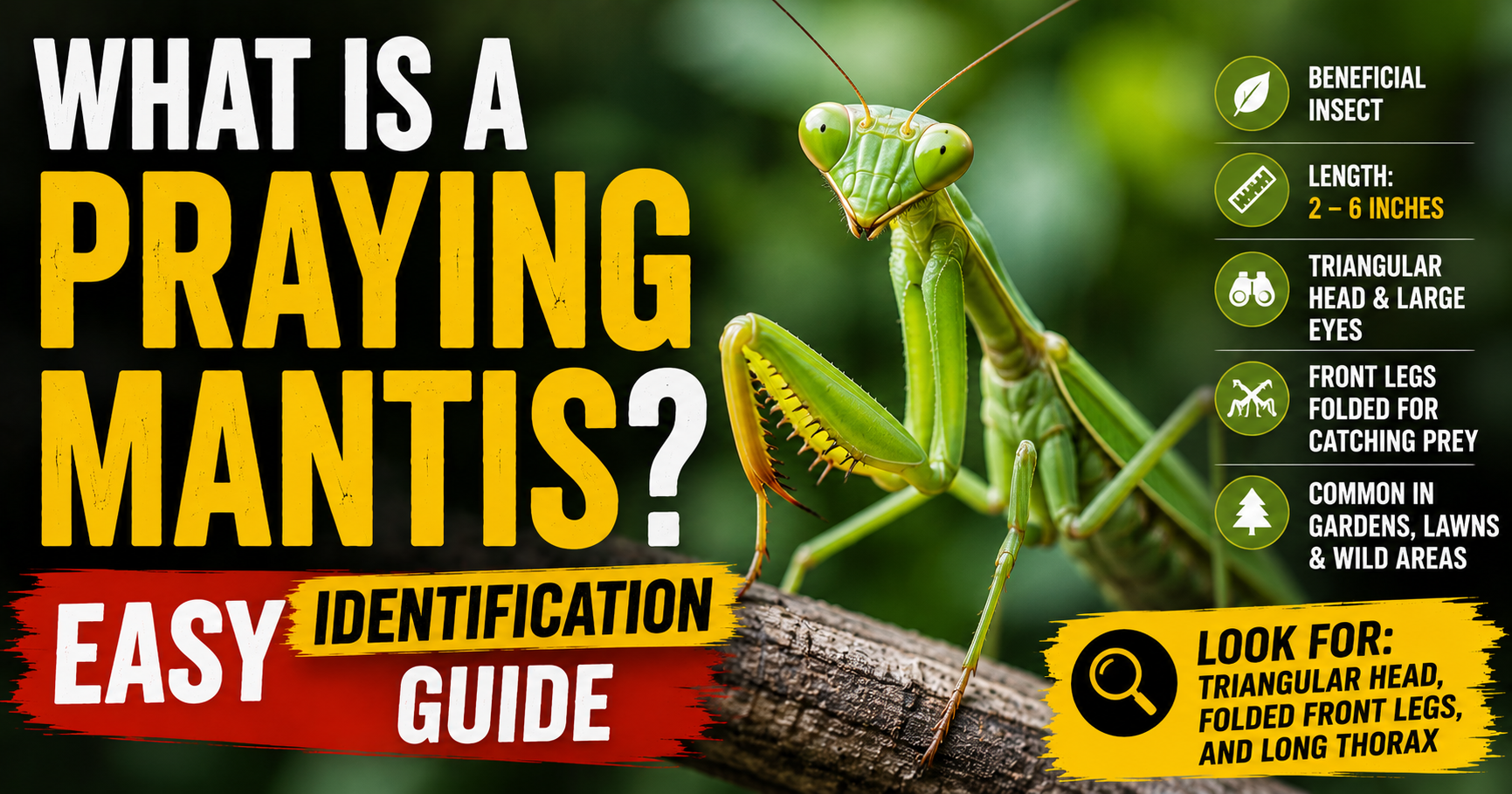
If you want to examine the adult features in more detail, my praying mantis identification guide explains the body shape, legs, head, and other identifying characteristics.
How Small Are Baby Praying Mantises?
Newly hatched praying mantises can be around a quarter of an inch long, although their exact size depends on the species. Some are slightly smaller or larger when they emerge.
They grow gradually rather than reaching adult size all at once. A nymph passes through several developmental stages called instars, getting larger after each molt.
This means the term baby praying mantis can describe nymphs of several different sizes. One might be tiny enough to stand on a fingertip, while an older nymph may already be an inch or two long.
Size by itself is not enough to identify one. I also look for the triangular head, upright posture, and folded front legs.


What Color Are Baby Praying Mantises?
Baby praying mantises may be green, brown, tan, gray, or a combination of these colors. Some have stripes, spots, or mottled patterns that help them blend into plants and tree bark.
A nymph’s color depends on its species, age, surroundings, and individual variation. Not every green mantis is the same species, and not every baby mantis will remain the same color as it grows.
Brown nymphs are sometimes overlooked because they blend so well with dead leaves, sticks, mulch, and bark. Green ones are usually easier to notice on flowers, garden plants, and light-colored walls.
Color is useful, but body shape is a more dependable identification feature.
Do Baby Praying Mantises Have Wings?
Newly hatched praying mantises do not have wings and cannot fly. They move by walking, climbing, and jumping between nearby surfaces.
As a nymph gets older, small wing buds may begin to appear on its back. These are not functional adult wings, so the mantis still cannot use them for normal flight.
The wings become fully developed during the final molt into adulthood. Depending on the species and sex, an adult mantis may then be capable of flying.
A wingless mantis is not necessarily injured. If it is small and otherwise looks healthy, it is probably still a growing nymph.
Where Do Baby Praying Mantises Come From?
Baby praying mantises hatch from a protective egg case called an ootheca. The female produces a foamy material around the eggs that hardens into a protective covering.
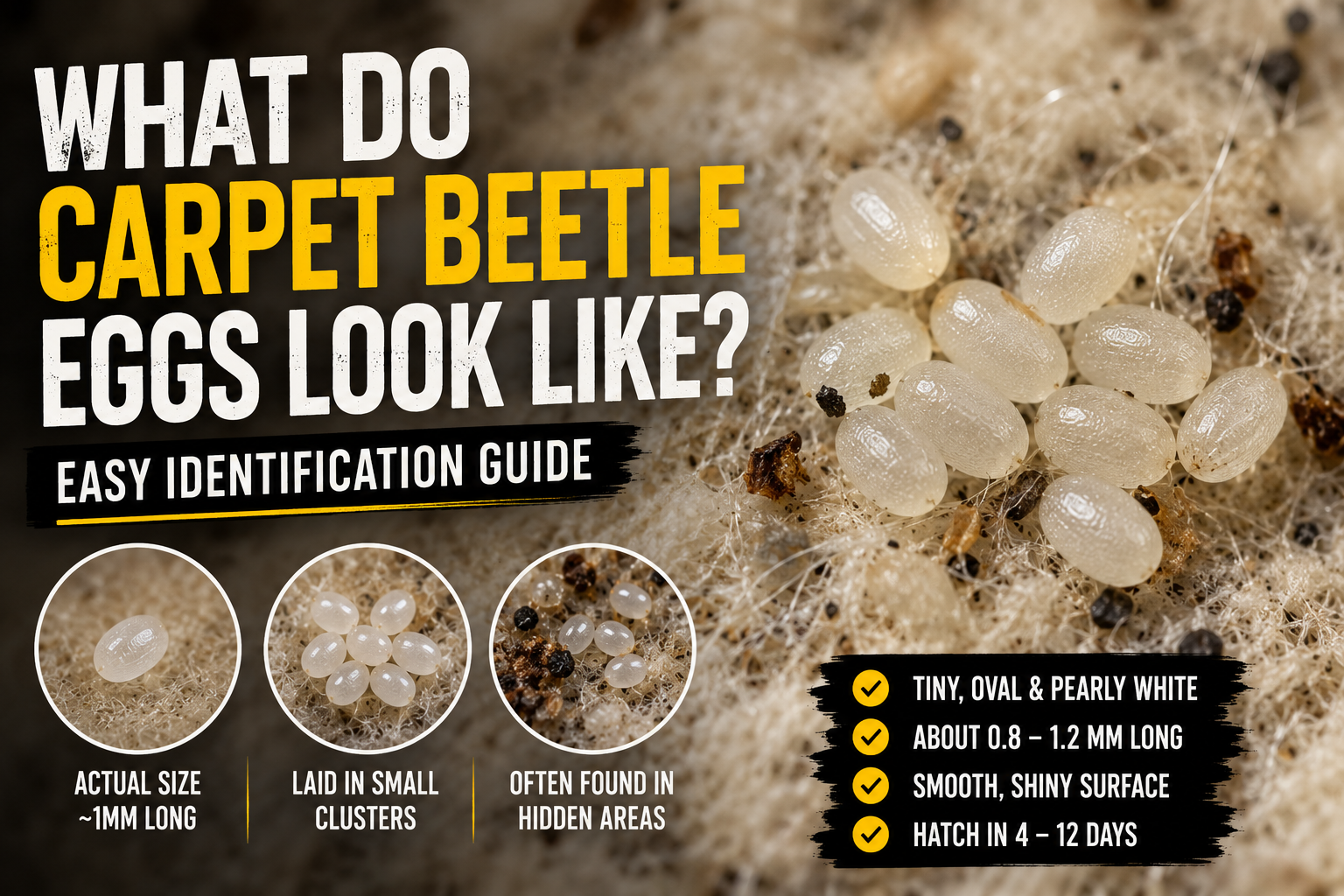
An egg case can contain dozens or even hundreds of eggs, depending on the mantis species. When the nymphs hatch, many may emerge within a fairly short period.
Freshly hatched nymphs sometimes hang from thin threads near the egg case before climbing away. Their bodies are initially soft, but the outer covering soon hardens.

If you find a strange hardened mass attached to a twig, fence, plant stem, or outdoor decoration, compare it with the examples in my guide to what a praying mantis egg sac looks like.
Why Are There So Many Baby Praying Mantises Together?
Finding a large group of baby mantises can be surprising, but it usually means an egg case has just hatched nearby.
The nymphs do not form a colony or remain together like ants or termites. Praying mantises are mostly solitary predators, and the young begin dispersing as they search for food and suitable hiding places.
Their numbers will naturally thin out. Many are eaten by birds, spiders, lizards, frogs, predatory insects, and even other praying mantises.
Seeing many babies at once does not normally mean you have a praying mantis infestation. It is a temporary result of multiple nymphs hatching from the same egg case.



What Do Baby Praying Mantises Eat?
Baby praying mantises eat small live animals that they can catch and overpower. Newly hatched nymphs begin with tiny prey, including:
- Aphids
- Gnats
- Fruit flies
- Small leafhoppers
- Mites
- Springtails
- Tiny moths
- Mosquito-sized insects
- Other newly hatched mantises
As the mantis grows, it becomes capable of catching larger insects. Older nymphs may prey on flies, moths, small crickets, grasshoppers, caterpillars, and other insects that fit within their grasp.
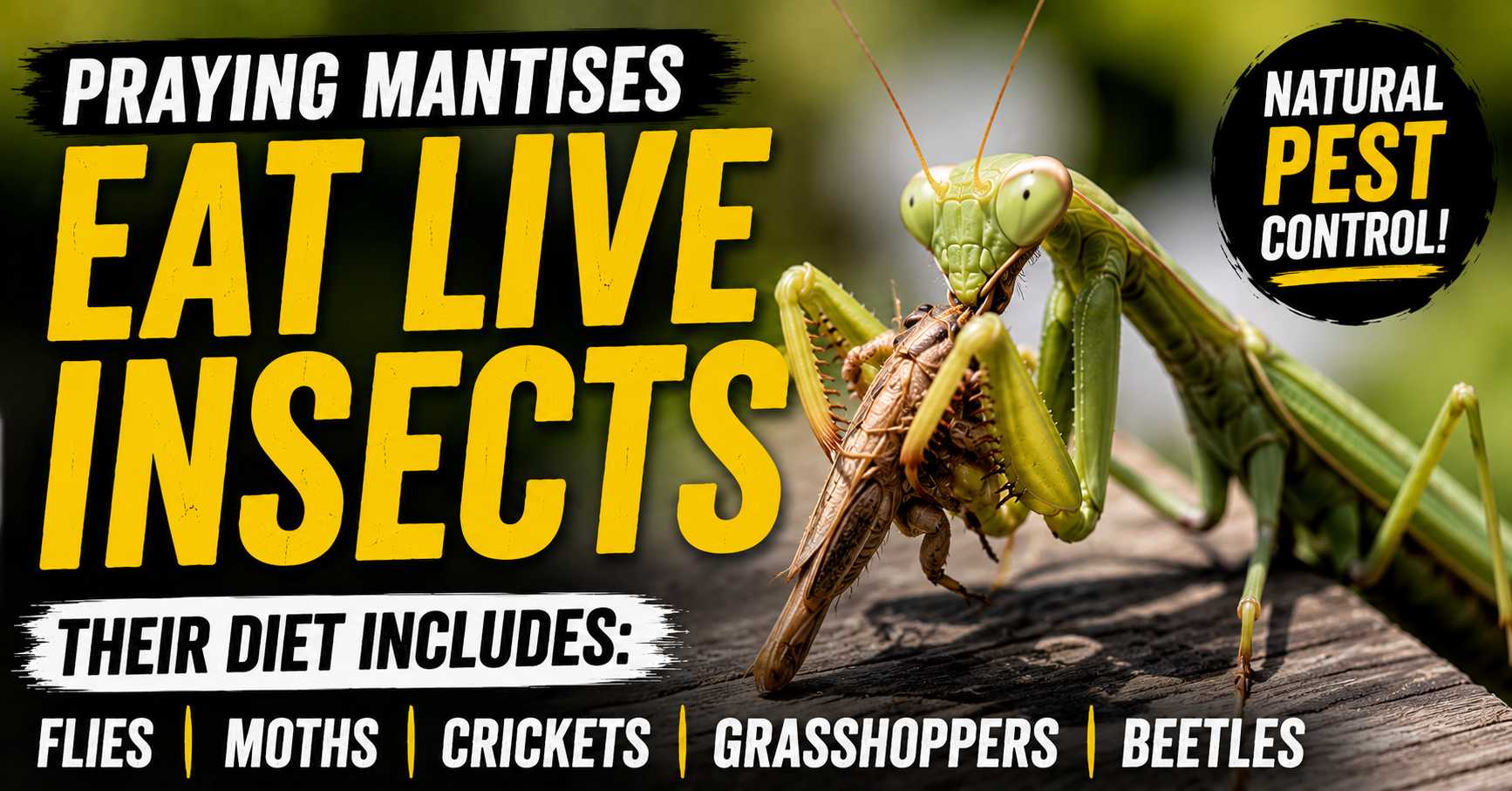
Mantises are hunters rather than plant eaters. They will not survive on leaves, fruit, sugar water, or dead insects. My complete guide to what praying mantises eat explains how their diet changes as they grow.
How Do Baby Praying Mantises Hunt?
Baby mantises hunt using the same basic method as adults. They often remain still on a leaf, stem, flower, or branch and wait for a small insect to come within reach.
When prey gets close enough, the mantis strikes quickly with its folded front legs. The spines on those legs help prevent the captured insect from escaping.
A young mantis may also stalk its prey slowly. Its swaying movements can resemble a leaf or twig moving in the wind, helping it approach without being noticed.
Even a very small nymph is an active predator. Its hunting ability is present soon after hatching and improves as it grows.

Do Baby Praying Mantises Eat Each Other?
Baby praying mantises can eat one another, especially when food is scarce or too many nymphs remain in a confined area.
This behavior is one reason newly hatched mantises begin spreading out. Staying together would create competition for food and give larger nymphs an opportunity to attack smaller ones.
Cannibalism is a natural part of mantis behavior. It does not mean anything is wrong with the insects or their environment.
People attempting to raise baby mantises often discover that keeping many nymphs in one container leads to losses. Each one needs appropriate live prey, space, ventilation, and enough vertical room to molt safely.
How Do Baby Praying Mantises Grow?
Praying mantises undergo incomplete metamorphosis. Their life cycle consists of three main stages:
- Egg
- Nymph
- Adult
They do not have a caterpillar-like larval stage or form a cocoon or pupa.
Instead, a nymph sheds its exoskeleton several times as it grows. Depending on the species, it may molt roughly five to ten times before reaching adulthood.
After a molt, the mantis is soft and vulnerable until its new exoskeleton hardens. It may appear unusually pale during this period.
A mantis needs to hang vertically while molting so it can pull itself out of the old skin properly. Disturbing or handling it during a molt can cause serious injury.


How Long Does It Take a Baby Praying Mantis to Become an Adult?
Most praying mantises develop from nymphs into adults over several months during the warmer part of the year.
The exact timing depends on the species, temperature, food supply, and local climate. Nymphs generally hatch during spring and grow through repeated molts during spring and summer.
They often reach adulthood by late summer or early fall. Adults then mate and produce the egg cases that protect the next generation through the colder months.
Warmer conditions and a steady supply of prey can speed development, while cooler temperatures and limited food may slow it down.
Baby Praying Mantis Versus Adult Praying Mantis
A baby mantis and an adult share the same general body shape, but there are several useful differences.FeatureBaby Praying MantisAdult Praying MantisSizeSmall, with size varying by ageFully grownWingsAbsent or present only as wing budsFully developedFlightCannot flySome adults can flyDevelopmentStill molts and growsNo longer grows through moltsDietStarts with very small live preyCan catch larger preyReproductionCannot reproduceCan mate and produce eggs
An older nymph can look very similar to an adult at first glance. Checking the back for fully developed wings is one of the easiest ways to tell them apart.
Are Baby Praying Mantises Dangerous?
Baby praying mantises are not dangerous to people or pets. They are not venomous, do not have stingers, and cannot spread an infestation through a house.
A frightened nymph may raise its front legs or attempt to grab something touching it. However, a small mantis is unlikely to cause a meaningful injury.
It is still best to avoid squeezing or repeatedly handling one. Baby mantises are delicate, particularly after hatching or molting.
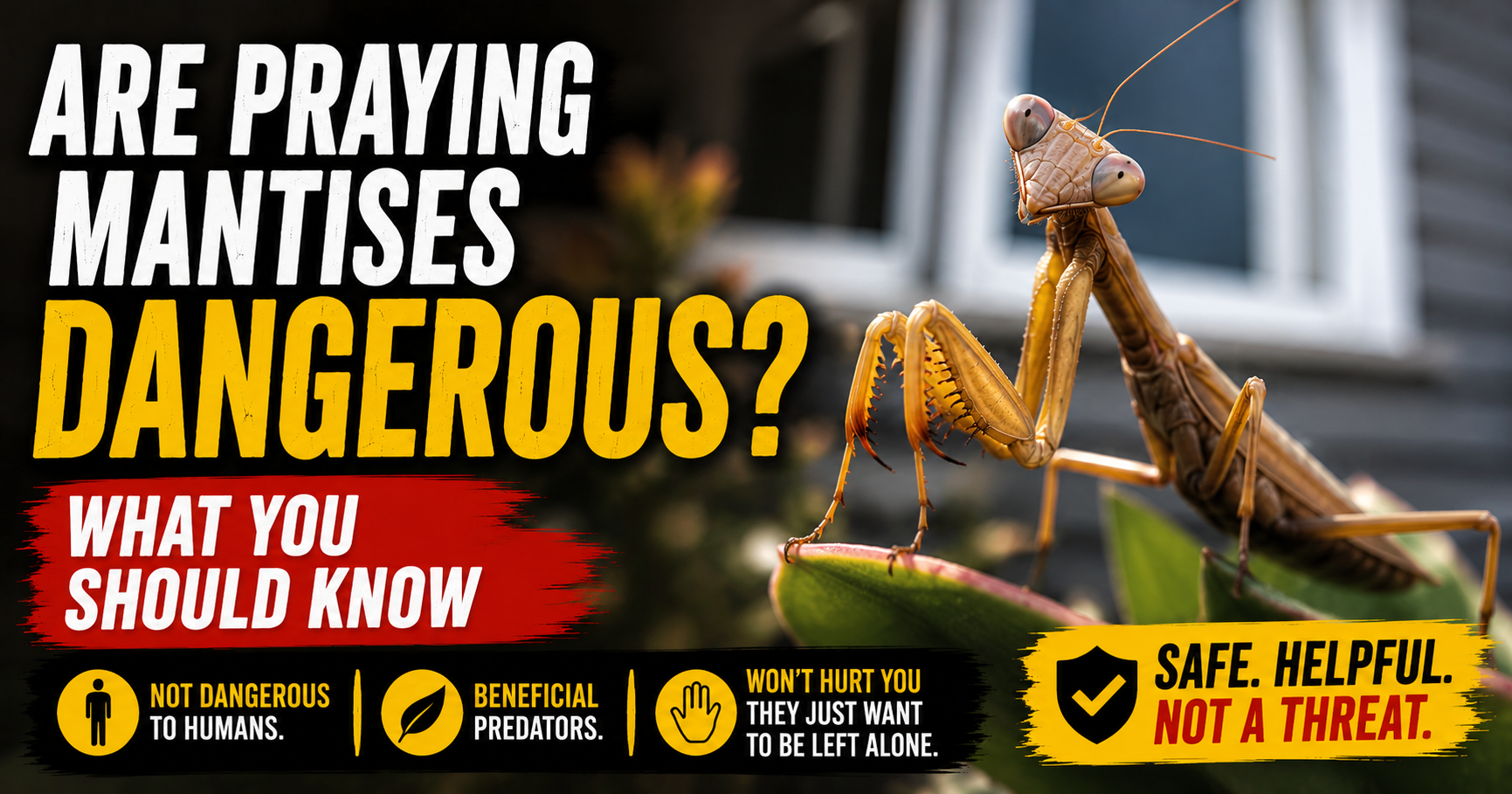
The larger adults can defend themselves if grabbed, but they are not aggressive insects that pursue people. You can read more about their defensive behavior in my guide to whether praying mantises are dangerous.
Why Are Baby Praying Mantises Inside My House?
Finding one baby mantis indoors may mean it entered through an open door, window, torn screen, or gap around the house.
Finding dozens of them at once points to a different explanation. A praying mantis egg case was probably brought indoors on something from outside.
Common sources include:
- Christmas trees
- Wreaths
- Firewood
- Cut branches
- Potted plants
- Outdoor decorations
- Garden supplies stored indoors
Warm indoor temperatures can cause an egg case to hatch before it normally would outside. The nymphs then scatter toward windows and lights while looking for prey and a way outdoors.
These baby mantises are not breeding inside the house or feeding on the building. They are accidental visitors that will have trouble surviving without a steady source of appropriately sized live insects.
What Should I Do If Baby Mantises Hatch Indoors?
Do not spray the nymphs with insecticide. They are not household pests, and spraying an entire room is unnecessary.
I would gently collect them using a cup, soft paintbrush, or ventilated container. Avoid grabbing their legs because the legs can be injured or detached.
If outdoor conditions are mild and insects are active, place the nymphs on sheltered vegetation away from immediate hazards. A shrub, dense garden plant, or protected patch of vegetation gives them places to hide and hunt.
Releasing newly hatched nymphs during freezing weather is more complicated. A local university extension office can provide advice based on your climate and the likely mantis species.
The egg case should also be found and moved to an appropriate sheltered outdoor location if it has not finished hatching.
Where Should I Look for Baby Praying Mantises Outside?
Baby praying mantises can be found anywhere that offers small prey and enough cover for hiding.
Good places to check include:
- Garden plants
- Flower beds
- Shrubs
- Tall grass
- Weeds
- Tree branches
- Fence lines
- Areas near an egg case
- Porch and exterior walls
They are easiest to notice when they move. A motionless nymph may blend almost perfectly with a stem, leaf, or piece of bark.
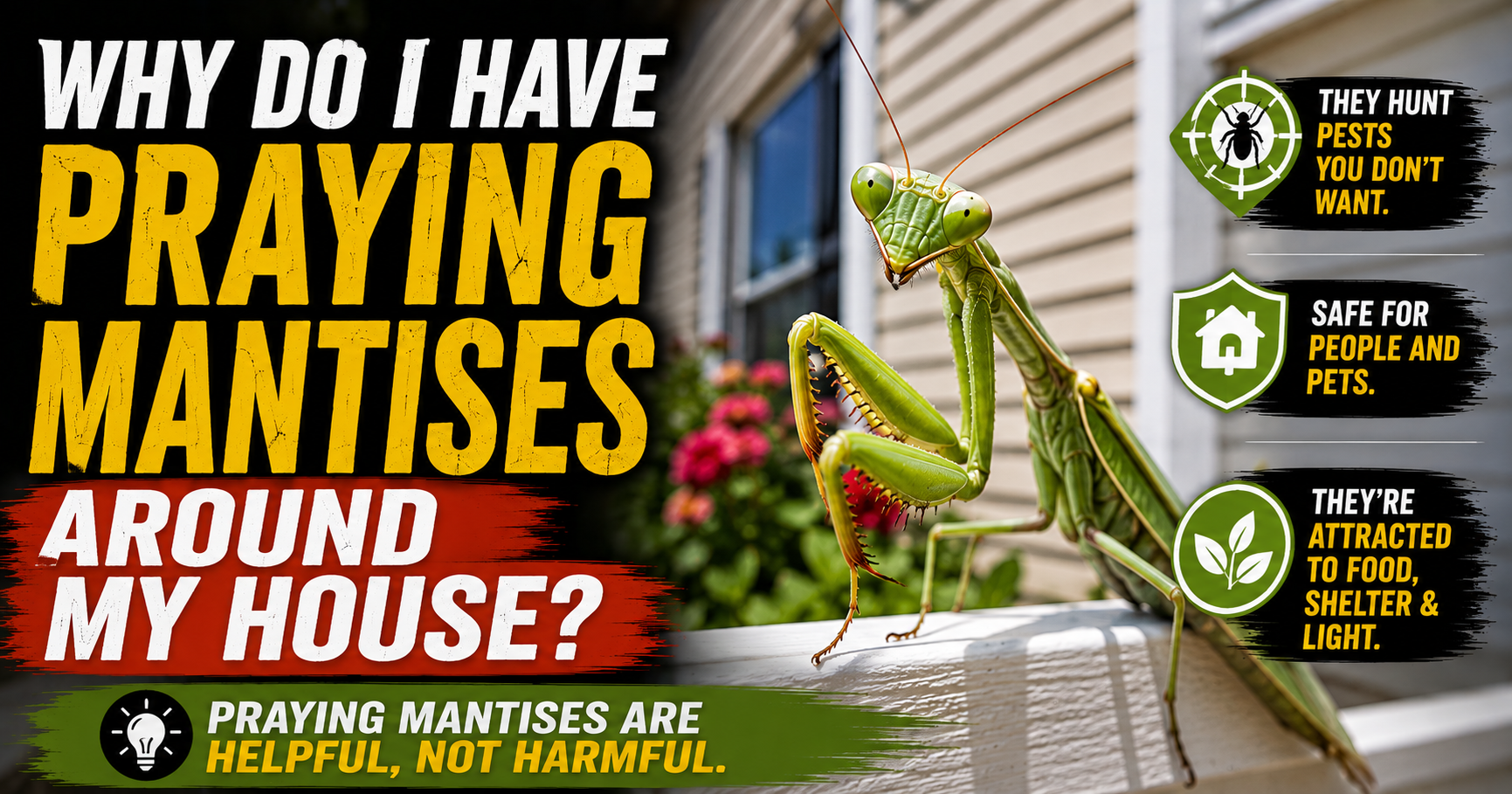
If mantises regularly appear near your home, the yard probably provides suitable vegetation, prey, and egg-laying sites. This is usually a sign of usable habitat, as explained in my guide to why praying mantises are around a house.
What Insects Look Like Baby Praying Mantises?
Several young insects can be mistaken for baby mantises. Looking at more than color and size helps prevent an incorrect identification.
Walking Stick Nymphs
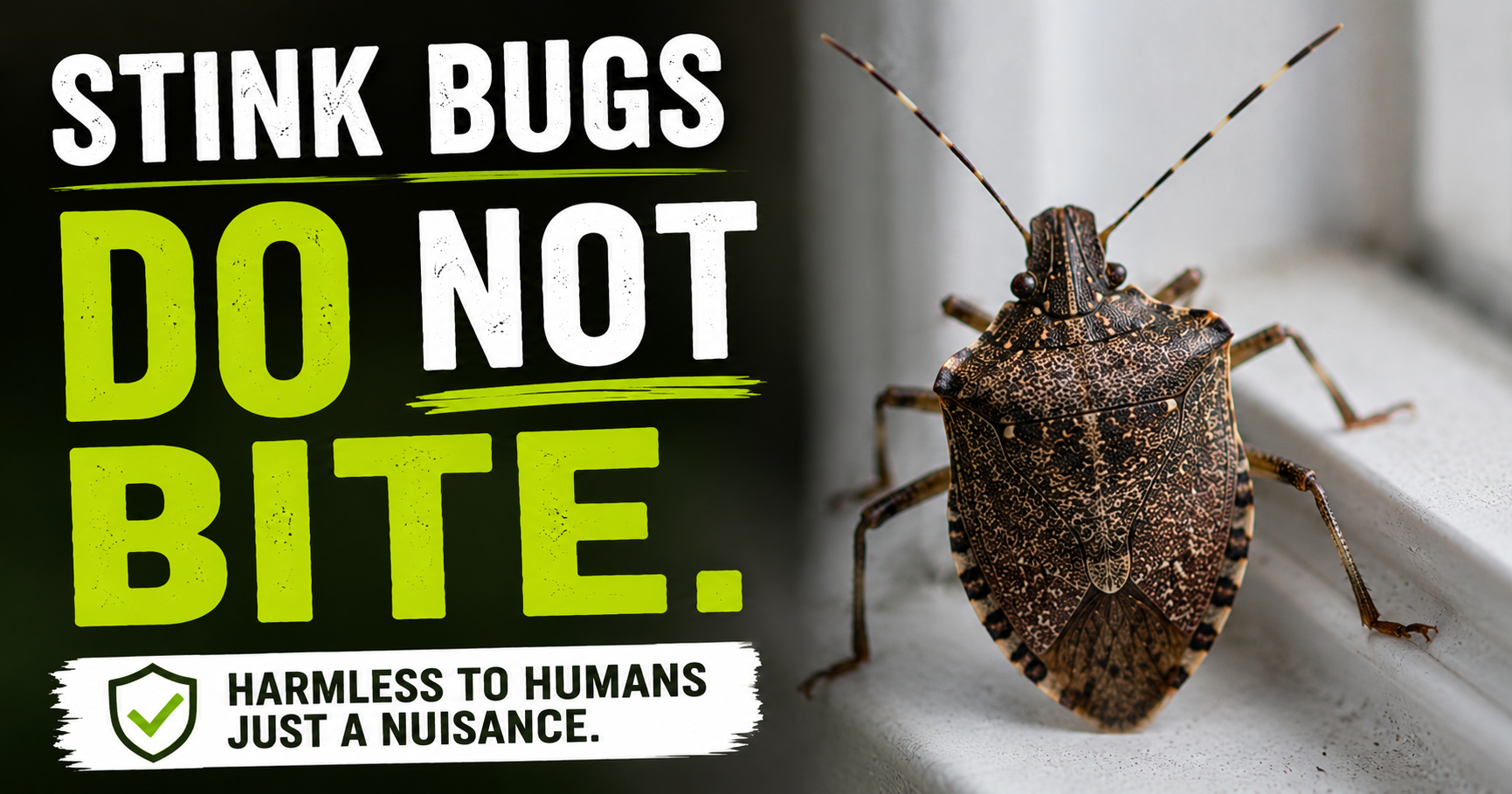
Walking stick nymphs have long, thin bodies and legs, but their front legs are designed for walking rather than seizing prey. They do not normally hold a pair of thick, spiny front legs folded beneath the head.
Assassin Bug Nymphs
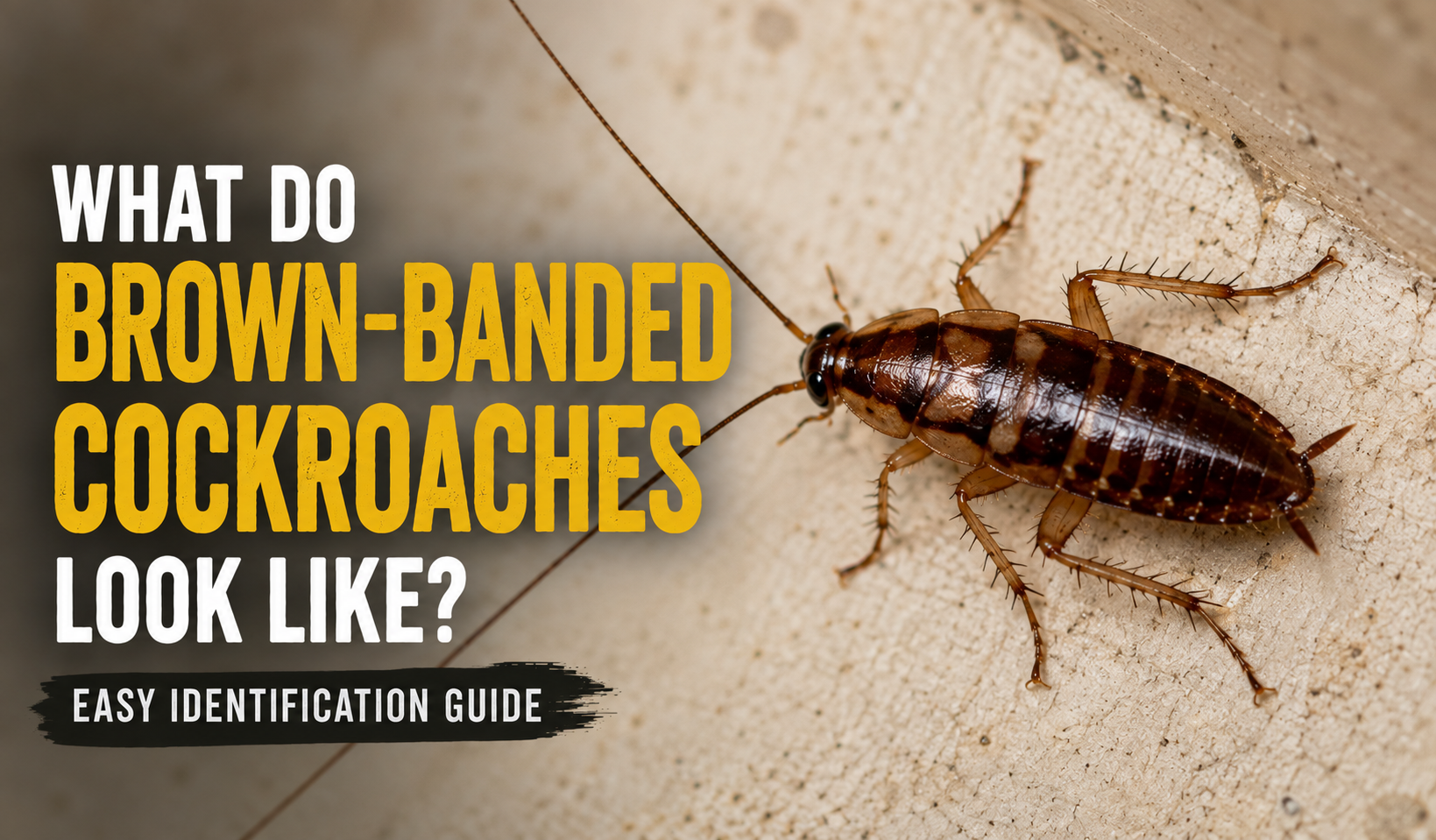
Assassin bug nymphs are predators and may have long legs, but their heads and bodies have a different shape. They also have a piercing beak tucked beneath the head rather than the mantis’s distinctive grasping front legs.
Katydid Nymphs

Young katydids are often green and may have long antennae. Their enlarged back legs are built for jumping, while a mantis has enlarged front legs built for catching prey.
Grasshopper and Cricket Nymphs
Young grasshoppers and crickets also lack adult wings. Their powerful hind legs and rounded head shape separate them from the triangular-headed praying mantis.
Mantidflies
Mantidflies have grasping front legs that resemble those of a mantis, but adults have clear, lacewing-like wings. They also belong to an entirely different insect group.
Should I Keep a Baby Praying Mantis?
A baby praying mantis may be fascinating to observe, but raising one successfully requires more care than many people expect.
It needs correctly sized live prey, good ventilation, appropriate humidity, and an enclosure tall enough for safe molting. The mantis must be able to hang without touching the floor while shedding its old exoskeleton.
Too much moisture can encourage mold, while dry conditions can contribute to molting problems. Prey that is too large may injure a young mantis.
Keeping multiple nymphs together also creates a risk of cannibalism. In most cases, I prefer to leave a healthy wild mantis outdoors where it can disperse, hunt naturally, and choose its own shelter.
Frequently Asked Questions
What is a baby praying mantis called?
A baby praying mantis is called a nymph. It resembles a small, wingless adult and grows by shedding its exoskeleton several times.
Are baby praying mantises green?
Some baby praying mantises are green, but others are brown, tan, gray, or mottled. Color varies by species and individual, so it should not be the only identification feature used.
Can a baby praying mantis fly?
No. Young praying mantises do not have functional wings. Older nymphs may develop visible wing buds, but complete wings do not appear until the final molt into adulthood.
Can baby praying mantises bite?
A baby mantis has chewing mouthparts and may try to defend itself, but it is too small to pose a realistic danger to a person. It is more likely to be injured by rough handling than to injure you.
Why are baby praying mantises hanging from an egg case?
Newly hatched nymphs may briefly hang from thin threads as they emerge. Their bodies then harden, and they climb away from the egg case to begin searching for food.
Why did hundreds of baby mantises suddenly appear?
A nearby egg case probably hatched. One ootheca can hold many eggs, causing numerous nymphs to appear at nearly the same time. They will usually disperse rather than stay together.
Do baby praying mantises need their mother?
No. The female does not care for the young after they hatch. Baby mantises can hunt and survive independently from the beginning of the nymph stage.
Are baby praying mantises good for a garden?
They eat many small insects, including some garden pests. However, they are general predators and may also catch beneficial insects. I consider them part of the garden ecosystem rather than a complete form of pest control.
Will baby praying mantises infest my house?
No. Praying mantises do not establish household infestations. A large indoor group usually came from an egg case accidentally brought inside, and the nymphs are unlikely to survive there for long.
A Tiny Mantis Is Usually Easy to Recognize Up Close
The clearest sign of a baby praying mantis is the combination of a triangular head and folded, grasping front legs. Young nymphs look like tiny wingless adults and may be green, brown, tan, or mottled.
Finding many at once normally means an egg case has recently hatched. They are solitary outdoor predators, not household pests, and most will quickly disperse in search of small live prey.
Caleb Warren is a longtime gardener and backyard insect researcher who writes practical identification guides for WhyDoIHaveBugs.com, helping homeowners understand the insects they find before deciding whether any action is needed.