Most people don’t start wondering how long ants live until they have them in their house.
Maybe you’ve been seeing the same trail of ants for weeks.
Maybe you treated them once, only to watch them come back.
Or maybe you’re hoping they’ll simply die off if you wait long enough.
I’ve heard all of those questions.
The interesting part is that there isn’t just one answer.
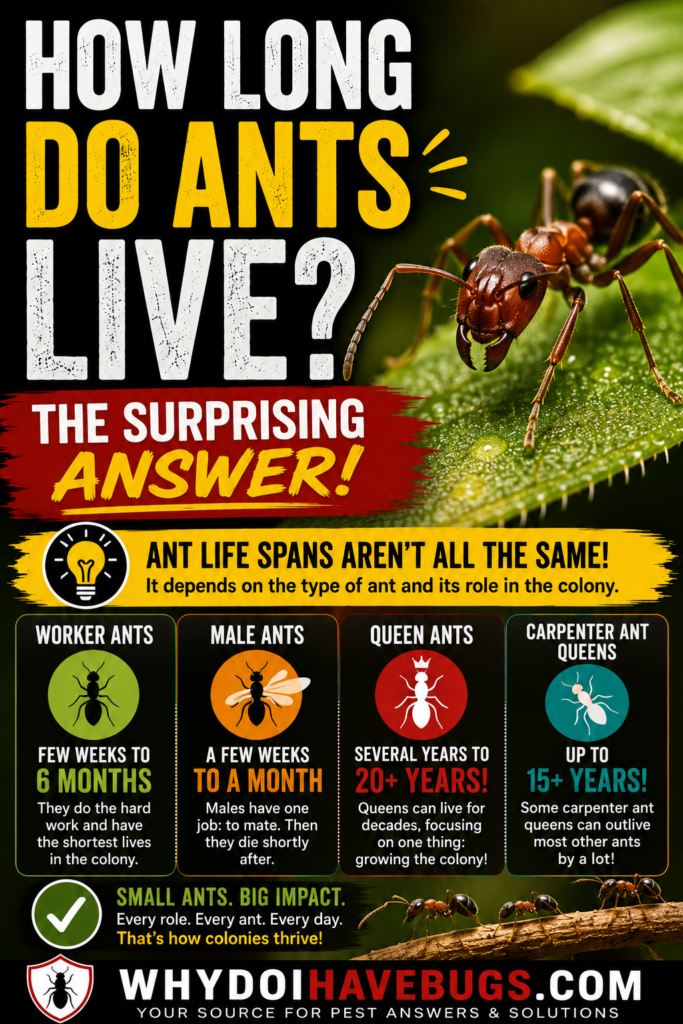
An ant’s lifespan depends almost entirely on what job it has in the colony.
Some ants only live for a few weeks.
Others survive for months.
And the queen?
She can live for years, which explains why some infestations seem like they never end.
Understanding how long ants live also helps explain why getting rid of the worker ants you see rarely solves the real problem.
My First Thought
Whenever someone asks how long ants live, I usually think they’re really asking something else.
They’re asking:
“How long is this infestation going to last?”
That’s a much more useful question.
Because the lifespan of one worker ant matters far less than the lifespan of the colony.
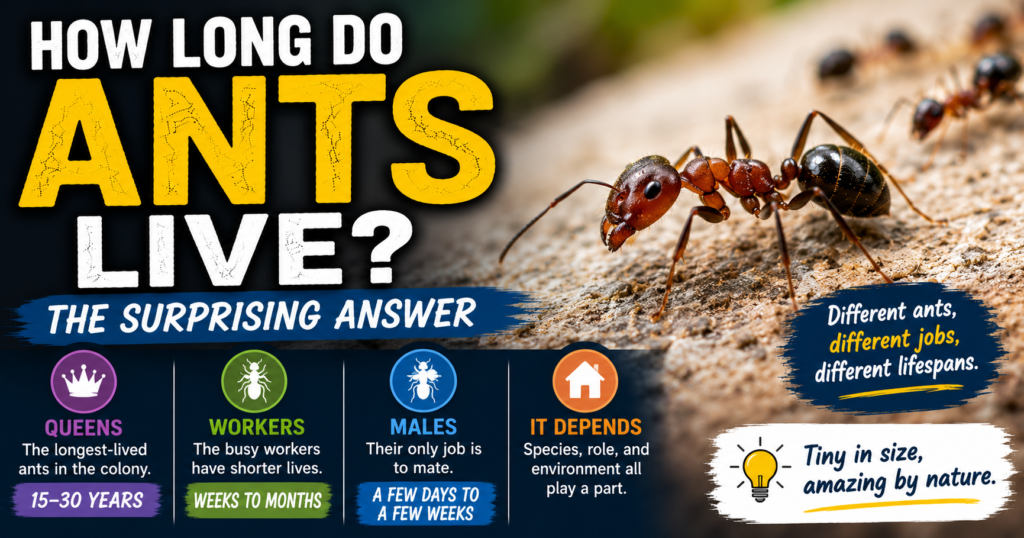
Worker Ants Usually Live for Weeks to Months
The ants you see crawling across your kitchen counter are worker ants.
They’re responsible for:
- Finding food
- Collecting water
- Caring for young ants
- Defending the colony
- Expanding trails
Depending on the species and environmental conditions, many worker ants live anywhere from several weeks to several months.
That may sound like a long time.
But worker ants are constantly being replaced.
While older workers die, younger workers are already taking their place.
That’s one reason ant trails seem endless.
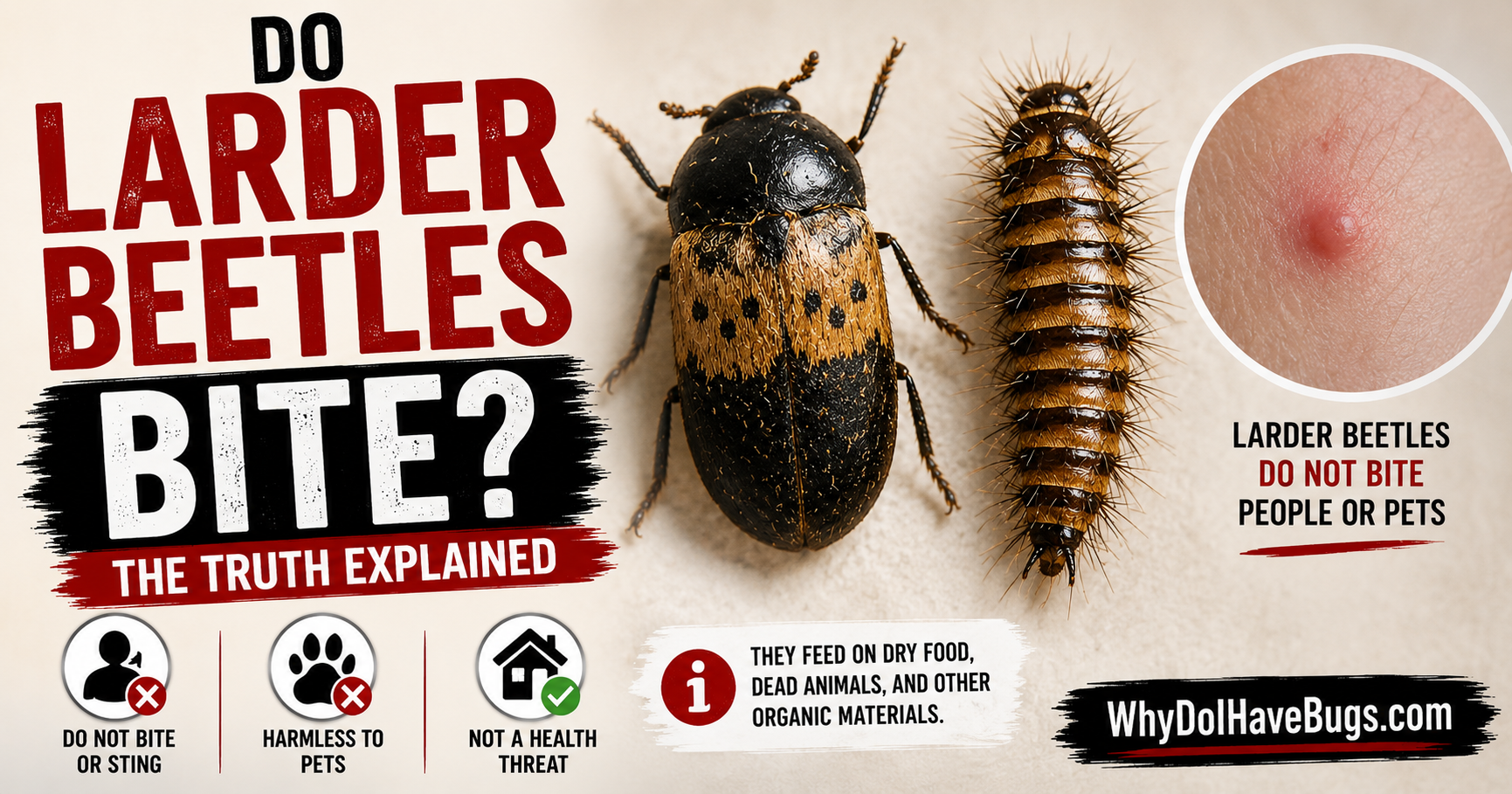


Queen Ants Can Live for Years
The queen is an entirely different story.
Unlike worker ants, her primary job is laying eggs.
Some queen ants can survive for many years under the right conditions.
That long lifespan is one reason established colonies become so difficult to eliminate.
As long as the queen remains healthy, she continues producing new generations of worker ants.
It’s one of the biggest reasons I focus on eliminating the colony rather than simply spraying the ants I can see.
Flying Ants Have a Short but Important Job
Flying ants don’t stay flying forever.
These winged ants are reproductive males and future queens.
Their mission is simple.
Leave the colony.
Mate.
Start new colonies.
Male flying ants usually die shortly after mating.
Fertilized queens land, shed their wings, and begin searching for a suitable nesting site.
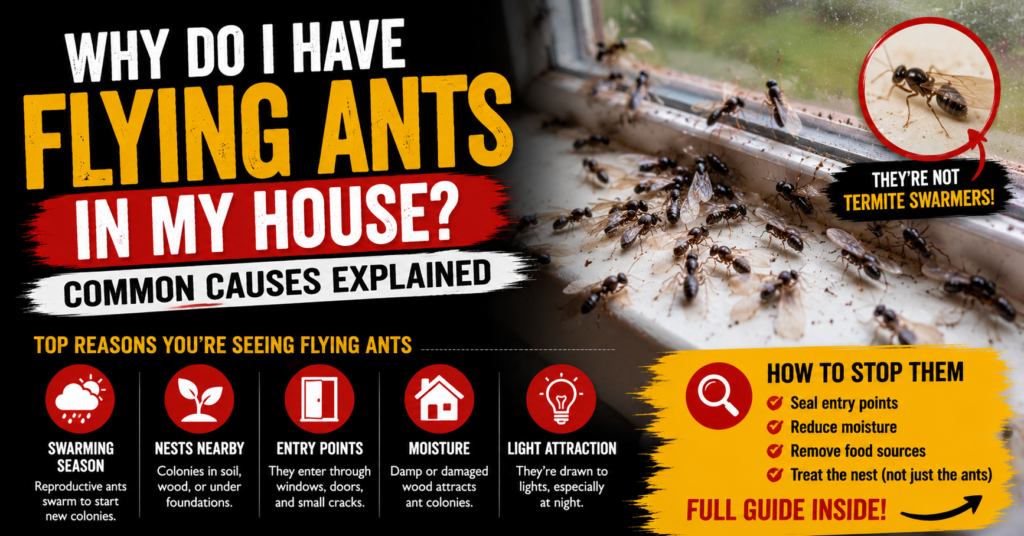
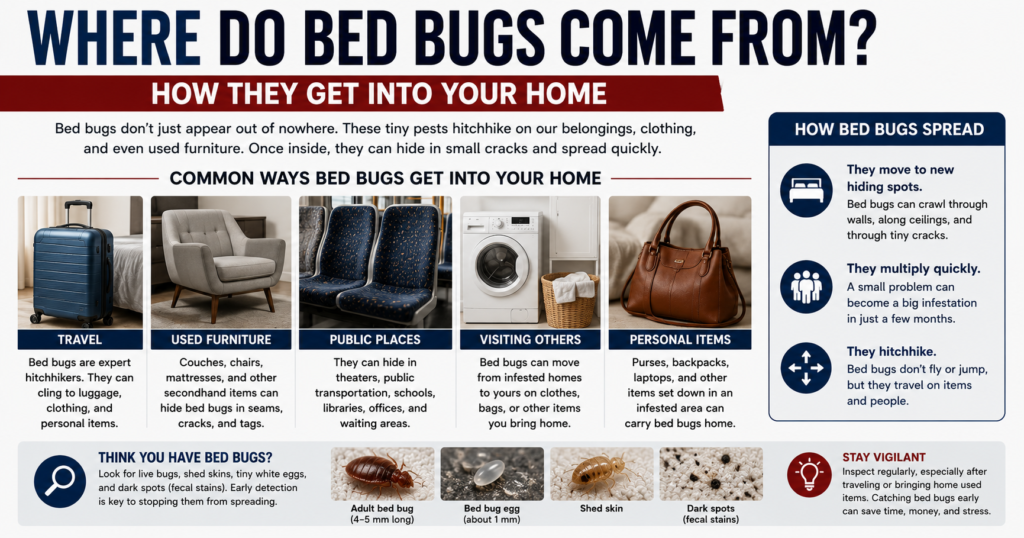
If you’ve recently discovered winged ants indoors, my guide on Why Do I Have Flying Ants in My House? explains why they suddenly appear and when they deserve a closer look.

Why Ant Colonies Last So Long
This surprises many homeowners.
An ant colony isn’t dependent on one worker.
It’s a constantly renewing system.
Older workers die.
New workers replace them.
The queen continues laying eggs.
As long as the colony has enough food, water, and protection, it can continue functioning for years.
That’s why waiting for the ants to “die off” rarely solves the problem.
Why You Keep Seeing Ants
One question I hear all the time is:
“If ants don’t live that long, why am I still seeing them?”
The answer is simple.
You’re probably not seeing the same ants.
You’re seeing new workers produced by the same colony.
That’s why infestations often seem permanent even though individual ants are constantly dying.
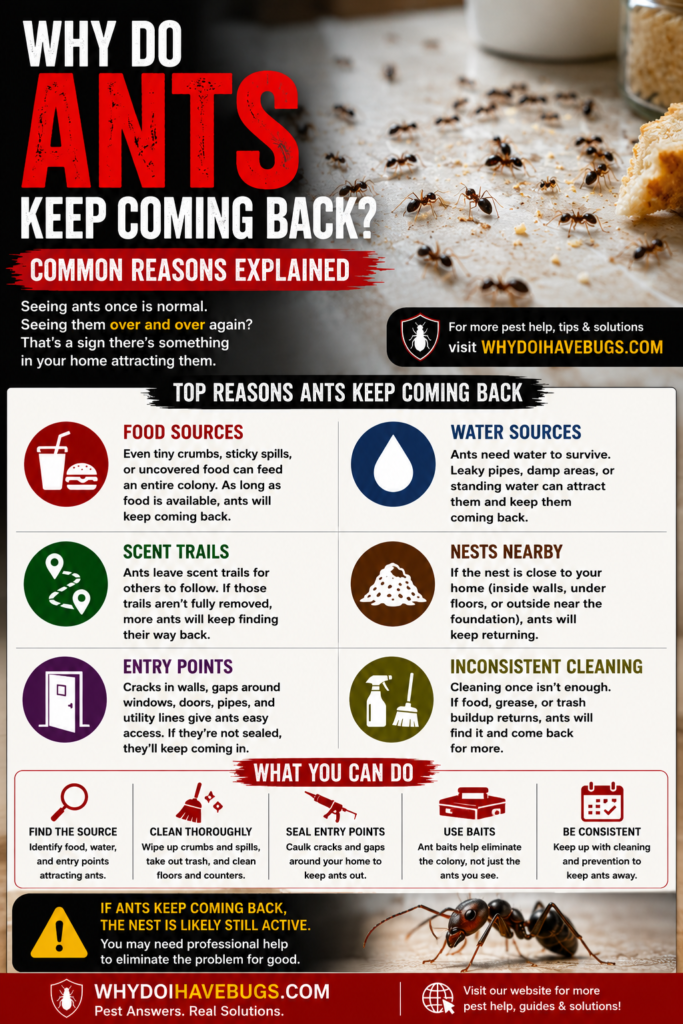
Our guide on Why Do Ants Keep Coming Back? explains why recurring infestations are almost always linked to a healthy colony rather than unusually long-lived worker ants.
Can an Ant Colony Die Naturally?
Yes.
Colonies eventually decline.
Queens eventually die.
Food sources change.
Environmental conditions change.
But here’s the important part.
That process may take years.
If ants are already inside your home, I wouldn’t count on nature solving the problem anytime soon.
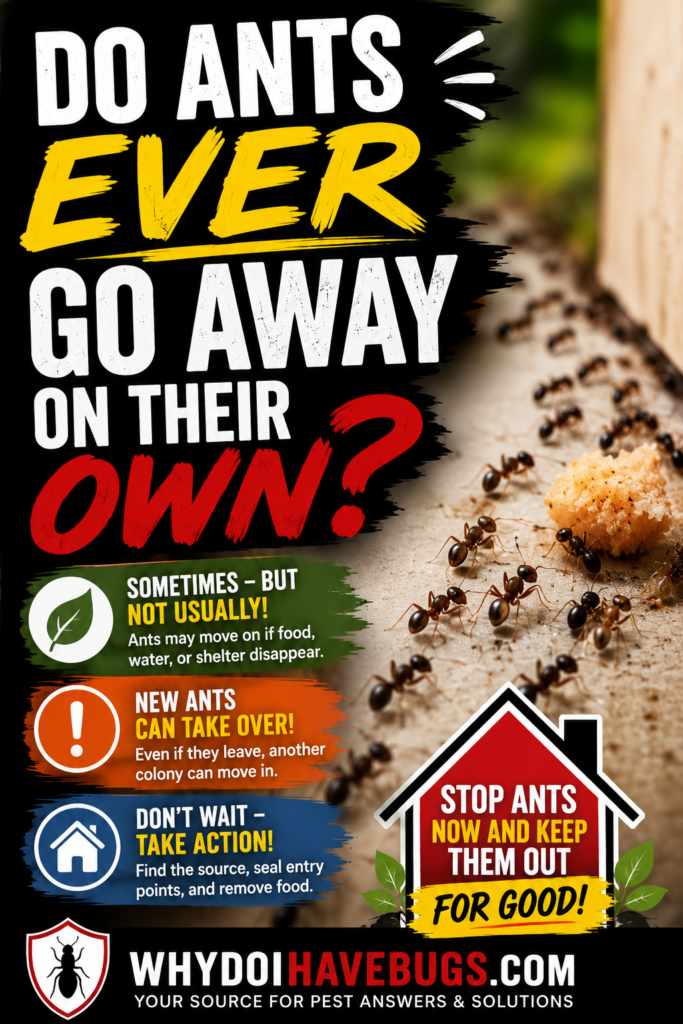
Our article on Do Ants Ever Go Away on Their Own? explains why waiting is usually not the best strategy.
What Affects an Ant’s Lifespan?
Several factors influence how long ants survive.
These include:
- Species
- Temperature
- Food availability
- Water availability
- Predators
- Colony health
- Disease
- Environmental conditions
A well-established colony living in favorable conditions will usually survive much longer than one struggling to find resources.


Why I Don’t Focus on Killing Individual Ants
One lesson I’ve learned over the years is that counting dead ants doesn’t tell me much.
You can kill fifty worker ants today.
Tomorrow the colony may send fifty more.
That’s because the workers aren’t the real engine of the colony.
The queen is.
Until the colony itself is disrupted, worker ants are largely replaceable.
What I Would Do If This Were My House
If ants kept appearing in my home, I wouldn’t wait for them to die naturally.
I’d spend my time figuring out:
- Where they’re entering.
- What they’re’re finding.
- Whether they’re following the same trail.
- Whether moisture is attracting them.
- Where the colony is likely located.
That information gives me a much better chance of solving the infestation than simply hoping time takes care of it.
Products That Can Help
If you’ve confirmed an active colony, I generally recommend treatments that work their way back to the nest.
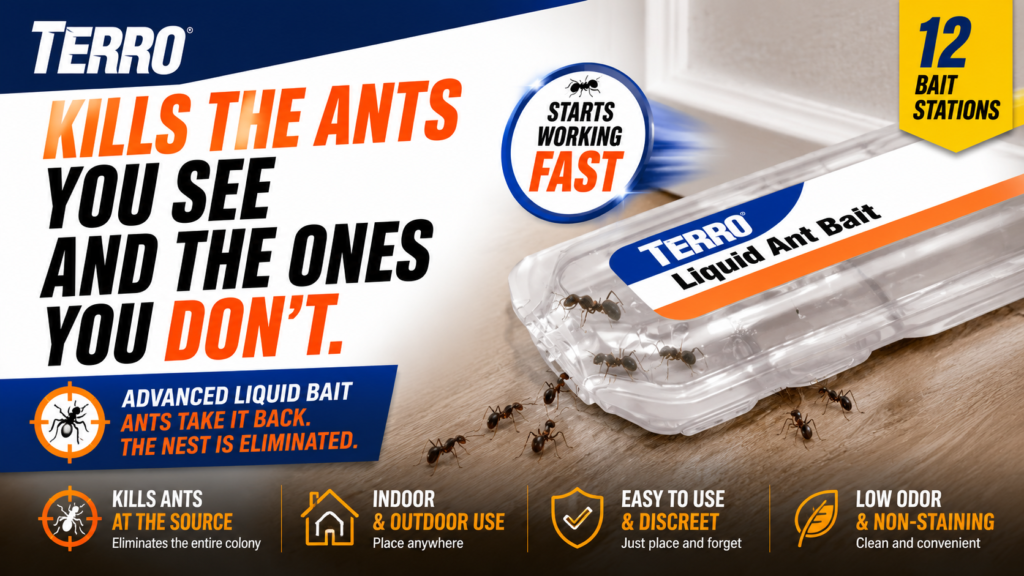
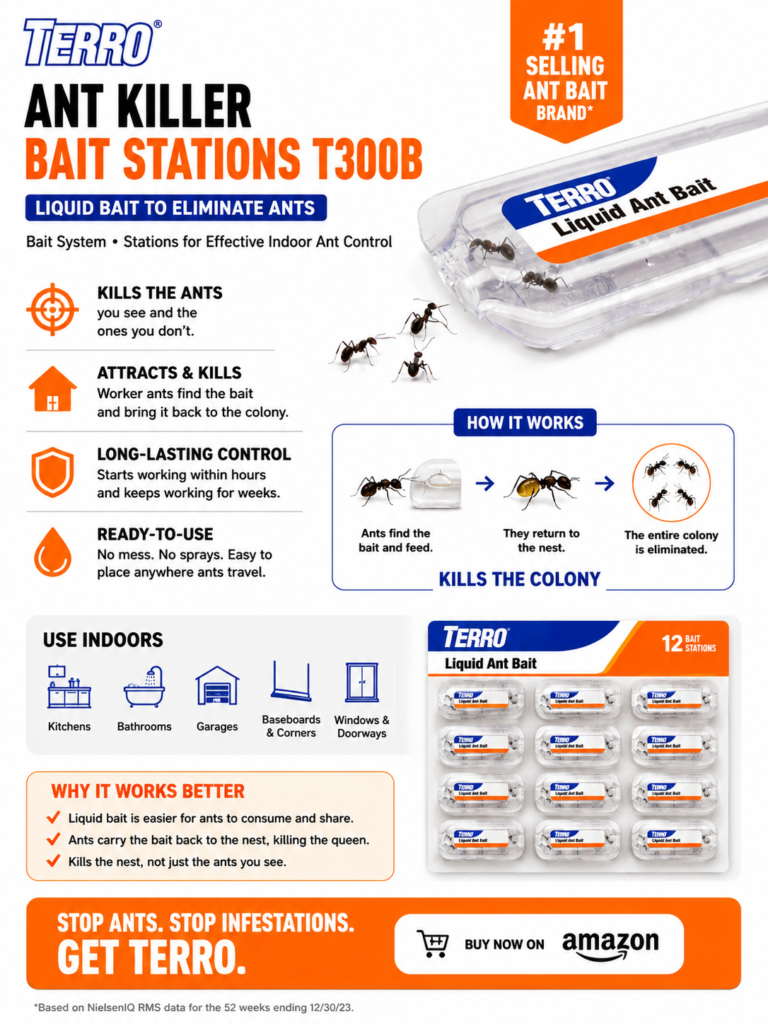
I’ve had good success with TERRO Liquid Ant Bait Stations because worker ants carry the bait back to the colony, allowing it to affect ants you never actually see. My TERRO Liquid Ant Bait Stations review explains how they work and when they’re most effective.

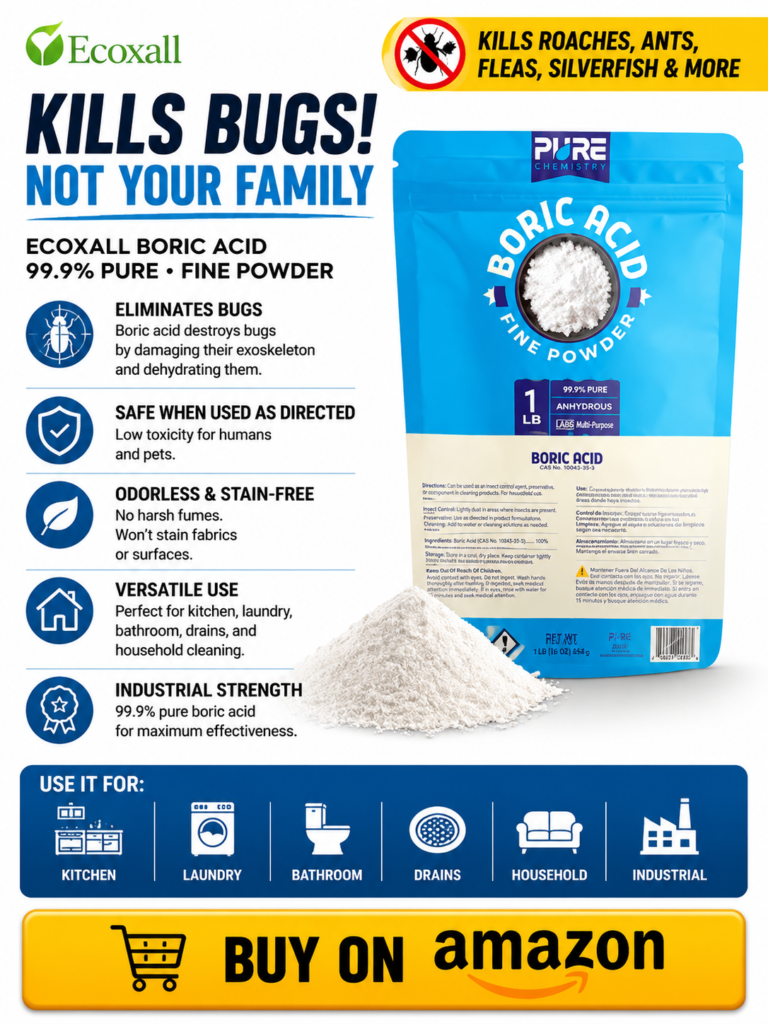
For recurring infestations, Ecoxall Boric Acid Fine Powder can also be useful when used correctly. I explain its strengths and limitations in my Boric Acid for Roaches and Ants review.
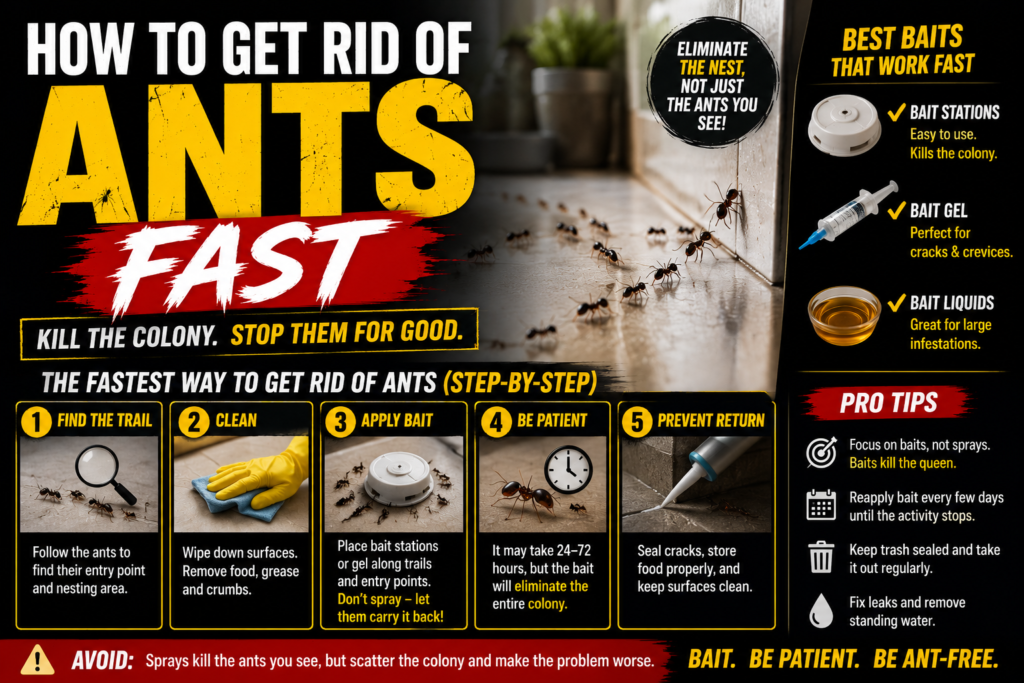
If you’re ready to solve the problem instead of waiting for ants to disappear naturally, my guide on Getting Rid of Ants Fast walks through the approach I’d take.
The Biggest Mistake I See
The biggest mistake I see is assuming an infestation is almost over because a few ants have died.
Worker ants are only one small part of a much larger colony.
As long as the queen is alive and producing eggs, new workers continue replacing the ones that die.
Understanding that changes the entire approach to ant control.
Frequently Asked Questions
How long does a worker ant live?
Many worker ants live for several weeks to several months, depending on the species and environmental conditions.
How long can a queen ant live?
Some queen ants can live for many years, making them one of the longest-lived members of the colony.
Do flying ants live very long?
Male flying ants usually die shortly after mating, while fertilized queens lose their wings and may go on to establish new colonies.
Why am I still seeing ants if they don’t live very long?
The colony continuously produces new worker ants, so you’re usually seeing different ants rather than the same individuals.
Will an ant infestation eventually die out?
Colonies can eventually decline naturally, but this process often takes much longer than homeowners expect and usually isn’t a practical solution for an active infestation.
About the Author
Emily Foster is a home and garden writer who researches insect behavior, seasonal pest activity, and practical prevention strategies. She enjoys helping homeowners understand how pests live, why infestations persist, and the simple steps that lead to lasting solutions instead of temporary relief.