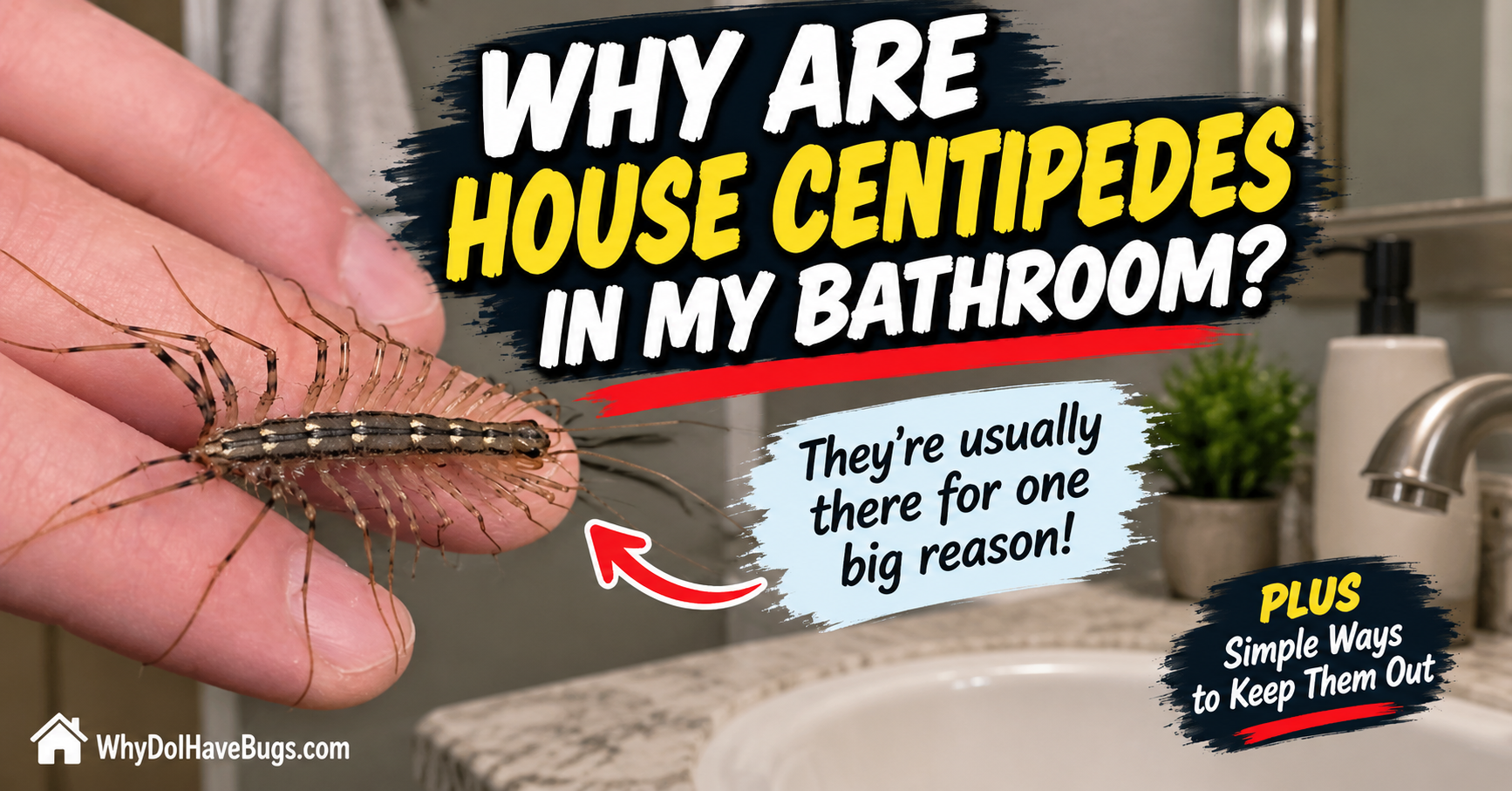
Finding a house centipede near the toilet, bathtub, or sink is enough to make anybody jump. The good news is that they are not there because your bathroom is dirty, and they are not coming into the room to bite you.
A bathroom gives house centipedes several things they like: moisture, darkness, hidden travel routes, and sometimes a supply of other little bugs to hunt. One centipede can be a random visitor. Seeing them regularly means it is time to look closer at the room. The same inspection approach applies to what attracts bugs indoors, including moisture, food, and entry points.
House Centipedes Like Damp, Quiet Rooms
House centipedes lose moisture easily, so they naturally look for humid places. Bathrooms often stay damp after showers, especially when the fan is weak, windows stay closed, or towels and bath mats do not dry well.
The space behind a toilet, under a vanity, beside a tub, and around plumbing lines can stay cooler and damper than the rest of the house. Those protected spots make a bathroom a comfortable hiding place during the day.
A bathroom does not need to be visibly wet to attract them. High humidity, small amounts of condensation, and a slow drip can be enough.
They May Be Following Other Bugs Into the Bathroom
House centipedes are predators. They eat small insects and spiders, not soap, hair, towels, paper products, or people.
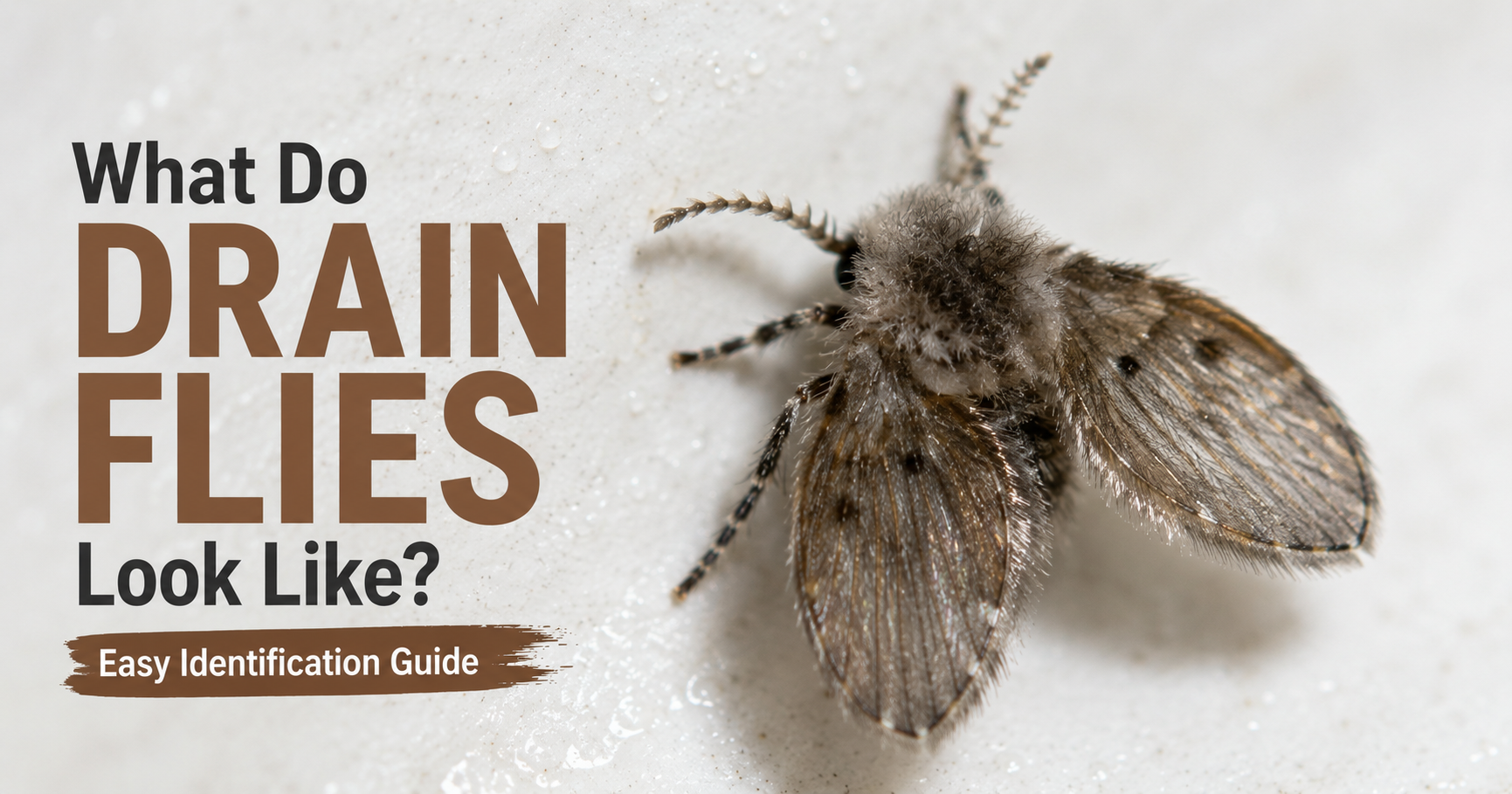
If you keep seeing house centipedes in your bathroom, they may be finding silverfish, ants, drain flies, spiders, springtails, or other small pests in the same area. The centipede is sometimes the bug you notice first, but it may not be the original reason the room is attracting activity. If ants are the pest you find around the room, TERRO ant bait stations explains how to place bait without disrupting the colony-feeding process.
Silverfish are especially common in damp bathrooms and can be confused with centipedes at a quick glance. If the bug you found has a silvery, carrot-shaped body with three tail-like bristles instead of many long legs, use this silverfish identification guide to sort it out.

Check Under the Bathroom Sink First
The cabinet under your sink is one of the first places I would inspect. It has dark corners, pipe openings, stored items, and the potential for a small plumbing leak that can go unnoticed for a long time.
Remove everything from the cabinet and feel around the base for dampness. Check the shutoff valves, supply lines, drainpipe connections, and the bottom of the cabinet for water stains, warped material, mold, or a musty smell.
A leak may be obvious, but it can also be as simple as a slow drip that appears only when the faucet runs. Put a dry paper towel under the pipes and check it later if you are not sure.
Look for Gaps Around Plumbing Pipes
Plumbing pipes often pass through a wall or cabinet floor with a larger opening around them. Those gaps can become an easy travel route for centipedes moving from inside a wall void, crawlspace, basement, or adjacent room.
Look under the sink, behind the toilet, around the tub plumbing, and anywhere pipes enter through the floor or wall. Small gaps can be sealed with caulk, while larger openings may need backing material or another appropriate repair before sealing.
Do not block plumbing access you may need later, but do close unnecessary open spaces around the pipes. This also helps reduce routes for ants, roaches, spiders, and other crawling pests.


Your Bathroom Fan May Not Be Doing Enough
A working exhaust fan is one of the simplest tools for making a bathroom less attractive to house centipedes. It removes shower steam before that moisture settles on walls, pipes, cabinets, and flooring.
Run the fan during showers and leave it on after you are finished long enough for the room to dry down. If your mirror stays foggy for a long time, paint is peeling, or towels never seem to dry, your bathroom may need better ventilation.
Clean dust from the fan cover too. A fan packed with lint cannot move air as well, and some bathroom fans are too weak for the size of the room from the beginning.
Do House Centipedes Come Up Through Bathroom Drains?
Usually, no. House centipedes may be found near a drain because the area is damp and offers a protected travel edge, but that does not mean they are swimming up through the plumbing.
A working drain trap holds water that helps block sewer gases and makes a direct route up the drain much less likely. The more common entry points are small gaps around pipes, openings behind cabinets, cracks along baseboards, or routes from a damp basement or crawlspace.
If a bathroom sink, tub, or floor drain is rarely used, run water into it occasionally to keep the trap from drying out. This is good general home maintenance even if it does not turn out to be related to the centipedes.


Condensation Can Be Enough to Keep Them Around
Cold water pipes can sweat in a humid bathroom, especially during warm weather. That moisture may slowly drip onto a cabinet floor, wall, or basement ceiling below without creating a dramatic leak.
Check cold-water pipes for beads of water and look for wet spots underneath them. Pipe insulation can sometimes help with persistent condensation, but first make sure the bathroom fan is doing its job and the room is not staying overly humid.
If you have a bathroom over a crawlspace or unfinished basement, inspect below it too. A small plumbing issue can show up under the floor before you notice it in the bathroom itself.
Look Behind the Toilet and Around the Tub
Centipedes like narrow, undisturbed spaces. The gap behind a toilet can collect dust, stay humid, and offer access around pipes. The edge where a tub meets the wall can also become a hidden moisture zone if caulk is cracked or missing.
Look for loose flooring, damaged caulk, water staining, or soft material around the toilet base and tub edge. You do not need to tear your bathroom apart because you saw one centipede, but these areas are worth checking if sightings keep happening.
If you find water damage or a soft floor, address that sooner rather than later. Centipedes are not the main concern in that situation. Hidden moisture can lead to much bigger repair issues.


Bathroom Clutter Gives Them Places to Hide
A pile of damp towels, a basket of laundry on the floor, cardboard packages under the sink, or a crowded storage cabinet can all give house centipedes a place to disappear.
Try to keep the floor edges and the space under the sink easier to inspect. Store extra toilet paper, cleaning products, and personal items in plastic bins or on shelves instead of leaving loose cardboard and bags in damp corners.
This does not mean you need a perfectly empty bathroom. The goal is simply to remove the dark, damp, undisturbed hiding spots that make it hard to see what is happening.
Set Sticky Traps Along the Walls
Sticky traps are a useful way to find out whether you have an occasional visitor or regular nighttime activity. Place them flat along the wall, behind the toilet, beside the vanity, or near the bathroom doorway.
Do not place traps in the middle of the floor. House centipedes typically follow edges and corners, so a trap against the wall has a much better chance of catching them.
Catchmaster Spider and Insect Traps can also reveal whether silverfish, spiders, ants, or other small pests are active in the bathroom. That information matters because a trap full of other bugs may point you toward the food source that is keeping centipedes interested.
Keep sticky traps where children and pets cannot reach them, and replace them when they become dusty or full.


How to Get Rid of House Centipedes in the Bathroom
For a bathroom problem, I would use a simple order of attack: fix moisture, remove hiding spots, close gaps, monitor activity, then consider a targeted treatment only if you still need it.
Start by repairing leaks and improving ventilation. Next, seal gaps around pipe penetrations and baseboards where appropriate. Then use traps to see whether activity is dropping or whether another bug is active in the room.
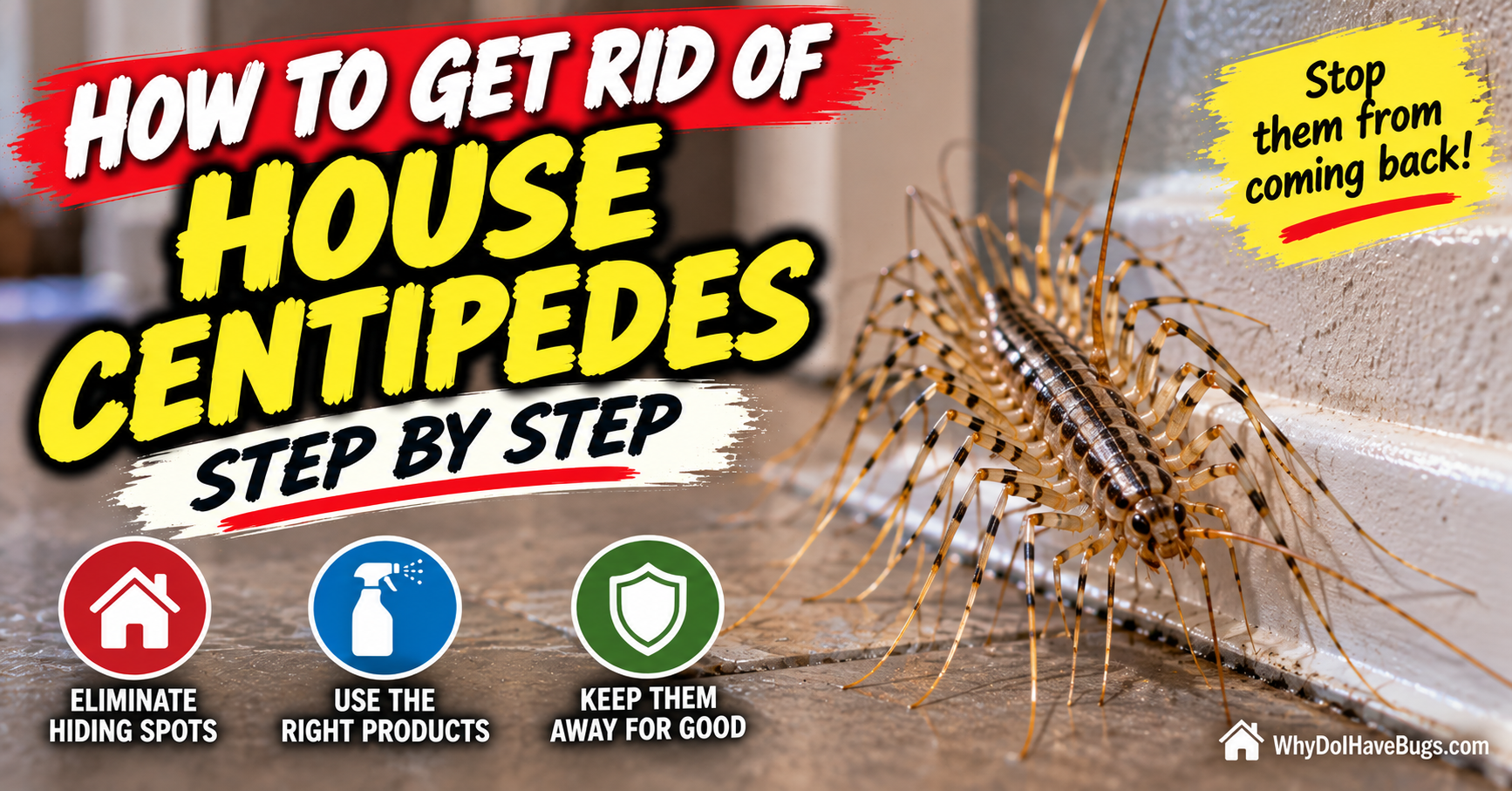
This step-by-step house centipede removal guide goes deeper into the full home approach, including basements, crawlspaces, entry points, and when a labeled perimeter treatment may make sense.
Spraying a bathroom without fixing the damp conditions is usually temporary. It may kill a centipede that crosses the treated area, but it does not repair the leak, remove the humidity, or stop other insects from living there.
Do You Need to Worry About Being Bitten in the Bathroom?
No, not in the normal sense. House centipedes move quickly and can startle you, but they do not seek people out or crawl into bathrooms to attack anyone.
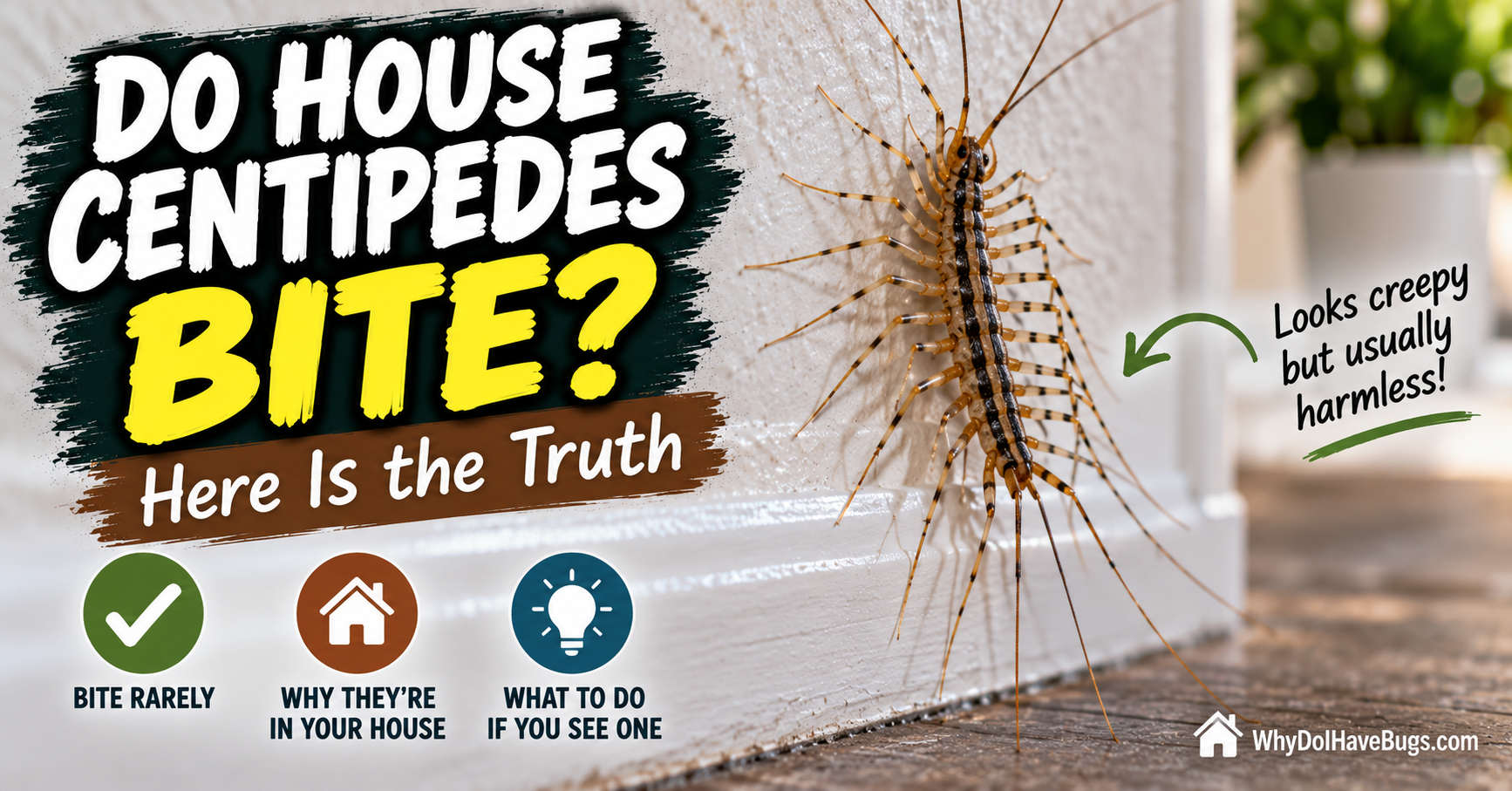
They can bite if they are trapped or handled, but that is rare. If the fear of a bite is making you feel like every centipede is an emergency, read what really happens when a house centipede bites before assuming the worst.
The practical reason to deal with repeated bathroom sightings is not that house centipedes are dangerous. It is that they can be a useful warning sign of moisture, hiding places, or other bugs that deserve attention.
When a Bathroom Centipede Problem May Point to Something Bigger
One house centipede near the shower after a humid week is not automatically a major issue. Repeated sightings, especially if they happen every few days, deserve a more thorough inspection.
Look closer if you notice:
- Multiple centipedes in the same bathroom over a short period.
- A musty smell, peeling paint, soft flooring, or water stains.
- Silverfish, springtails, drain flies, ants, or spiders in the same area.
- Water collecting inside a vanity or around the toilet.
- A bathroom fan that does not remove steam.
- Gaps around pipes, baseboards, or exterior walls.
- Centipedes appearing in nearby bedrooms, closets, or hallways too.
At that point, think beyond the individual centipede. You may have a moisture or pest issue that is supporting several kinds of indoor bugs.
Should You Call a Pest Control Company?
You usually do not need a pest control company for one or two house centipedes. Basic home maintenance and monitoring solve many bathroom sightings.
It may be worth calling a professional if you are seeing many centipedes despite moisture control, if you suspect an infestation of another pest, or if there is a hidden plumbing or crawlspace issue you cannot locate.
Ask the company to inspect the source of the activity, not just spray the bathroom. A good long-term answer should include moisture, possible entry points, and prey insects, not only a quick treatment.
Frequently Asked Questions
Why do house centipedes keep showing up in my bathroom?
Bathrooms often provide humidity, dark hiding places, pipe gaps, and small insects to hunt. Check for leaks, condensation, clutter, and poor ventilation.
Are house centipedes coming up through the shower drain?
Usually not. They are more likely using damp areas around drains, pipe openings, cracks, or wall gaps as travel routes.
Will running the bathroom fan keep house centipedes away?
A fan can help by lowering humidity after showers. It works best along with leak repairs, sealing openings, and reducing other bugs in the room.
Why do I find house centipedes behind my toilet?
The space behind a toilet is quiet, dark, and often humid. Pipes and gaps near the wall can also give them a route into the area.
Does bleach get rid of house centipedes in a bathroom?
Bleach is not a dependable centipede treatment. It will not solve moisture, pipe gaps, or the other insects that may be attracting centipedes.
Should I spray house centipedes in my bathroom?
A labeled treatment may help in cracks and crevices if necessary, but it should not be the first step. Fix moisture and inspect for other bugs first.
Can house centipedes live in bathroom cabinets?
Yes. A dark cabinet with dampness, pipe gaps, cardboard, or a plumbing leak can make a good hiding place.
Do house centipedes mean my bathroom is dirty?
No. They are mainly looking for moisture and prey, not dirt. A clean bathroom can still have a leak, humidity problem, or a gap around plumbing.
Daniel Brooks writes practical home pest guides for WhyDoIHaveBugs.com, helping homeowners identify indoor pests and fix the conditions that keep them coming back.