
When I moved my kids’ toy box for the first time in quite a while, I expected to find nothing more than dust and maybe a few forgotten toys.
Instead, I found something much more concerning.
There were several dead adult carpet beetles, dead larvae, fuzzy clumps that looked like dust, and an area of carpet that appeared to be thinning and damaged.
At first glance, I honestly thought the fuzzy material was just years of dust buildup.
But when I wiped it with my hand, I quickly realized it wasn’t ordinary dust at all.
The loose carpet fibers stuck together into little fuzzy balls instead of simply blowing away.
Combined with the dead carpet beetles and larvae lying in the same area, it became pretty obvious this had likely been an active carpet beetle hiding spot.

Why Carpet Beetles Love Areas Under Furniture
One thing I’ve learned from dealing with carpet beetles is that they don’t usually choose the middle of a room.
They prefer places that stay dark, quiet, and undisturbed for long periods of time.
A heavy toy box checked every one of those boxes.
Very little light reached underneath it.
The carpet hadn’t been vacuumed there regularly.
Dust, lint, pet hair, and other organic debris had slowly collected over time.
For carpet beetle larvae, that’s almost the perfect place to hide and feed without being disturbed.
That’s one reason I now make it a habit to move heavy furniture every so often instead of only vacuuming around it.

It Looked Like Dust Until I Touched It
This was probably the biggest surprise.
Looking at the floor, everything simply appeared dusty.
Once I brushed the material with my hand, I noticed it behaved completely differently than normal dust.
The fibers clung together in fuzzy little clumps.
The carpet itself also looked thinner than the surrounding area.
Carpet beetle larvae don’t usually leave one giant hole overnight.
Instead, they slowly feed over time, leaving behind loose fibers, shed skins, and damaged carpet that can easily be mistaken for ordinary household dust.
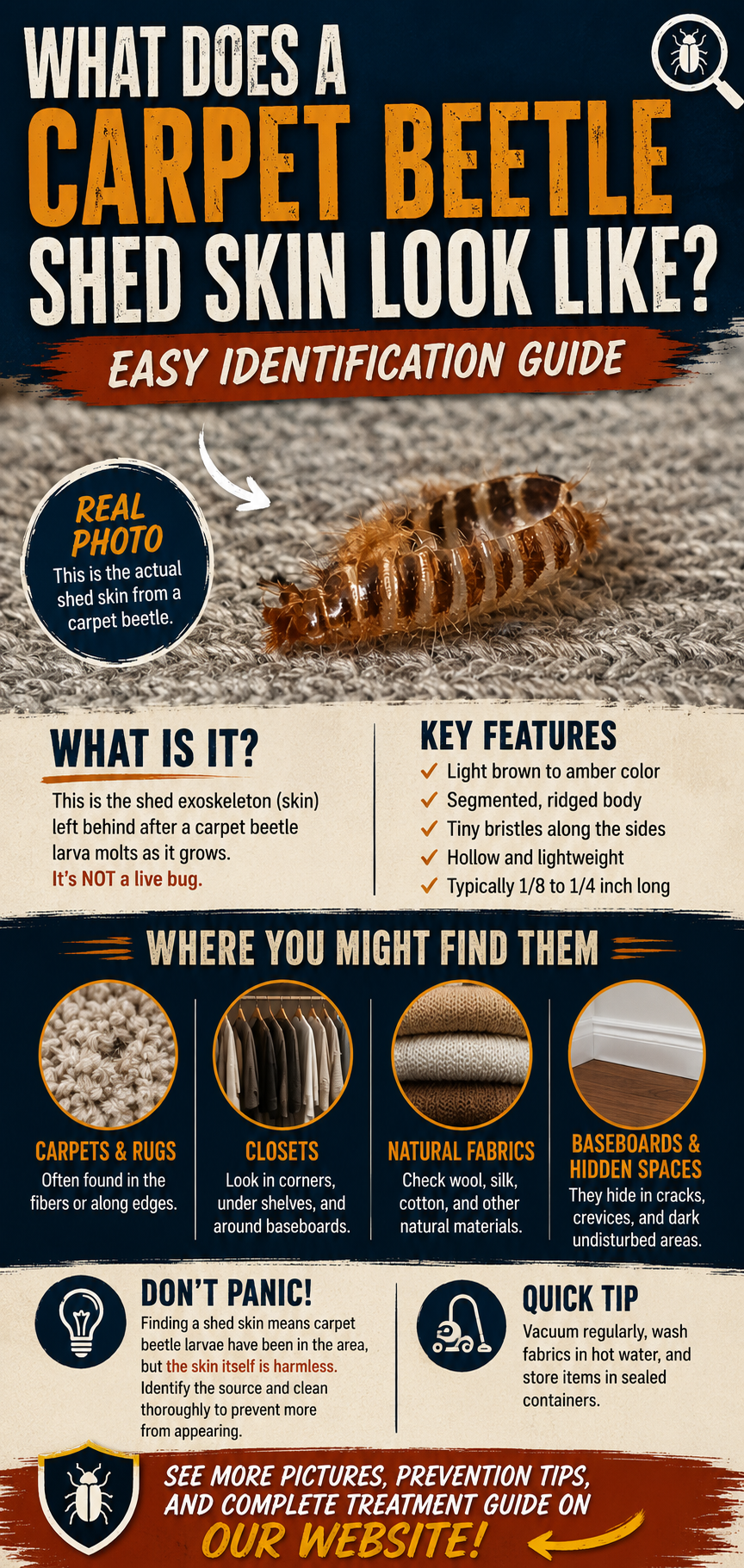
If you’re unsure whether you’re finding old larval skins or something else, my article What Does a Carpet Beetle Shed Skin Look Like? Easy Identification Guide shows exactly what I look for during inspections.


I Actually Wondered If Mice Did It
Before I blamed carpet beetles, I honestly considered mice.
Mice are well known for shredding carpet, insulation, and other materials to build nests.
At first, seeing loose carpet fibers made me wonder if that was exactly what had happened.
The more I looked around, though, the less that explanation made sense.
I couldn’t find mouse droppings.
I didn’t see urine stains.
There wasn’t any nesting material tucked into the corner.
Instead, I found dead adult carpet beetles, dead larvae, and the fuzzy fiber clumps all in the same protected area.
Could mice damage carpet in a similar way? Absolutely.
But in my experience, mice almost always leave behind additional evidence. Carpet beetles often leave behind the insects themselves, shed skins, damaged fibers, and very little else.
That’s why it’s important to look at all the clues instead of assuming the first thing that comes to mind.

The Dead Beetles Told Me This Wasn’t Random
Finding one dead carpet beetle near a window isn’t unusual.
Finding multiple adults, dead larvae, and damaged carpet all in the same hidden location is a very different story.
That tells me the insects likely weren’t just passing through.
They had probably been using that protected space for quite some time.
Whenever I find several signs together like this, I immediately begin inspecting nearby closets, furniture, baseboards, and storage areas because carpet beetles often spread into other undisturbed locations.

If you’ve found carpet beetles but aren’t sure whether they’re actually living in your carpet, I also recommend reading Can Carpet Beetles Live in Carpet? What I Found During My Inspection where I explain the signs that convinced me they had been feeding in mine.


What I Did After Finding the Damage

After seeing everything underneath the toy box, I vacuumed the area extremely thoroughly, paying close attention to the carpet, the baseboards, and every crack where debris had collected. A vacuum suited for bugs and insect larvae can help remove debris, shed skins, and insects from these hard-to-reach areas: vacuum for bugs and insect larvae.
Then I moved additional furniture throughout the room.
Sure enough, I found other places that hadn’t been cleaned in quite a while.
Carpet beetles take advantage of areas we rarely disturb.
Finding one hidden hotspot made me realize there could easily be others nearby.
My Biggest Takeaway
This experience completely changed how I inspect for carpet beetles.
If I had never moved that toy box, I probably would have assumed the room was perfectly clean.
Instead, I found an area where carpet beetles had likely been feeding unnoticed for a long time.
Now I make it a point to pull furniture away from walls once or twice a year, vacuum underneath it, and look for early warning signs before the damage becomes much worse.
Frequently Asked Questions
Can carpet beetles really damage carpet?
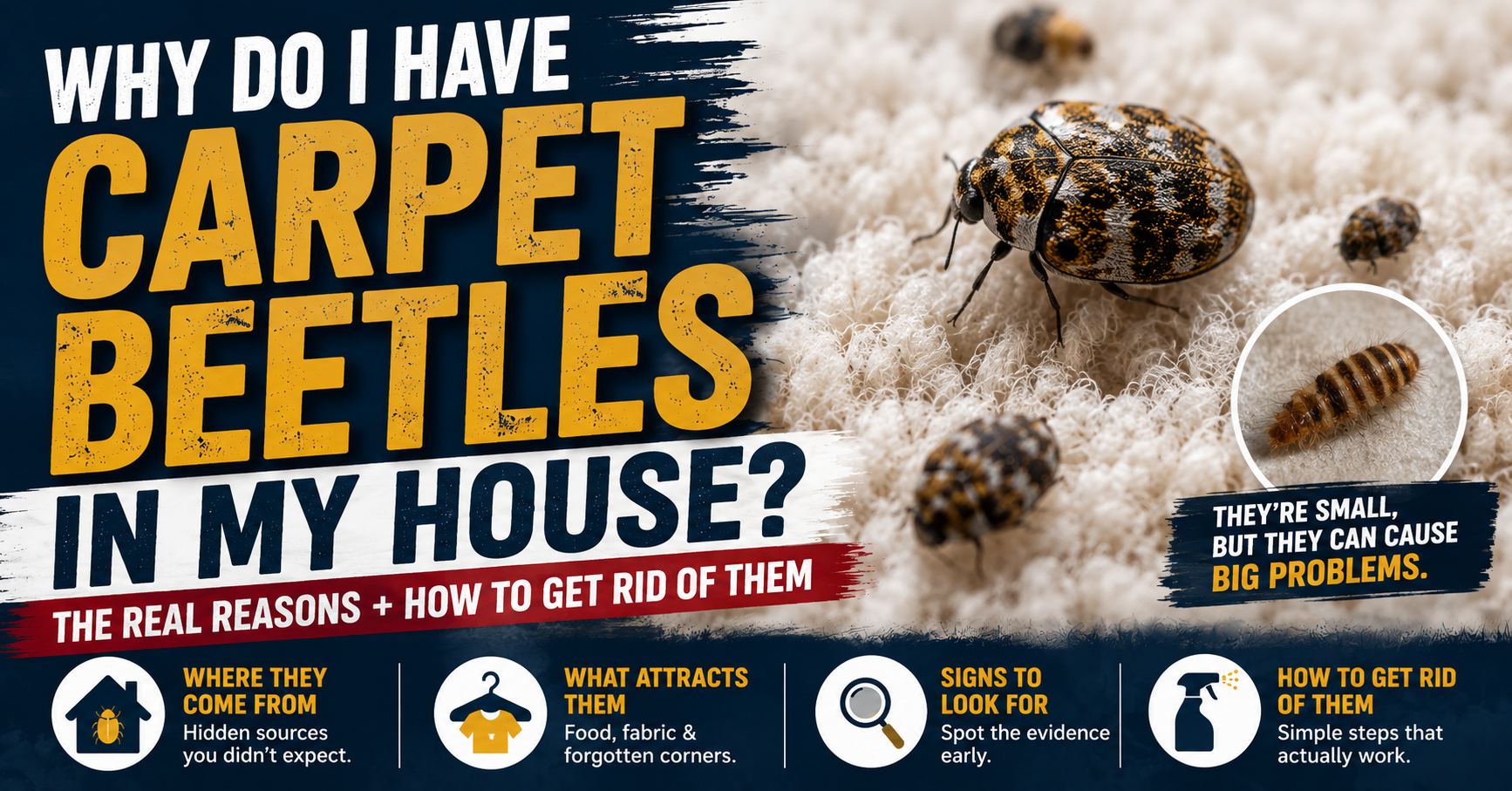
Yes. Carpet beetle larvae can damage carpets, especially those made with natural fibers like wool. Even on synthetic carpets, they often feed on hair, lint, pet fur, food crumbs, and other organic debris trapped in the carpet, leaving worn or damaged areas over time. Understanding why carpet beetles target household materials can make it easier to identify the hidden conditions supporting the larvae.
Why did the damage only appear under the toy box?
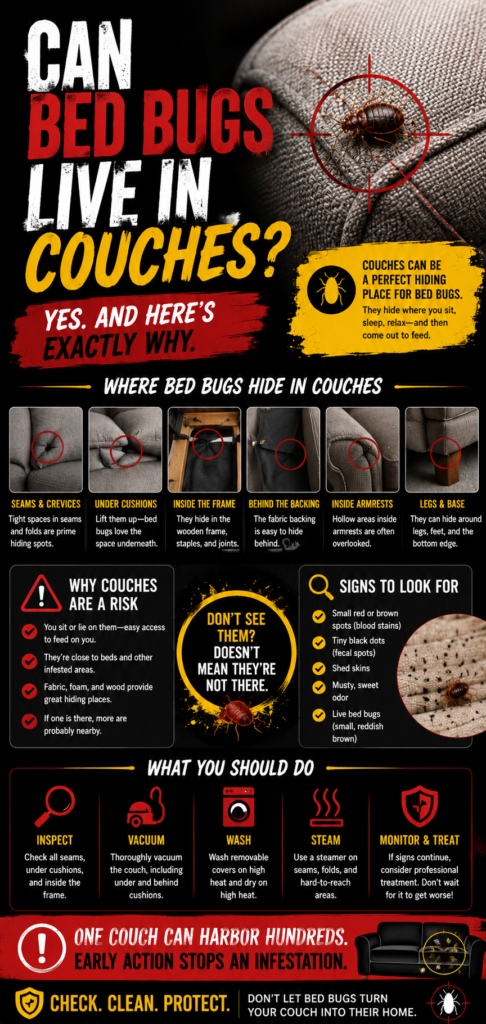
Carpet beetle larvae prefer dark, quiet places that aren’t disturbed very often. Heavy furniture creates ideal hiding places because those areas usually collect dust and don’t get vacuumed regularly. If the furniture you're inspecting is a couch, what to check in a couch can help you focus on the areas most worth examining.
Can mice tear up carpet too?
Yes. Mice can shred carpet fibers to build nests. The difference is they usually leave other signs behind, such as droppings, urine stains, chew marks, or nesting material. If you only find damaged carpet along with carpet beetles, larvae, or shed skins, carpet beetles become a much more likely explanation.
Why did the carpet fibers look like dust?
Loose carpet fibers often become mixed with lint, dust, pet hair, and shed larval skins. From a distance, this mixture can easily look like ordinary dust until you wipe it with your hand and notice the fibers sticking together in fuzzy clumps.
About the Author
Mark Sullivan has spent years helping homeowners track down hidden carpet beetle infestations before they become major problems. He believes the best inspections start in the places most people never think to check, especially underneath heavy furniture, inside closets, and along undisturbed baseboards.