
Whenever I find metallic blue or green flies buzzing around my home, one of the first questions I ask myself is where they actually came from.
That’s because blow flies don’t simply appear out of nowhere.
Every adult blow fly developed somewhere.
My job is figuring out where.
Over the years, I’ve learned that homeowners often spend too much time trying to kill the flies while completely overlooking the source that’s producing them.
Finding where they’re coming from almost always solves the problem much faster than spraying every fly I see.
Before I start searching, though, I always make sure I’m dealing with the right species. If you’re still unsure, take a few minutes to compare what you’re seeing with this blow fly identification guide because several common flies look surprisingly similar until you examine them closely.
Most Blow Flies Start Their Lives Outdoors
One thing that surprises many homeowners is that the blow flies inside their house often didn’t originate there.
In many cases, they developed outdoors before eventually flying inside.
That’s why I don’t limit my inspection to the interior of the home.
I usually begin by walking the property.
Some of the outdoor sources I inspect first include:
- Dead birds.
- Dead rodents.
- Rabbits or squirrels.
- Roadkill near the property.
- Garbage containing meat scraps.
- Animal remains left by pets.
- Hunting waste.
- Compost piles that contain meat or fish.
Even if the breeding site is twenty or thirty yards away, adult blow flies are capable of finding your home once they emerge.

Hidden Dead Animals Are One of the Biggest Causes
If several blow flies suddenly appear inside the house, my first suspicion is often a hidden animal carcass.
Small animals can die in places you rarely see.
I’ve tracked infestations back to:
- Mice inside wall cavities.
- Birds trapped in chimneys.
- Squirrels in attics.
- Rodents beneath insulation.
- Animals inside crawl spaces.
The interesting thing is that homeowners often tell me they don’t smell anything unusual.
That’s completely possible.
Depending on where the animal is located, the odor may never reach the living area while the flies still find it with ease.


Garbage Can Still Attract Blow Flies
Although I usually associate house flies with garbage, blow flies aren’t far behind.
Whenever meat scraps or animal products begin decomposing inside an outdoor trash can, blow flies often arrive quickly.
That’s one reason I always recommend rinsing garbage cans instead of simply replacing the trash bag.
Food residue left behind continues attracting flies long after the garbage has been removed.
When I’m inspecting a property, I don’t just look inside the can.
I inspect underneath the lid, around the handles, and beneath the container because small spills often become hidden breeding areas.
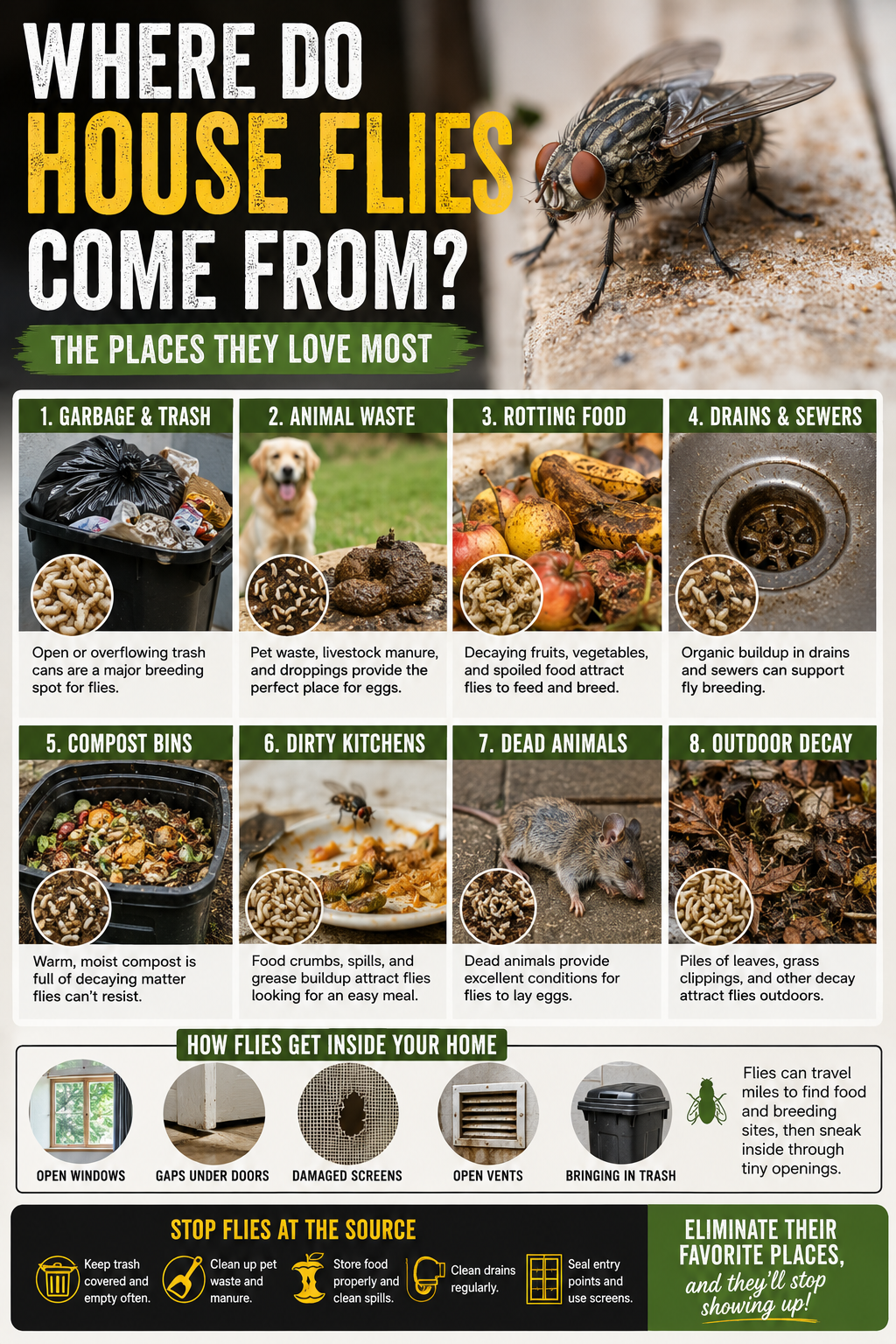
If the flies you’re seeing are dull gray instead of metallic, my article on where house flies usually come from explains why that investigation often looks very different.
Blow Flies Can Enter Through Surprisingly Small Openings
After emerging, adult blow flies begin searching for food, moisture, and shelter.
That often brings them toward homes.
Some of the entry points I inspect include:
- Torn window screens.
- Garage doors.
- Open entry doors.
- Attic vents.
- Crawl-space vents.
- Utility penetrations.
- Damaged weather stripping.
Finding the breeding source is important, but I also make sure new flies aren’t continuously entering through preventable openings.



Why They Often Gather on Windows
One clue I never ignore is where the flies end up after entering the home.
Blow flies, much like house flies, are strongly attracted to light.
Once inside, they often collect on the brightest windows because they’re trying to get back outdoors.

If that’s exactly what you’re seeing, reading my article about why flies gather on windows can help you understand why this behavior is so common and how I use it to narrow down my search.
Why Blow Flies Sometimes Seem to Come From Nowhere
One thing I’ve heard countless times is, “I walked into the house today, and suddenly there were blow flies everywhere.”
It certainly feels that way.
In reality, the flies have usually been developing unnoticed for several days.
The eggs hatch into larvae, the larvae feed, and eventually the adults emerge over a fairly short period of time.
When several adults emerge within a day or two, it creates the impression that the infestation appeared overnight.
That’s one reason I never judge a fly problem based only on what I see today.
I try to think about what was happening a week ago because that’s often when the real problem began.

I Always Follow the Flies Instead of Guessing
When I’m searching for the source, I pay close attention to where the flies spend most of their time.
If they’re repeatedly gathering in one room, I begin my inspection nearby.
If they keep collecting on an upstairs window, I start checking the attic.
If they’re mostly in the basement, I inspect crawl spaces, utility rooms, and foundation walls.
The flies don’t always stay directly beside the breeding source, but they often give me enough clues to narrow my search instead of tearing the whole house apart.
Removing the Source Is More Important Than Killing the Flies
One lesson I’ve learned over the years is that adult blow flies are only symptoms.
The real problem is whatever produced them.
If I simply spray the adults, more flies may continue emerging for several days because the breeding site hasn’t changed.
Once I remove the carcass, spoiled meat, or other decaying material, the remaining adults naturally begin disappearing because no new generation is replacing them.
Understanding this completely changed how I approach fly problems.
Instead of fighting the flies, I focus on eliminating the reason they’re there.

I Still Use Traps While I’m Investigating
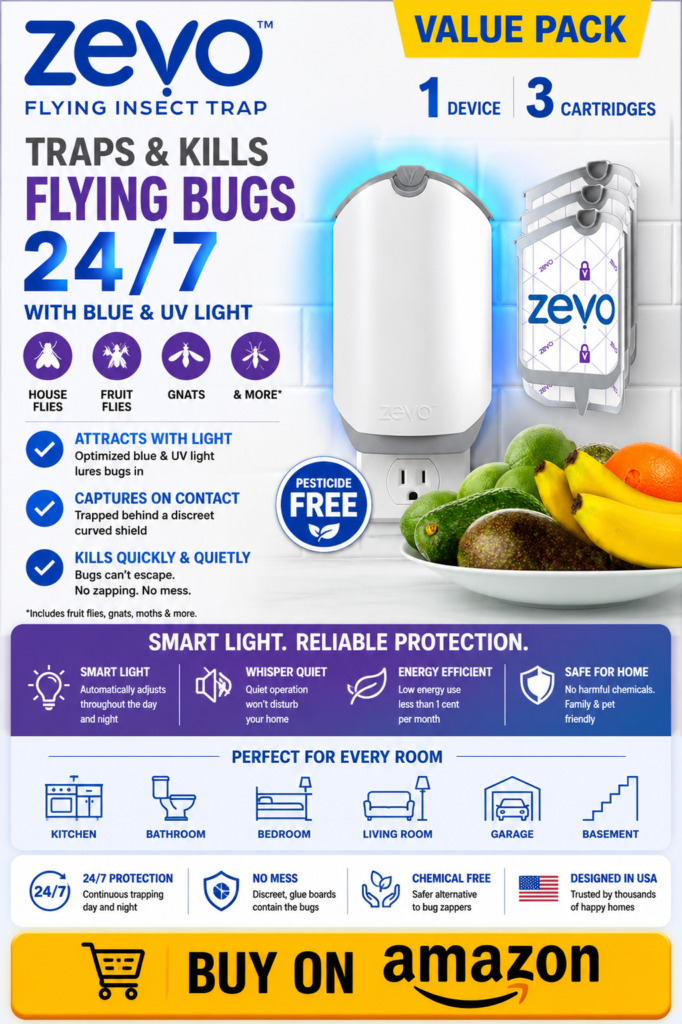
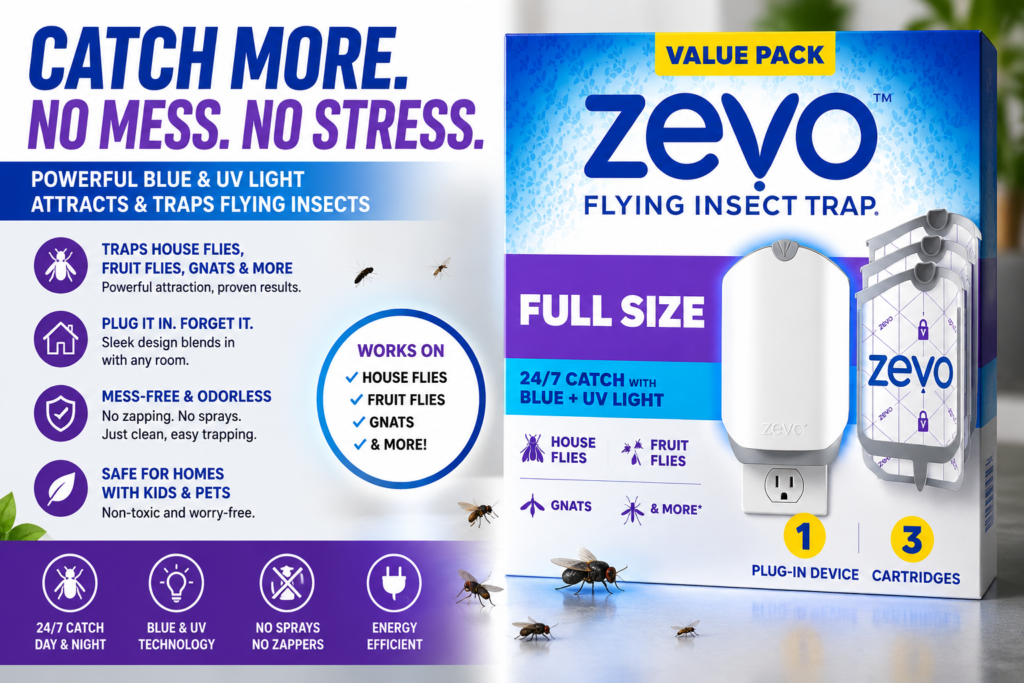
Even after I’ve found the likely source, I don’t enjoy having adult blow flies buzzing around the house. While the source is being addressed, an enclosed trap for flying insects may offer a less intrusive way to deal with adults indoors.
While I’m waiting for the problem to resolve, I usually add traps to reduce the adult population.

Around garages, trash areas, and outdoor buildings, I’ve had excellent success with the Rescue! Outdoor Disposable Fly Trap. I place it well away from doors and patios so it attracts flies away from the house instead of drawing them closer.
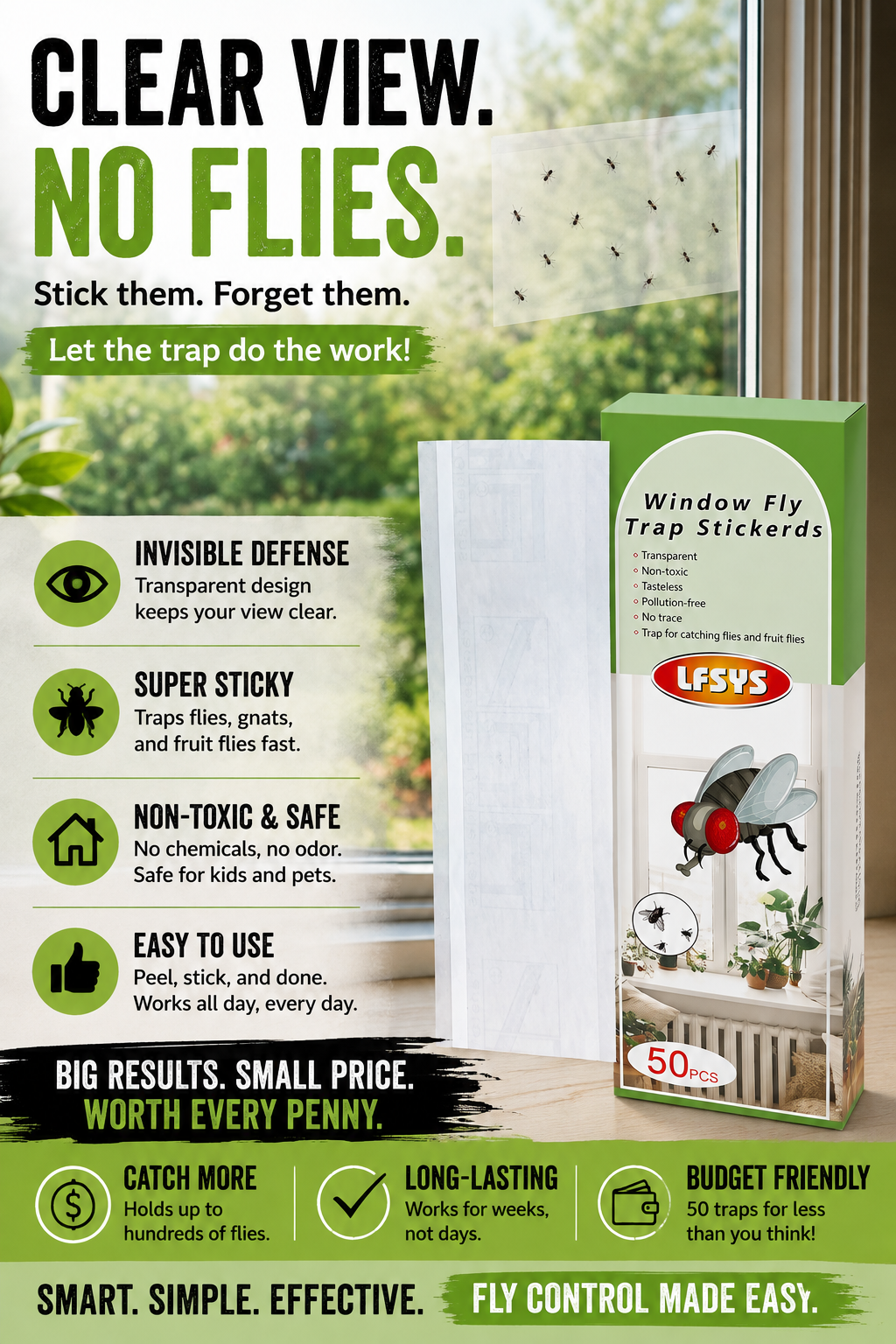
If several blow flies have already made it indoors, they almost always end up flying toward bright windows. In those situations, I’ve had very good luck using the methods I discussed in my honest window fly trap review because they continue catching flies while I work on solving the underlying problem.

For homeowners trying to compare several options before buying anything, I also put together a guide covering the best fly traps for every situation and explain exactly when I choose each style.
Don’t Overlook the Obvious
Sometimes I spend an hour looking for complicated explanations only to discover the answer was sitting in plain sight.
I’ve found forgotten freezer meat in an outdoor trash can, dead birds beneath shrubs, roadkill near the driveway, and even fish scraps left after a weekend cookout.
Those simple sources can produce an incredible number of blow flies.
That’s why I always inspect the obvious areas before assuming something died inside the walls.
Many times, the simplest explanation ends up being the correct one.

My Approach Whenever Blow Flies Appear
Whenever I see metallic blow flies, I ask myself three questions.
First, have I correctly identified the species?
Second, what nearby source could support their development?
Third, how are they getting inside?
Answering those questions almost always leads me to the solution much faster than relying on insecticides alone.
Once the breeding source is removed and obvious entry points are sealed, the remaining adult flies usually disappear without much additional effort.
Frequently Asked Questions
Where do blow flies usually come from?
Most blow flies develop in decaying animal material, including dead wildlife, rodents, birds, meat scraps, or other protein-rich organic matter. After emerging as adults, they often fly into nearby homes.
Can blow flies come from inside walls?
Yes. One of the most common indoor sources I’ve encountered is a mouse or other small animal that died inside a wall, attic, or crawl space. The flies develop there before emerging into the living area.
Why do I only see blow flies during warm weather?
Warm temperatures speed up their development and increase adult activity. That’s why blow fly problems are much more common during spring, summer, and early fall.
Will blow flies go away on their own?
Eventually they will once the breeding source is exhausted, but that can take time. Removing the source yourself usually ends the problem much faster and prevents additional flies from emerging.
What’s the first thing I should inspect?
I always begin with outdoor garbage containing meat scraps, areas where wildlife may have died, crawl spaces, attics, sheds, and around the home’s foundation. Those locations account for many of the blow fly problems I’ve investigated.
About the Author
Mark Sullivan has spent years helping homeowners identify fly species and track infestations back to their source. He believes that understanding where blow flies come from is the fastest way to solve the problem because the flies themselves are usually only a symptom of something hidden nearby.