
Seeing dozens of tiny lights blinking across your yard on a warm summer evening is one of those experiences that never seems to get old.
Unlike ants in your kitchen or beetles invading your pantry, fireflies usually aren’t a sign that something is wrong.
In fact, they’re often a sign that you’re doing several things right.
Every summer I hear homeowners ask the same question:
“Why are there suddenly so many fireflies in my yard?”
The answer has very little to do with your house itself.
Instead, fireflies are responding to the habitat your property provides.
Moist soil, healthy vegetation, minimal pesticide use, and dark summer nights all create conditions that help these remarkable beetles survive.
If you’re seeing more fireflies than usual, your yard may simply be offering exactly what they’ve been looking for.
The Short Answer
Fireflies are attracted to yards that provide the right habitat.
Some of the biggest reasons they appear include:
- Moist soil.
- Leaf litter.
- Native plants.
- Taller grass and natural vegetation.
- Limited pesticide use.
- Dark evenings with little artificial lighting.
- Plenty of food for developing larvae.
Unlike many insects I write about, fireflies aren’t searching for food inside your house or looking for a place to infest.
They’re simply looking for a safe place to complete their life cycle. Firefly larvae develop in moist habitats for many months before emerging as adults. (gardening.ces.ncsu.edu)


Moist Soil Is One of the Biggest Reasons
If I visit two neighboring yards during firefly season, one of the first things I notice is how much moisture each property retains.

Fireflies spend most of their lives as larvae living in or just beneath the soil surface.
They thrive where the ground stays cool and damp instead of becoming dry and compacted.
That’s why you’ll often see more fireflies around:
- Creeks.
- Ponds.
- Wetlands.
- Irrigated landscapes.
- Wooded areas.
- Shady portions of the yard.
Even if you don’t live near a lake, a landscape that naturally holds moisture provides much better habitat than one that’s constantly hot and dry. (extension.unh.edu)

Leaf Litter Creates the Perfect Home
One mistake I think many homeowners make is cleaning their yard a little too well.
Firefly larvae spend months, and sometimes years, living beneath fallen leaves, small sticks, and other natural debris.
That layer of organic material helps:
- Hold moisture.
- Protect larvae from temperature extremes.
- Provide shelter from predators.
- Support the small animals that larvae feed on.
If every leaf is removed each fall, much of that habitat disappears.
I usually recommend leaving at least one small natural area beneath trees or shrubs if your goal is to encourage more fireflies.
Native Plants Make a Big Difference
I’ve noticed that yards filled with native grasses, wildflowers, shrubs, and trees often support more fireflies than landscapes made entirely of decorative mulch and closely mowed turf.
Native plants help because they create a more stable ecosystem.
They provide shade.
They hold moisture.
They support insects and other small animals that become food for firefly larvae.
The more natural your landscape feels, the more likely it is to attract wildlife, including fireflies. (xerces.org)
Fireflies Love Dark Summer Nights
One of the biggest reasons some neighborhoods have fewer fireflies than they once did is something most homeowners never think about.
Artificial lighting.
Fireflies don’t flash just because it looks beautiful.

Their flashing is how males and females find one another during the breeding season. The science behind why fireflies flash helps explain how these signals work.
Bright porch lights, landscape lighting, floodlights, and even nearby streetlights can make those signals much harder to see.
If you’ve noticed more fireflies in rural areas than in busy neighborhoods, excessive nighttime lighting is often one of the biggest reasons.
Simply turning off unnecessary outdoor lights for a few hours after sunset can make your yard much more welcoming to fireflies. Research has shown that artificial light at night can interfere with firefly courtship and mating behavior. (xerces.org)
Pesticides Can Reduce Firefly Populations
Another major factor is pesticide use.
Many homeowners don’t realize that most insecticides don’t distinguish between harmful insects and beneficial ones.
Broad-spectrum products may kill pest insects, but they can also affect:
- Firefly larvae.
- Adult fireflies.
- The small creatures that firefly larvae depend on for food.
Because fireflies spend most of their lives hidden in the soil, repeated pesticide applications may reduce local populations long before homeowners notice fewer flashing adults during the summer. (fws.gov)
That’s one reason I avoid unnecessary insecticide treatments in areas where beneficial insects are active.

A Healthy Ecosystem Attracts Fireflies
Fireflies don’t exist on their own.
They’re part of a much larger ecosystem.
A yard that attracts fireflies usually supports many forms of wildlife, including:
- Native plants.
- Pollinators.
- Songbirds.
- Frogs and toads.
- Beneficial beetles.
- Butterflies.
- Dragonflies.
When these pieces come together, they create an environment where fireflies can successfully complete their life cycle year after year.
In many ways, seeing fireflies is a sign that your yard is functioning as a healthy ecosystem rather than simply looking attractive.
Why Your Neighbor May Have More Fireflies Than You
This is something I find interesting.
Two homes on the same street can have completely different numbers of fireflies.
Some common reasons include:
- One yard has more mature trees.
- One leaves natural leaf litter beneath shrubs.
- One uses fewer pesticides.
- One has less outdoor lighting.
- One has slightly wetter soil.
- One has more native vegetation.
Even small differences can have a noticeable impact because fireflies are surprisingly selective about the habitats they use.
Can You Attract More Fireflies?
Absolutely.
While you can’t guarantee they’ll appear overnight, you can make your property much more attractive to them over time.
I recommend:
- Leaving some leaf litter beneath trees and shrubs.
- Planting native flowers, grasses, and shrubs.
- Keeping part of your landscape a little more natural.
- Reducing unnecessary outdoor lighting.
- Avoiding broad-spectrum insecticides whenever possible.
- Preserving moist areas instead of allowing the soil to become overly dry.
It’s also important to be patient.
Most fireflies spend one to two years developing as larvae before becoming adults, so habitat improvements often take time before you notice a larger summer display. (extension.unh.edu)
Enjoy Them Without Disturbing Them
One of my favorite parts of summer is simply sitting outside and watching fireflies flash across the yard.
If you’d like a closer look, I recommend briefly observing one before releasing it exactly where you found it.


I use the Carson BugView 5X Magnifying Bug Catcher because it allows me to safely examine fascinating insects without handling them directly. If you’re curious why I recommend it, I share my full experience in my review of the Best Catch and Release Bug Catcher.
Frequently Asked Questions
Why do I suddenly have so many fireflies in my yard?
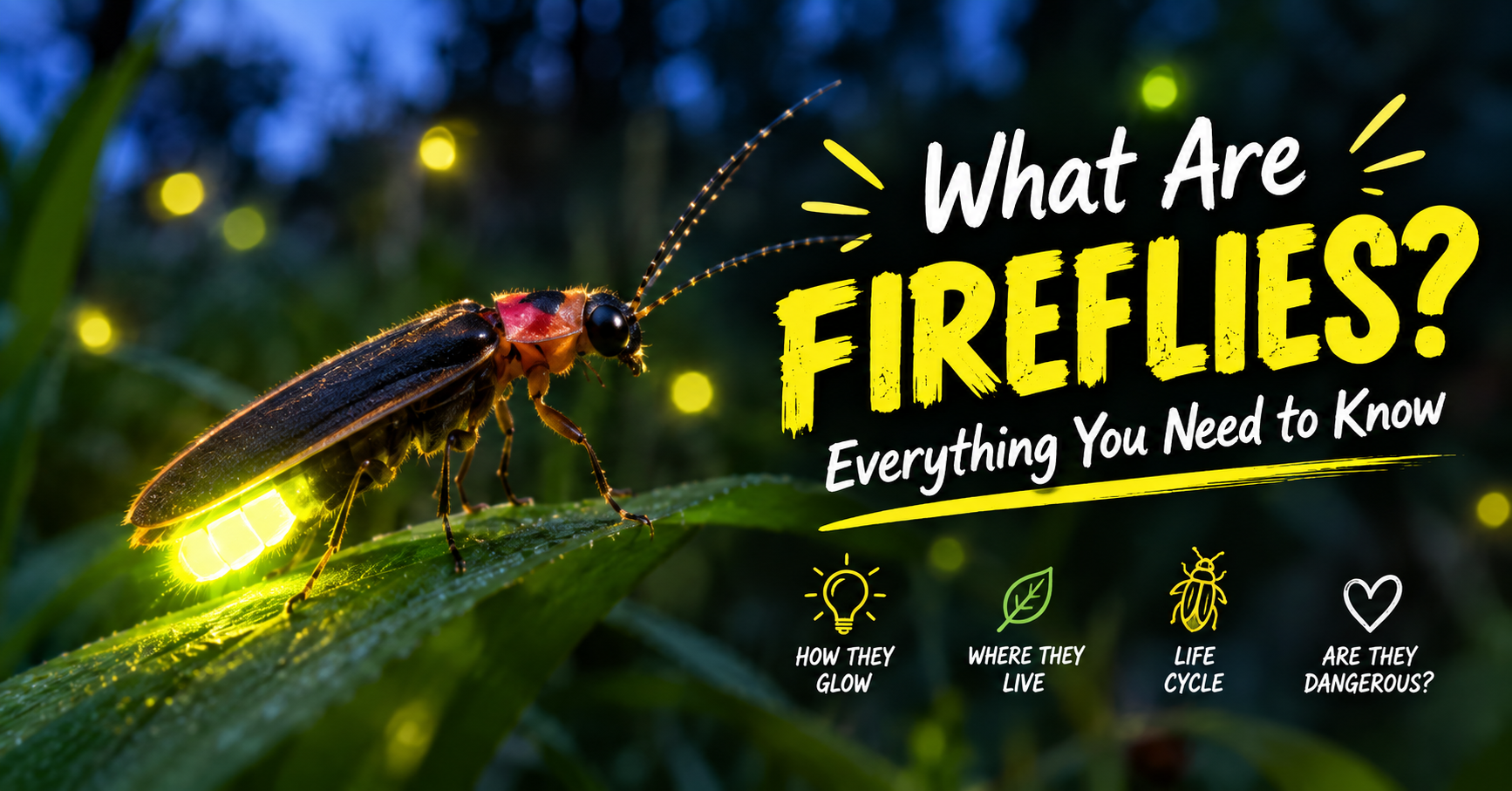
Fireflies often appear when your yard provides the right combination of moisture, vegetation, food, and darkness. Warm summer evenings during their breeding season can also make them much more noticeable. These conditions make more sense when viewed alongside the biology described in firefly habitat and behavior.
Are fireflies a sign of a healthy yard?
Yes. In many cases, fireflies indicate that your property offers good habitat with moist soil, natural vegetation, and relatively little disturbance from pesticides or excessive lighting.
Do fireflies come back every year?
They often do if suitable habitat remains. Since larvae spend one to two years developing in the soil, established populations can return year after year when conditions stay favorable.
Should I encourage fireflies in my yard?

I certainly would. Fireflies are harmless, beneficial insects that don’t damage homes or landscaping, and they’re an enjoyable part of a healthy backyard ecosystem. For more context on their benefits and why they generally should not be treated as pests, see why homeowners should protect fireflies.
Why don’t I see as many fireflies as I used to?
Researchers believe habitat loss, increasing artificial light at night, pesticide use, and other environmental changes have contributed to declines in many firefly populations. (xerces.org)
About the Author
Dr. Emily Carter is an ecologist specializing in beneficial insects and backyard ecosystems. She enjoys helping homeowners understand the insects they encounter and believes that creating healthy landscapes benefits both people and wildlife.