
Discovering tiny holes in a favorite sweater or finding a strange fuzzy insect on a piece of clothing is enough to make anyone wonder the same thing.
Can carpet beetles actually live in clothes?
The short answer is yes—but not in the way most people imagine.
Adult carpet beetles don’t move into your closet and set up a permanent home inside your shirts or sweaters.
The real problem is the larvae. Finding the source also means checking Where Do Carpet Beetles Lay Eggs? Common Places to Check in Your Home, especially in quiet storage areas.
If they find clothing made from materials they can feed on, they may spend weeks or even months hidden in folds, seams, storage bins, or quiet corners of your closet before anyone realizes they’re there. The guide to Where Do Carpet Beetle Larvae Hide? Common Hiding Places expands on the overlooked places where larvae can remain concealed.
It’s the Larvae You Need to Worry About

One of the biggest misconceptions I see is people blaming the adult beetles for damaged clothing.
The adults aren’t usually eating your clothes at all.
They’re simply responsible for laying eggs in places where their young will have something to eat after hatching.
Once the eggs hatch, the larvae begin feeding on suitable materials until they’re ready to become adults.
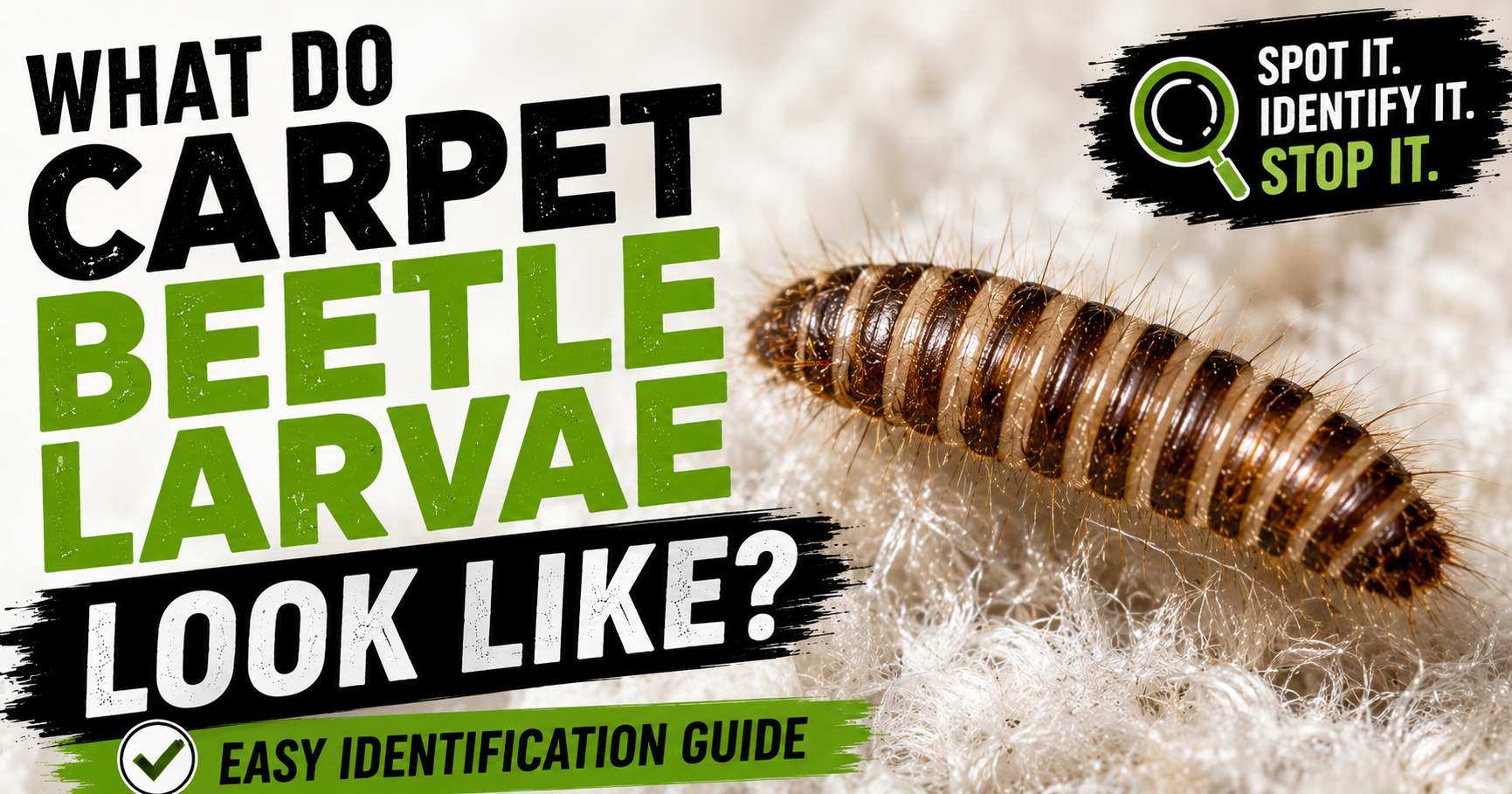
If you’re not sure what the destructive stage looks like, take a look at What Do Carpet Beetle Larvae Look Like? before you start inspecting your wardrobe.
Which Clothes Are Most at Risk?
Not every piece of clothing is equally attractive to carpet beetles.
Larvae strongly prefer materials made from animal-based fibers because they contain keratin and other nutrients they can digest.
Items that deserve extra attention include:
- Wool sweaters
- Wool coats
- Cashmere
- Silk garments
- Fur-lined clothing
- Feather-filled items
- Leather accessories
- Felt hats
Synthetic fabrics like polyester or nylon are much less appealing on their own. However, if they’re soiled with body oils, perspiration, food spills, or mixed with natural fibers, larvae may still feed on them.



Clothes You Rarely Wear Face the Greatest Risk
If I were a carpet beetle larva, I’d choose the same clothes many of us forget about.
Winter coats hanging untouched through the summer.
Holiday sweaters.
Formal wear.
Blankets stored in the back of a closet.
Scarves tucked into storage bins.
The less often an item is disturbed, the longer larvae can feed without being discovered.
They Don’t Just Stay on Hanging Clothes
When people hear “carpet beetles in clothes,” they often picture larvae crawling across shirts hanging in the closet.
In reality, they’re just as likely to be hiding:
- Inside folded sweaters
- Between stacked blankets
- Under piles of clothing
- Inside storage totes
- In dresser drawers
- Along closet baseboards
- Beneath shoe racks
- Under piles of lint and pet hair
That’s one reason I always recommend inspecting the entire closet—not just the clothing itself.

My guide explaining Why Are Carpet Beetles in My Closet? walks through the places I’d check first.
What Does Carpet Beetle Damage Look Like?
Unlike tears caused by normal wear, carpet beetle damage often appears as irregular holes in natural fabrics.
You may also notice:
- Thin worn patches
- Loose fibers
- Shed larval skins
- Tiny fuzzy larvae
- Fine debris beneath stored clothing
Many homeowners don’t notice the damage until they pull seasonal clothing out months later.
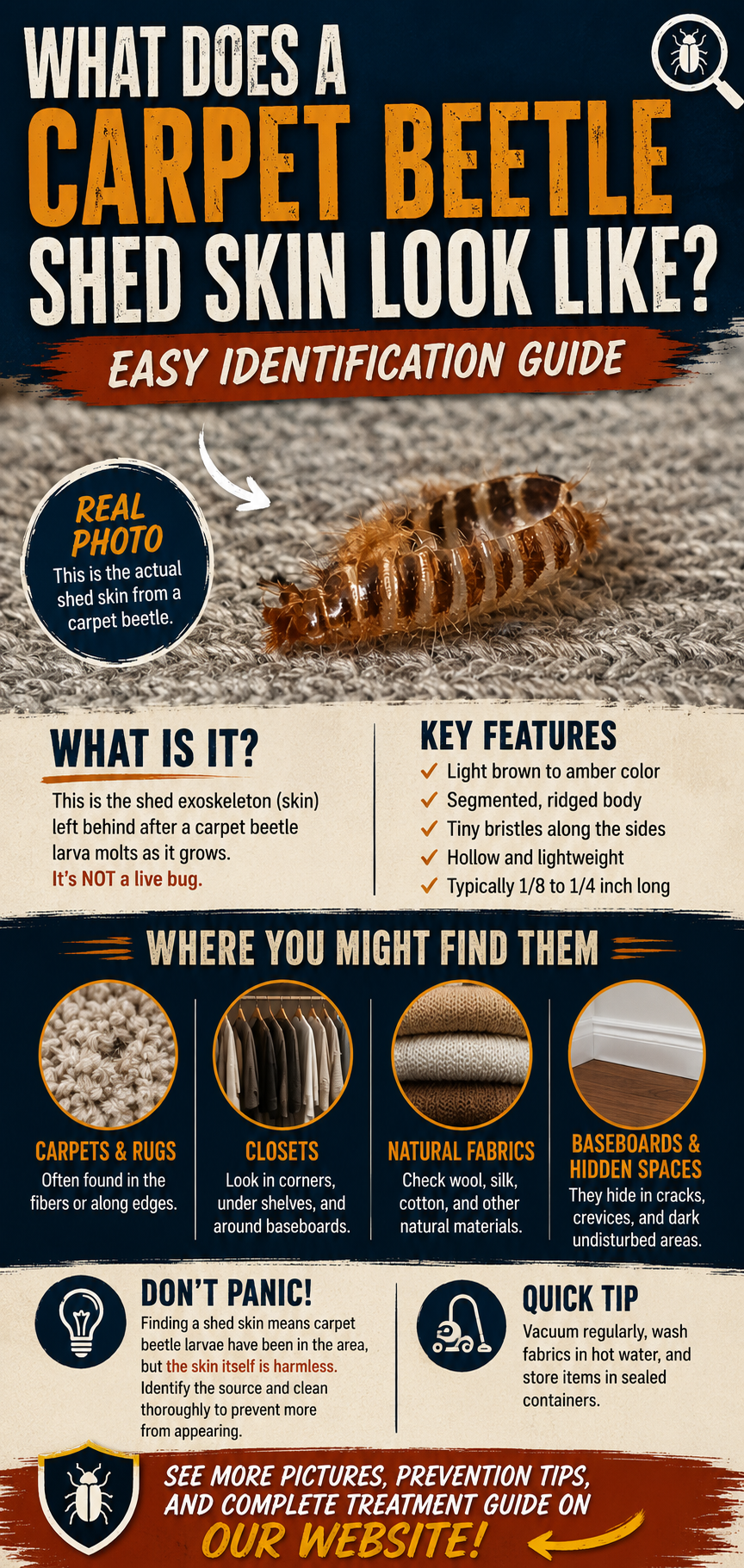
If you’ve found what looks like an empty insect shell, compare it with What Does a Carpet Beetle Shed Skin Look Like?.
Should You Throw the Clothes Away?
Usually not.
That surprises a lot of people.
Most clothing can be saved if the infestation is caught early.
Washing or dry cleaning garments according to their care labels removes larvae, eggs, and food residues while also making the fabric much less attractive to future infestations. Thoroughly cleaning garments before long-term storage is one of the most effective prevention steps.
I’d only consider discarding clothing that’s been severely damaged beyond repair.


Don’t Forget the Rest of the Closet
One mistake I see is treating only the clothing.
The larvae may actually be feeding somewhere nearby instead.
Pet hair behind a dresser.
Lint under shelving.
Dead insects trapped behind storage boxes.
Dust collecting along baseboards.
Those hidden food sources allow new generations to keep developing even after you’ve washed every piece of clothing.
That’s why carpet beetles sometimes seem to “come back.”

I explain why that happens in Why Do Carpet Beetles Keep Coming Back? Common Reasons Explained.
My First Step Wouldn’t Be Spray
If I opened my closet and found evidence of carpet beetles, I wouldn’t immediately grab an insecticide.
I’d start with a vacuum.
A thorough vacuum removes larvae, shed skins, lint, pet hair, and many eggs sitting on accessible surfaces.
During our own carpet beetle cleanup, frequent vacuuming made a noticeable difference because it attacked both the insects and the food sources they depended on.
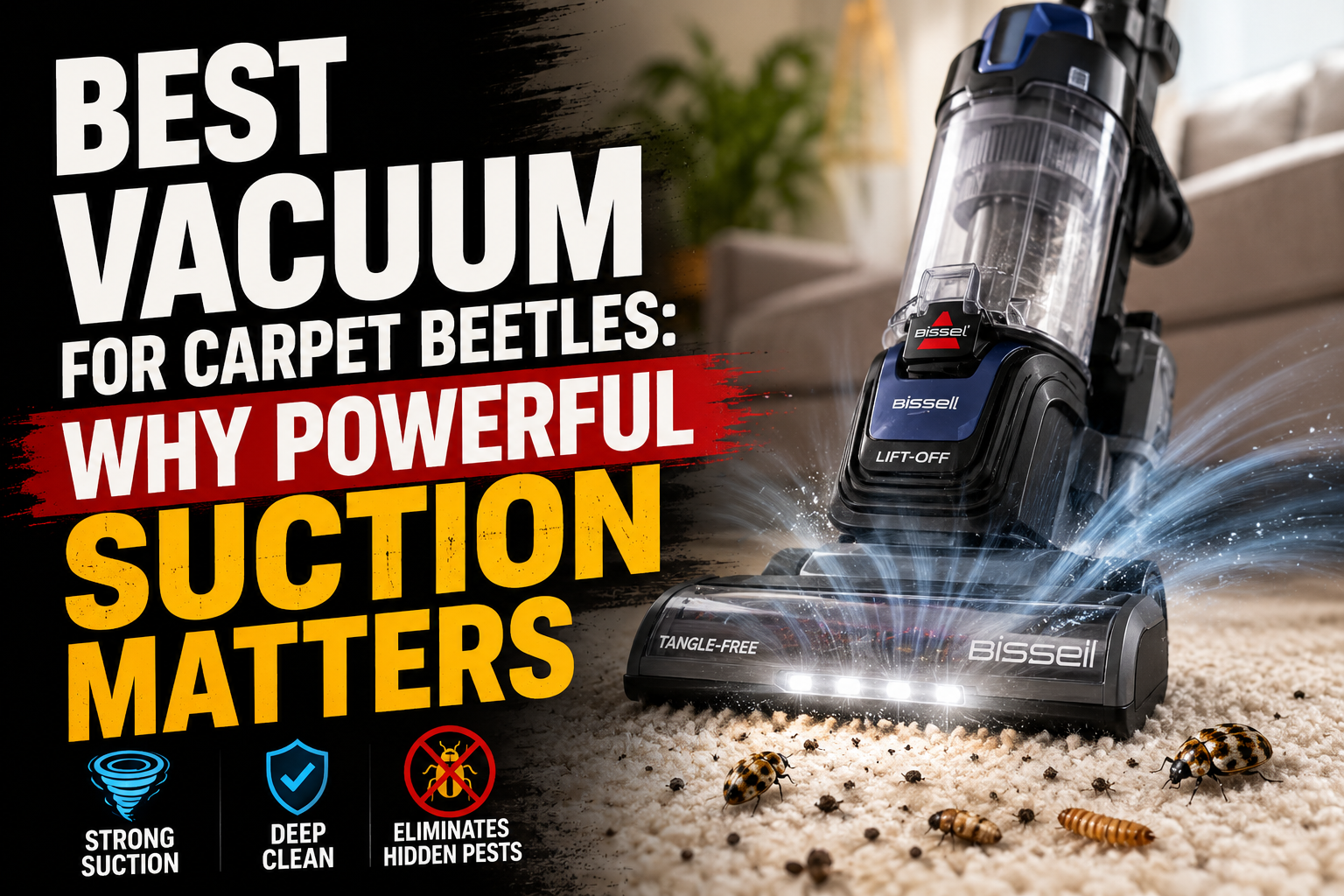
I explain why I think suction matters so much in Best Vacuum for Carpet Beetles: Why Powerful Suction Matters.
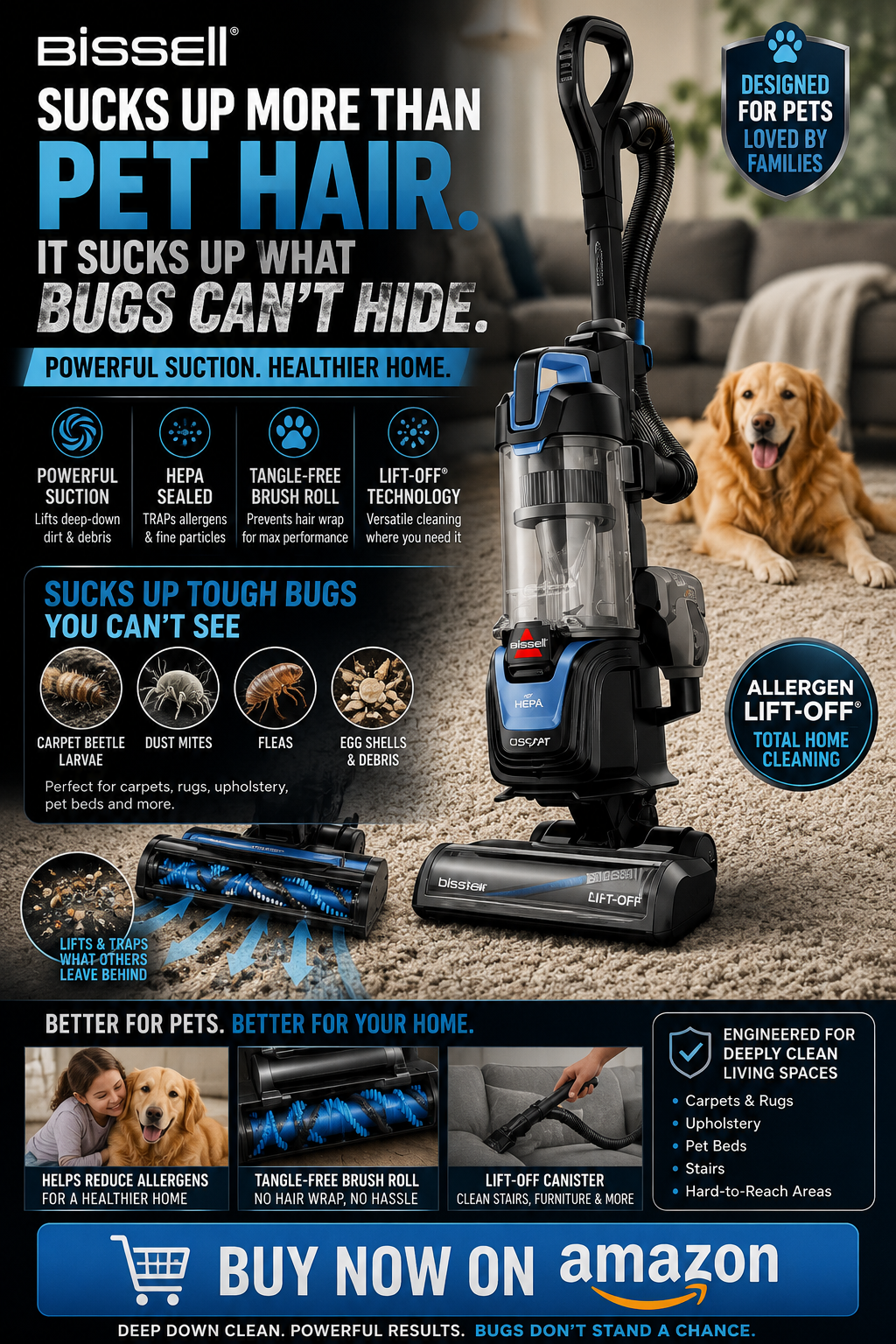
One vacuum I’d confidently recommend is the Bissell Pet Hair Eraser Allergen Lift-Off because it’s easy to use on closet floors, shelving, stairs, upholstered furniture, and other tight areas where carpet beetle larvae commonly hide.


When a Spray Makes Sense
Cleaning should always come first.
But if you’ve confirmed an active infestation and continue finding larvae after thorough cleaning, a targeted insecticide may help as part of your overall treatment plan.
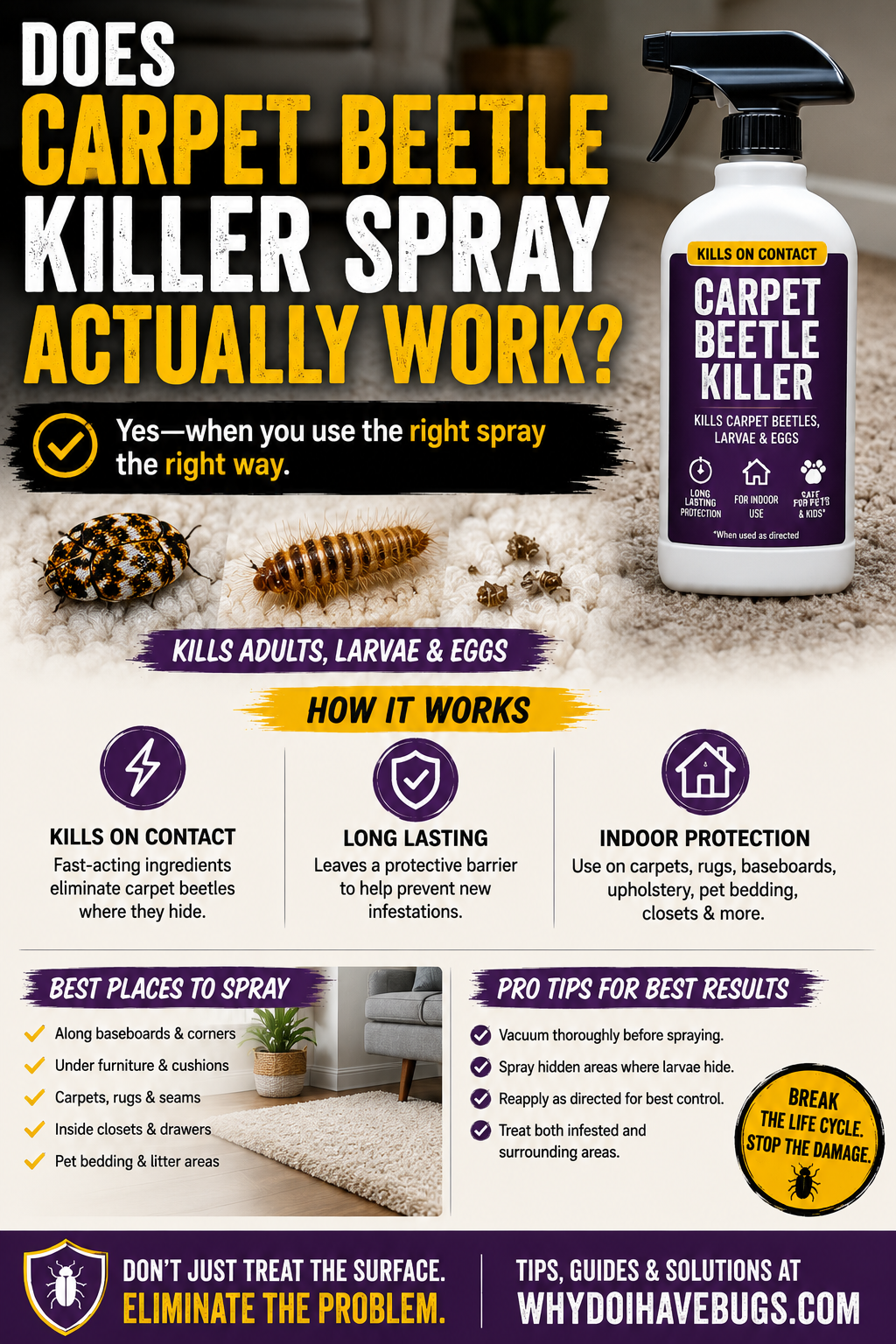
Before buying one, I’d recommend reading Does Carpet Beetle Killer Spray Actually Work? so you know what to realistically expect.
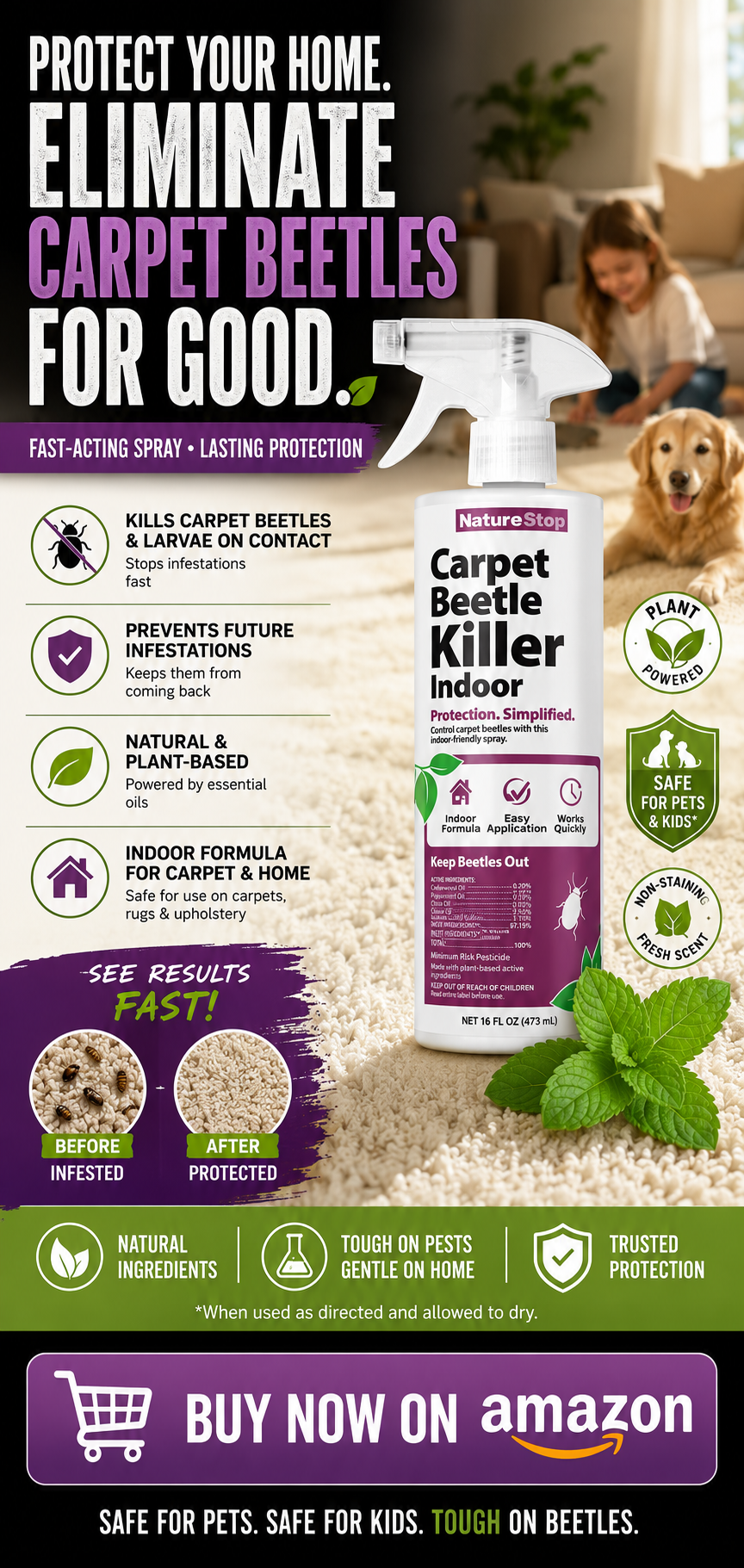
If you decide to use one, the Carpet Beetle Killer Spray for Indoor Use is designed to kill carpet beetles and their larvae when applied according to the label directions.
Protecting Your Clothes Going Forward
Once you’ve cleaned everything, prevention becomes much easier than dealing with another infestation.
Before storing seasonal clothing, I’d make sure every item is clean, vacuum the closet thoroughly, and store valuable garments in sealed containers or garment bags whenever possible. That greatly reduces the chances of adult beetles reaching those fabrics to lay eggs.
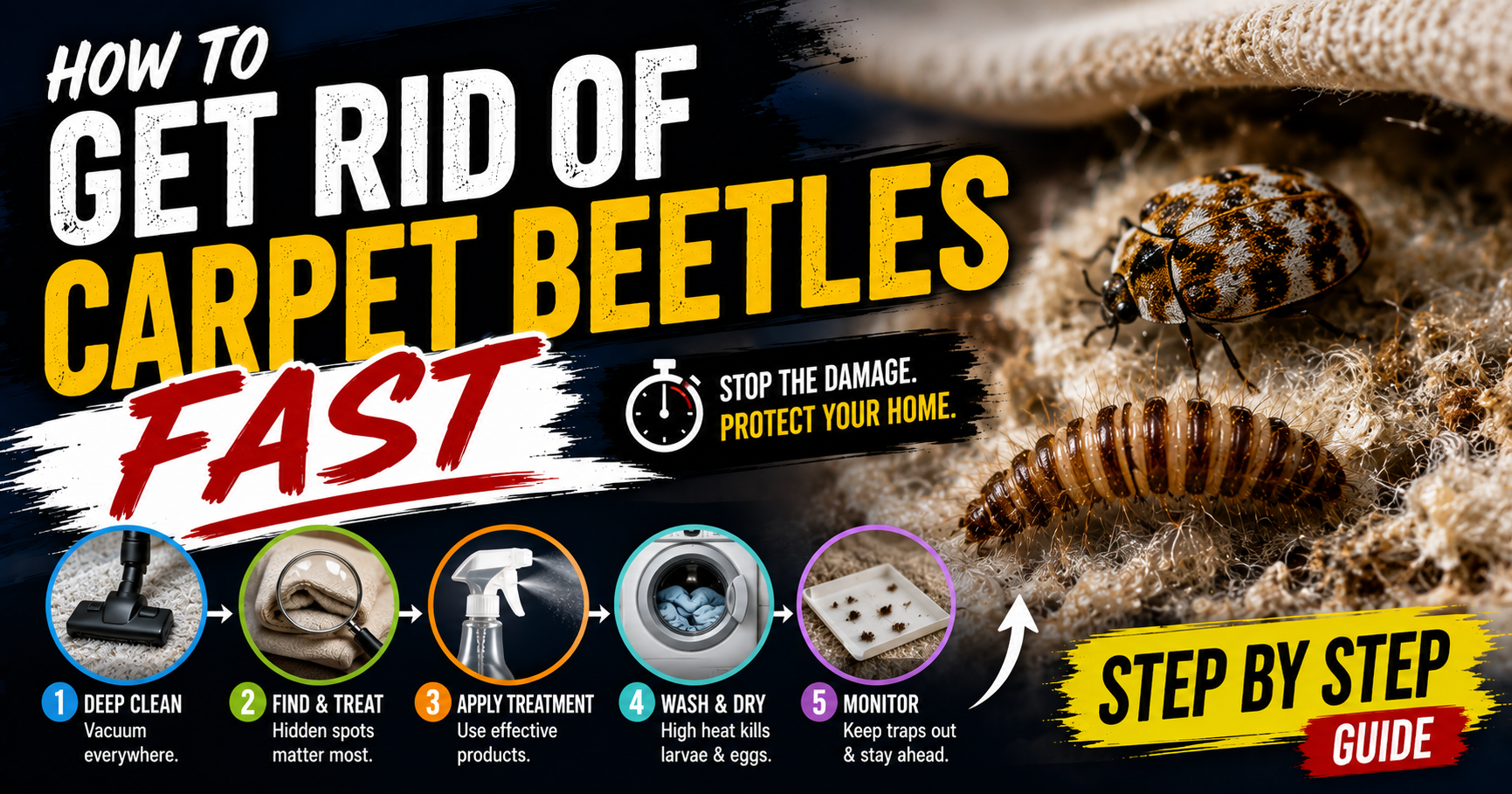
If you need a complete inspection and treatment plan, my How to Get Rid of Carpet Beetles Fast Step-by-Step Guidewalks through the entire process from finding the source to preventing future infestations.
For more identification guides, treatment advice, and prevention tips, visit our growing Beetles resource center.


Frequently Asked Questions
Can carpet beetles live inside clothes?
Yes. Carpet beetle larvae can live within folds, seams, and stacks of clothing if suitable food sources are available.
Do carpet beetles eat every type of fabric?
No. They strongly prefer natural animal-based fibers such as wool, silk, fur, feathers, and leather. Synthetic fabrics are much less attractive unless they’re soiled or blended with natural fibers.
Can I save clothes damaged by carpet beetles?
In many cases, yes. Washing or dry cleaning clothing and thoroughly cleaning the surrounding storage area is often enough to stop further damage if the infestation is caught early.
Why are carpet beetles only damaging some of my clothes?
Larvae prefer certain materials over others. Wool, cashmere, silk, fur, and similar natural fibers are much more attractive than most synthetic fabrics.
How can I keep carpet beetles out of stored clothes?
Clean garments before storing them, vacuum closets regularly, remove lint and pet hair, and keep seasonal clothing in tightly sealed storage containers or garment bags.
One Small Problem Can Turn Into a Bigger Infestation
One thing I’ve noticed while researching carpet beetles is that homeowners often catch the problem early but underestimate what they’re seeing.
Maybe there’s only one damaged sweater.
Maybe you find a single shed skin.
Maybe you spot one fuzzy larva crawling across a shelf.
It’s tempting to assume it’s an isolated incident.
Unfortunately, carpet beetle larvae don’t usually travel very far from where they’re feeding.
If you found one, there’s a good chance more are hiding somewhere nearby.
That’s why I wouldn’t stop after inspecting the obvious item. I’d continue checking the rest of the closet, nearby storage boxes, under furniture, and any other quiet places where natural fibers have been sitting undisturbed.
Don’t Forget About Eggs
Even after you’ve removed every larva you can find, there may still be eggs waiting to hatch.
Because they’re incredibly small and blend into fabrics and dust, they’re almost impossible to spot during a quick inspection.
That doesn’t mean you’re helpless, though.
Thorough vacuuming, washing clothing, and reducing food sources can remove many eggs before they ever hatch into larvae.
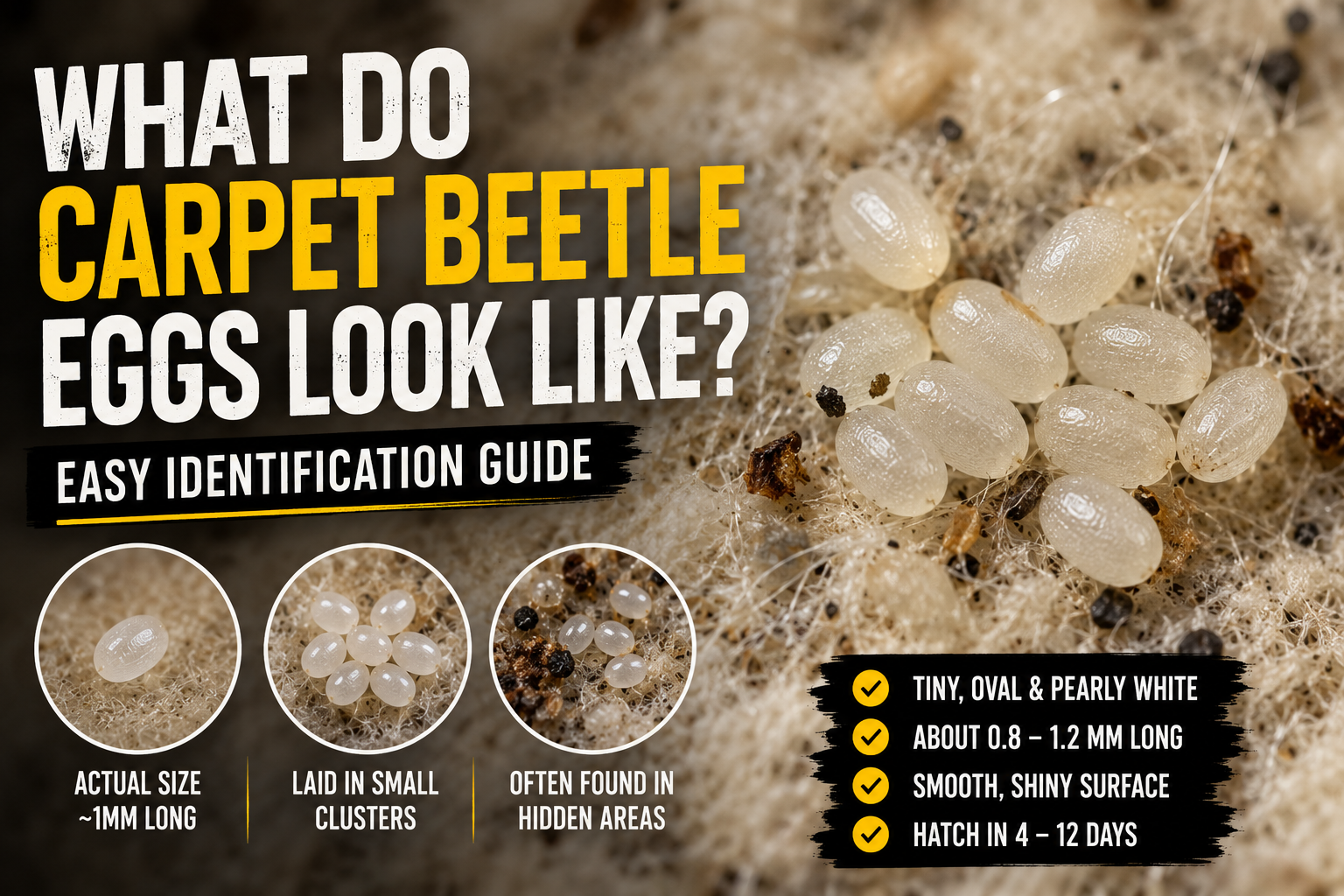
If you’re curious about what they actually look like, I put together a complete guide explaining what carpet beetle eggs look like and where they’re most commonly found.
Why Patience Matters
One thing that surprised me is how long carpet beetle infestations can seem to linger.
You might clean everything today…
…and still notice an adult beetle next week.
That doesn’t always mean your cleaning failed.
It may simply mean another larva finished developing after eggs had already been laid before you started treating the problem.
That’s why consistency matters so much.
Keep vacuuming.
Keep inspecting.
Keep checking the places where larvae are most likely to hide.
Eventually, you interrupt the life cycle instead of constantly chasing the newest adults.
The Bottom Line
Yes, carpet beetles can live in clothes—but it’s almost always the larvae, not the adults, that are causing the problem.
If they’re feeding on your clothing, simply removing the adult beetles you see won’t solve the infestation.
Instead, focus on finding where the larvae are developing, removing the food sources they’re depending on, thoroughly cleaning the surrounding area, and continuing to monitor over the following weeks.
That approach gives you a much better chance of stopping the infestation before another generation has the opportunity to hatch.
For even more carpet beetle identification guides, treatment advice, and prevention tips, be sure to explore our growing Beetles resource center.
Frequently Asked Questions
Can carpet beetles live in clothes permanently?
Not permanently. Carpet beetle larvae may remain inside or around clothing for weeks or months while feeding, but they eventually pupate and emerge as adult beetles.
Do adult carpet beetles eat clothes?
No. Adult carpet beetles primarily feed on pollen and nectar outdoors. The larvae are responsible for damaging clothing and other natural materials.
Are carpet beetles more likely to infest clean or dirty clothes?
Both can be affected, but clothing with body oils, perspiration, food residue, or stains may be even more attractive because those materials provide additional nutrients for developing larvae.
Can carpet beetles damage cotton clothing?
Pure cotton isn’t one of their favorite foods, but larvae may still feed on cotton if it’s heavily soiled or blended with animal-based fibers. Wool, cashmere, silk, fur, feathers, and leather are much more likely to be damaged.
How do I know if carpet beetles are living in my clothes?
Look for irregular holes, tiny fuzzy larvae, shed skins, or feeding damage around stored natural-fiber clothing. Also inspect nearby shelves, drawers, closet corners, and storage containers because the insects often hide close to the clothing rather than directly on it.
About the Author
Ryan Mitchell researches common household pests and enjoys helping homeowners understand why insects appear, where they hide, and what practical steps actually solve the problem. His goal is to turn confusing pest problems into clear, actionable advice that’s easy to follow.