
Few things are more frustrating than thinking you’ve finally gotten rid of carpet beetles…only to spot another one a week or two later.
That’s exactly what makes these pests so discouraging.
You vacuum.
You clean.
Maybe you even use an insecticide.
For a while, everything seems quiet.
Then another carpet beetle shows up crawling across a windowsill, a wall, or the floor.
Your first thought is usually, “How are they back already?”
In many cases, they never truly left.
The good news is that recurring carpet beetles almost always have a reason. Once you understand why they’re returning, it becomes much easier to stop the cycle instead of fighting the same infestation over and over.

The Most Common Reason Is Hidden Larvae
One mistake many homeowners make is focusing on the adult beetles they can see.
Ironically, the adults usually aren’t the biggest problem.
The real damage happens while carpet beetles are larvae. Understanding the broader carpet beetle life cycle helps put this larval damage in context, as outlined in Everything You Need to Know About Carpet Beetles.
These tiny, fuzzy insects spend months hidden in places most people rarely inspect. While the adults may only live for a short time, larvae can continue feeding and growing for much longer before eventually becoming adults themselves.
That’s why killing a few adult beetles rarely solves the infestation.
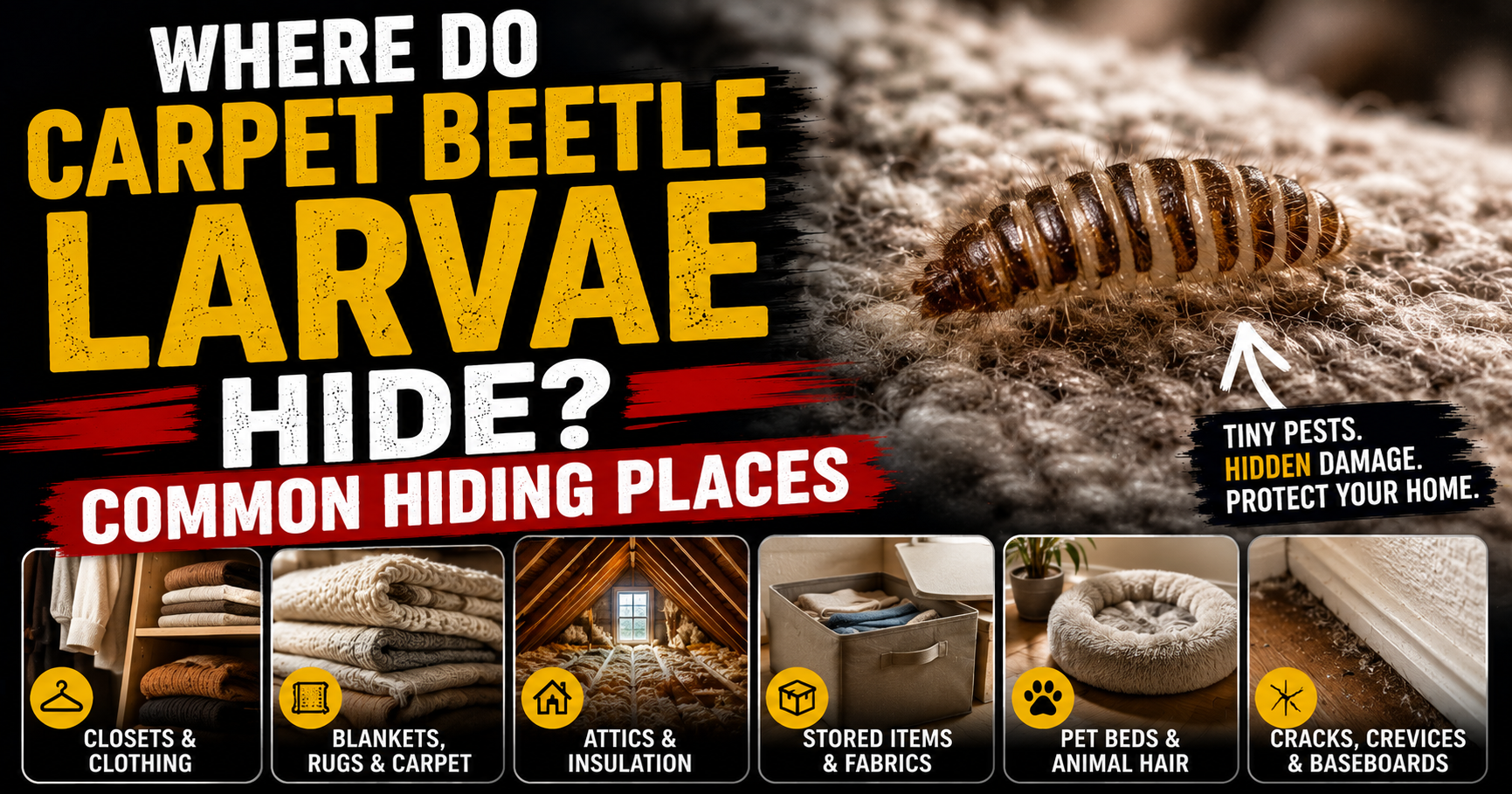
If you haven’t already, I recommend learning where carpet beetle larvae hide because the source of the problem is often tucked away in an area you haven’t cleaned yet.
You’re Seeing a Different Generation
One thing that completely changed how I looked at carpet beetles was realizing I wasn’t always seeing the same insects.
Often, I was seeing an entirely new generation.
While one group of adults is dying off, another batch of eggs may be hatching.
Those larvae continue developing for weeks or even months before new adults emerge.
That overlapping life cycle makes it seem like carpet beetles are appearing out of nowhere.
They’re usually not.
They’re simply reaching the next stage of development.

I explain this process in much more detail in How Long Do Carpet Beetles Live? Understanding Their Life Cycle.
You Missed the Eggs
Carpet beetle eggs are incredibly easy to overlook.
They’re tiny, cream-colored, and often hidden in quiet places where homeowners don’t think to look.
By the time you’ve removed the adults you noticed, dozens of eggs may already be waiting to hatch.
That’s one reason infestations can seem to restart weeks later.
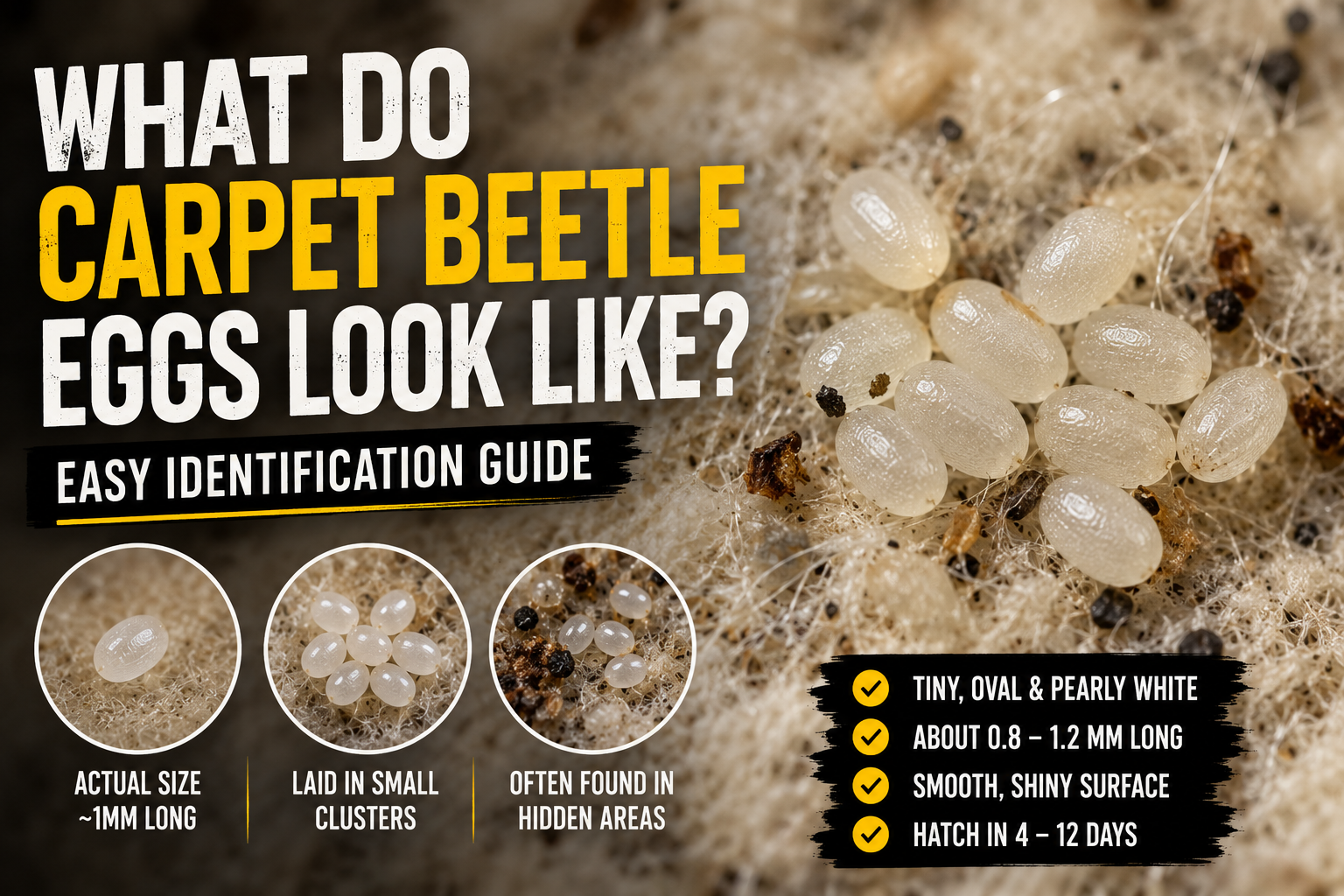
If you’re curious what you’re looking for, here’s my guide showing what carpet beetle eggs look like and where they’re commonly found.
Food Sources Are Still Available
Even after cleaning, your home may still offer plenty of food.
Carpet beetle larvae feed on materials that many people don’t realize are attractive to them, including:
- Pet hair
- Wool clothing
- Feathers
- Fur
- Leather
- Lint
- Dead insects
- Natural-fiber rugs
- Upholstered furniture
Even a forgotten box of winter clothes in the back of a closet can support an infestation.
That’s why simply spraying visible beetles often isn’t enough if the larvae still have plenty to eat.


The Adults Keep Laying New Eggs
Adult carpet beetles don’t usually stay indoors because they enjoy living inside.
Many species naturally feed on pollen and flowers outdoors.
Unfortunately, if adults enter your home and find suitable places to lay eggs, the cycle starts all over again.
That’s why you may notice adults near windows, doors, or sunny rooms.
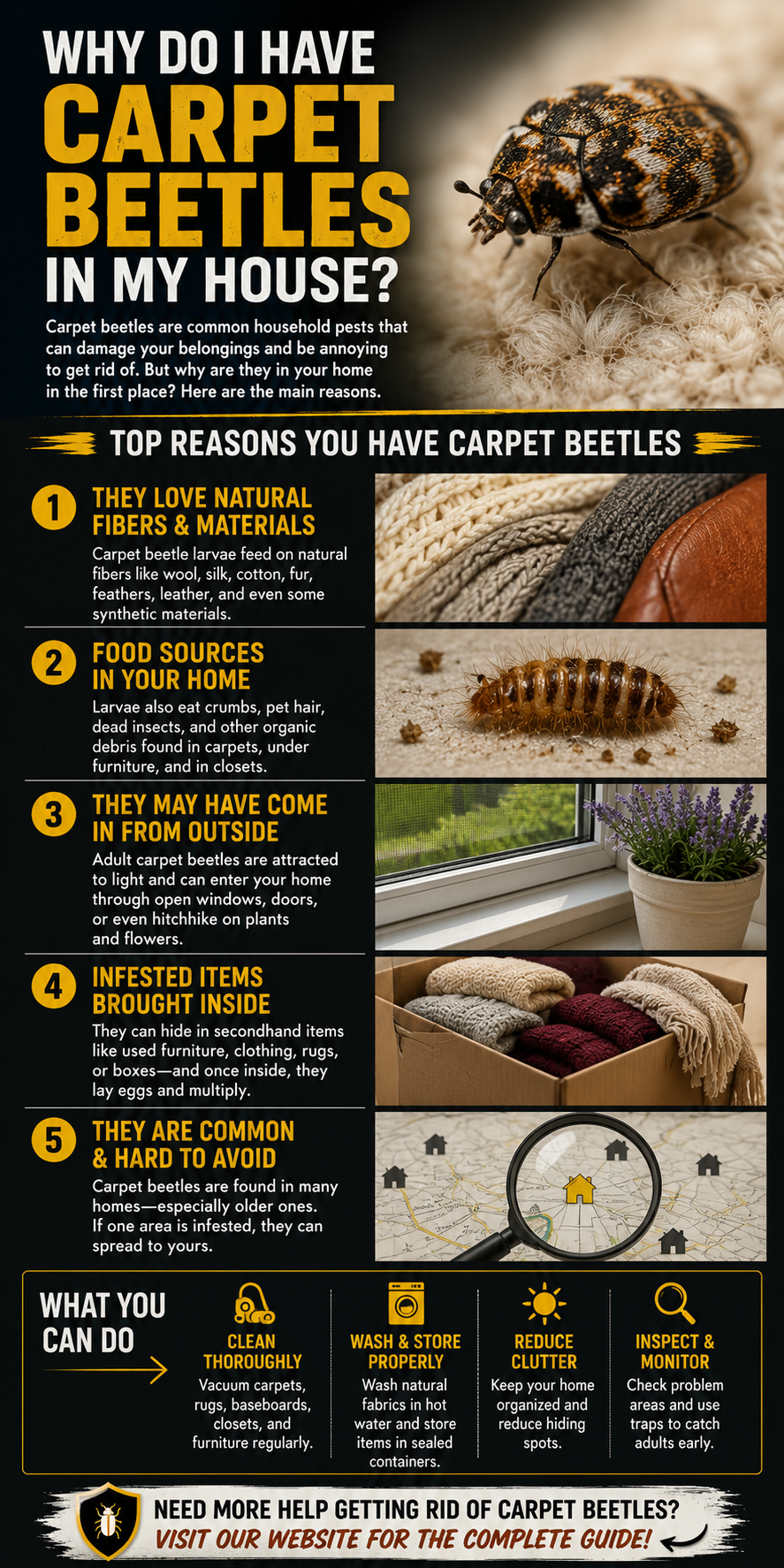
If you’ve ever wondered why carpet beetles showed up in the first place, my article explaining why carpet beetles are in your house covers the most common reasons.
Cleaning Wasn’t Thorough Enough
I’m not saying your house wasn’t clean.
Far from it.
Many spotless homes still get carpet beetles.
The issue is that carpet beetles don’t care whether your countertops sparkle.
They’re interested in hidden food sources.
A quick pass with the vacuum across the middle of the room usually isn’t enough.
The places that matter most are often:
- Along baseboards
- Under furniture
- Inside closets
- Behind dressers
- Under beds
- Pet sleeping areas
- Storage boxes
- Air vents
- Beneath area rugs
Those are the places I would spend the most time cleaning.


Vacuuming Made the Biggest Difference for Me
If I had to point to one habit that helped more than anything else, it would be frequent vacuuming.
Not once.
Not twice.
Consistently.
A good vacuum removes pet hair, lint, shed skins, larvae, many eggs, and the organic debris that carpet beetle larvae depend on for food.
It won’t solve every infestation by itself, but it makes it much harder for the next generation to survive.
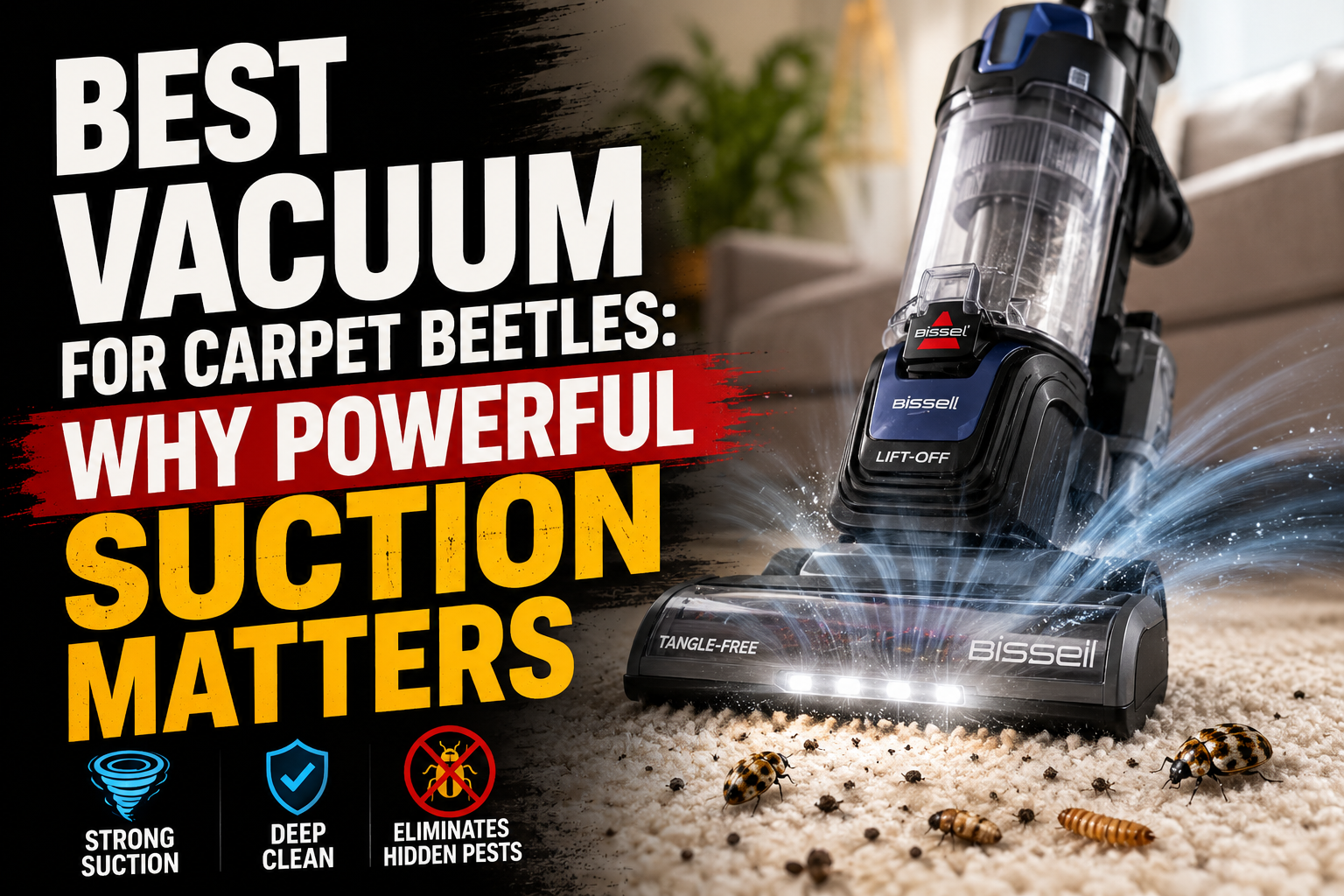
I explain why I think suction matters so much in Best Vacuum for Carpet Beetles: Why Powerful Suction Matters.
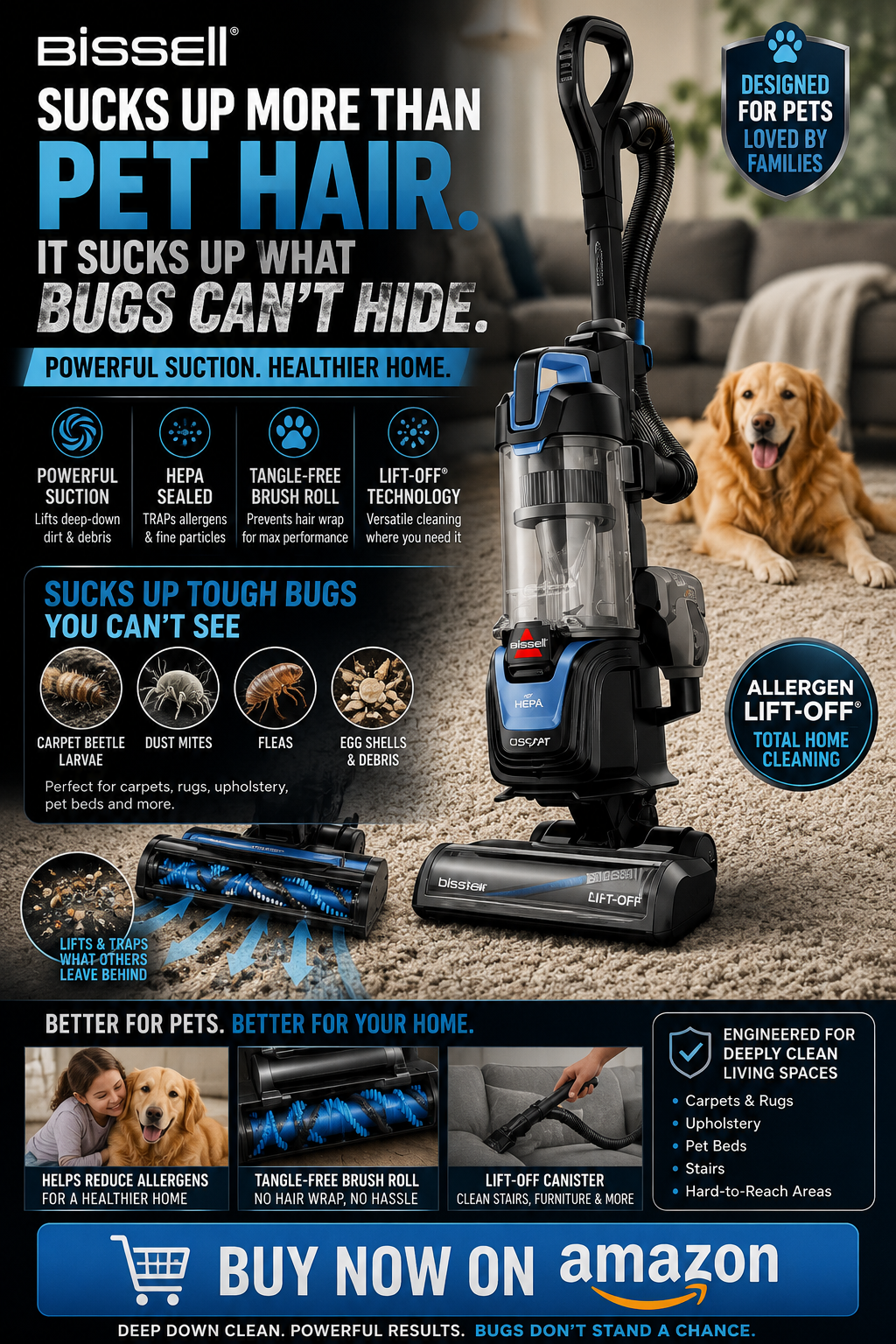
One vacuum I’d confidently recommend is the Bissell Pet Hair Eraser Allergen Lift-Off because its powerful suction, HEPA filtration, and Lift-Off design make it much easier to clean stairs, furniture, closets, upholstery, and other places where carpet beetles commonly hide.
Sprays Help, but They Aren’t Magic
It’s easy to assume that one application of insecticide should solve the problem.
Unfortunately, carpet beetles rarely cooperate.
Most sprays only work where they’re applied.
They won’t magically reach eggs hidden inside storage boxes, beneath furniture, or deep inside closets.
That’s why I think sprays work best as one part of a larger plan—not the entire solution.
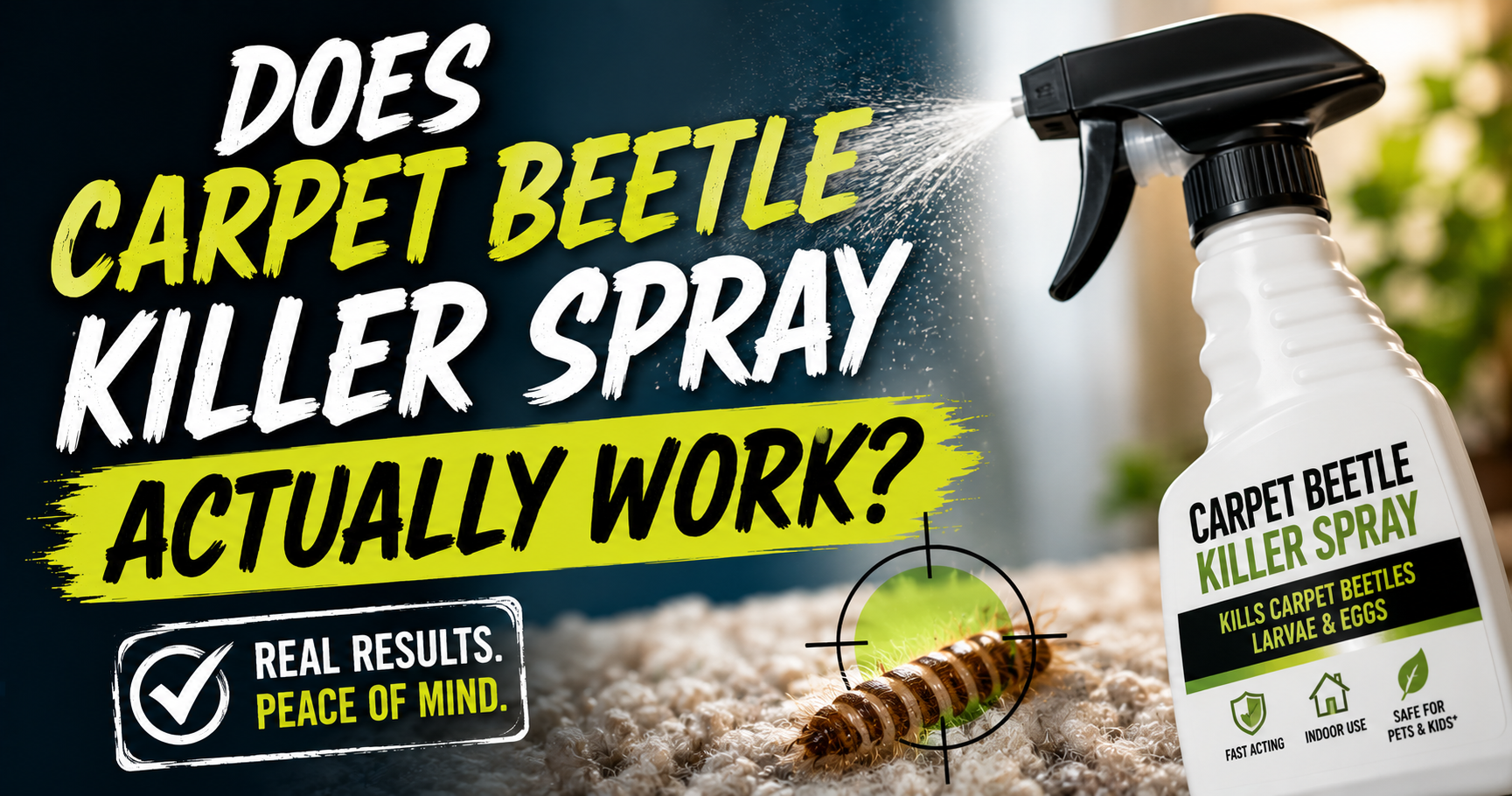
If you’re considering using one, my review of Does Carpet Beetle Killer Spray Actually Work? explains what to realistically expect.

If you decide a spray fits your situation, the Carpet Beetle Killer Spray for Indoor Use is designed to target carpet beetles and their larvae when used according to the product label.

Don’t Ignore Old Shed Skins
Here’s something that causes a lot of unnecessary panic.
Shed skins don’t disappear overnight.
Even after you’ve eliminated the larvae, old shed skins may still be hiding under furniture or inside closets.
Finding one doesn’t automatically mean the infestation is getting worse.
It may simply be evidence left behind from earlier activity.
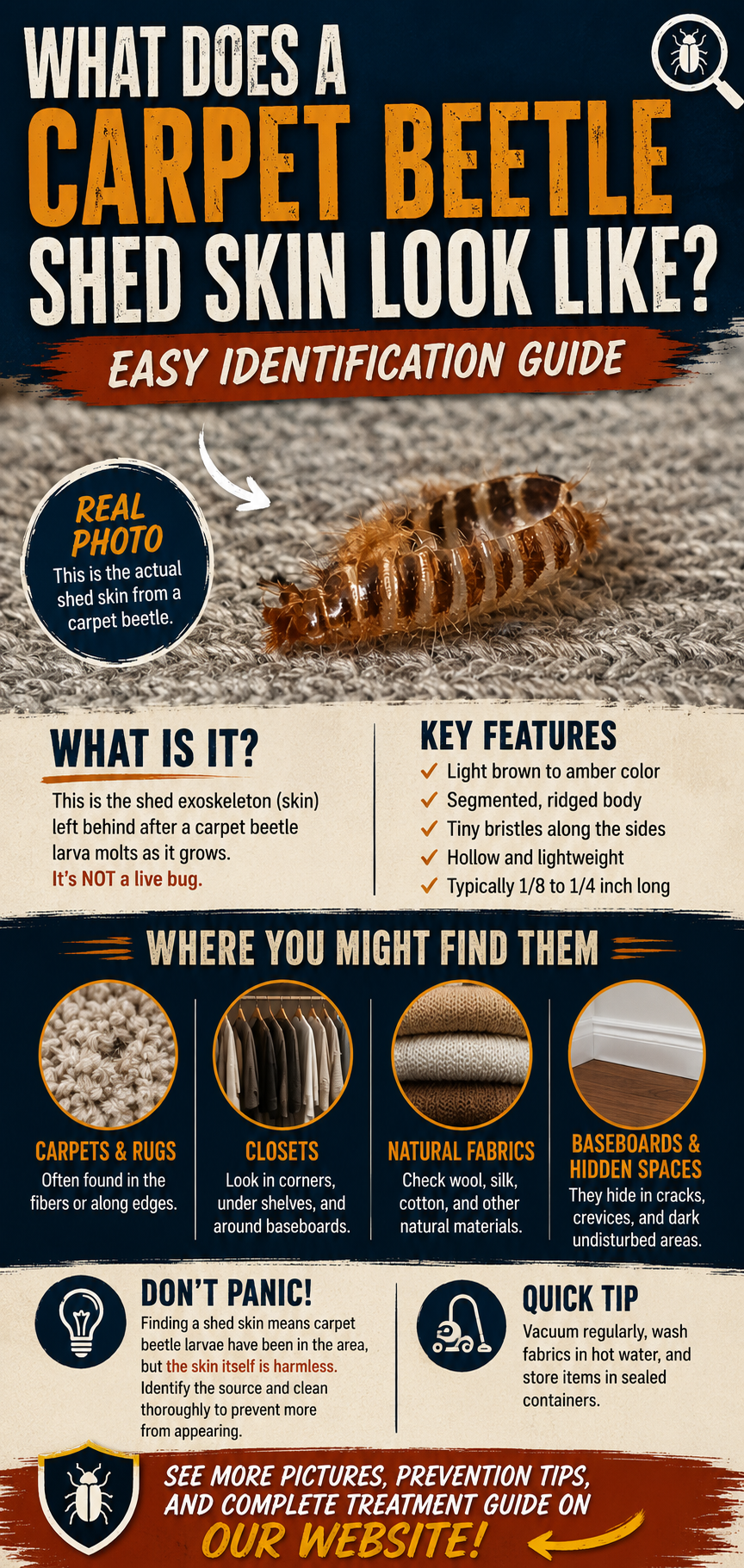
If you’re unsure what you’ve found, my guide explaining what carpet beetle shed skins look like can help you tell the difference.
So How Do You Finally Stop Them?
If carpet beetles keep returning, I’d focus on breaking the entire life cycle instead of chasing the adults you happen to see.
That means:
- Finding hidden larvae.
- Removing food sources.
- Vacuuming thoroughly and often.
- Washing vulnerable fabrics.
- Inspecting closets and storage areas.
- Treating active infestations when appropriate.
- Continuing to monitor for several weeks.
The goal isn’t just to kill today’s carpet beetles.
It’s to prevent tomorrow’s generation from ever reaching adulthood.
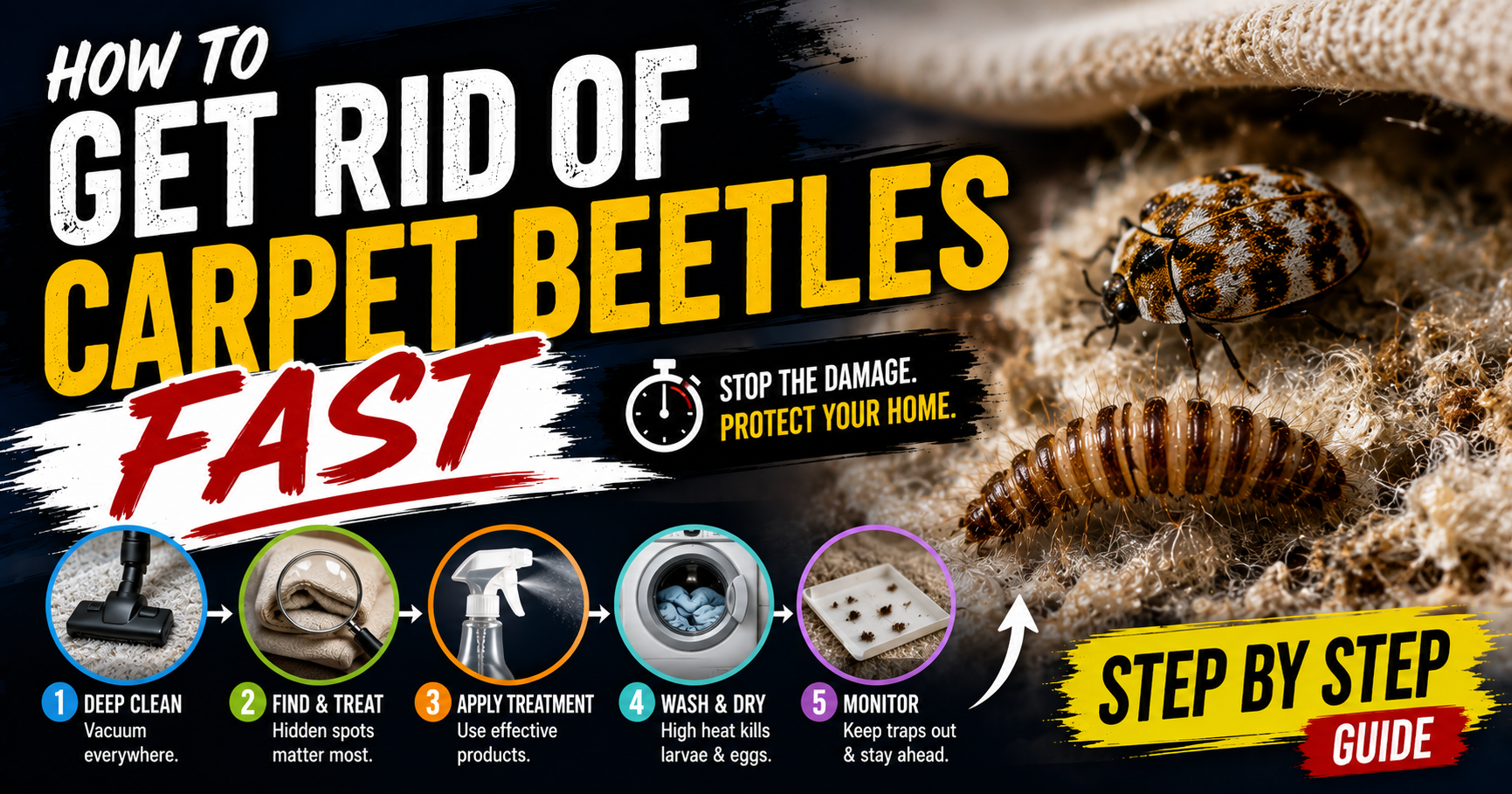
For a complete walkthrough, I recommend following my How to Get Rid of Carpet Beetles Fast Step-by-Step Guide.
A Little Patience Goes a Long Way
One thing I’ve learned is that carpet beetles rarely disappear overnight.
Even after you’re doing everything right, you may still see an occasional adult emerge from eggs that were laid weeks earlier.
That doesn’t always mean you’ve failed.
It often means you’re interrupting a life cycle that takes time to fully eliminate.
Stay consistent with cleaning, keep inspecting the areas where larvae hide, and don’t give up after the first week or two.
Most successful carpet beetle treatments are won through persistence rather than one dramatic fix.
For more identification guides, treatment advice, and prevention tips, visit our growing Beetles resource center.
Frequently Asked Questions
Why do carpet beetles keep coming back after I vacuum?
Vacuuming removes many larvae, eggs, and food sources, but hidden eggs or larvae may still remain. Consistent cleaning over several weeks is usually much more effective than a single deep cleaning.
Can carpet beetles come back after treatment?
Yes. Eggs that survive treatment can hatch later, and adults may enter from outdoors and lay new eggs if favorable conditions remain.
How long does it take to completely get rid of carpet beetles?
It depends on the size of the infestation and how thoroughly you remove larvae, eggs, and food sources. Because the life cycle can last several months, complete control often requires ongoing cleaning and monitoring.
Why do I only see one carpet beetle at a time?
Adult carpet beetles often emerge individually as they complete their development. Seeing one doesn’t necessarily mean only one is present.
Will carpet beetles eventually disappear on their own?
Sometimes small populations die out if they can’t find food, but most established infestations continue until the food source and breeding cycle are interrupted.
About the Author
Ryan Mitchell researches common household pests and writes practical, research-based guides to help homeowners identify infestations, understand why they’re happening, and choose realistic solutions that actually work.