
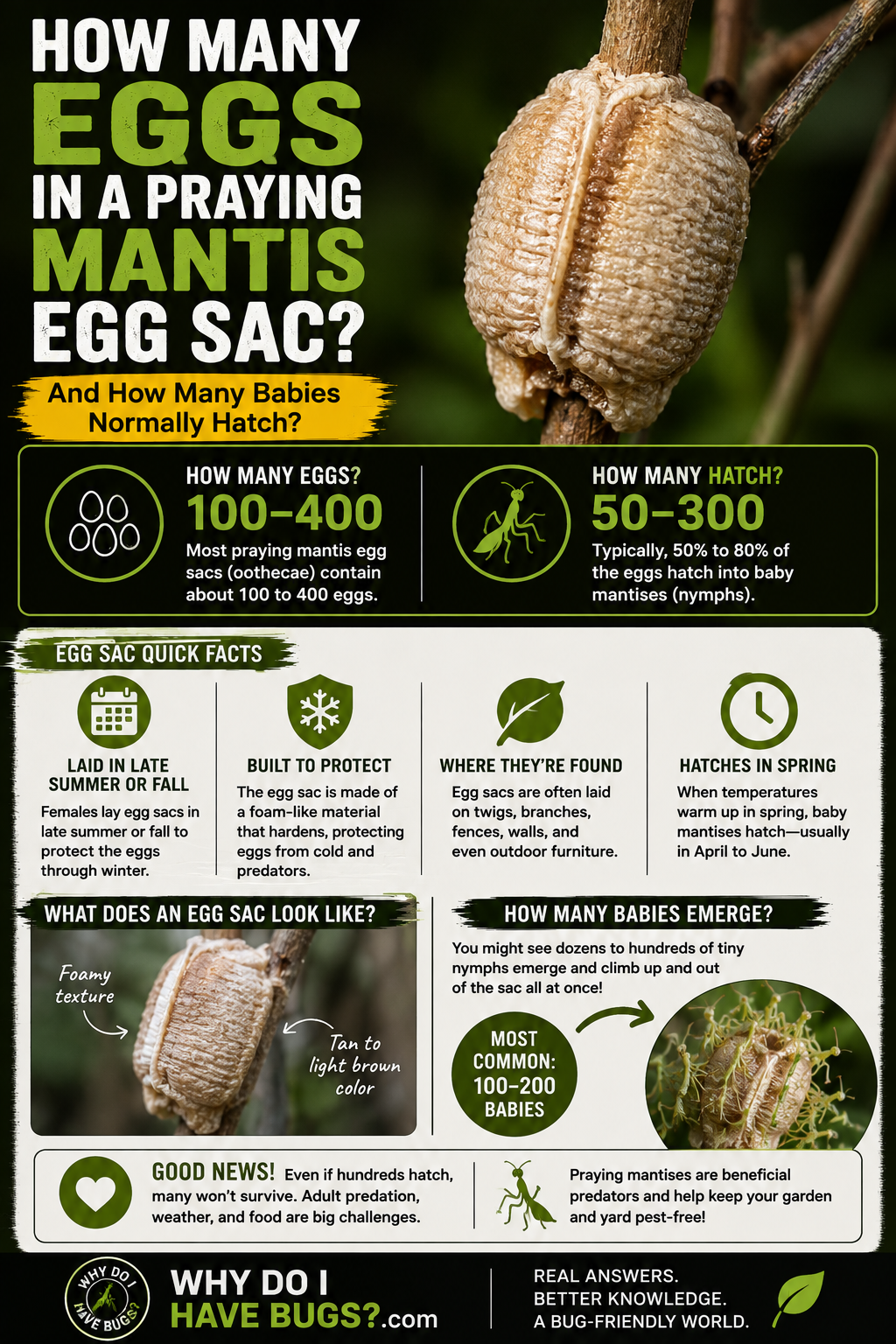
A praying mantis egg sac usually looks like a small tan or light-brown clump of hardened foam attached to a branch, plant stem, fence, wall, or another outdoor surface. It may resemble spray foam insulation, a toasted marshmallow, a seedpod, or a strange growth on the plant.
The proper name for a praying mantis egg sac is an ootheca. Inside the hardened case may be dozens or even hundreds of individual mantis eggs protected from cold temperatures, moisture, predators, and changing winter weather.
If you find one outdoors, the best choice is usually to leave it exactly where it is. Bringing the egg case into a warm house can cause all the babies to hatch early when there is no food available and it is too cold to release them outside.
What a Praying Mantis Egg Sac Looks Like Up Close
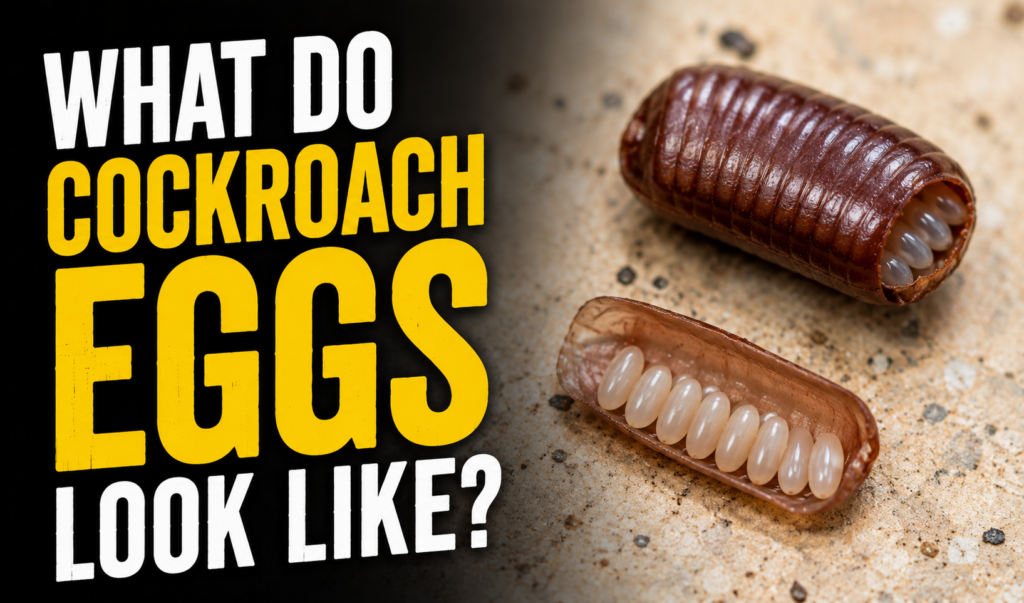
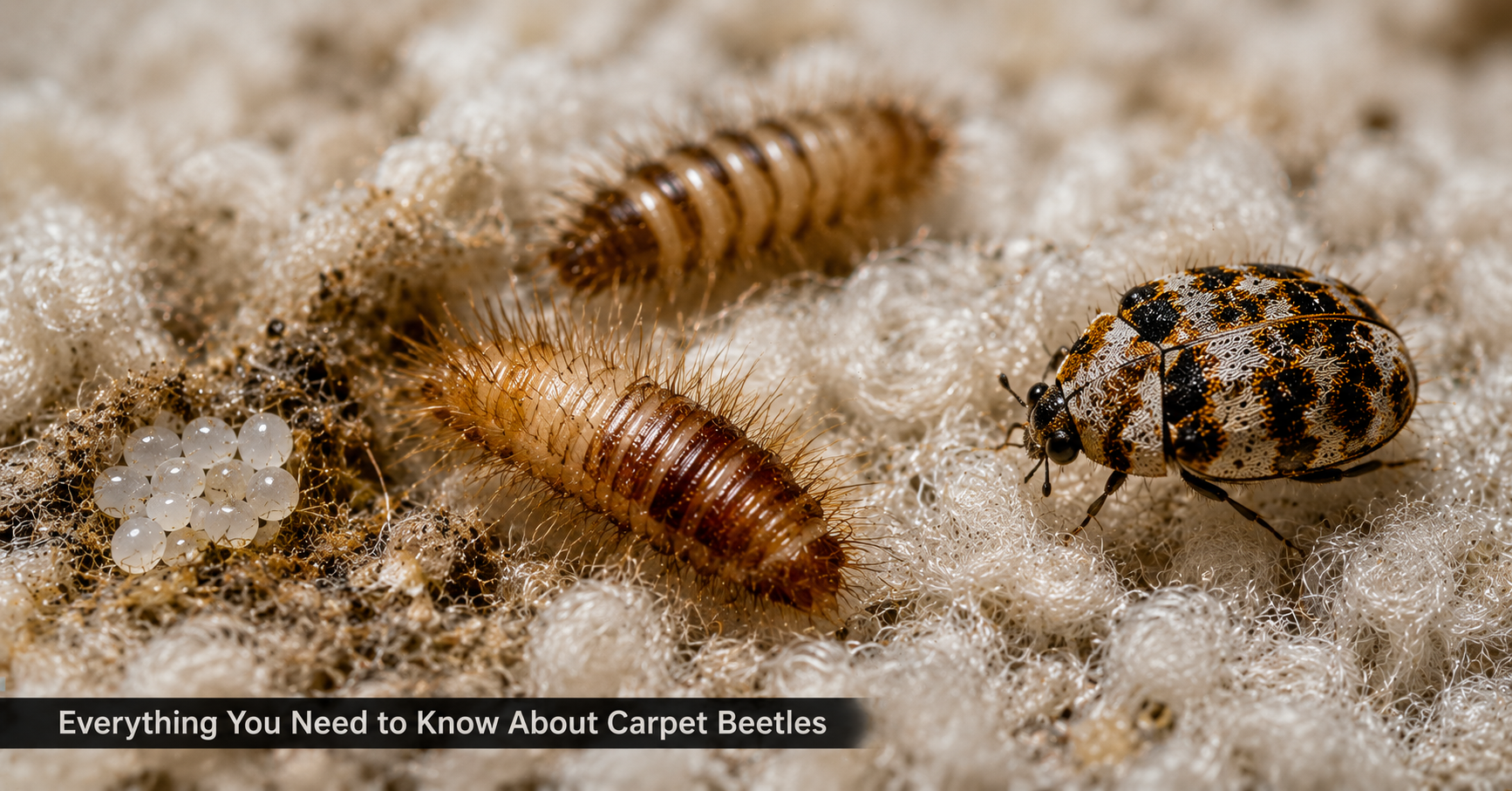
A praying mantis egg sac does not look like a cluster of individual exposed eggs. The female covers the eggs with a frothy protective material that quickly expands and hardens. For a different kind of indoor egg case, cluster of individual exposed eggs shows the features that distinguish cockroach oothecae from outdoor mantis sacs.
A typical mantis egg case may have:
- Tan, beige, gray, or light-brown coloring
- A dry foam-like surface
- Ridges, layers, or a zipper-like center
- An oval, rectangular, rounded, or elongated shape
- A firm attachment to the surface beneath it
- A size ranging from around one inch to nearly two inches
- A texture resembling hard Styrofoam
- One side that appears flatter against the attachment surface
The exact appearance varies by mantis species. Some are round and bulky, while others are narrow, flat, or stretched along the surface.
Color and shape can also change slightly as the egg case ages and is exposed to rain, sunlight, and freezing weather.


Why It Looks Like Hardened Foam
The female mantis produces a frothy material while laying her eggs. This material surrounds the eggs and hardens after being exposed to the air.
The hardened foam is not random debris. Its structure helps:
- Hold the eggs together
- Attach them securely to a surface
- Reduce moisture loss
- limit excess water exposure
- Protect the eggs from cold weather
- Conceal them from some predators
- Provide physical protection through winter
The egg case may feel similar to crusty, dried spray foam. It should not be squeezed, scraped, or broken open to see what is inside.
Damaging the protective exterior can expose the eggs and prevent them from surviving until spring.


Where Praying Mantis Egg Sacs Are Usually Found
Praying mantises attach egg cases to stable outdoor surfaces that are likely to remain in place through winter.
Common locations include:
- Small tree branches
- Shrub stems
- Dried flower stalks
- Tall weeds
- Fence posts
- Wooden fences
- Deck railings
- House siding
- Brick walls
- Outdoor furniture
- Garden stakes
- Plant pots
- Eaves
- Stored equipment
- Wreaths and decorations
The female does not build a nest or return to care for the eggs. She chooses a location, deposits the ootheca, and leaves it behind.

If you regularly find egg cases around your porch, siding, windows, or garden, the same vegetation and insect activity that bring adult mantises near the home may explain why. My guide covering why praying mantises come around houses explains those attractions in more detail.
When Praying Mantises Lay Their Egg Sacs
Most praying mantises in colder parts of the United States lay egg cases during late summer and fall.
A mature female develops a noticeably larger abdomen as her eggs form. She eventually selects a stable surface and begins producing the foamy material that becomes the ootheca.
Depending on the species and her condition, one female may produce more than one egg case.
After the eggs are deposited, the case hardens and remains outdoors through winter. Adult mantises normally die after freezing weather arrives, but their offspring survive inside the protected egg case.
This means you may find a praying mantis egg sac months after the female that produced it is gone.
When Praying Mantis Egg Sacs Hatch
Praying mantis egg sacs usually hatch during spring after temperatures have remained warm enough for development to resume.
The exact timing depends on:
- Mantis species
- Local climate
- Daily temperatures
- Sun exposure
- Egg-case location
- How quickly spring warms
- Whether the case was moved indoors
In Missouri and similar climates, hatching generally occurs after winter has ended and small prey insects are becoming available.
The entire egg case may appear inactive throughout fall and winter. That does not mean the eggs are dead. The cold period is part of the natural life cycle.
How Many Praying Mantises Come From One Egg Sac?
One praying mantis egg sac can contain dozens or hundreds of eggs.
A large Chinese mantis ootheca may release approximately 50 to 200 young at one time, although the number varies. Some egg cases contain even more eggs, and not every egg necessarily produces a surviving nymph.
Seeing that many babies emerge can make it look like the yard is suddenly infested. In reality, only a small percentage will survive to adulthood.
Young mantises face:
- Starvation
- Cold weather
- Birds
- Spiders
- Ants
- Frogs and toads
- Other predatory insects
- Cannibalism from their siblings
- Difficulty finding suitable prey
The nymphs begin spreading away from the egg case soon after hatching. The large group does not remain together as a colony.



What Baby Mantises Look Like When They Hatch
Newly hatched praying mantises look like tiny, wingless versions of adults.
They already have:
- Triangular heads
- Large eyes
- Folded front legs
- Six legs
- Long, narrow bodies
- Grasping mouthparts
- The instinct to capture live prey
Some nymphs initially hang beneath the egg case on fine threads before their bodies harden and they begin moving into nearby vegetation.

They are usually much smaller and more delicate than people expect. Their tiny size makes them easy to mistake for ants, mosquitoes, or other small insects until you look closely at the folded front legs. For more clues, use this guide to baby praying mantis identification when a newly hatched group is difficult to recognize.
How to Tell Whether an Egg Sac Has Already Hatched
A hatched mantis egg case may remain attached to its original surface long after the nymphs are gone.
Signs that hatching may have occurred include:
- Small openings along the emergence area
- A rough or split-looking center
- Loose material around the exit area
- An egg case that appears weathered and empty
- Tiny mantises seen nearby during spring
The entire case does not normally burst open or fall apart. Young mantises emerge through specific areas while much of the hardened structure remains intact.
Because old egg cases can look similar to viable ones, it may be difficult to confirm hatching without observing the emergence or looking closely at the exit area.
I would avoid destroying an uncertain egg case merely because it appears dry or old.


What Different Praying Mantis Egg Sacs Look Like
The shape of an egg case can provide a useful clue about which mantis produced it.
Chinese Mantis Egg Sac
A Chinese mantis egg sac is generally light brown, bulky, and rounded. It is often described as resembling a toasted marshmallow or a clump of hardened spray foam.
It may be around one and a half inches long and attached to a twig, plant stem, fence, or building surface.
Chinese mantises are nonnative but widespread in much of the United States, including Missouri.
Carolina Mantis Egg Sac
A Carolina mantis egg sac is generally smaller, narrower, flatter, and more elongated than the bulky Chinese mantis case.
It may have a noticeable light-colored band or raised center running along its length. Some people compare its shape to a small fossil, narrow seedpod, or ridged piece of foam.
The Carolina mantis is native to the United States.
European Mantis Egg Sac
A European mantis egg case is generally more oval or elongated and may show distinct layers or ridges.
The European mantis is another established nonnative species. It is less commonly encountered than the Chinese mantis in many areas.
These descriptions help narrow down identification, but weathering and attachment angle can change how an egg case appears. Clear photographs from the top, side, and attachment surface are helpful when identification matters.
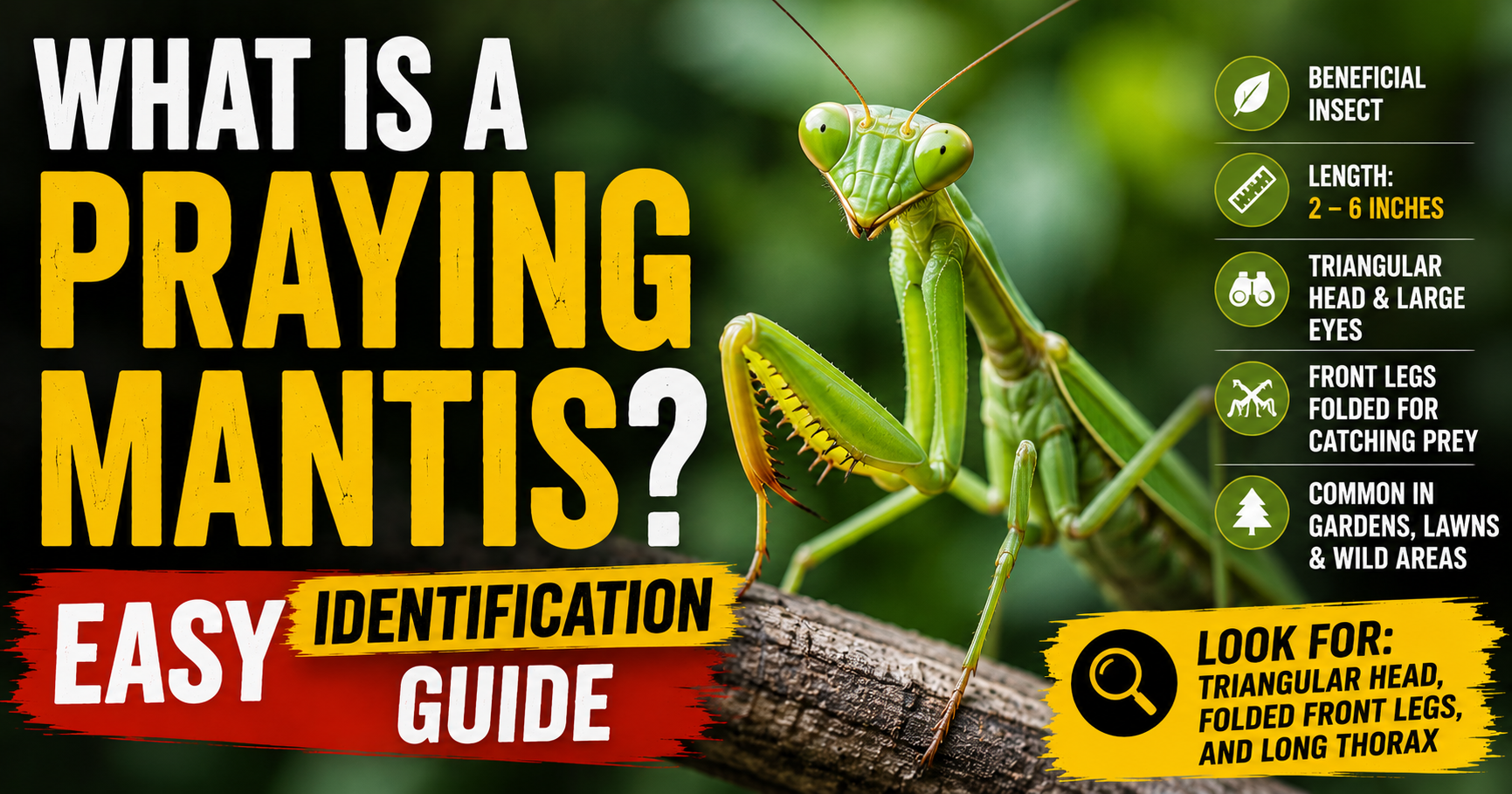
The adult insects also differ in size, wing length, and markings. My complete praying mantis identification guide explains the primary features of the common mantises found around American homes.
Is a Praying Mantis Egg Sac Dangerous?
A praying mantis egg sac is not dangerous to touch or observe.
It does not contain venom, release an irritating chemical, or explode when disturbed. The young mantises that emerge are also too small to pose a meaningful threat to people.
The biggest concern is accidentally bringing a viable egg case into a heated house and triggering early hatching.
If hundreds of nymphs emerge indoors, they are not dangerous, but collecting them before they scatter can be frustrating.
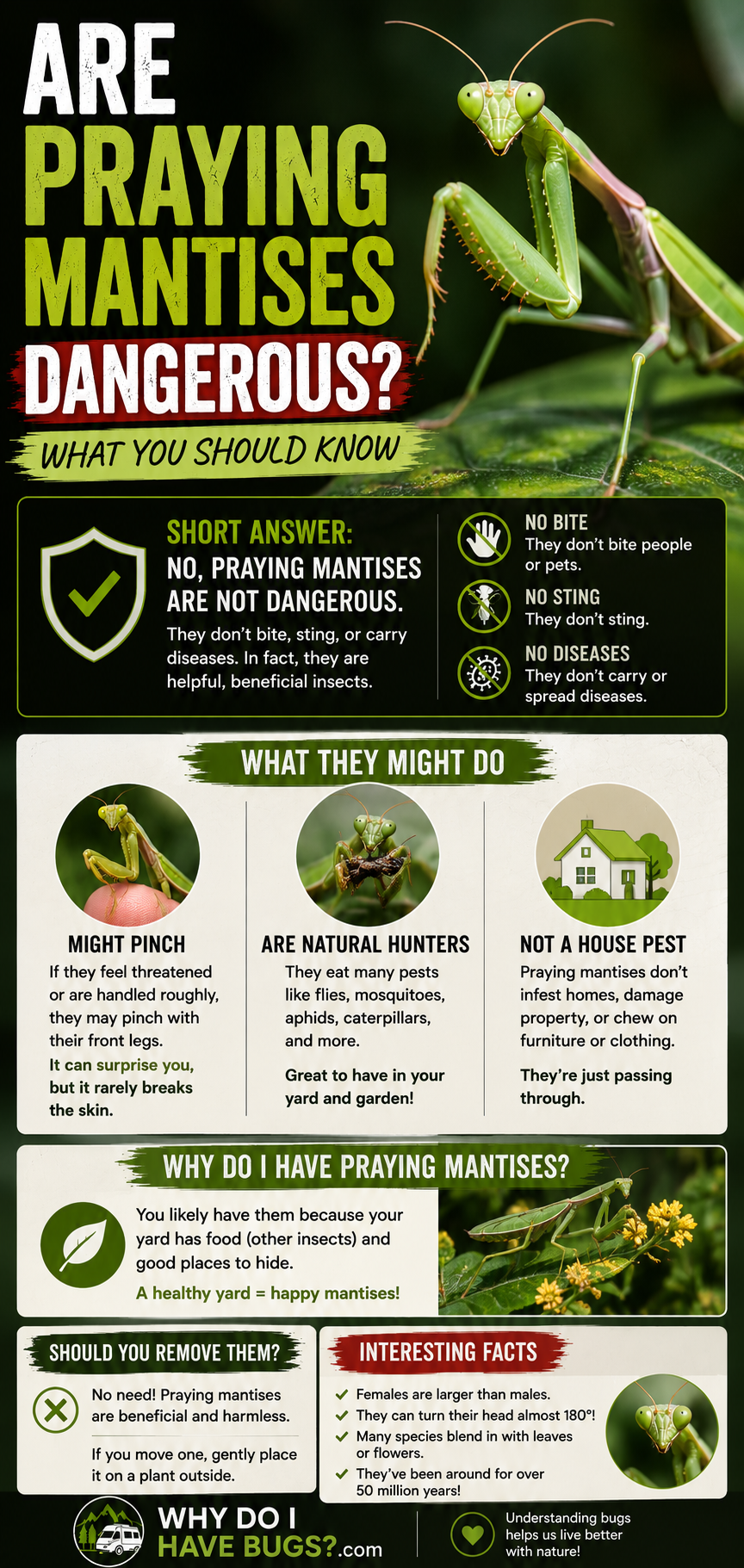
The adult mantises that eventually develop are also generally harmless. My article explaining whether praying mantises are dangerous covers bites, venom, children, pets, and safe handling.
Should You Remove a Praying Mantis Egg Sac?
If the egg case is securely attached outdoors and will not be disturbed, leave it alone.
Removal may be necessary when the case is attached to:
- A branch scheduled for pruning
- A plant being brought indoors
- Firewood that will be burned
- Outdoor furniture being stored
- A wreath or seasonal decoration
- Equipment that must be used
- Siding that will be repaired or painted
- A surface that will be pressure washed
When possible, move the entire supporting branch or stem instead of scraping the egg case away from it. This reduces the chance of cracking or separating the protective foam.
Attach the branch outdoors in a sheltered location where the egg case remains above the ground and in approximately the same orientation.
Do not place it loose on the soil. Ants, moisture, and other ground-level threats can reduce the chance of survival.
How to Move a Praying Mantis Egg Sac Safely
The safest relocation method preserves the section of material supporting the egg case.
If it is on a small branch or plant stem:
- Cut several inches above and below the egg case.
- Avoid touching or squeezing the hardened foam.
- Move the entire piece outdoors.
- Secure it to a shrub, fence, or sheltered branch.
- Keep the egg case raised above the ground.
- Position it similarly to how it was originally attached.
- Leave enough open space for the nymphs to emerge.
Garden twine or a loose plant tie can hold the branch in place. Do not wrap wire, tape, or string around the egg case itself.
If the ootheca is attached directly to siding, furniture, or another surface, removing it without damage can be difficult. A thin tool may separate it, but scraping can crack the case.
Unless the surface must be moved or repaired, leaving the ootheca in place is safer.
Should You Bring a Praying Mantis Egg Sac Inside?
No, a praying mantis egg sac should generally remain outdoors.
Warm indoor temperatures can signal that spring has arrived. The eggs may begin developing and hatch several weeks later, even when freezing temperatures remain outside.
Once the nymphs emerge, they need:
- Tiny live prey
- Proper moisture
- Appropriate temperatures
- Room to disperse
- Surfaces where they can climb
Keeping dozens or hundreds of young mantises alive indoors is extremely difficult. If they remain crowded without food, they may begin eating one another.
The natural outdoor temperature cycle keeps the eggs from hatching before suitable conditions return.
Why Praying Mantises Hatch From Christmas Trees
A praying mantis may attach an egg case to a small tree branch during late summer or fall. If that tree is later cut and brought indoors for Christmas, the egg case comes with it.
The warmth inside the house can cause the eggs to hatch early.
Homeowners may suddenly find tiny mantises crawling across:
- The tree
- Ornaments
- Walls
- Ceilings
- Curtains
- Furniture
- Nearby windows
This is not an indoor infestation. Every nymph came from the single hidden egg case.
Inspect a live Christmas tree before bringing it inside. Look carefully at small branches for hardened tan foam approximately one to two inches across.
If you find an egg case, cut off the supporting twig and secure it outdoors before moving the tree inside.
What to Do If a Mantis Egg Sac Hatches Indoors
Do not spray insecticide if a praying mantis egg sac hatches inside your house.
The nymphs are not venomous, will not damage the building, and cannot create a lasting indoor infestation. They need live prey and suitable conditions that most homes do not provide.
Collect them as soon as possible using:
- A soft paintbrush
- A cup
- A ventilated container
- A piece of paper
- Gentle suction from a specialized insect collector
Avoid handling them roughly. Their thin legs and bodies are easily injured.
If outdoor temperatures are safely above freezing and prey insects are active, distribute the nymphs among several areas of dense vegetation. Placing all of them on one small plant encourages crowding and cannibalism.
If winter weather remains severe, contact a local extension office, nature center, or experienced insect keeper for location-specific advice. Raising the entire group indoors is rarely practical.
Can You Vacuum Up Baby Praying Mantises?
A vacuum will collect the nymphs, but it is likely to injure or kill them.
If only a few have scattered, a cup and soft brush provide a gentler option. If hundreds have spread throughout the house and saving all of them is impossible, vacuuming may become the most practical cleanup method.
Empty the vacuum promptly so surviving nymphs do not escape inside the machine or home.
The situation is preventable in most cases by keeping egg cases outdoors.
Should You Put a Mantis Egg Sac in a Jar?
Placing a praying mantis egg case inside a sealed jar is a bad idea.
A sealed container can trap moisture, restrict airflow, encourage mold, and prevent the nymphs from escaping when they hatch.
Even a ventilated jar requires careful temperature management and constant monitoring. If the eggs hatch while the container is unattended, the young mantises may crowd together and eat one another.
For the average homeowner, the safest enclosure is the natural outdoor location where the female placed the case.
If you temporarily protect an egg case from damage, keep it outdoors in a well-ventilated enclosure that allows normal temperature exposure and gives the nymphs a safe exit.
Can a Praying Mantis Egg Sac Survive Winter?
Yes. Surviving winter is the main purpose of the hardened ootheca.
In climates where adult mantises die after freezing weather arrives, the eggs remain protected until spring. Snow, frost, and normal cold temperatures do not automatically kill a healthy egg case from a locally established species.
Moving it into a warm garage, basement, or house may be more disruptive than leaving it outdoors.
The egg case should remain somewhere it receives natural seasonal temperatures without sitting in standing water or directly on wet soil.
Can a Praying Mantis Egg Sac Get Wet?
A normal outdoor egg case can tolerate rain, snow, dew, and changing humidity.
The hardened exterior helps protect the eggs from ordinary weather. The female typically chooses a location and orientation that provide reasonable protection.
Problems are more likely when the egg case is:
- Submerged in standing water
- Placed directly against wet soil
- Kept inside a sealed damp container
- Exposed to persistent indoor condensation
- Cracked or physically damaged
There is no need to cover an outdoor egg case every time rain is expected.
Is the White Foam on a Branch Always a Mantis Egg Sac?
No. Several natural and human-made materials can resemble a praying mantis ootheca.
Possible lookalikes include:
- Spray foam insulation
- Spider egg sacs
- Moth cocoons
- Gall formations
- Dried mud nests
- Spittlebug foam
- Fungal growth
- Expanding foam debris
- Other insect egg masses
A mantis egg case is normally firm, dry, foam-like, and securely attached. It tends to have an organized shape with ridges, layers, or a defined emergence area.
Spittlebug foam is wet and bubbly rather than hard. Spider egg sacs are usually made from silk. Mud-dauber nests are composed of dried mud and often form tubes or cells.
Photographing the object from several angles before touching it makes identification easier.
Praying Mantis Egg Sac Versus Spider Egg Sac
A praying mantis egg sac has a hard foam-like exterior. A spider egg sac is usually made from silk.
Spider egg sacs may appear:
- Round
- Fuzzy
- Papery
- Silken
- Wrapped inside a web
- Hidden beneath leaves or objects
A mantis ootheca is more likely to resemble a hardened tan mass molded directly onto a branch or flat surface.
Both should be left undisturbed when possible.
Praying Mantis Egg Sac Versus Spotted Lanternfly Eggs
Spotted lanternfly egg masses can also appear on trees, outdoor furniture, vehicles, stones, and other hard surfaces.
A fresh spotted lanternfly egg mass usually looks like a flat smear of gray or tan mud. As the covering ages, it may crack or flake away and expose rows of seed-like eggs.
A praying mantis egg case is thicker, more raised, and foam-like. It normally has a three-dimensional shape rather than a flat mud smear.
Correct identification matters because spotted lanternflies are destructive invasive pests, while mantis egg cases contain predators.
Do not scrape an unknown egg mass until you are confident about what it is.
Do Praying Mantis Egg Sacs Contain Parasites?
Some mantis egg cases are attacked by tiny parasitoid wasps or flies.
These insects place their own eggs in or around the ootheca. Their developing young consume mantis eggs and later emerge through small holes.
A tiny isolated exit hole can indicate that a parasitoid emerged rather than the mantis nymphs. Multiple natural enemies help determine how many mantises survive each year.
Avoid applying insecticide to an egg case. The chemical may kill mantis eggs, native parasitoids, or both.
Should You Buy Praying Mantis Egg Sacs?
I would not purchase praying mantis egg cases as a general garden pest-control solution.
Commercial egg cases are frequently from Chinese mantises, which are nonnative in the United States. Releasing them may add large generalist predators that also eat bees, butterflies, native mantises, and other beneficial insects.
Mantises also do not stay neatly in the garden where they are released. The young disperse, compete for food, and experience high mortality.

My complete guide to what praying mantises eat explains why they cannot distinguish between insects a gardener wants removed and insects a gardener wants protected.
Leaving naturally occurring native egg cases in place is different from purchasing and releasing additional nonnative mantises.
Does One Egg Sac Mean You Have an Infestation?
No. Praying mantises do not create household or garden infestations in the usual pest-control sense.
One egg case may produce many nymphs, but the young quickly disperse and most will not survive to adulthood.
Mantises are solitary predators. They do not:
- Build social colonies
- Share nests
- Damage buildings
- Eat stored food
- Feed on plants
- Live inside walls
- Remain together as a family
Finding an egg case simply means an adult female considered that surface secure enough to protect her eggs.
Is It Safe to Touch a Praying Mantis Egg Sac?
Briefly touching the outside is not dangerous, but unnecessary handling increases the chance of damage.
The case may feel hard, but crushing pressure can crack the protective material or harm the eggs inside.
If you must move it, handle the supporting branch or object rather than squeezing the ootheca.
There is no risk of being bitten by the eggs. Newly hatched mantises are tiny and generally incapable of causing a meaningful injury to human skin.
What You Should Do After Finding One
When I find a possible praying mantis egg sac, I would take the following approach:
- Photograph it before moving anything.
- Confirm the foam-like shape and texture.
- Note what surface it is attached to.
- Leave it outside whenever possible.
- Avoid spraying pesticides nearby.
- Do not crack it open.
- Keep it away from the ground if relocation is necessary.
- Check it periodically during spring.
- Watch for tiny nymphs emerging.
- Allow the young to disperse naturally.
The most common mistake is bringing it into a heated space. Unless you are deliberately raising mantises and understand their needs, natural outdoor conditions provide the best chance of normal hatching.
Frequently Asked Questions
What color is a praying mantis egg sac?
Most are tan, beige, grayish, or light brown. The color may darken or weather after months outdoors.
How big is a praying mantis egg sac?
Many are approximately one to two inches long, although size and shape vary by species.
How many babies come from a mantis egg sac?
One egg case may produce dozens or hundreds of nymphs. Chinese mantis egg cases commonly release approximately 50 to 200 young.
What month do praying mantis eggs hatch?
They usually hatch during spring after temperatures have warmed. Exact timing depends on the climate, weather, species, and location.
Can a praying mantis egg sac survive freezing temperatures?
Yes. Egg cases from locally established mantises are adapted to remain outdoors through winter.
Should I bring a mantis egg sac inside for winter?
No. Indoor warmth may cause the eggs to hatch before outdoor conditions are suitable.
What should I do if an egg sac is on a branch I need to cut?
Cut a section of branch containing the egg case and secure it outdoors in a sheltered, above-ground location.
Is a praying mantis egg sac dangerous?
No. It is not venomous, poisonous, or harmful to touch gently.
Does a praying mantis egg sac mean I have an infestation?
No. The young disperse after hatching, and mantises do not form household colonies.
Can I open an egg sac to see whether eggs are inside?
No. Cutting or cracking the case can kill the developing mantises and remove their protection from weather.
Why did praying mantises hatch inside my house?
An egg case was probably carried indoors on a plant, branch, wreath, firewood, decoration, or Christmas tree. Warm indoor temperatures triggered early hatching.
Caleb Warren is a longtime gardener and backyard insect researcher who writes practical identification guides for WhyDoIHaveBugs.com, helping homeowners understand the insects they find before deciding whether any action is needed.