
When people say an outdoor fly trap “didn’t work,” it’s usually because it wasn’t set up correctly.
I’ve found that this style of trap is actually pretty simple to use, but a few small mistakes can make a huge difference in how many flies it catches.
The biggest one?
Hanging it too close to where people are spending time.
Since the trap is designed to attract flies, you want it pulling flies away from your patio, not bringing them closer.
If you’ve already read my honest review of the RESCUE! Outdoor Fly Trap, this guide will show you exactly how I’d set one up for the best results.
Step 1: Remove the Packaging Carefully
The trap arrives sealed inside a plastic bag with the dry attractant already inside.
Before opening anything, read the instructions printed on the trap.
You’ll notice a dotted cut line around the top.
That’s where you’ll make your opening.
Avoid cutting anywhere else because the trap is designed to open only from the top.

Step 2: Open the Top Cap
After cutting along the dotted line, pull up on the bright green top cap.
This opens the entrance where flies will eventually enter the trap.
Don’t force it.
It should pull up smoothly once the plastic has been cut correctly.

Step 3: Add Water
Now add clean water to the fill line shown on the trap.
The water mixes with the attractant inside and begins activating the bait.
This is what creates the scent that attracts flies.
Don’t overfill the trap.
Too much water can reduce how well it performs.
After filling it, gently swirl the trap if the instructions recommend it so the attractant mixes evenly.
Step 4: Attach a Wire or String
The trap doesn’t include hanging wire.
You’ll need to attach your own wire, zip tie, or sturdy string through the hole in the top.
Make sure it’s secure before hanging the trap.
Once it begins catching flies and filling with liquid, it becomes much heavier than when it was empty.

Step 5: Choose the Right Location
This is the step that makes the biggest difference.
I’d never hang this trap right beside a patio table, grill, front door, or outdoor seating area.
Remember…
The trap attracts flies.
Instead, I’d place it:
- Near garbage cans.
- Close to compost piles.
- Around barns or coops.
- Near animal pens.
- Along the edge of the yard.
- Away from outdoor gathering areas.
The manufacturer recommends hanging it at least 20 feet away from places where people spend time, and I think that’s excellent advice.

Step 6: Give It Time
Don’t expect the trap to fill up in an hour.
It usually takes a little time for the attractant to fully activate and begin drawing flies into the trap.

If your property already has a large fly population, you’ll often notice the trap becoming much busier after the first day or two. A busy trap may signal an ongoing attraction nearby, and why large fly populations return explains what to inspect next.
Patience is important with this type of product.
The Smell Is Completely Normal
This surprises almost everyone the first time.
After the bait activates, the trap develops a strong odor.
Personally…
I don’t enjoy the smell.
But that’s exactly why flies love it.
If you can smell it from your patio, it’s probably hanging too close.
Moving it farther away usually solves that problem while still allowing it to intercept flies before they reach your outdoor living spaces.

Common Mistakes I’d Avoid
I’ve noticed the same mistakes come up again and again.
- Hanging the trap beside the patio.
- Placing it next to an open window or door.
- Forgetting to add enough water.
- Expecting instant results.
- Hanging it where children or pets can reach it.
- Waiting until the trap is overflowing before replacing it.
Avoiding those simple mistakes gives the trap a much better chance of doing its job.

Is It Worth Using?
After looking at how these traps work, I think they’re one of the best outdoor fly control options available.
They’re simple.
They don’t require electricity.
And when they’re placed correctly, they can catch an impressive number of flies.

If you’re dealing with flies around your yard, barn, trash cans, or other outdoor areas, I’d have no problem recommending the RESCUE! Outdoor Disposable Fly Trap 6-Pack.

If you’d like my full thoughts on its performance, strengths, and drawbacks, be sure to read my complete RESCUE! Outdoor Fly Trap review before buying.
Frequently Asked Questions
How long does it take for a RESCUE! Outdoor Fly Trap to start working?
In my experience, you should give it at least a day or two after adding water. The attractant needs time to activate before it begins drawing in large numbers of flies.
Can I hang a RESCUE! Fly Trap on my porch?
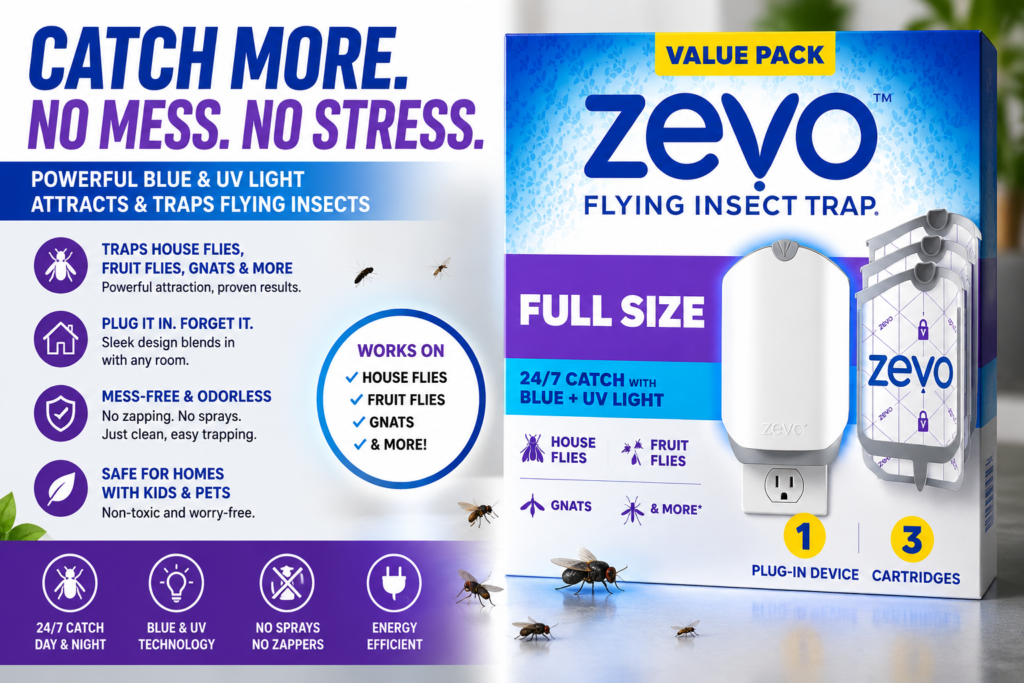
I wouldn’t. Because the trap is designed to attract flies, it’s much better to hang it away from porches, patios, doors, and outdoor seating areas. For fly control inside the home rather than away from outdoor seating, an indoor fly-trap option reviews a quieter plug-in design intended for indoor use.
Do I need to add anything besides water?
No. The attractant is already included inside the trap. You simply add water according to the instructions.
Why does the trap smell bad?
The odor comes from the activated attractant. While it’s unpleasant to us, it’s one of the main reasons the trap is so effective at attracting flies.
How high should I hang the trap?
I generally recommend hanging it several feet above the ground in an open outdoor location where flies are active and where the trap won’t be easily disturbed by people, pets, or lawn equipment.
About the Author
Ryan Mitchell researches household pests and tests practical pest control products to help homeowners choose solutions that actually work. His goal is to provide honest, easy-to-follow advice that helps readers solve pest problems with confidence.