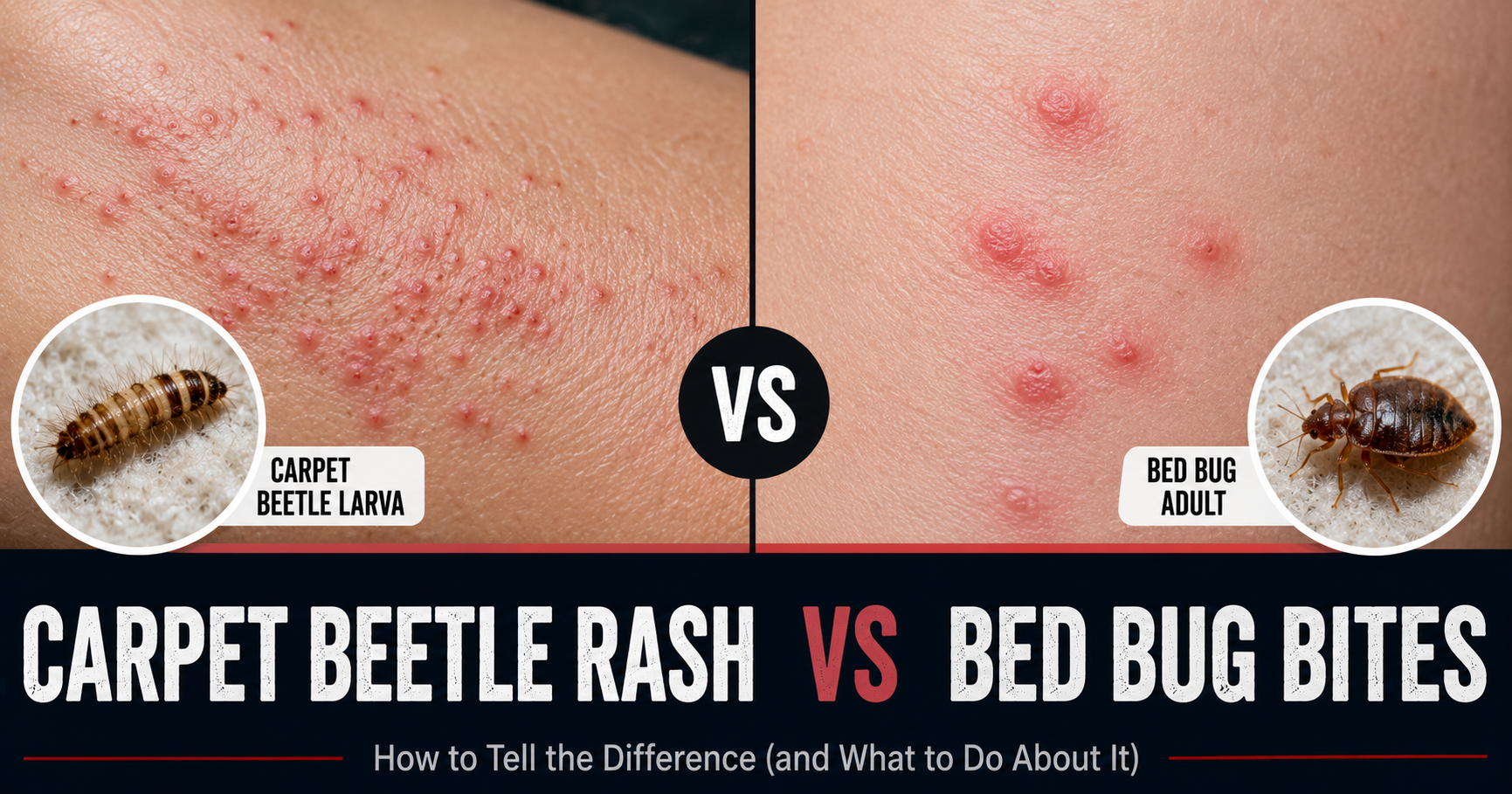
You wake up with itchy red bumps on your skin.
Naturally, your mind immediately jumps to bed bugs.
I think that’s exactly what most people would assume.
The problem is that bed bugs aren’t the only household pest capable of leaving you with itchy skin. Carpet beetle larvae can also cause skin irritation in some people, even though they don’t actually bite.
That difference causes a lot of confusion.
After I found a carpet beetle shed skin inside a shoe that had been sitting in our attic, I started learning much more about carpet beetles. One thing that surprised me was how many people mistake a carpet beetle rash for bed bug bites.
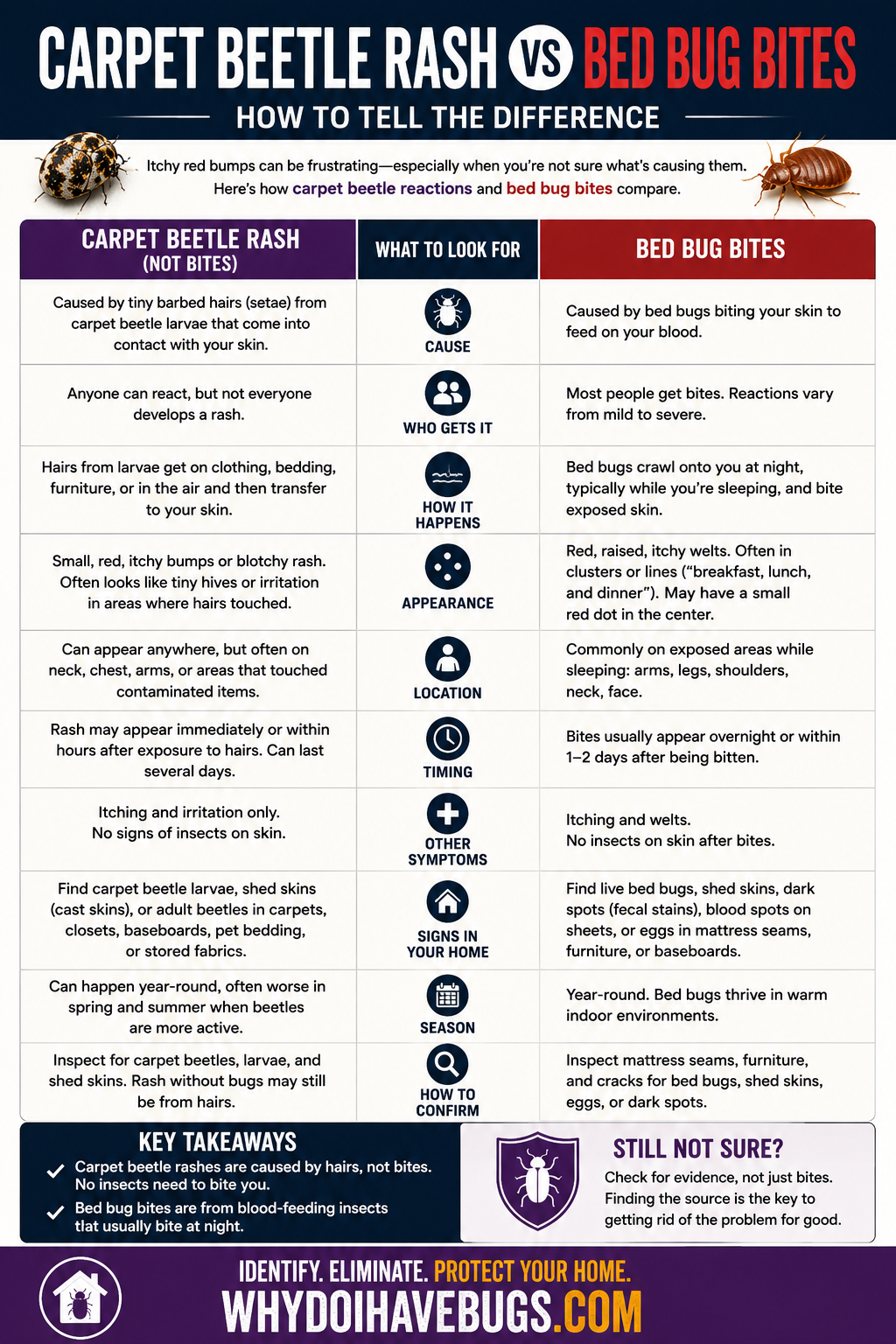
Although they can sometimes look similar, they’re caused by completely different things.
Understanding those differences can save you from treating the wrong pest.
If you’re new to carpet beetles, I recommend starting with my Everything You Need to Know About Carpet Beetlesguide. It brings together everything I’ve learned about identifying, preventing, and getting rid of carpet beetles in one place.
My First Question Isn’t About the Rash
Whenever someone asks whether they have bed bug bites or a carpet beetle rash, I don’t look at the rash first.
I ask another question.
What evidence have you actually found inside your house?
That usually provides far more useful information than the appearance of the rash alone.
Have you found:
- Live bed bugs?
- Carpet beetle larvae?
- Shed skins?
- Blood spots on sheets?
- Damaged clothing?
- Adult carpet beetles?
Those clues often point toward the correct answer much faster than trying to identify a skin reaction by itself.
Carpet Beetles Don’t Actually Bite
This is probably the biggest misconception I see.
Carpet beetles don’t bite people.
Neither do their larvae.
Instead, some people develop an allergic skin reaction after coming into contact with the tiny hairs covering carpet beetle larvae.
Those hairs can become trapped in clothing, blankets, furniture, or carpeting.
Sensitive individuals may develop itchy red bumps after touching those materials.
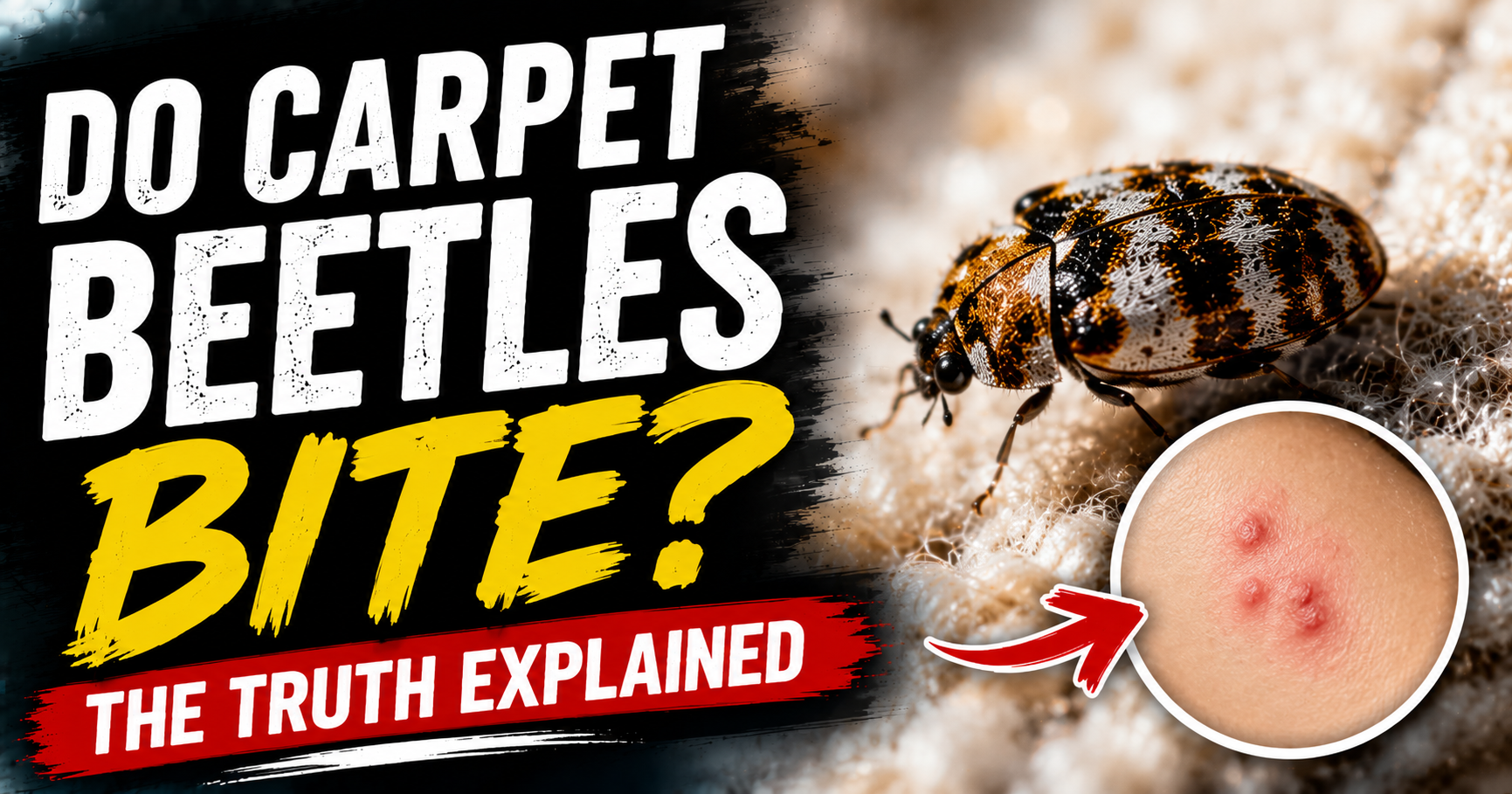
If you’d like a more detailed explanation, I cover it in my article on whether carpet beetles bite and explain why the irritation is often mistaken for insect bites.
Bed Bug Bites Come From Feeding
Bed bugs are completely different.
They survive by feeding on blood.
When a bed bug bites, it pierces the skin and feeds before returning to its hiding place.
That feeding behavior is what creates the bite marks many people notice the following morning.
Unlike carpet beetles, bed bugs actually need people to survive.
Appearance Alone Can Be Misleading
One thing I’ve learned is that skin reactions vary tremendously from person to person.
Some people barely react at all.
Others develop large itchy welts.
Because everyone’s skin responds differently, it’s almost impossible to identify the cause based on appearance alone.
That’s why I never recommend diagnosing either pest based solely on a rash.
Instead, I always look for evidence inside the home.
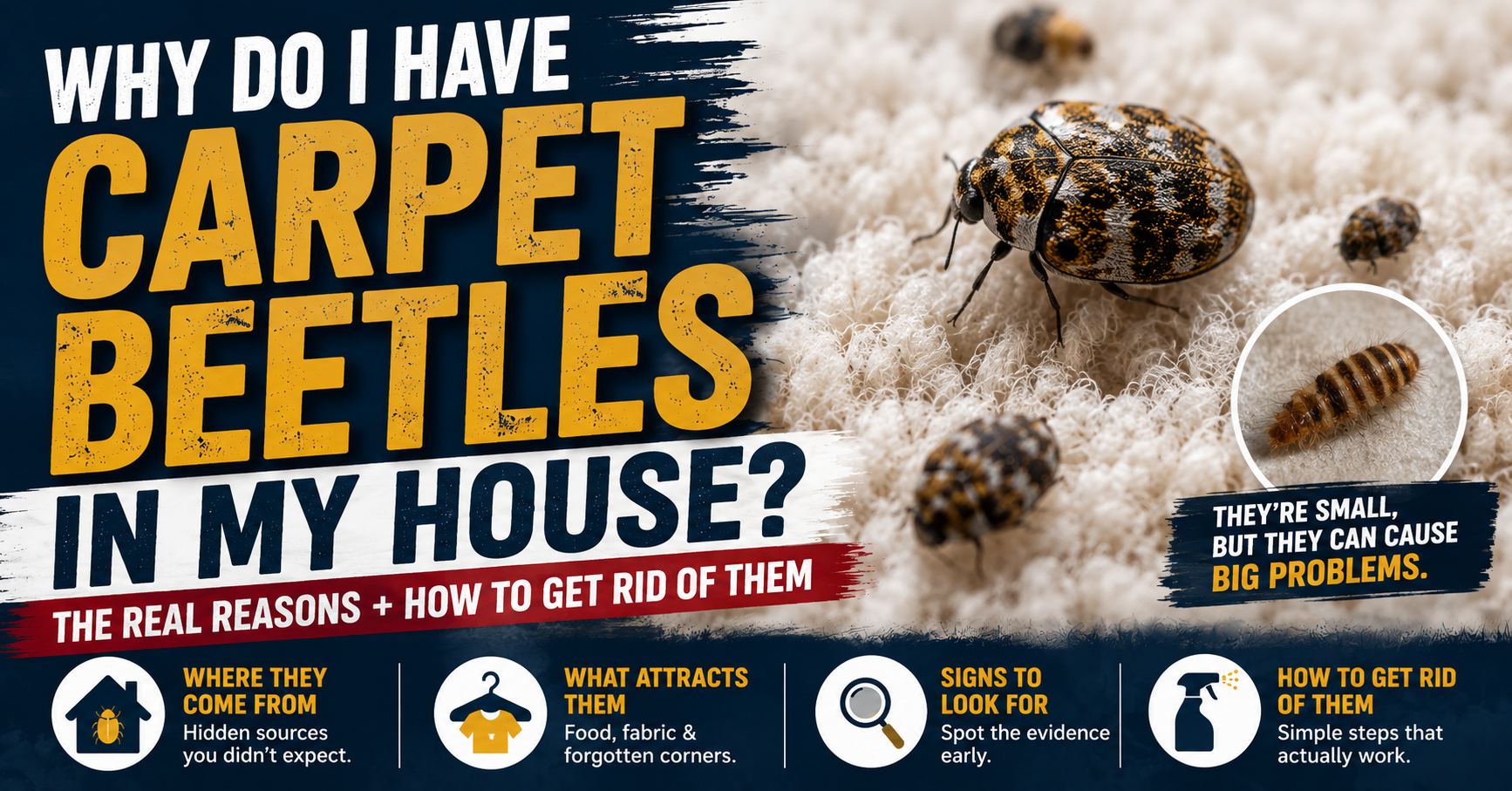


Look for Carpet Beetle Evidence
If carpet beetles are responsible, you may find signs that have nothing to do with your skin.
Some of the most common clues include:
- Carpet beetle larvae.
- Adult carpet beetles.
- Shed skins.
- Damaged wool clothing.
- Blanket damage.
- Larvae hiding in storage areas.
One of the first things I found wasn’t even a live insect.
It was a shed skin.
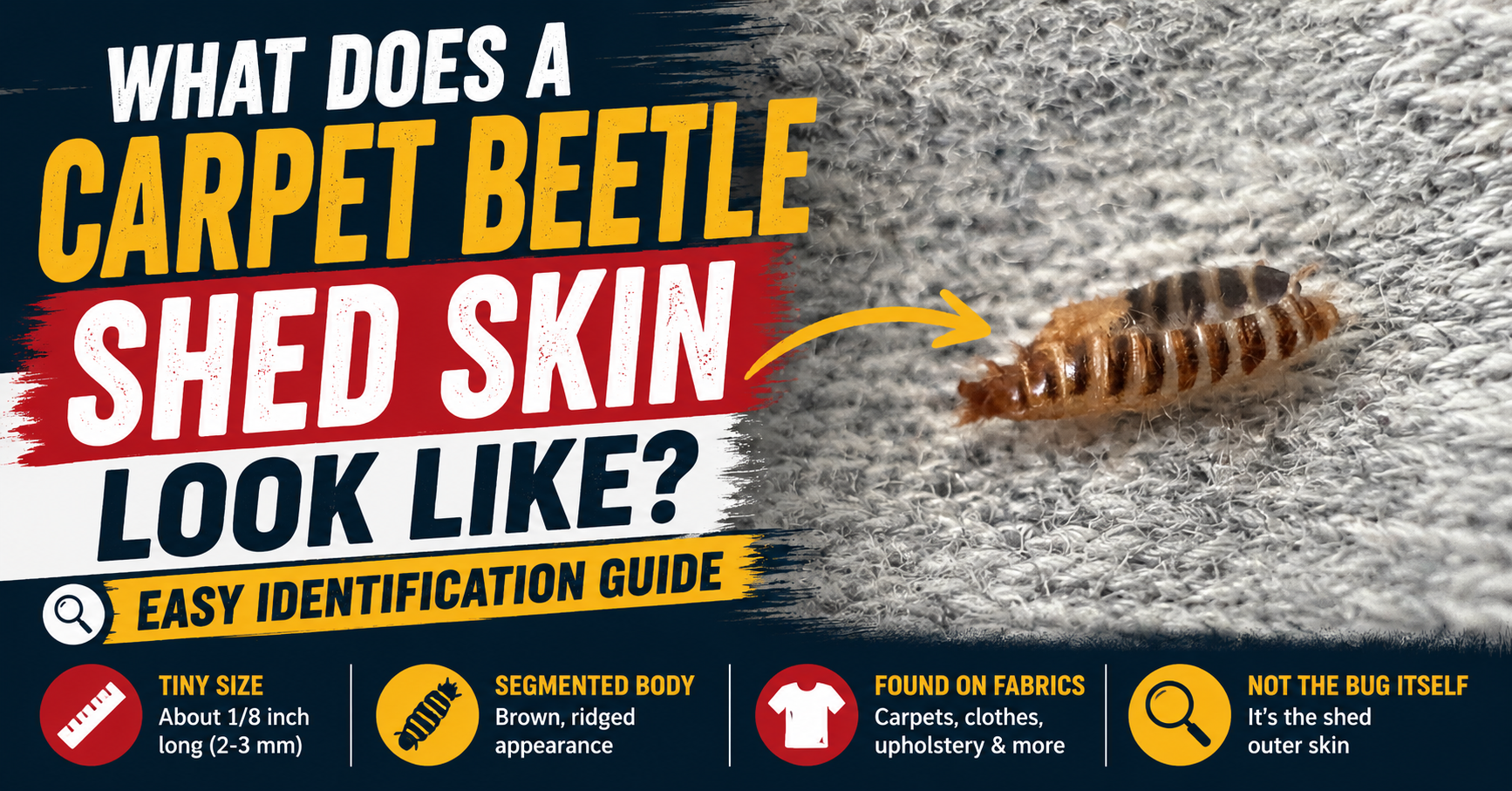
If you’ve discovered something similar, my guide showing what a carpet beetle shed skin looks like can help you identify it correctly.
Where Carpet Beetle Exposure Usually Happens
Unlike bed bugs, carpet beetle larvae don’t need to crawl onto your body while you sleep.
Instead, exposure often happens after handling items where larvae have been living.
That might include:
- Sweaters.
- Blankets.
- Stored clothing.
- Upholstered furniture.
- Closets.
- Pet bedding.
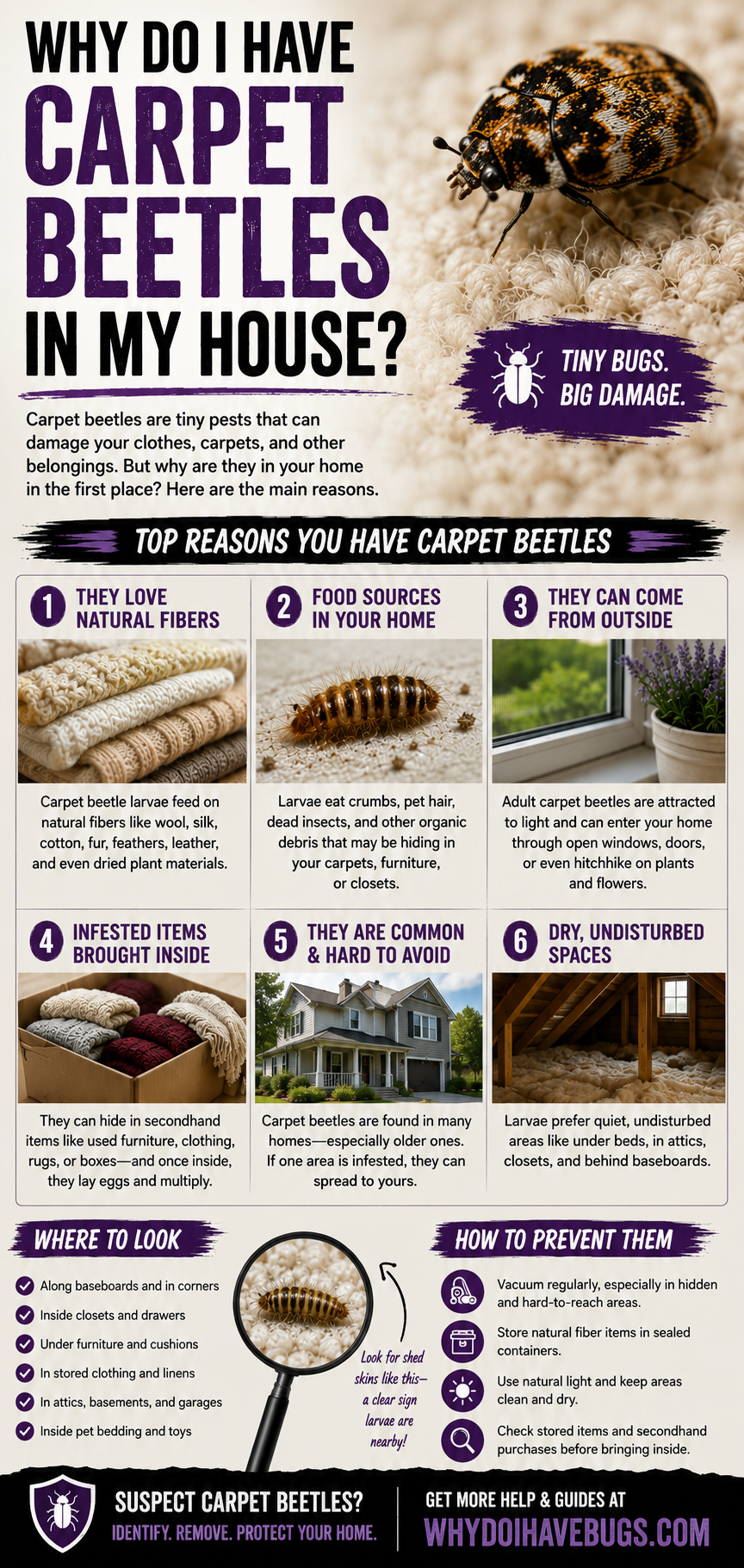
If you’re trying to locate the source of a carpet beetle problem, my guide explaining where carpet beetle larvae hidecovers the places I’d inspect first.
Look for Bed Bug Evidence Too
If you’re concerned about bed bugs, don’t stop with your skin.
Inspect your mattress.
Check mattress seams.
Look behind the headboard.
Inspect bed frames.
Search for live bed bugs, shed skins, tiny white eggs, or dark fecal spots.
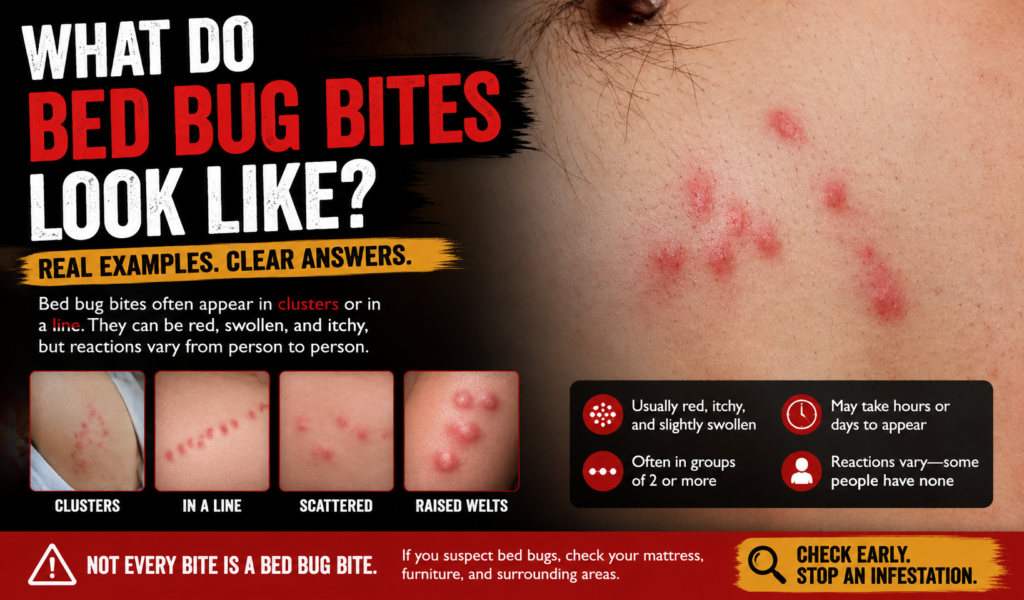
I also recommend reading my What Do Bed Bug Bites Look Like? Easy Identification Guide because it explains what to look for beyond just the rash itself.
You can also browse our growing Bed Bugs resource center if you’re still unsure which pest you’re dealing with.
Why Carpet Beetles Are Often Misdiagnosed
I think carpet beetles fool people for one simple reason.
Most homeowners never see the larvae.
Instead, they discover itchy skin and immediately blame bed bugs.
Only later do they find damaged clothing or a mysterious shed skin hidden in a closet.
That’s why carpet beetles often go unnoticed for weeks or even months.
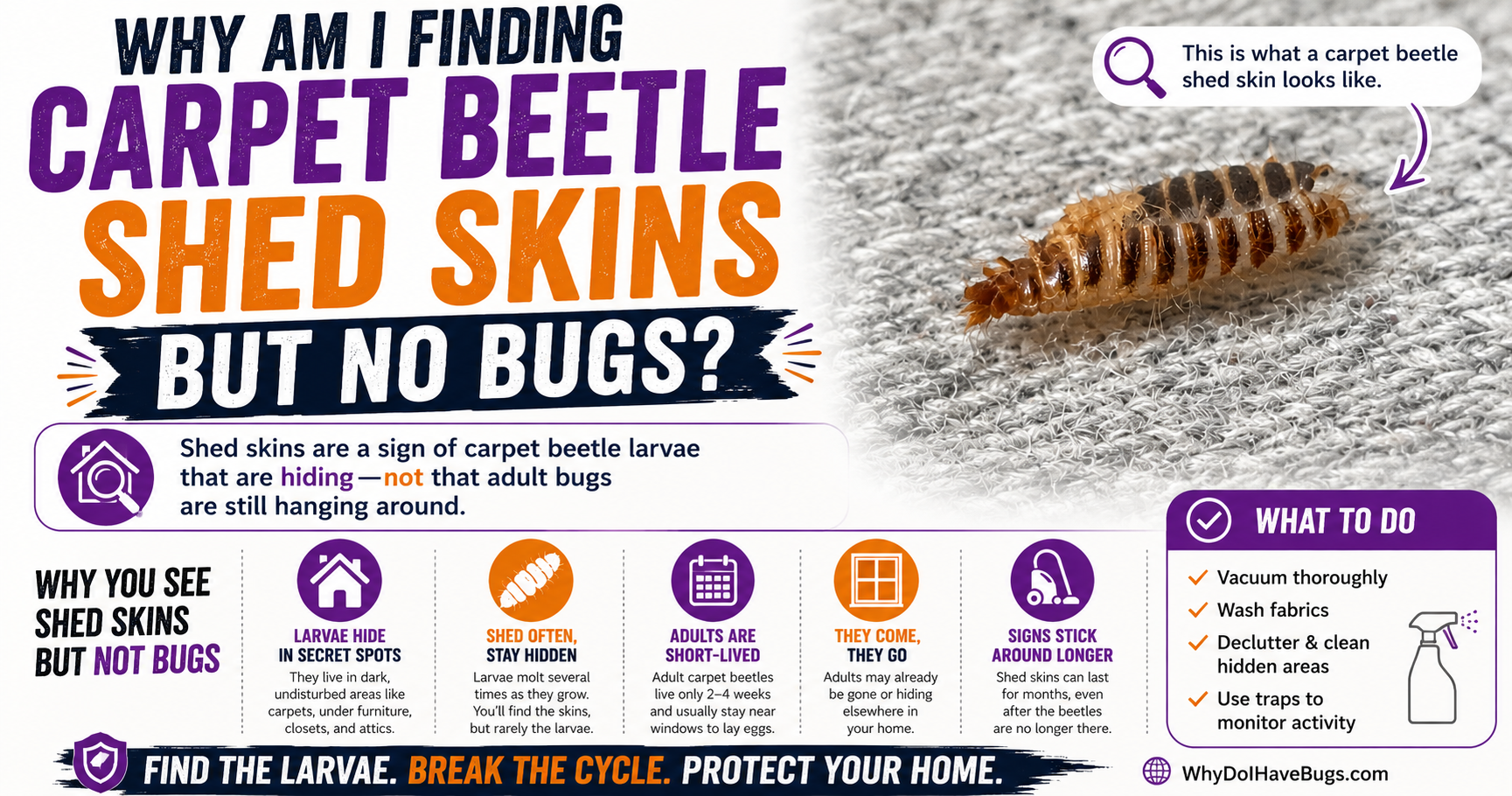
If you’ve been finding evidence without seeing the insects themselves, you may also find my article on why you’re finding carpet beetle shed skins but no bugs helpful.
What I Would Do If This Were My House
If I woke up tomorrow with itchy spots, I wouldn’t immediately buy insecticides.
I’d investigate first.
I’d inspect my mattress for bed bug evidence.
I’d inspect closets and stored clothing for carpet beetle larvae.
I’d look for shed skins.
I’d examine blankets and pet bedding.
The goal isn’t simply treating a rash.
It’s identifying the pest that’s actually causing the problem.
How I’d Handle a Carpet Beetle Infestation
If I confirmed carpet beetles were active in my home, I’d focus on eliminating the source instead of simply treating the skin irritation.
I’d inspect where the larvae are feeding.
Vacuum thoroughly.
Clean infested fabrics.
Wash clothing when possible.
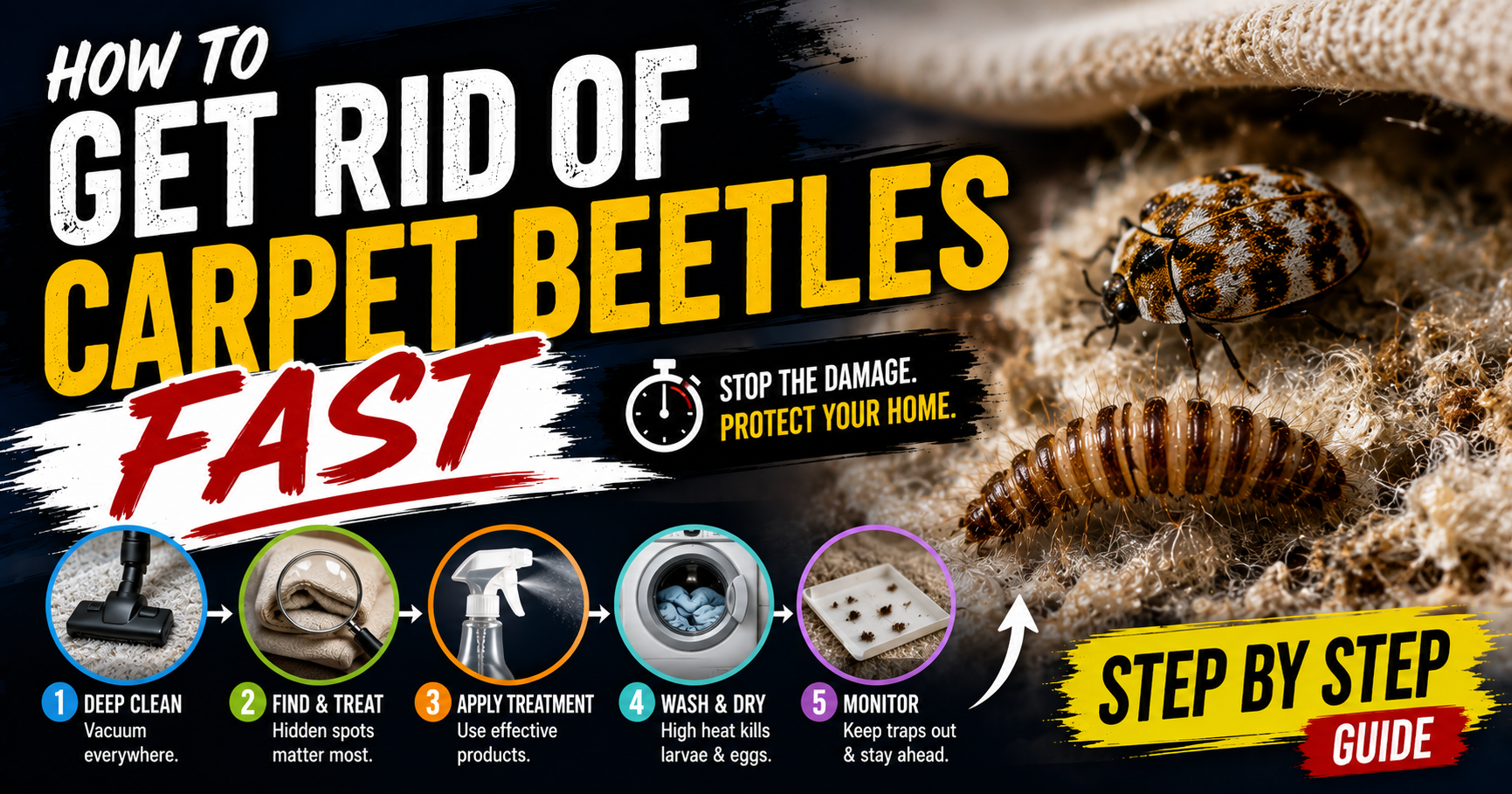
Then I’d follow the process outlined in my How to Get Rid of Carpet Beetles Fast Step-by-Step Guide.

If I decided an insecticide made sense after locating the infestation, I’d first read my review explaining Does Carpet Beetle Killer Spray Actually Work? so I’d know what to realistically expect. If I chose to use one, the Carpet Beetle Killer Spray for Indoor Use is designed to target both adult carpet beetles and larvae when used according to the product label.


The Biggest Difference
If I had to summarize the difference in one sentence, it’d be this.
Bed bugs bite.
Carpet beetles cause irritation.
That may sound simple, but it’s probably the easiest way to remember why these two pests create similar symptoms through completely different mechanisms.
Correct identification is always the first step toward solving either problem.
Frequently Asked Questions
Can a carpet beetle rash look exactly like bed bug bites?
It can look similar, especially in people who are sensitive to carpet beetle larval hairs. However, appearance alone usually isn’t enough to identify the cause.
Do carpet beetles bite while you’re sleeping?
No. Carpet beetles don’t bite people. Any skin irritation associated with carpet beetles is typically caused by contact with the tiny hairs on the larvae.
How can I tell whether I have bed bugs or carpet beetles?
Look for evidence. Bed bugs leave behind live bugs, eggs, fecal spots, and shed skins near sleeping areas. Carpet beetles are more likely to leave larvae, shed skins, damaged fabrics, and adult beetles near windows or storage areas.
Should I treat for bed bugs if I’m not sure?
I wouldn’t. Identifying the pest first saves time, money, and unnecessary treatments. A careful inspection is almost always the best first step.
Can I have both bed bugs and carpet beetles?
Yes. Although it’s uncommon, it’s possible for both pests to be present in the same home at the same time.
About the Author
Ryan Mitchell researches common household pests and writes practical identification guides based on firsthand observations, careful research, and real-world inspection strategies. His goal is to help homeowners identify the right pest first so they can choose the most effective solution instead of wasting time treating the wrong problem.