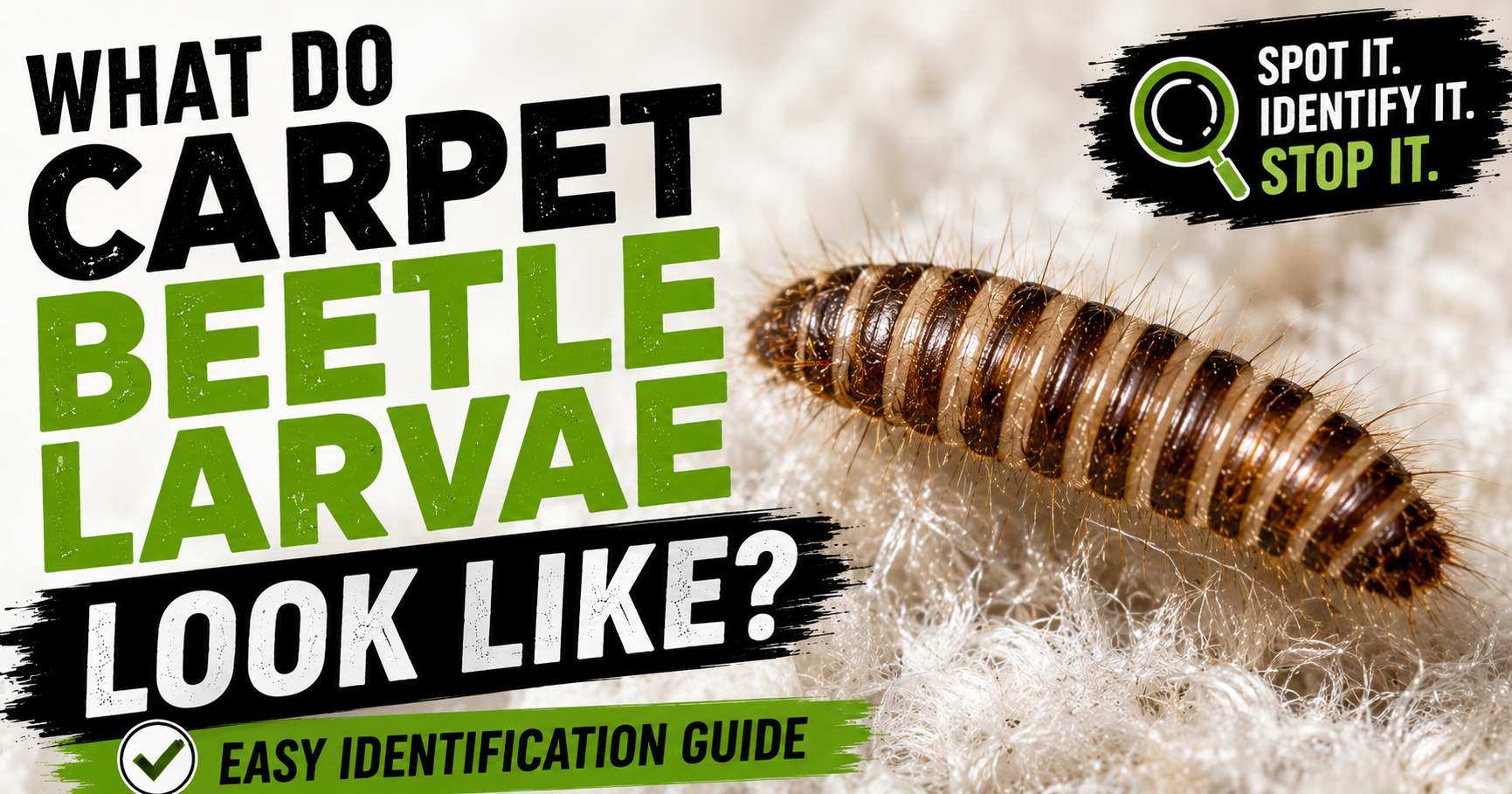
Finding a strange little bug crawling across your floor can be unsettling.
Especially when it doesn’t look like a beetle at all.
I’ve had people describe carpet beetle larvae as tiny caterpillars, fuzzy worms, little brown grubs, or even baby centipedes.
Honestly, I understand why.
Before I spent time learning about them, I probably would’ve called them a tiny fuzzy worm myself.
The surprising part is that the insect causing damage to your clothing, blankets, rugs, or stored belongings usually isn’t the adult carpet beetle.
It’s the larva.
Learning to identify carpet beetle larvae early can save you from much larger problems later.
My First Thought
Whenever I find what might be a carpet beetle larva, I don’t immediately worry about killing it.
I want to identify it correctly first.
Treating the wrong insect wastes time, money, and usually doesn’t solve the problem.
One thing I’ve learned is that carpet beetle larvae have several features that become obvious once you know what you’re looking for.
Carpet Beetle Larvae Don’t Look Like Beetles
This is probably the biggest surprise for most homeowners.
Adult carpet beetles are small, oval beetles.
The larvae look completely different.
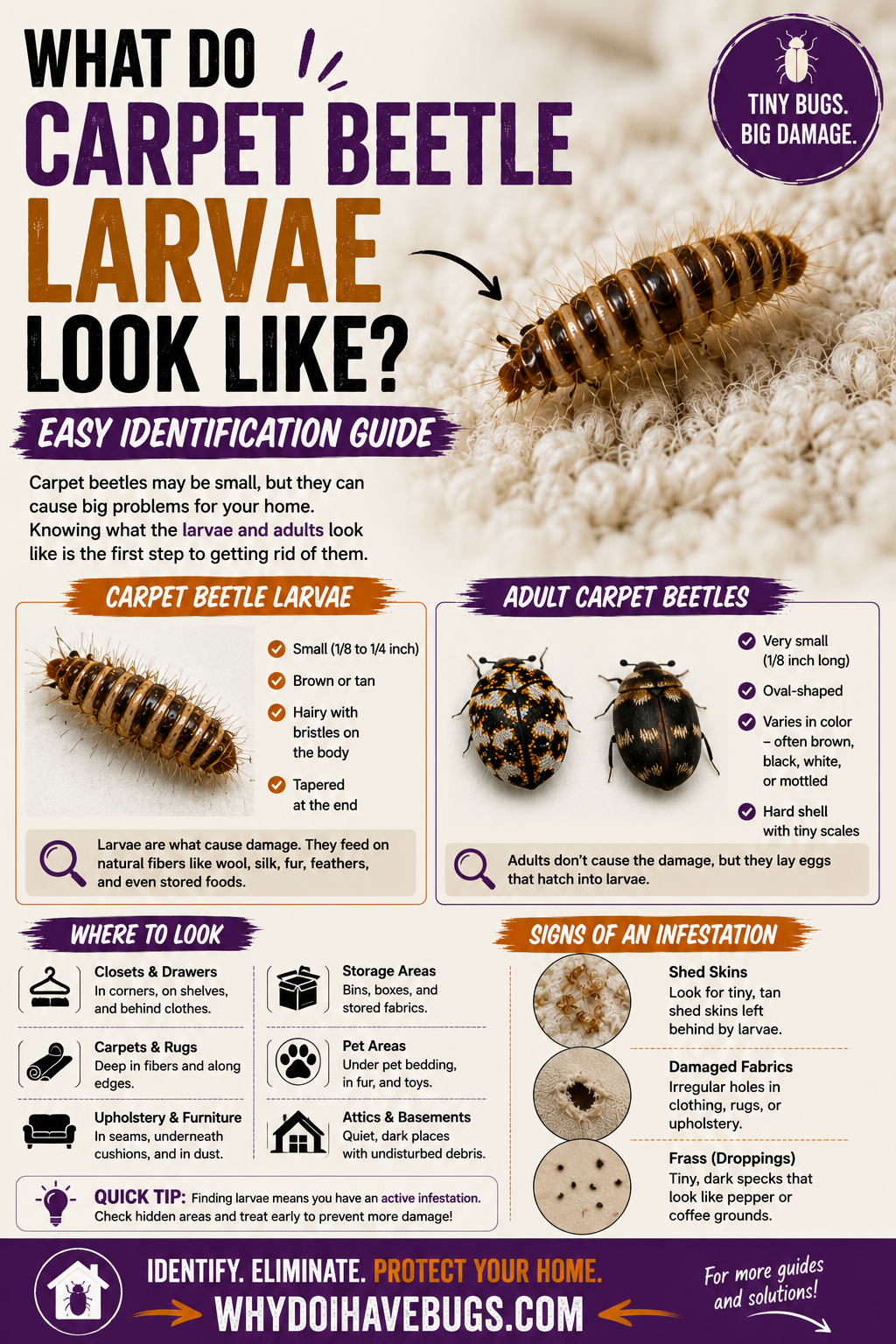
Instead of resembling tiny beetles, they’re elongated with clearly visible body segments.
Many people compare them to fuzzy little worms.
Others think they look like tiny caterpillars.
Neither description is perfect, but both are understandable.
That’s why so many people struggle to identify them.
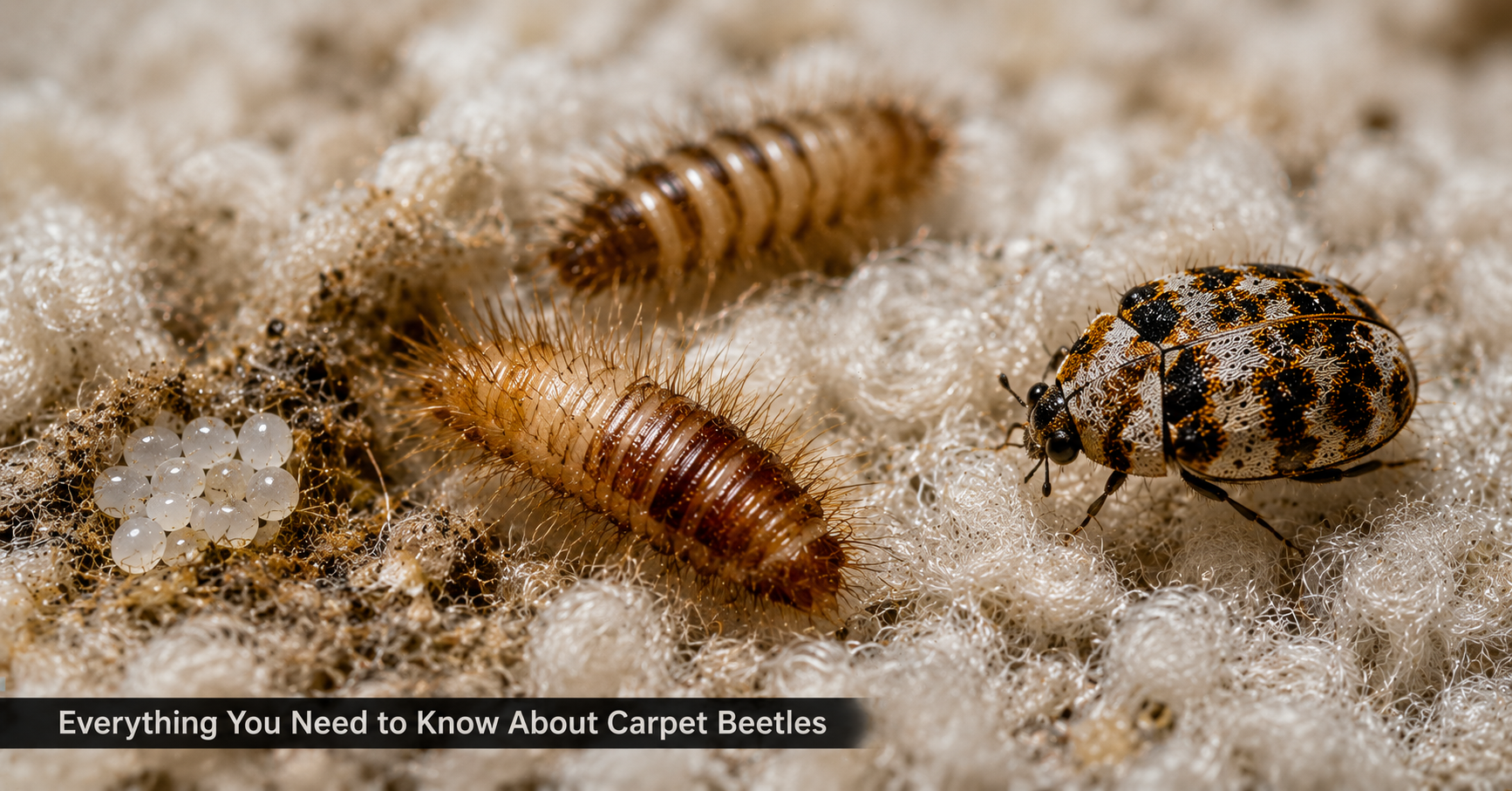
If you’re looking for a broader overview, my Everything You Need to Know About Carpet Beetles guide brings together everything I’ve learned about identifying, preventing, and getting rid of carpet beetles in one place.


What Does a Carpet Beetle Larva Look Like?
Most carpet beetle larvae share several characteristics.
They’re usually:
- Brown to tan in color.
- Longer than they are wide.
- Covered with tiny hairs or bristles.
- Clearly segmented.
- Slightly tapered toward one end.
- Slow-moving.
Those tiny hairs are one of the easiest characteristics I use when identifying them.
They’re one reason carpet beetle larvae are often described as fuzzy.
Don’t Confuse the Larva With the Shed Skin
One thing that fooled me early on was realizing I wasn’t always looking at a living larva.
Sometimes I was looking at the empty skin it had left behind after molting.
The two can look remarkably similar.
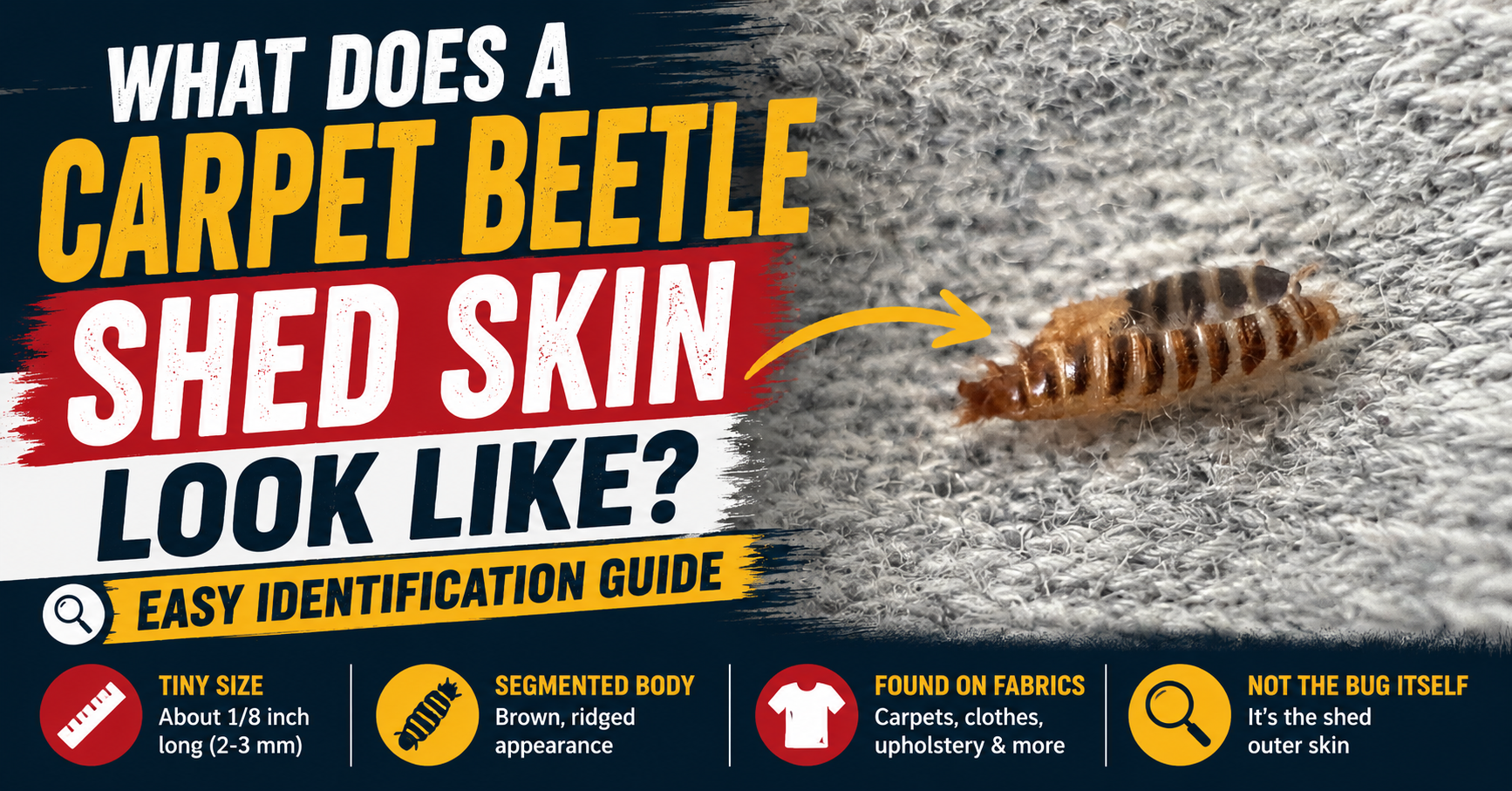
If you’re trying to determine whether you’ve found a live larva or an empty shell, my guide on what a carpet beetle shed skin looks like shows the differences I look for during an inspection.

Why Carpet Beetle Larvae Are So Easy to Miss
People often expect pests to run across the floor in plain sight.
Carpet beetle larvae don’t usually behave that way.
They prefer staying hidden beneath clothing, inside storage boxes, under furniture, and in other quiet places where food is available.
By the time you see one crawling across a room, there’s a good chance others have been hiding nearby for quite a while.
That’s one reason I never stop searching after finding a single larva.
Where I Usually Find Them
After learning more about carpet beetles, I realized they almost always turn up in areas that don’t get disturbed very often.
Some of the places I’d inspect first include:
- Closets.
- Attics.
- Storage boxes.
- Under furniture.
- Pet bedding.
- Blankets.
- Wool clothing.
- Shoes.
- Baseboards.
I recently found evidence of carpet beetles inside a shoe that had been stored in our attic, which made perfect sense once I understood how much larvae like quiet storage areas.
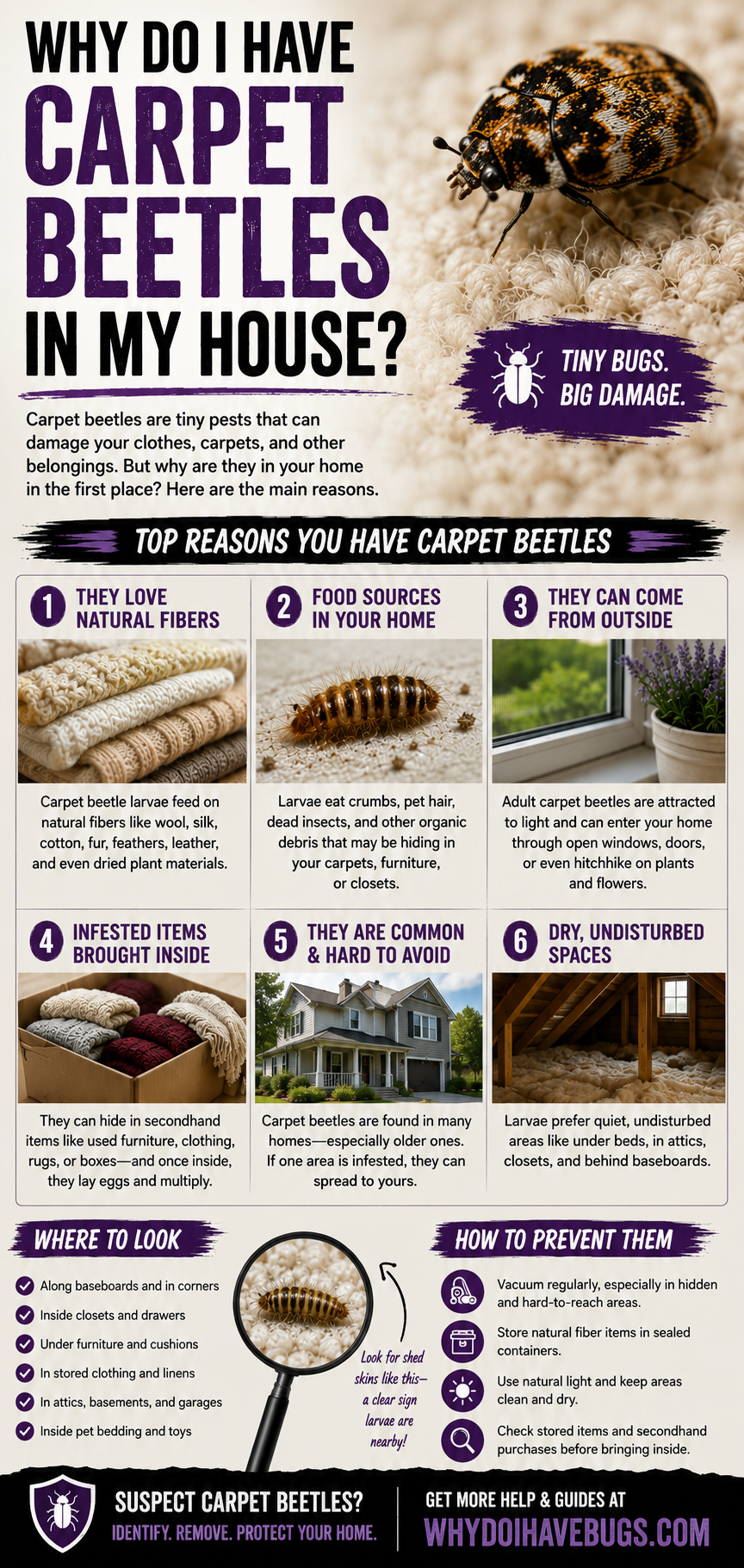
If you’re wondering where to begin your own inspection, I’ve put together a detailed guide explaining where carpet beetle larvae hide and the locations I would check first.
What Carpet Beetle Larvae Eat
One of the biggest misconceptions is that carpet beetle larvae only eat carpet.
They don’t.
They’re attracted to materials made from natural animal proteins.
Some of their favorite food sources include:
- Wool.
- Leather.
- Fur.
- Feathers.
- Silk.
- Hair.
- Pet hair.
- Dead insects.
That’s why carpet beetles can become a problem even in homes with very little carpeting.
Why They’re in Your House
Whenever I find carpet beetle larvae, I know they didn’t appear by accident.
Something inside the house attracted the adult beetles to lay eggs there.
Usually it’s because the home provides food, shelter, and quiet places where the larvae can develop.
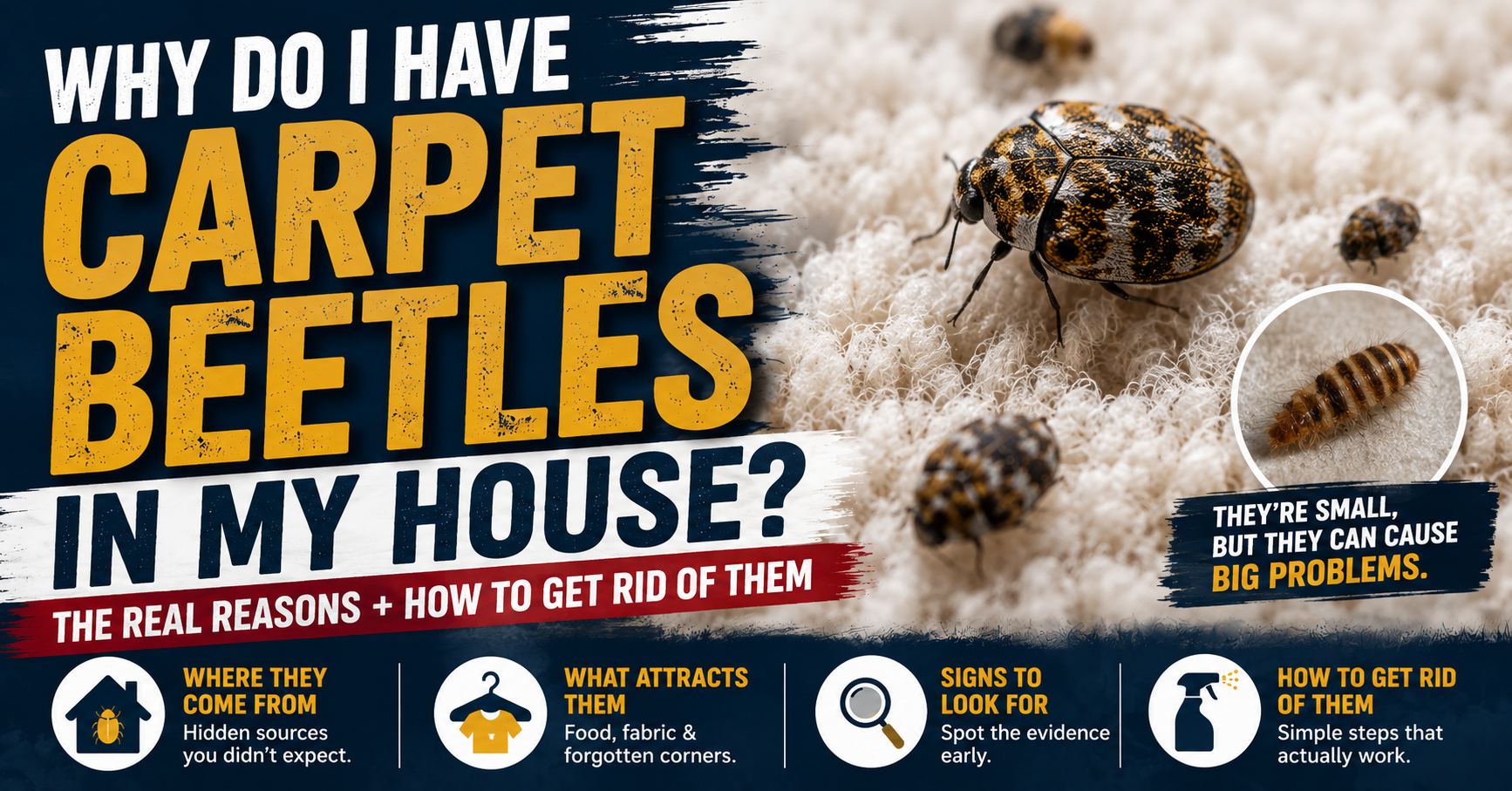
If you’re still wondering how the infestation started, my article on why carpet beetles are in your house explains the most common reasons they move indoors.
Sometimes You Never Find the Larvae
One thing I’ve noticed is that homeowners often find plenty of evidence but never see the insect itself.
Instead, they discover empty shed skins while the larvae remain hidden.
That’s actually much more common than people realize.
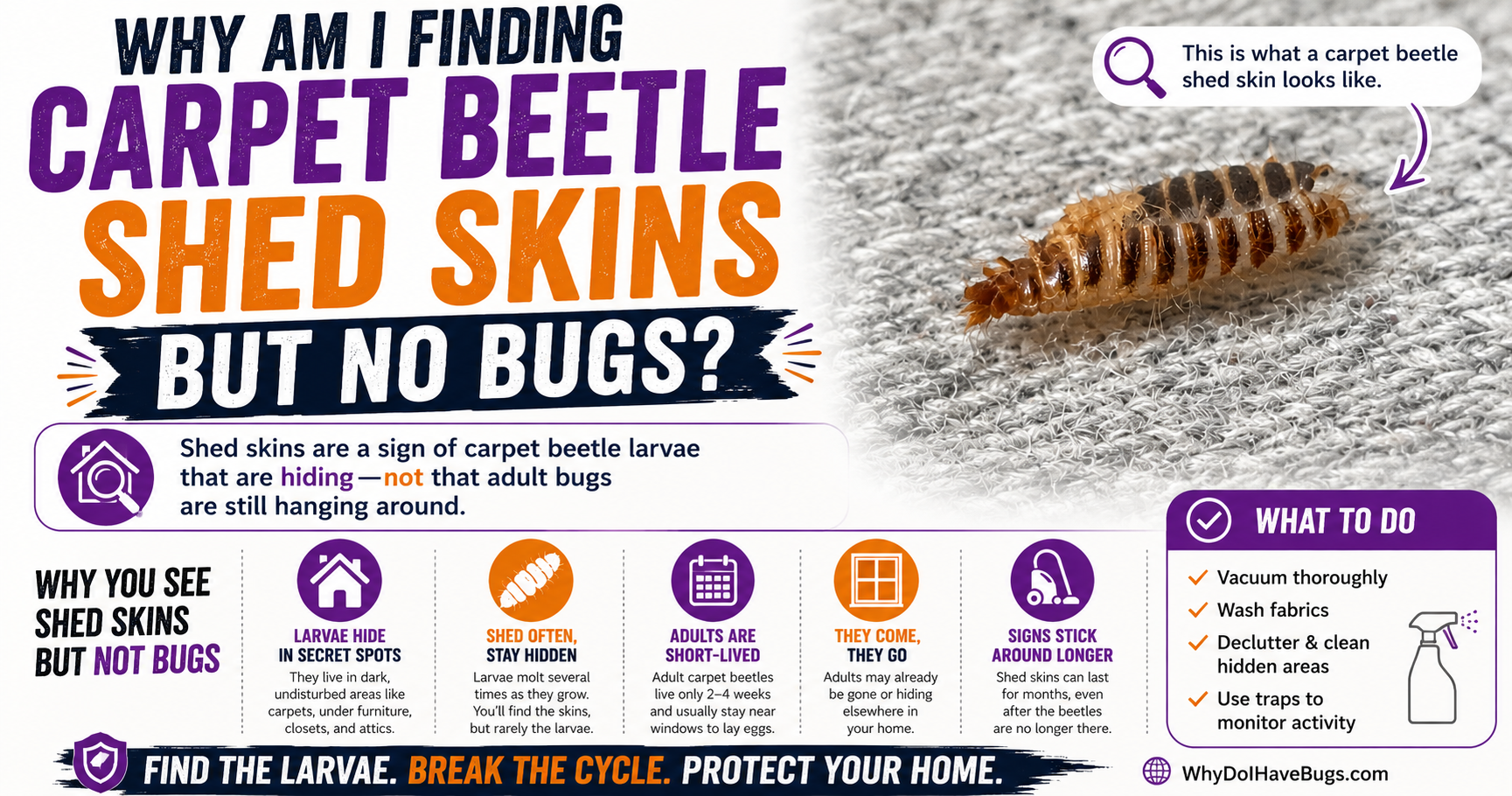
If that’s happening in your home, you may find my article on why you’re finding carpet beetle shed skins but no bugshelpful because I experienced something very similar myself.
Carpet Beetle Larvae Move Slowly
Unlike cockroaches or ants, carpet beetle larvae aren’t in a hurry.
They crawl slowly while searching for food.
Because they’re not fast-moving insects, many people mistake them for harmless worms.
Unfortunately, their slow movement doesn’t make them harmless to natural fabrics.
Given enough time, they can cause noticeable damage to clothing, rugs, blankets, and other stored materials.


What I Would Do If This Were My House
If I found a carpet beetle larva tomorrow, I wouldn’t immediately start spraying insecticide throughout the house.
First, I’d identify it with confidence.
Then I’d inspect the surrounding area carefully.
I’d look for additional larvae.
I’d check nearby closets, storage boxes, blankets, shoes, and furniture.
The goal isn’t simply finding one insect.
It’s figuring out why it chose that location.
Once you answer that question, you’re much closer to solving the problem.
Products That Can Help
Once I’ve confirmed I’m actually dealing with carpet beetle larvae, then I start thinking about treatment.
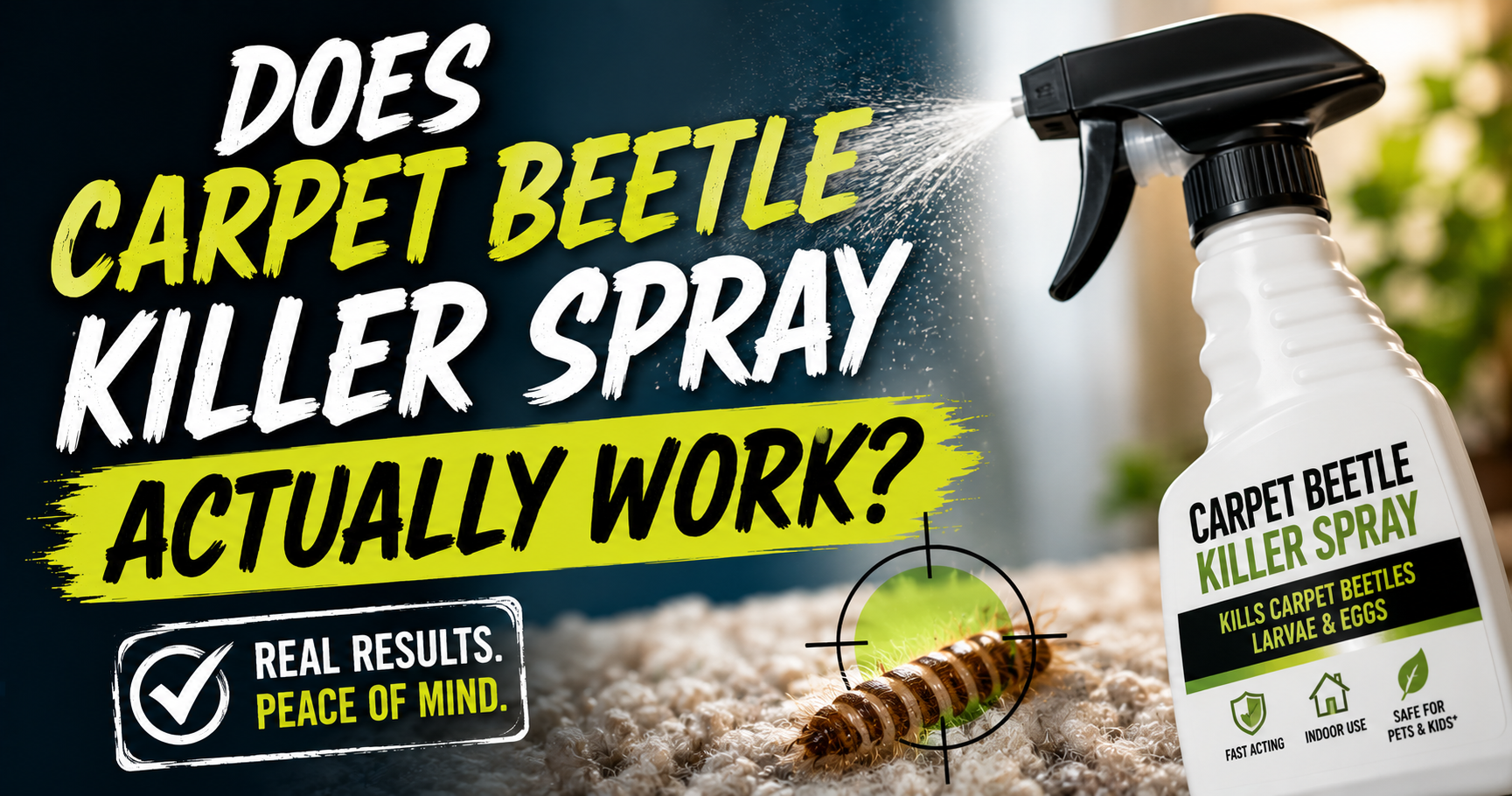
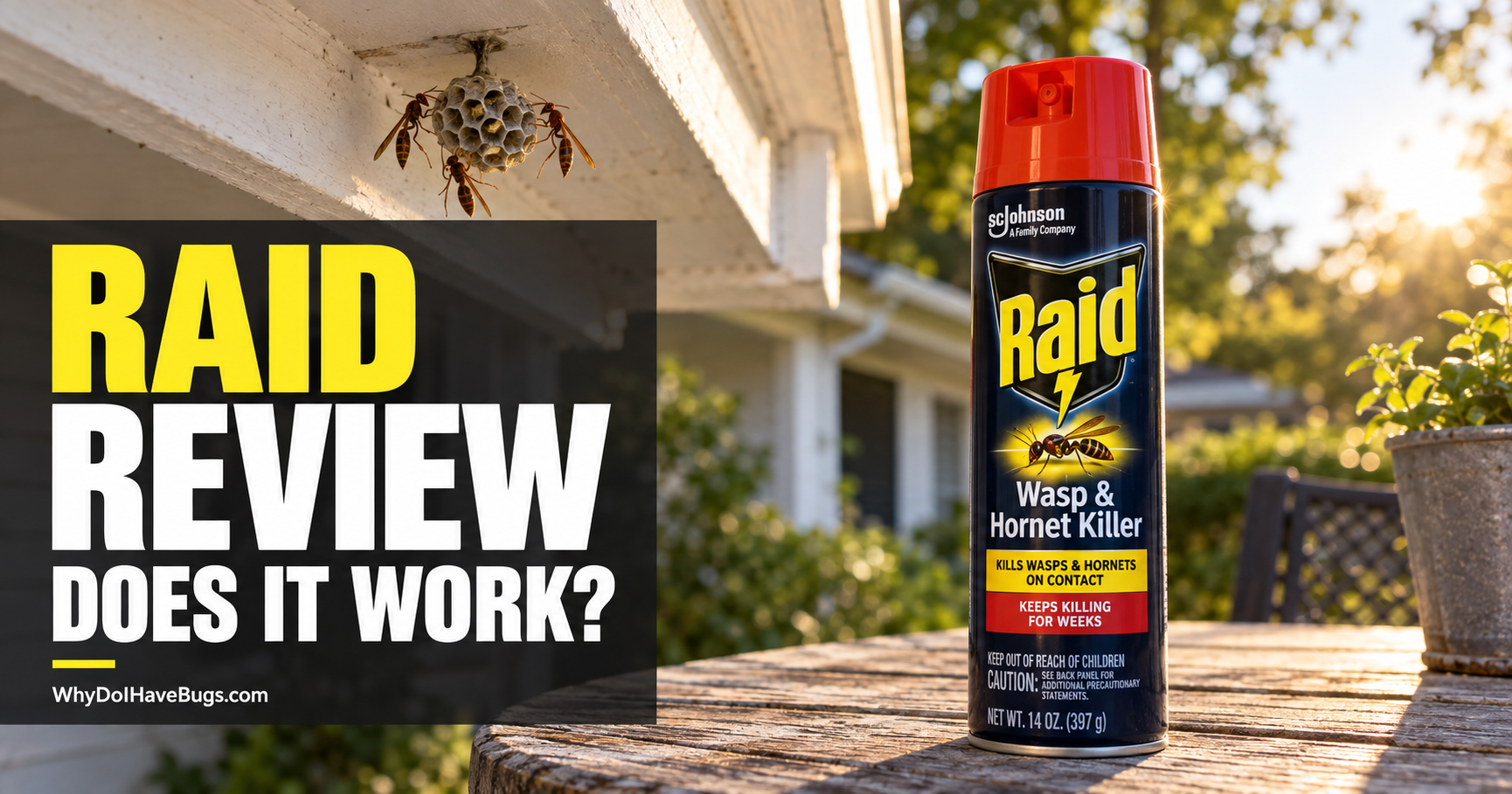
If you’re considering using an insecticide, I recommend reading my guide on whether carpet beetle killer spray actually works before buying one. I explain where I think sprays fit into an overall treatment plan and why I never rely on them alone.

If you decide a spray makes sense for your situation, one product worth considering is the Carpet Beetle Killer Spray for Indoor Use. It’s designed to target both carpet beetles and their larvae when used according to the label. I still recommend combining any treatment with a thorough inspection, vacuuming, and removing the food sources that attracted the larvae in the first place.
For more identification guides and practical advice on beetles commonly found around the home, you can also browse our growing Beetles resource center.
The Biggest Mistake I See
The biggest mistake I see is homeowners identifying the insect correctly but stopping there.
Finding a carpet beetle larva answers one question.
It tells you what you’re dealing with.
The more important question is why it was there.
That’s the question that leads you to the source of the infestation and helps prevent it from happening again.
Frequently Asked Questions
Are carpet beetle larvae worms?
No. Although they resemble tiny fuzzy worms, they’re actually the immature stage of carpet beetles.
Can carpet beetle larvae climb walls?
Yes. They can crawl on walls, furniture, and other surfaces while searching for food or a place to develop.
Are carpet beetle larvae hairy?
Yes. Tiny hairs covering their bodies are one of their most recognizable features and help distinguish them from many other household insects.
Why do carpet beetle larvae look fuzzy?
The fuzzy appearance comes from the small hairs or bristles covering their bodies.
Should I kill carpet beetle larvae if I find one?
Yes. If you’ve confirmed it’s a carpet beetle larva, removing it is a good idea. However, you should also inspect the surrounding area because finding one often means others may be nearby.
About the Author
Ryan Mitchell is a home pest researcher who enjoys helping homeowners identify insects through firsthand observations, careful inspections, and practical pest prevention strategies. His goal is to help readers understand why pests appear so they can solve the problem at its source rather than simply treating the symptoms.