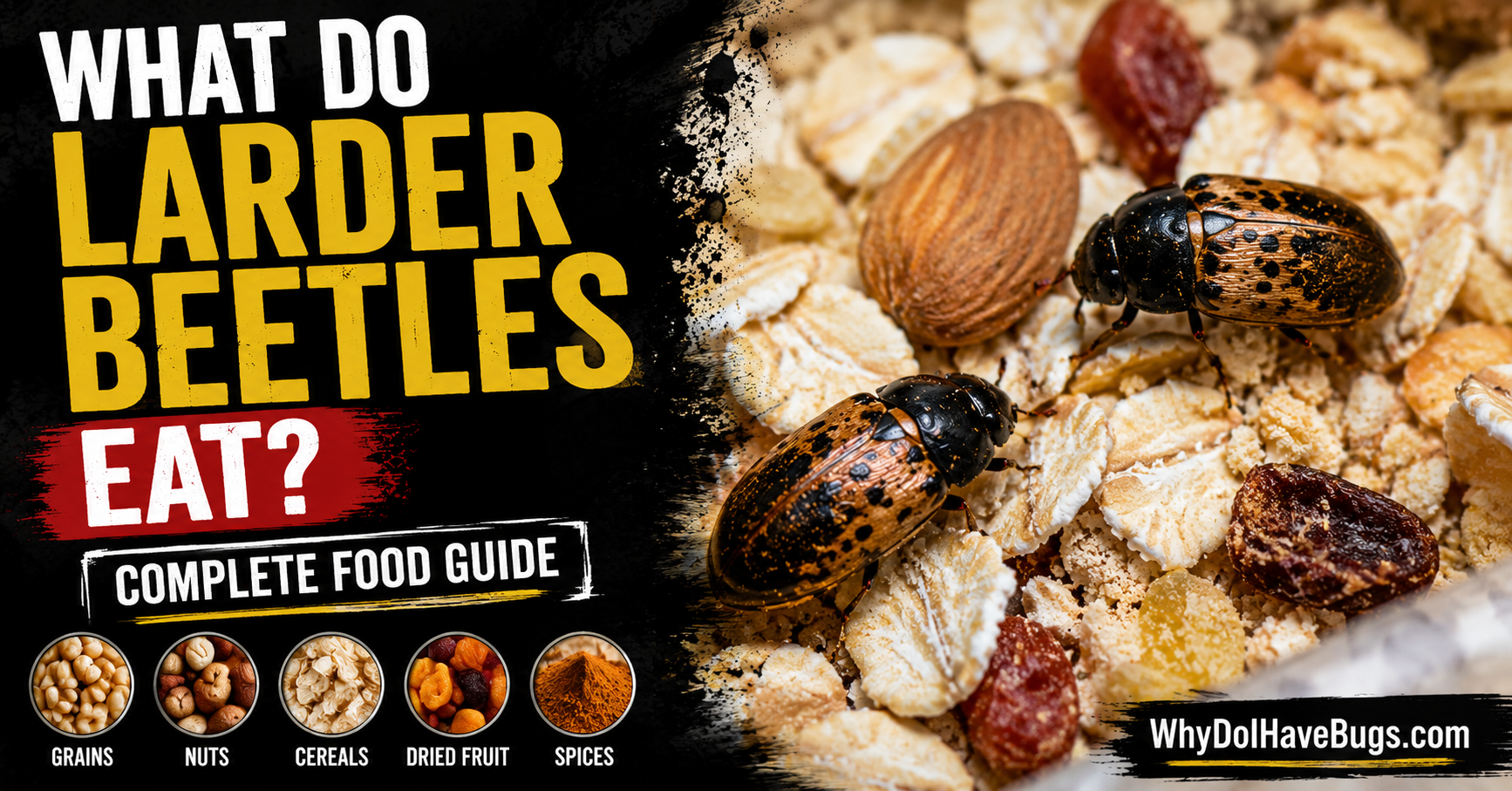
When I first discovered larder beetles in my own home, one question quickly became more important than every other.
What are they eating?
I knew that simply spraying the adults wasn’t going to solve anything if new beetles kept appearing. Once the underlying source is addressed, these ways to kill larder beetles explain the treatment approach reviewed here.
So instead of chasing the beetles, I started chasing their food source.
That turned out to be the key.
Larder beetles aren’t random invaders.
They’re scavengers.
If they’ve decided to stay in your home, it’s usually because they’ve found something rich in animal protein that their larvae can feed on for weeks or even months. Those food preferences are among the common reasons larder beetles stay indoors in the first place.
Once I understood what was attracting them, it became much easier to figure out where to look and how to get rid of them for good.
Larder Beetles Prefer Animal-Based Foods
Unlike pantry beetles that thrive on flour, rice, cereal, or pasta, larder beetles have very different tastes.
They’re attracted to foods and materials containing large amounts of animal protein.
That’s why they’re much more likely to be found around pet food, dead insects, or animal remains than inside a bag of rice.
Some of their favorite foods include:
- Dry dog food.
- Dry cat food.
- Pet treats.
- Dried fish.
- Cured meats.
- Cheese.
- Animal hides.
- Leather.
- Fur.
- Hair.
- Feathers.
- Dead insects.
- Dead rodents.
- Bird nests.
- Taxidermy specimens.
Their ability to feed on so many different materials is one reason infestations can be difficult to track down. Many modern infestations begin in dry pet food, animal by-products, or accumulations of dead insects rather than the cured meats that originally gave the larder beetle its name.

Dead Insects May Be Feeding Hundreds of Hidden Larvae
This was easily the biggest surprise for me.
I expected to find an infested bag of dog food.
I didn’t expect the source to possibly be insects that died months earlier.
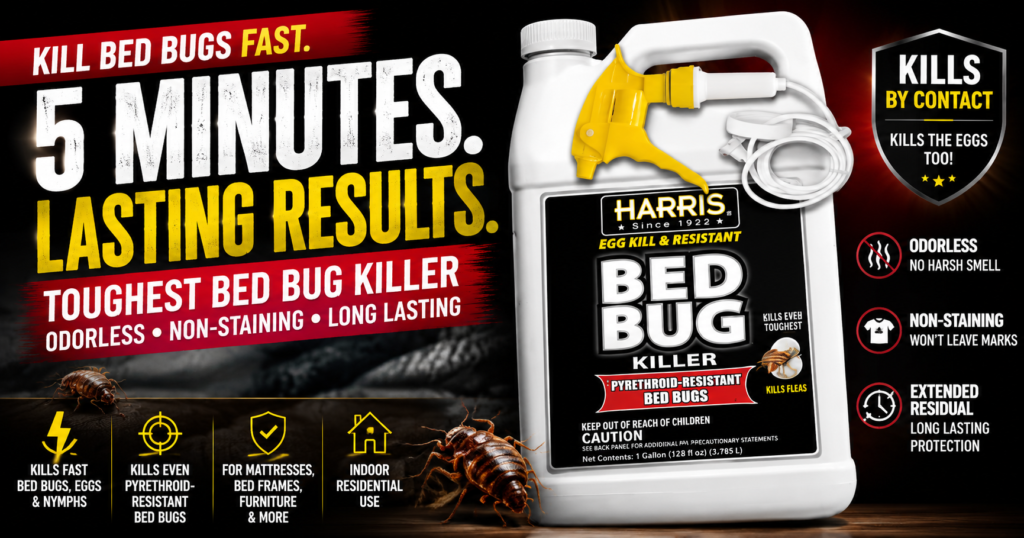
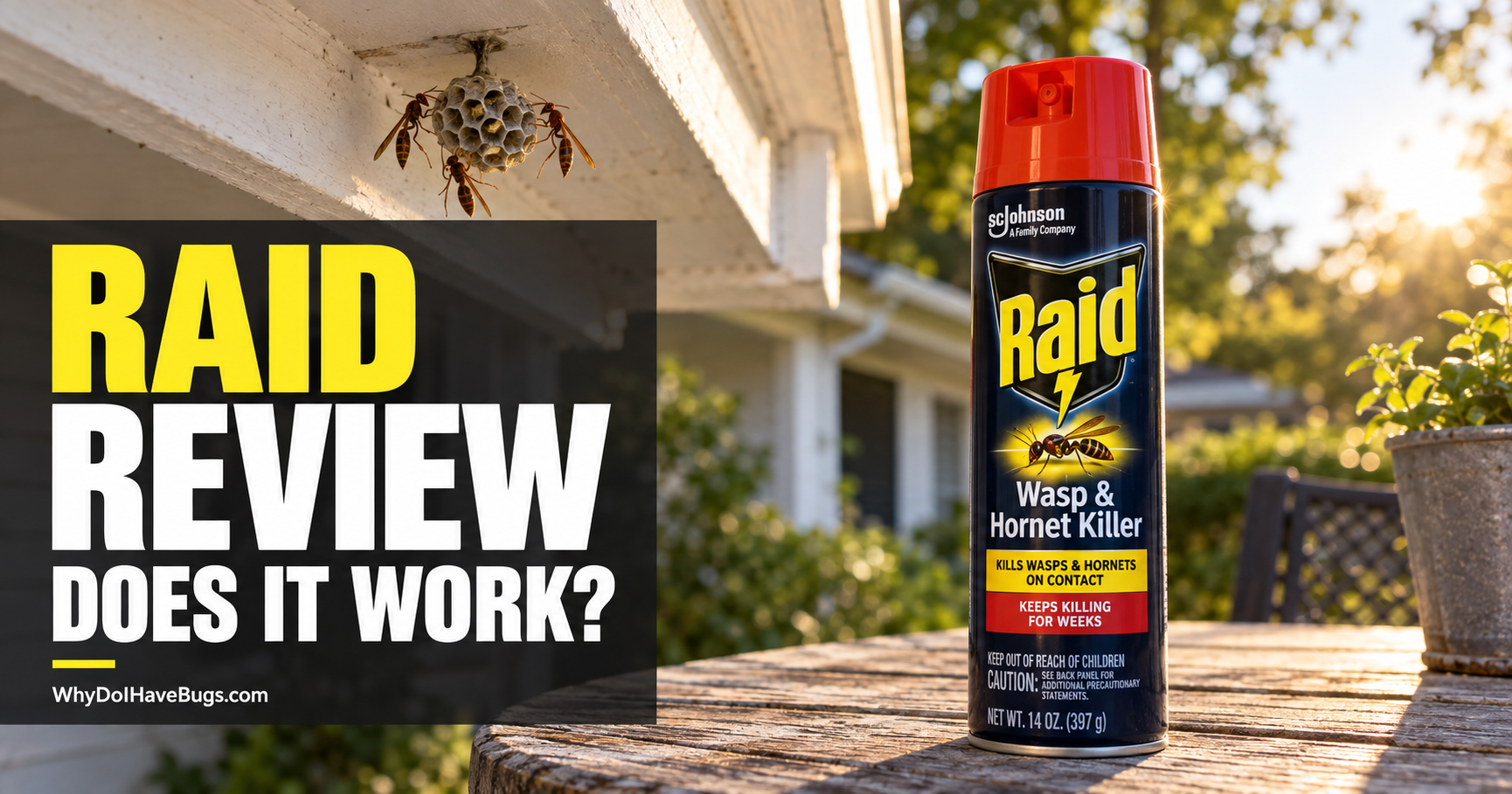
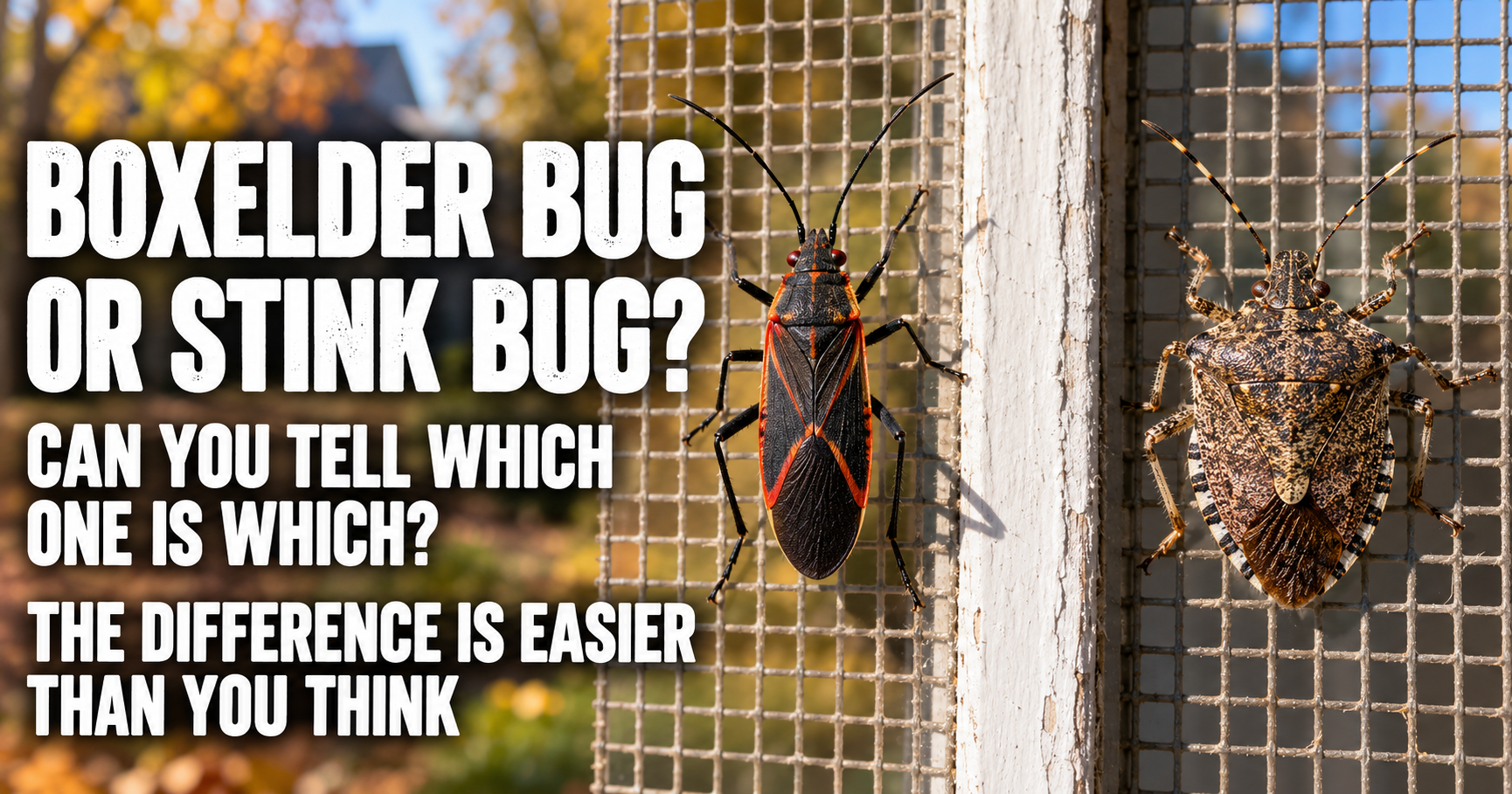
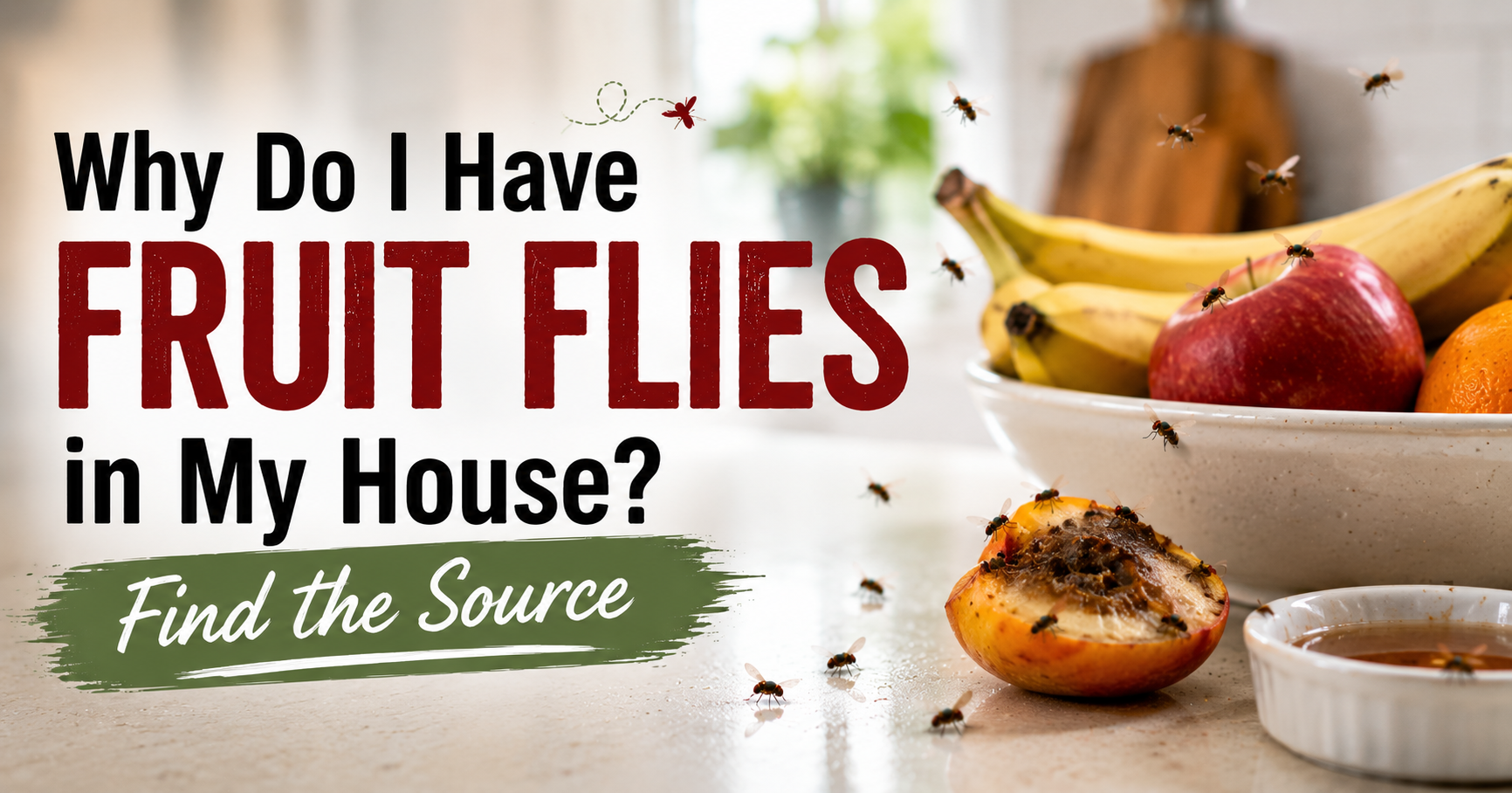
Every fall, insects like cluster flies, boxelder bugs, lady beetles, stink bugs, and wasps often move into attics and wall voids looking for a protected place to spend the winter.
Many never survive.
Those dead insects become a buffet for larder beetle larvae.

By the time adult beetles begin appearing on your floors or windowsills, the larvae may have already spent weeks feeding inside places you’ll probably never inspect. Before tracing the food source, compare those adults with adult larder beetle identification guide to confirm the identification.
Extension specialists repeatedly identify dead overwintering insects as one of the most overlooked household food sources for larder beetles.


Dry Dog Food Is Probably the Most Common Household Food Today
Years ago, larder beetles earned their name because they infested cured meats stored in household larders.
Today’s homes are different.
One of the first things I inspect now is dry pet food.
Large bags stored in garages.
Open containers sitting in laundry rooms.
Kibble spilled behind shelving.
Pet treats forgotten on basement shelves.
Those products can support an entire population of larvae if they remain undisturbed long enough. University extension publications now list dry pet food as one of the most common household sources of infestations.

Once I’ve removed the infested food and cleaned the area thoroughly, I usually treat nearby beetle travel routes with Ortho Home Defense Insect Killer for Indoor & Perimeter² to help eliminate wandering adults before they find another place to lay eggs.
A Dead Mouse Can Feed Larder Beetles for Weeks
Whenever I can’t find pet food or another obvious source, my attention shifts toward rodents.
Unfortunately, mice don’t always die where we can find them.
They often die inside:
- Wall voids.
- Crawl spaces.
- Attics.
- Basement ceilings.
- Garages.
Those hidden carcasses contain exactly the kind of protein larder beetles evolved to consume.
In many infestations, homeowners never actually discover the mouse.
Instead, they only notice the adult beetles weeks later after the larvae have finished developing. Extension offices consistently list dead rodents among the primary sources of household infestations.


Do Larder Beetles Eat Bird Nests?
One food source that many homeowners never think about is an old bird nest.
From the outside, a nest may look like it’s made entirely of twigs.
In reality, it’s usually packed with materials that larder beetles love.
Those can include:
- Feathers.
- Animal hair.
- Dead insects.
- Dried organic material.
- Eggshells.
- Occasionally dead nestlings that didn’t survive.
Once the birds leave, the nest often remains attached to the house for months or even years.
If it’s located in an attic vent, soffit, chimney, or beneath the eaves, it can become an ideal breeding site for larder beetles. University extension publications specifically identify bird nests as common breeding locations for larder beetles around homes.
Whenever I find an abandoned nest attached to the house, I add it to my list of places to inspect once it’s safe and legal to remove.
Can Larder Beetles Eat Leather?
Yes.
Leather is another material that surprises many homeowners.
However, they usually aren’t interested in clean leather by itself.
They’re much more likely to feed on leather that contains animal oils, grease, food residue, or other protein-rich contamination.
Items that sometimes become damaged include:
- Leather gloves.
- Leather belts.
- Saddles.
- Tool pouches.
- Old leather boots.
It’s one reason I don’t overlook storage rooms or garages where leather equipment has been sitting untouched for years.

They Can Even Feed on Hair and Fur
Another reason larder beetles are so successful indoors is because protein is everywhere.

Pet hair collects under furniture. A vacuum for insect larvae can help remove pet hair and other debris from places that are easy to overlook.
Human hair accumulates behind dressers.
Dust bunnies often contain both hair and dried organic debris.
While hair alone usually isn’t enough to support a major infestation, it can become part of the food source, especially when combined with dead insects or other animal material.

That’s why I spend so much time vacuuming underneath furniture, along baseboards, and behind appliances instead of only cleaning the middle of the room. Those overlooked areas can conceal more than food debris, as shown by this account of beetle damage under heavy furniture.
Do Larder Beetles Eat Carpet?
This is one of the questions I see most often.
The answer is…
Sometimes, but not in the way most people think.
Unlike carpet beetles, larder beetles generally don’t seek out clean carpet fibers as a primary food source.
However, they may feed on materials trapped in carpets, including:
- Pet hair.
- Dead insects.
- Food crumbs containing meat or grease.
- Animal dander.
- Wool rugs.
- Natural fibers stained with food or body oils.
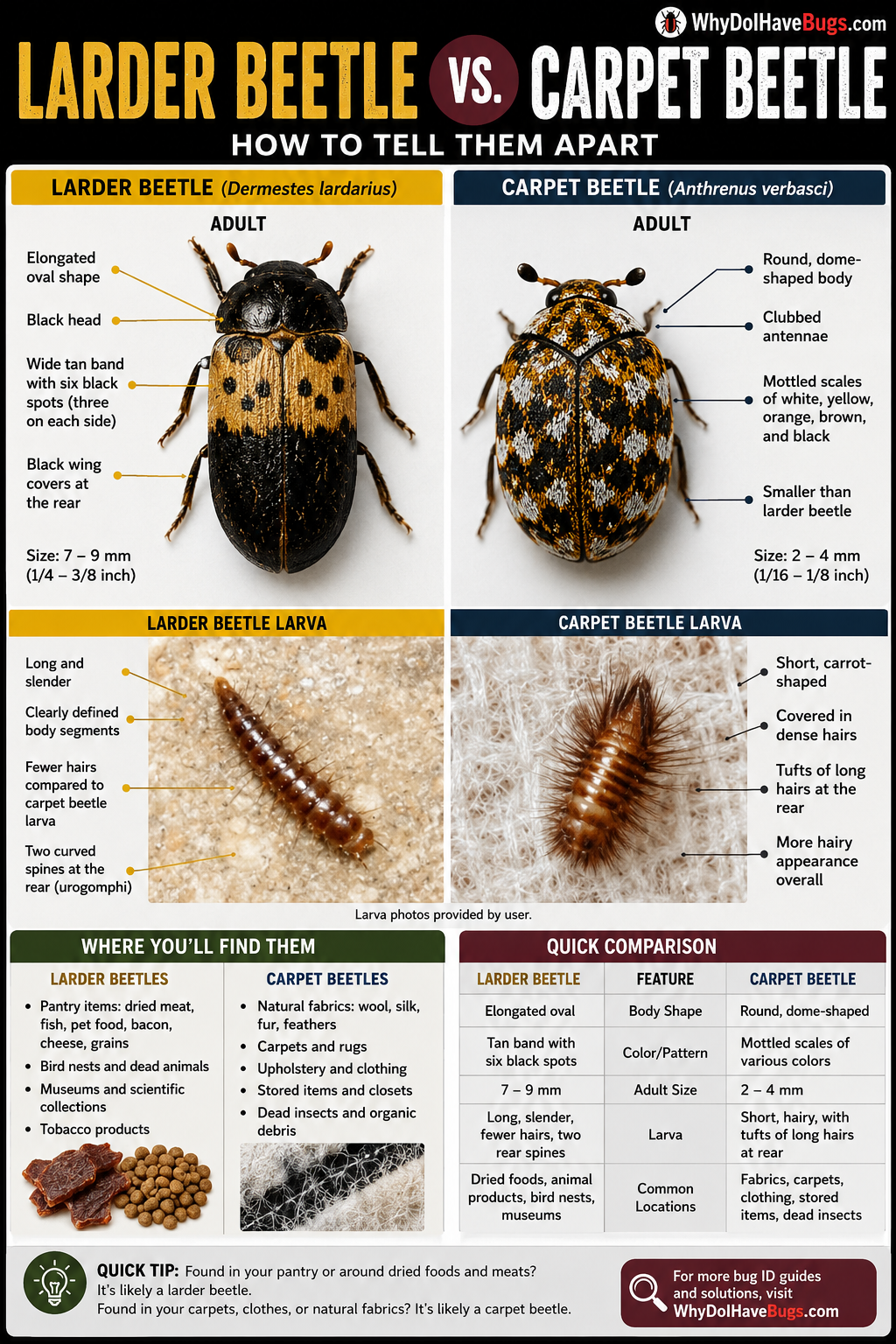
If you’re finding actual damage to wool carpets or clothing, it’s worth comparing your infestation with my guide on carpet beetle vs larder beetle because carpet beetles are much more commonly responsible for that type of damage. Larder beetles are considered a type of dermestid beetle but generally attack wool only when it’s soiled with protein-rich materials.

Museums Actually Raise Their Close Relatives on Purpose
This was one of the most fascinating things I learned.
Close relatives of larder beetles are intentionally raised by museums and universities to clean flesh from animal skeletons.
The beetles remove soft tissue while leaving the bones largely intact, making them valuable for preparing scientific specimens.
That tells you just how specialized these beetles are.
They’re incredibly efficient at locating and consuming animal-based material.
It’s the same reason they become household pests when they discover similar materials inside our homes.
What Their Diet Tells Me About an Infestation
Whenever I find a larder beetle, I immediately stop thinking about the beetle itself.
Instead, I think about its menu.
If I know what it eats, I know where I should look.
For me, that means checking areas in this order:
- Dry pet food.
- Pet treats.
- Bird seed and animal feed.
- Dead insects around windows, attics, and wall voids.
- Signs of rodent activity.
- Bird nests attached to the home.
- Taxidermy or stored animal products.
- Leather or fur items that have been stored for long periods.
Once I locate the food source, the rest of the control process becomes much easier.
After cleaning the area thoroughly, I usually apply Ortho Home Defense Insect Killer for Indoor & Perimeter² around baseboards, cracks, and other beetle travel routes to eliminate any remaining adults while the infestation winds down naturally.


Frequently Asked Questions
What is a larder beetle’s favorite food?
In modern homes, dry dog food, dry cat food, dead insects, animal remains, feathers, hides, and other protein-rich materials are among their favorite food sources.
Can larder beetles eat wood?
Not as a food source. However, mature larvae can bore into wood, cork, insulation, or similar soft materials to create a protected chamber where they pupate before becoming adults.
Do larder beetles eat carpet?
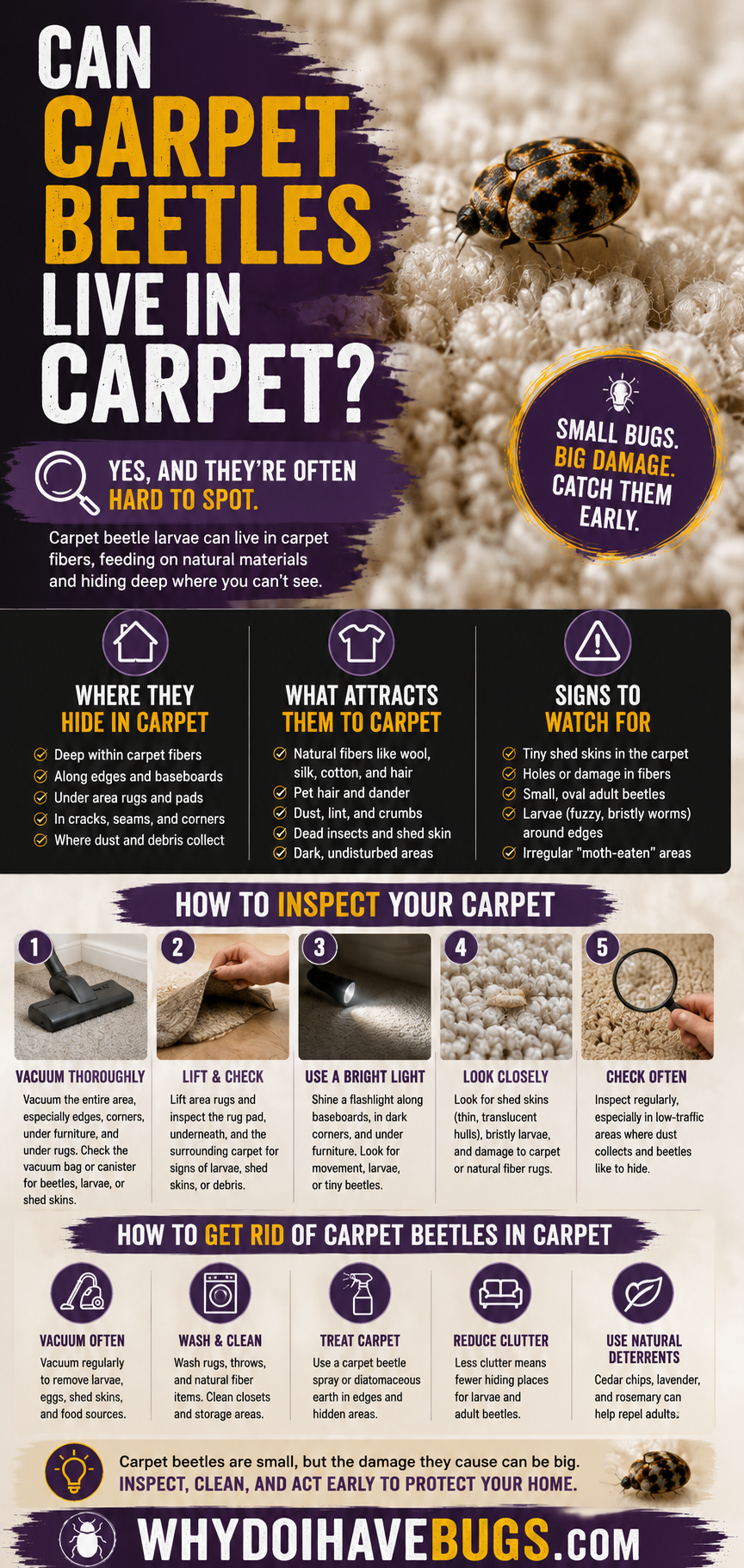
Sometimes, but usually only if the carpet contains natural animal fibers or has protein-rich contamination such as food, grease, hair, or body oils. Carpet beetles are much more likely to feed directly on wool carpets and clothing. The conditions that make carpeting attractive to carpet beetle larvae are explained in carpet beetles in carpeting.
Can pet hair attract larder beetles?
Pet hair by itself usually isn’t enough to support a large infestation, but when combined with dander, dead insects, or other animal materials, it can contribute to a suitable food source.
Why does knowing what larder beetles eat matter?
Because their diet almost always points you toward the source of the infestation. Instead of chasing adult beetles around the house, identifying what they’re feeding on allows you to remove the breeding site and stop future generations from developing.