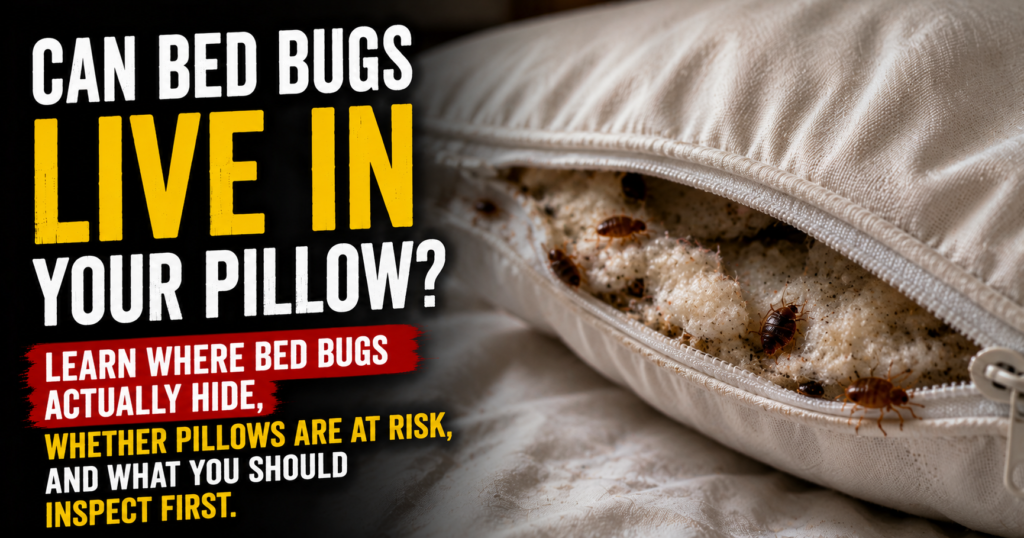
One of the first things many people want to do after discovering bed bugs is throw every pillow in the house into the trash.
I understand why.
Pillows are one of the closest things to your face while you sleep, so it’s easy to imagine bed bugs living deep inside them. I’ve had people tell me they couldn’t sleep because they were convinced bugs were hiding inside their favorite pillow.
The good news is that pillows usually aren’t the first place bed bugs choose to live.
The better question isn’t “Can they?”
It’s “Would they?”
Those are two very different questions.
Sarah’s First Impression
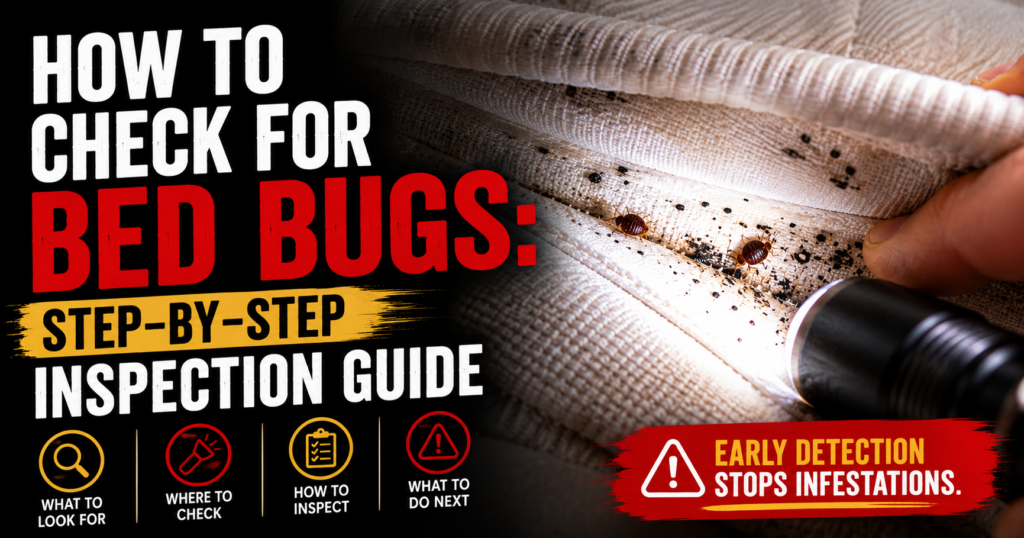
When someone asks me if bed bugs are living inside their pillow, I don’t start by looking at the pillow. A careful inspection is the best way to check the surrounding bed and determine where the bugs are actually hiding: How to Check for Bed Bugs: Step-by-Step Inspection Guide
I start by inspecting the bed.
The mattress.
The box spring.
The headboard.
The bed frame.
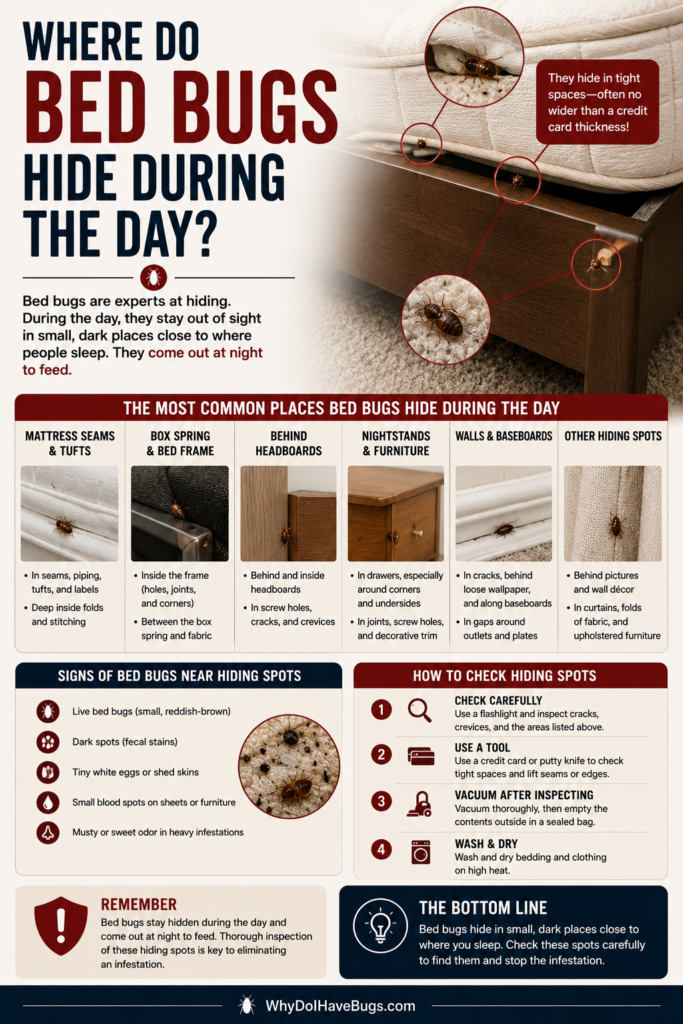
Those areas are much more likely to reveal an infestation than the pillow itself. A broader inspection of Where Do Bed Bugs Hide During the Day? Common Hiding Places can help you check the areas most likely to show evidence first.
Once I understand where the infestation is centered, then I’ll examine nearby bedding.
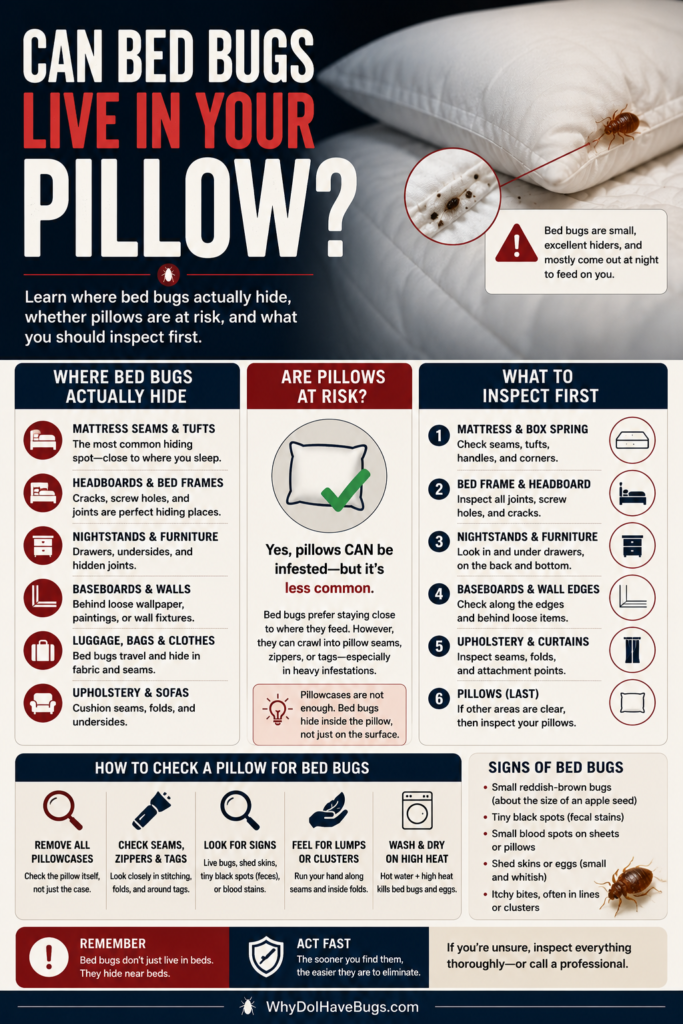
Can Bed Bugs Live Inside a Pillow?
Yes.
It’s possible.
But in most homes, it’s not where I expect to find them first.
Bed bugs like places that are:
- Dark
- Undisturbed
- Tight
- Close to people while they sleep
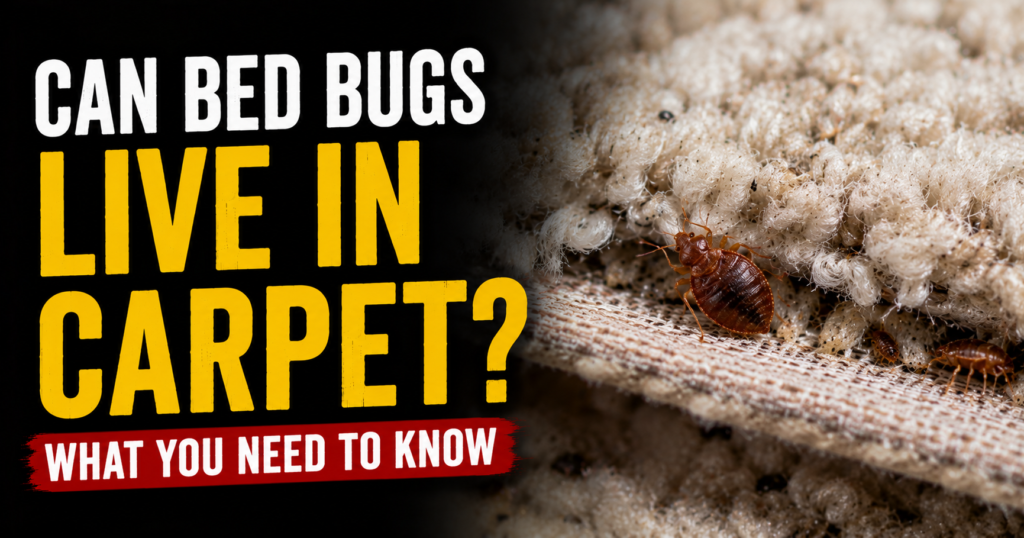
Many pillows are moved, compressed, and fluffed every day. Comparing pillows with other surfaces may help explain Can Bed Bugs Live in Carpet? What You Need to Know.
That constant movement makes them less attractive than stable hiding places like mattress seams or cracks in a bed frame.

What Parts of a Pillow Should You Check?
If I suspected bed bugs, I’d inspect the pillow carefully instead of assuming it’s infested.
Pay close attention to:
- Seams
- Zippers
- Piping
- Fabric folds
- Pillow tags
These small protected areas are much more likely to harbor bed bugs than the middle of the pillow stuffing.
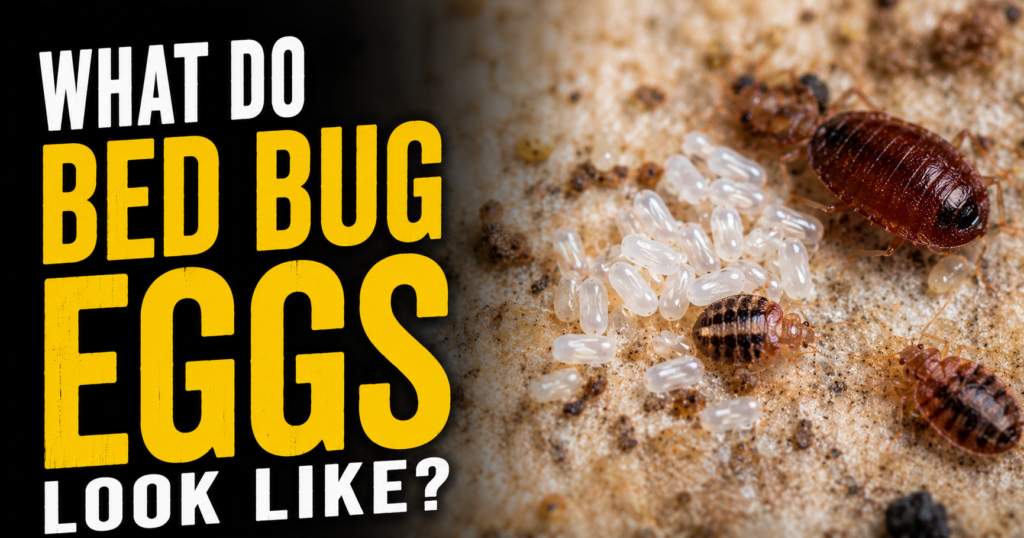
While you’re inspecting, it’s also worth knowing what bed bug eggs really look like, since eggs are often overlooked during a quick inspection.
Why Bed Bugs Usually Prefer Mattresses
A mattress offers almost everything bed bugs want.
It stays in one place.
People sleep on it every night.
It has countless seams, folds, and protected edges.
That’s why mattresses remain one of the most common hiding places.
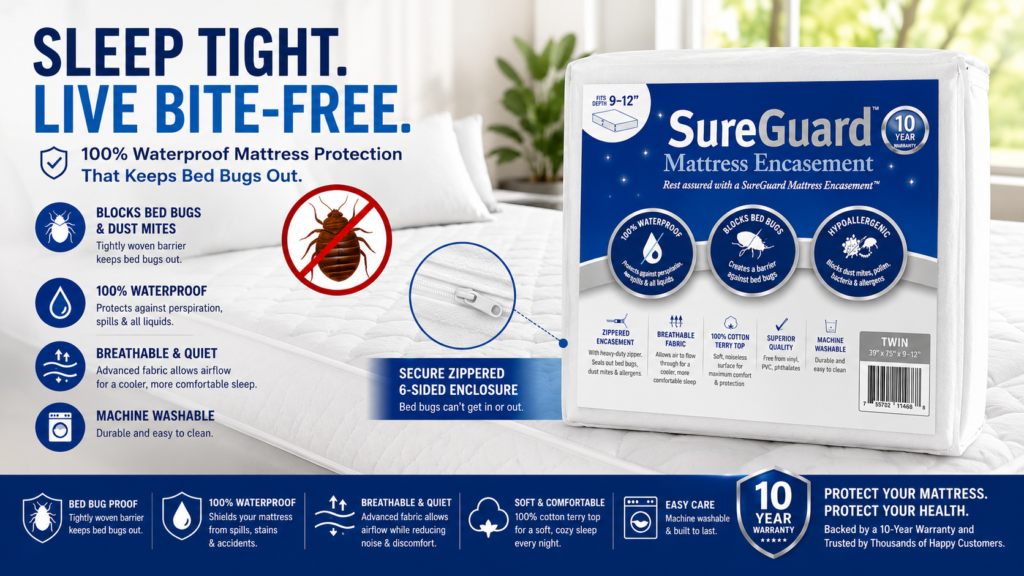

Many homeowners choose a SureGuard Mattress Encasement to eliminate one of the insects’ favorite hiding spots. If you’re considering one, our guide on whether mattress encasements really work for bed bugs explains both the benefits and the limitations.
Can Bed Bugs Spread From a Pillow?
The pillow itself usually isn’t what spreads bed bugs.
People do.
Bed bugs hitch rides on:
- Pillows moved between rooms
- Bedding
- Blankets
- Laundry baskets
- Luggage
- Clothing
That’s one reason I recommend limiting unnecessary movement of bedding until you know what you’re dealing with.
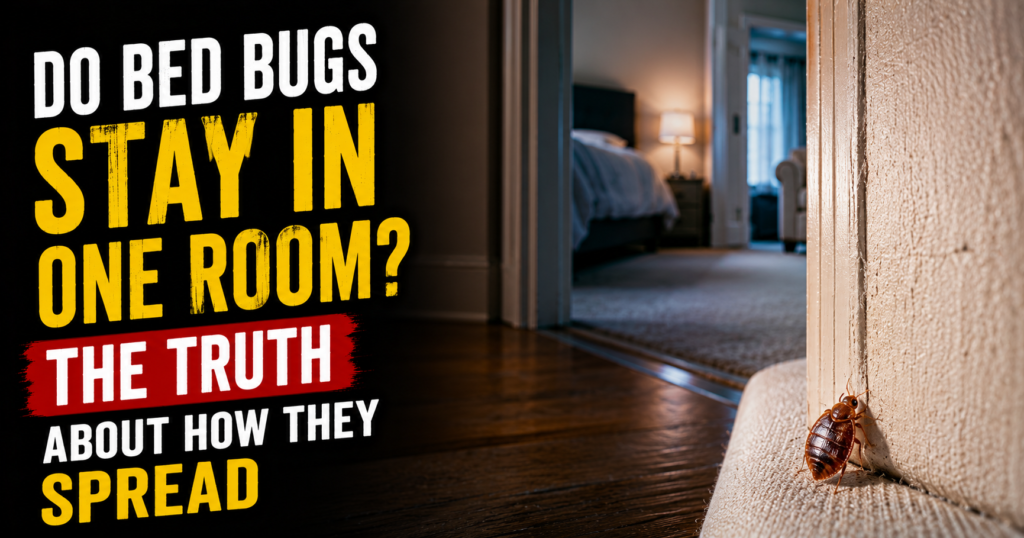
Our article on whether bed bugs stay in one room or spread throughout the house explains how infestations often expand over time.
What If You Found One Bed Bug on Your Pillow?
Finding a single bed bug on a pillow doesn’t necessarily mean it’s living there.
Bed bugs crawl.
One may simply be traveling after feeding or searching for another hiding place.
Whenever someone tells me they found one on a pillow, I immediately inspect the surrounding bed rather than assuming the pillow is the source.
That’s usually where the answers are.

How I Inspect a Bed for Bed Bugs
If I were inspecting your bed today, this is the order I’d follow.
- Mattress seams.
- Mattress tags.
- Box spring corners.
- Headboard joints.
- Bed frame hardware.
- Nightstands.
- Pillows and pillow seams.
- Upholstered furniture near the bed.
Notice that pillows are fairly far down my list.
That’s because they’re rarely the primary hiding place.
Can Pillowcases Hide Bed Bugs?
Yes.
Loose fabric, decorative folds, and seams can occasionally provide temporary hiding spots.
When washing bedding, I recommend inspecting pillowcases before tossing them into the washer.
It’s a simple step that can sometimes reveal activity you might otherwise miss.



How Can You Tell If Bed Bugs Are Still Active?
After treatment, many homeowners wonder if the infestation is truly gone.
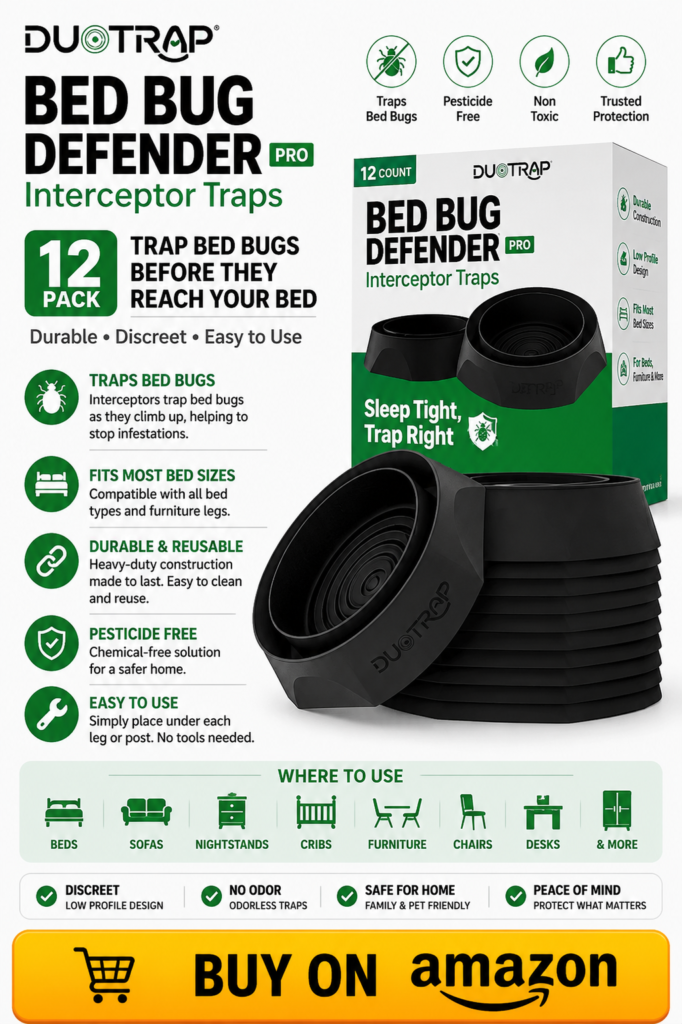
One of the easiest ways to monitor activity is by placing bed bug interceptor cups under the legs of the bed. They help catch bed bugs trying to climb up or down, making it easier to tell whether they’re still active.
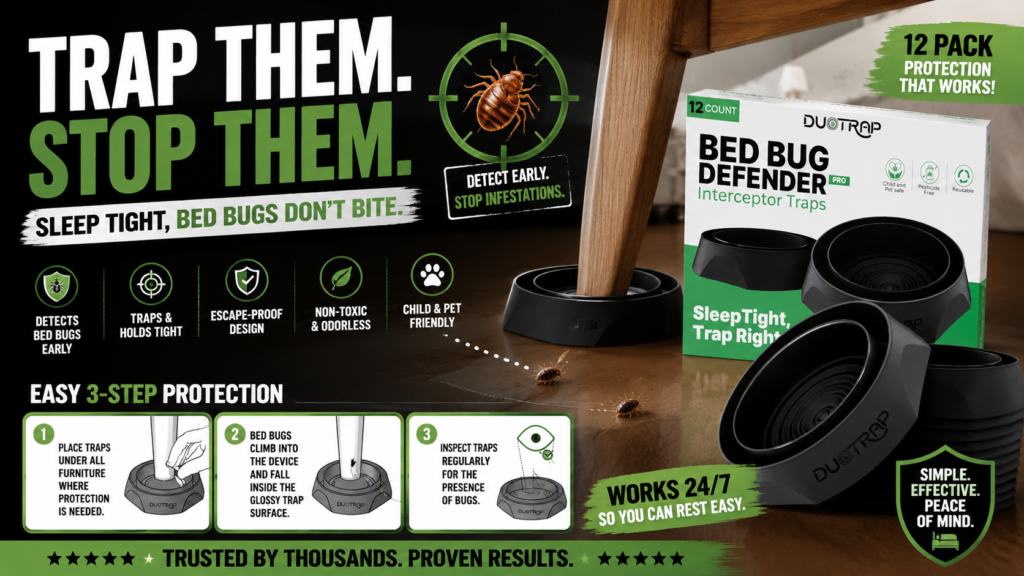
Our detailed review explains how bed bug interceptor cups work and when they’re worth buying.
What I Would Do Before Replacing a Pillow
One mistake I see homeowners make is replacing pillows immediately while leaving the real infestation untouched.
If I suspected bed bugs, I would first:
- Inspect the entire bed.
- Check nearby furniture.
- Look for eggs and shed skins.
- Confirm where the bugs are hiding.
- Begin treatment if necessary.
Only after understanding the source would I decide whether replacing a pillow makes sense.
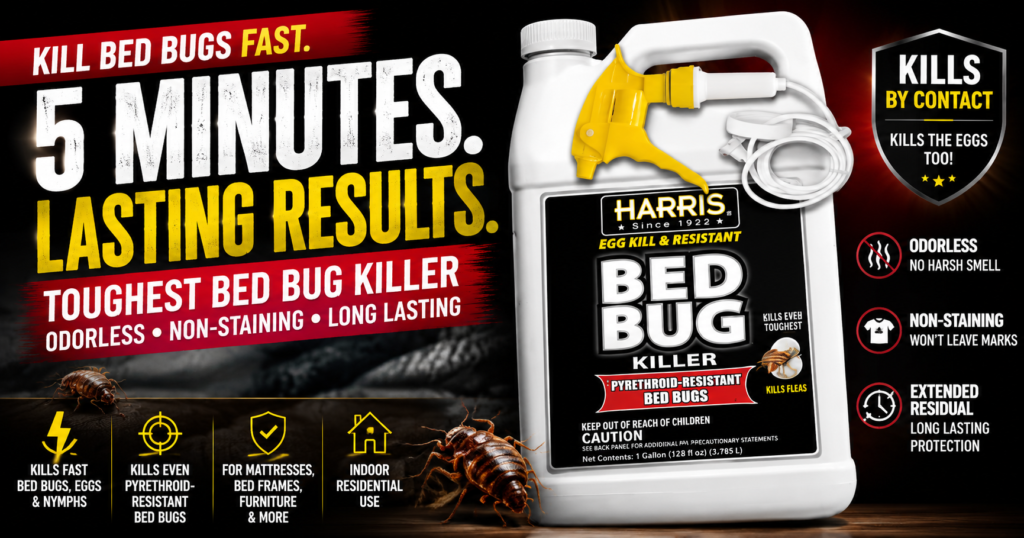

If treatment is needed, many homeowners use Harris Toughest Bed Bug Killer as part of a broader control plan. Our review of Harris Toughest Bed Bug Killer explains where it performs well and where additional steps are usually needed.


The Biggest Mistake I See
The biggest mistake I see is focusing on the pillow because it’s the part of the bed that feels the most personal.
In reality, bed bugs are usually telling a bigger story.
The pillow may be where you noticed them.
It usually isn’t where the infestation began.
Finding the true hiding place is what ultimately solves the problem.
Frequently Asked Questions
Can bed bugs get inside memory foam pillows?
They can hide around seams, zippers, and fabric folds, but they are much less likely to live deep inside the foam itself.
Should I throw away my pillows if I have bed bugs?
Not necessarily. Inspect them carefully first and address the infestation before replacing bedding.
Can washing pillows kill bed bugs?
High heat from washing and especially drying can help kill bed bugs and their eggs, depending on the pillow’s care instructions.
Why did I find a bed bug on my pillow?
The bug may have been traveling after feeding or moving between hiding places. Inspect the entire bed rather than assuming the pillow is the source.
Are pillows a common hiding place?
Not compared with mattress seams, box springs, bed frames, and headboards, which are usually much more attractive hiding places.
About the Author
Sarah Bennett researches bed bugs and household pests with a focus on practical home inspections, prevention, and treatment. Her goal is to help homeowners understand where bed bugs actually hide so they can solve the problem without unnecessary panic or expense.