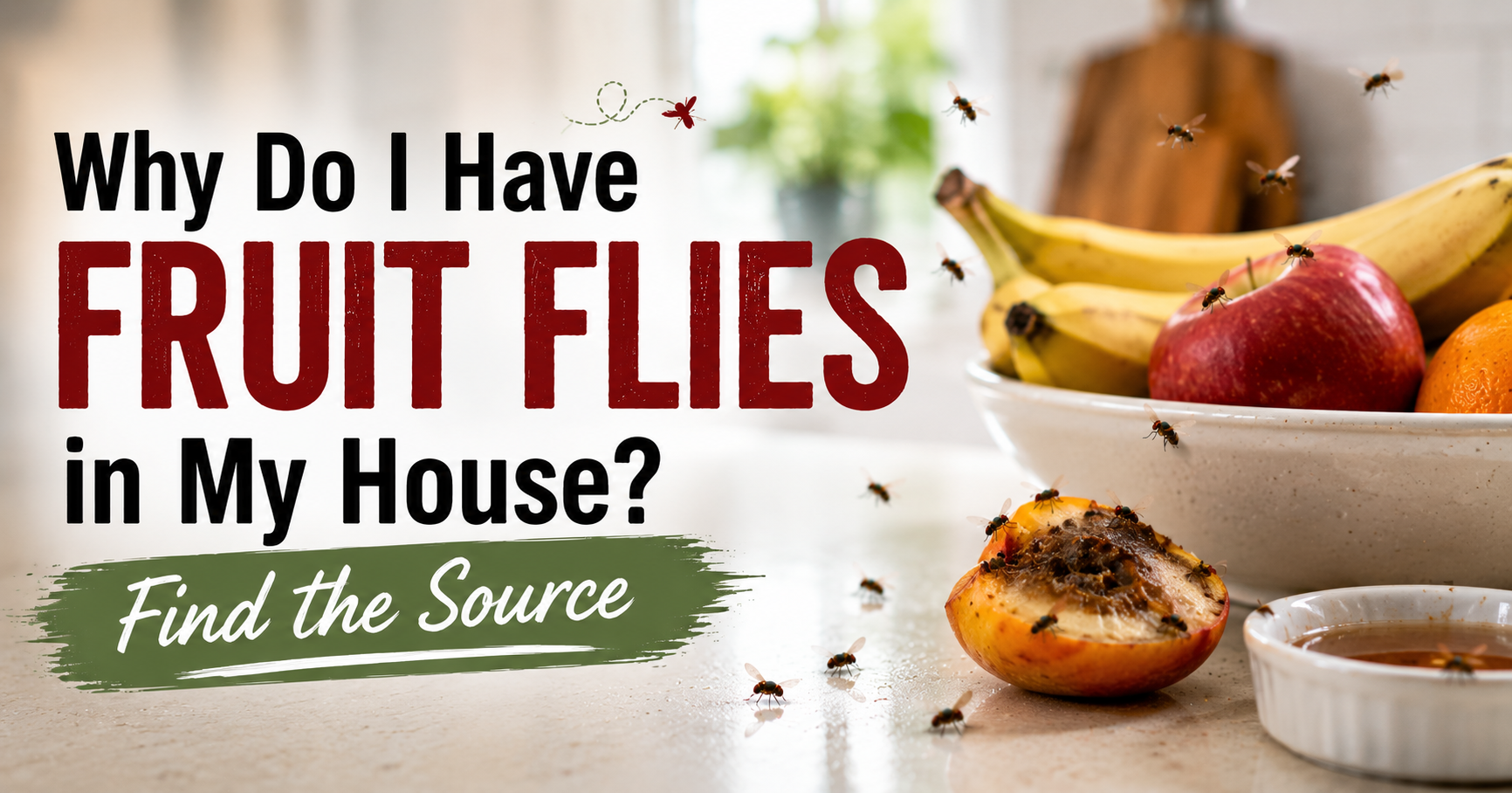
One of the biggest surprises for homeowners is how quickly fruit flies seem to appear.
One day your kitchen looks perfectly normal.
A couple of days later, tiny flies are hovering around the fruit bowl, sink, or trash can.
Then there are dozens.
If you’ve ever wondered where they came from, you’re definitely not alone.
I’ve found that fruit flies are very different from ordinary house flies.
They don’t usually wander into your home from outside looking for a place to rest.
Instead, they almost always appear because something inside your house is attracting them or giving them a place to reproduce.
The good news is that once you understand what fruit flies are actually looking for, getting rid of them becomes much easier.

My First Goal Isn’t Killing Them
Whenever I see fruit flies, I don’t immediately reach for a trap.
I want to know why they’re there.
That’s because fruit flies reproduce incredibly fast.
You can kill every adult fly you see today, but if the breeding source is still sitting on your counter, you’ll likely have another wave of adults in just a few days.
That’s why I spend more time inspecting than spraying.
Finding the source is almost always the turning point.

Fruit Doesn’t Have to Be Rotten
This is probably the biggest misconception I hear.
People think fruit flies only show up around fruit that’s obviously spoiled.
In reality, fruit begins releasing sugars and aromas long before it looks bad.
Bananas are one of the biggest culprits in my experience, but they aren’t the only ones.
I also pay close attention to:
- Tomatoes
- Peaches
- Apples
- Grapes
- Melons
- Pears
- Avocados
Even perfectly edible fruit can attract fruit flies if it sits on the counter long enough.

The Trash Can Is Usually My Second Stop
After checking fresh produce, I move straight to the garbage can.
Fruit peels.
Coffee grounds.
Vegetable scraps.
Leftover drinks.
All of those continue producing odors after they’ve been thrown away.
One thing I’ve learned is that replacing the trash bag isn’t enough.
The garbage can itself often has sticky residue around the rim, underneath the bag, or inside the lid.
Cleaning the container instead of only emptying it removes one of the most common fruit fly attractions.
Recycling Bins Fool a Lot of People
I’ve walked into homes where the kitchen looked spotless.
No dirty dishes.
No fruit sitting out.
No overflowing trash.
Then I looked inside the recycling bin.
Empty soda cans.
Wine bottles.
Juice containers.
Fruit cups.
Each one still contained a tiny amount of sugary residue.
Individually, they didn’t seem like much.
Together, they created exactly the kind of environment fruit flies love.
That’s why I always recommend rinsing recyclable containers before putting them into the bin, especially during warm weather.

The Sink Can Be Part of the Problem Too
People often focus on the fruit sitting on the counter while completely ignoring the sink.
I always check:
- Food caught in the drain strainer.
- Produce scraps.
- Dirty sponges.
- Dish rags.
- Food residue around the garbage disposal.
Those damp, organic materials may not seem significant, but they can provide everything fruit flies need to stick around.

One thing I’ve noticed is that homeowners often assume these are drain flies. Sometimes they are, but many times they’re simply fruit flies taking advantage of food residue near the sink. Before treating insects near the sink, use how to identify fruit flies to distinguish fruit flies from drain flies.
That’s why identifying the insect before treating the problem saves a lot of frustration.
Check Your Produce Bowl More Often Than You Think
I don’t think most people realize how quickly fruit flies can take advantage of overlooked produce.
It’s easy to toss a few bananas, tomatoes, or peaches into a bowl and forget about them for a couple of days.
Meanwhile, one piece of fruit hidden underneath the others starts breaking down.
I’ve found that’s often enough to start a fruit fly problem.
Whenever I’m trying to track down the source, I don’t just glance at the fruit sitting on top.
I pick everything up.
I look underneath.
I check for soft spots, leaking juice, or fruit that’s started to split open.
More than once, I’ve found the entire problem hiding beneath a perfectly good-looking apple.

Houseplants Can Sometimes Be Part of the Problem
If you have a lot of indoor plants, don’t overlook them.
Now, fruit flies usually aren’t breeding in healthy potting soil.
But fungus gnats certainly can.
Because they’re both tiny flying insects, they’re often confused with one another.
If the insects seem to hover around your plants instead of your fruit bowl, there’s a good chance you’re dealing with fungus gnats rather than fruit flies.
That’s one reason I always recommend identifying the insect before spending money on treatments.
The solution depends on knowing what you’re actually fighting.
They May Have Come Home With Your Groceries
This surprises people all the time.
Sometimes fruit flies don’t appear because they found your fruit.
Sometimes they arrive with your fruit.
I’ve bought bananas before that already had tiny fruit fly eggs on the peel.
Fresh produce from grocery stores, farmers markets, and even your own garden can occasionally bring fruit flies into the house.
That doesn’t mean you should stop buying fresh fruit.
It just means that if fruit flies seem to appear shortly after a grocery trip, I wouldn’t ignore the possibility.

Don’t Forget About the Recycling
I’ve seen fruit fly problems continue for weeks because the recycling bin looked clean from the outside.
When I actually inspected it, I found sticky juice residue running down the inside.
A few rinsed containers mixed with a few unrinsed ones can still create enough odor to attract fruit flies.
I like treating the recycling bin just like the trash can.
Every so often, take it outside and give it a good wash.
It’s one of those small jobs that can prevent a surprisingly annoying problem.
Watch Where They’re Hovering
One thing I always do before trying to solve a fruit fly problem is simply watch them.
Fruit flies usually stay surprisingly close to whatever attracted them.
Ask yourself:
- Are they hovering around the fruit bowl?
- Do they stay near the sink?
- Are they flying around the trash can?
- Do they disappear behind the coffee maker?
- Are they gathering near a recycling bin?
Those little observations often point directly to the breeding source.
Instead of chasing flies around the kitchen, I let them show me where to look.


The Best Trap Depends on the Situation
Once I’ve removed whatever is attracting the fruit flies, then I’ll think about traps.
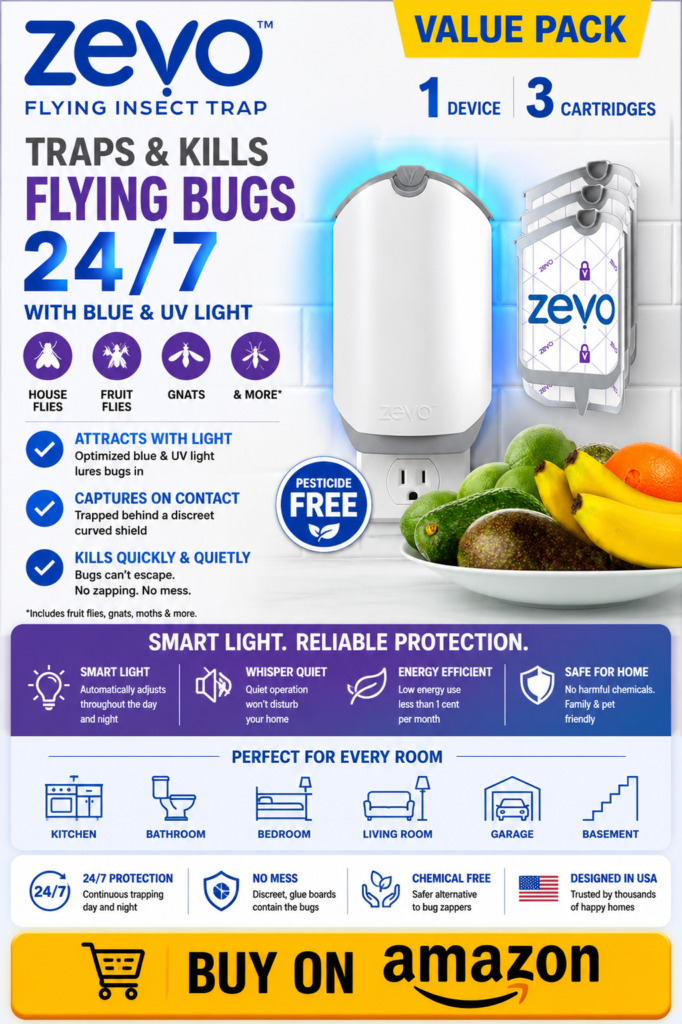
If they’re flying throughout the kitchen, I usually prefer an enclosed indoor trap that can quietly work around the clock without becoming an eyesore. A discreet flying-insect trap can help catch the remaining adults after you remove the breeding source.

I compared several options in Best Fly Traps That Actually Work for Every Situation because many of the same products that work well for house flies also do a great job catching fruit flies.
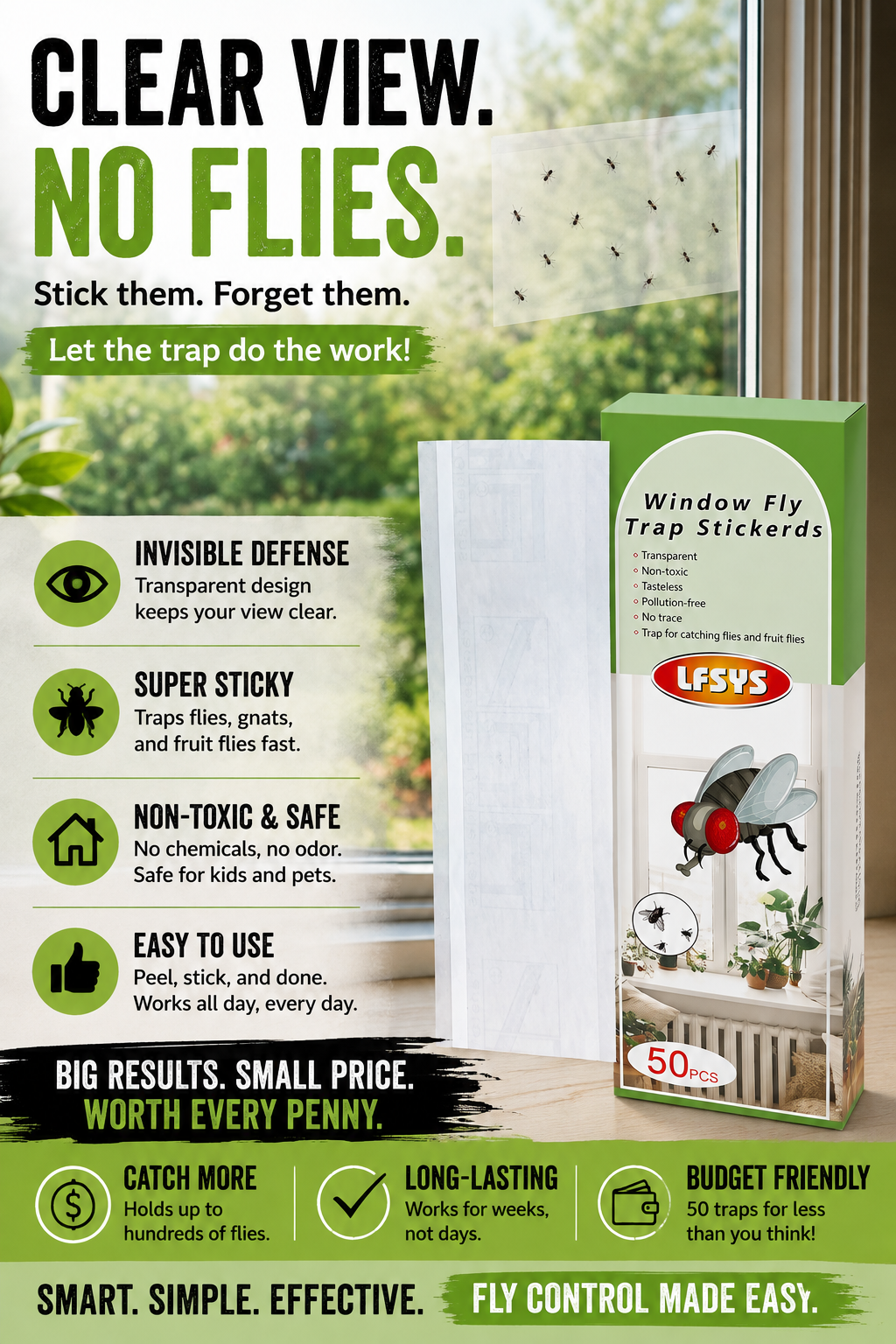
If the insects are constantly gathering on your windows after you’ve cleaned the kitchen, I’d also consider window fly traps since fruit flies often follow light just like larger flies do.
Here’s Exactly What I’d Do
If I walked into my kitchen tomorrow and found fruit flies everywhere, I wouldn’t waste time trying to kill every one of them.
I’d start by throwing away any overripe fruit.
Then I’d wash the fruit bowl, clean the garbage disposal, empty and scrub the trash can, rinse the recycling, and inspect around every place food tends to collect.
Only after removing those attractions would I start placing traps.
In my experience, that’s what actually breaks the cycle instead of just reducing the number of flies for a day or two.
Why They Keep Coming Back
One reason fruit flies frustrate so many homeowners is how quickly they reproduce.
You might think you’ve solved the problem because all the adults are gone.
A few days later, another group appears.
Usually that means the original breeding source was never completely removed.
Once I find and eliminate that source, the problem almost always starts improving much faster.
For more fly identification guides, product reviews, and practical pest control advice, browse our growing Flies category.
Frequently Asked Questions
Why do fruit flies suddenly appear in my house?

Fruit flies often seem to appear suddenly because eggs can arrive on fresh produce, and the adults reproduce very quickly once they find a suitable food source. For a broader explanation of this pattern across different fly species, see why flies appear overnight.
Can clean houses still get fruit flies?
Absolutely. Even spotless homes can develop fruit fly problems if fresh produce, recycling, or other organic materials provide enough food for them to reproduce.
Do fruit flies only like fruit?
No. They’re also attracted to sugary drinks, vegetable scraps, garbage, compost, and many other fermenting organic materials.
Why do fruit flies keep coming back?
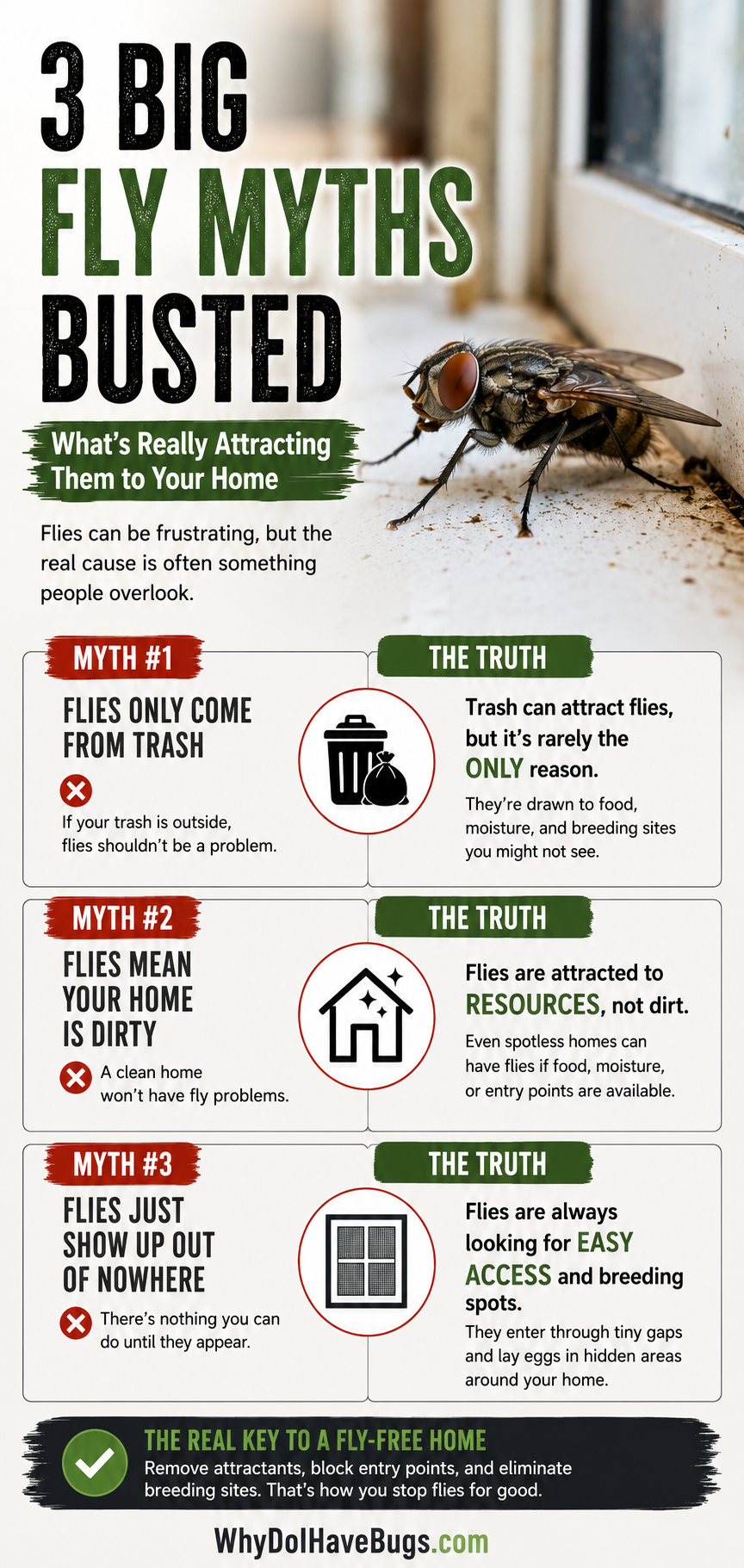
Usually because the original breeding source is still present somewhere in the home. Removing the attraction is much more important than simply killing the adult flies. That source-first approach also applies to house flies, and finding the fly source explains what commonly keeps them around.
What’s the fastest way to get rid of fruit flies?
Start by removing overripe produce, cleaning trash and recycling containers, inspecting the sink and garbage disposal, and then use traps to catch the remaining adults while the infestation dies out.
About the Author
Mark Sullivan has spent years helping homeowners solve everyday pest problems around kitchens, garages, and rural properties. He believes the fastest way to get rid of fruit flies is to find what’s attracting them first, then choose solutions that eliminate the source instead of only treating the symptoms.