
One of the most frustrating parts of dealing with flies is thinking you’ve solved the problem only to find more buzzing around the next day.
I’ve had plenty of homeowners tell me they’ve cleaned the kitchen, taken out the trash, and even set traps, yet flies continue showing up.
When that happens, I stop asking what attracted the flies and start asking how they’re getting inside in the first place.
Sometimes the answer is obvious.
Other times it’s a tiny opening you’d never notice unless you were specifically looking for it.
Over the years, I’ve found that most fly problems come down to two things.
A reason to stay.
And a way to get in.
Before inspecting entry points, I always identify the type of fly because different species often enter homes for different reasons. If you aren’t completely sure what you’re seeing, my guide to the most common flies found in homes is a great place to start.
Damaged Window Screens Are Always My First Stop
Whenever I’m inspecting a home, window screens are one of the first things I check.
It doesn’t take much.
A tiny tear near the corner.
A screen that’s pulled away from the frame.
A small hole created by pets or weather.
Flies don’t need a large opening to get inside.
Once they find one, they’ll keep using it until it’s repaired.
I’ve solved countless “mystery” fly problems simply by replacing an old screen that everyone had stopped noticing.

Garage Doors Leave More Gaps Than Most People Realize
Garage doors rarely create a perfect seal.
As they age, weather stripping wears out, corners lift slightly, and small gaps develop along the bottom.
Those openings are more than enough for flies to enter.
I pay especially close attention if garbage cans are stored inside the garage.
The flies are already gathering nearby, so any opening becomes an easy path into the house.
If homeowners tell me they’re finding flies in the kitchen after parking their car each evening, I almost always inspect the garage first.



Open Doors Give Flies Exactly What They Need
Sometimes the explanation is surprisingly simple.
A door that’s left open while carrying in groceries.
Kids running in and out all afternoon.
The back door staying open while the dog goes outside.
Adult flies are constantly exploring their surroundings.
If the opportunity presents itself, they’ll gladly fly indoors.
Once they’re inside, many head toward the brightest windows, making it seem like they appeared from nowhere.
That’s one reason I encourage homeowners to look beyond the room where they first noticed the flies.
The entry point is often somewhere else entirely.
Attic and Crawl-Space Vents Can Be Easy Entry Points
One place I never overlook is the attic and crawl-space vents.
They’re designed to let air move through your home, but damaged screens or loose vent covers can also let flies inside.
This is especially important if you’re dealing with blow flies. I’ve traced more than one infestation back to a small animal that died in the attic, then watched the newly emerged flies move straight into the house through an unprotected vent.

If you’re seeing large metallic flies rather than ordinary gray house flies, it’s worth reading about where blow flies usually come from because the source is often much different than homeowners expect.


Tiny Gaps Around Utility Lines
Every home has pipes, electrical wiring, cable lines, or air conditioning lines passing through exterior walls.
Unfortunately, many of those openings aren’t perfectly sealed forever.
As caulk ages or foam insulation deteriorates, tiny gaps can develop.
Most people would never notice them, but insects certainly do.
Whenever I keep finding flies despite having good window screens and doors that stay closed, I start checking around these utility penetrations.
It’s amazing how often a gap no wider than a pencil becomes an easy entrance.
Chimneys Can Occasionally Become Highways for Flies
Chimneys aren’t a common entry point, but when they are, the reason is often significant.
I’ve seen birds become trapped inside chimneys, creating exactly the kind of environment that attracts blow flies.
Once the adults emerge, many end up entering the home through the fireplace.
If your fly problem seems concentrated around the fireplace or chimney, that’s one area I would definitely inspect.



Sometimes They’re Already Inside
One of the biggest misconceptions I hear is that every fly must have entered from outside.
That’s not always true.
Sometimes the flies never entered at all.
Instead, they developed inside the house.
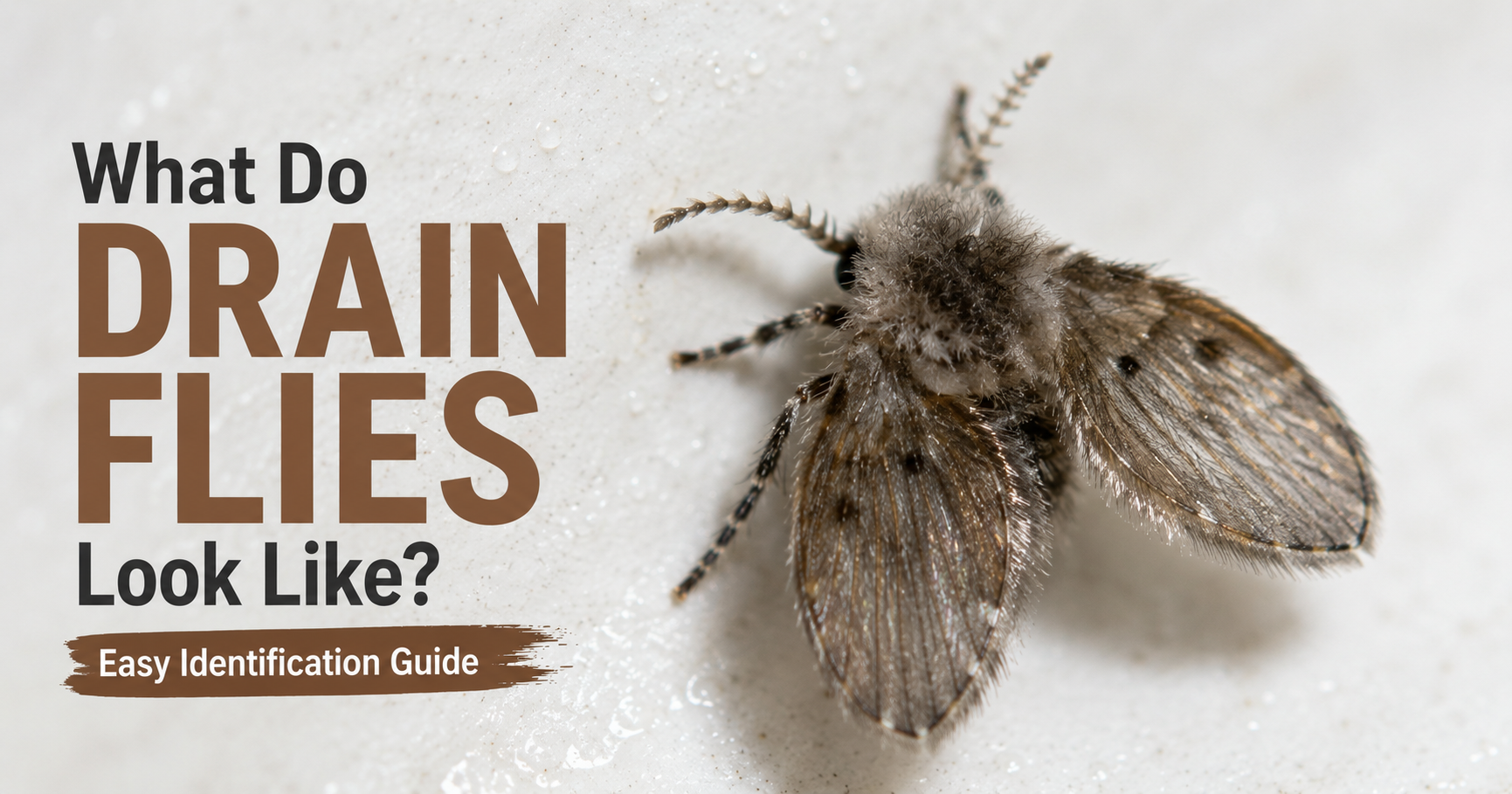
House flies may emerge from forgotten garbage or other organic material, while drain flies often complete their life cycle inside the organic buildup coating sink or floor drains. Fruit flies frequently develop in overlooked food sources tucked away in pantries or beneath appliances.
That’s why I never focus only on entry points.
I also spend time asking whether the flies actually originated indoors.

Understanding why flies can suddenly appear overnight helps explain why it sometimes seems like they’re getting in when they’re actually emerging from somewhere inside the home.
I Like to Reduce the Number Coming Inside While I Seal Entry Points
Even after I find where flies are getting in, I don’t expect them to disappear immediately.
There are usually still adults flying around outside looking for a way indoors.

While I’m repairing screens or sealing gaps, I often hang the Rescue! Outdoor Disposable Fly Trap away from doors, patios, and windows. I’ve found it does a great job of reducing the number of flies around the house while I work on the permanent solution.

If a few flies have already made it inside, they almost always end up on the brightest windows in the house. That’s where I’ve had the best luck using the products I discussed in my honest review of window fly traps because they continue catching flies without requiring constant attention.


Keeping Flies Out Is Usually Easier Than Fighting Them Later
One thing I’ve learned is that preventing flies from entering is much easier than dealing with an established infestation.
A five-minute inspection around the outside of the house can often reveal damaged screens, worn weather stripping, loose vent covers, or other small openings that have gone unnoticed for years.
Fixing those problems doesn’t just help with flies.
It can also reduce the number of other insects finding their way indoors.
Combined with removing whatever attracts flies in the first place, sealing entry points is one of the most effective long-term strategies I’ve found.
Frequently Asked Questions
Can flies get into my house through tiny cracks?
Yes. Many fly species only need a very small opening to enter. Torn window screens, worn weather stripping, attic vents, utility penetrations, and gaps around doors are all common entry points I inspect.
Why do I keep getting flies even though I never leave the door open?
If doors and windows stay closed, I start looking for damaged screens, gaps around vents or utility lines, or the possibility that the flies are actually developing somewhere inside the home.
Can flies come through air vents?
Household HVAC vents are uncommon entry points, but attic vents, crawl-space vents, and other exterior ventilation openings can certainly allow flies inside if their protective screens are damaged or missing.
How do I know if flies are coming from outside or breeding inside?
I look at the species first, then the numbers. A few random flies may simply be entering from outdoors, while a steady stream of new flies usually tells me there’s an active breeding source somewhere that still needs to be found.
What’s the best way to stop flies from getting inside?
The best results come from combining good sanitation with exclusion. Remove anything attracting flies, repair damaged screens, seal exterior gaps, and reduce the outdoor fly population before they ever reach your doors and windows.
About the Author
Mark Sullivan has spent years helping homeowners solve persistent fly problems by tracking insects back to both their breeding sites and their entry points. He believes the most effective fly control starts long before a fly ever makes it into your home.