
Finding tiny bugs that jump around your bathroom or basement is enough to make almost anyone uneasy.
For many homeowners, the first concern is simple:
Can they bite me?
It’s an understandable question.
After all, the insects most people confuse with springtails, especially fleas, are well known for biting both people and pets.
Fortunately, springtails are completely different.
Despite their ability to jump, springtails do not bite people or animals. They’re tiny moisture-loving arthropods that feed on fungi, mold, algae, bacteria, and decaying organic matter. Humans and pets simply aren’t on the menu.
The Short Answer
No.
Springtails do not bite.
They don’t:
- Bite people.
- Bite dogs.
- Bite cats.
- Feed on blood.
- Live on humans.
- Live on pets.
Although homeowners frequently mistake them for fleas because they jump, springtails behave very differently and aren’t considered biting pests.
Why Do People Think Springtails Bite?
The confusion almost always starts with one simple observation.
They jump.
Most homeowners immediately associate jumping bugs with fleas.
That’s a reasonable assumption because fleas are one of the few common household pests that leap impressive distances.
But that’s where the similarities end.
Unlike fleas, springtails aren’t parasites.
They don’t survive by feeding on animals.
Instead, they’re tiny scavengers that spend their lives in damp environments feeding on fungi and decaying organic matter.
If They Don’t Bite, Why Do Some People Think They Do?
There are several reasons.
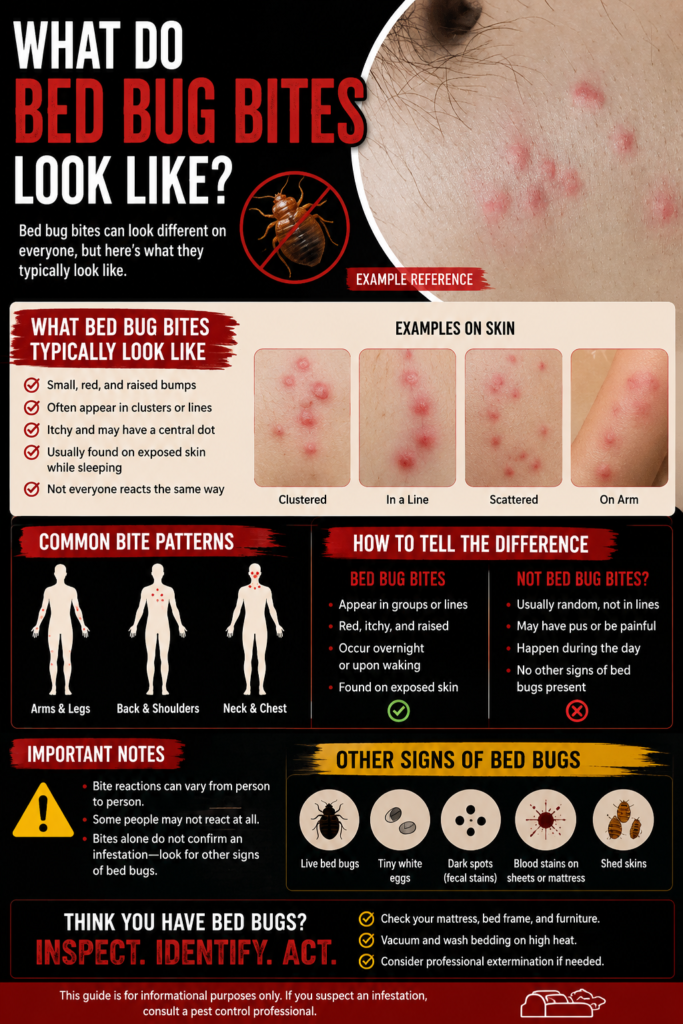
Sometimes homeowners discover springtails around the same time they’re already experiencing itchy skin from something completely unrelated. When itchy skin is part of the confusion, bed bug bites explains why appearance alone is not enough for identification.
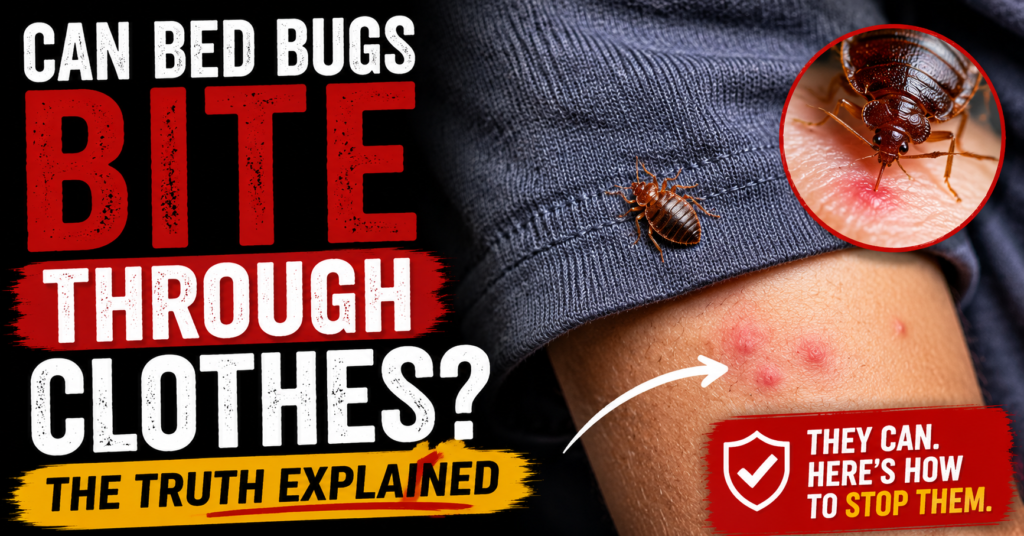
Other times, they’re actually dealing with fleas, mosquitoes, biting mites, bed bugs, or another pest while also noticing springtails nearby. If bed bugs may be responsible for the irritation instead, bed bug bites explains how they reach sleeping people and why extra clothing may not prevent bites.
It’s easy to assume the tiny jumping bugs are responsible when they’re simply in the wrong place at the wrong time.
Another possibility is simple skin irritation.
People working around mold, insulation, fiberglass, dust, or certain plants sometimes develop itching that has nothing to do with insects.
Because springtails are often found in damp environments where mold is present, it’s understandable why the two become associated.
What Do Springtails Actually Eat?
Springtails have a surprisingly helpful role outdoors.
Instead of feeding on animals, they consume:
- Mold.
- Mildew.
- Fungi.
- Algae.
- Bacteria.
- Decaying leaves.
- Organic debris.
By breaking down this material, they help recycle nutrients back into the soil.
That’s one reason they’re considered beneficial in natural environments.

Why They’re Commonly Mistaken for Fleas
Springtails and fleas share one obvious characteristic.
They both jump.
Beyond that, they’re very different.
Fleas:
- Bite people and pets.
- Feed on blood.
- Live on animals.
- Are usually associated with carpets and pets.
Springtails:
- Don’t bite.
- Don’t feed on blood.
- Prefer damp environments.
- Feed on fungi and decaying organic matter.
If the tiny jumping bugs you’re seeing are gathered around sinks, basements, houseplants, or damp windows instead of pets or carpeting, springtails are much more likely.
What If Something Is Biting You?
If you’re waking up with bites or your pets are scratching constantly, I wouldn’t blame springtails.
I’d start looking for other possibilities such as:
- Fleas.
- Bed bugs.
- Mosquitoes.
- Biting midges.
- Chiggers (after outdoor exposure).
- Mites, depending on the situation.
Springtails simply aren’t known to bite humans or pets.

Why Are Springtails Still Showing Up?
If you’re finding lots of springtails, they’re trying to tell you something.
Most indoor springtail problems happen because of:
- High humidity.
- Plumbing leaks.
- Damp basements.
- Wet crawl spaces.
- Overwatered houseplants.
- Poor drainage.
Instead of worrying about bites, I’d focus on correcting the moisture that’s attracting them.

If you haven’t already, my How to Get Rid of Springtails Step-by-Step Guide explains exactly where to look and what to do.
My Advice
I completely understand why people think springtails bite.
They’re tiny.
They jump.
They often appear in large numbers.
On paper, they sound a lot like fleas.
Fortunately, they’re one of the few household pests you don’t have to worry about biting your family or your pets.
If springtails are showing up in your home, I’d spend far more time looking for excess moisture than looking for bite marks.


Frequently Asked Questions
Can springtails bite humans?
No. Springtails do not bite humans and aren’t known to feed on blood or skin.
Can springtails bite dogs or cats?
No. Springtails don’t bite pets and aren’t parasites. If your pet is scratching, another pest such as fleas is a much more likely cause.
Why do springtails jump if they don’t bite?
They use a spring-like structure called a furcula to escape predators, not to attack people. Jumping is simply their primary defense mechanism.
What should I do if I keep finding springtails?
The best solution is to eliminate the moisture that’s attracting them. Repair leaks, lower humidity, improve ventilation, and dry damp areas to make your home less inviting.
What bug is commonly mistaken for springtails?
Fleas are the most common look-alike because both insects jump. The difference is that fleas bite and feed on blood, while springtails feed on fungi and organic matter and are harmless to people.
About the Author
Emily Carter is a home pest prevention specialist with more than 14 years of experience helping homeowners identify moisture-related pest problems. She focuses on practical, science-backed solutions that address the conditions attracting insects instead of relying on unnecessary pesticide treatments.