
If you’ve ever had a mayfly land on your arm or watched hundreds of them flying around your porch light, you’ve probably wondered one thing.
Can they bite?
It’s a completely reasonable question.
They have long bodies.
Large wings.
Thread-like tails.
When dozens or even hundreds suddenly appear around your house, it’s easy to assume they might be capable of biting or stinging.
The good news is that mayflies are among the most harmless insects you’ll ever encounter.
In fact, most adult mayflies aren’t physically capable of biting anyone at all.
Understanding why requires taking a closer look at their unusual biology and one of the shortest adult lifespans in the insect world.
The Short Answer
No.
Adult mayflies do not bite people.
They don’t sting.
They don’t suck blood.
They don’t inject venom.
They don’t feed on people or pets.
In fact, most adult mayflies don’t feed on anything at all.

By the time they become winged adults, their mouthparts are greatly reduced and no longer function for eating. Their only purpose is to mate and reproduce before dying a short time later. Understanding their mayfly appearance and life cycle makes their harmless adult behavior easier to recognize.

That alone makes them very different from mosquitoes, horse flies, deer flies, and other insects that actively seek out humans.
Why Can’t Adult Mayflies Bite?
This is one of the most fascinating things about mayflies.
Most adult insects spend part of their lives feeding.
Mayflies don’t.

After spending months or even years underwater as aquatic nymphs, they emerge as winged adults carrying all the energy they’ll ever need. That transition is one part of the broader mayfly development timeline.
Instead of continuing to eat, every bit of that stored energy goes toward:
- Flying.
- Finding a mate.
- Reproducing.
- Laying eggs.
Because of that, adult mayflies have only vestigial mouthparts, meaning the mouth structures are no longer functional.
They simply aren’t built to chew, pierce skin, or feed.
When I first learned that, it completely changed how I looked at them.
They aren’t flying around looking for food.
They’re racing against time to complete the final stage of their lives.

What About Mayfly Nymphs?
This is where a little confusion sometimes starts.
Unlike the adults, mayfly nymphs do have functional chewing mouthparts.
But that doesn’t mean they bite people.
Mayfly nymphs spend nearly their entire lives underwater, where they feed on algae, decaying organic matter, and tiny particles drifting through streams and lakes. A few species are predators of very small aquatic organisms, but even those are not adapted to biting people.
Unless you’re turning over rocks in a stream and handling aquatic insects directly, you’ll probably never even see this stage of their life cycle.
And even if you do, they’re not interested in your hands or feet.
Why Do People Think Mayflies Bite?
I think there are several reasons.
First, mayflies often emerge in enormous swarms.
When dozens are landing on your arms, face, or clothing, it can feel like you’re being attacked.
In reality, they’re simply colliding with you while flying toward lights or searching for mates.
Second, mayflies are often confused with insects that actually do bite.
I’ve heard people mistake them for:
- Mosquitoes.
- Crane flies.
- Midges.
- Flying ants.
- Caddisflies.
Finally, when someone gets bitten outdoors, it’s easy to blame the most visible insect.
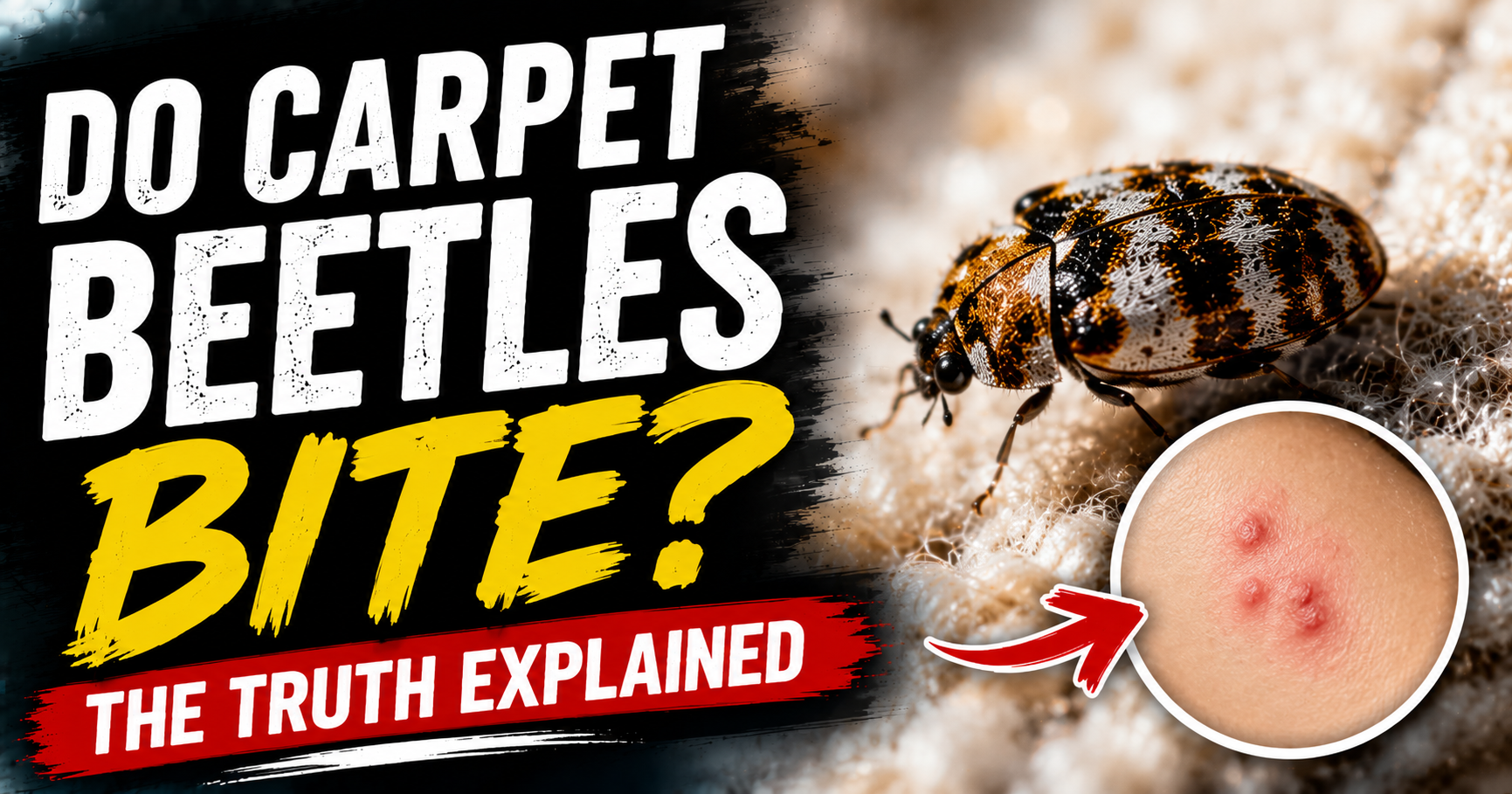
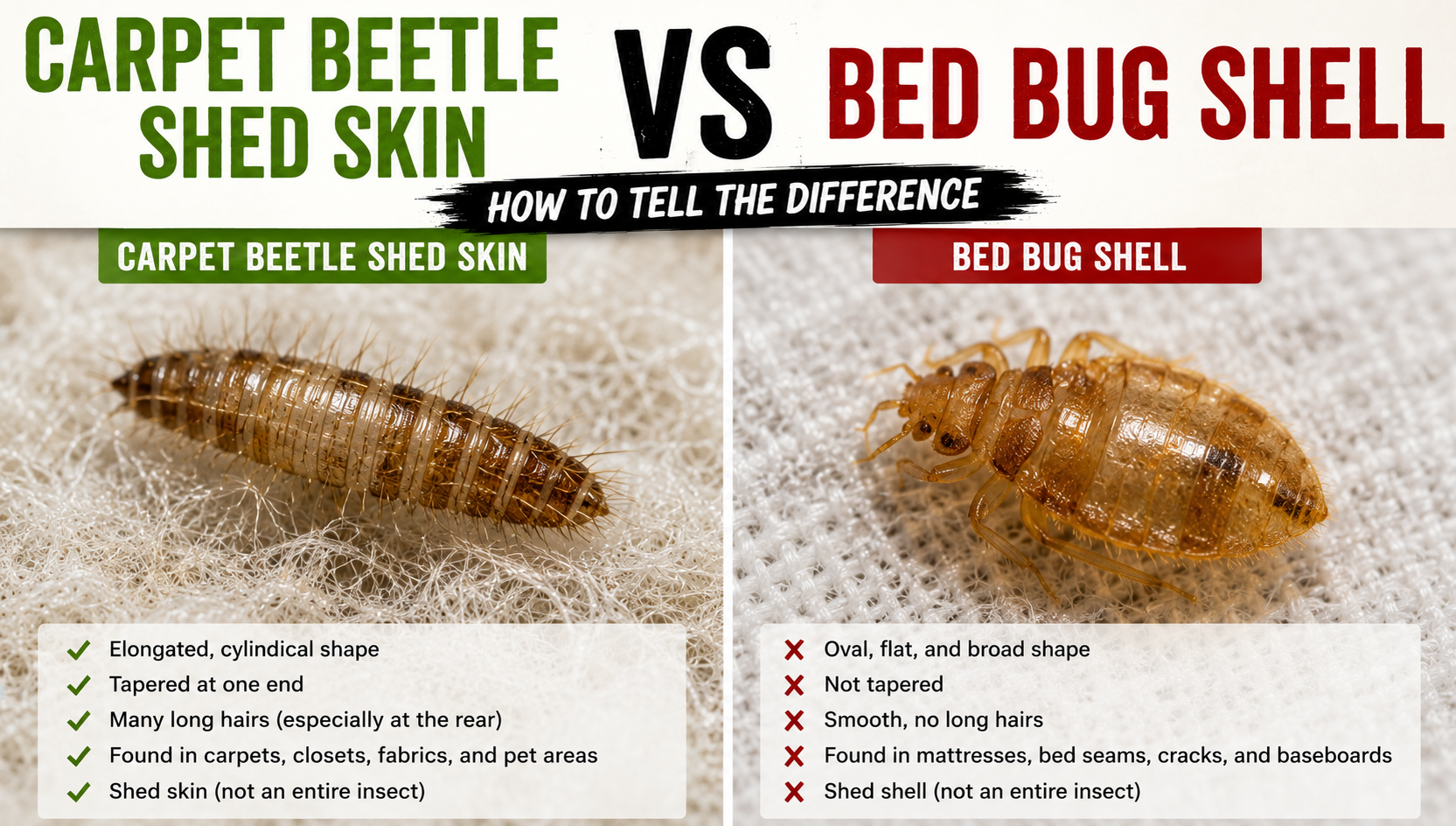
The real culprit is often something much smaller, like a mosquito or biting midge, while harmless mayflies just happen to be flying nearby. If the suspected insect is a carpet beetle, carpet beetles can cause irritation explains why larvae can cause irritation without biting.


What Happens if a Mayfly Lands on You?
Usually…
Nothing.
If a mayfly lands on your arm, shirt, or hat, it’ll often sit there for a few seconds before flying away again.
Sometimes they’ll crawl briefly while getting their footing.
Since they can’t bite or sting, the worst thing you’re likely to experience is the slight tickle of tiny feet walking across your skin.
I simply brush them off gently or let them fly away on their own.
They’re completely harmless visitors.
Can Mayflies Sting?
No.
This is another common misconception.
Mayflies don’t have stingers.
Unlike bees, wasps, or certain ants, they have no venom apparatus and no way to inject venom into people or pets.
If you’ve had one flying around your head or bumping into you repeatedly, it may have felt aggressive.
In reality, it was probably just confused by nearby lights or caught in a swarm of other mayflies.
They’re incapable of stinging, even if they wanted to. (mdc.mo.gov)

Are Mayflies Dangerous to Pets?
No.
If a dog chases one across the yard or a cat catches one on the porch, there’s generally nothing to worry about.
Mayflies don’t:
- Bite dogs.
- Bite cats.
- Sting pets.
- Carry venom.
- Feed on animals.
At worst, an overly curious pet might accidentally eat a few mayflies.
For healthy dogs and cats, that usually isn’t harmful because mayflies are simply insects without toxins or venom.
Of course, if a pet eats an unusually large number of insects or develops vomiting or other unusual symptoms afterward, it’s always best to contact your veterinarian.
Can Mayflies Spread Diseases?
Fortunately, no.
Unlike mosquitoes, ticks, or some species of flies, mayflies aren’t known for transmitting diseases to humans or pets.
That’s because adult mayflies don’t feed on blood.
Without feeding on multiple hosts, they don’t act as disease vectors the way mosquitoes can.
Although they emerge from freshwater, they’re considered nuisance insects rather than medically important pests. (webmd.com)


Why Do They Keep Flying Into Me?
This is probably the behavior people mistake for biting more than anything else.
If you’ve ever stood outside during a mayfly hatch, you’ve probably had several bounce off your face, arms, or shirt.
It can feel like they’re attacking you.
They’re not.
Mayflies are fairly clumsy fliers compared to insects like dragonflies.
During large mating swarms, they’re focused on finding mates, navigating by light, and avoiding obstacles.
Sometimes you simply happen to be standing in the middle of all that activity.
To the mayfly, you’re just another object in its flight path.
What Should You Do if One Lands on You?
Honestly…
Nothing.
I usually just let it crawl onto my finger or gently brush it away.
There’s no reason to panic.
Since it can’t bite or sting, there’s no medical concern from letting one rest on your hand for a few seconds.
If anything, it’s an opportunity to get a closer look at one of nature’s most interesting insects before it flies away.

Are There Any Risks From Large Mayfly Swarms?
The insects themselves aren’t dangerous.
However, enormous hatches can create a few temporary inconveniences.
Large numbers of dead mayflies may:
- Cover sidewalks.
- Make decks slippery when wet.
- Accumulate beneath lights.
- Produce an unpleasant odor if left in large piles.
- Attract scavengers such as birds and spiders.
These issues are more about cleanup than health.
Most swarms disappear naturally within a few days as the adults complete their life cycle. (webmd.com)
Insects Commonly Mistaken for Biting Mayflies
When someone tells me a mayfly bit them, I usually start thinking about what other insects were flying around at the same time.
Common possibilities include:
- Mosquitoes.
- Biting midges.
- Black flies.
- Deer flies.
- Horse flies.
- Gnats.
Several of these insects are active near the same bodies of water where mayflies emerge.
That makes it easy to blame the wrong insect when a bite suddenly appears.
Frequently Asked Questions
Can mayflies bite humans?
No. Adult mayflies can’t bite people because their mouthparts are greatly reduced and aren’t designed for feeding. (mdc.mo.gov)
Can mayflies sting?
No. Mayflies don’t have stingers or venom and are completely harmless to people and pets. (mdc.mo.gov)
Why do mayflies keep landing on me?
They’re often attracted to lights and can be poor fliers during large mating swarms. Landing on people is usually accidental, not aggressive behavior.
Can mayflies make you sick?
No. They’re not known to spread diseases to humans or pets because they don’t feed on blood. (webmd.com)
Should I kill mayflies if they’re around my house?
Usually there’s no need. Adult mayflies live only a short time, don’t bite, and don’t infest homes. Most swarms disappear naturally within a day or two.
About the Author
Dr. Emily Carter is a freshwater ecologist specializing in aquatic insects and river ecosystems. She has spent years studying the life cycles and behavior of mayflies and other freshwater insects, helping homeowners better understand why these fascinating creatures appear around homes and why they’re almost always far less concerning than they first seem.