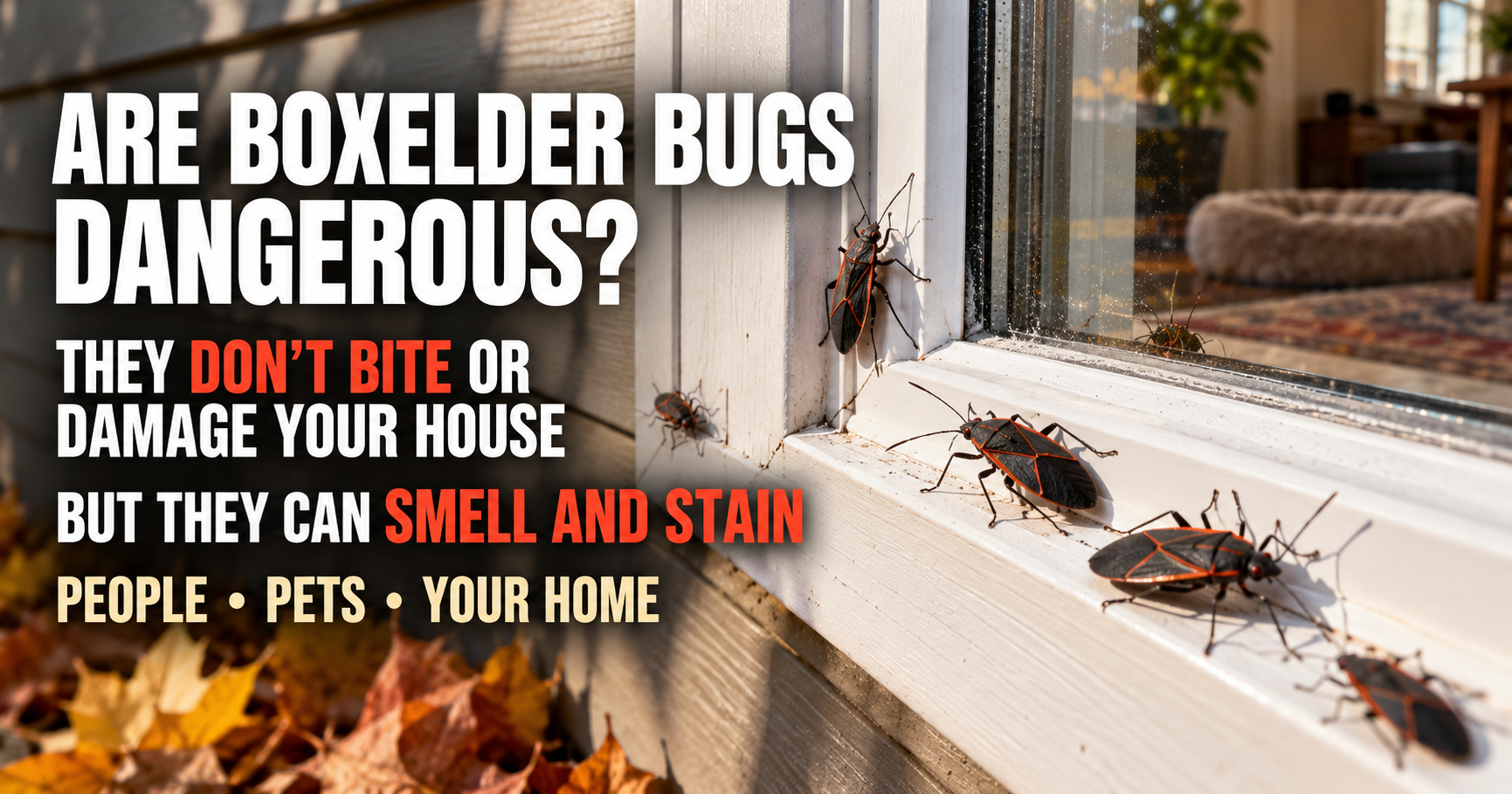
Boxelder bugs can look much more serious than they are. When a sunny wall is covered in hundreds of black-and-red bugs, or they begin appearing around window sills indoors, it is easy to wonder whether they bite, carry disease, hurt pets, or signal a real infestation.
The short answer is no. Boxelder bugs are not dangerous to people, pets, or the structure of your home. They are nuisance pests. Their biggest problems are the sheer number that can gather around a house, the stains they can leave when crushed or when they defecate, and the annoyance of finding them indoors when you thought you had your house sealed up.
Are Boxelder Bugs Dangerous to People?
Boxelder bugs are not dangerous to people. They do not sting, are not known to spread disease in homes, and do not seek people out to bite them.
They have piercing-sucking mouthparts because they feed on plant material, especially seeds and soft tissues around boxelder and maple trees. That does not make them a blood-feeding insect. They are nothing like mosquitoes, fleas, ticks, kissing bugs, or bed bugs.
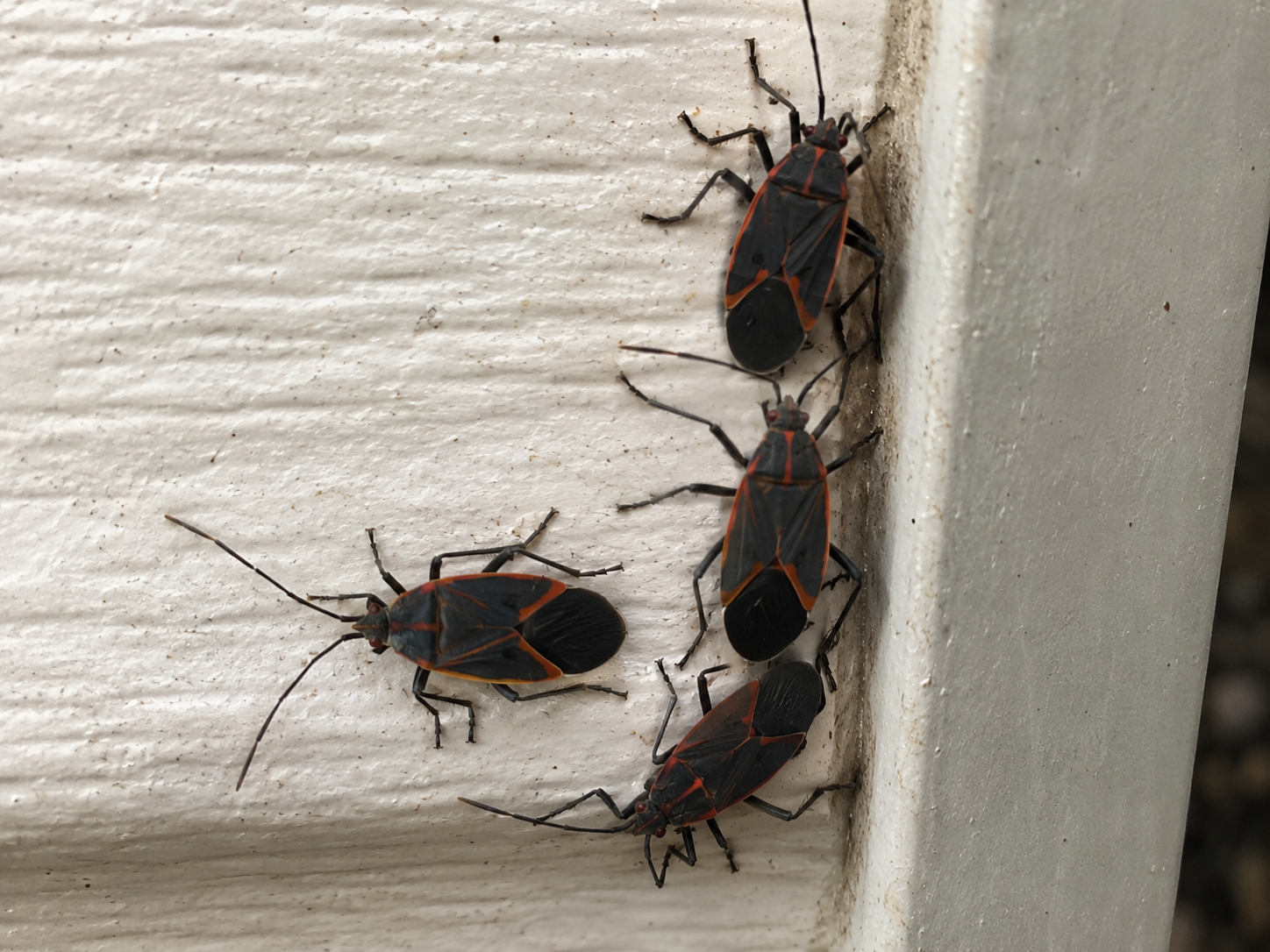
If one lands on your shirt or crawls across your arm, it is simply looking for a place to go. I would brush it off or let it crawl onto a piece of paper and carry it outside. There is no reason to panic or spray yourself with insect repellent.


Do Boxelder Bugs Bite?
Boxelder bugs are not considered biters. In rare situations, a bug may probe skin when trapped against someone or handled roughly, but that is not normal behavior and it is not a meaningful health concern.
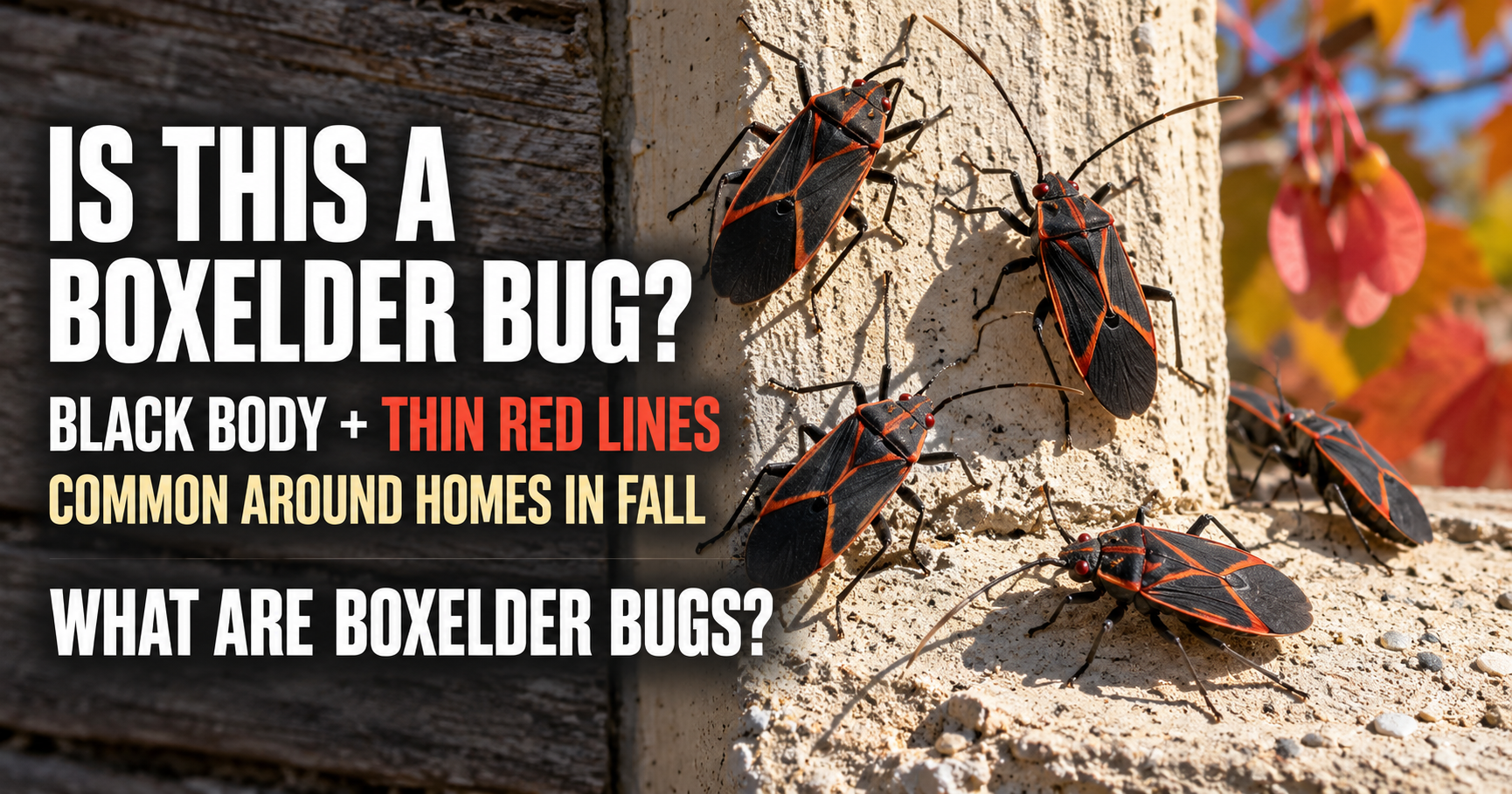
A small red-and-black bug found indoors is also easy to misidentify. If you have seen a bug that repeatedly bites people, leaves a painful welt, or looks unlike the flat, narrow boxelder bug, do not assume it is the same insect. Use this boxelder bug identification guide to compare the body shape and markings before deciding what you have.


Can Boxelder Bugs Sting?
No. Boxelder bugs do not have a stinger.
People sometimes confuse them with wasps because both can gather around homes in late summer and fall. The difference is important. A boxelder bug cannot sting you, defend a nest by attacking, or inject venom.
If you get a sudden painful sting near a house, shed, eave, deck, or tree, look for a wasp, yellow jacket, hornet, bee, or another stinging insect instead.
Are Boxelder Bugs Dangerous to Dogs or Cats?
Boxelder bugs are not considered dangerous to dogs or cats. A pet may paw at one, sniff it, or even eat one without a serious problem in most cases.
That said, I would still keep pets from repeatedly chewing on any insect. Crushed bugs can have an unpleasant taste, and eating several may cause mild stomach upset in a sensitive pet simply because they are foreign material.
The bigger practical concern is pesticide exposure, not the bug itself. If you decide to use a labeled outdoor product around an active gathering area, keep pets away until the label says the treated surface is dry and safe to reenter.
Call your veterinarian if your pet has persistent vomiting, trouble breathing, unusual weakness, or has gotten into a pesticide product. Those symptoms deserve attention regardless of which insect was nearby.

Do Boxelder Bugs Carry Disease?
Boxelder bugs are not known to spread disease to people through household contact. They are not parasites and they do not live by feeding on blood.
That does not mean they are something you want crawling across kitchen counters or stored linens. Like any insect that has been outdoors, they can track in dirt and leave droppings. The normal response is simple cleanup, not fear of disease.
Vacuum them from window sills, wipe hard surfaces with a household cleaner, and wash any fabric that has visible stains. There is no need to disinfect your entire home because a few boxelder bugs showed up.
Can Boxelder Bugs Cause an Infestation Inside?
They can create a frustrating indoor nuisance, but they do not establish a breeding infestation in the living parts of a house.
Adult boxelder bugs gather outside in fall and slip through cracks into wall voids, attics, garages, and other sheltered spaces to overwinter. On warm days, house heat can wake some of them up. They then crawl toward light and show up at windows, ceilings, or interior walls.
That is why someone may see a few bugs in December, then several more during a sunny stretch in February or March. It is not a new generation hatching in the bedroom. It is the same seasonal shelter problem making itself visible.



Are Boxelder Bugs Dangerous to Your House?
Boxelder bugs do not chew wood, insulation, wiring, drywall, furniture, clothing, books, or stored food. They do not tunnel through framing or weaken a house the way termites and carpenter ants can.
They can, however, leave their mark in a different way. When crushed, their bodies may stain light-colored walls, curtains, upholstery, and trim. Their droppings can also leave dark spots, especially where large groups sit around windows and siding.
That is why I avoid smashing them against walls or curtains. Vacuuming or gently sweeping them up is cleaner and faster than scrubbing stains later.
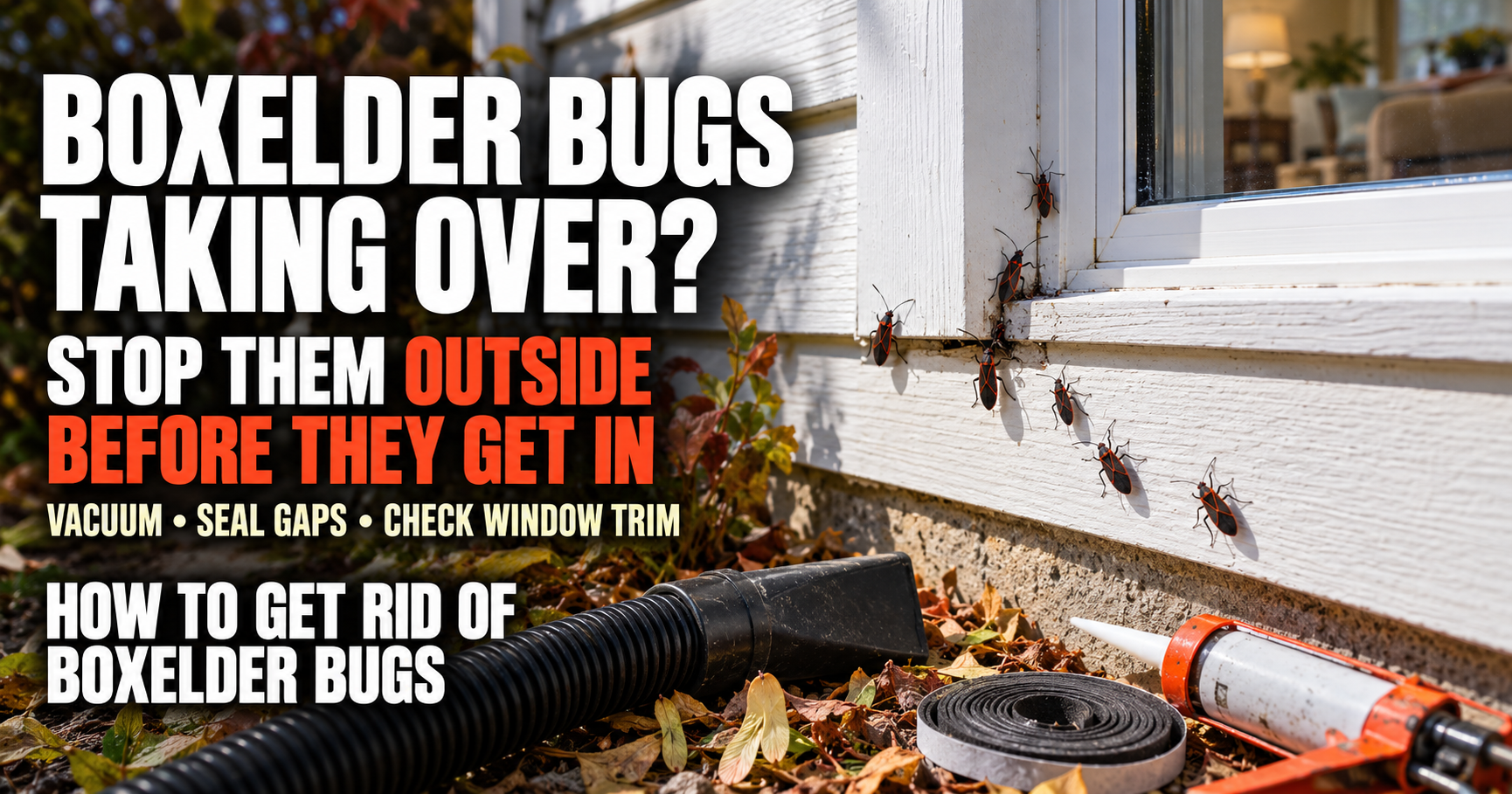
For a full plan to remove them and stop the repeat entry points, see how to get rid of boxelder bugs in your house and outside.
Why Are They Covering the Side of My House?
A large group on the outside wall can look alarming, but the bugs are attracted to warmth and shelter, not trying to eat the home.
South- and west-facing walls often get the strongest sun. Boxelder bugs gather there in fall, then look for cracks around siding, window trim, utility lines, doors, vents, and foundations. A wall covered with bugs is useful information because it points to the areas where you should inspect for gaps.
They may also collect behind shutters, beneath loose siding, around garage doors, and under deck trim. Those protected spaces help them avoid cold weather and wind.

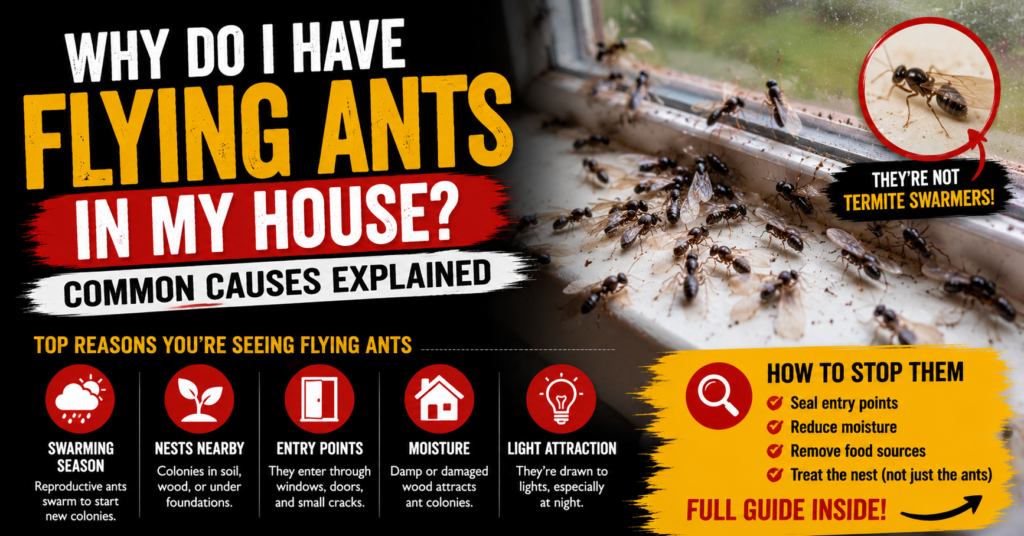

Do Boxelder Bugs Damage Trees?
Boxelder bugs feed on boxelder trees and can also use maples, ash trees, and certain other plants. They feed most heavily around seeds, seed pods, and tender plant tissues.
On healthy landscape trees, they rarely cause meaningful damage. You may notice some feeding, but it is not usually a reason to treat a mature tree. Their presence does not mean the tree is dying, diseased, or about to fall.
A tree with yellowing leaves, branch dieback, holes in the trunk, peeling bark, or heavy sap flow has a problem worth investigating, but boxelder bugs are unlikely to be the main cause.
Do They Damage Vegetable Gardens or Fruit Trees?
Boxelder bugs can occasionally feed on fruit and some garden plants, but they are not usually a major vegetable-garden pest. A few on a tomato plant or fruit tree do not call for an emergency spray.
If you see widespread holes in leaves, stripped foliage, fruit with deep chewing damage, or clusters of caterpillars, another pest is more likely responsible. Boxelder bugs do not chew leaves into ragged pieces.
I would identify the actual damage before treating a garden. Spraying broad insecticides just because boxelder bugs are nearby can harm pollinators and beneficial insects while missing the real pest.


Are Boxelder Bugs Worse Than Stink Bugs?
Neither insect is dangerous, but they create different kinds of frustration.
Stink bugs can produce a strong odor when disturbed or crushed. Boxelder bugs are more likely to stain surfaces when crushed or when they leave droppings. Both can gather around homes in fall and sneak into wall voids, but their appearance and behavior are different.
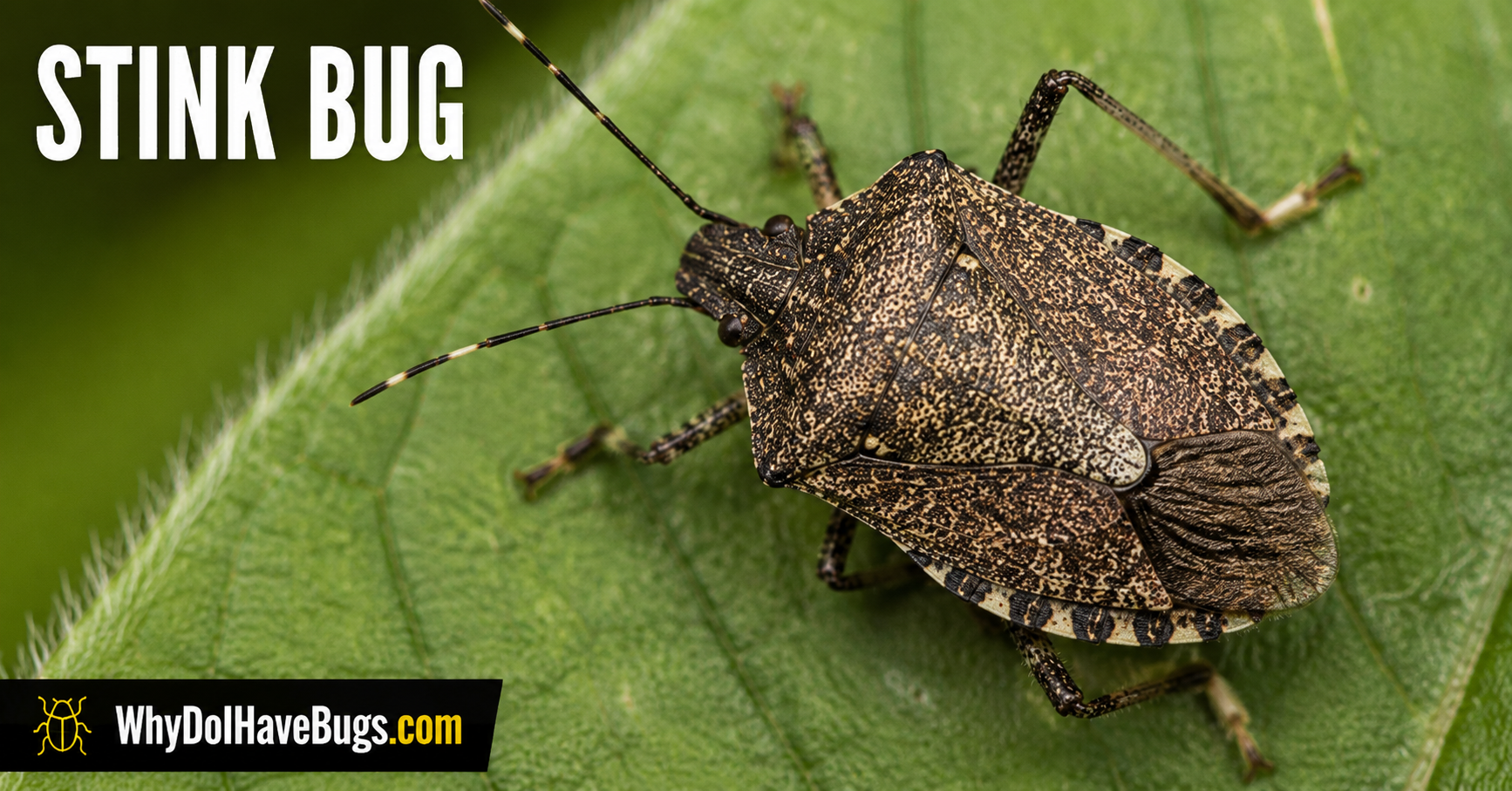
If the insects are shield-shaped and mottled brown rather than slender black with red lines, compare them with this easy stink bug identification guide. The correct identification helps you avoid treating the wrong pest.
Can Boxelder Bugs Make You Sick?
No. Simply seeing boxelder bugs in a house does not make people sick.
Someone with insect sensitivities could potentially be irritated by dust, bug debris, or a large buildup in a confined area, but that is not the same as boxelder bugs being medically dangerous. Normal vacuuming and household cleaning are enough for the typical home situation.
If someone develops a rash, breathing problem, swelling, or another significant symptom after exposure to insects, it is smart to speak with a medical professional. Do not assume a boxelder bug caused it, especially if there could have been a sting, pesticide exposure, or another insect involved.
Are Boxelder Bugs Dangerous Because They Come Back Every Year?
No, but repeat appearances mean your home has a seasonal access point worth finding.
The bugs may return because nearby trees support them, but they are able to become an indoor nuisance only when they find gaps in the structure. The long-term answer is not chasing every individual bug. It is improving weatherstripping, repairing screens, sealing appropriate cracks, and keeping debris from building up near the foundation.
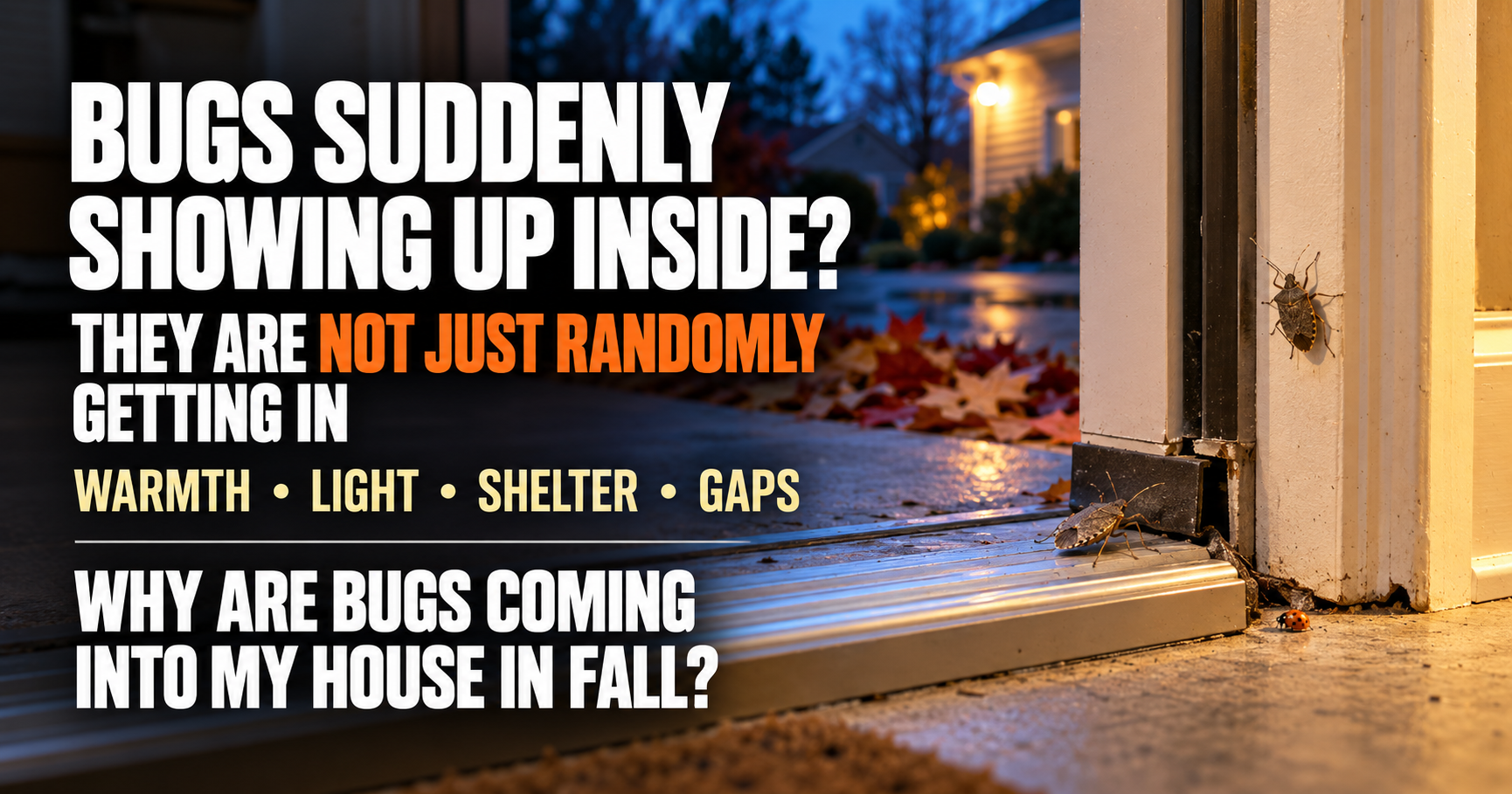
That same work helps with other fall invaders too. Fall bugs coming indoors often use the same doors, utility openings, siding gaps, and damaged screens.
When Should You Take Boxelder Bugs Seriously?
I would take action when the number becomes a nuisance, when you see them repeatedly inside, or when large groups are gathering along exterior walls before fall weather settles in.
The bug itself is not dangerous, but a heavy recurring problem is worth addressing before more of them find protected spaces in your walls, attic, or garage. Vacuum the ones inside, clean the places where they gather, and focus on exclusion before relying on sprays.
Call a pest professional if you are dealing with overwhelming numbers, inaccessible exterior gaps, or bugs emerging from several areas despite sealing the obvious entry points. A good inspection should focus on where they are getting in, not just on killing the bugs visible that day.
Are boxelder bugs dangerous if you touch them?
No. You can safely brush one off your clothing or remove it with a tissue, cup, or piece of paper. They do not sting and are not a meaningful biting risk.
Can boxelder bugs hurt a baby?
No. They are not dangerous to babies, but I would still remove bugs from cribs, play areas, and floors so a child does not pick one up or put it in their mouth.
Do boxelder bugs lay eggs in houses?
No. They do not normally reproduce in the living areas of a home. Indoor bugs are usually adults that entered from outside while looking for protected winter shelter.
Will boxelder bugs destroy my siding?
No. They do not eat siding, wood, insulation, or wiring. Their main household damage is staining when they are crushed or when many gather in one spot.
Should I worry if my dog ate a boxelder bug?
Usually no. Watch for mild stomach upset, but a single bug is not generally dangerous. Contact a veterinarian if your dog ate a pesticide product or has ongoing concerning symptoms.
Are boxelder bugs dangerous in a garden?
Usually not. They can feed on plants, but they are rarely a major garden pest. Check for the actual cause before spraying, especially if you see leaf chewing or serious fruit damage.
Caleb Warren writes practical pest guides for WhyDoIHaveBugs.com, helping homeowners separate a real pest threat from an unsettling but manageable nuisance.