One of the biggest mistakes I see homeowners make is assuming every tiny fly in the bathroom is a fruit fly. A broader comparison can help when the insect may be a fungus gnat rather than a fruit fly or drain fly; use this guide to identify tiny flying insects.
A lot of the time, it isn’t.
More often than you’d think, it’s actually a drain fly.
I’ve had people spend weeks throwing away fruit, cleaning countertops, and replacing garbage bags only to discover the insects had nothing to do with food at all.
They were coming from a completely different place.
That’s why I always start with identification.
If you don’t know what kind of fly you’re dealing with, it’s easy to waste time treating the wrong problem. Before choosing a treatment, review why flies appear indoors so you can investigate the right source.

The First Thing I Notice Is the Wings
Whenever I find a tiny fly in a bathroom or utility room, I look at the wings before anything else.
Drain flies have wings that are completely different from most other flies around the house.
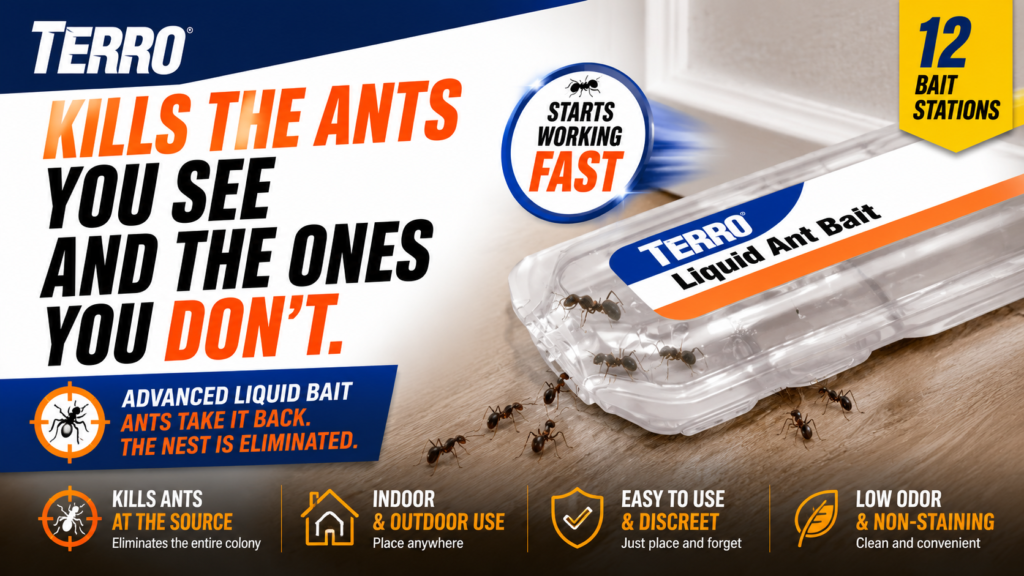
Instead of smooth, clear wings, they have wings covered in tiny hairs.
Those fuzzy wings make them look surprisingly similar to a miniature moth.
In fact, that’s exactly why you’ll sometimes hear people call them moth flies.
If the insect reminds you of a tiny fuzzy moth instead of a typical fly, drain flies immediately move to the top of my list.
They’re Tiny, But They Don’t Look Delicate
Drain flies are small.
Most adults measure around 1/8 inch long, making them similar in size to fruit flies.
The difference is their shape.
Fruit flies have a smoother, rounded appearance.
Drain flies look wider, fuzzier, and almost heart-shaped when they’re resting with their wings spread.
Even without a magnifying glass, that fuzzy outline often stands out once you know what you’re looking for.


Their Color Is Usually Gray or Brown
Unlike metallic blow flies or tan fruit flies, drain flies usually blend into their surroundings.
Most have:
- Gray bodies.
- Brown bodies.
- Dark gray wings.
- Hairy appearance.
- Short, fuzzy legs.
They’re not colorful insects.
They’re built more for hiding than standing out.
They Prefer Walking Over Flying
One thing I’ve noticed every time I’ve dealt with drain flies is how reluctant they are to fly.
House flies zip across the room.
Fruit flies hover around food.
Drain flies often crawl along walls, sinks, and bathroom fixtures before making a short, weak flight.
They’re capable of flying, but they usually don’t travel very far at one time.
That behavior alone often tells me I’m probably not looking at a fruit fly.


Where I Usually Find Drain Flies
Location is one of my biggest clues.
When I think an insect might be a drain fly, these are the first places I expect to find it:
- Bathroom sinks.
- Shower drains.
- Bathtubs.
- Floor drains.
- Basement utility sinks.
- Laundry rooms.
- Utility closets.
- Around sewage ejector pits.
If the insects rarely leave these areas, I become much more confident they’re drain flies instead of another small flying insect.
Drain Flies vs. Fruit Flies
This is probably the comparison I make more than any other.
People constantly mistake one for the other because they’re both tiny and usually found in kitchens or bathrooms.
When I compare them, here’s what stands out.
Drain flies:
- Fuzzy, moth-like wings.
- Gray or brown coloring.
- Weak, short flights.
- Usually found around drains and plumbing.
- Often resting on walls near sinks or showers.
Fruit flies:
- Smooth, rounded bodies.
- Tan or light brown coloring.
- Clear wings.
- Hover around fruit, trash, and recycling.
- More active around food than plumbing.

If you’re seeing tiny flies circling bananas or tomatoes, I’d start with What Do Fruit Flies Look Like? Easy Identification Guide because there’s a good chance they aren’t drain flies at all.

Drain Flies vs. House Flies
These two are much easier to separate.
House flies are several times larger.
They’re stronger fliers.
They move quickly around an entire room.
Drain flies are much smaller and usually stay within a few feet of wherever they’re breeding.
If I see a large gray fly buzzing around the kitchen, I’m thinking house fly.
If I see a tiny fuzzy insect sitting quietly on the bathroom wall, drain fly becomes much more likely.
Where They Spend Their Time Matters
One thing I’ve learned is that drain flies are creatures of habit.
They don’t usually wander throughout the house.
Instead, they stay remarkably close to moisture.
Whenever I’m trying to identify them, I ask myself one question.
Where do I keep finding them?
If the answer is always:
- The same bathroom.
- The basement utility sink.
- A floor drain.
- The laundry room.
- Around a rarely used shower.
…I’m much more confident I’m looking at drain flies.
Location is often just as important as appearance.


They Usually Rest More Than They Fly
This is another behavior I watch for.
House flies rarely sit still for very long.
Fruit flies constantly hover around food.
Drain flies are different.
I’ve often found them quietly resting on:
- Bathroom walls.
- Shower tile.
- The edge of a sink.
- Around drain openings.
- Near plumbing fixtures.
Sometimes they’ll stay there for several minutes before moving only a short distance.
That calm behavior is one of the easiest things to recognize once you’ve seen it a few times.
Don’t Assume Every Bathroom Fly Is a Drain Fly
Here’s a mistake I’ve seen many homeowners make.
They find tiny flies in the bathroom and immediately pour drain cleaner down every drain in the house.
Sometimes that’s exactly what needs to happen.
Sometimes it accomplishes absolutely nothing.
I’ve also found:
- Fruit flies that wandered in from the kitchen.
- Fungus gnats coming from a nearby houseplant.
- Small house flies that simply entered through a window.
That’s why I always identify the insect first.
Treating the wrong pest usually leads to more frustration than progress.

Here’s How I Identify Drain Flies
If I walked into my bathroom tonight and spotted a tiny fly on the wall, here’s what I’d do.
First, I’d look at the wings.
If they appear fuzzy and almost moth-like, that’s a huge clue.
Next, I’d watch how it flies.
Short, weak flights point me toward drain flies.
Then I’d look around the room.
If the insects are staying close to drains, utility sinks, or other plumbing fixtures, my confidence goes up even more.
Finally, I’d compare everything I’m seeing instead of relying on one characteristic.
That’s almost always more accurate than guessing based on size alone.
Once I know they’re drain flies, my next step is figuring out why they’re there, not just trying to swat the adults.
A proper inspection almost always leads to a better solution than treating every drain in the house without knowing the source.
If you’ve confirmed they’re drain flies, the next article I’d read is Why Do I Have Drain Flies? because it explains the first places I inspect and why these insects keep showing up around certain drains while ignoring others.
You can also explore our growing Flies category for more identification guides, product reviews, and practical pest control advice.
Frequently Asked Questions
How big are drain flies?
Most adult drain flies are about 1/8 inch long, making them similar in size to fruit flies but much smaller than house flies.
Why do drain flies look like tiny moths?
Their wings are covered with tiny hairs that give them a fuzzy appearance. That’s why they’re often called moth flies.
Do drain flies fly well?
Not really. They usually make short, weak flights and spend much of their time resting on walls, sinks, or other nearby surfaces.
How can I tell the difference between drain flies and fruit flies?

Drain flies have fuzzy wings and stay close to plumbing fixtures. Fruit flies have smooth bodies, clear wings, and are usually found around fruit, trash, and other food sources. These contrasting features make ways to tell household flies apart a useful reference before deciding where to inspect.
Why is identifying drain flies important?
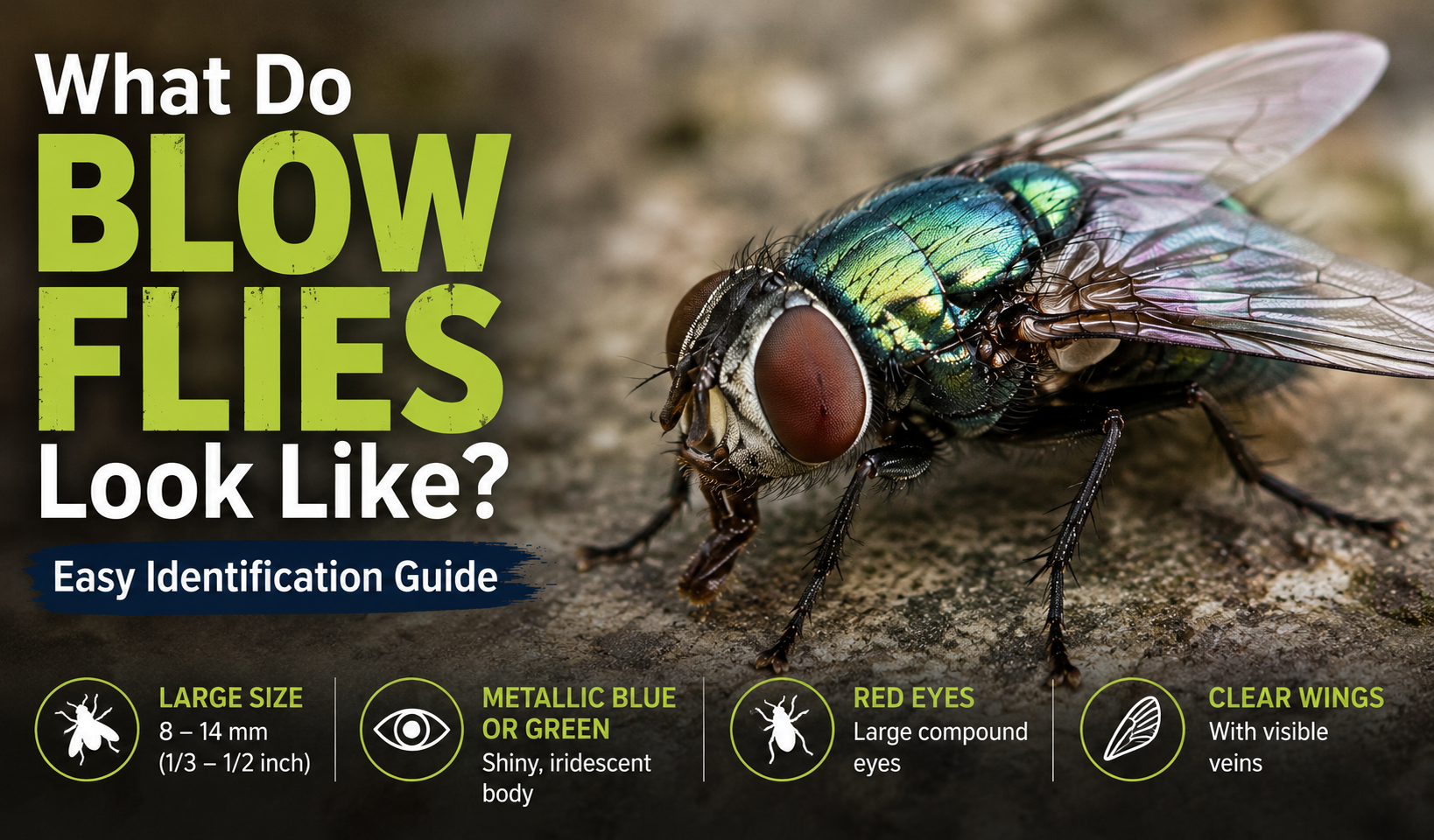
Because the source of the problem is usually very different. Drain flies are commonly associated with organic buildup in plumbing, while fruit flies are attracted to fermenting fruits, vegetables, and sugary organic materials. If the insect does not fit either of those patterns, the blow fly appearance guide can help you compare its color, size, and overall appearance.
About the Author
Mark Sullivan has spent years solving pest problems in homes, garages, workshops, and rural properties. He believes identifying an insect correctly is the foundation of solving the problem because different flies often point to completely different sources.