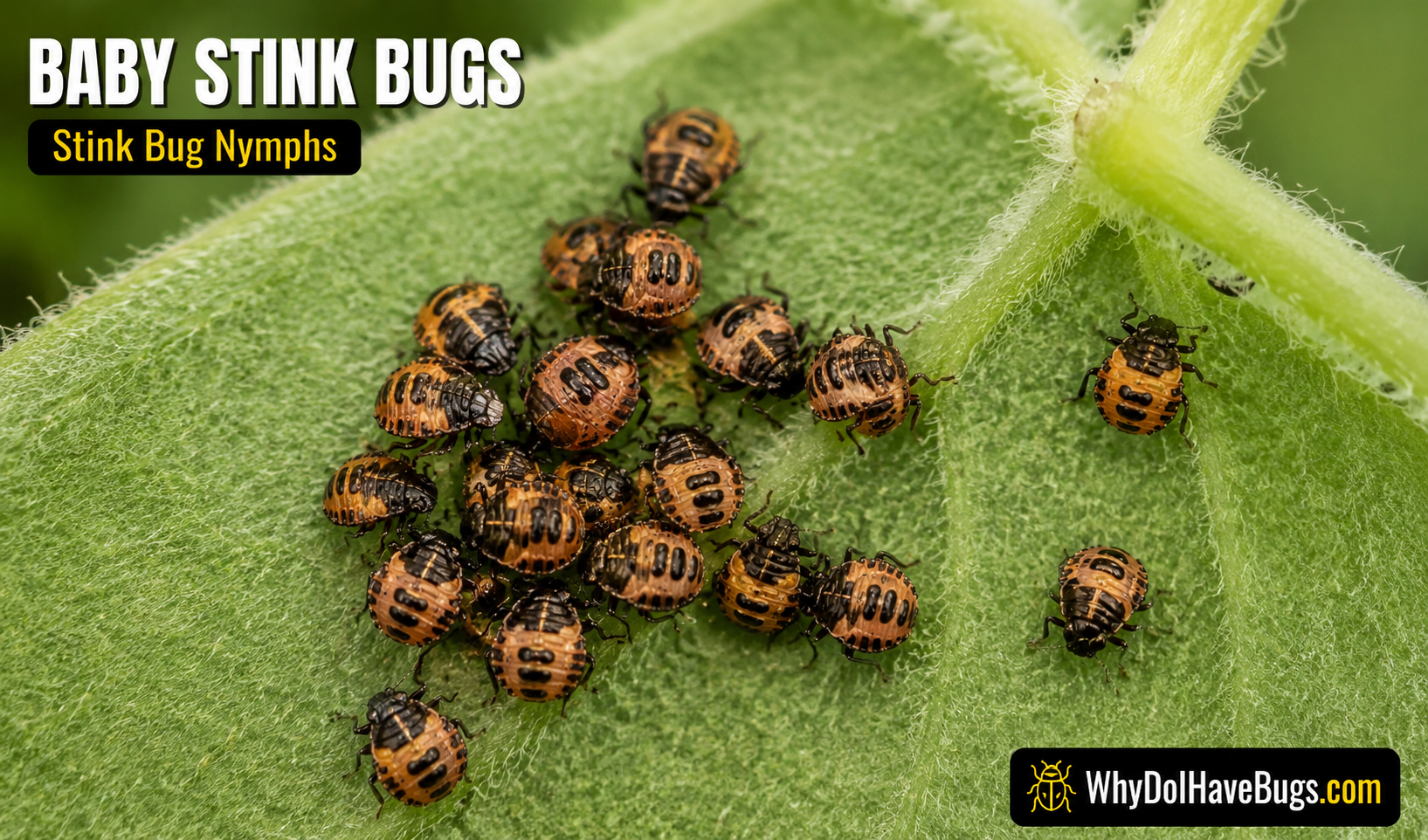
Baby stink bugs can look so different from the adults that most people never realize what they are seeing. Instead of a brown, shield-shaped bug, you may find a small round insect with black, red, orange, cream, or white markings clustered on a leaf. Those colorful little bugs are called nymphs, and they are simply young stink bugs growing toward adulthood.
The easiest clue is the setting. If you find several small, wingless bugs grouped together on a plant, especially close to a recently hatched egg cluster, you may be looking at baby stink bugs.
What Are Baby Stink Bugs Called?
Baby stink bugs are called nymphs. They hatch from eggs and go through five growing stages, called instars, before becoming adults.
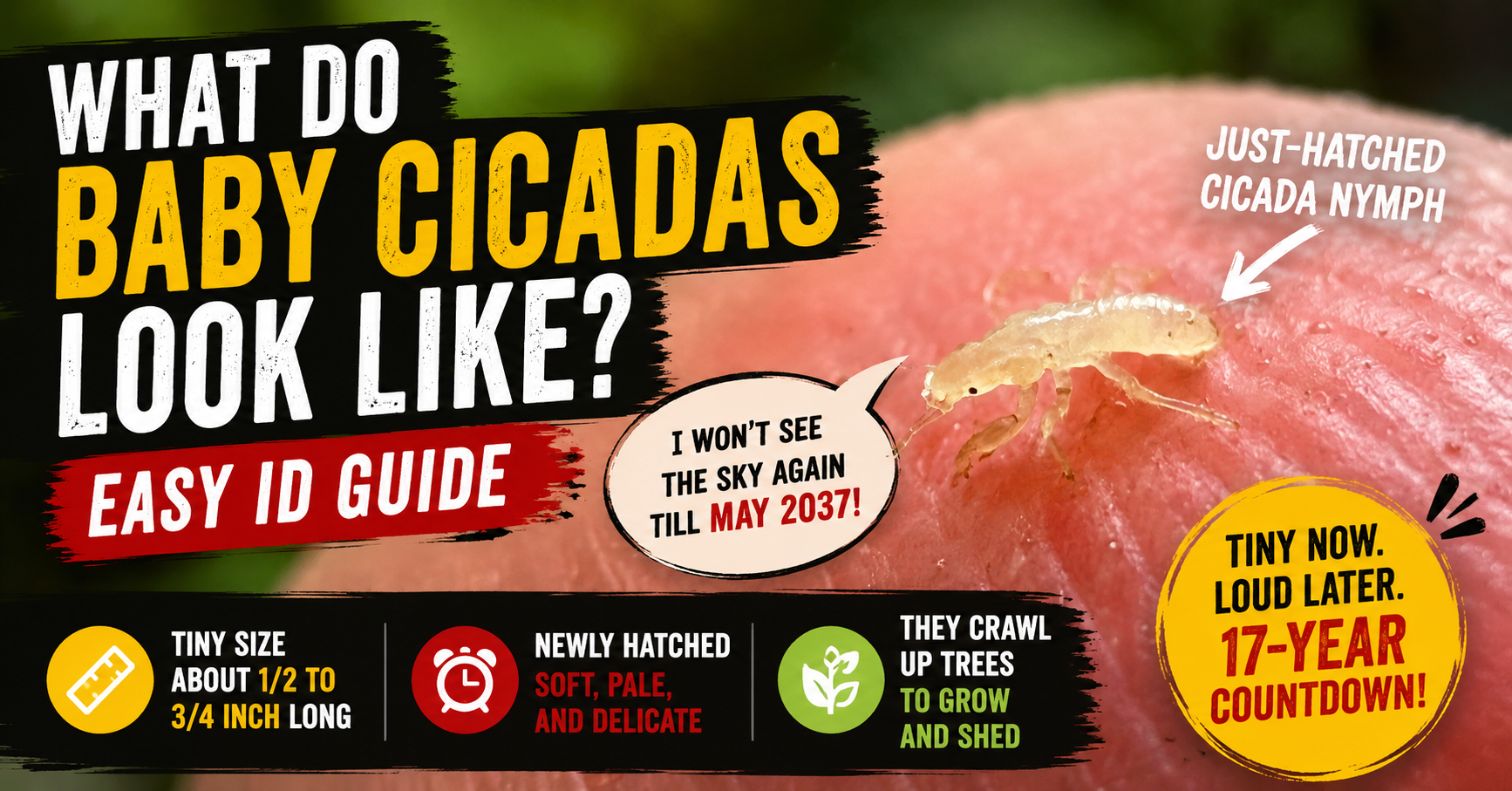
Unlike butterflies, stink bugs do not have a caterpillar stage or make a cocoon. A nymph looks somewhat like an adult from the beginning, but it is smaller, rounder, more colorful, and does not have fully developed wings. For another example of an insect that develops without a caterpillar stage, see baby cicada development.
What Do Baby Stink Bugs Look Like?
Most young stink bugs have a flattened, rounded body, six legs, long antennae, and no full wings. Their colors can be surprising. Depending on the species and age, they may be black and red, black and orange, reddish brown, cream, green, or spotted with white.
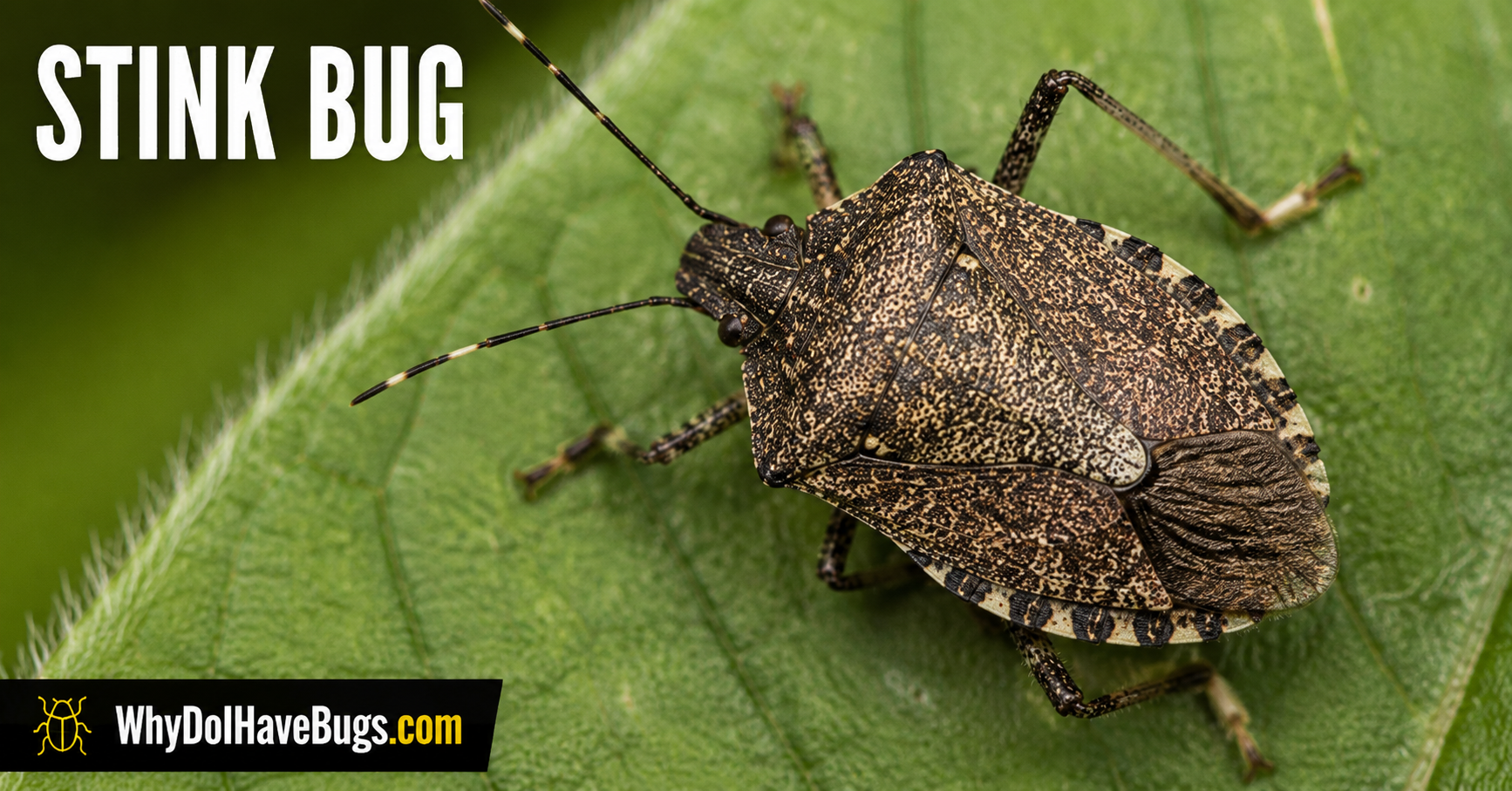
Brown marmorated stink bug nymphs, which are common around American homes and gardens, often begin with a yellowish-red abdomen and dark legs, head, and thorax. As they grow, they develop darker markings and the light-and-dark bands that help identify the adults.
They are not tiny versions of the familiar brown adult right away. That is why they are often mistaken for beetles, ticks, ladybug larvae, or some completely different garden pest.



Baby Stink Bugs Stay Near Their Eggs at First
Freshly hatched nymphs commonly gather in a tight group around their empty egg shells. At this first stage, they may stay together for a short time before moving out to feed.
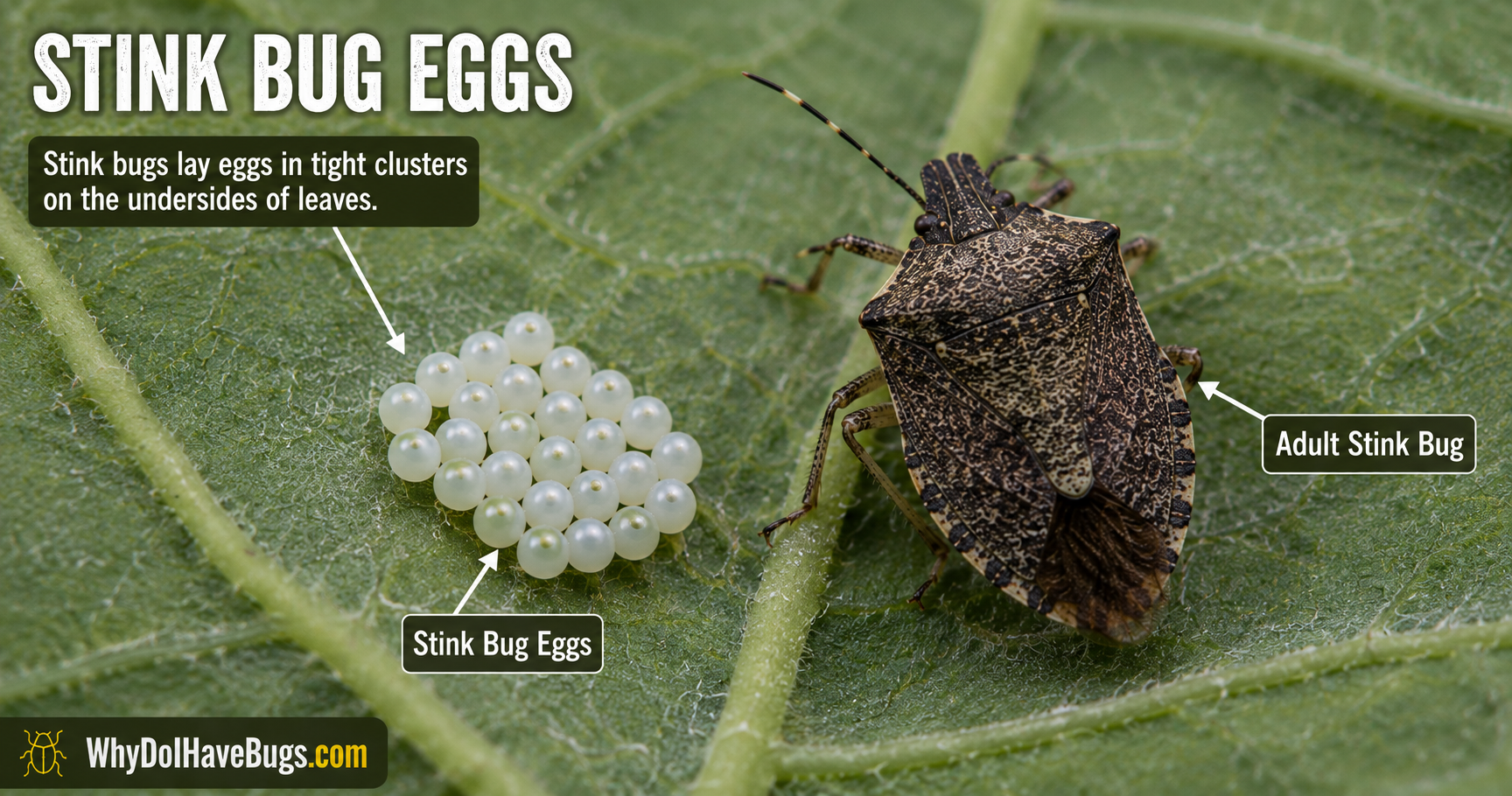
If you find a cluster of small colorful insects next to pale, barrel-shaped empty eggs, that is a strong sign you have found newly hatched stink bugs. You can see exactly what those clusters look like in this stink bug egg identification guide.
After the first stage, nymphs begin spreading across the plant and become harder to spot because they hide under leaves and around fruit.
The Five Baby Stink Bug Stages
A stink bug nymph molts, or sheds its outer skin, five times as it grows. Each stage looks a little different.
First Instar Nymphs
First instar nymphs are the youngest stage after hatching. They are very small, round, wingless, and often stay grouped together by the eggs. In many species, they have bold dark and red or orange coloring.
They may not begin feeding immediately, so this is one of the best times to catch them before they spread out.
Second and Third Instar Nymphs
As nymphs grow, they begin roaming farther from the egg cluster and feeding on plants. Their markings become easier to see, and their bodies start looking less round.
This is when gardeners often notice them on tomatoes, peppers, beans, fruit trees, and ornamental plants. They are still small, but they can damage fruit and plant tissue by piercing it and feeding.
Fourth and Fifth Instar Nymphs
Older nymphs look much closer to adults. They are larger, flatter, and may have small wing pads on their backs, but they still do not have the full wings of an adult stink bug.
The fifth instar is the last nymph stage. Once it molts again, it becomes a winged adult capable of moving much farther through the garden and eventually reproducing.

How Big Are Baby Stink Bugs?
Newly hatched nymphs are only a few millimeters long. They grow with each molt, and older nymphs can be close to half an inch long before becoming adults.
Their size changes so much during development that the color pattern, winglessness, and overall rounded shape are often more helpful than size alone.
Where Do Baby Stink Bugs Hide?
I usually start by checking the undersides of leaves, especially on plants where I already found adults or egg clusters. Young nymphs like sheltered spots where they can feed without being seen easily.
They may also hide around new growth, flower clusters, stems, fruit, weeds, and dense foliage. On tomatoes, they can stay tucked in around the fruit cluster where a quick glance will not catch them.
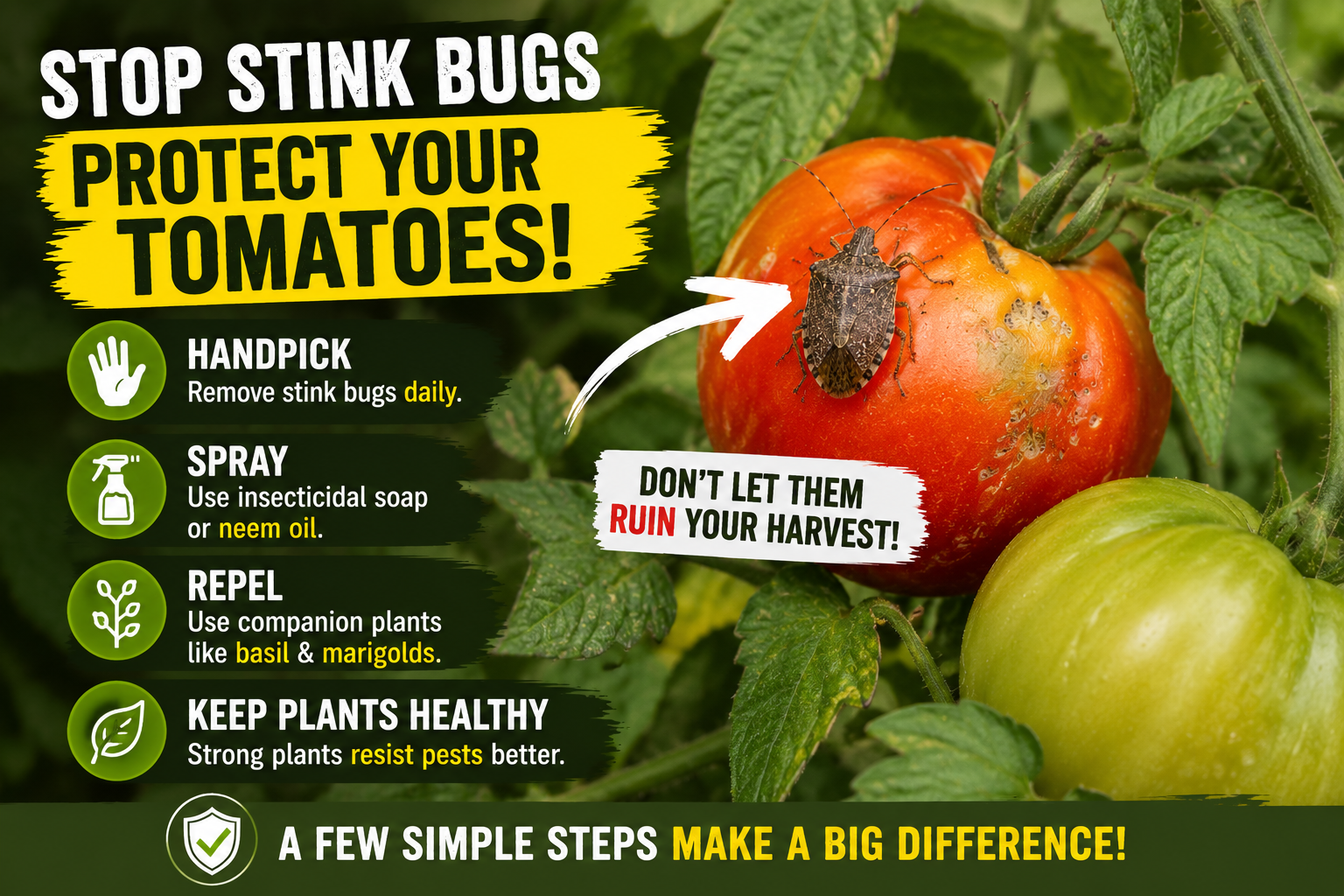
If you are finding adults on tomato plants, use this guide on getting rid of stink bugs on tomatoes for the practical steps that work best in a home garden.
Do Baby Stink Bugs Damage Plants?
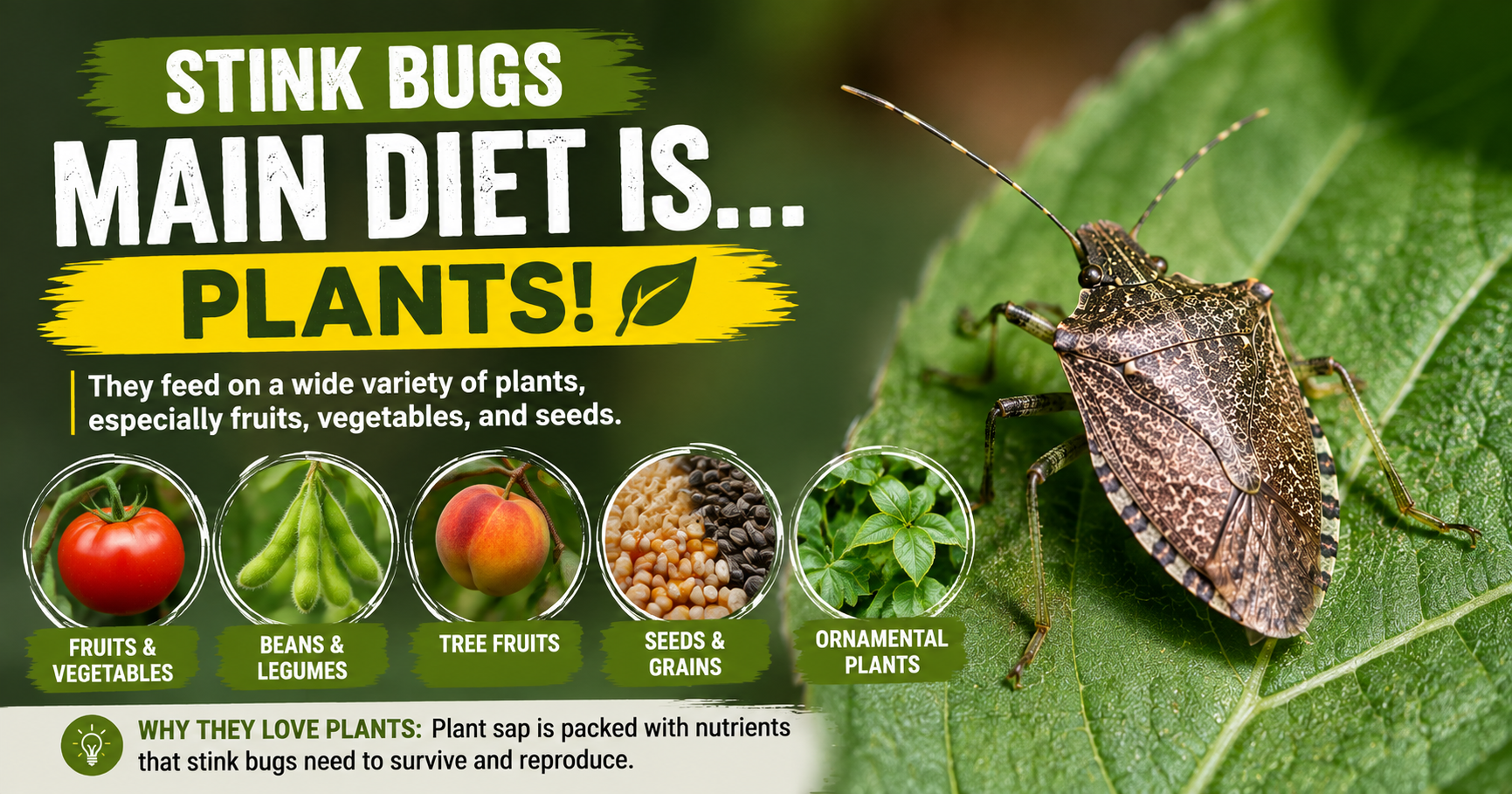
Yes, plant-feeding stink bug nymphs can damage plants just like adults do. They use a straw-like mouthpart to puncture plant tissue and feed on juices. The same feeding process is described in more detail in how stink bugs feed on plants.
On tomatoes, their feeding can lead to dimples, pale or yellow spots, firm white areas inside the fruit, and uneven ripening. The damage may not become obvious until the tomato starts coloring.
However, not every young stink bug is a garden pest. Some predatory stink bugs eat caterpillars, beetle larvae, and other insects that damage plants. This is why I do not recommend removing every colorful nymph automatically if you have not identified it.
How to Tell Baby Stink Bugs From Other Bugs
Baby stink bugs are commonly confused with other small, colorful insects. A few details make a big difference.
Baby Stink Bugs vs. Ticks
Ticks have eight legs and no antennae. Baby stink bugs have six legs and obvious antennae. Ticks also do not gather in neat groups near egg shells on plant leaves.
Baby Stink Bugs vs. Ladybug Larvae
Ladybug larvae are longer and more alligator-shaped. They have a tapered body with small raised bumps or spines. Baby stink bugs are broader, flatter, and rounder.
Baby Stink Bugs vs. Boxelder Bugs
Young boxelder bugs are often bright red and black, so they can look similar at a glance. Boxelder bug nymphs are more elongated, though, while stink bug nymphss have a rounder, flatter body.
Baby Stink Bugs vs. Spotted Lanternfly Nymphs
Young spotted lanternflies are black with bright white spots. Later stages become red and black with white spots. Brown marmorated stink bug nymphs tend to have striped antennae and legs rather than a body covered in crisp white dots.


What Should You Do If You Find Baby Stink Bugs?
What you do depends on where you find them and whether they are causing damage.
If they are on tomatoes, peppers, beans, fruit trees, or another plant with clear feeding injury, I remove the nymphs while they are still grouped together or easy to reach. Knocking them into a container of soapy water works well for a small garden.
If you find them near a plant but do not see damage, take a close photo first. Some nymphs belong to beneficial predatory stink bugs, and those are worth leaving alone.
You should also inspect nearby leaves for more eggs. The eggs are often easier to remove than a scattered group of nymphs, and this close look at stink bug egg clusters will help you know what to search for.
Are Baby Stink Bugs Dangerous?
No. Baby stink bugs are not dangerous to people, dogs, or cats. They do not sting, and they are not known for biting people.
They may produce an odor if crushed or badly disturbed, although the smell is usually less noticeable than it is with a full-grown adult. The bigger concern is plant damage when large numbers are feeding on fruits and vegetables.

Do Baby Stink Bugs Come Inside the House?
It is much more common for adult stink bugs to enter homes in fall while looking for a protected place to spend winter. Nymphs are usually found outdoors on plants because they need to keep growing and feeding before becoming adults.
If you see a tiny nymph indoors, it likely wandered in accidentally on a houseplant, cut flowers, produce, clothing, or through an open door or window.
How Long Does It Take a Baby Stink Bug to Become an Adult?
The exact timing depends on the species and weather, but nymphs generally need several weeks to develop through all five stages. Warm conditions can speed development, while cooler weather slows it down.
Because adults lay eggs over part of the growing season, you may see several sizes of nymphs at once. A plant can have fresh egg clusters, tiny first-stage nymphs, and older wing-padded nymphs all at the same time.
Frequently Asked Questions
Are baby stink bugs black and red?
Many are black and red, especially soon after hatching, but colors vary by species and growth stage. You may also see black, orange, cream, green, brown, yellow, or white markings.
Do baby stink bugs have wings?
No. Nymphs do not have full wings. Older nymphs develop small wing pads, but they cannot fly until they become adults.
Why are baby stink bugs all grouped together?
Freshly hatched nymphs often stay together near the egg cluster for a short time. After their first molt, they begin spreading out to feed.
Can baby stink bugs fly?
No. Only adult stink bugs have fully developed wings and can fly.
Do baby stink bugs smell?
They can produce an odor when crushed or disturbed, but adults are usually the stage people notice most because they are larger and more likely to come inside homes.
Will baby stink bugs turn into brown stink bugs?
They will turn into adults, but the final color depends on the species. Brown marmorated stink bug nymphs become mottled brown adults with light-and-dark bands on their antennae and abdomen.
Are baby stink bugs harmful to tomatoes?
Plant-feeding nymphs can harm tomatoes by piercing the fruit and feeding. Checking plants regularly and removing confirmed pest nymphs early is much easier than waiting until they become adults.
Caleb Warren is a longtime gardener and backyard insect researcher who writes practical pest guides for WhyDoIHaveBugs.com, helping homeowners identify insects accurately before choosing a treatment.