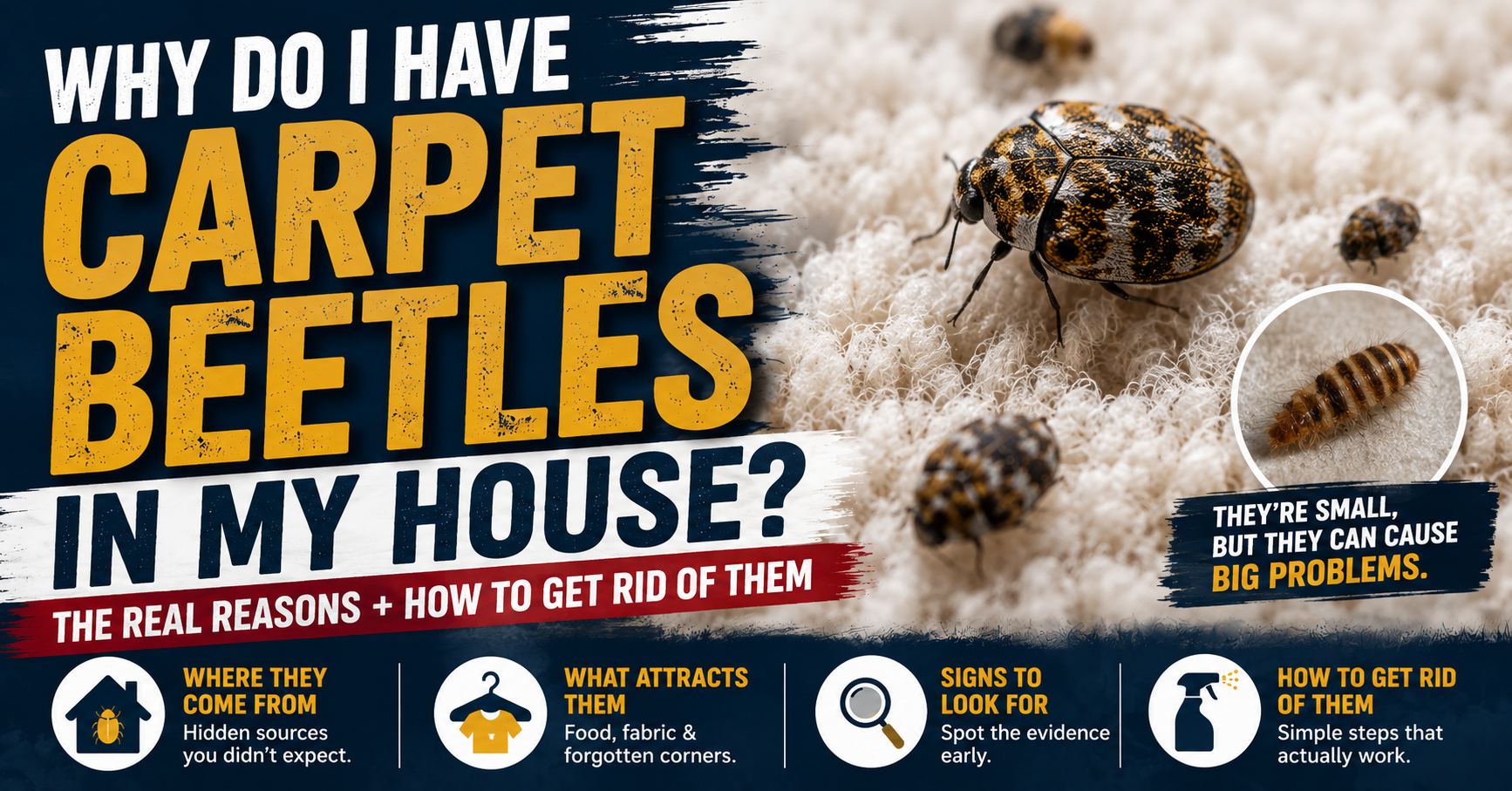
Finding a carpet beetle inside your home can be confusing.
Unlike ants, cockroaches, or flies, carpet beetles don’t usually appear in large numbers all at once. Most homeowners notice one crawling across a windowsill, discover a strange shell in a closet, or find tiny holes in clothing before they ever realize carpet beetles are living nearby.
I’ve talked with people who assumed they had bed bugs.
Others thought moths had ruined their sweaters.
Some simply wondered why a tiny beetle suddenly appeared in a room that looked perfectly clean.
The truth is that carpet beetles usually aren’t there because your house is dirty.
They’re there because your home offers something they need.
Once you understand what attracts them, they’re much easier to prevent and eliminate.
My First Thought When Someone Finds a Carpet Beetle
Whenever someone asks why they have carpet beetles, I don’t immediately ask where they found the adult beetle.
Instead, I ask questions like:
- Was it near a window?
- Did you find damaged clothing?
- Have you seen any fuzzy larvae?
- Have you found any shed skins?
- Is the problem limited to one room?
Those answers usually tell me much more than simply knowing an adult beetle was spotted.

Adult Carpet Beetles Usually Fly Inside
One thing that surprises many homeowners is that adult carpet beetles are actually good flyers.
In spring and early summer, they often fly around searching for places to lay eggs.
Many enter homes through:
- Open doors.
- Open windows.
- Torn window screens.
- Small gaps around doors.
- Vents.
- Attic openings.
Some simply fly toward light and accidentally end up indoors.
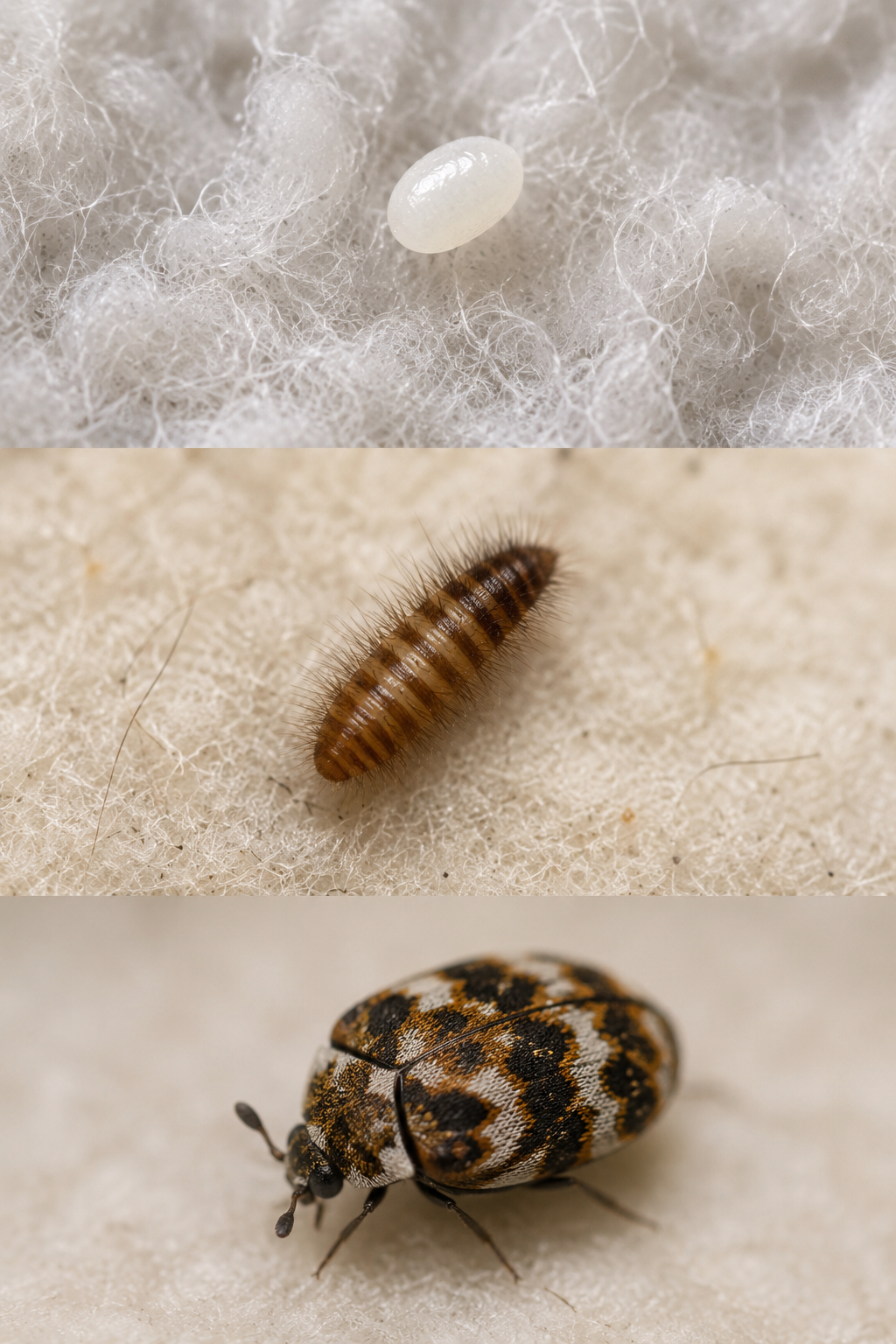
Once inside, females begin looking for suitable places to lay eggs.
If you’re looking for a broader overview, my Everything You Need to Know About Carpet Beetles guide brings together everything I’ve learned about identifying, preventing, and getting rid of carpet beetles in one place.


They May Already Be Living in Stored Items
Not every carpet beetle flies into your house.
Sometimes you unknowingly bring them inside.
I’ve seen carpet beetles arrive in:
- Secondhand furniture.
- Used rugs.
- Antique furniture.
- Vintage clothing.
- Boxes from storage.
- Taxidermy.
- Old blankets.
The adults or eggs may already be present long before anyone notices them.
It’s Usually the Larvae That Cause the Problem
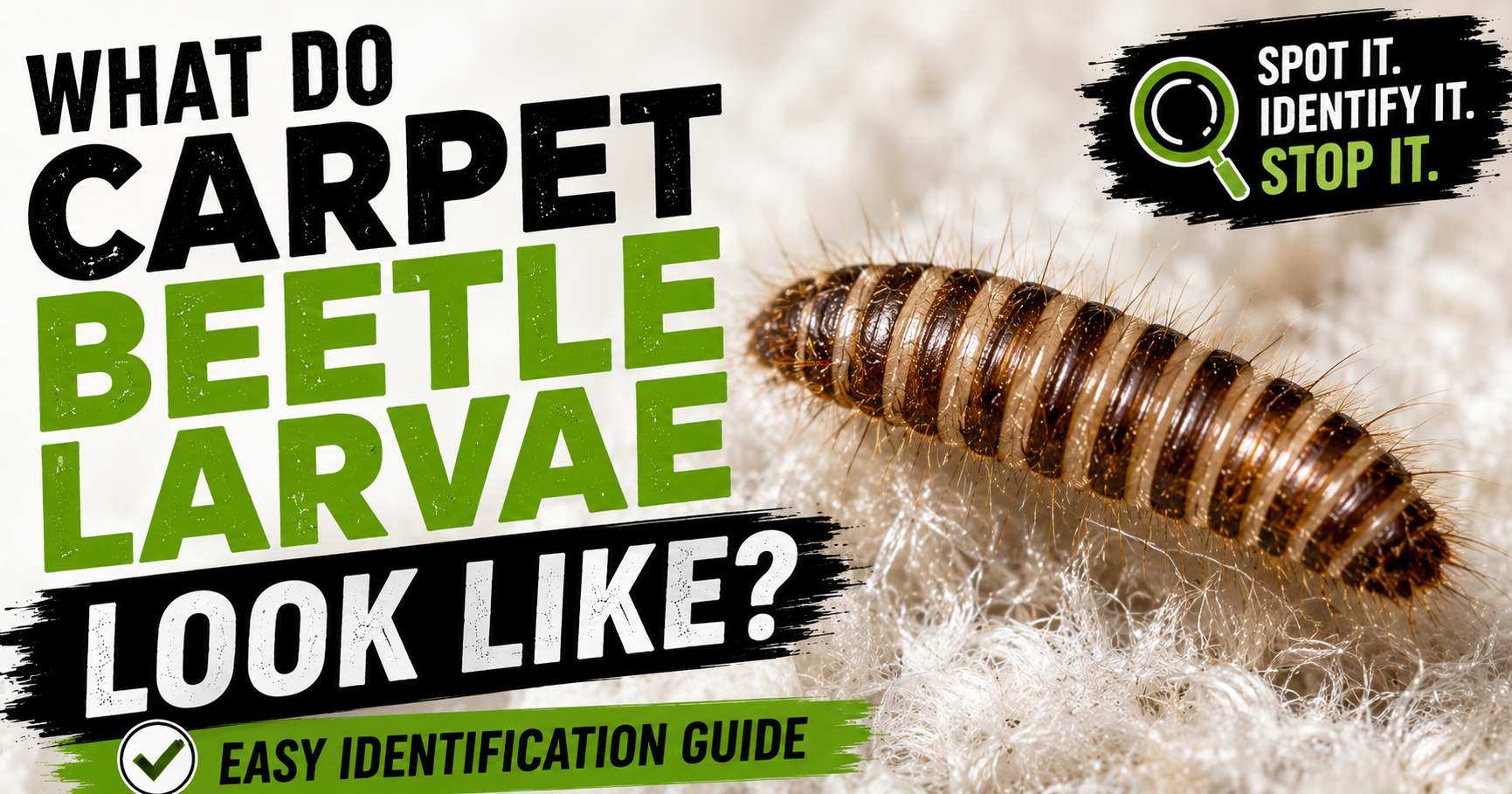
One of the biggest misconceptions I hear is that adult carpet beetles destroy clothing. Understanding What Do Carpet Beetle Larvae Look Like? Easy Identification Guide makes it easier to identify the stage responsible for clothing damage.
Most of the damage actually comes from the larvae.
Adult beetles mainly feed on pollen and nectar outdoors.
Once eggs hatch indoors, the larvae begin feeding on natural animal-based materials.
That’s why you might see an adult beetle near a window but discover the real damage hidden inside a closet weeks later.
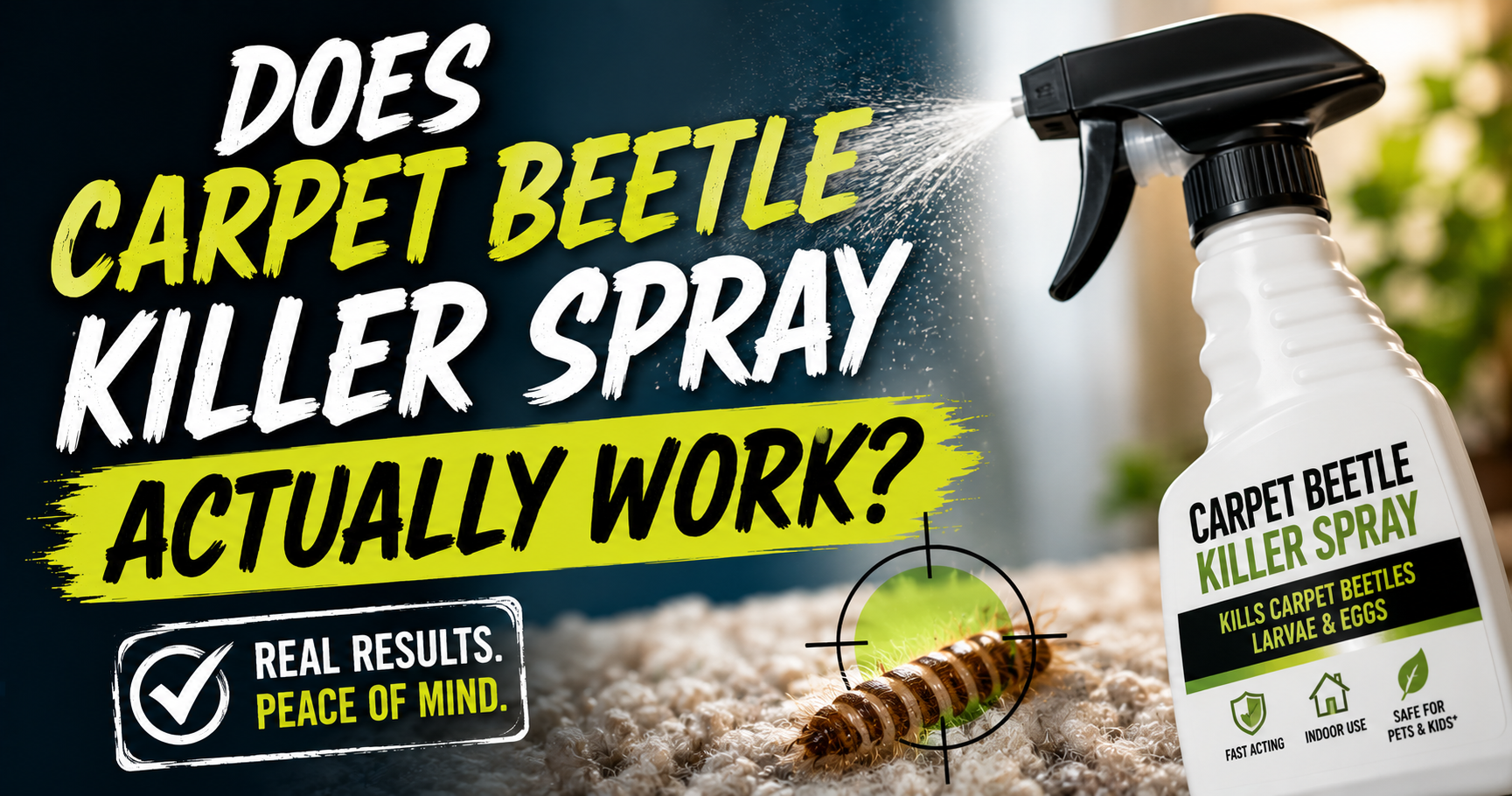
See which spray is popular that has good results here!
Daily Vacuuming Can Make a Huge Difference
One lesson we learned from our own carpet beetle problem is that consistency matters.
Vacuuming once a week simply wasn’t enough.
Once we started vacuuming every day, especially along baseboards, inside closets, beneath furniture, and around stored belongings, we were removing far more larvae, shed skins, pet hair, and lint than we realized.

That’s one reason I wrote my guide on the best vacuum for carpet beetles. It explains why suction matters so much and the features I’d look for if I were buying a vacuum specifically for carpet beetle cleanup.
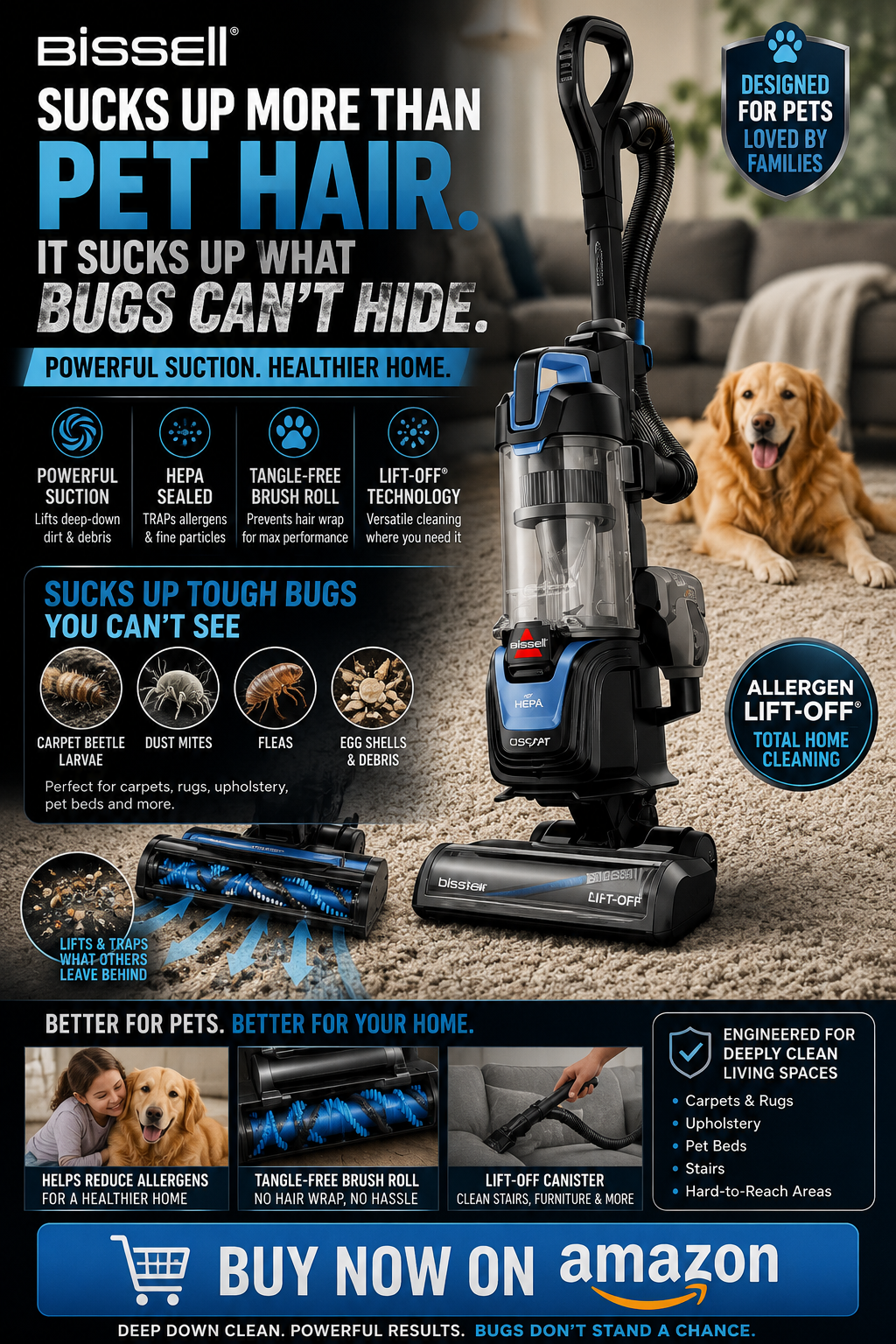
One model that stands out is the Bissell Pet Hair Eraser Allergen Lift-Off because it’s designed to handle pet hair, upholstery, stairs, and the tight spaces where carpet beetle larvae often hide.
Natural Fibers Are What Attract Them
Carpet beetle larvae aren’t interested in every material inside your home.
They’re primarily attracted to natural animal proteins.
Some of their favorite food sources include:
- Wool.
- Fur.
- Leather.
- Silk.
- Feathers.
- Hair.
- Pet fur.
- Dead insects.
That’s one reason older blankets, wool sweaters, and stored clothing often become targets.
If you’re looking for a broader overview, my Everything You Need to Know About Carpet Beetles guide brings together everything I’ve learned about identifying, preventing, and getting rid of carpet beetles in one place.

Carpet Beetles Love Quiet Places
Over the years I’ve noticed that carpet beetles rarely choose the busiest parts of a home.
Instead, they prefer places people don’t disturb very often.
Common hiding spots include:
- Closets.
- Attics.
- Storage boxes.
- Under furniture.
- Air vents.
- Basements.
- Guest rooms.
- Behind baseboards.
These locations provide both protection and food.
One of the First Signs Isn’t the Beetle
This surprises many homeowners.
Often the first thing people discover isn’t a live carpet beetle at all.
It’s an empty shed skin left behind by a growing larva.
I recently found one myself inside a shoe that had been stored in our attic, and it reminded me how easy they are to mistake for another insect.
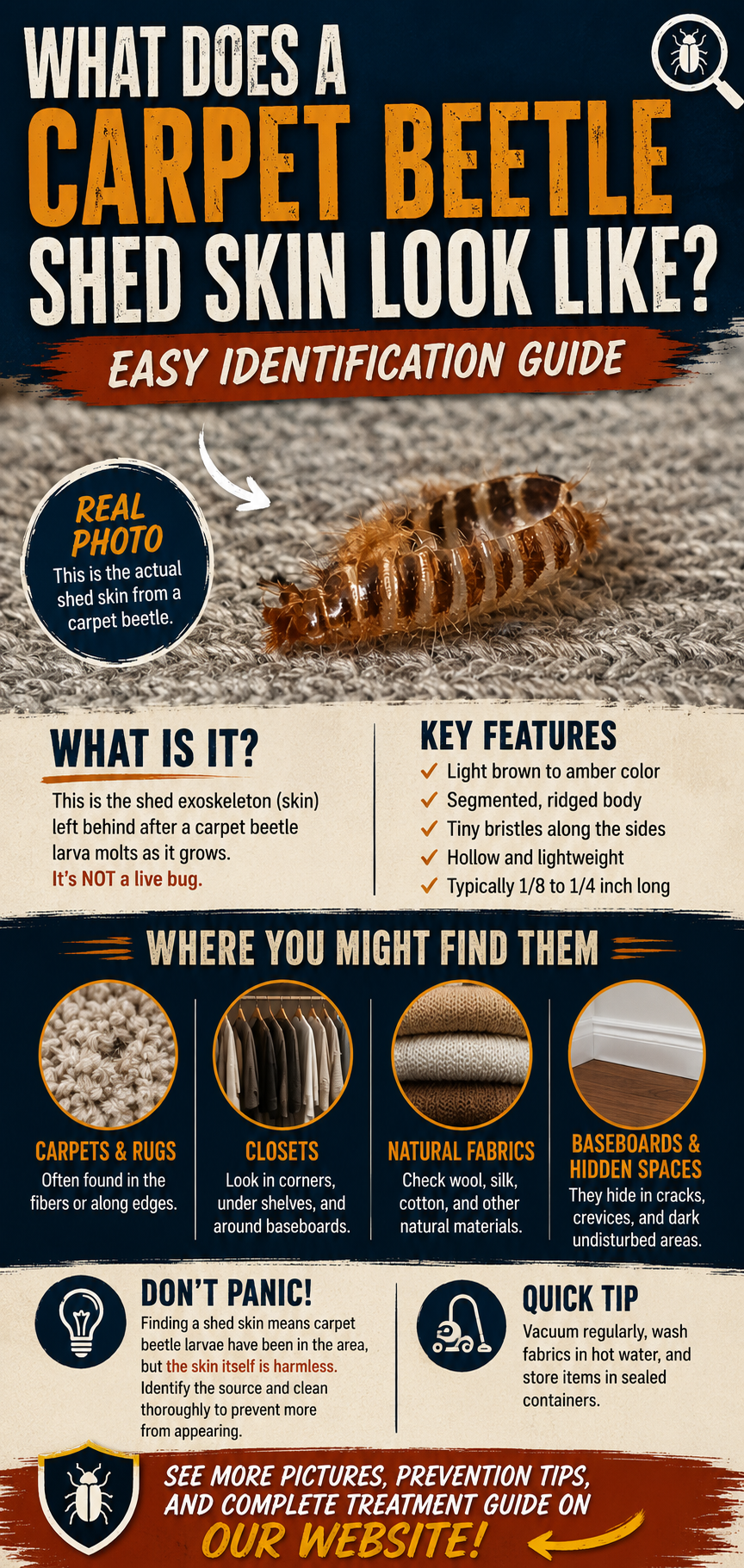
If you’ve found one of those tiny brown shells, my guide on what a carpet beetle shed skin looks like will help you identify it correctly.
Pet Hair Can Feed Carpet Beetle Larvae
One thing many homeowners overlook is pet hair.
If you have dogs or cats, loose hair naturally collects beneath furniture, inside vents, under beds, and in corners.
Mixed with lint and dust, that hair becomes an excellent food source for developing larvae.
That doesn’t mean having pets causes carpet beetles.
It simply means regular cleaning becomes even more important.
Dead Insects Can Attract Them Too
Here’s something many websites never mention.
Carpet beetle larvae frequently feed on dead insects.
Spider webs.
Dead flies.
Wasps inside attics.
Insects trapped in light fixtures.
All of these can provide food.
That’s one reason attics and seldom-used rooms often become hotspots.



Why They Suddenly Seem to Appear
One question I hear constantly is:
“Why did carpet beetles suddenly show up?”
Usually they didn’t.
They’ve probably been there for weeks or even months.
The adult beetles simply become noticeable after emerging from the larvae.
By the time you see adults crawling on windows or walls, the larvae have often been feeding quietly somewhere else for quite a while.
Why I Always Inspect Closets First
If this were my house, one of the first places I’d inspect would be the closets.
Stored clothing provides everything carpet beetle larvae want.
Natural fibers.
Darkness.
Very little disturbance.
I’d inspect sweaters, coats, blankets, shoes, and boxes before worrying about the rest of the house.
Don’t Assume They’re Only in Carpet
Their name is actually a little misleading.
I’ve found carpet beetles in homes where the owners had almost no carpet at all.
They’ll happily develop anywhere suitable food exists.
I’ve seen infestations centered around:
- Closets.
- Upholstered chairs.
- Wool blankets.
- Decorative baskets.
- Pet beds.
- Stored linens.
The carpet itself isn’t always the attraction.
What I Would Do If This Were My House
If I discovered carpet beetles today, I wouldn’t immediately reach for insect spray.
I’d begin investigating.
I’d inspect closets.
I’d check stored blankets.
I’d vacuum under furniture.
I’d look inside seldom-used boxes.
I’d inspect shoes and seasonal clothing.
Most importantly, I’d look for evidence of larvae instead of focusing only on the adult beetles.
Finding where the larvae are feeding usually leads you to the real source of the problem.
Products and Prevention
For small carpet beetle problems, my first recommendation is always a thorough inspection and deep cleaning.
Vacuuming removes lint, pet hair, dead insects, larvae, eggs, and shed skins that often go unnoticed.
Wash or dry clean infested clothing whenever possible, and store seasonal fabrics in sealed containers to make them much less attractive to future infestations.
As the carpet beetle section of our Beetles resource center continues growing, I’ll also be reviewing products that actually perform well against carpet beetles so homeowners can make informed decisions instead of wasting money on treatments that don’t solve the problem.
The Biggest Mistake I See
The biggest mistake I see is assuming the adult beetle is the problem.
In reality, the adult beetle is often just the messenger.
The larvae are usually hidden somewhere else, quietly feeding on natural materials inside your home.
If you only focus on the beetle you can see, it’s easy to miss the real infestation developing nearby.
That’s why I always spend more time searching for larvae, shed skins, and damaged materials than chasing adult beetles around the house.
If you’re still trying to identify another household insect after your inspection, you can also explore the Why Do I Have Bugs? homepage for more identification guides covering the most common pests found indoors.
Frequently Asked Questions
Why do carpet beetles suddenly appear in my house?
Adult carpet beetles often fly inside during warmer months or emerge after larvae finish developing. In many cases, they’ve been present much longer than homeowners realize.
Does having carpet beetles mean my house is dirty?
No. Even very clean homes can develop carpet beetle problems if larvae find natural fibers, pet hair, dead insects, or other suitable food sources.
What attracts carpet beetles the most?
Carpet beetle larvae are especially attracted to wool, leather, silk, fur, feathers, pet hair, lint, and dead insects.
Should I worry if I only found one carpet beetle?
One adult beetle isn’t always a sign of a serious infestation, but it’s worth inspecting closets, stored clothing, and nearby natural fibers for additional evidence.
What’s the first sign of a carpet beetle infestation?
Many homeowners first discover shed skins, damaged fabrics, or larvae before they ever notice adult carpet beetles.
About the Author
Daniel Brooks is a pest management writer who specializes in helping homeowners identify and prevent common household insect infestations. His work focuses on practical inspections, accurate identification, and solving the source of pest problems before they become more difficult to control.