You clean the kitchen, take out the trash, wipe down the counters, and still find those tiny flies running around the sink the next morning. You might even catch a bunch with sticky traps, only to discover more a day or two later.
That’s what makes phorid flies so frustrating. The adults are easy enough to swat or trap, but the place they’re coming from can be surprisingly difficult to find.
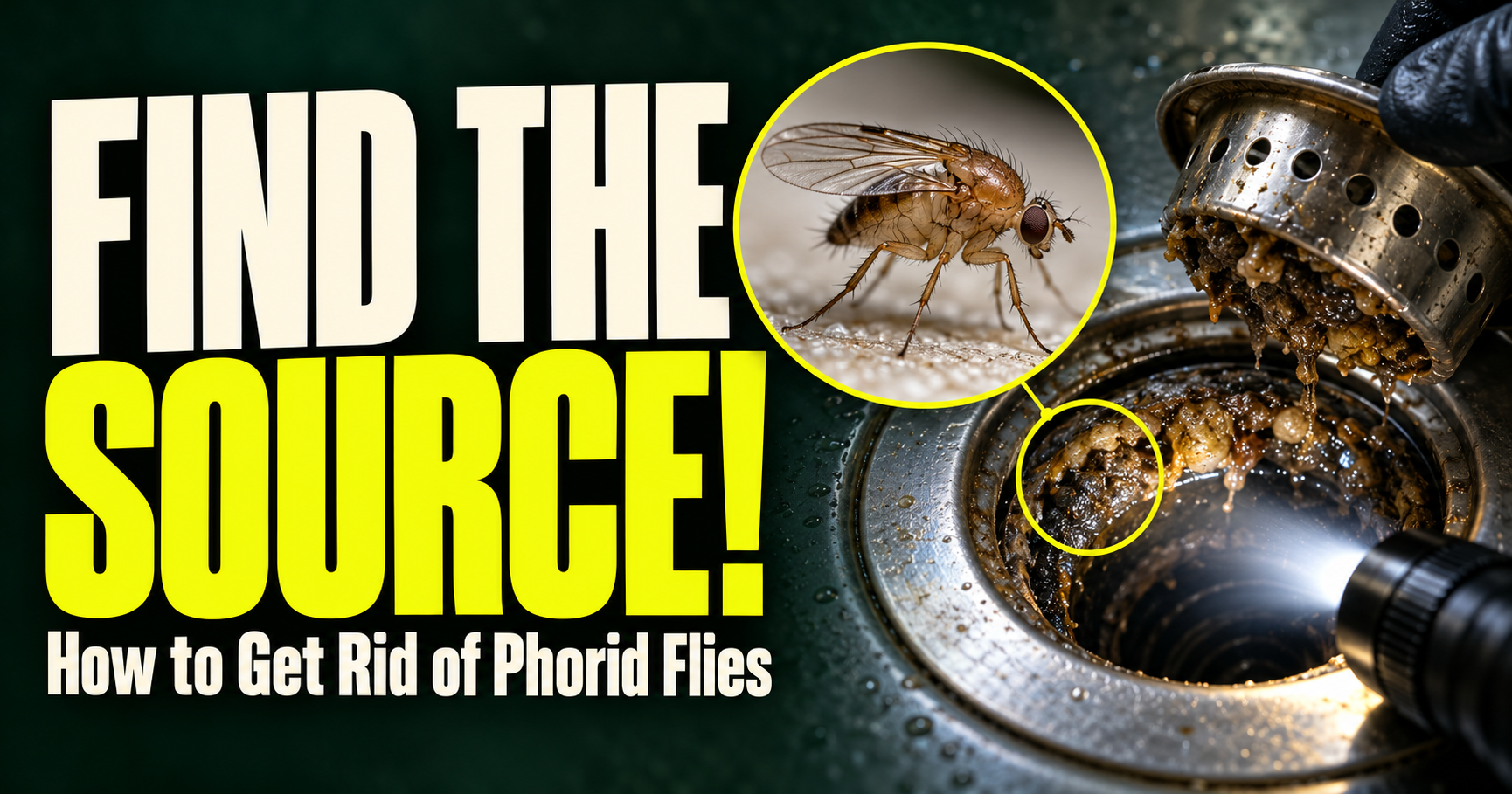
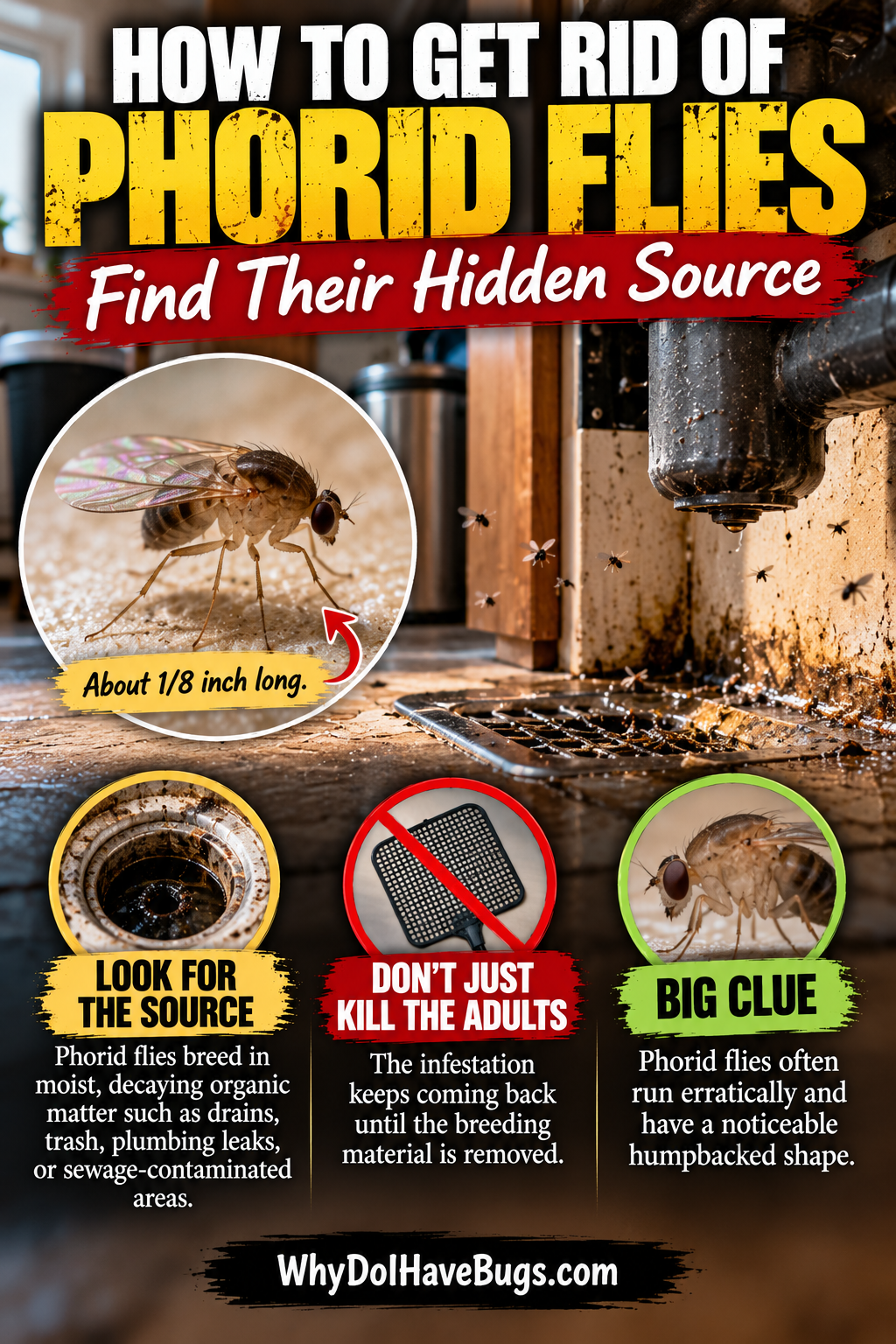
The most effective way to get rid of phorid flies is to locate and remove the damp, decaying material where their larvae are developing. That could be organic buildup inside a drain, trash residue, rotting food beneath an appliance, or even sewage-contaminated material around damaged plumbing.
And here’s the part that saves people time: you don’t necessarily need more fly spray. You need to find out what’s producing the flies.
Let’s go through how I’d investigate a house with recurring phorid flies, starting with the easiest places to check before getting into the more troublesome possibilities.
How to Get Rid of Phorid Flies Step by Step
If I were dealing with phorid flies in my house, I’d work through the problem in this order.
- Confirm that they’re phorid flies. Other tiny flies require different treatment approaches.
- Find where the adults are concentrated. Check sinks, garbage areas, bathrooms, basements, and windows.
- Remove obvious breeding materials. Clean trash cans, dispose of rotting food, and remove damp organic debris.
- Inspect drains and plumbing. Look for organic buildup, leaks, and moisture around pipes.
- Investigate hidden sources. Check underneath appliances, around floor drains, and in areas affected by wastewater.
- Trap or vacuum adult flies. Reduce the number flying around while you work on the source.
- Monitor for new flies. If they keep appearing, the breeding site may still be active.
The order matters.
Spending money on traps before finding the breeding source may reduce the flies you see without doing much about the next generation.

Step 1: Make Sure You Actually Have Phorid Flies
Before doing anything else, take a close look at the insects.
Phorid flies are commonly called scuttle flies or humpbacked flies.
They’re usually small, brownish or dark-colored flies with a noticeably raised thorax.
One of their strangest habits is running across surfaces in quick, jerky movements.
You might see one dart across the counter, pause, change direction, and then run again before flying away.
That behavior is a helpful clue, although it isn’t enough to identify the insect by itself.
Fruit flies, drain flies, and fungus gnats can all be confused with phorid flies.
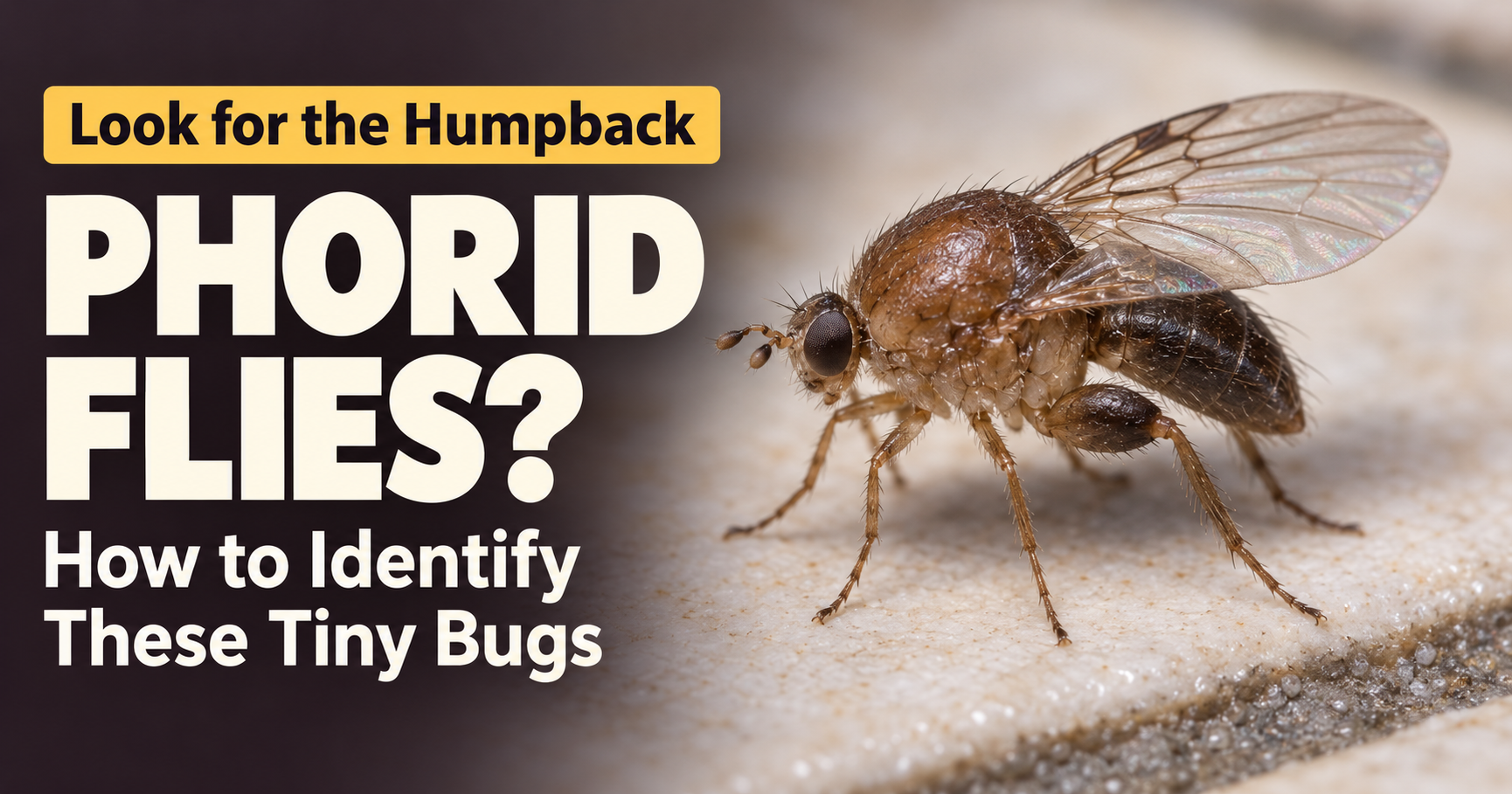
Our recently published guide to recognizing phorid flies and their distinctive appearance explains the physical differences in detail.
If you’re uncertain, catch one in a small container or take a sharp close-up photograph.
Why does identification matter?

Because cleaning a fruit bowl won’t solve a fly problem caused by wastewater beneath the floor. And investigating sewer pipes isn’t necessary if you’re actually seeing fungus gnats emerging from overwatered houseplants.


Step 2: Figure Out Where the Phorid Flies Are Coming From
This is the most important part of the process.
Phorid fly larvae need suitable organic material to develop. Many household nuisance species breed in damp, decaying plant or animal matter.

Adult flies may travel away from that source, so the place you see them isn’t always the place they’re breeding. When flies seem to appear throughout the house, why flies suddenly appear in different rooms can help you work backward from their activity to the underlying cause.
Still, the pattern of sightings can help you decide where to investigate.
If They’re Mostly in the Kitchen

Start with the garbage disposal, trash can, recycling containers, and accessible areas beneath appliances. For another common setting where trash and recycling attract flies, see garage trash and recycling sources.
Look for spoiled food, leaking containers, accumulated sludge, and damp debris.
Move removable items and clean behind appliances where you can safely reach.
Pay particular attention to locations that stay damp for long periods.
If They’re Mostly in the Bathroom
Inspect sink drains, shower drains, and nearby plumbing.
Check underneath the vanity for leaks or damp materials.
If there’s a floor drain, make sure it isn’t surrounded by debris or signs of wastewater.
Don’t assume the insects are actually breeding inside the drain until you’ve investigated.
They could be coming from another source in the room or somewhere nearby.
If They’re Mostly in the Basement
Check floor drains, sump areas, plumbing access points, and any evidence of wastewater leaks.
Basements may contain several places where moisture and organic debris collect.
A large, persistent phorid fly problem near the ground floor can occasionally indicate a damaged underground drain or sewer line.
That possibility deserves attention, but a few phorid flies don’t automatically mean your sewer pipe has broken.
If They’re Gathering Around Windows
Adult phorid flies may move toward light.
A large number around a window doesn’t necessarily mean their breeding source is there.
Check nearby rooms and track where the flies are appearing throughout the day.
You may need to investigate several locations before identifying the source.
Step 3: Deep-Clean the Trash Can and Recycling Area
This is an easy place to start, and sometimes it’s all that’s needed.
A trash can may look clean from the outside while containing food residue underneath the liner or around the bottom.
Remove the trash bag and inspect the entire container.
Look for sticky liquid, food particles, and damp material collecting in corners.
Wash the trash can using an appropriate household cleaner, rinse as directed, and allow it to dry completely.
Don’t forget the lid and the area where the liner attaches.
Recycling containers can be just as troublesome.
An old soda can, juice bottle, or food container may contain residue that begins decomposing.
Rinse recyclable containers before storage when practical, and remove accumulated liquids from the bin.
What About Compost Containers?
Indoor compost containers can provide breeding material for several types of small flies.
Empty them regularly, clean the interior, and use a well-fitting lid.
If you notice flies developing inside, remove the affected material rather than simply spraying the adults around it.
Be careful not to transfer infested material to another indoor location.

Step 4: Check Your Drains for Phorid Fly Breeding Material
Drains are worth investigating when phorid flies repeatedly appear around sinks, tubs, showers, or floor drains.
Over time, organic buildup can collect on the inside surfaces of certain plumbing fixtures.
Food particles, grease, soap residue, and other materials may form deposits that support insect development.
However, not every phorid fly infestation comes from a drain.
Finding flies near a drain isn’t proof they’re breeding inside it.
How to Check a Suspected Drain
Start by noting where the flies are most active.
Inspect accessible drain openings and surrounding areas for visible buildup.
For a suspected drain source, a simple monitoring approach is to place a clear container or appropriate insect-monitoring cover over the opening when the fixture isn’t in use, without creating a plumbing hazard.
Check whether flies emerge from beneath it.
You can also use a suitable sticky monitoring trap near the fixture, positioned where it won’t obstruct the drain or interfere with normal use.
A few trapped flies nearby don’t prove the drain is responsible, but repeated emergence directly from the opening is a stronger clue.
How to Clean a Drain Properly
Where the drain is accessible and the plumbing manufacturer permits it, physical removal of organic buildup is important.
A suitable drain brush may help remove deposits from accessible surfaces.
For compatible drains, a biological or enzymatic drain maintenance product may help break down certain organic residues. Effectiveness varies, and it won’t repair damaged plumbing or reach every hidden breeding site.
Follow the product directions and plumbing manufacturer’s recommendations.
Never mix drain cleaners, bleach, acids, or other cleaning chemicals.
Don’t pour insecticide into a household drain unless the product is specifically labeled for that use.
Will Bleach Kill Phorid Flies in Drains?
Bleach is not a reliable solution for an established phorid fly problem.
Even if a chemical kills some exposed insects, it may not remove the breeding material attached to drain walls or hidden elsewhere in the plumbing.
The problem can return if suitable material remains.
Physical cleaning and removing the actual source are generally more important than repeatedly pouring chemicals into the sink.
Step 5: Look Beneath Appliances and Other Hidden Areas
If you’ve cleaned the obvious places and the flies are still appearing, it’s time to look where food and moisture can remain unnoticed.
The space underneath a refrigerator is a good example.
Something may spill, roll underneath, or become trapped where nobody notices it.
A damp food scrap can sit for days while it breaks down.
Similar problems can occur around dishwashers, trash compactors, or other appliances.
Use a flashlight and inspect accessible spaces.
Avoid moving heavy appliances without help, especially when they’re connected to water, gas, or electrical lines.
If you discover spoiled food or wet debris, remove it and clean the area thoroughly.
Then address whatever allowed the material to accumulate.
If there’s a continuing leak, cleaning alone won’t solve the underlying issue.
Check for Hidden Plumbing Leaks
Look for damp cabinet floors, swollen wood, musty smells, or discoloration around plumbing connections.
These signs don’t prove phorid flies are developing there, but they can reveal conditions that support moist organic buildup.
Repair leaks promptly.
If you find wastewater contamination, use appropriate precautions and contact a qualified professional when necessary.
Step 6: Investigate Floor Drains and Possible Sewer Problems
This is the situation that deserves special attention when large numbers of phorid flies keep emerging without an obvious source.
Certain phorid fly species can develop in organic material associated with damaged drains or sewer lines.
If a pipe underneath a concrete slab leaks wastewater into surrounding soil, contaminated material may provide a breeding site.
Adult flies can sometimes find their way into the building through gaps and openings.
However, sewer problems are only one possible cause of phorid flies.
I wouldn’t recommend opening floors or assuming an expensive plumbing repair is needed just because you found several insects.
When Should You Suspect a Sewer Leak?
A hidden plumbing problem becomes more concerning when several clues occur together.
For example, you might have a persistent large population of correctly identified phorid flies, repeated activity near ground-floor plumbing, sewage odors, wastewater leaks, or other plumbing symptoms.
In that situation, a licensed plumber may recommend appropriate testing or a camera inspection.
The goal is to verify a problem before undertaking repairs.
Don’t attempt to investigate potentially contaminated soil or sewage beneath a floor yourself.
Step 7: Use Traps to Reduce Adult Phorid Flies

Once you’ve started looking for the breeding source, traps can make the situation more manageable. Choosing the right fly trap can make monitoring adult flies easier while you investigate the hidden source.
They won’t solve the underlying problem by themselves, but they may help reduce adult fly activity and show where the insects are concentrated.
Sticky Fly Traps
Sticky traps can capture adult flies moving around the room.
Place them near suspected activity areas, following the product directions.
Keep them away from food preparation surfaces and out of reach of children and pets.
The number of flies caught can provide a rough indication of whether activity is increasing or declining.
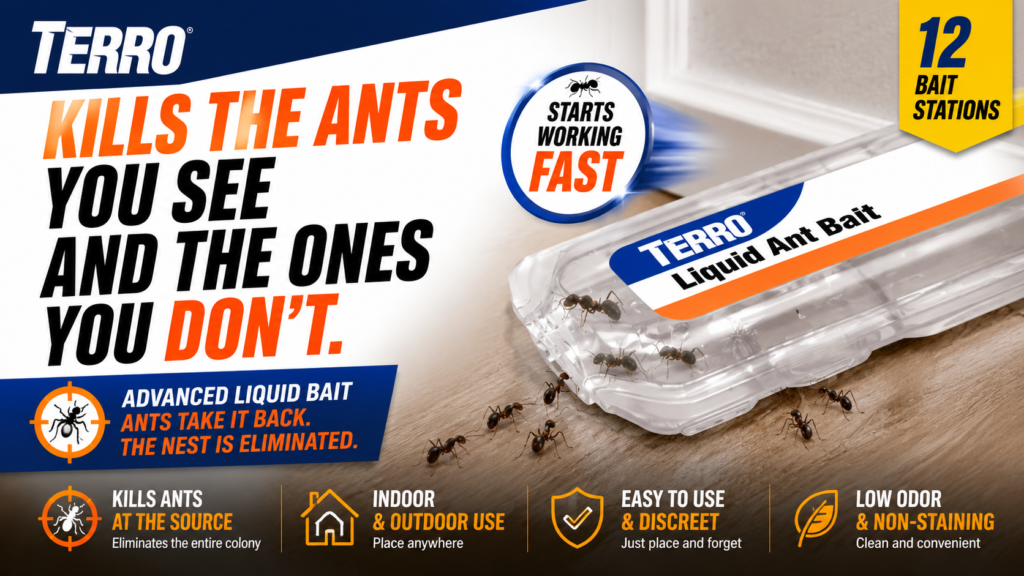
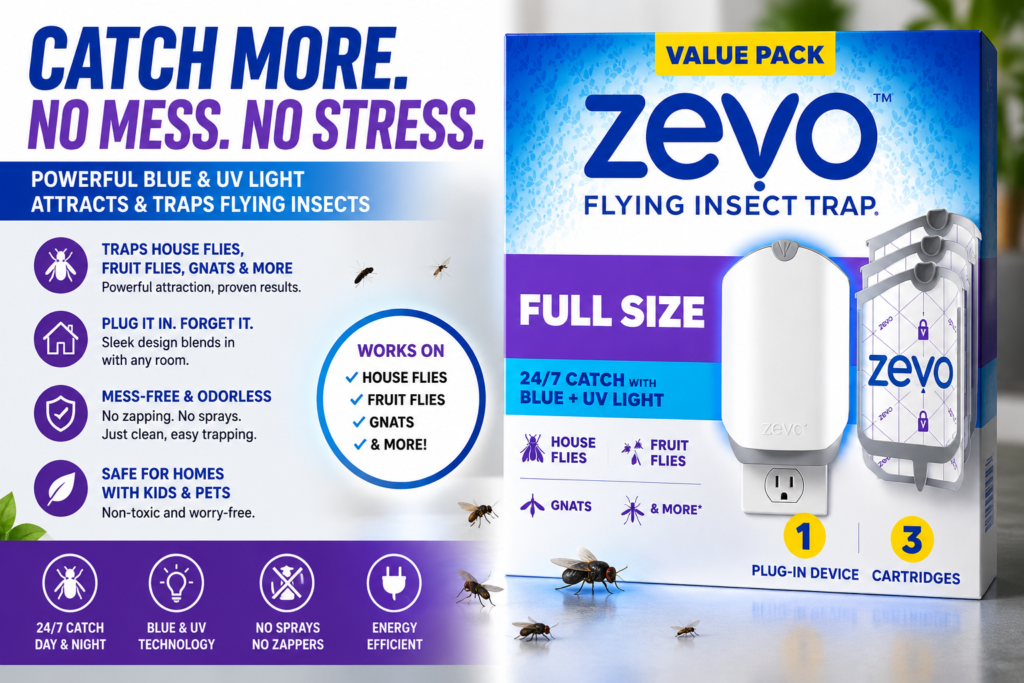
Plug-In Light Traps
Some indoor plug-in traps use light and sticky adhesive surfaces to capture small flying insects.
Results depend on the species, trap design, location, and competing light sources.
They’re useful for monitoring and catching adults, but they won’t eliminate larvae inside a drain or another hidden source.

We’ve already covered the limitations of popular models in our Zevo versus Katchy fly trap comparison.
What About Apple Cider Vinegar Traps?
People frequently recommend vinegar traps whenever tiny flies appear indoors.
The problem is that not every fly responds the same way to fermented liquids.
Apple cider vinegar traps are commonly used for certain fruit flies, but they’re not dependable control tools for phorid flies.
Some phorid flies may be attracted to particular organic odors, but a homemade vinegar trap isn’t a substitute for finding their breeding source.
If you’ve tried vinegar and the flies keep returning, that doesn’t necessarily mean you’re doing anything wrong.
You may simply have a different insect or an untreated breeding location.


Step 8: Remove the Breeding Source Instead of Just Spraying Adults
This is the part that determines whether the problem actually ends.
Phorid flies can produce new adults as long as their larvae have access to suitable material.
Killing the adults you see doesn’t necessarily affect larvae developing in a hidden location.
That’s why I would prioritize removing rotting organic matter, cleaning infested areas, correcting moisture problems, and repairing leaks.
Does Fly Spray Work on Phorid Flies?
An appropriately labeled flying-insect spray may kill exposed adult flies.
However, that doesn’t make it the best primary treatment.
Sprays generally won’t eliminate larvae protected inside organic buildup or inaccessible areas.
Avoid spraying food preparation surfaces, drains, electrical equipment, or other prohibited areas.
Always follow the pesticide label.
If a professional treatment is needed, it should be based on identifying the source rather than applying insecticides throughout the house without a clear plan.
How Long Does It Take to Get Rid of Phorid Flies?
There’s no guaranteed number of days.
If the breeding source is small, accessible, and completely removed, you may notice activity declining relatively quickly.
However, some adults or developing insects may remain for a while.
If a hidden source is still present, new flies can continue emerging.
Temperature, species, and environmental conditions also influence development.
I’d monitor activity after cleanup rather than assuming the problem is solved the moment you stop seeing adults.
If flies continue appearing consistently, another breeding location may still need attention.

Why Do Phorid Flies Keep Coming Back After Cleaning?
There are several possibilities, and they don’t all require the same response.
You Cleaned the Adults’ Landing Area, Not Their Breeding Site
Wiping down countertops is good sanitation, but adult flies may simply be landing there.
Their larvae could be developing underneath an appliance or elsewhere in the building.
The Drain Still Contains Organic Buildup
Surface cleaning around a sink won’t necessarily remove material deeper inside an accessible drain or surrounding plumbing.
If you suspect the drain, focus on confirming and eliminating the source.
There’s More Than One Breeding Location
You might clean one trash can while another damp source remains active.
Check nearby garbage containers, floor drains, and neglected areas.
The Flies Are Coming From Outside
Not every recurring phorid fly sighting originates indoors.
Some species develop outdoors in decaying material and may enter through doors, windows, or gaps.
Inspect screens and obvious entry points if you suspect outdoor activity.
There’s a Hidden Plumbing Issue
Persistent, unusually heavy fly activity can sometimes indicate an inaccessible source associated with wastewater.
When routine inspections fail, professional pest identification and plumbing assessment may be worthwhile.
Can You Get Rid of Phorid Flies Naturally?
Often, yes.
If by naturally you mean avoiding insecticide sprays, source removal is already the most important control method.
Thorough cleaning, removing decaying material, drying affected areas, correcting leaks, and using mechanical traps can significantly reduce or eliminate many household phorid fly problems.
However, don’t confuse natural remedies with proven control.
Essential oils, random vinegar mixtures, and other homemade products are unlikely to solve an infestation if larvae continue developing in hidden organic waste.
The simplest approach is often the most effective: find the source and remove it.
How to Keep Phorid Flies From Returning
Prevention is mostly about keeping suitable breeding materials from building up.
Empty trash frequently enough to prevent damp waste from decomposing indoors.
Clean garbage containers when residue accumulates.
Remove food debris from beneath accessible appliances and around kitchen equipment.
Keep plumbing in good condition and repair leaks promptly.
Inspect neglected floor drains and other moisture-prone areas when problems arise.
If you’ve had recurring phorid flies, pay extra attention to the location where you found the original source.
Once you know what caused the problem, preventing it from returning becomes much easier.
Frequently Asked Questions
What kills phorid flies instantly?
An appropriately labeled flying-insect spray may kill exposed adult phorid flies, and a vacuum can physically remove them. However, killing adults doesn’t eliminate eggs and larvae developing in organic material.
What is the fastest way to get rid of phorid flies?
The fastest dependable approach is to locate and remove their breeding source while trapping or vacuuming adults. If the source is hidden in damaged plumbing, resolving the problem may require professional assistance.
Do phorid flies come from dirty drains?
They can. Phorid fly larvae may develop in moist organic buildup associated with certain drains. However, they can also breed in trash, rotting food, animal material, and other sources.
Does pouring boiling water down the drain kill phorid flies?
Boiling water isn’t a dependable phorid fly treatment and can create burn hazards or damage certain plumbing materials. Removing the organic buildup and correcting the underlying source is more important.
Do phorid flies mean my sewer line is broken?
No. A damaged sewer line is one possible cause of a persistent, heavy infestation, but many phorid fly problems come from more ordinary sources such as trash, damp debris, or drain buildup.
Will a dehumidifier get rid of phorid flies?
A dehumidifier may help reduce excessive room humidity, but it won’t remove wet organic material inside a drain or fix a plumbing leak. It shouldn’t be relied upon as the main control method.
Can phorid flies live in garbage disposals?
Yes, suitable organic residue inside or around a garbage disposal can potentially support phorid fly development. Cleaning should follow the appliance manufacturer’s safety instructions, with power disconnected before any permitted internal maintenance.
Why are phorid flies still here after I cleaned everything?
The breeding source may be inaccessible, overlooked, or located somewhere other than where you see the adults. It is also possible that remaining flies are still emerging from material that was previously infested.
Will sticky traps completely eliminate phorid flies?
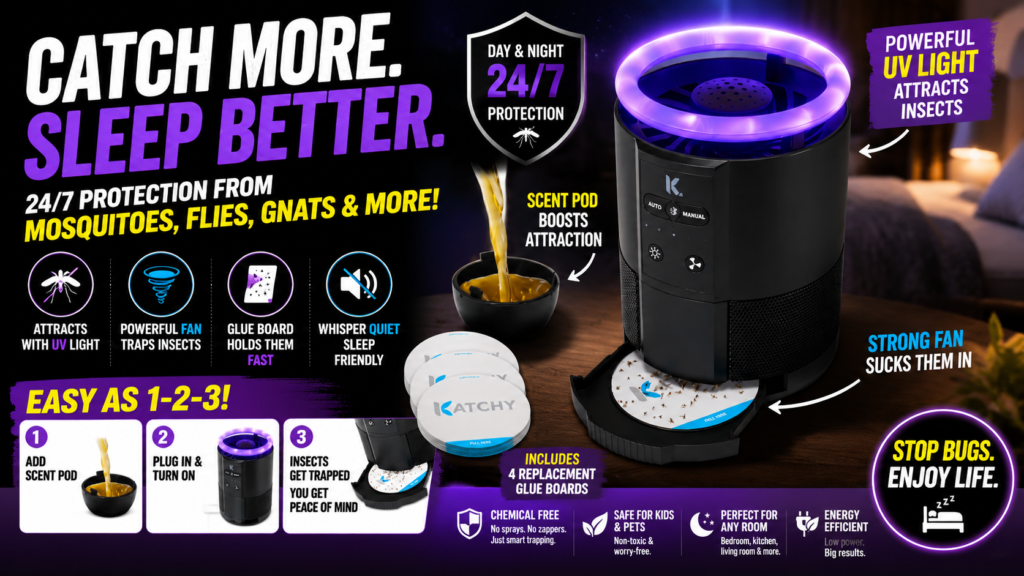
Sticky traps can catch adults and help monitor activity. They generally won’t eliminate an infestation unless the breeding source is also removed or becomes unsuitable for larval development. If you want a more active way to catch adults while monitoring the source, an active indoor trap for adult flies is another approach to consider.
Should I call an exterminator or a plumber for phorid flies?
A pest-control professional can help confirm the insect and investigate breeding locations. A plumber becomes especially important when evidence suggests a hidden drain, sewer, or wastewater leak. Some persistent infestations require both. For a broader overview of when infestations need investigation and treatment, see answers about household infestations.
About the Author: The writers at Why Do I Have Bugs help homeowners identify everyday pests, understand what’s attracting them, and find practical ways to address infestations without unnecessary guesswork.