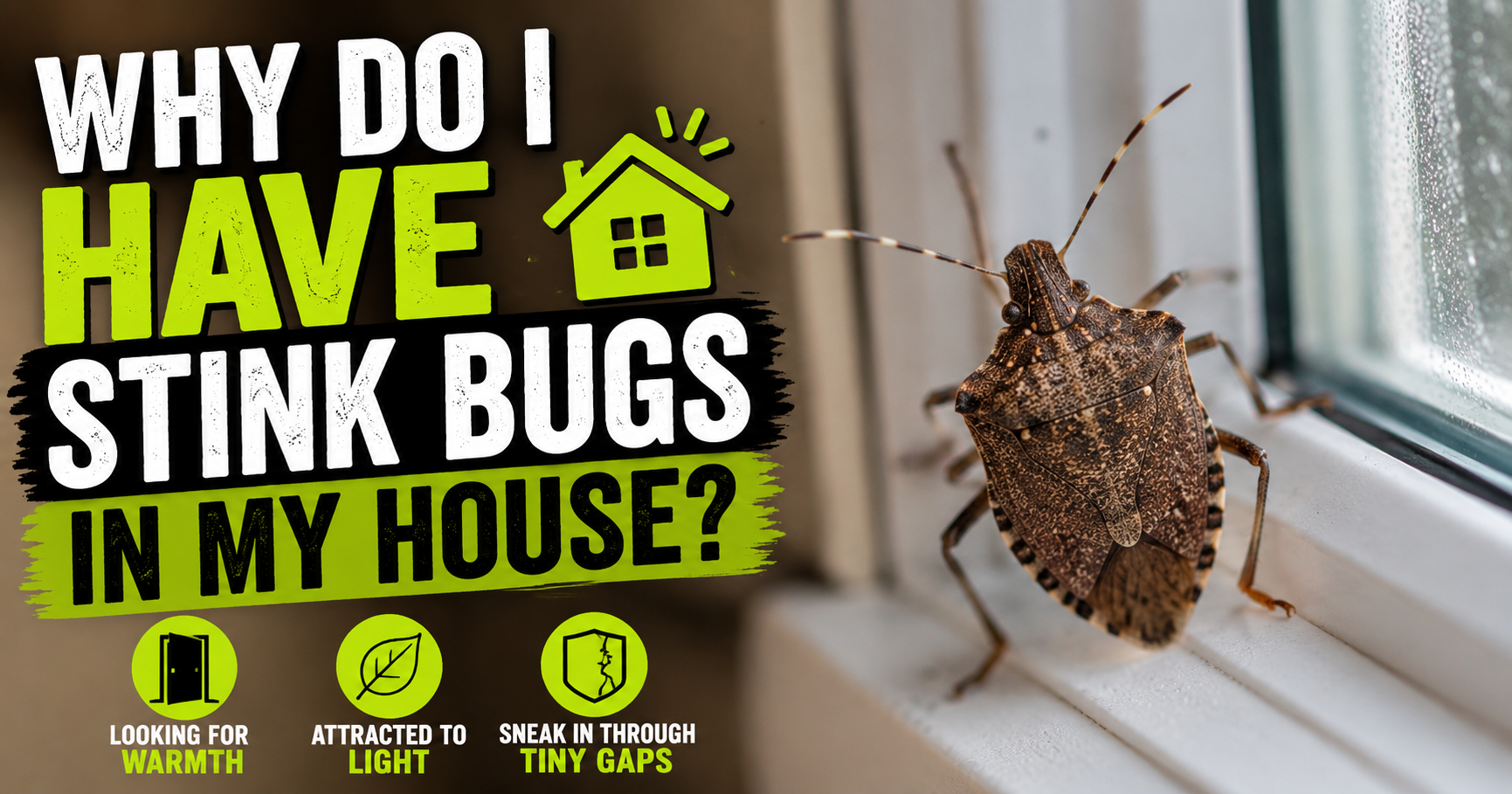
If stink bugs keep appearing inside your house, they probably entered during the fall while searching for a protected place to spend the winter. They are not usually breeding indoors, eating your belongings, or attracted by a dirty home.
The brown marmorated stink bug is the species most commonly responsible for noticeable home invasions. These insects can slip through small gaps around siding, windows, doors, vents, roof edges, and utility openings.
Once inside, stink bugs hide in walls, attics, ceilings, and other quiet spaces. Indoor heat or sunlight may wake them later, which explains why you might suddenly find stink bugs crawling around your house in the middle of winter.
Why Are Stink Bugs Coming Into My House?
Stink bugs enter houses because the building offers protection from cold winter weather.
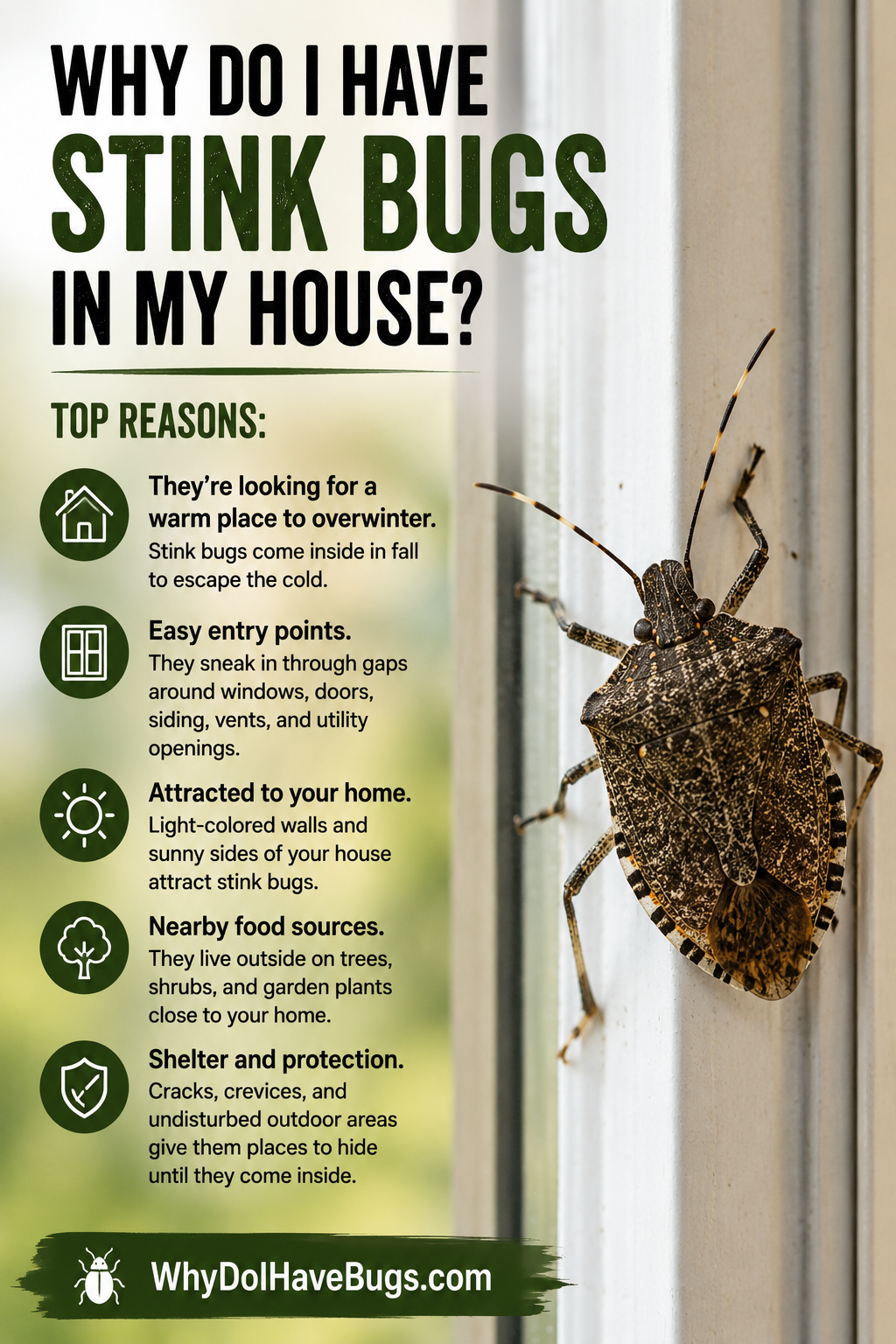
As temperatures begin falling during late summer and fall, adult brown marmorated stink bugs stop concentrating on feeding and begin searching for overwintering shelter. A dry house, barn, garage, shed, or other structure can provide exactly what they need.
They are particularly attracted to warm, sunny exterior surfaces. You may first notice them gathering on the south or west side of your house during a warm fall afternoon.
The insects crawl around the building until they find an opening. A gap does not have to look large from your perspective. A stink bug’s flat body allows it to squeeze into narrow cracks around exterior materials.
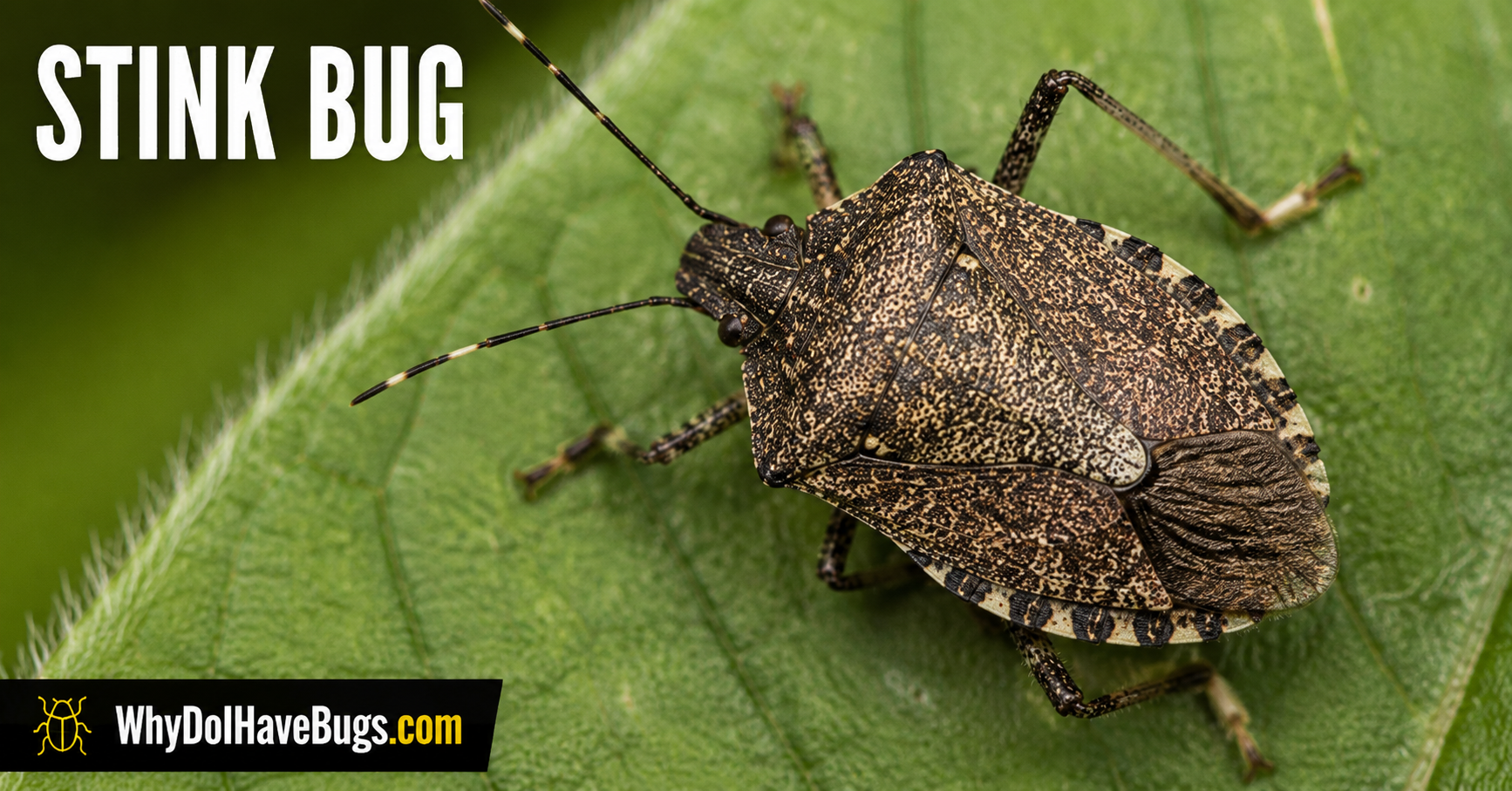
If you want to confirm that the insects are actually stink bugs, my easy stink bug identification guide explains the shield-shaped body, antenna markings, colors, wings, and common lookalikes.
Stink Bugs Are Looking for Shelter, Not Food
Stink bugs do not come inside because they smell food in your kitchen. They are also not looking for crumbs, garbage, pet food, or dirty dishes.
The adults entering during fall are looking for a protected winter location. Once settled inside a wall or attic, they enter a period of reduced activity called diapause.
During this time, they generally remain hidden and survive on energy stored in their bodies. They are not moving through the house every night looking for something to eat.
This is an important difference between stink bugs and household pests such as cockroaches or pantry beetles. Cleaning is always worthwhile, but cleaning the kitchen more often will not stop an exterior stink bug invasion.
Why Do Stink Bugs Like Certain Houses?
Any building with accessible openings can develop a stink bug problem, but some houses are more attractive or easier to enter than others.
The House Receives Plenty of Afternoon Sun
Stink bugs commonly gather on walls warmed by direct sunlight. South-facing and west-facing walls often receive the most attention during fall.
Light-colored siding may also attract noticeable groups, although stink bugs can land on houses of any color.
A warm exterior surface gives them a comfortable place to gather while they search for sheltered openings nearby.
There Are Gaps Around the Exterior
Small openings are the main reason stink bugs successfully enter a house.
Common entry points include:
- Gaps around window frames
- Worn door weatherstripping
- Openings beneath exterior doors
- Cracks around siding and trim
- Gaps where utility lines enter
- Unscreened vents
- Damaged window screens
- Openings around soffits and fascia boards
- Cracks along the foundation
- Gaps around window air conditioners
- Chimneys without proper screening
- Openings where additions meet the original house
Older homes often have more natural cracks and gaps, but new construction is not automatically protected. Small installation gaps around vents, siding, windows, and utility penetrations can still provide access.
Stink Bugs Are Common Around Your Property
A house surrounded by suitable host plants may have more stink bugs arriving at its exterior during fall.

Brown marmorated stink bugs feed on a wide range of plants, including fruit trees, vegetables, ornamental trees, shrubs, weeds, and field crops. A nearby orchard, soybean field, wooded edge, garden, or overgrown area can support them during the growing season. For the specific crops and plant parts they use, see plants that support stink bugs.
This does not mean you should remove every plant near the house. It simply explains why some properties experience much heavier stink bug activity than others.
The Building Offers Good Hiding Places
Attics, wall voids, loose siding, roof gaps, and unfinished spaces provide sheltered locations where stink bugs can remain undisturbed.
A building with numerous protected cavities may hold many insects without the homeowner realizing it. Only a portion of the hidden stink bugs may eventually enter the living area.
How Are Stink Bugs Getting Inside?
Stink bugs commonly enter from the upper portions of a building, not only from doors and ground-level cracks.
They may crawl beneath siding, enter attic vents, slip under roof edges, or move through gaps around soffits. Once inside the exterior shell of the building, they can settle into an attic or wall cavity.
Some eventually reach living spaces through:
- Ceiling light fixtures
- Recessed lighting
- Bathroom exhaust fans
- Attic access doors
- Window and door trim
- Baseboard gaps
- Electrical outlets
- Air vents
- Gaps around pipes
- Cracks where walls meet ceilings
The place where you see a stink bug is not necessarily the place where it first entered the building.
For example, a stink bug crawling across a bedroom ceiling may have entered through a roof or attic opening months earlier. It then moved through an interior gap after becoming active.
Why Am I Seeing Stink Bugs During Winter?
Finding stink bugs during winter does not necessarily mean they recently came in from outdoors.
The insects may have been hidden inside the structure since September or October. Warm indoor air, a sunny winter day, or rising temperatures within a wall can interrupt their dormant state.
Once awake, they move toward light. That is why stink bugs commonly appear around windows, lamps, ceilings, and sliding glass doors.
Some may fly clumsily around a room and bump into walls or people. They are trying to orient themselves, not attack anyone.
You might notice only one or two stink bugs at a time even if more are hidden inside the structure. Different individuals become active as temperatures change around their hiding areas.
Why Are Stink Bugs Appearing in Spring?
Stink bugs that successfully spent the winter inside a building become active when temperatures rise in spring.
Their natural goal is to return outdoors, feed, mate, and reproduce. However, insects hidden within walls may accidentally move into the living area instead of finding their way outside.
This can produce another period of indoor stink bug activity during late winter and early spring.
The spring insects are often the same adults that entered the previous fall. They did not hatch inside your home during winter.



Do Stink Bugs Build Nests Inside Houses?
Stink bugs do not build indoor nests.
They may gather together in a protected space, but this is an overwintering group rather than a nest or colony. There is no queen, worker system, or centralized nest like you would find with certain ants or social wasps.
A group may be hidden behind siding, inside an attic, beneath insulation, or within a wall void. Individual stink bugs can separate from the group and appear throughout different rooms.
Their tendency to gather is one reason a house can seem to develop a sudden large infestation.
Do Stink Bugs Lay Eggs Inside Houses?
Brown marmorated stink bugs do not normally lay eggs and reproduce inside houses.
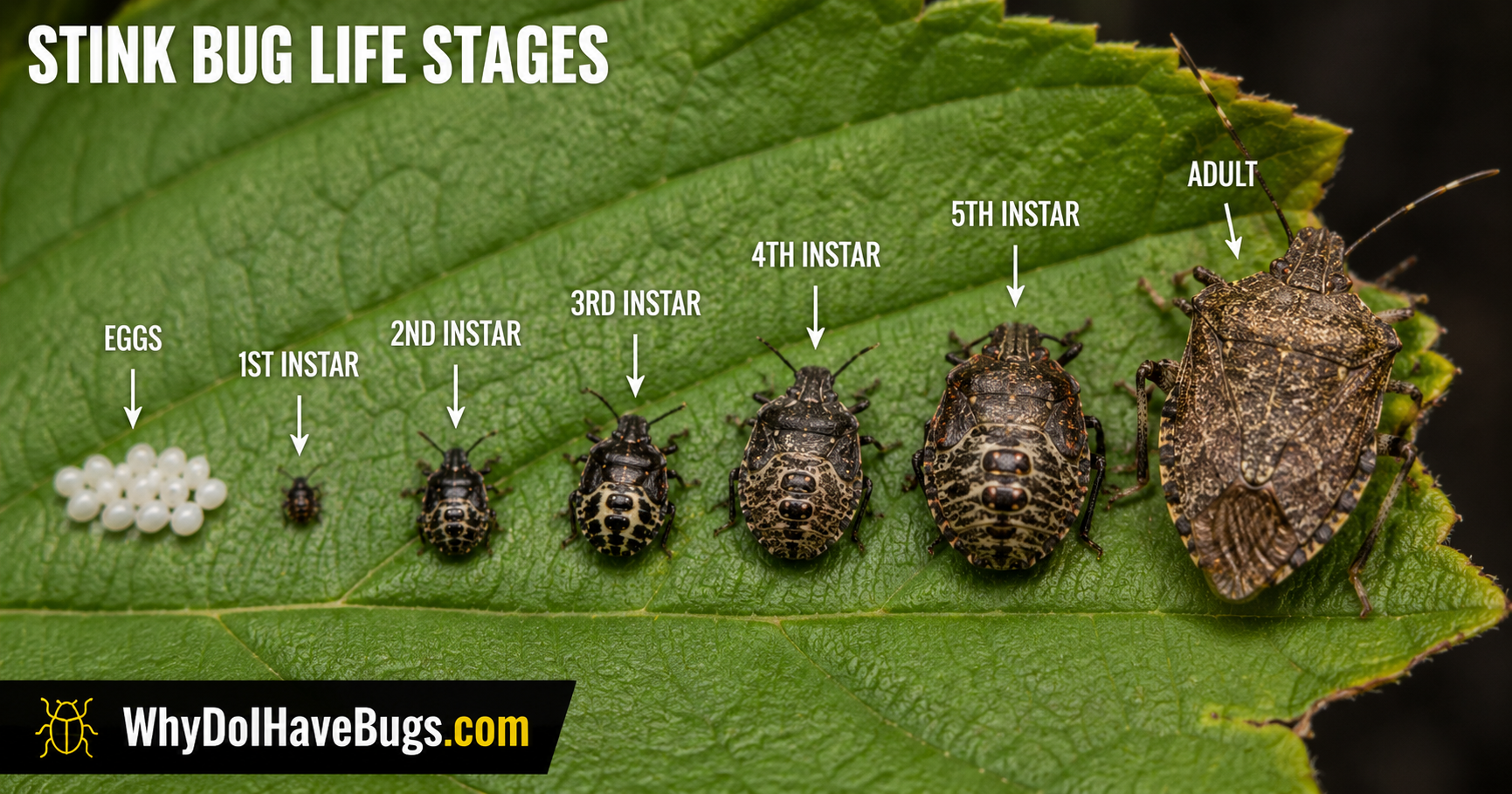
The females generally lay egg clusters on the undersides of outdoor plant leaves during the growing season. The newly hatched nymphs need access to suitable plants for feeding and development.
A heated home does not provide the normal conditions they need to complete their life cycle. The adults inside are primarily waiting out the cold.
This means small baby stink bugs appearing inside would be unusual. Most indoor stink bugs are winged adults that entered from outside.


Does One Stink Bug Mean There Are More?
One stink bug does not prove that a large number are hidden in your house. It could have flown through an open door or slipped inside individually.
However, finding stink bugs repeatedly during fall and winter suggests that multiple insects entered the structure. Brown marmorated stink bugs can gather in substantial numbers at favorable overwintering sites.
Look for patterns instead of judging the situation from one insect.
Repeated appearances around the same window, ceiling fixture, attic hatch, or upstairs room can help narrow down where they are emerging from.
Even if many are hidden inside a wall, they are not damaging the structure or multiplying there. The main concern is preventing another group from entering next fall.
Where Do Stink Bugs Hide Inside a House?
Stink bugs prefer quiet, protected spaces where temperatures remain relatively stable.
Likely hiding places include:
- Attics
- Wall voids
- Behind siding
- Beneath insulation
- Around window and door frames
- Behind baseboards
- Inside unused chimneys
- In crawlspaces
- Around stored boxes
- Behind curtains
- Beneath furniture
- Inside folds of stored fabric
- Around recessed lights
- Near attic vents
- Inside garages and sheds
They are often concentrated in the upper parts of a house because many entry points are located around the roofline, attic vents, soffits, and fascia.
Trying to open walls to locate every stink bug is rarely worthwhile. It can cause more damage than the insects themselves.


Why Are Stink Bugs Always Near My Windows?
Stink bugs move toward light after becoming active indoors. A bright window looks like a possible route back outside.
Unfortunately, the insect may become trapped between the glass and screen or continue crawling around the window frame without finding an exit.
Windows are also common entry and exit areas because frames may have small gaps. Finding stink bugs there does not always tell you whether they entered through that particular window.
If several appear around the same window, inspect the exterior caulking, screen, weatherstripping, and trim. Also look above the window for openings in siding or soffits.
Why Are Stink Bugs in My Bedroom?
A bedroom can develop stink bug activity when insects emerge from a nearby wall, attic, window frame, ceiling fixture, or vent.
Upstairs bedrooms may experience more activity because they are closer to the roofline and attic. Warm air also rises, creating temperature changes that can awaken overwintering bugs.

Stink bugs are not attracted to beds, people, sweat, or blood. Finding one on a bed usually means it fell from the ceiling, flew through the room, or moved toward a nearby window. If the insect was a cockroach rather than a stink bug, roaches near your mattress explains what that sighting may mean.
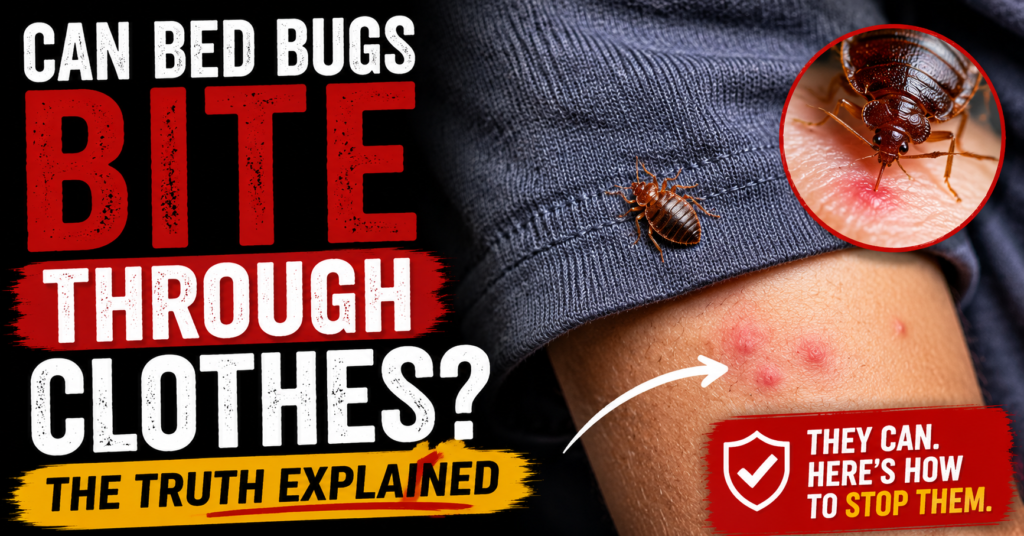
They do not live in mattresses like bed bugs.
Why Are Stink Bugs in My Bathroom?
Bathrooms have vents, plumbing openings, recessed lights, and other gaps that may connect with attics or wall spaces.
A stink bug that spent winter inside one of these hidden areas may follow warmth or light into the bathroom. The moisture in the room is not normally the main attraction.
Check around the exhaust fan, ceiling fixtures, window, and pipe openings. A poorly screened exterior vent can also provide an original entry route.
Why Are Stink Bugs in My Attic?
An attic provides one of the best overwintering locations available inside a house. It is dark, protected from wind and precipitation, and filled with small hiding spaces.
Stink bugs may enter through ridge vents, gable vents, soffit gaps, roof openings, or spaces around fascia boards. Once inside, they can hide beneath insulation or around stored belongings.
During temperature changes, some move from the attic into the rooms below through light fixtures, access panels, fans, and construction gaps.
If you are seeing a large number indoors, the attic and exterior roofline are important places to inspect.
Are Stink Bugs Attracted to Indoor Lights?
A stink bug that is already active may move toward a lamp or bright window. Exterior lights can also attract flying stink bugs and bring them close to doors, windows, and building openings.
However, lights are not the main reason stink bugs enter homes for winter. Their seasonal search for protected shelter is the larger cause.
Reducing unnecessary outdoor lighting during peak fall activity may help somewhat, particularly around doors and windows. It will not replace sealing entry points.
Are Stink Bugs Attracted to Heat?
Warmth can attract activity and help explain where stink bugs gather.
In fall, sun-warmed walls provide comfortable surfaces as the insects look for winter shelter. During winter, warmth from indoor heating or sunlight can awaken stink bugs hidden within the structure.
A heating vent does not create stink bugs. It may simply make nearby overwintering insects active enough to crawl into view.
This is why stink bug appearances can increase during a sudden warm spell.
Are Stink Bugs Attracted to Certain Smells?
Stink bugs use chemical signals to communicate and gather, particularly when locating overwintering sites. However, ordinary household odors are not the usual cause of an invasion.
Cooking smells, garbage, laundry, pets, and dirty dishes are not what bring brown marmorated stink bugs inside for winter.
If stink bugs repeatedly choose your house, available openings, exterior warmth, previous sheltering success, and the surrounding outdoor population are more likely explanations.
Their own gathering signals may help other stink bugs concentrate near a favorable location.
Are Stink Bugs a Sign That My House Is Dirty?
No. A clean home can have a serious stink bug problem.
Unlike many indoor pests, stink bugs are not depending on food scraps, standing water, grease, or unsanitary conditions. They are entering from outdoors to escape cold weather.
Housekeeping can make it easier to remove visible insects, but it will not solve the underlying entry problem.
The most useful work happens around the outside of the building before fall activity begins.
Can Stink Bugs Damage My House?
Stink bugs do not chew wood, drywall, insulation, electrical wiring, clothing, carpet, or furniture.
They may leave small spots from droppings or defensive secretions. Their odor can also linger if many insects are crushed or disturbed.
Those are nuisance problems, not structural damage.
This is another reason identification matters. The features that confirm a stink bug can help you avoid confusing one with an insect that requires a different response.
Are Stink Bugs Dangerous Inside?
Common household stink bugs are not dangerous. They do not have stingers, are not venomous, and do not normally bite people or pets.
They may fly unexpectedly or crawl onto someone, but this is accidental behavior. They are not trying to feed on you.
The defensive odor can be unpleasant. Direct secretions may occasionally irritate sensitive skin or eyes, so washing your hands after handling one is sensible.
The biggest problem is usually the annoyance of repeatedly finding them in rooms.
Should I Squish a Stink Bug?
I would not squish a stink bug indoors.
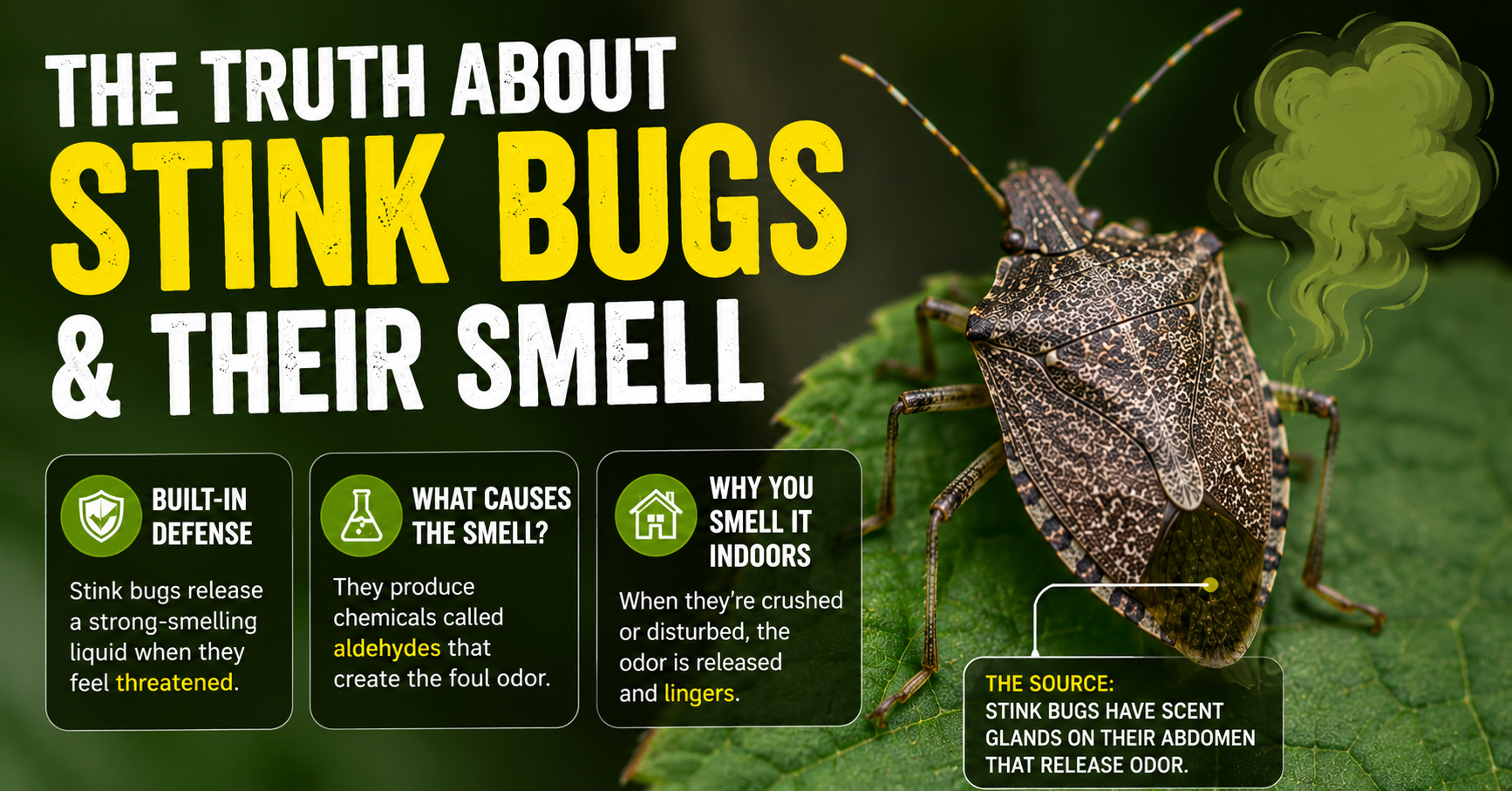
Crushing it can release the odor that gives the insect its name. The smell may remain on your hands, wall, curtain, carpet, or furniture.
A smashed stink bug may also leave a visible mark on light-colored surfaces.
Gently trapping it in a cup or vacuuming it is usually cleaner and easier.
How to Remove a Stink Bug Without Making It Smell
For one stink bug, place a cup or container over it and slide a firm piece of paper underneath. Carry the covered container outside or empty the insect into soapy water.
If you prefer to use a vacuum, empty the collection container or dispose of the bag promptly. The defensive odor can remain inside a household vacuum.
A dedicated shop vacuum can be useful when large numbers regularly appear. Some homeowners place a stocking or similar removable material inside the vacuum hose to catch the insects before they reach the main container, but it must be secured carefully so it does not get pulled into the machine.
Avoid grabbing a stink bug tightly with your fingers. Pressure and handling make it more likely to release odor.
Will Indoor Bug Spray Get Rid of Stink Bugs?
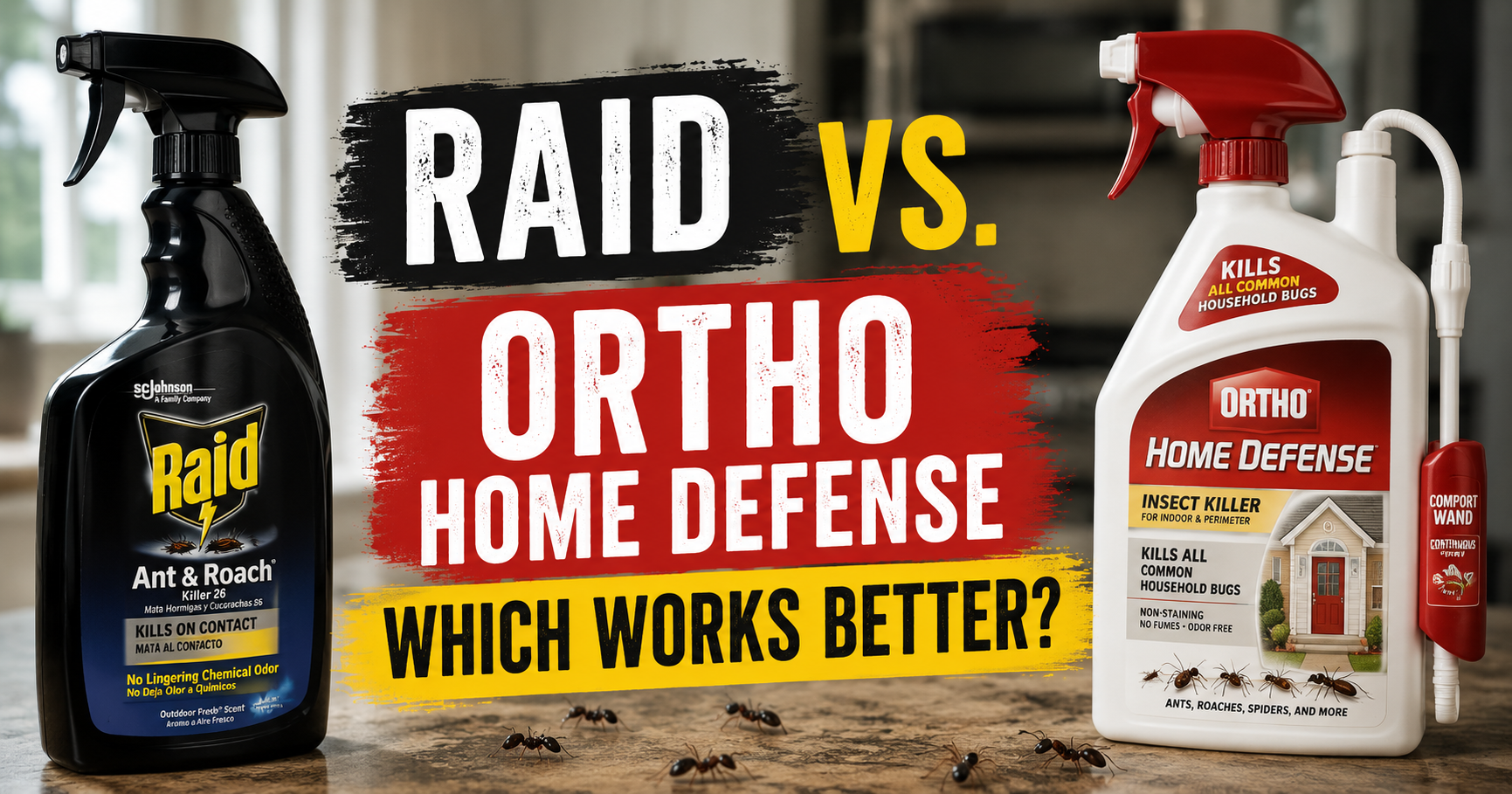
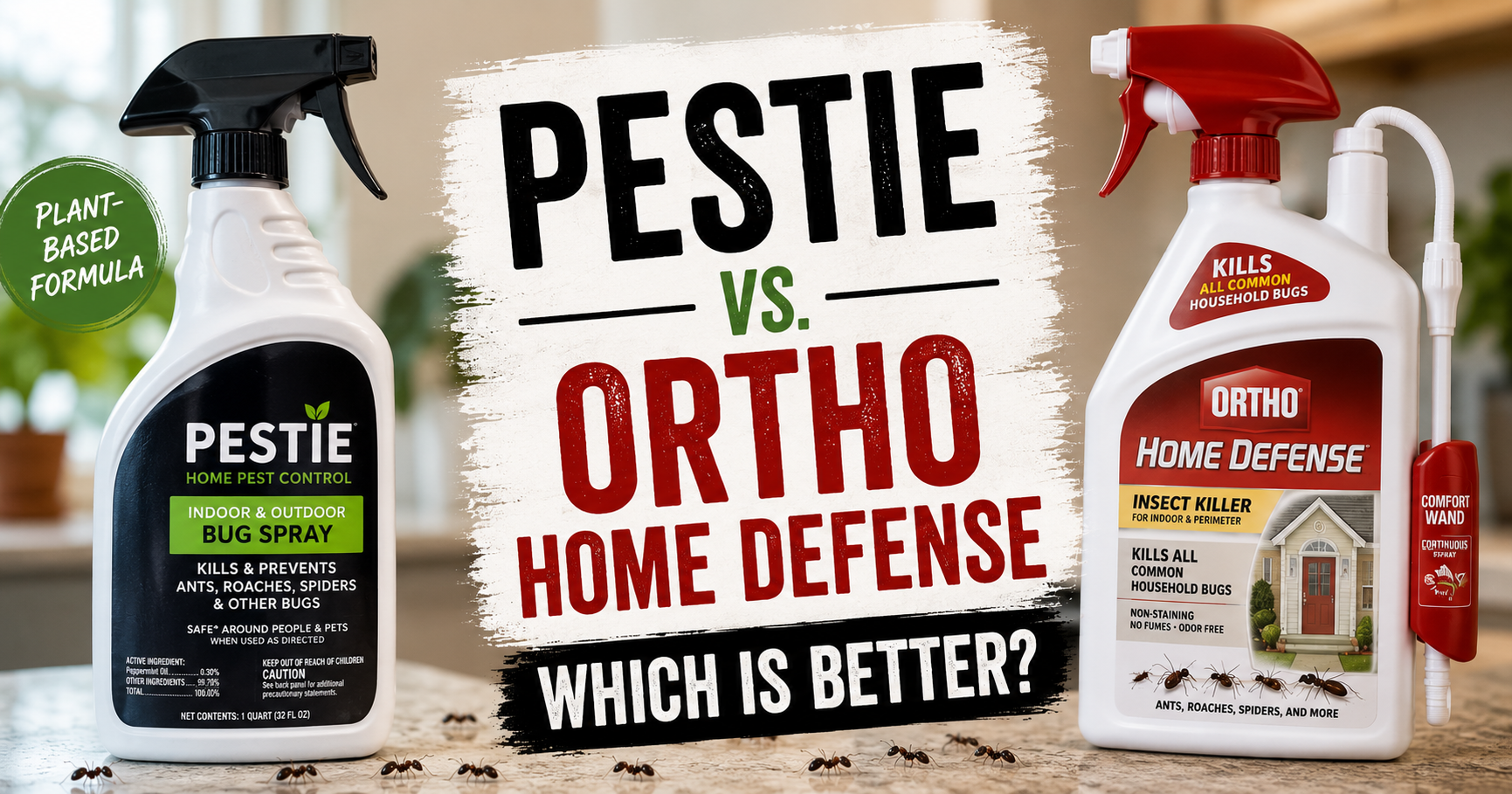
Aerosol sprays may kill stink bugs that are directly exposed, but they do not provide a good long-term solution. The Raid and Ortho comparison explains why direct-contact sprays and barrier treatments serve different purposes.
Hidden stink bugs can continue emerging after the product dries. Sprays also cannot seal the gaps through which future insects will enter.
Foggers are especially unlikely to solve an overwintering problem because the bugs are protected inside walls, attics, and other inaccessible spaces.
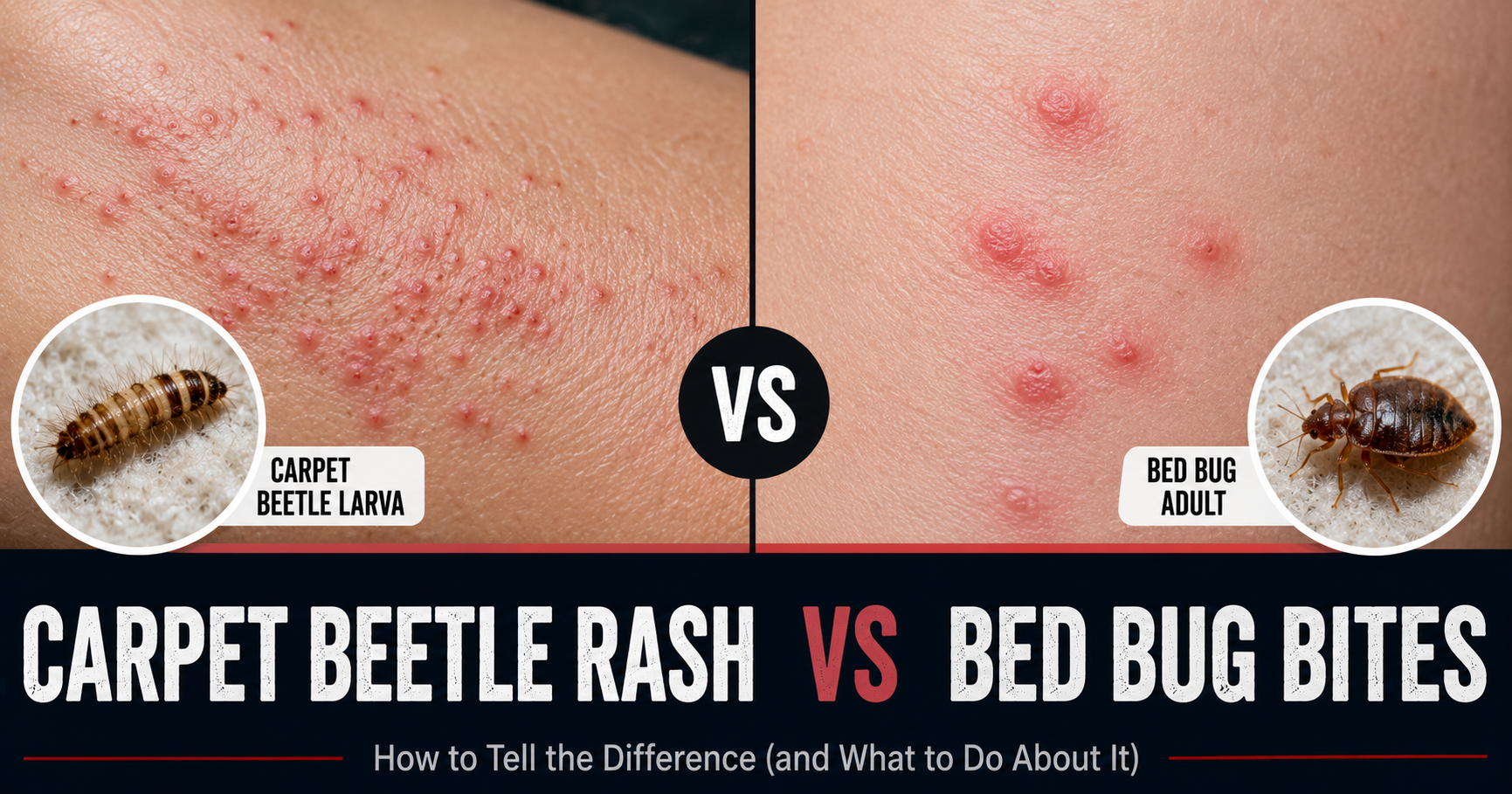
Spraying into wall voids can create another issue. Dead insects left inside hidden spaces may attract scavenging pests such as carpet beetles.
For visible stink bugs, physical removal is usually enough. For repeated invasions, exterior exclusion is the part that matters most.
How to Keep Stink Bugs Out of Your House
The best time to prevent stink bugs is before they begin entering during late summer and fall.
Seal Cracks Around Windows and Doors
Inspect exterior window and door frames for missing or cracked caulk. Replace deteriorated weatherstripping and install a door sweep anywhere daylight is visible beneath an exterior door.
Make sure screens fit properly and repair even small holes.
Check Siding and Exterior Trim
Look for gaps where siding meets trim, stone, brick, roofing, and other materials.

Seal openings with an exterior product appropriate for the surface and local weather exposure. Do not block drainage openings that are intentionally part of a siding or window system. A compatible perimeter treatment can provide an additional layer, and perimeter spray review explains where that treatment belongs around a home.
Screen Vents Correctly
Attic, gable, soffit, foundation, and crawlspace vents should have intact screening.
Use screening that blocks insects while still allowing the ventilation the structure requires. Bathroom and dryer vents should also close properly when not operating.
Inspect Utility Openings
Check where cables, plumbing, electrical lines, refrigerant lines, and other utilities pass through exterior walls.
Seal around these penetrations with a material suitable for the size of the gap and the surrounding surface.
Check the Roofline
Gaps around fascia, soffits, flashing, roof vents, and chimneys can allow stink bugs into the attic.
Roof work can be dangerous. Openings in high or difficult locations may be better handled by a qualified contractor or pest-control professional.
Reduce Exterior Lighting Near Entry Points
Turn off unnecessary outdoor lights during heavy fall activity. Where lighting is needed, fixtures positioned farther from doors may draw flying insects away from entrances.
This is a supporting step, not a complete prevention method.
Start Before Fall
Sealing work is most effective when completed before stink bugs begin gathering on the building.
Once they are already inside walls, exterior sealing may trap some within the structure. They will eventually die or try to emerge indoors, but the repairs can prevent another invasion the following year.
Should I Seal the House During Winter?
You can seal obvious exterior gaps during winter if weather and materials allow, but the most thorough inspection is often easier during warmer months.
Stink bugs already inside may continue appearing until spring even after the exterior has been sealed. This does not mean the repairs failed.
The insects you see may have entered before the openings were closed.
Keep track of the rooms and surfaces where stink bugs appear. That information can help guide a more focused exterior inspection before the next fall.
When Should I Call Pest Control?
A few stink bugs usually do not require professional treatment. You can remove them individually and begin inspecting the exterior.
Professional help may be useful when:
- Hundreds of stink bugs gather on the house
- Large numbers repeatedly enter living areas
- Entry points are high or difficult to access
- The roofline or siding has extensive gaps
- You cannot determine where they are entering
- The problem returns heavily every year
A professional should focus on exclusion and correctly timed exterior management. Routine spraying inside living spaces is not a substitute for closing entry points.
If treatment is recommended, ask where it will be applied, what product will be used, and how it addresses the actual entry problem.
Can Stink Bugs Keep Coming Back Every Year?
Yes. A house that provides good winter shelter may experience stink bugs year after year.
The insects emerging in spring do not necessarily stay and return to the exact same crack in fall. However, the same building features that allowed one invasion can allow another.
Nearby stink bug populations may also remain high because of surrounding trees, gardens, fields, and other host plants.
Sealing the exterior before the next fall migration offers the best chance of reducing repeat problems.
What Finding Stink Bugs Inside Really Means
Stink bugs inside your house usually mean adult insects found a small exterior opening while searching for winter shelter. It does not mean your home is dirty, your walls are being eaten, or the bugs are multiplying indoors.
Visible insects can be removed without crushing them. The hidden ones may continue appearing during warm spells until they eventually leave or die.
The lasting fix is to inspect and seal the exterior before the next fall invasion. If you are unsure whether the insect is a brown marmorated stink bug or a similar-looking species, use the complete guide to identifying the stink bug in your home before deciding how to handle it.
Frequently Asked Questions
Why do I keep finding stink bugs in my house?
They likely entered during fall to spend the winter in a protected location. Temperature changes can wake different insects at different times, causing them to appear repeatedly.
Why are stink bugs in my house when it is cold outside?
The stink bugs probably entered before cold weather arrived. They have been hiding inside walls, an attic, or another protected space.
What attracts stink bugs to my house?
Warm sunny walls, accessible cracks, suitable overwintering spaces, exterior lights, and a strong nearby stink bug population can all contribute.
What are stink bugs eating inside my house?
Overwintering stink bugs generally are not eating anything inside. They survive in a dormant state using energy stored in their bodies.
Do stink bugs lay eggs in houses?
Brown marmorated stink bugs normally lay eggs outdoors on plant leaves. They do not typically establish a reproducing population inside a home.
Where do stink bugs hide in a house?
They commonly hide inside attics, walls, siding, window frames, roof gaps, insulation, crawlspaces, and other quiet protected spaces.
Why do stink bugs fly around my room?
Warmth may have awakened the insect, and it is probably moving toward a window or another source of light. It is not trying to attack you.
Will stink bugs eventually leave?
Those that survive winter will naturally attempt to return outdoors during spring. Some may enter living spaces because they cannot find the correct way out.
Can I flush stink bugs down the toilet?
You can, but placing them in a small container of soapy water uses much less water. The soapy water method also avoids crushing them and releasing odor inside the room.
What is the fastest way to remove stink bugs indoors?
For a few insects, capture them with a cup and stiff paper. For larger numbers, use a vacuum and empty it promptly so the odor does not remain inside the machine.
Caleb Warren is a longtime gardener and backyard insect researcher who writes practical identification guides for WhyDoIHaveBugs.com, helping homeowners understand the insects they find before deciding how to handle them.