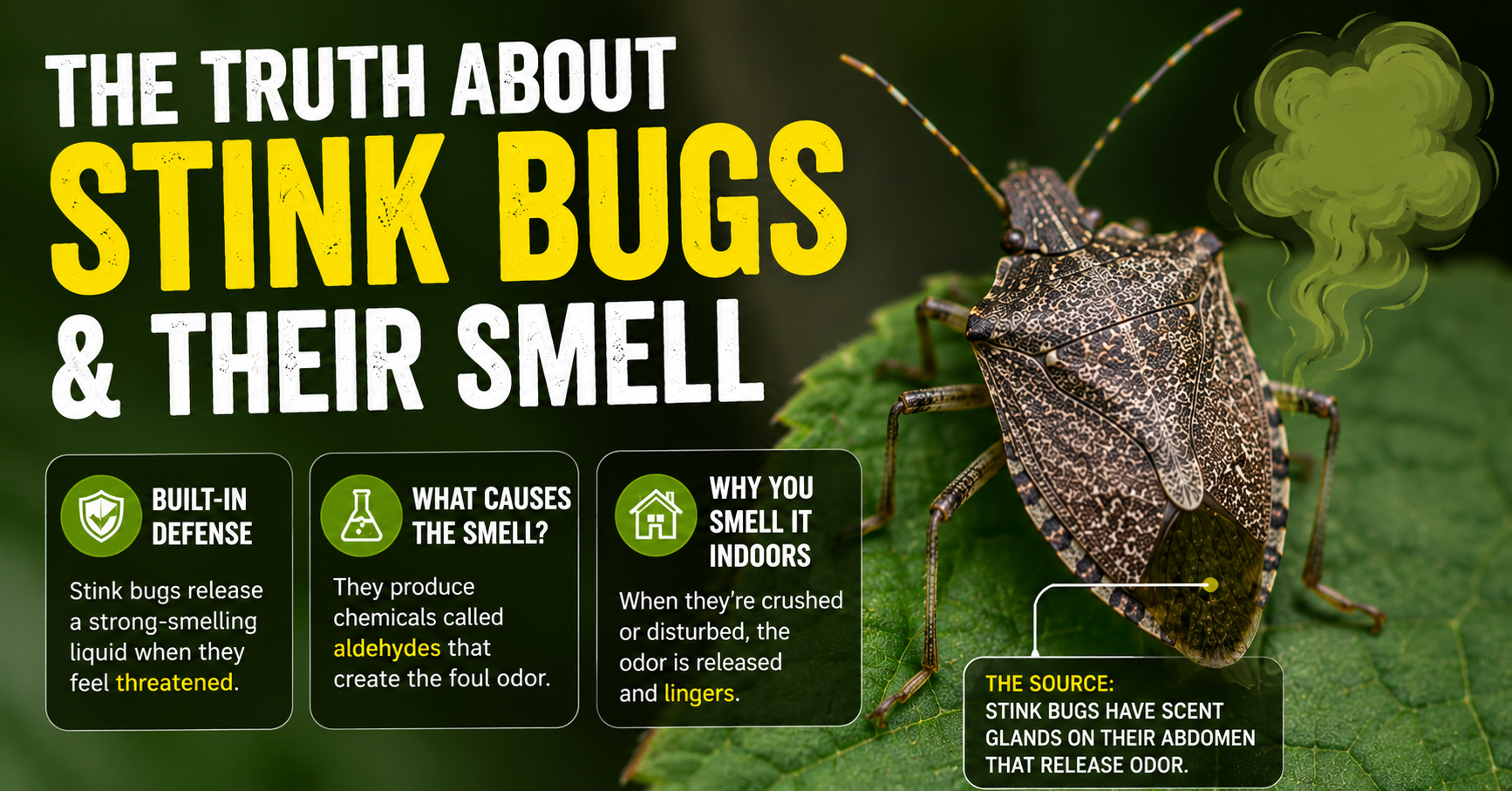
Stink bugs smell because they release defensive chemicals from specialized scent glands when they feel threatened. The odor helps discourage birds, spiders, reptiles, and other predators from eating them.
A stink bug may release very little odor while it is crawling quietly across a wall. The smell usually becomes strongest when the insect is grabbed, frightened, vacuumed, injured, or crushed.
That is why I avoid smashing stink bugs indoors. A quick swat can turn one harmless bug into an odor that remains on your hands, clothing, furniture, or carpet.
What Does a Stink Bug Smell Like?
People describe stink bug odor in very different ways.
Common descriptions include:
- Cilantro
- Strong herbs
- Burnt rubber
- Dirty socks
- Chemical cleaner
- Musty vegetation
- Rotten food
- Sulfur
- Bitter almonds
- A strong oily smell
Brown marmorated stink bug odor is often compared to concentrated cilantro. Some people barely notice it, while others find even a small amount extremely unpleasant.
Genetics, personal sensitivity, the stink bug species, and the amount of chemical released can all affect how the odor is perceived.
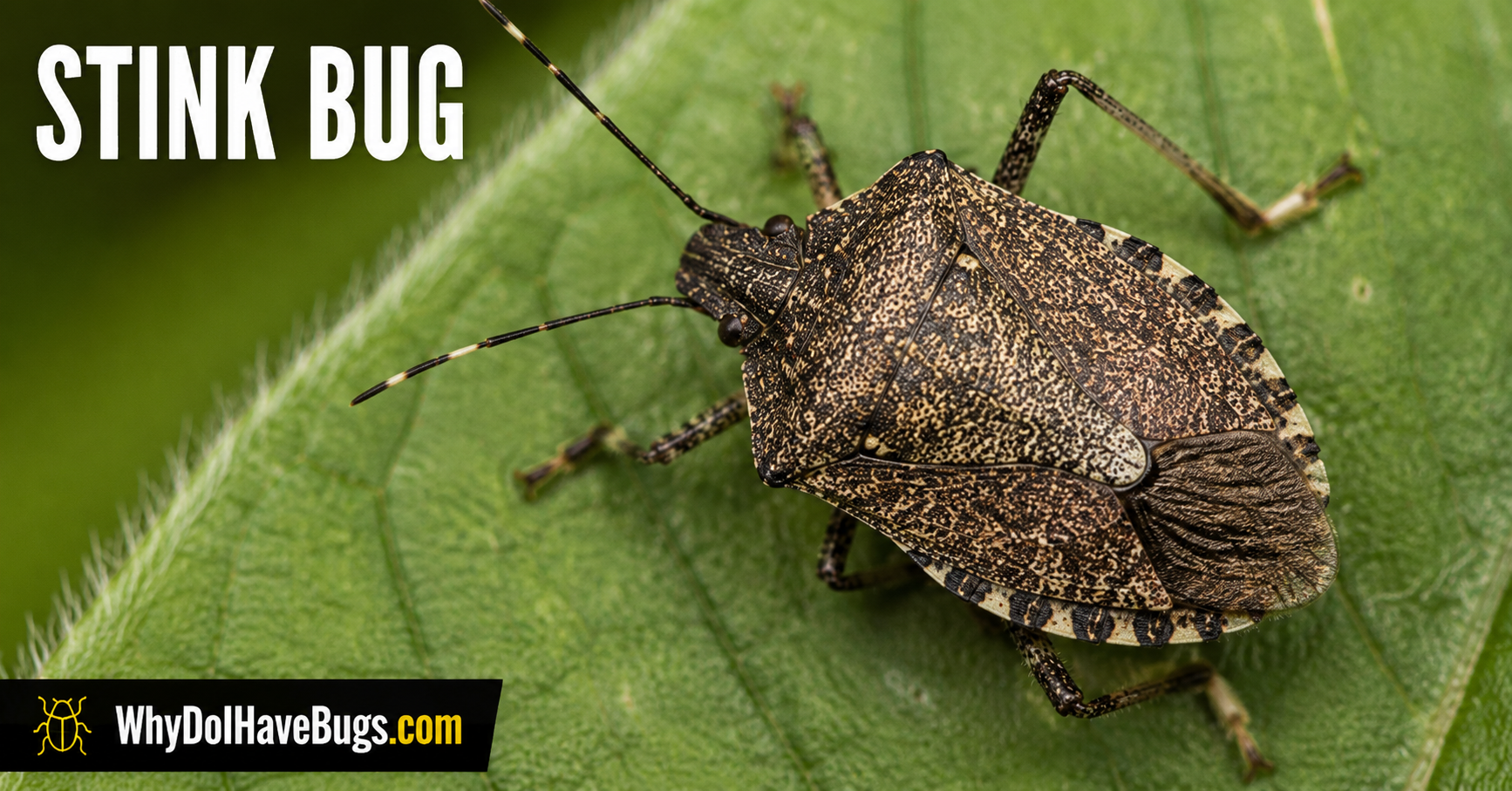
If you are unsure whether the insect actually is a stink bug, my complete stink bug identification guide explains the shield-shaped body and markings to look for.
Where Does the Stink Bug Smell Come From?
Stink bugs have specialized scent glands associated with the thorax and abdomen. These glands store defensive chemicals that can be released when needed.
Adult stink bugs and their immature nymphs can both produce odor. The exact gland location and chemical mixture vary with the species and life stage.
The brown marmorated stink bug’s odor includes compounds known as aldehydes. One odor-active compound associated with its cilantro-like scent is trans-2-decenal.
You do not need to crush the bug to make the glands work. A stink bug may release odor simply because it feels trapped, threatened, or handled roughly.


Why Do Stink Bugs Release Their Smell?
The odor is mainly a defense against predators.
A bird, lizard, spider, frog, or another animal may be less likely to eat an insect that suddenly tastes and smells terrible.
A stink bug may release its defensive chemicals when:
- It is picked up
- Something presses against its body
- It is trapped in clothing
- A pet paws or mouths it
- It is caught in a vacuum
- It is struck or injured
- Several stink bugs are disturbed together
- It is crushed
The smell gives the insect a chance to escape while the predator reacts to the unpleasant chemical.
Stink bugs do not release the odor because they are dirty, diseased, or decaying. It is a normal defense built into a healthy insect.
Do Stink Bugs Smell All the Time?
No. A stink bug does not constantly fill the air with odor.
One resting on a window or wall may produce no noticeable smell. If you trap it gently with a cup, it may never release enough chemical for you to notice.
The insect usually saves its defensive chemicals for situations that feel threatening.
This is why gentle removal works so much better than swatting, grabbing, or squeezing.


Why Does Crushing a Stink Bug Make It Smell Worse?
Crushing a stink bug releases a larger amount of defensive material at once. It also spreads that material across the surface where the bug was smashed.
A bug crushed on a wall may leave both an odor and a stain. One crushed on fabric may push the oily-smelling material deeper into the fibers.
The smell can be stronger when several stink bugs are crushed together, such as inside a vacuum bag or beneath an object.
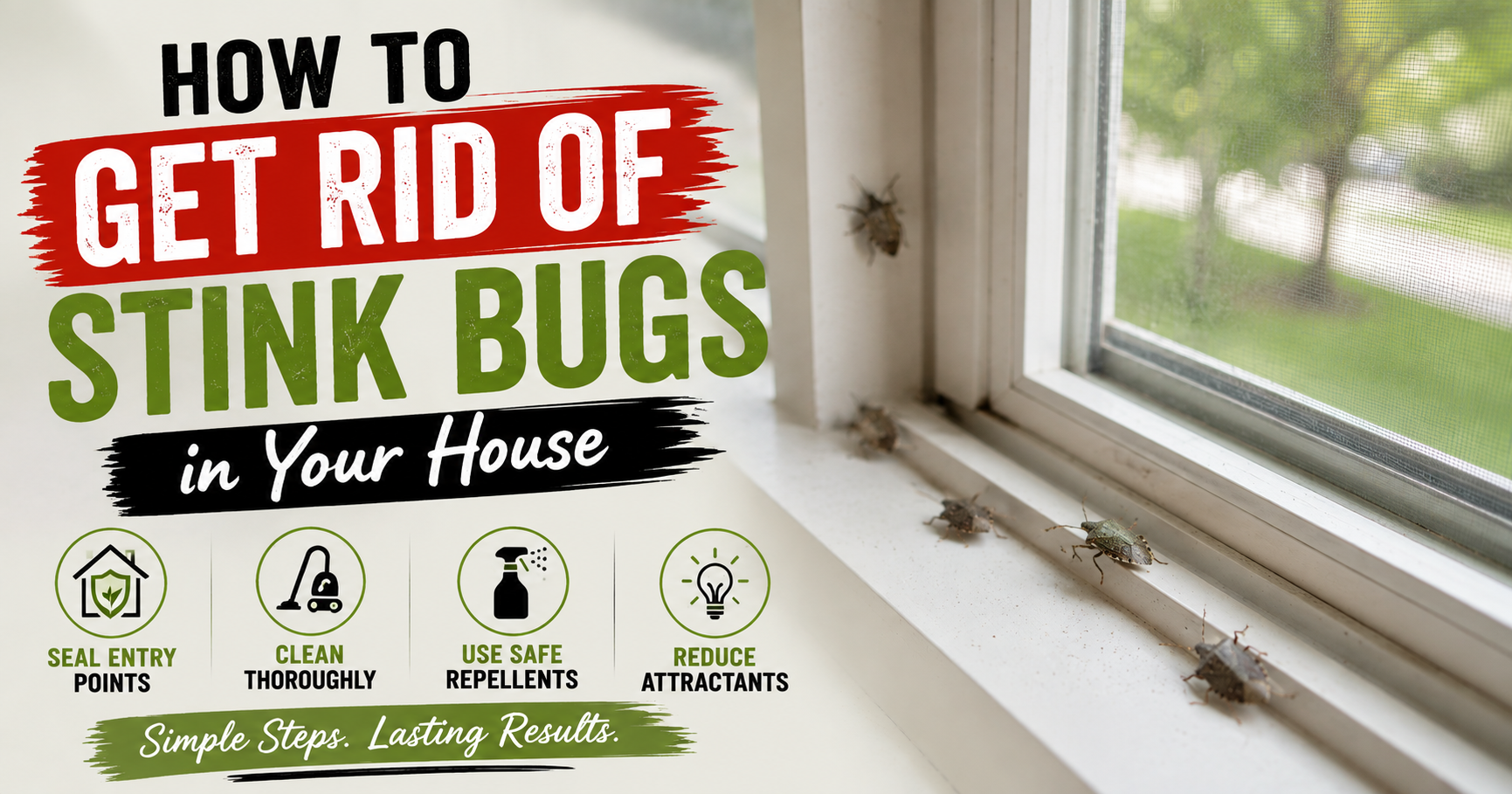
The best way to avoid the problem is to use the capture and removal methods in my guide to getting stink bugs out of your house.
Does Stink Bug Smell Attract More Stink Bugs?
The defensive odor released by a crushed stink bug is not the main reason other stink bugs gather around a house.
Brown marmorated stink bugs use chemical communication, including aggregation pheromones, but these signals are not the same thing as the defensive odor released when one is threatened.
Large groups gather because of seasonal behavior, suitable shelter, warmth, building color and orientation, environmental cues, and communication between stink bugs.
Smashing one indoors is unlikely to summon a swarm into the room. However, it still creates an unnecessary odor and does nothing to close the openings through which other stink bugs are entering.
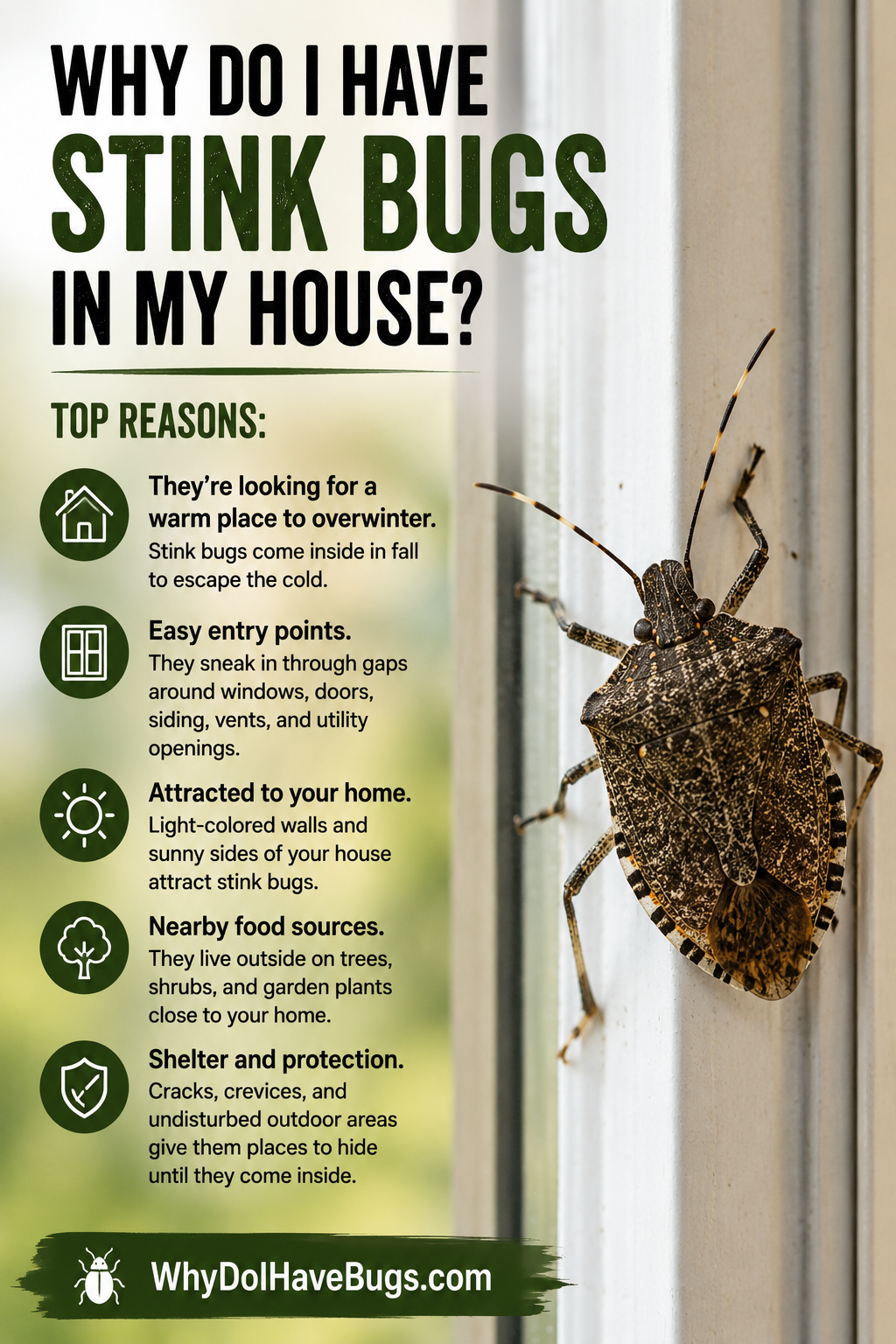
The reasons they gather around buildings are covered in my guide to why stink bugs enter houses.
Does Killing a Stink Bug Attract More?
Killing one stink bug does not cause hidden stink bugs to reproduce or suddenly enter the room.
If more appear afterward, they were probably already hiding inside the wall, attic, siding, ceiling, or another protected space.
Temperature changes can wake different insects at different times. That creates the impression that killing one caused another to appear.
The important issue is not the dead bug. It is the exterior opening that allowed multiple stink bugs into the structure during fall.
How Long Does Stink Bug Smell Last?
A faint odor from one disturbed stink bug may disappear within minutes after the bug is removed and the room is ventilated.
A stronger odor can remain for several hours. If the insect was crushed into absorbent fabric, carpeting, unfinished wood, upholstery, or a vacuum filter, the smell may linger for days.
How long it lasts depends on:
- How much chemical was released
- Whether the bug was crushed
- The type of surface
- Room ventilation
- Temperature
- The number of stink bugs involved
- How quickly the residue was cleaned
A lingering odor usually means defensive material remains on a surface or inside the vacuum rather than floating freely throughout the entire room.


Is Stink Bug Smell Dangerous?
Stink bug odor is unpleasant but is not normally dangerous to a healthy person.
Some sensitive individuals may develop a runny nose, sneezing, irritated eyes, coughing, or other allergy-like symptoms. Penn State Extension notes that brown marmorated stink bug defensive chemicals can act as an airborne allergen for some people.
Direct contact with the secretion can also irritate sensitive skin. A crushed stink bug against bare skin has occasionally been associated with localized dermatitis.
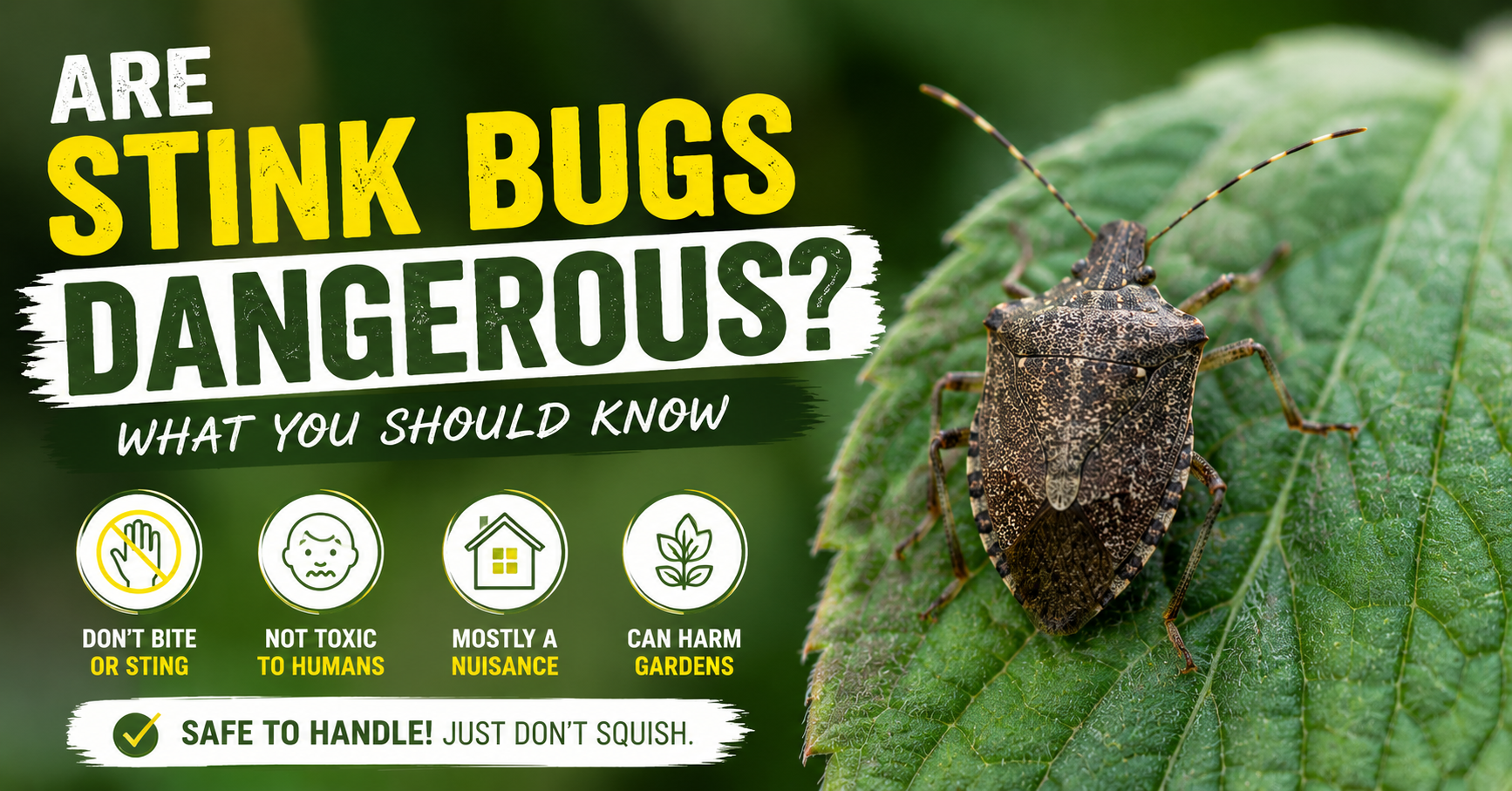
My article about whether stink bugs are dangerous to people and pets covers these less-common reactions in greater detail.
Move into fresh air and ventilate the room if the odor causes discomfort. Seek medical attention for trouble breathing, facial swelling, severe eye irritation, or another serious reaction.
Can Stink Bug Smell Irritate Your Eyes?
Yes, direct contact with stink bug defensive chemicals may irritate the eyes.
Symptoms can include burning, watering, redness, or discomfort.
If the material gets into an eye, rinse gently with clean lukewarm water. Remove contact lenses if they come out easily during rinsing, and avoid rubbing the eye.
Contact a medical professional or Poison Control if pain, redness, swelling, or vision changes continue.

Can Stink Bug Smell Irritate Your Skin?
The defensive secretion may cause redness, itching, burning, or localized irritation in a sensitive person.
Wash the affected area with soap and water. Do not scrub aggressively because that could make the irritation worse.
Remove clothing that has the chemical on it and wash the clothing according to its care instructions.
Seek medical advice if the reaction spreads, blisters, becomes painful, or does not improve.
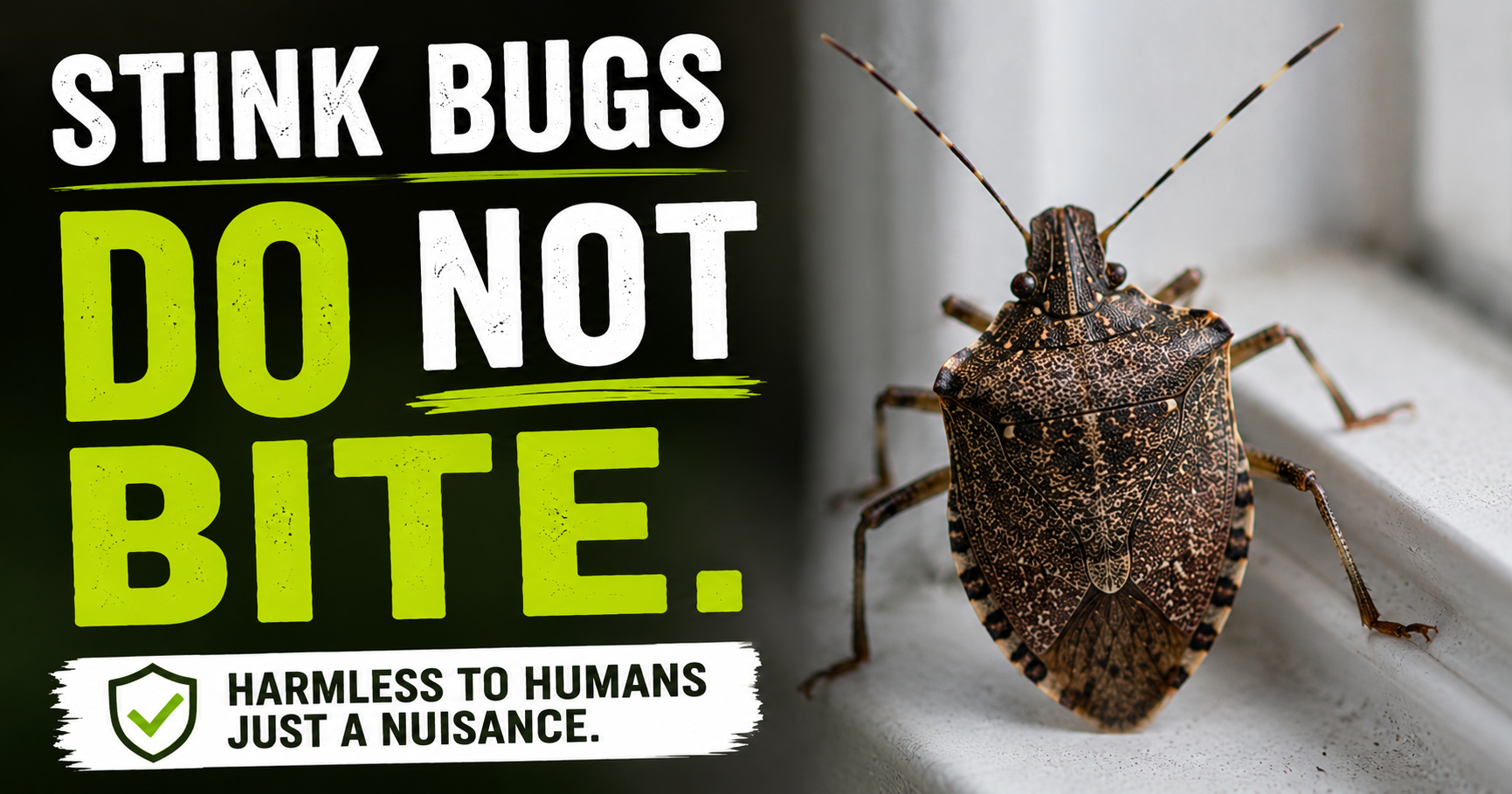
The irritation comes from contact with defensive chemicals rather than a bite. Common brown marmorated stink bugs do not normally bite people.
How to Get Stink Bug Smell Off Your Hands
Wash your hands promptly with warm water and dish soap.
Dish soap is useful because stink bug residue can be oily and may not come off with a quick water rinse.
I would use this process:
- Rinse your hands with warm water.
- Apply a small amount of dish soap.
- Wash between your fingers and around your nails.
- Rinse thoroughly.
- Repeat once if the smell remains.
- Dry with a clean towel.
- Apply unscented moisturizer if repeated washing dries your skin.
Avoid using harsh solvents, bleach, gasoline, or undiluted cleaning chemicals on your skin. Those products can cause more harm than the stink bug residue.
If the smell remains faintly after washing, it will usually fade as the remaining compounds evaporate or wear away naturally.
How to Remove Stink Bug Smell From Clothing
Check the clothing label before cleaning the fabric.
For ordinary machine-washable clothing:
- Remove any insect material without crushing it further.
- Rinse the affected spot with cool water.
- Apply a small amount of laundry detergent to the area.
- Allow it to sit for the time permitted by the detergent instructions.
- Wash the clothing using the warmest water allowed by its care label.
- Smell the item before placing it in the dryer.
- Wash it again if the odor remains.
Heat from a dryer may make some stains or odors more difficult to remove. Air-drying the item after the first wash lets you check the result before applying dryer heat.
Delicate, dry-clean-only, or specialty fabrics should be handled according to their care instructions. Tell the cleaner what caused the odor and stain.
How to Remove Stink Bug Smell From a Wall
Begin with the gentlest cleaning method appropriate for the wall finish.
Remove any remaining insect material with a paper towel without grinding it into the paint. Then wipe the area with a soft cloth dampened with water and a small amount of mild dish soap.
Test the cleaning solution in a hidden area first. Flat paint and some specialty finishes can discolor or develop shiny spots when rubbed.
Do not saturate drywall or allow liquid to run into electrical outlets.
Blot rather than scrub. Repeat with a clean damp cloth to remove soap residue, then allow the area to dry.
How to Remove Stink Bug Smell From Carpet
Pick up the insect carefully and blot any visible residue with a clean white cloth.
Do not rub the area because rubbing can push the residue deeper into carpet fibers.
Use a carpet-cleaning product appropriate for the fiber and follow its directions. Test it in an inconspicuous area first.
Avoid soaking the carpet and padding. Excess moisture can create a separate odor or mold problem.
If the smell remains after the area dries, repeat the treatment or use a carpet extractor according to the carpet manufacturer’s recommendations.
How to Remove Stink Bug Smell From Furniture
The cleaning method depends on whether the furniture is made from finished wood, leather, microfiber, cotton, or another material.
For a sealed hard surface, a lightly dampened cloth with mild dish soap may be enough. Wipe again with a clean damp cloth and dry the surface.
For upholstery, check the cleaning code or manufacturer’s directions before applying water or any cleaner. Some fabrics require solvent-based cleaning or professional treatment.
Always test cleaning products in a hidden area first.
Avoid covering the stink bug odor with heavy fragrance. A scented spray may combine with the original smell instead of actually removing the residue.
How to Remove Stink Bug Smell From Curtains
Remove the stink bug without squeezing it into the fabric.
If the curtain is machine washable, treat the affected area with laundry detergent and wash it according to the care label.
Air-dry the curtain until you know the smell and any stain are gone.
For curtains labeled dry-clean only, avoid experimenting with water, vinegar, or household cleaners. Professional cleaning is safer than creating a permanent water mark or discoloration.
How to Remove Stink Bug Smell From a Room
First, remove the stink bug and any visible residue.
Then:
- Open windows if weather permits.
- Run an exhaust fan that vents outdoors.
- Use a portable fan to move air toward an open window.
- Remove contaminated fabric or trash from the room.
- Clean the exact surface where the bug was crushed.
- Empty any vacuum used to collect the insect.
- Allow fresh air to circulate.
Air freshener may temporarily cover the smell but will not remove residue from a surface.
If the odor keeps returning, inspect nearby curtains, carpeting, furniture, window tracks, and the vacuum. The source may be more localized than it first appears.
Why Does My Vacuum Smell Like Stink Bugs?
Stink bugs may release defensive chemicals while traveling through the hose or after being trapped inside the collection chamber.
The odor can remain on:
- The vacuum bag
- The collection bin
- The hose
- Filters
- Brush attachments
- Internal seals
- Dust and debris already inside the machine
Empty a bagless vacuum outdoors immediately after collecting stink bugs. Place the contents in a sealed bag and dispose of it in an outdoor trash container.
If the vacuum uses a disposable bag, remove and replace it outdoors.
Clean only the components that the manufacturer says can be washed. Allow every washable part to dry completely before reassembling the vacuum.
Replace a filter if the manufacturer recommends replacement and the odor remains. Do not wash a filter that is not designed to get wet.
Should You Use Your Regular Vacuum for Stink Bugs?
You can, but it may leave the vacuum smelling unpleasant.
If stink bugs appear regularly, I prefer using an inexpensive handheld vacuum or small shop vacuum reserved for bug removal.
A dedicated machine prevents defensive chemicals from spreading through the vacuum used on rugs, furniture, and floors throughout the house.
The full indoor stink bug removal plan explains how to vacuum them and prevent more from entering.
Can Stink Bug Smell Get Into an HVAC System?
A stink bug near a return vent or inside ductwork may release odor that is briefly distributed through nearby rooms.
This does not usually mean the entire HVAC system is contaminated. One odor source near moving air can seem much larger than it is.
Check accessible vent covers and replace the HVAC filter if it is due for replacement. Do not spray fragrance, cleaner, or insecticide into the ductwork.
Persistent odor from inside ducts may require an HVAC professional to inspect the accessible system safely.
Can Stink Bugs Make Food Taste Bad?
A stink bug crushed on food can make it taste unpleasant. The defensive chemicals can transfer to fruit, vegetables, or prepared food.
This is particularly important in commercial fruit processing and winemaking, where stink bugs accidentally harvested with crops can affect flavor and aroma.
At home, I would discard food that a stink bug was crushed directly onto or that has an obvious chemical odor or flavor.
A stink bug merely flying through the kitchen does not ruin every uncovered item in the room.
Can Stink Bug Smell Hurt Dogs or Cats?
The airborne smell is usually more irritating than dangerous to pets.
A dog or cat that bites or eats a stink bug may drool, gag, paw at its mouth, or vomit because the defensive chemicals taste bad.
Move the pet away from a strong concentration of odor and provide fresh air. Do not allow pets to eat dead stink bugs, especially if the insects were sprayed with pesticide.
Contact a veterinarian if a pet has repeated vomiting, trouble breathing, facial swelling, severe drooling, weakness, or persistent discomfort.
Do Dead Stink Bugs Still Smell?
A dead stink bug can still smell, particularly if its body is crushed or disturbed.
The defensive compounds do not instantly disappear when the insect dies. A dead bug trapped beneath furniture, inside a vacuum, or against a window may continue producing noticeable odor.
Remove dead stink bugs promptly and clean any residue they leave behind.
A bug that died without being crushed may produce much less odor.
Does Stink Bug Smell Stay in Your Hair?
Stink bug odor can temporarily cling to hair if an insect releases its secretion directly onto it.
Wash your hair with your normal shampoo and rinse thoroughly. A second wash may be needed if the odor remains.
Avoid putting harsh household cleaners, bleach, vinegar concentrates, or solvents on your scalp.
If the secretion causes burning, redness, swelling, or eye exposure, rinse the area and seek medical advice if symptoms persist.
Does Vinegar Remove Stink Bug Smell?
Diluted vinegar may help with some household odors, but it is not safe for every surface.
Acidic cleaners can damage natural stone, certain finishes, grout, metals, and delicate fabrics. Vinegar also has a strong odor of its own.
I prefer starting with mild dish soap and water on washable surfaces. Follow the manufacturer’s cleaning directions for carpet, upholstery, painted walls, flooring, and clothing.
Never mix vinegar with bleach. That combination can release dangerous chlorine gas.
Does Baking Soda Remove Stink Bug Smell?
Baking soda can absorb some odors, but it does not guarantee removal of stink bug residue.
It may be useful on certain dry, colorfast surfaces when the manufacturer permits its use. However, the powder can be difficult to remove from deep carpet, upholstery, vacuum filters, and textured fabric.
Test any treatment in a hidden spot first. Keep loose powder away from children and pets, and avoid creating airborne dust.
Cleaning the actual residue is more important than simply covering or absorbing the odor.
Should You Spray Air Freshener on Stink Bug Smell?
Air freshener can temporarily cover the smell, but it does not remove the defensive chemical from a surface.
Mixing fragrances may create an even stronger or more unpleasant odor.
Remove the insect, clean the affected surface, empty the vacuum, and ventilate the room first.
Use fragrance only after the odor source has been addressed, and follow product precautions around children, pets, asthma, and sensitive individuals.
How to Remove Stink Bugs Without Releasing the Smell
For one bug, place a cup over it and slide a stiff piece of paper underneath. Carry the covered container outside or empty the insect into soapy water.
Avoid grabbing its body, trapping it tightly in your hand, or pressing it against the wall.
When vacuuming, hold the nozzle close enough to pull the insect inside without grinding it against the surface. Empty the machine outdoors immediately afterward.
The gentler the removal, the lower the chance of triggering a strong defensive release.
How to Prevent Stink Bug Odor Inside Your House
Preventing stink bugs from entering is easier than repeatedly cleaning their odor.
Before fall, inspect and repair:
- Window caulking
- Door weatherstripping
- Door sweeps
- Damaged screens
- Siding gaps
- Utility openings
- Attic and soffit vents
- Fascia and roofline gaps
- Foundation cracks
- Garage-door seals
- Chimney screening
- Openings around exhaust vents
A house that receives fewer stink bugs will naturally have fewer odor incidents.
Frequently Asked Questions
Why do stink bugs stink?
They release defensive chemicals from specialized scent glands to make themselves less appealing to predators.
Do stink bugs smell without being crushed?
Yes. A stink bug may release odor when frightened, handled, trapped, or disturbed even if its body remains intact.
Why does a stink bug smell like cilantro?
Some of the odor-producing compounds in brown marmorated stink bugs create an aroma that many people compare to concentrated cilantro.
How long does stink bug smell last?
A mild odor may fade within minutes, while residue on fabric, carpet, or inside a vacuum may remain for hours or days.
Does killing a stink bug attract more stink bugs?
The defensive odor is not the main signal that causes stink bugs to gather. More appearing afterward were likely already hidden nearby or entering through the same openings.
Is stink bug smell toxic?
It is not normally dangerous, but it can irritate the skin, eyes, nose, or airways of sensitive individuals.
How do I remove stink bug smell from my hands?
Wash thoroughly with warm water and dish soap. Repeat if needed, but do not use harsh solvents or bleach on your skin.
How do I get stink bug smell out of my vacuum?
Empty it outdoors, replace the bag if applicable, clean washable components according to the manufacturer, and replace a contaminated filter when necessary.
Can stink bug odor stain walls or clothing?
A crushed stink bug can leave residue or discoloration. Remove it promptly and use a cleaning method appropriate for the surface or fabric.
What is the best way to kill a stink bug without causing odor?
Dropping it into soapy water avoids crushing it against an indoor surface. Gentle capture and outdoor release are also options.
For more information about allergies, skin irritation, pets, and exposure, read the complete stink bug safety guide.
Caleb Warren is a longtime gardener and backyard insect researcher who writes practical identification and household insect guides for WhyDoIHaveBugs.com, helping homeowners solve annoying bug problems without making them more complicated than they need to be.