Ant hills in your yard seem harmless until they’re not. One or two small mounds in the back corner of the lawn is one thing. A yard dotted with them, mounds appearing in your garden beds, or a colony establishing itself right next to your foundation is another. And if you’re finding ants inside your house alongside the outdoor colonies, the connection between those mounds and your kitchen infestation is more direct than you might think.
This guide covers what ant hills actually are, why they appear in yards, which species you’re most likely dealing with, and how to eliminate them — including the approaches that work and the ones that waste your time.
What an Ant Hill Actually Is
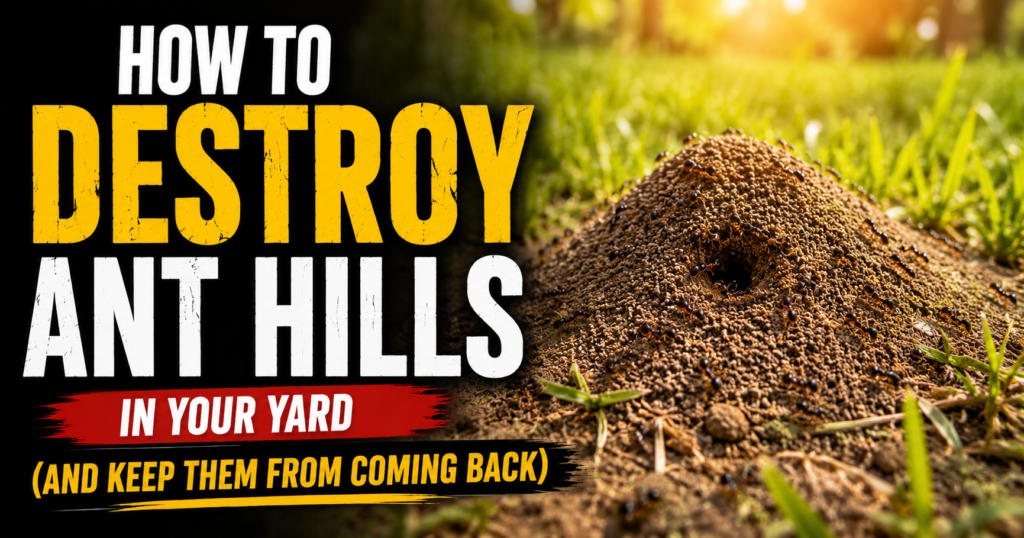
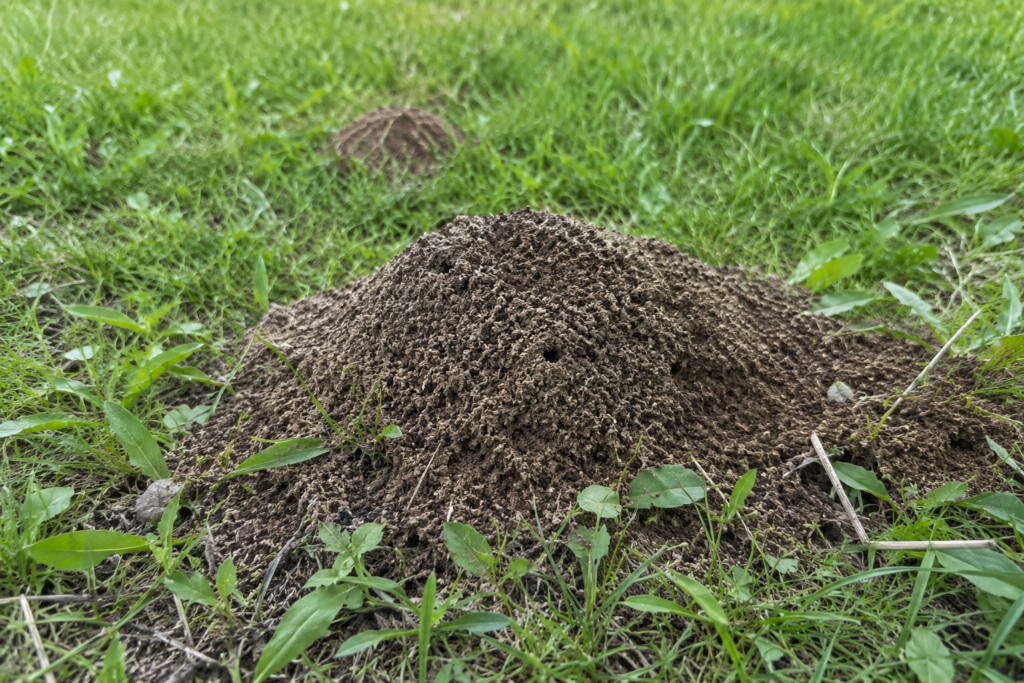
The mound you see above ground is just the visible tip of the colony. The real nest extends downward — sometimes several feet — in a network of tunnels and chambers where the queen lives, eggs are stored, larvae are tended, and food is processed. The mound above ground is essentially the excavated soil from all that tunnel construction, pushed up and out as the colony expands.
This matters for treatment because it means attacking the mound surface accomplishes almost nothing. Pouring boiling water on a mound, stomping it flat, or spraying the surface disturbs the top layers while the queen and the core of the colony stay safely deep underground. Within days the workers rebuild. The colony is unaffected.
Effective ant hill treatment has to reach the colony — specifically the queen. Kill the queen and the colony collapses. Leave the queen alive and nothing you do to the surface matters.
Why Ant Hills Appear in Your Yard
Ants colonize outdoor spaces for the same reasons they do anything — because conditions are favorable. Your yard likely offers several things colonies need.
Loose or disturbed soil. Ants prefer to tunnel in soil that’s easy to move. Freshly turned garden beds, loose sandy soil, and areas where lawn has been disturbed by digging or renovation are prime colony establishment sites. If you’ve done yard work recently and ant hills appeared shortly after, that’s not a coincidence.
Moisture near the surface. Colonies establish near consistent moisture — near irrigation systems, low spots that stay damp after rain, around garden beds that get watered regularly, and near the foundation where runoff collects. Ants need water and they build near it.
Warmth and sun exposure. Many ant species prefer warm soil. South-facing slopes, areas with full sun exposure, and spots near heat-retaining structures like concrete or brick foundation walls are common colony sites. You’ll often notice ant hills appear on the sunny side of your home first.
Food sources nearby. Outdoor colonies forage for seeds, insects, honeydew from aphids on plants, and any food waste accessible around your home. Colonies establish where the foraging is good — near vegetable gardens, compost bins, outdoor trash cans, and pet feeding areas.
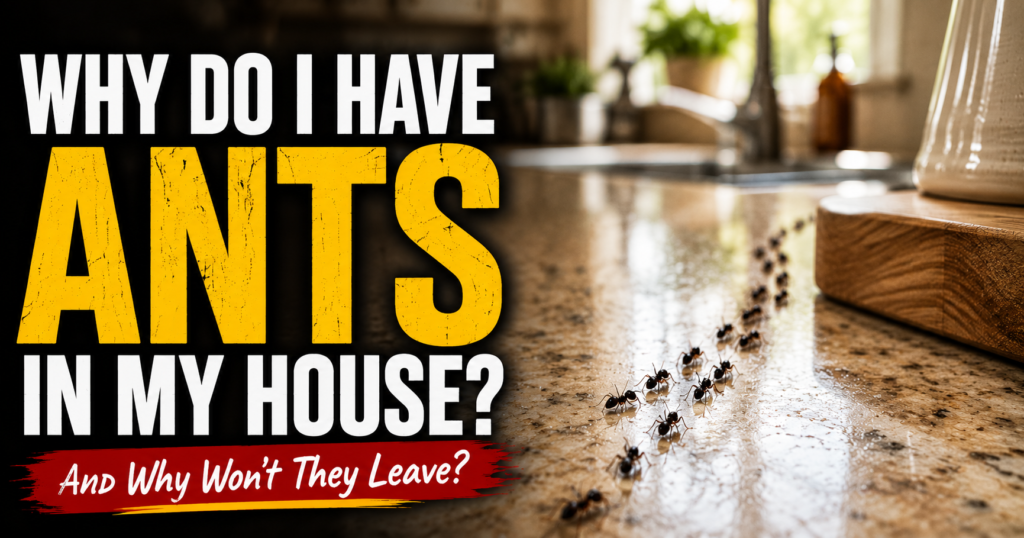
Close proximity to your foundation. A colony within a few feet of your foundation is one crack or pipe gap away from becoming an indoor infestation. Ants inside your house often trace back to an outdoor colony that found its way in. Eliminating foundation-adjacent mounds is one of the most direct ways to prevent indoor ant problems.


Which Ant Are You Dealing With?
Species identification changes your treatment approach. The wrong bait for the wrong species gets ignored and the colony keeps growing.
Pavement Ants
Small, dark brown to black, about an eighth of an inch. Build mounds along sidewalks, driveways, patios, and at the base of foundations — anywhere with pavement nearby. One of the most common ant hill species in the US. They eat almost everything — sweets, grease, proteins, seeds — which makes them responsive to a wide range of baits. Pavement ant colonies near your foundation are a direct indoor infestation risk.
Odorous House Ants
Small, dark brown to black, emit a rotten coconut smell when crushed. Often build shallow nests under stones, wood, and debris rather than prominent mounds. Their outdoor colonies are the source of most kitchen ant invasions. Strongly sweet-feeding — respond best to sweet liquid or gel bait. For indoor sweet-feeding ants, sweet liquid ant bait can help workers carry the treatment back to the colony.
Fire Ants
Reddish brown, aggressive, painful sting. Build large irregular mounds — often six to twelve inches tall — in open sunny areas of lawns. If you have fire ants, you know it — disturbing the mound produces an immediate aggressive response from hundreds of workers. Common in the Southeast and spreading westward. Fire ants require specific fire ant bait — standard sweet bait is not effective. This guide covers general ant hill treatment but fire ant control has specific product requirements covered in our ant guide.
Carpenter Ants
Large — a quarter inch to half an inch. Black, or black with red. Don’t build soil mounds — they excavate wood. Finding large black ants in your yard, especially near wood piles, stumps, or dead trees, indicates carpenter ants establishing satellite colonies. Carpenter ants in your yard combined with carpenter ants inside your home may mean there’s an active colony in your home’s structure. That situation warrants investigation beyond standard yard ant treatment.
Argentine Ants
Very small, light brown, no odor. Don’t build obvious mounds — they nest in shallow soil, under mulch, under stones, and in garden bed debris. Form massive supercolonies with multiple queens and interconnected nests that can span entire yards and neighborhoods. Particularly common on the West Coast and in the South. The scale of Argentine ant supercolonies makes them harder to eliminate than single-queen species — you’re not treating one nest, you’re treating a distributed network.
What Doesn’t Work — Stop Wasting Time on These
A lot of popular ant hill treatments get recommended constantly and produce poor results. Knowing what doesn’t work saves you time and frustration.
Boiling water. Kills ants it directly contacts near the surface. The queen and the core of the colony are deep underground and completely unaffected. Workers rebuild within days. The colony is unharmed.
Stomping or destroying the mound. Same problem — surface disruption, no colony impact. Workers rebuild. Tried by virtually everyone at least once. Works for zero minutes.
Pouring vinegar, bleach, or dish soap into the mound. These chemicals don’t penetrate deep enough to reach the queen and may actually cause the colony to relocate — spreading your problem rather than solving it. They also damage your lawn and garden soil.
Spraying the mound surface with contact insecticide. Kills surface workers. Colony continues unaffected. Workers are replaced. You’re managing the visible symptom while the problem grows underground.
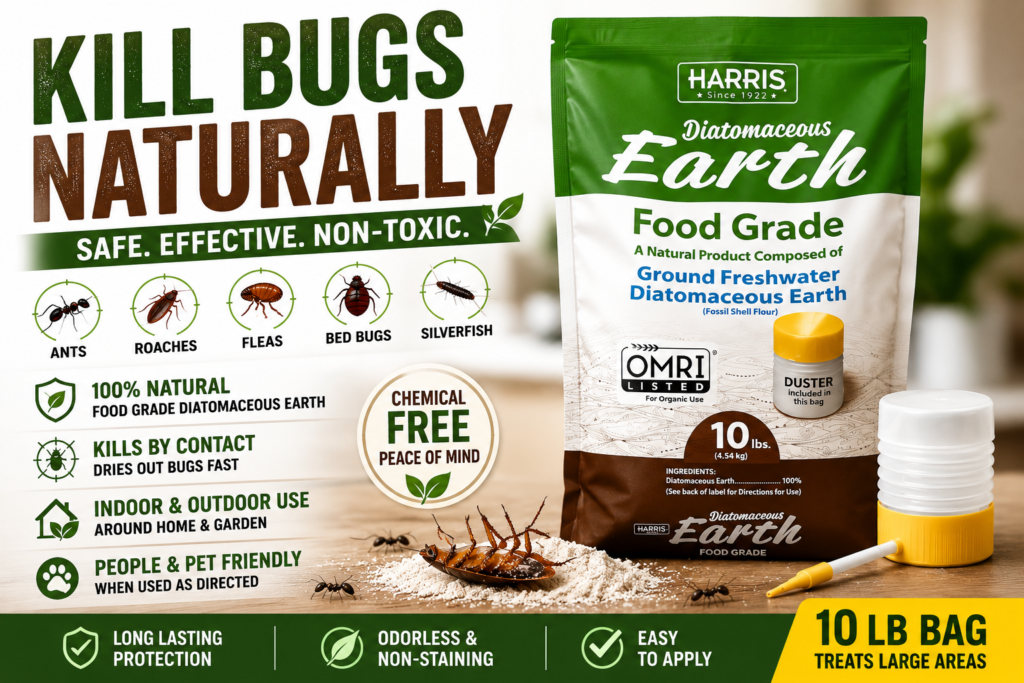
Diatomaceous earth on the mound surface. Diatomaceous earth is an effective indoor treatment in dry hidden locations — outdoor mound surfaces are not the right application. Rain renders it ineffective quickly and it doesn’t penetrate to where the colony lives.
The pattern in all of these failed approaches is the same: they attack the surface while leaving the queen untouched. Any treatment that doesn’t reach the queen doesn’t solve the problem.


What Actually Works
Slow-Acting Granular Bait — The Most Effective Approach
Granular ant bait works on the same principle as indoor liquid bait — worker ants collect the bait granules, carry them back to the colony as food, and the active ingredient spreads through the population via feeding. The slow-acting formula ensures workers make it back to the nest and share the bait with the queen before dying.
For outdoor use, granular formulations are more practical than liquid — they don’t wash away immediately in light rain and can be distributed across a larger area. Scatter bait around the mound perimeter and along confirmed foraging trails rather than directly on the mound. Workers forage from the mound outward — placing bait where they’re actively traveling gets it picked up fastest.
For sweet-feeding species — odorous house ants, pavement ants, Argentine ants — look for bait containing borax, hydramethylnon, or indoxacarb. For fire ants specifically, products containing spinosad or hydramethylnon in fire ant formulations are the standard recommendation.
Give granular bait time to work. Two to four weeks is a realistic timeline for colony kill via bait — faster for small colonies, longer for large established ones. Resist the urge to disturb the mound or add other treatments while the bait is being collected. Disruption causes the colony to relocate and stops bait collection.
Direct Drench Treatment for Fast Results
For situations where you need faster action — a large mound near the foundation, fire ants in a high-traffic area, or a colony that’s clearly established and growing — a liquid drench applied directly into the mound is the fastest approach.

Bifenthrin-based products — including Ortho Home Defense diluted per label instructions — can be applied as a mound drench, pouring a significant volume of diluted solution directly into the mound to penetrate deep into the tunnel network. The goal is to saturate the nest deeply enough to reach the queen’s chamber. This requires more volume than most people use — typically one to two gallons applied slowly so it penetrates rather than runs off.
Apply in the early morning or evening when workers are inside the mound rather than foraging — more of the colony is present and the treatment reaches more individuals. Disturb the mound surface slightly before applying to open the tunnels and improve penetration.
Mound drench gives faster results than bait — often within 24 to 48 hours — but it may not reach every queen in large colonies or in supercolony species with multiple distributed nests. For Argentine ants especially, bait is more effective long-term even if it’s slower.
Perimeter Barrier to Protect Your Home
Eliminating existing mounds is one problem. Keeping new colonies from establishing near your foundation is another.
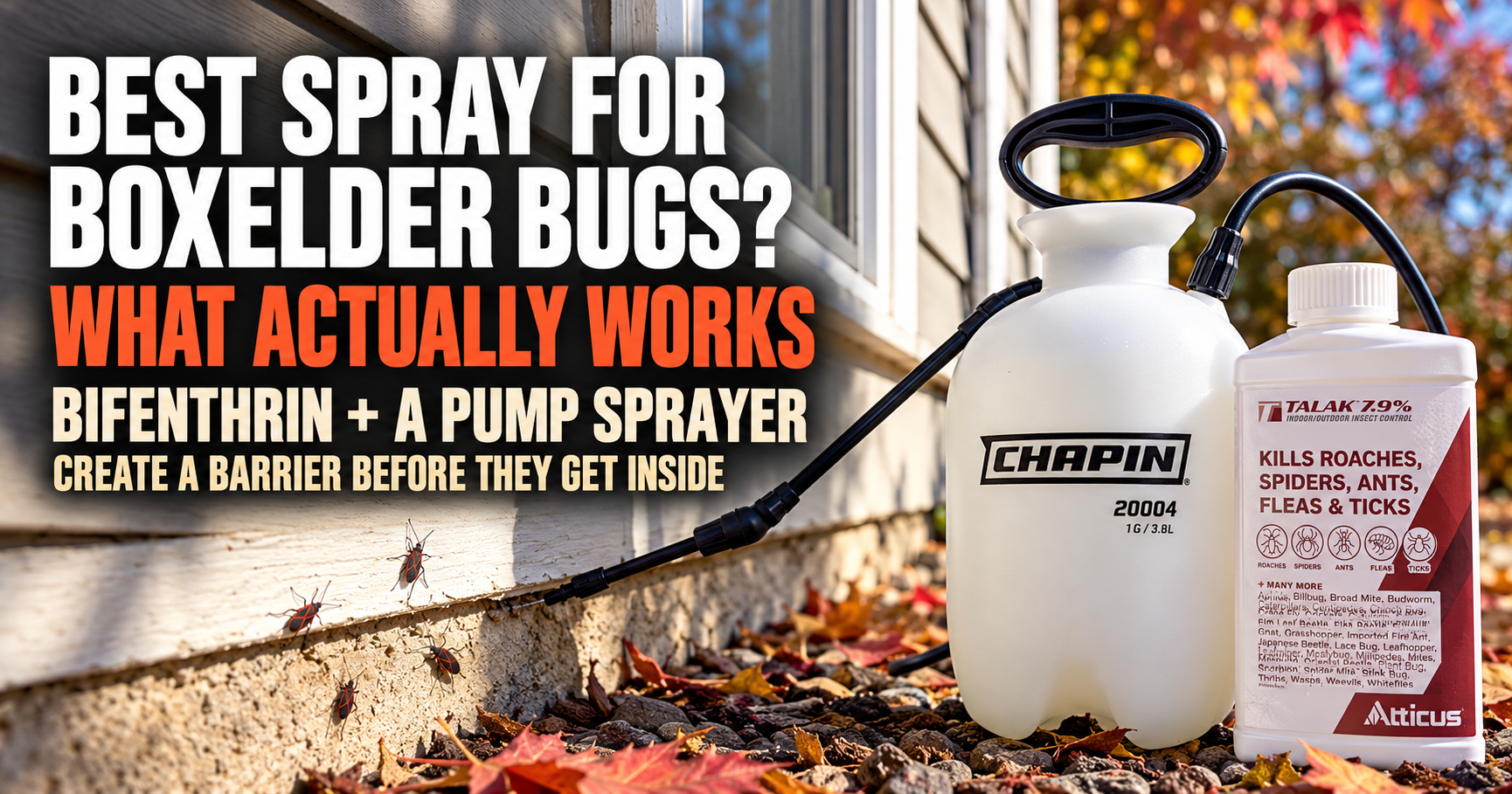
A perimeter spray of Ortho Home Defense applied along the foundation — four inches out on the ground and four inches up the foundation wall — creates a residual kill barrier that kills ants approaching your home. Reapplied every one to three months through active season, it maintains a zone around your foundation that’s consistently hostile to ant colonization.
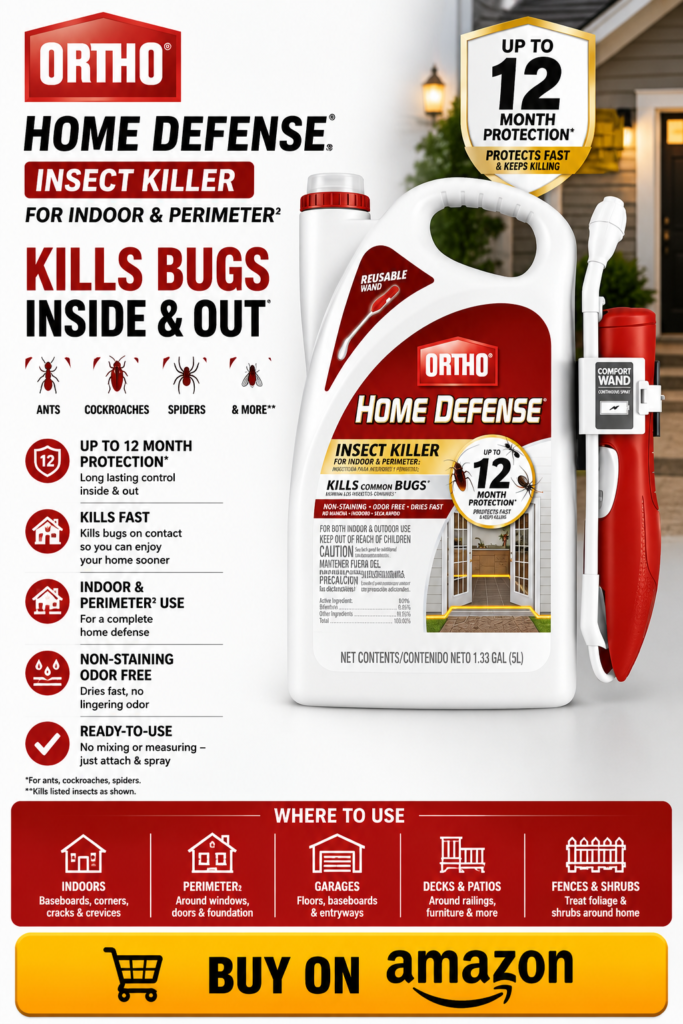
This doesn’t eliminate existing mounds further out in the yard but it protects the area most critical to preventing indoor infestation. An ant colony that can’t get within ten feet of your foundation without dying is an ant colony that’s not getting into your house. For that foundation-focused barrier, an protects the area most critical can be considered where its label allows the intended use.
Treating the Yard — Broader Strategy
For yards with multiple mounds or significant Argentine ant activity across the whole property, treating individual mounds one by one is inefficient. A broader strategy works better.
Broadcast granular bait across the entire lawn during active foraging periods — typically when soil temperatures are above 60°F and ants are actively moving. Broadcast application puts bait within reach of every foraging column in the yard simultaneously. This is particularly effective against Argentine ants whose distributed supercolony structure makes individual mound treatment impractical.
Treat garden beds separately. Garden beds often harbor nesting ants under mulch, under irrigation lines, and in the loose soil. Apply granular bait along bed edges and around plants where ant activity is visible. Avoid applying near plants if the product label indicates it’s not safe for use around edible plants — check the label carefully for vegetable gardens.
Address the conditions attracting colonies. Eliminate standing water near the foundation. Move wood piles, rock piles, and debris away from the house — these are prime nesting sites. Keep mulch pulled back from the foundation — mulch retains moisture and provides nesting material. Trim shrubs and vegetation away from the house so ants don’t have a sheltered pathway from plants to your walls.
After the Mound Is Gone — Keeping Them Gone
A treated yard can be recolonized quickly, especially in areas with high ant pressure. These steps maintain the results.

Maintain a perimeter barrier consistently. Don’t apply it once and consider the problem solved. Reapply on schedule through active season. Consistent barrier maintenance is what keeps outdoor colonies from reestablishing near the foundation. For maintaining that barrier around the home, perimeter insect treatment may be a practical option to review against the product label.
Broadcast granular bait preventively in spring. Applying bait in early spring when colonies are first becoming active — before populations build to peak summer levels — is significantly more effective than treating a fully established summer colony. Early season treatment when colonies are small and foraging is just beginning gets faster results with less product.
Keep the yard less hospitable. Reduce moisture near the foundation. Clear debris. Keep mulch pulled back. Move anything that provides shelter or moisture near the house. Making your yard structurally less attractive to colonization reduces the ongoing pressure of new colonies establishing.
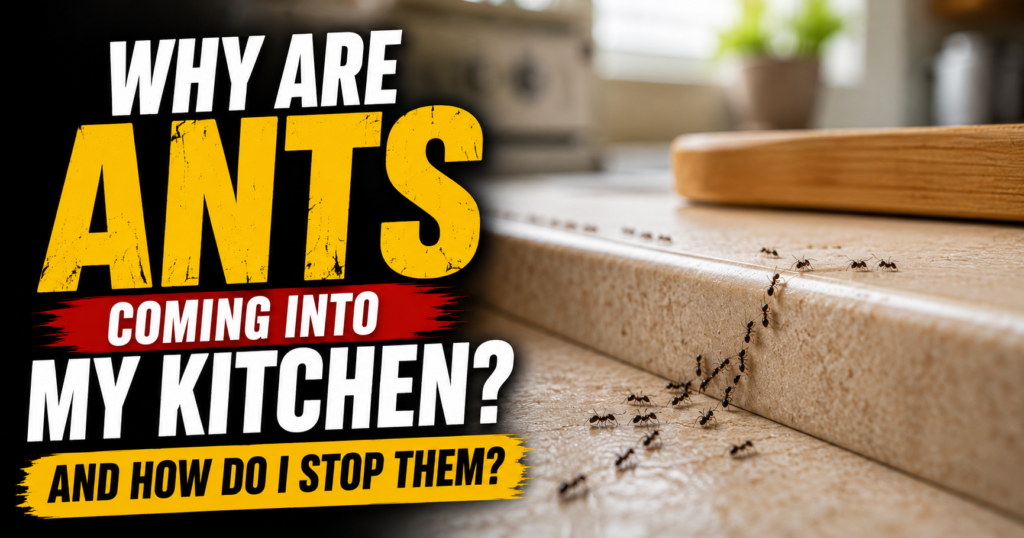
Watch the foundation closely. New mounds appearing within a few feet of the foundation should be treated immediately and aggressively. A foundation-adjacent colony is an indoor infestation waiting to happen. If you’re already dealing with ants inside alongside outdoor mounds, see our guides on kitchen ant invasion and how to get rid of ants fast — treating the outdoor colony while simultaneously sealing entry points and baiting indoors gives you the fastest resolution when both problems exist at once.
Ant hills are fixable. The mound isn’t the enemy — the queen is. Get the bait to her and the colony collapses. Keep the perimeter treated and new colonies stay away from your home. That’s the whole strategy, and it works.