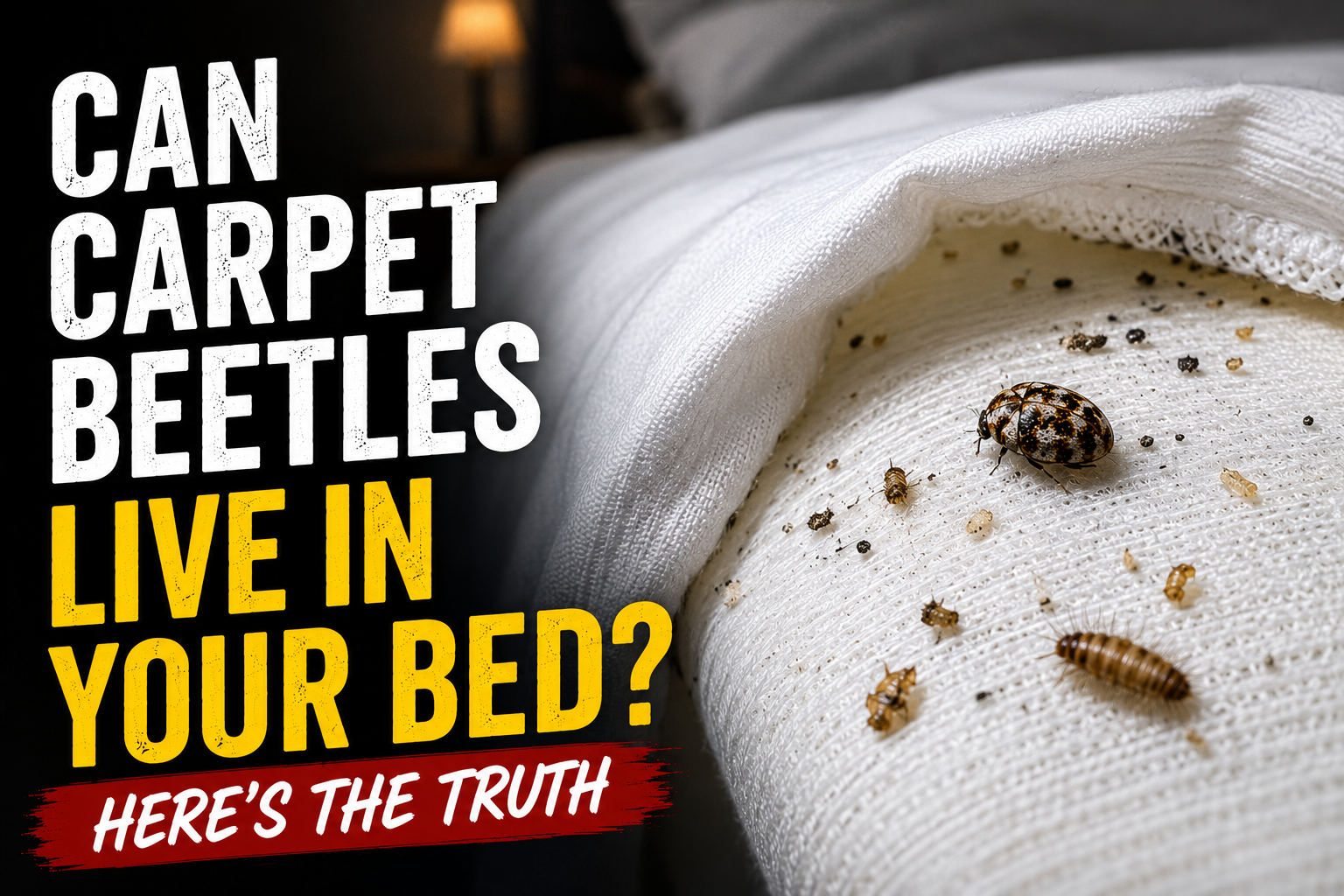
Finding a small beetle or strange little larva near your bed is enough to make almost anyone panic.
For most people, the first thought is:
“I have bed bugs.”
I completely understand why.
When insects show up anywhere near a bed, our minds immediately go to the worst-case scenario.
The good news is that carpet beetles are very different from bed bugs. If the insect may actually be a bed bug, its relationship with carpet is different and worth examining: Can Bed Bugs Live in Carpet? What You Need to Know.
The short answer is yes, carpet beetles can occasionally be found in or around a bed, but they aren’t living there for the same reason bed bugs do.
That difference is incredibly important because it completely changes how I would inspect the room and how I would treat the problem.
If you’re just beginning to learn about carpet beetles, I recommend reading my Everything You Need to Know About Carpet Beetles guide. It brings together all of my carpet beetle articles in one place and explains how these insects live, spread, and damage household items.
My First Thought
Whenever someone tells me they found a carpet beetle in their bed, I don’t immediately assume the bed is the source.

Instead, I ask myself another question. Inspecting nearby upholstered pieces may help answer that question, and Can Carpet Beetles Live in Furniture? What to Check Before It’s Too Late shows where to look.
What attracted it to the bedroom in the first place?
That answer usually leads me much closer to the real problem than focusing on the bed alone.


Carpet Beetles Don’t Live in Beds to Feed on You
This is probably the biggest misconception I hear.
Unlike bed bugs, carpet beetles have absolutely no interest in feeding on people while they sleep.
Adult carpet beetles feed mainly on pollen and nectar outdoors.
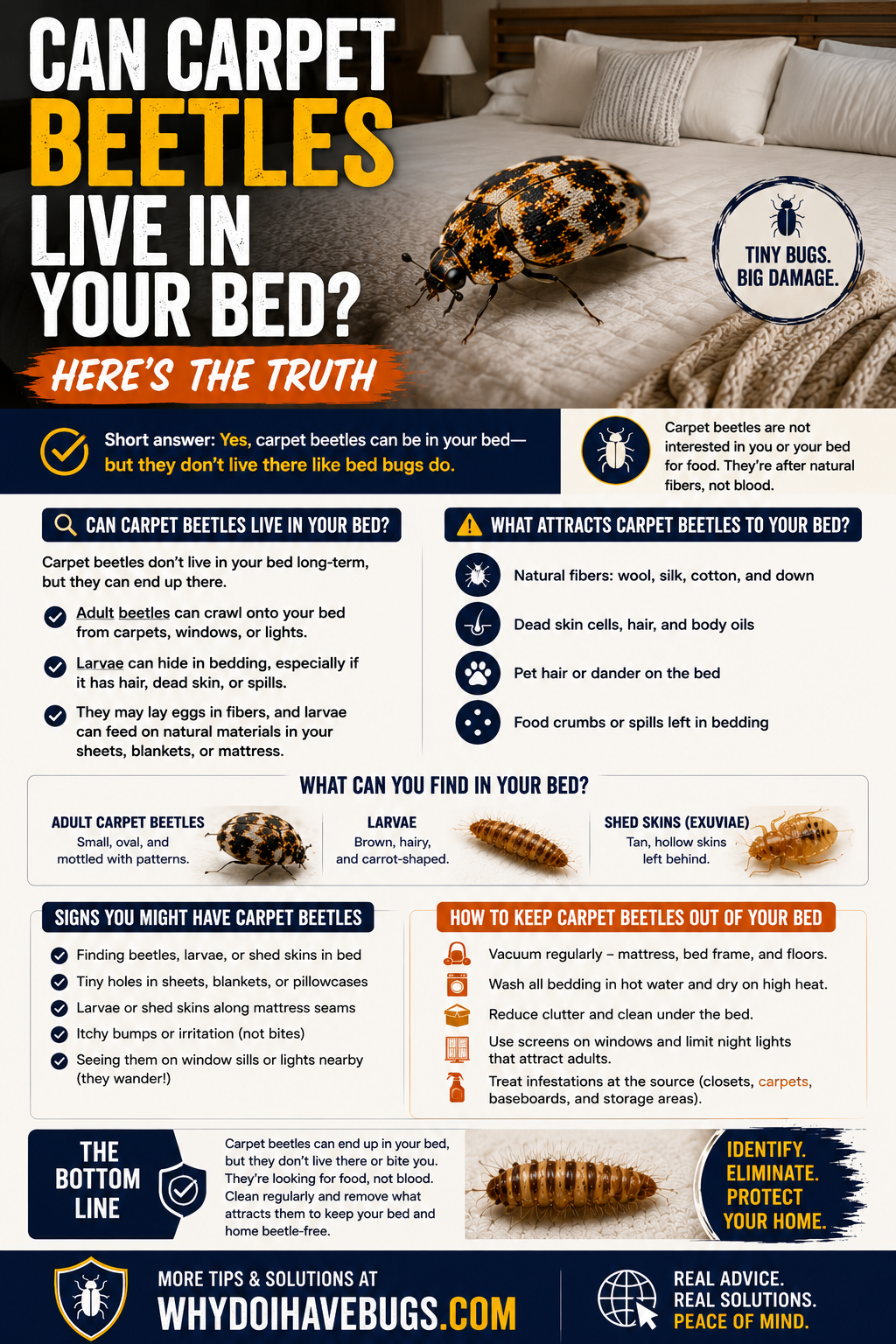
The larvae feed on natural animal-based materials like wool, feathers, pet hair, leather, and similar items.
People simply aren’t part of their food source.
That’s one reason I always tell homeowners not to assume every bug in the bedroom is a bed bug.



They Can Be Found Around Beds
Even though carpet beetles don’t feed on people, they can still be found around beds.
For example, I’ve seen reports of carpet beetles being found near:
- Bed frames.
- Under beds.
- Dust ruffles.
- Feather pillows.
- Wool blankets.
- Area rugs.
- Upholstered headboards.
- Pet beds beside the bed.
The important thing is understanding why they’re there.
They’re searching for food.
Not people.
Why Bedrooms Can Attract Carpet Beetles
Bedrooms often contain several things carpet beetle larvae like.
Natural-fiber blankets.
Feather pillows.
Dust.
Pet hair.
Lint beneath the bed.
Stored clothing.
That combination makes some bedrooms surprisingly attractive to developing larvae.
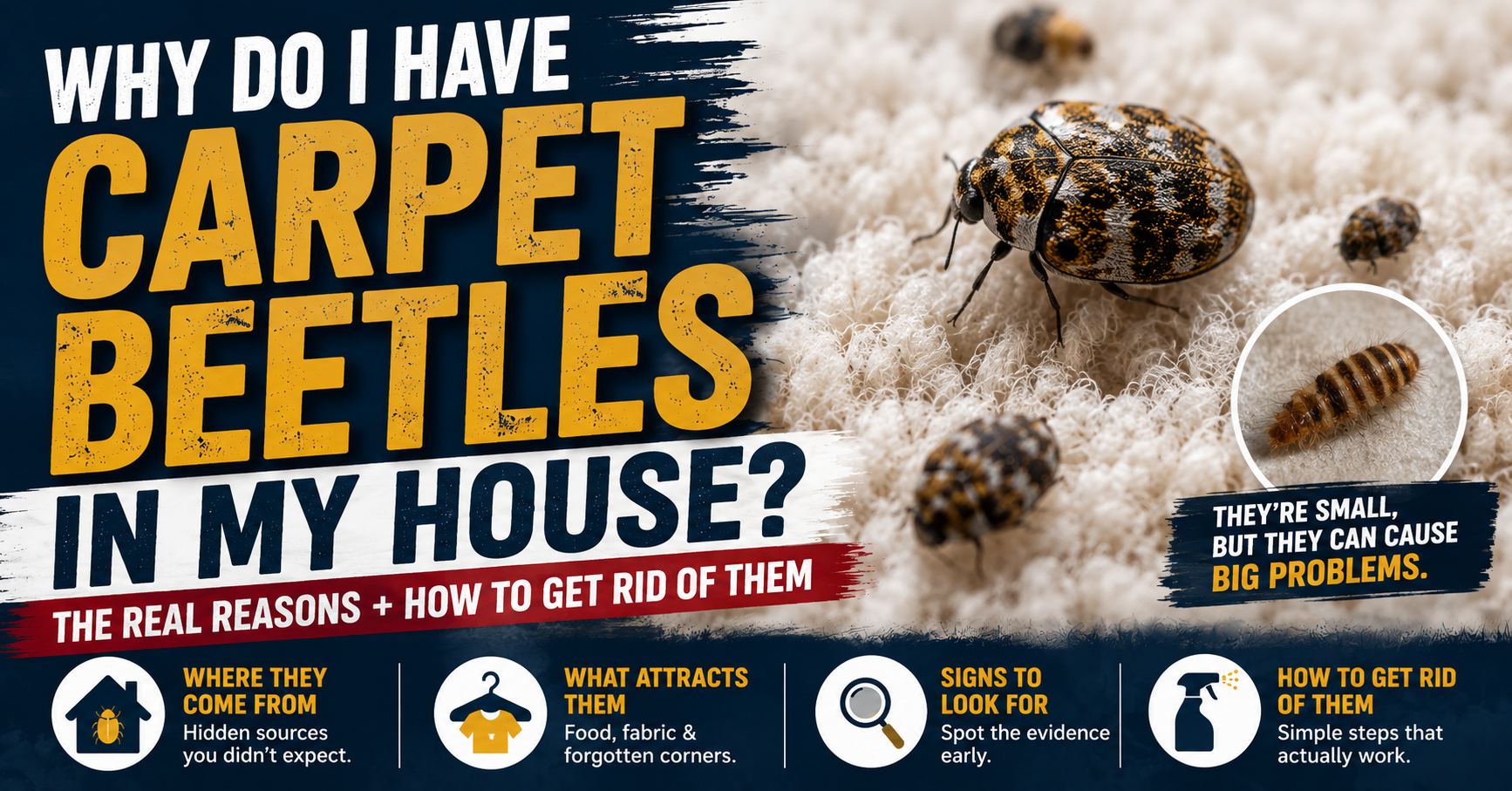
If you’re wondering why carpet beetles showed up in your home at all, I explain the most common reasons in my article about why carpet beetles are in your house.
Don’t Forget to Vacuum Around the Bed
Most people focus on the mattress.
I focus on everything around it.
Carpet beetle larvae are much more likely to be hiding under the bed, around the baseboards, inside nearby closets, beneath furniture, and anywhere dust, lint, and pet hair collect.
When we dealt with carpet beetles, daily vacuuming around the bedroom became part of our routine, and it helped us remove far more than just visible debris.

If you’re curious why I believe vacuuming is one of the most effective parts of carpet beetle control, check out my guide to the best vacuum for carpet beetles.

For homeowners who need a vacuum with strong suction and tools for furniture and stairs, the Bissell Pet Hair Eraser Allergen Lift-Off is one I’d recommend looking into.
Carpet Beetles vs Bed Bugs in the Bedroom
This is where many homeowners become confused.
Both insects may be found in a bedroom.
That’s where the similarities end.
Bed bugs need human blood to survive.
Carpet beetles do not.
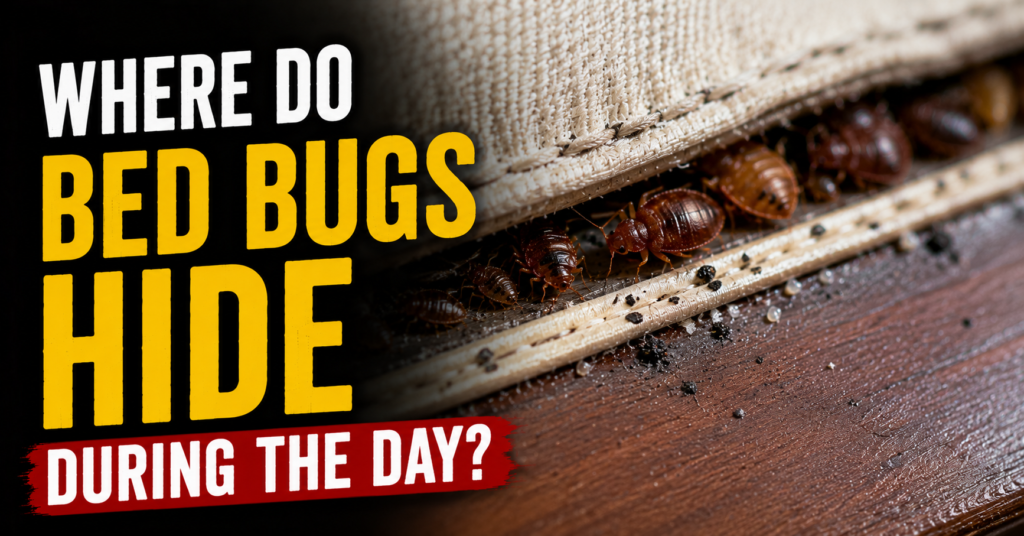
Bed bugs hide close to sleeping people because they feed at night.
Carpet beetle larvae hide wherever they find suitable food.
That’s a completely different behavior.
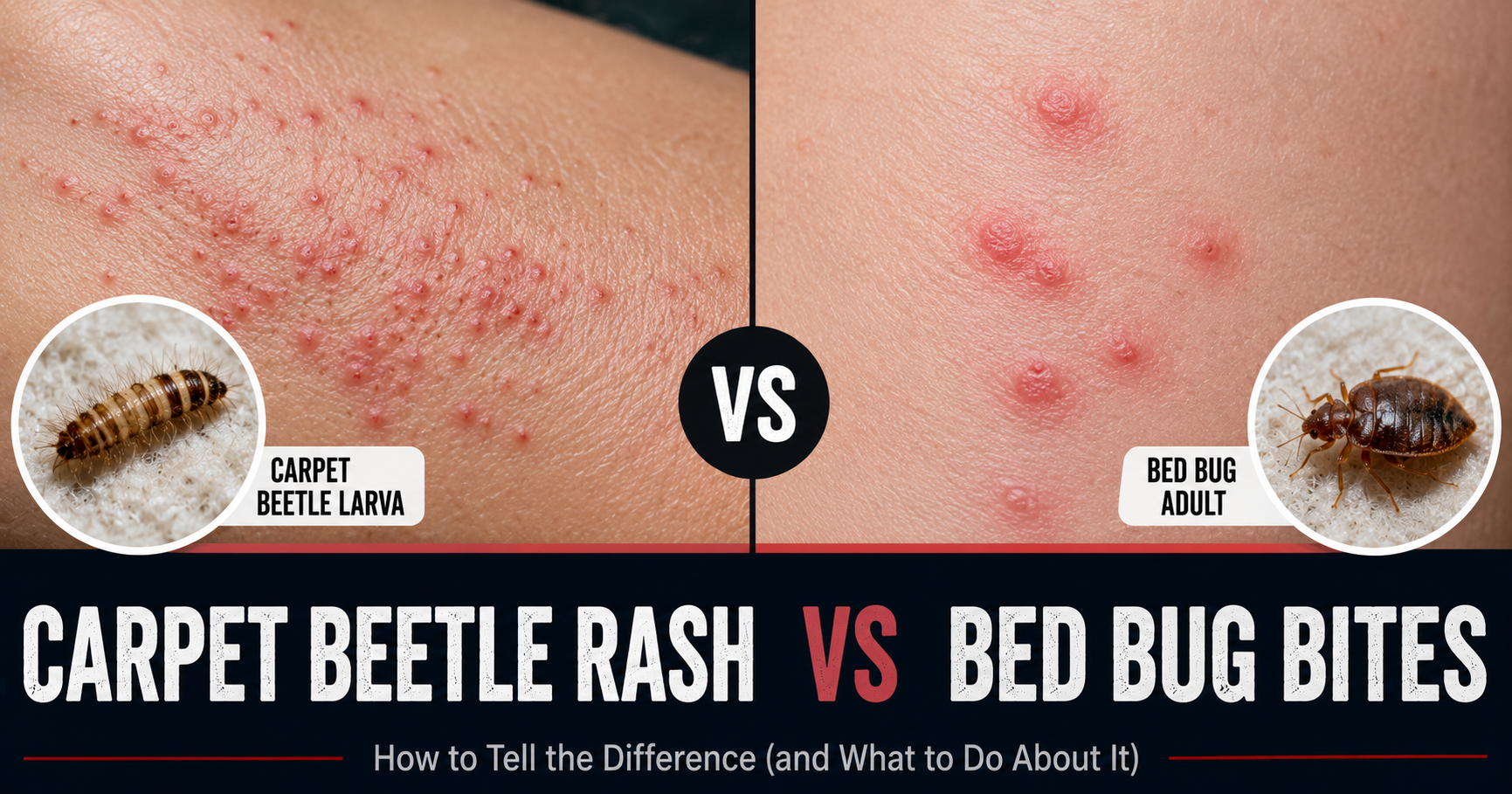
If you’ve developed itchy skin and aren’t sure which pest you’re dealing with, my comparison of carpet beetle rash vs bed bug bites explains why these two pests are often confused.



Don’t Forget About Carpet Beetle Larvae
One mistake I see fairly often is homeowners spotting an adult beetle and never searching for larvae.
The adults usually aren’t the ones causing damage.
The larvae are.
They’re small, fuzzy, slow-moving, and usually hidden near their food source.
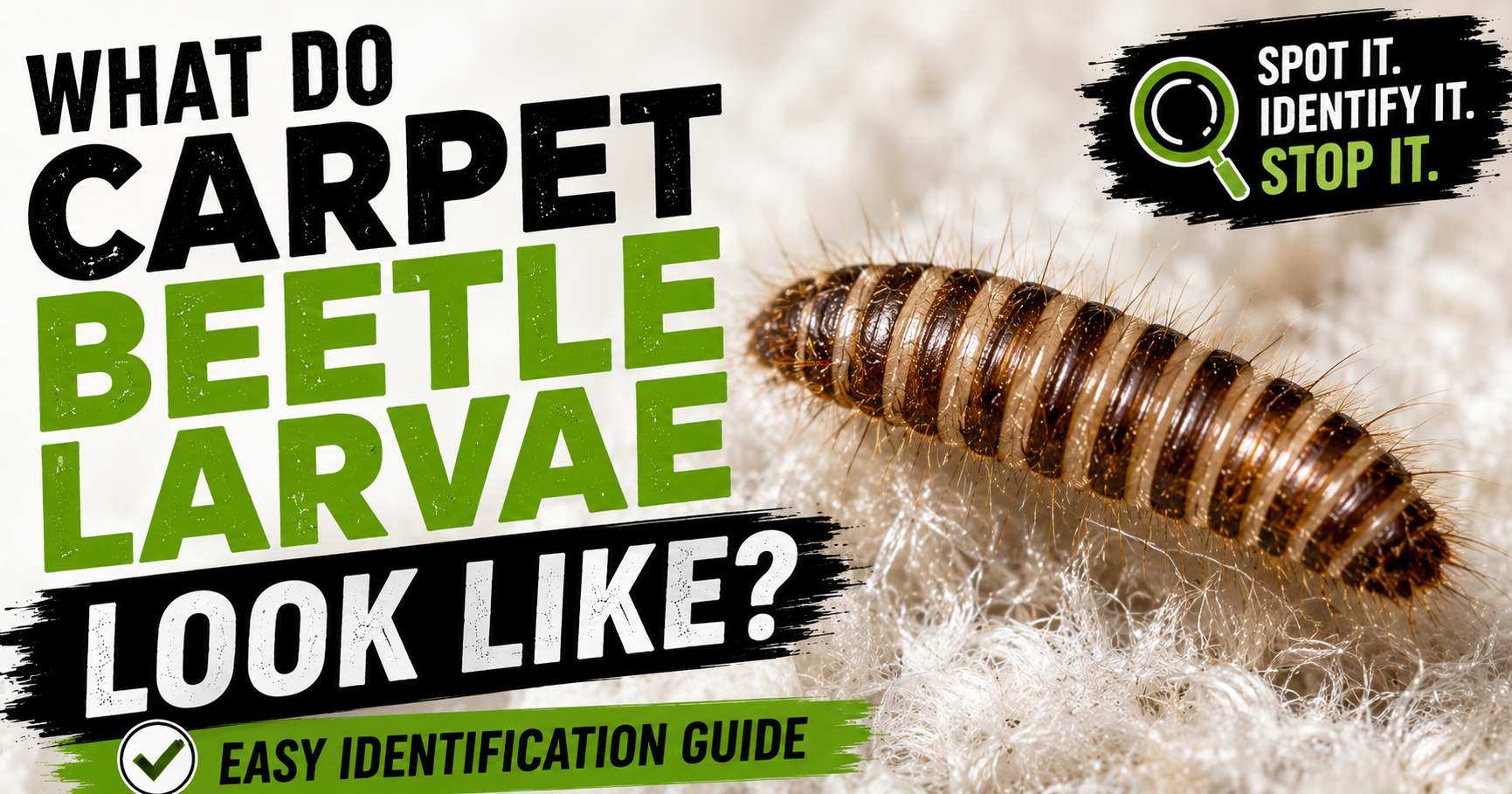
If you’re not sure what they look like, my guide on what carpet beetle larvae look like shows the features I use to identify them.
Check More Than Just the Mattress
If this were my house, I wouldn’t spend the entire inspection looking only at the mattress.
I’d inspect the entire bedroom.
That includes:
- Closets.
- Under the bed.
- Behind the headboard.
- Area rugs.
- Blankets.
- Decorative pillows.
- Pet beds.
- Window sills.
- Baseboards.
One overlooked hiding place can tell you much more than hours spent staring at a mattress.



One Clue People Frequently Miss
Interestingly, many homeowners never find a live larva at all.
Instead, they discover one of the tiny shed skins left behind after the larva molts.
Those little brown shells are often the first sign that carpet beetles have been active.
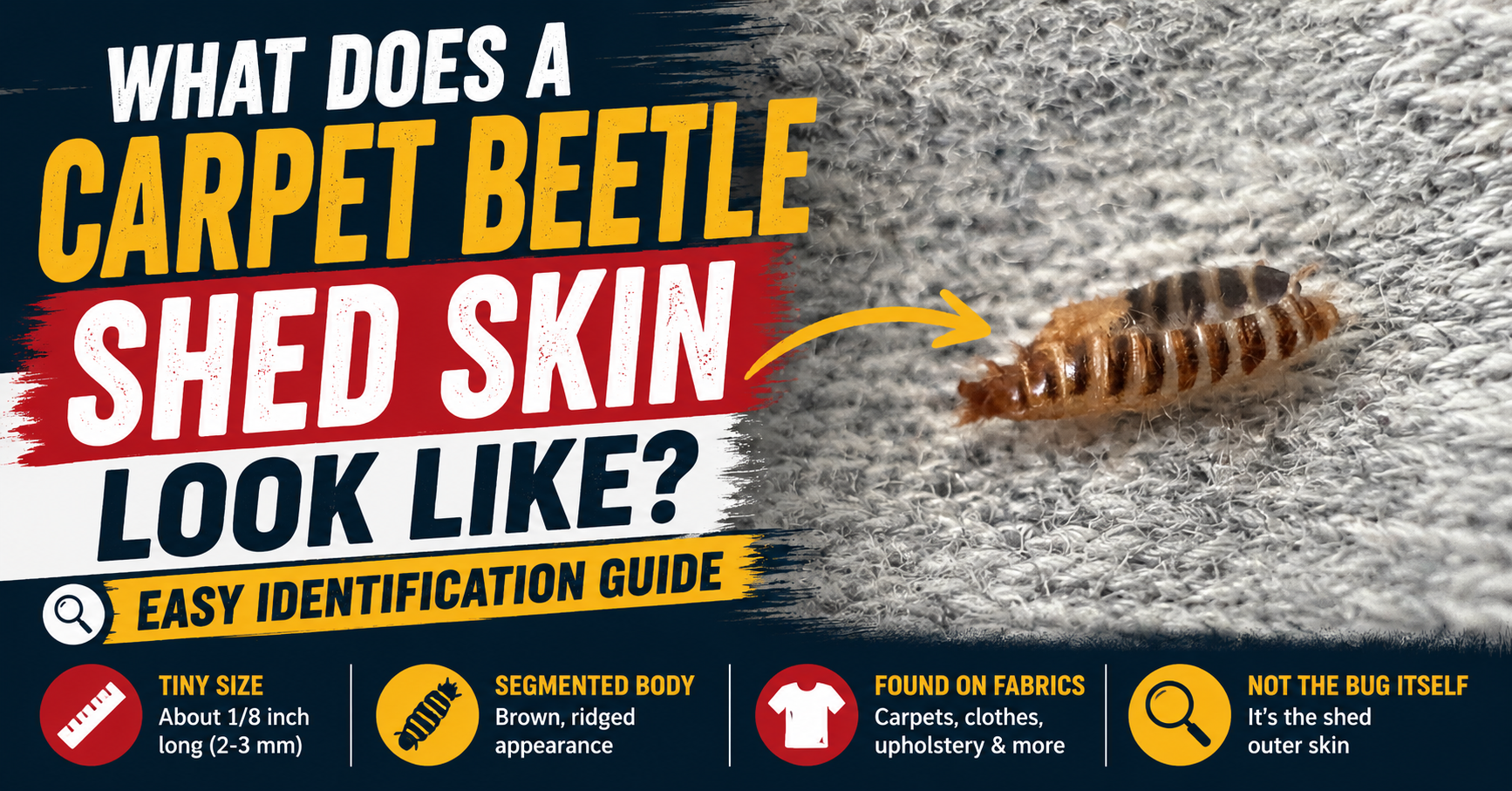
If you’ve found one, my guide showing what a carpet beetle shed skin looks like will help you determine whether that’s actually what you have.
Why You May Never Find the Larvae
One thing I’ve learned is that carpet beetle larvae are experts at staying hidden.
They’re usually tucked into dark places where homeowners rarely look.
That’s why so many people tell me they keep finding evidence without ever seeing the insects themselves.
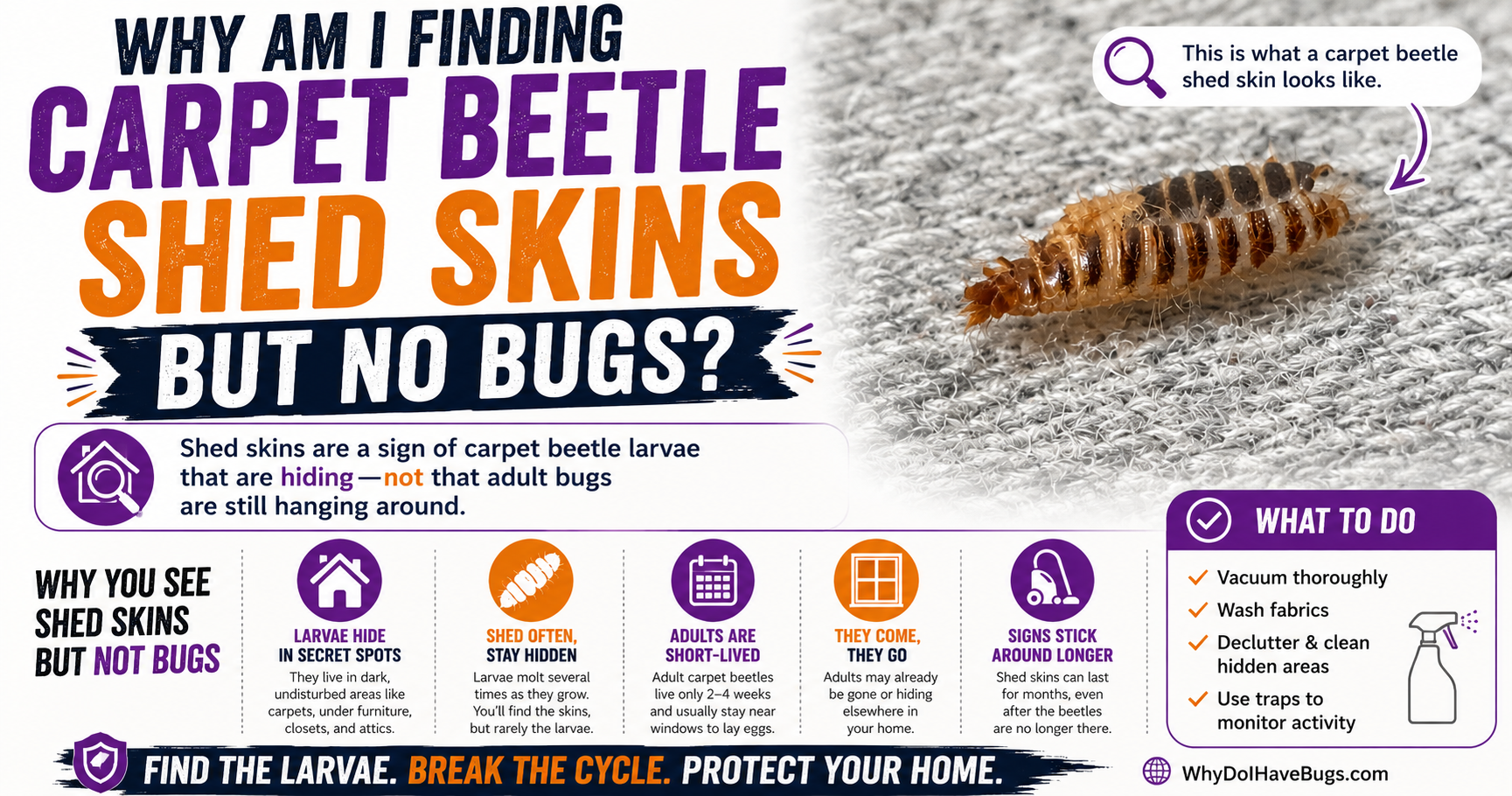
If that sounds familiar, my article on why you’re finding carpet beetle shed skins but no bugs explains why it happens and what I’d inspect next.
Where I’d Search First
If I suspected carpet beetles were using my bedroom, I’d begin with the places most people forget.
Closet floors.
Blanket storage.
Boxes under the bed.
Pet bedding.
Feather pillows.
Area rugs.
Along the baseboards.
Those are far more likely to contain carpet beetle activity than the middle of the mattress.
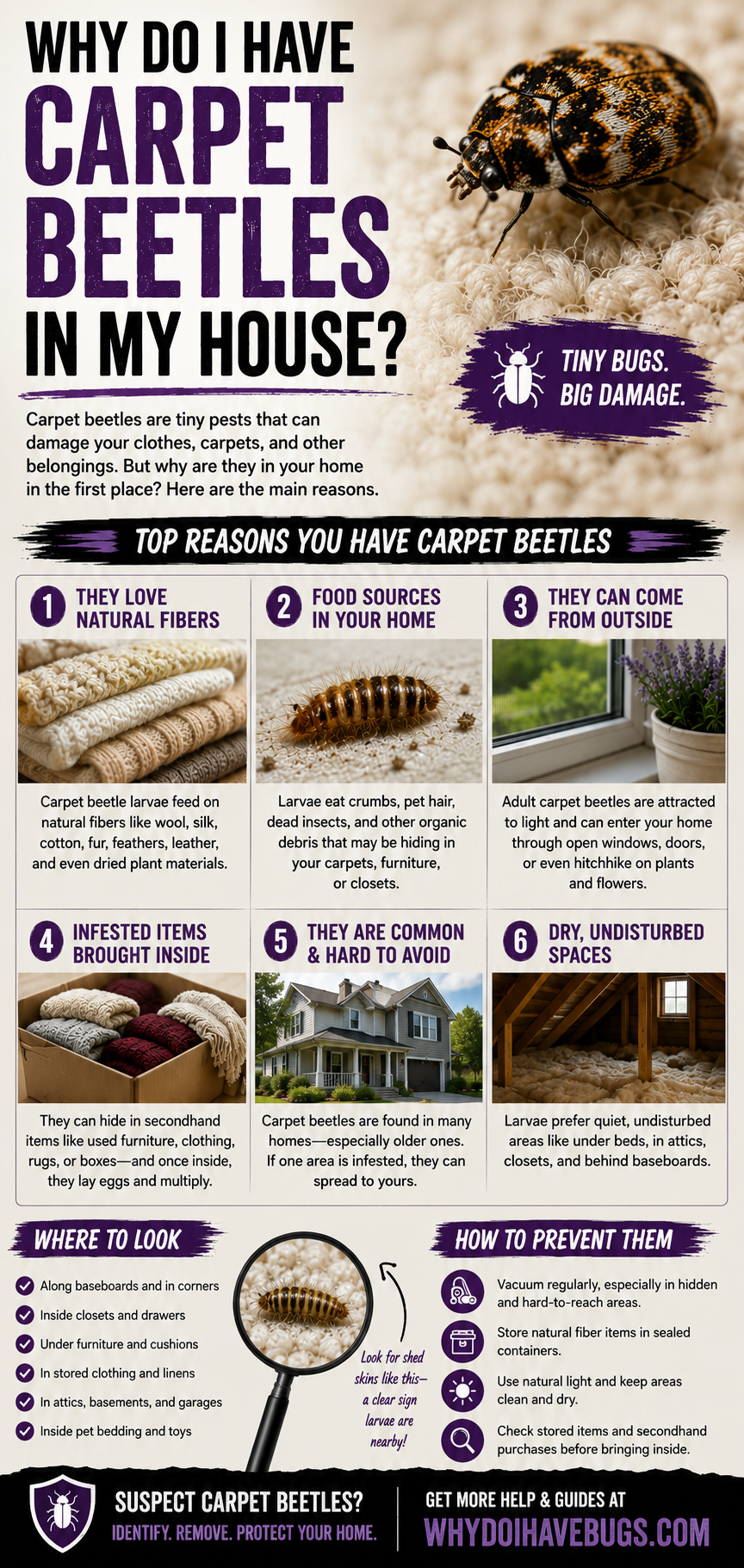
I also put together a guide explaining where carpet beetle larvae hide if you’d like a room-by-room inspection strategy.
What I Would Do If I Found Carpet Beetles in My Bedroom
I wouldn’t panic.
I also wouldn’t immediately throw away my mattress.
Instead, I’d inspect the room carefully.
I’d vacuum under the bed.
I’d clean around the baseboards.
I’d inspect blankets, pillows, closets, and stored clothing.
Once I understood where the larvae were living, I’d build a treatment plan around that information.
Getting Rid of Carpet Beetles
Once you’ve confirmed carpet beetles are present, the goal becomes removing both the insects and the things attracting them.
That usually means vacuuming thoroughly, cleaning natural-fiber materials, inspecting hidden storage areas, and treating active infestations when necessary.
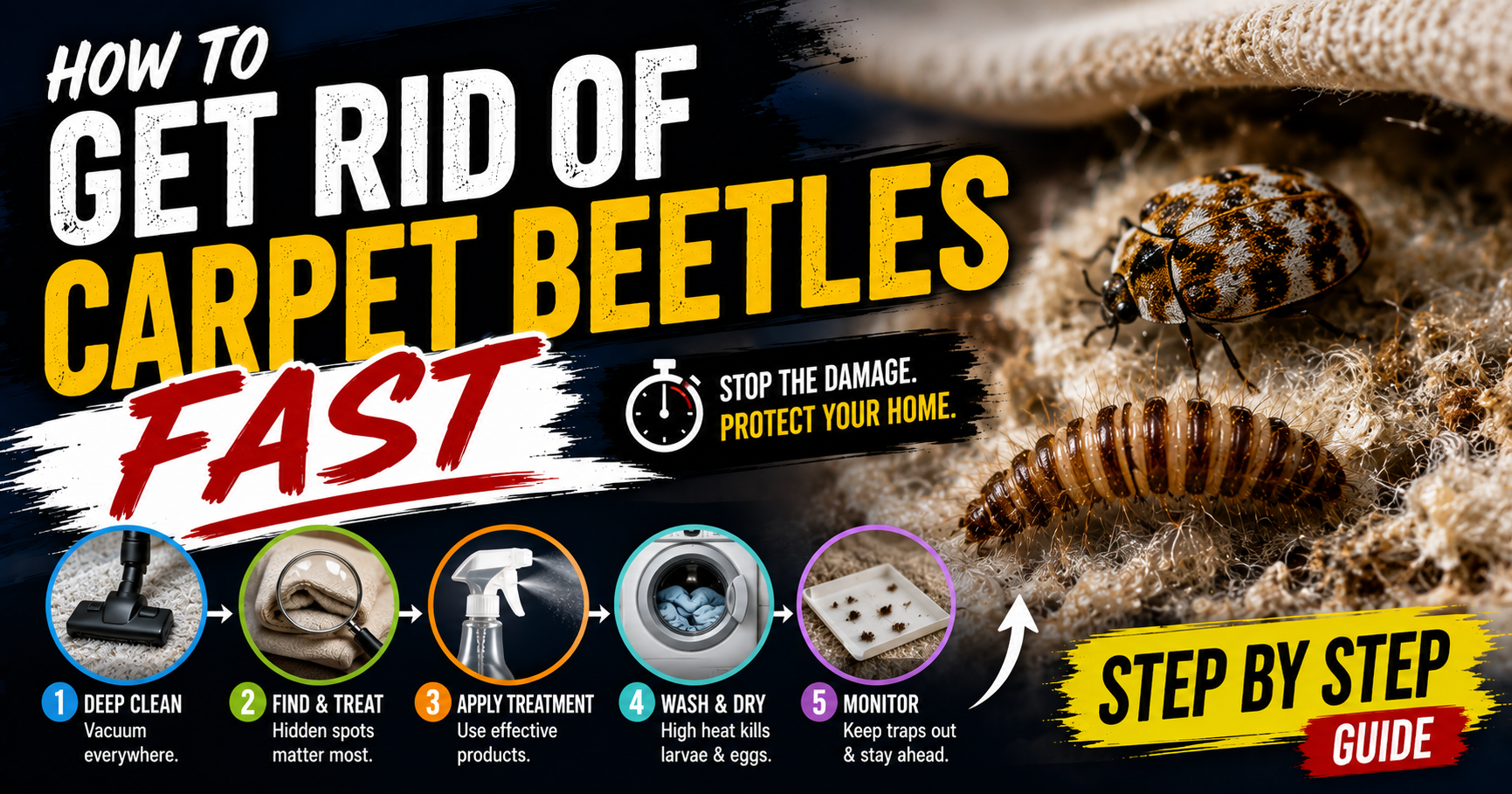
My How to Get Rid of Carpet Beetles Fast Step-by-Step Guide walks through the exact process I’d follow.

If you’re considering using an insecticide, I also recommend reading Does Carpet Beetle Killer Spray Actually Work?before making a purchase. It explains where sprays fit into a complete treatment plan and what they realistically can and can’t do. If you decide a spray is appropriate after locating the infestation, the Carpet Beetle Killer Spray for Indoor Use is designed to target both carpet beetles and their larvae when used according to the label.
The Biggest Mistake I See
The biggest mistake I see is assuming every insect in the bedroom is a bed bug.
Bedrooms contain much more than mattresses.
Blankets.
Rugs.
Closets.
Pet beds.
Natural-fiber decorations.
Those are exactly the kinds of places carpet beetle larvae prefer.
Taking time to identify the insect before treating the room almost always leads to better results.
For more identification guides and practical advice, you can also browse our growing Beetles resource center.
Frequently Asked Questions
Can carpet beetles live inside a mattress?
They usually aren’t living inside the mattress itself. However, they may be found around mattresses if nearby materials provide food for the larvae.
Do carpet beetles stay in your bed like bed bugs?
No. Bed bugs stay close to people because they feed on blood. Carpet beetles stay close to natural fibers and other food sources instead.
Why did I find a carpet beetle on my bed?
An adult beetle may simply be wandering, or a larva may have crawled from nearby blankets, pillows, clothing, or other materials.
Should I throw away my mattress if I find carpet beetles?
Usually not. A careful inspection of the entire bedroom is much more important than replacing the mattress right away.
How do I get carpet beetles out of my bedroom?
Inspect closets, bedding, rugs, pet beds, and other natural-fiber materials, vacuum thoroughly, clean infested items, and treat confirmed infestations as needed.
About the Author
Daniel Brooks researches common household pests and writes practical identification and prevention guides based on firsthand observations, careful research, and real-world inspection strategies. His goal is to help homeowners correctly identify pests and solve the source of an infestation before it becomes a much larger problem.