
Whenever someone suddenly notices house flies buzzing around their home, one of the first questions they ask me is where they actually came from.
It’s a great question because house flies don’t simply appear out of nowhere.
Every fly you see either developed somewhere nearby or found an easy way into your home.
Over the years, I’ve learned that the biggest mistake people make is focusing on the flies instead of the source.
If you can figure out where they’re coming from, you’re usually much closer to solving the problem for good.
Before I start looking for their source, I always make sure the insects are actually house flies. Blow flies, cluster flies, and even large fruit flies can sometimes be mistaken for them.
If you’re still trying to identify what you’re seeing, start with What Do House Flies Look Like? Easy Identification Guide before moving on.
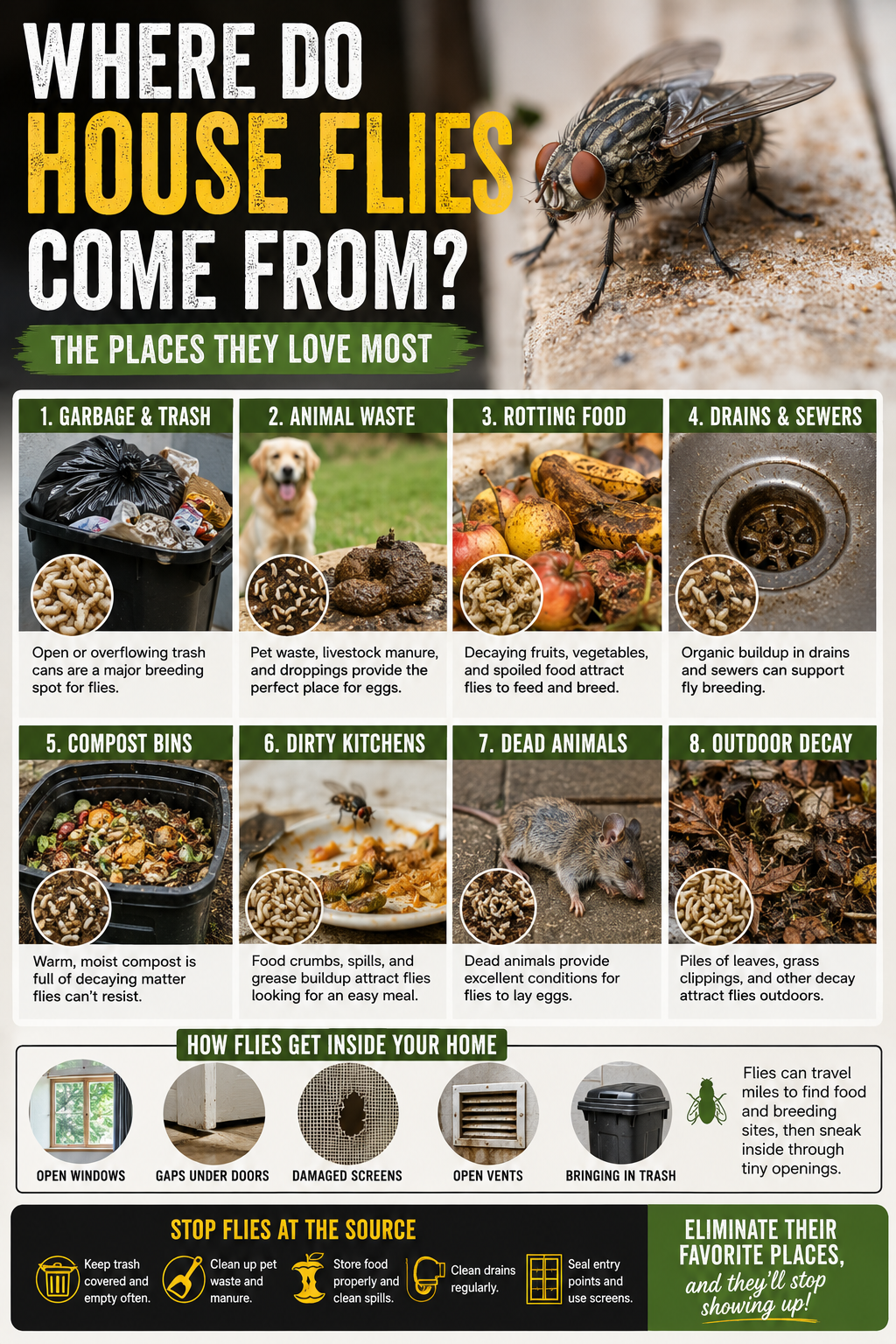
Most House Flies Come From Outside
One thing surprises homeowners more than anything else.
Many house flies didn’t begin their lives inside your house.
Most develop outdoors and simply fly inside once they become adults.
That’s why I always inspect the property around the home before assuming the infestation started indoors.
Some of the most common outdoor sources include:
- Garbage cans.
- Compost piles.
- Pet waste.
- Livestock manure.
- Rotting grass clippings.
- Dead wildlife.
- Organic yard debris.
Even if your home is spotless, a breeding site just outside can produce dozens of flies that eventually find their way indoors.
Garbage Is Usually the First Place I Check
If I had to choose one thing to inspect first, it would be garbage.
Both indoor and outdoor trash can provide everything house flies need.
Food scraps, meat packaging, and other organic waste can attract adult flies within hours during warm weather.
Outdoor garbage cans are especially easy to overlook.
Even after they’re emptied, sticky residue and food buildup along the inside walls can continue attracting flies.
When I inspect a property, I don’t just look inside the can.
I lift the lid, inspect underneath it, and even check the ground around the container because spilled waste often goes unnoticed.

Pet Waste Can Produce More Flies Than People Realize
Homes with dogs often have another overlooked source.
Dog waste left in the yard for several days can become an attractive breeding site for house flies.
The same is true for chicken coops, rabbit hutches, livestock pens, and other areas where animal waste accumulates.
Cleaning these areas regularly often makes a noticeable difference in fly activity around the home.
Sometimes the Source Is Inside the House
Although outdoor sources are common, I never ignore the possibility of an indoor problem.
House flies sometimes develop inside when suitable breeding material is available.
Some examples include:
- Forgotten food under appliances.
- Overflowing trash cans.
- Dirty recycling bins.
- Dead rodents inside walls.
- Dead birds in chimneys or attics.
- Rotting produce in pantries.
- Food waste inside crawl spaces or garages.
If I keep seeing new flies every day despite cleaning the obvious areas, I start looking for hidden organic material that may have been overlooked.


Dead Animals Can Cause Sudden Fly Problems
One situation I take seriously is a sudden explosion of large numbers of flies.
When dozens of flies appear over just a few days, I immediately start wondering whether a rodent, bird, or other animal died somewhere inside the structure.
Wall voids.
Attics.
Crawl spaces.
Chimneys.
These hidden locations can produce surprising numbers of flies before the source naturally dries out.
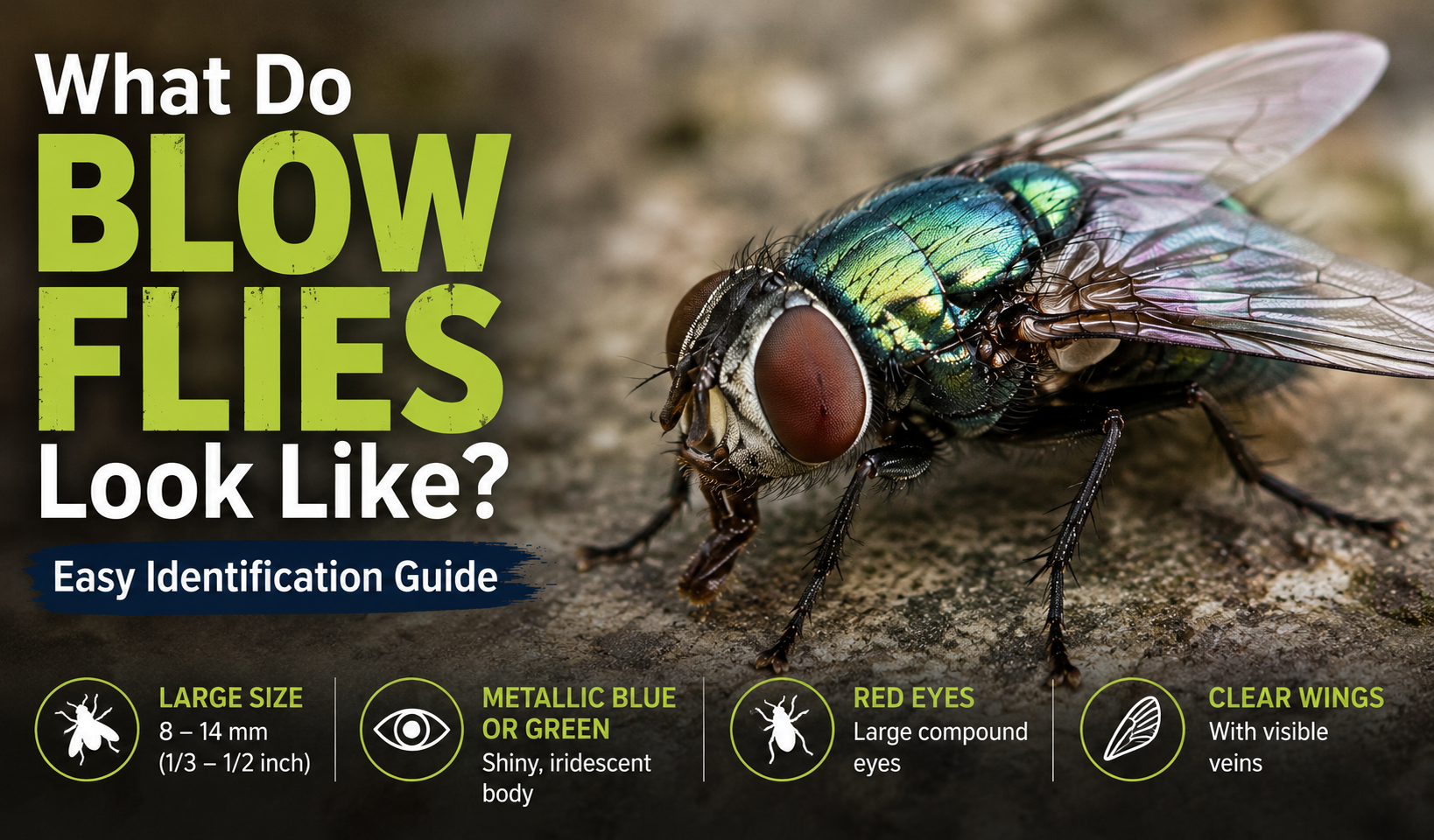
The type of fly matters here, though. Blow flies are especially common around dead animals, so if the flies have a metallic blue or green color, I’d compare them with What Do Blow Flies Look Like? Easy Identification Guidebefore assuming they’re ordinary house flies.
Warm Weather Speeds Everything Up
House flies become much more active once temperatures rise.
Not only are the adults flying more, but eggs and larvae also develop faster during warm weather.
That’s one reason homeowners often notice a sudden increase during late spring and throughout the summer.
A breeding site that produces only a few flies during cool weather can produce many more once temperatures climb.


Why I Like Using Fly Traps During an Inspection
When I’m trying to locate the source of house flies, I often use fly traps as a diagnostic tool as much as a control tool.
If an outdoor disposable trap starts filling rapidly while indoor activity stays low, that tells me the primary source is probably outside.

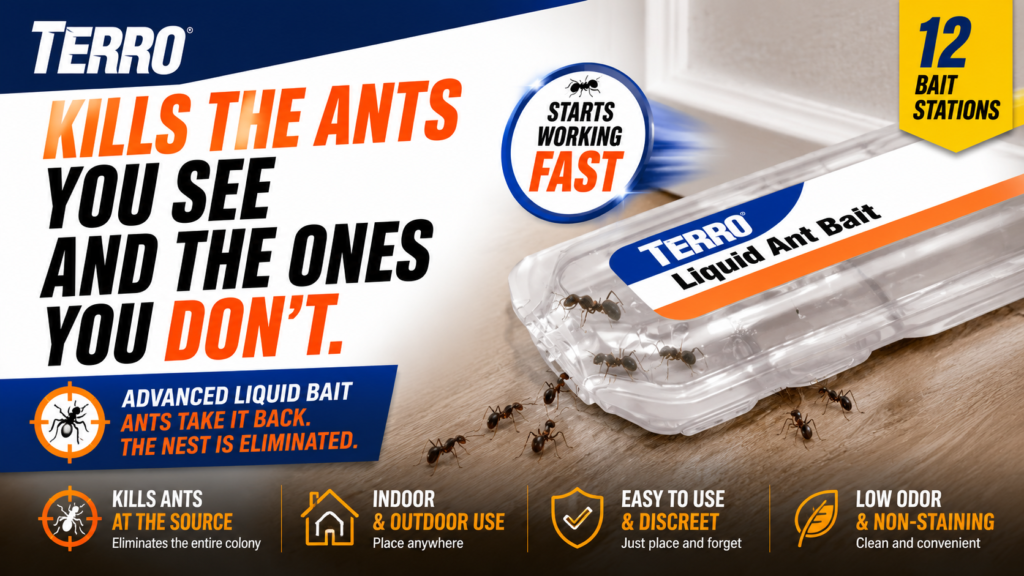
For outdoor breeding areas like garbage cans, pet waste, or barns, I’ve had good results with the Rescue! Outdoor Disposable Fly Trap Review because it attracts flies away from patios and entry doors when it’s placed correctly.

For flies that have already made their way indoors and keep gathering on sunny windows, I prefer using Window Fly Traps That Actually Work since they quietly catch flies where they naturally land without taking up counter space.
I Always Look at Where the Flies Are Gathering
Another clue I never ignore is where the flies spend their time.
Flies covering the kitchen windows often point me in a different direction than flies hovering around the garbage can in the garage.

If they’re constantly collecting on windows, I’d also read Why Are Flies on My Windows? Here’s What It Meansbecause the behavior itself often helps narrow down the source.
Likewise, flies concentrated in one room usually tell me to inspect that area first instead of treating the entire house equally.

My Step-by-Step Investigation
Whenever I investigate house flies, I follow nearly the same routine every time.
I inspect outdoor garbage first.
Then pet waste and compost.
Next I check recycling bins, crawl spaces, garages, and any room where flies seem to gather.
After that, I inspect doors, windows, and screens for obvious entry points.
Only after I’ve narrowed down the likely source do I begin deciding which control methods will be most effective.
That process has saved me a lot of time compared to simply spraying flies as they appear.
House Flies Always Lead Me Somewhere
One thing years of dealing with flies has taught me is that house flies are excellent clues.
They’re telling me that food, moisture, decaying organic material, or an easy entry point exists somewhere nearby.
The adults flying around the room are only part of the story.
Once I locate what attracted them in the first place, getting rid of them becomes much easier and the problem is much less likely to return.
Frequently Asked Questions
Do house flies usually come from outside?
Yes. Most house flies develop outdoors in decaying organic material, manure, garbage, or compost before flying into nearby homes through open doors, windows, or damaged screens.
Can house flies breed inside a home?
Yes. They can reproduce indoors if they find suitable breeding material, such as rotting food, overflowing trash, dirty recycling, or a dead animal hidden inside the structure.
Why do I suddenly have house flies even though my house is clean?
Even very clean homes can experience house fly problems if there’s a nearby outdoor breeding site or an easy way for flies to enter. The source is often outside rather than inside the living space.
What’s the first thing I should inspect?
I always begin with garbage cans, pet waste, compost piles, recycling bins, and any hidden food or organic material that could attract flies. Those are some of the most common sources I encounter.
What’s the best way to reduce house flies while finding the source?

I like combining source reduction with traps. Removing the attraction is the long-term solution, while outdoor baited traps and indoor window traps help reduce the adult flies you’re already seeing. For a complete breakdown of the options, see Best Fly Traps That Actually Work for Every Situation.
What I Check If the Flies Keep Coming Back
One question I hear all the time is:
“I’ve cleaned everything, so why do the flies keep coming back?”
When that happens, I usually assume I’ve missed the real source.
House flies don’t continue appearing day after day without a reason.
If the population isn’t getting smaller, I start looking in places most homeowners rarely inspect.
That includes behind appliances, inside crawl spaces, around trash can storage areas, under decks, and anywhere organic material may have collected unnoticed.
I’ve found that solving the mystery almost always comes down to finding the one overlooked area that’s supporting the flies.

If this sounds familiar, you may also want to read Why Do Flies Keep Coming Back? Common Reasons Explainedbecause I cover the hidden causes I encounter most often.
House Flies Don’t Always Stay in the Room Where the Problem Started
Another thing I’ve learned is that the room where you’re seeing flies isn’t always where they’re coming from.
For example, a breeding source in the garage may result in flies gathering on the sunny windows in your kitchen.
A problem near an exterior trash can may eventually lead to flies throughout the first floor of your home.
That’s why I avoid treating only the room where the flies are most visible.
Instead, I try to think about how they entered the house and what attracted them once they got inside.
Following their behavior often leads me back to the actual source much faster than treating each room individually.
Don’t Overlook Seasonal Outdoor Sources
During the summer, I also spend time inspecting the yard.
Grass clippings left in piles, overflowing compost bins, animal bedding, and even neglected outdoor trash cans can become productive breeding sites.
If you have dogs, cleaning up pet waste regularly can make a noticeable difference as well.
On rural properties, livestock pens, chicken coops, and manure piles become even more important to inspect.
Many homeowners assume the problem is indoors when the flies are actually developing just a few yards away.
My Long-Term Strategy for Keeping House Flies Away
Once I’ve located the source, my goal shifts from getting rid of today’s flies to preventing tomorrow’s flies.
That usually means combining several approaches instead of relying on one product.
I remove or clean the breeding source first.
Next, I seal obvious entry points like damaged screens or gaps around doors.
Finally, I use traps in locations where they’ll have the biggest impact.
For outdoor fly pressure, I like placing the Rescue! Outdoor Disposable Fly Trap away from patios, entrances, and outdoor gathering areas so it attracts flies before they reach the house.
Inside, if flies continue collecting on windows, the Window Fly Trap Review explains why those traps have become one of my favorite low-maintenance options.
The combination of removing the attraction and reducing the adult population almost always works better than relying on either strategy by itself.
Every House Fly Is Telling Me Something
One thing I remind myself during every inspection is that house flies are symptoms, not the problem itself.
They’re telling me that somewhere nearby there’s food, moisture, decaying organic material, or an easy way into the home.
The trick isn’t simply getting rid of the flies I can see.
It’s figuring out what they’re trying to tell me.
Once I answer that question, the solution usually becomes much more obvious, and the chances of dealing with the same problem again drop dramatically.
If you’re still seeing flies after checking the most common sources, don’t assume it’s just bad luck. Keep following the evidence. In my experience, house flies almost always leave clues that point back to the real cause if you’re willing to look closely enough.
Why Finding the Source Matters More Than Killing the Flies
It’s easy to get caught up swatting flies or spraying insecticides when they’re buzzing around your kitchen.
I’ve been there myself.
The problem is that killing the flies you can see rarely solves the problem if more are still developing somewhere nearby.
Think about it this way.
The adult flies flying around your house are usually just the visible part of the problem.
If there’s a breeding site outside near the garbage cans or inside the garage beneath a pile of forgotten debris, new flies will simply replace the ones you eliminate.
That’s why I spend far more time searching for the source than chasing individual flies.
Once the source is gone, the number of flies usually drops dramatically within a short period.
My House Fly Inspection Checklist
Whenever I’m helping someone figure out where house flies are coming from, I work through the same checklist almost every time.
I inspect:
- Indoor garbage cans and the trash can itself.
- Outdoor garbage and recycling bins.
- Pet food and water areas.
- Pet waste in the yard.
- Compost piles.
- Dead animals around the property.
- Forgotten food beneath appliances.
- Crawl spaces and basements.
- Window screens and door seals.
- Areas where flies seem to gather the most.
I’ve found that following a consistent process prevents me from overlooking something simple.
Many fly problems come down to one small source that’s been hiding in plain sight.
When I Decide It’s Time to Use Fly Traps
Once I’ve identified the likely source, I usually add traps to speed things up.
I don’t think of traps as replacing good sanitation.
I think of them as helping reduce the adult population while I’m eliminating the conditions that attracted the flies in the first place.

For heavy outdoor fly pressure around garbage cans, barns, dog kennels, or compost piles, I’ve had excellent results using the Rescue! Outdoor Disposable Fly Trap. Placing it well away from patios and entry doors helps draw flies away from the areas where people spend time.
If the flies have already made it indoors and keep collecting on sunny windows, I usually switch to Window Fly Traps That Actually Work. They’re discreet, easy to install, and take advantage of the natural tendency of flies to gather near light.
If you’re still deciding which option makes the most sense for your situation, I put together a detailed comparison in Best Fly Traps That Actually Work for Every Situation where I explain when I choose each type.
The Pattern I See Most Often
After helping people troubleshoot fly problems for years, one pattern shows up again and again.
The flies themselves usually aren’t the real problem.
They’re simply pointing me toward something else.
Sometimes it’s an overflowing garbage can.
Sometimes it’s dog waste that hasn’t been cleaned up.
Other times it’s a forgotten bag of potatoes in the pantry, a dead mouse in a wall, or a damaged window screen that’s letting flies enter every afternoon.
Once I stop focusing on the flies and start looking for what attracted them, the answer usually becomes much easier to find.
My Final Advice
If you’re wondering where your house flies came from, don’t assume it’s just because it’s summer or because you left the door open once.
House flies almost always have a reason for showing up.
The sooner you identify that reason, the easier they’ll be to eliminate.
Start with the obvious sources.
Then inspect the hidden ones.
Use traps to reduce the adult population while you’re tracking down the cause.
By approaching the problem that way, you’re much more likely to solve it permanently instead of dealing with the same flies over and over again.
Frequently Asked Questions
Can house flies come from outside?
Yes. In fact, most house flies begin their lives outdoors in garbage, manure, compost, pet waste, or other decaying organic material before eventually flying into nearby homes.
Why do I suddenly have house flies when I didn’t yesterday?
A new food source, warmer weather, recently collected garbage, pet waste, or even a dead animal nearby can cause a sudden increase in house flies within a very short time.
Can one dead animal really cause a lot of flies?
Absolutely. A dead rodent in a wall, crawl space, or attic can produce a surprising number of flies as they develop and emerge. If you’re seeing large metallic flies, compare them with What Do Blow Flies Look Like? Easy Identification Guide since blow flies are especially attracted to animal carcasses.
What’s the fastest way to reduce house flies?
I get the best results by combining source removal with strategically placed fly traps. Removing whatever is attracting the flies is the long-term solution, while traps help reduce the adults that are already present.
Why do flies keep coming back after I kill them?
Usually because the source hasn’t been removed. If new flies continue appearing, there’s likely still a breeding site or an easy entry point that needs to be found and corrected.
About the Author
Mark Sullivan has spent years helping homeowners track down the real causes behind persistent fly problems. He believes successful fly control starts with careful investigation because once you understand where house flies are coming from, choosing the right solution becomes much easier.