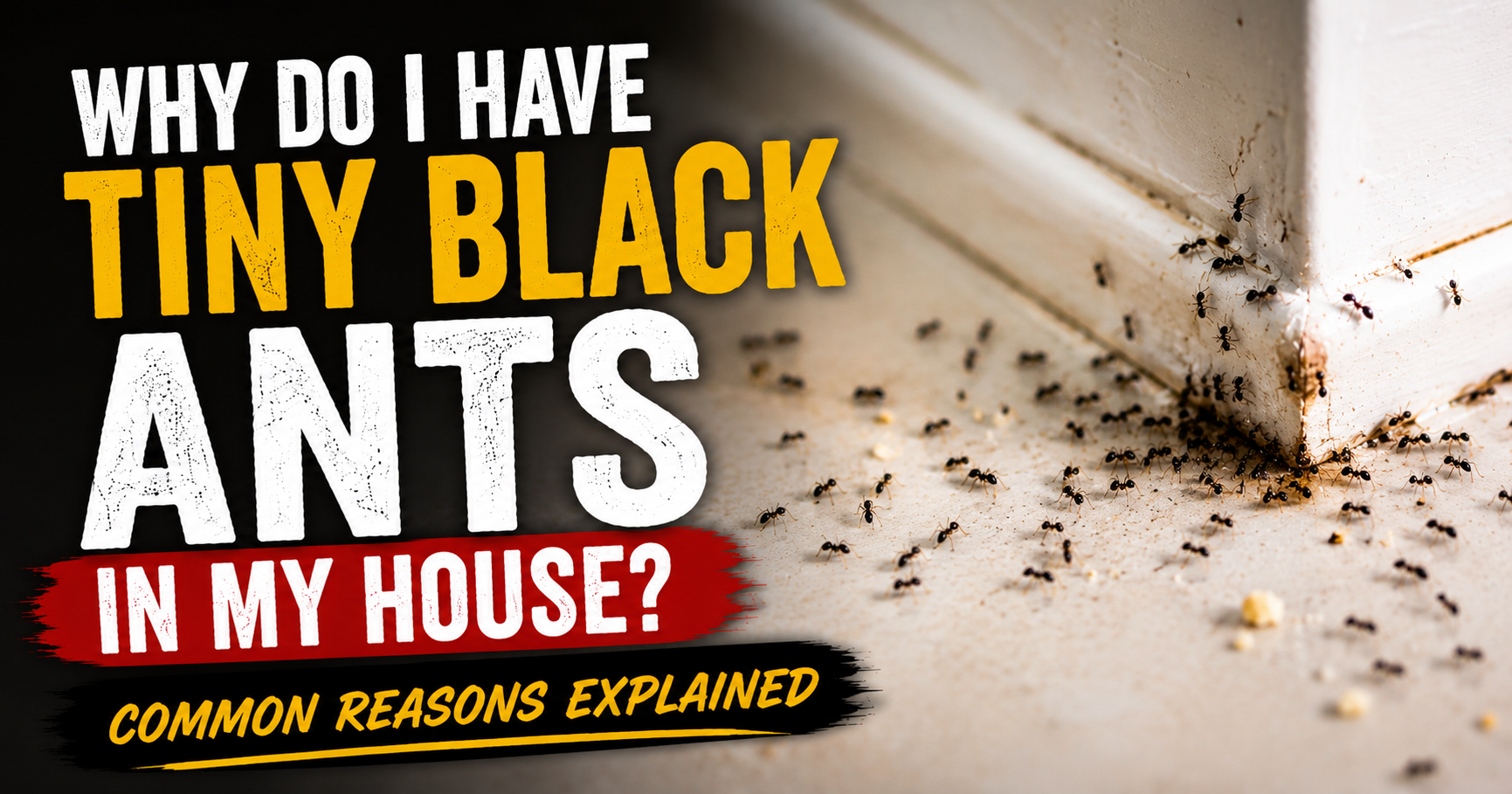
One of the most common emails I receive starts almost exactly the same way.
“I have tiny little black ants everywhere. What are they, and why won’t they go away?”
I completely understand the frustration.
These ants seem to appear out of nowhere.
One day your counters are clean.
The next morning there’s a line of tiny black ants marching across the kitchen, disappearing beneath a cabinet, or crawling along a windowsill.
Because they’re so small, many homeowners assume they’re harmless.
Sometimes they are.
Other times they’re telling you there’s a well-established colony nearby that’s discovered an easy source of food or water. Identifying the colony's route and entry point is the next step, as described in Where Do Ants Come From? How They Get Into Your House.
The good news is that once you understand why they’re inside, they’re usually much easier to control than most people expect.
My Initial Assessment
When someone tells me they have tiny black ants, I don’t immediately try to identify the exact species.
Instead, I ask a few simple questions.
- Where are you seeing them?
- Are they always following the same trail?
- Did they suddenly appear after rain?
- Are they in one room or several?
- Have you noticed flying ants recently?
Those answers often tell me more than simply knowing the species.
They’re Not Always the Same Kind of Ant
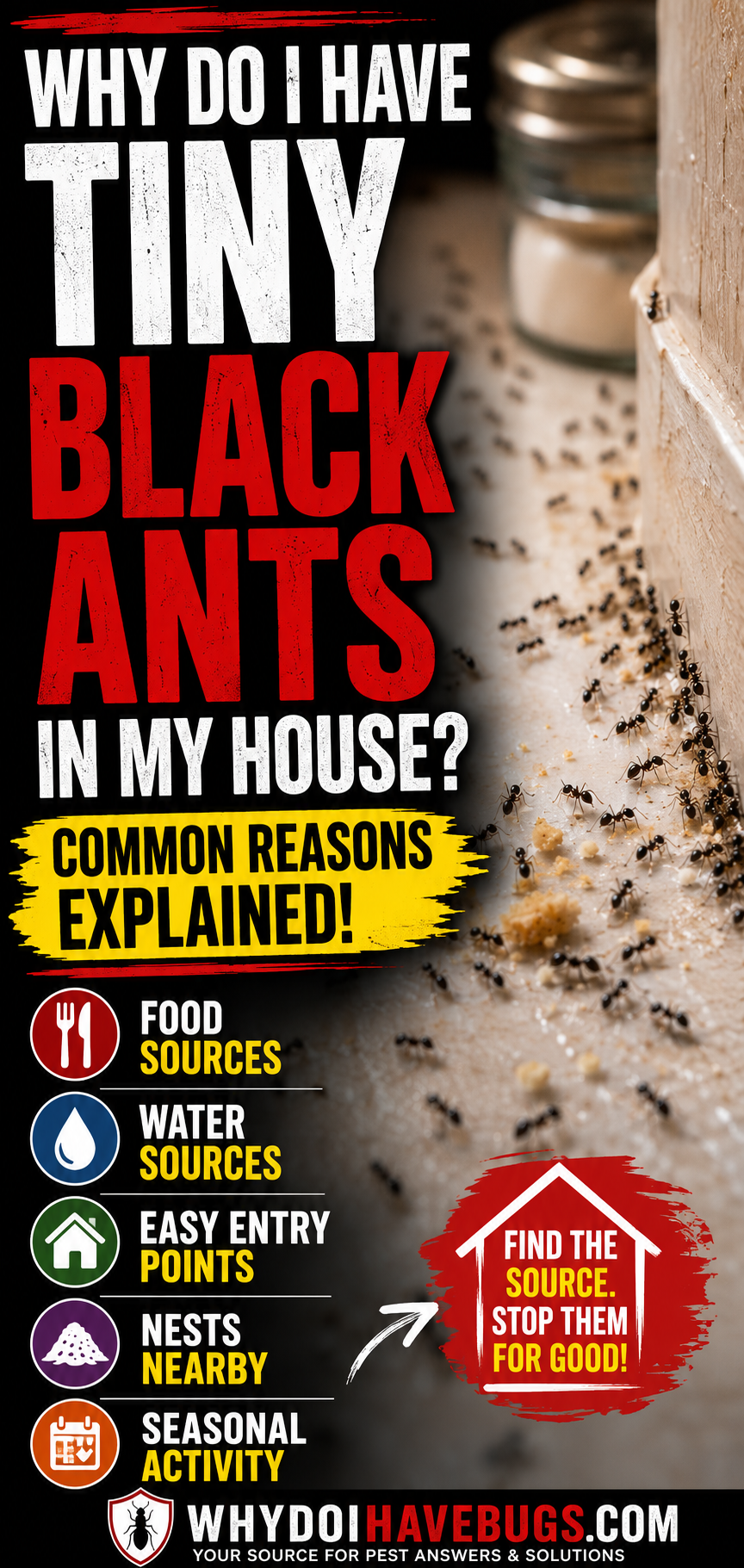
One thing that surprises many homeowners is that “tiny black ants” isn’t actually the name of one specific ant. Their common kitchen behaviors and possible attractants are covered in Why Are Ants Coming Into My Kitchen and How Do I Stop Them?.
It’s a description.
Depending on where you live, those tiny ants could be:
- Little black ants
- Odorous house ants
- Pavement ants
- Other small household ant species
Many people also call them “sugar ants,” even though that isn’t a true species name in most parts of the United States.
The important thing is understanding their behavior.
Most of these ants enter homes for the same basic reasons.
They’re Looking for Food
Food is still the number one reason I find tiny black ants indoors.
They’re excellent at discovering even the smallest food sources.
Some of the most common attractions include:
- Sugar
- Syrup
- Honey
- Soda spills
- Pet food
- Crumbs
- Grease
- Ripe fruit
I’ve seen long ant trails develop because of a single sticky spot behind a coffee maker that no one realized was there.
Water Is Just as Important
One thing many websites overlook is how important moisture is to ants.
I’ve found tiny black ants gathering around:
- Bathroom sinks
- Kitchen faucets
- Dishwasher connections
- Refrigerator water lines
- Leaky pipes
- Condensation around windows
If your home provides a dependable source of water, worker ants will often continue returning even after the obvious food sources are removed.
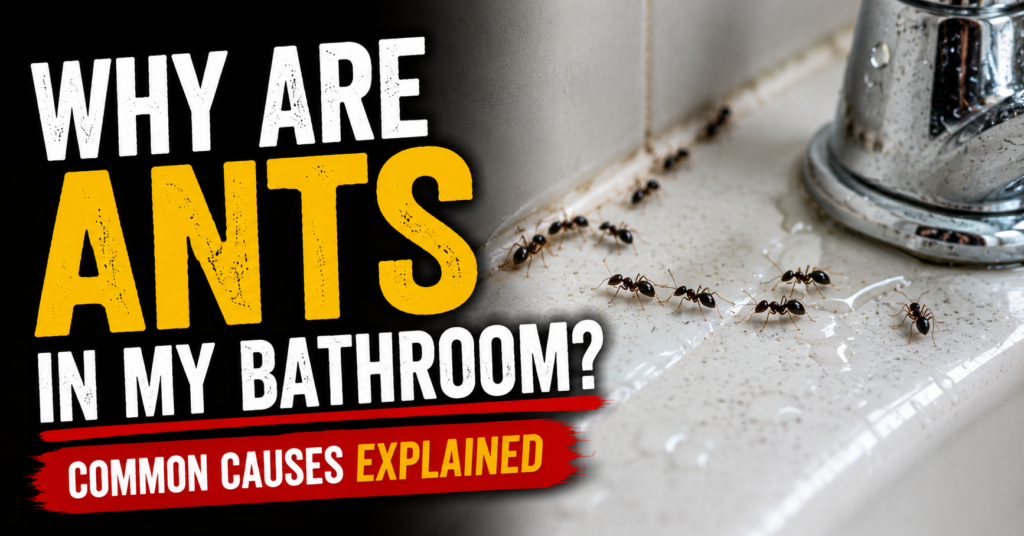
That’s one reason bathroom infestations are so common. If you’ve been seeing ants there too, read Why Are Ants in My Bathroom? to see where I’d inspect first.
Why Do They Always Walk in a Line?
This is one of my favorite things to explain because it makes ant behavior much easier to understand.

When one worker ant finds food, it leaves behind a chemical scent called a pheromone trail. The role of that scent is explained in Why Do Ants Follow Each Other? The Science Behind Ant Trails, including how a single discovery turns into a steady ant trail.
Other workers follow that trail.
As more ants use the same route, the trail becomes even stronger.
That’s why it looks like the ants have organized themselves into a perfect little highway through your house.
They’re following directions that you can’t see.
Why They Keep Coming Back
This is where many homeowners get discouraged.
They spray the ants.
The trail disappears.
A few days later, another trail appears in almost the same place.
The reason is simple.
The colony is still alive.
The worker ants you killed are only a tiny percentage of the entire colony.
As long as the queen survives, new workers continue replacing the ones you’ve eliminated.
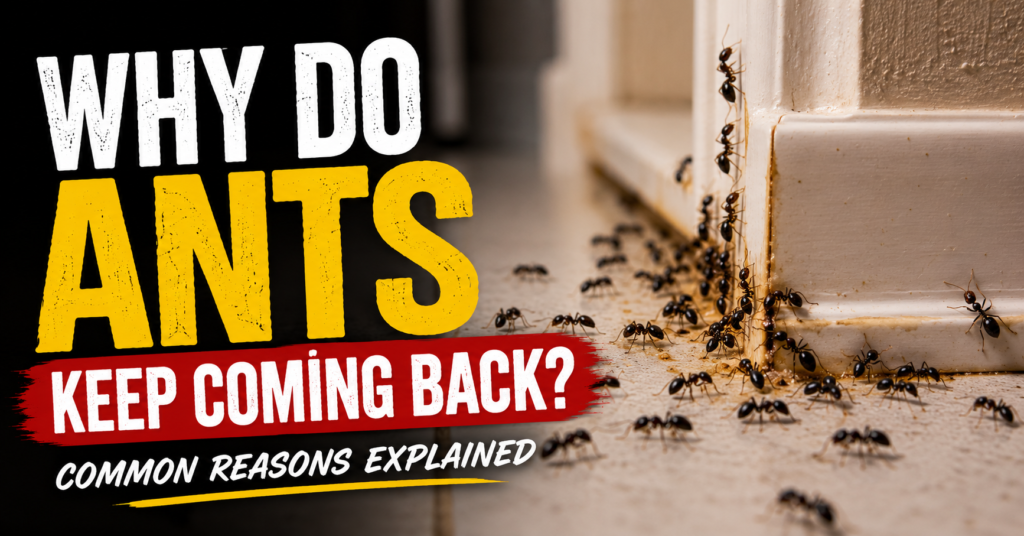
Our guide on Why Do Ants Keep Coming Back? explains why this cycle continues until the colony itself is addressed.
Why Rain Often Brings Tiny Ants Indoors
I’ve noticed a pattern over the years.
After a soaking rain, many homeowners suddenly discover tiny black ants in places where they’ve never seen them before.
Heavy rain can flood outdoor nests and force colonies to search for:
- Dry shelter
- Water sources
- New food supplies
Your home may simply be the closest safe place they can find.
If the timing of your infestation seems tied to storms, that’s probably not a coincidence.
Could They Be Living Inside My Walls?
Yes.
In fact, many colonies spend most of their lives hidden from view.
Worker ants often travel through:
- Wall voids
- Insulation gaps
- Around plumbing
- Beneath flooring
- Along foundation cracks
By the time you notice them on the kitchen counter, they’ve often been using those hidden pathways for quite a while.


Why I Don’t Worry Too Much About the Species at First
People often ask me:
“What kind of ant is this?”
It’s a fair question.
But honestly, I usually care more about why they’re inside than exactly what they’re called.
Whether they’re little black ants or odorous house ants, the solution often begins the same way.
Find what they’re using.
Find where they’re entering.
Find the colony if possible.
Once you understand those three things, you’re already well on your way to solving the problem.
What I Would Do If This Were My House
If I noticed tiny black ants this afternoon, I wouldn’t immediately reach for bug spray.
I’d watch them.
I’d follow their trail.
I’d look for where they enter the room.
I’d inspect nearby plumbing, food storage areas, and exterior foundation gaps.
Only after I understood what attracted them would I decide how to eliminate the colony.
I’ve found that spending fifteen minutes observing ants usually saves me hours of frustration later.
Products That Can Help
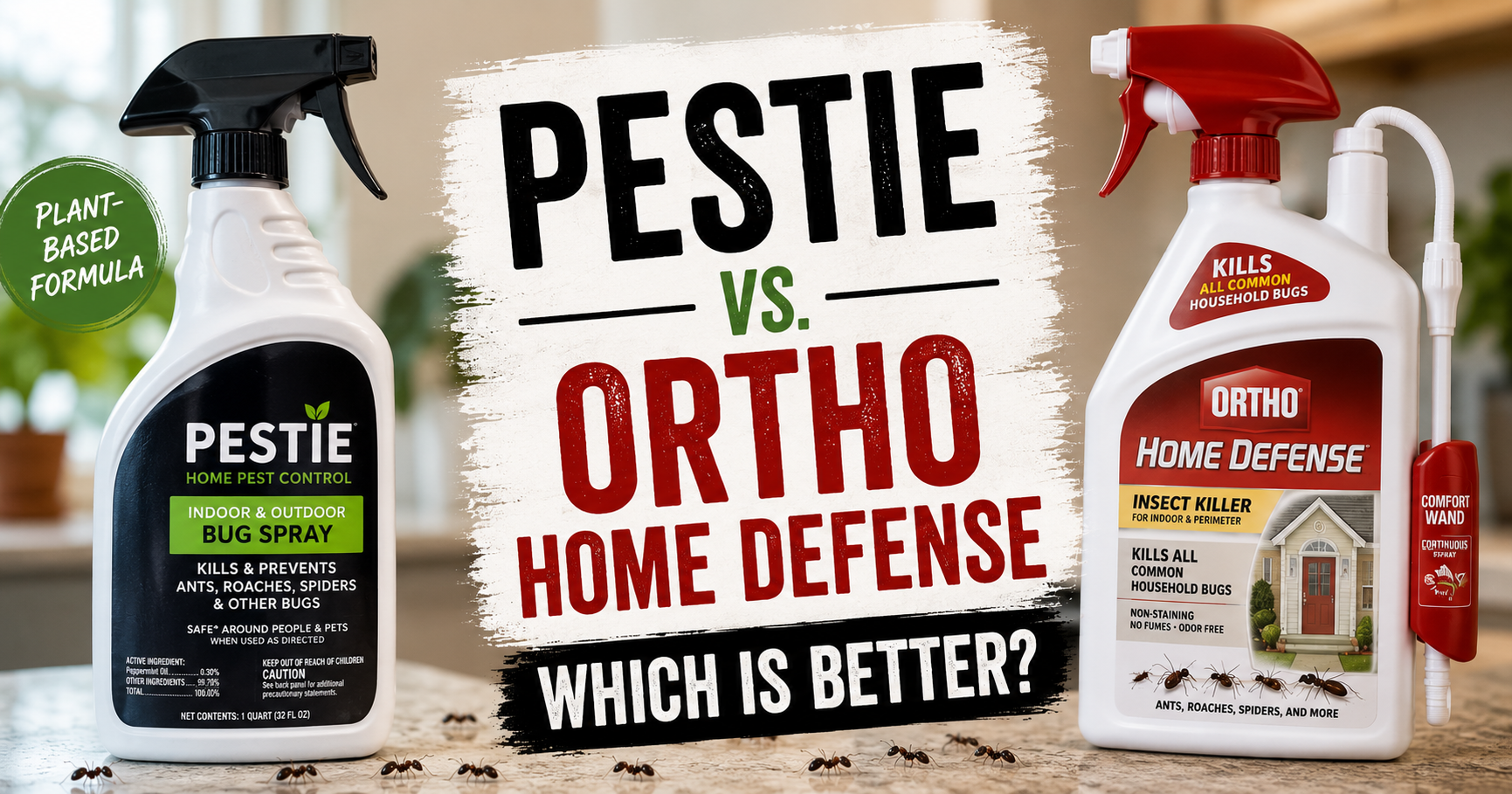
Once I’ve confirmed where the ants are traveling, I prefer treatments that target the colony instead of only the worker ants.
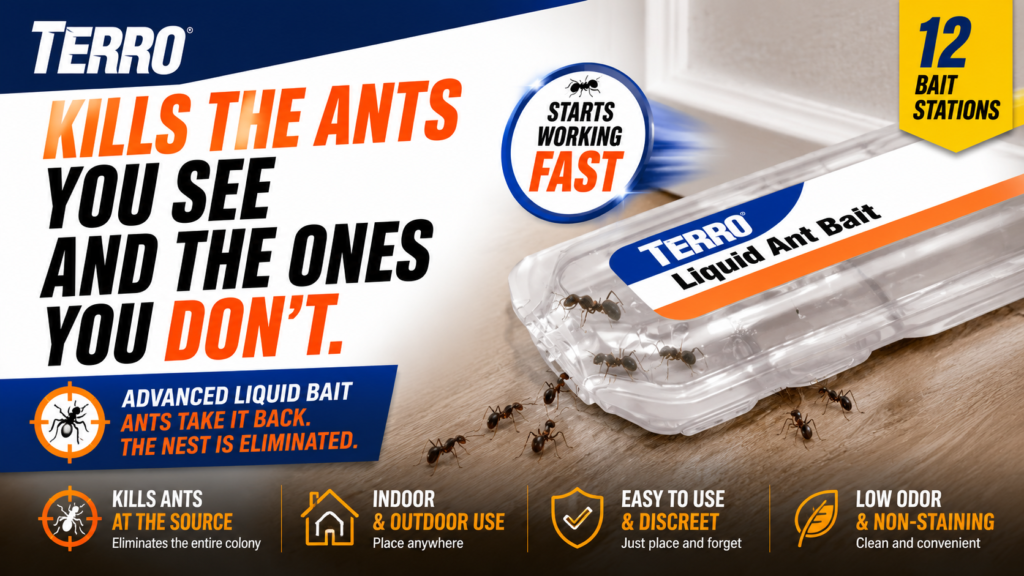
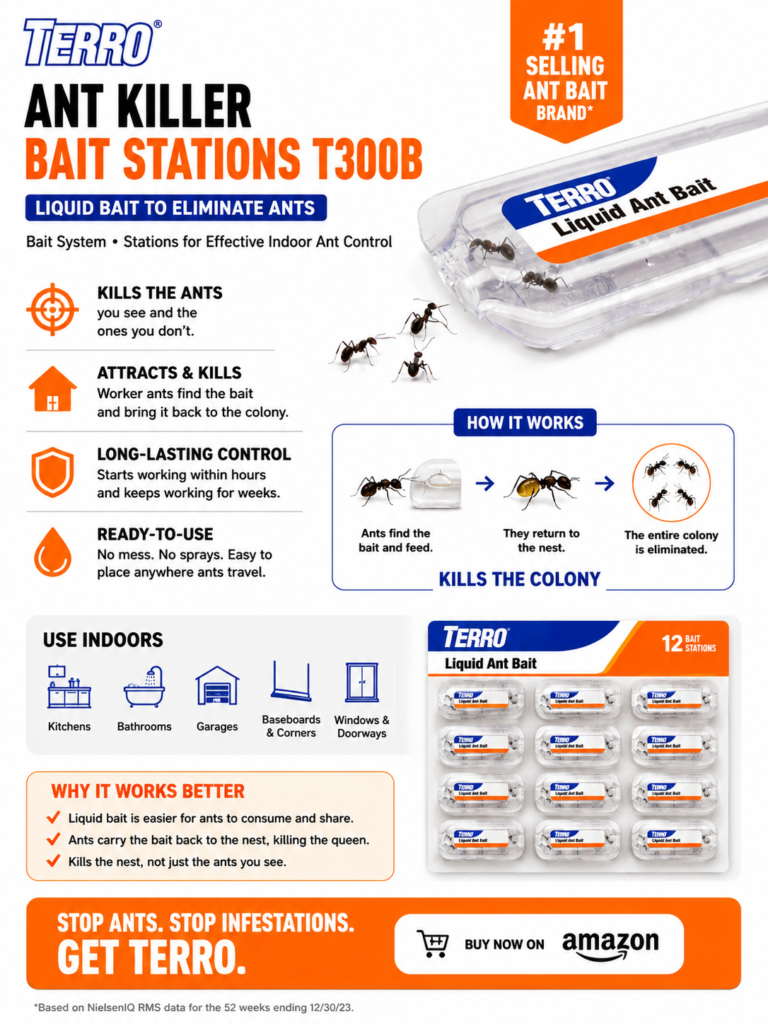
One product I’ve consistently had good results with is TERRO Liquid Ant Bait Stations. Worker ants carry the bait back to the colony, which makes it much more effective than simply killing the ants you see. My TERRO Liquid Ant Bait Stations review explains where I place the bait, how long it usually takes to work, and the mistakes I see homeowners make.
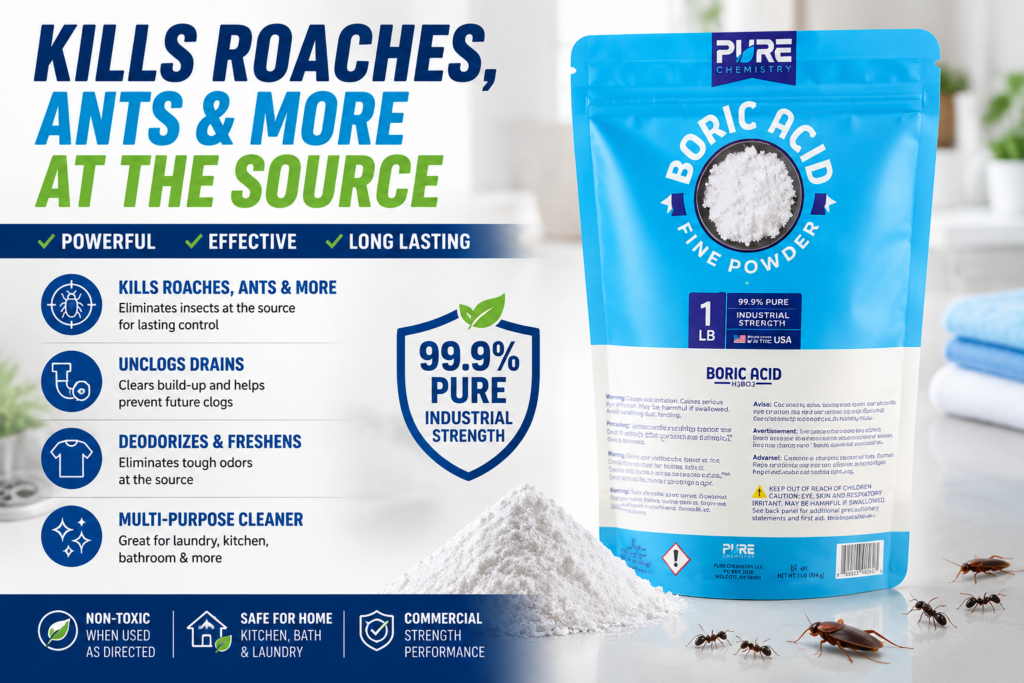
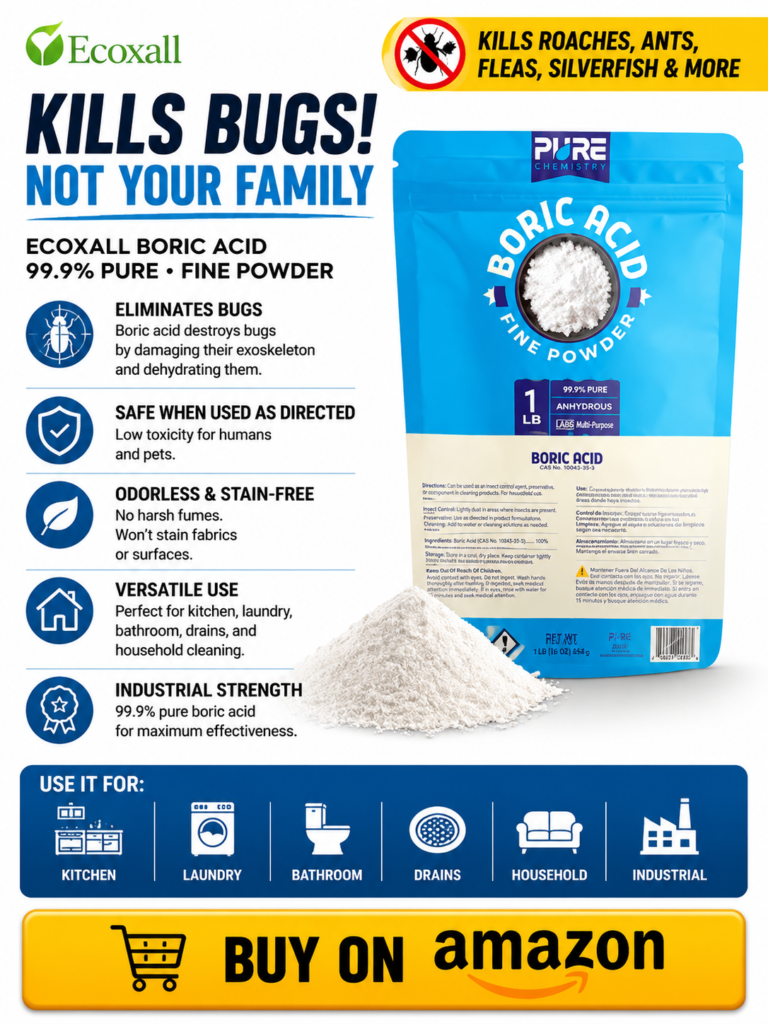
For larger or recurring infestations, Ecoxall Boric Acid Fine Powder can also be a useful tool when it’s applied properly. I cover the advantages and limitations in my Boric Acid for Roaches and Ants review.
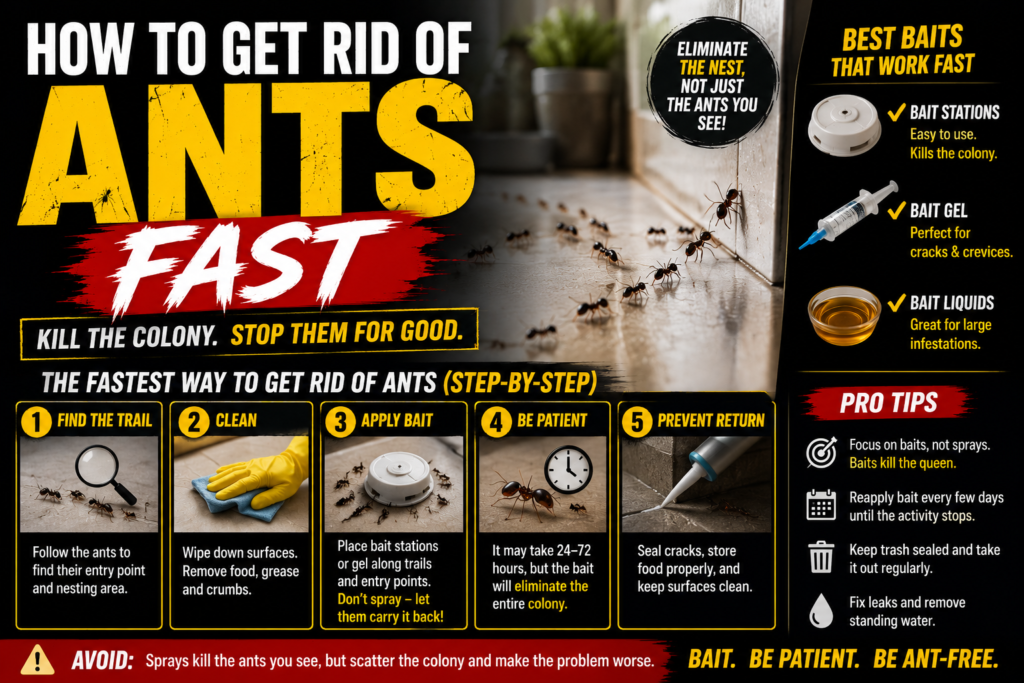
If you’re dealing with ants throughout the house instead of just one room, I also recommend reading my complete guide on Getting Rid of Ants Fast.
The Biggest Mistake I See
The biggest mistake I see is homeowners assuming that tiny ants aren’t worth worrying about because they’re so small.
Their size has very little to do with how established the colony is.
A trail of tiny ants often represents thousands of workers you never actually see.
Ignoring the problem rarely makes it disappear.
Finding out why they’re coming inside almost always leads to a faster and more permanent solution.
Frequently Asked Questions
What are the tiny black ants in my house?
They may be little black ants, odorous house ants, pavement ants, or another small ant species. Identifying the exact species isn’t always necessary to begin solving the problem.
Are tiny black ants dangerous?
Most common household species are considered nuisance pests rather than dangerous insects, although they can contaminate food and become persistent if left untreated.
Why do tiny black ants keep coming back?
They usually return because the colony is still active, food or water remains available, or pheromone trails continue guiding worker ants into your home.
Why do I only see them in the kitchen?
Kitchens provide easy access to food, water, and shelter, making them one of the most common places for ant activity.
Will cleaning alone get rid of tiny black ants?
Cleaning removes food sources and helps reduce attraction, but it usually won’t eliminate an established colony by itself.
About the Author
Daniel Brooks is a pest management writer who specializes in household ants and practical home pest prevention. His work focuses on helping homeowners understand why insects enter homes, how colonies behave, and the simple steps that solve infestations without relying on guesswork or unnecessary treatments.