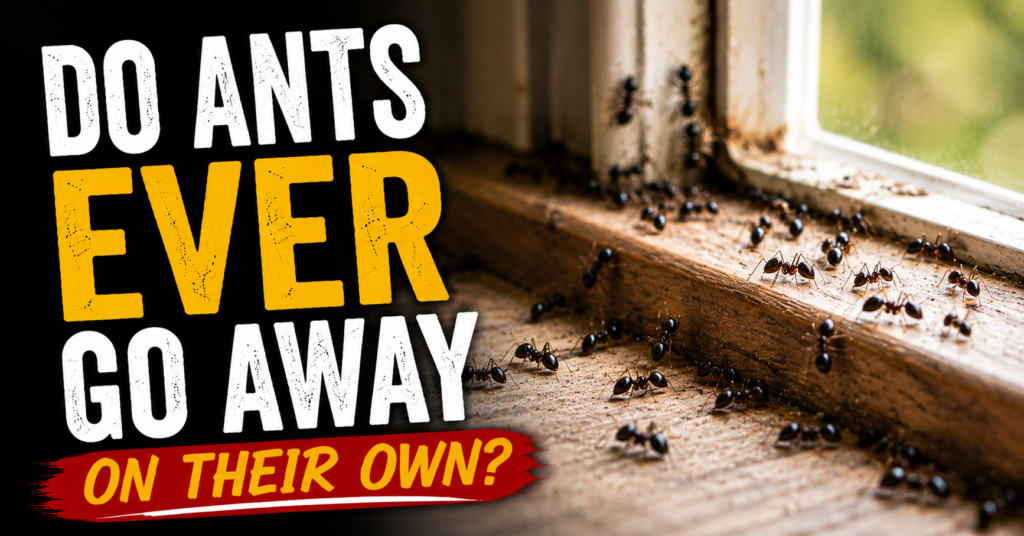
It happens all the time.
You notice a trail of ants in your kitchen.
You think about buying ant bait.
Then…they disappear.
A day goes by.
Then two.
Maybe even a week.
Now you’re wondering:
“Did the ants solve the problem themselves?”
It’s a fair question, and honestly, I understand why people ask it.
I’ve seen plenty of ant trails disappear almost as quickly as they appeared.
The problem is that disappearing ants don’t always mean a disappearing colony.
In fact, waiting is one of the biggest reasons a small ant problem quietly turns into a much larger one.
If this were my house, I wouldn’t judge the infestation by what I saw today.
I’d think about what the colony is doing when I don’t see any ants.
The First Thing I Want to Know
When someone asks me if ants will go away on their own, I ask one simple question.
“Did they actually leave…or did they just stop using that trail?”
Those are two very different things.
Ant colonies constantly adjust where worker ants search for food and water.
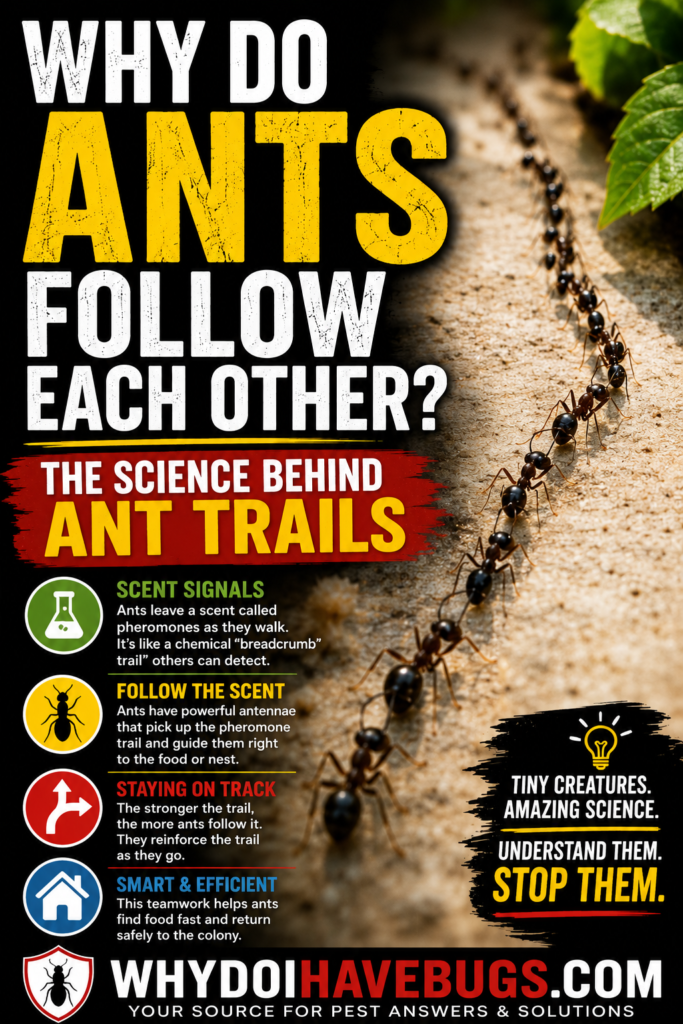
Just because they stop visiting one room doesn’t mean they’ve left your property. Understanding Why Do Ants Follow Each Other? The Science Behind Ant Trails helps explain why workers may shift their route without leaving the property.
Sometimes they’ve simply found something better.
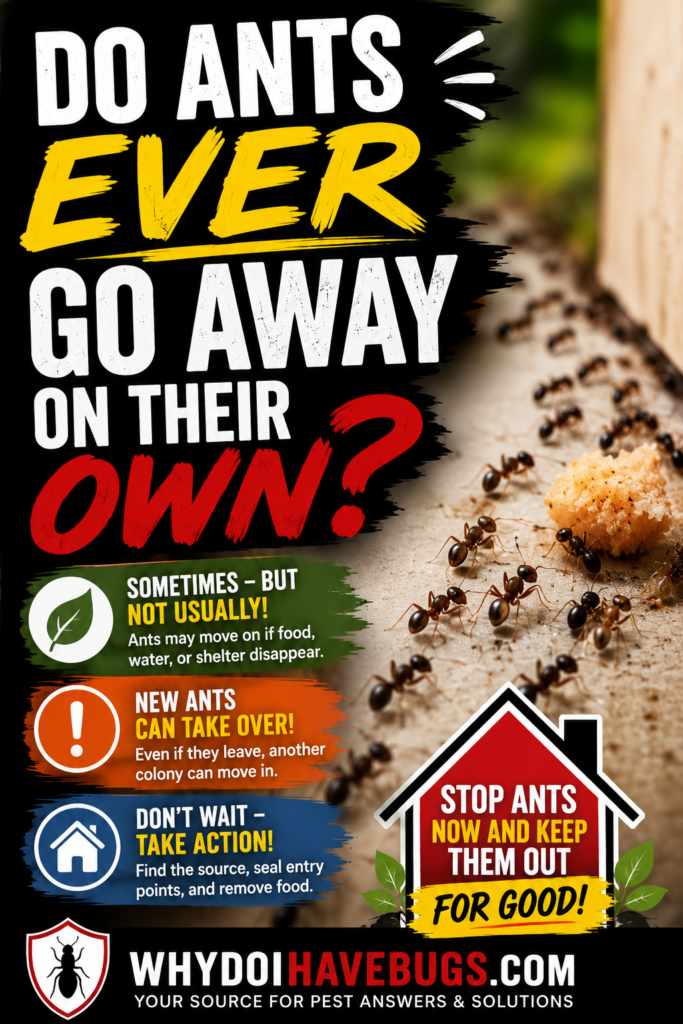
Why Ants Sometimes Seem to Disappear
One thing I’ve noticed over the years is that homeowners often mistake changing ant behavior for a solved problem.
There are several reasons an ant trail may suddenly vanish.
The Food Source Is Gone
This is probably the best-case scenario.
If the spilled syrup gets cleaned up or the pet food is moved, worker ants may stop visiting that area.
That doesn’t necessarily mean the colony disappeared.
It simply means the reward disappeared.
If another food source becomes available later, they’ll often be back.


They Found Something Better
Ants are incredibly efficient.
If another member of the colony discovers a better food source somewhere else, workers may abandon yesterday’s trail almost immediately.
From your perspective, the ants disappeared.
From the colony’s perspective, they just changed jobs.
Weather Can Change Their Behavior
Temperature and rainfall affect ant activity much more than many homeowners realize.
After heavy rain, colonies may move.
During very hot weather, foraging patterns often change.
Cool temperatures can temporarily reduce visible activity.
That doesn’t mean the colony is gone.
It simply means its behavior changed.

The Colony Is Still Growing
This is the part most people never see.
While you aren’t spotting ants on the counter, the queen may still be producing eggs.
Larvae continue developing.
New worker ants continue emerging.
The colony may actually be growing even though you’re seeing fewer ants inside your home.
That’s why I don’t use temporary inactivity as proof that the problem solved itself.
Why Waiting Usually Makes Ant Problems Worse
If there’s one lesson I’ve learned, it’s this.
Time almost always benefits the ants more than the homeowner.
People often wait because they think:
“Maybe they’ll just leave.”
Sometimes they seem to.
But if the colony is still healthy, every passing week gives it more time to:
- Produce additional workers.
- Expand its territory.
- Discover new food sources.
- Explore more of your home.
A small trail that’s easy to manage today can become a much larger infestation a month from now.
That’s why I usually recommend understanding why the ants appeared instead of hoping they’ll disappear.

Could They Simply Be Coming From Somewhere Else?
Absolutely.
Many ant colonies nest outdoors.
Workers may enter your home through tiny gaps while searching for food or water.
If the trail disappears, it may simply mean they’re exploring another part of your property.
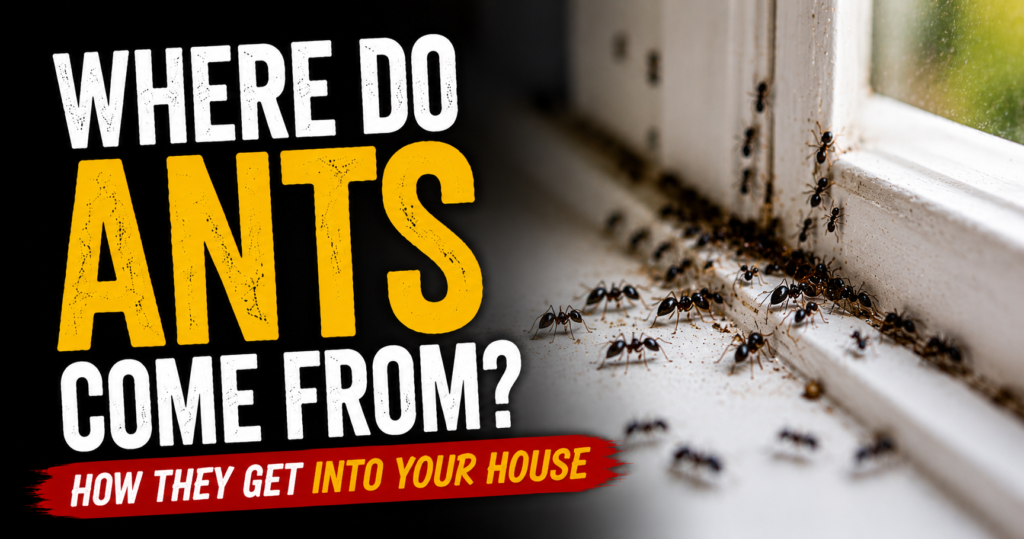
Our guide on Where Do Ants Come From? explains the most common places colonies begin and how worker ants eventually find their way indoors.
Why They Keep Returning
One reason homeowners become frustrated is that the ants seem to leave…
…then return a few weeks later.
That’s usually because the colony itself never disappeared.
Worker ants are replaceable.
As long as the queen survives, new workers continue searching for food and water.
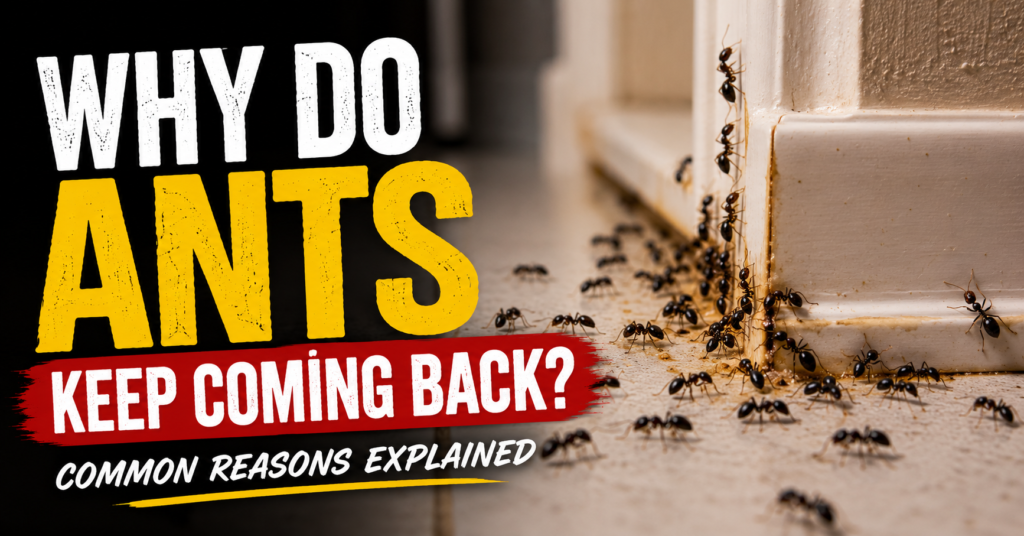
Our guide on Why Do Ants Keep Coming Back? explains why this cycle repeats until the colony is addressed.
Different Rooms, Same Colony
I’ve also noticed that homeowners sometimes think they have multiple infestations.
Last week the ants were in the kitchen.
This week they’re in the bathroom.
Next week they’re in the bedroom.
Often it’s the same colony simply following different opportunities.
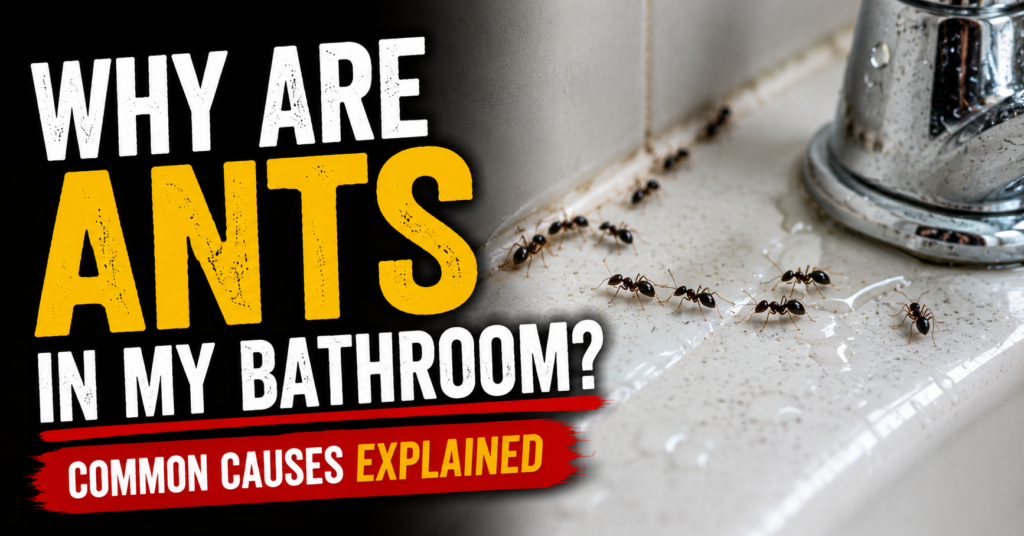
If you’ve noticed this pattern, our guides on Why Are Ants in My Bathroom? and Why Are Ants in My Bedroom?explain why those rooms become attractive.
Why I Don’t Celebrate Too Early
One habit I’ve developed over the years is waiting before declaring victory.
If ants disappear for a day or two, I don’t assume they’re gone.
I continue checking the same areas for another week or two.
Why?
Because I’ve seen too many homeowners relax just before the colony sends another wave of workers into the exact same room.
Patience works both ways.
It helps homeowners avoid panic, but it also helps prevent false confidence.


What I Would Do If This Were My House
If the ants disappeared tomorrow morning, I wouldn’t ignore the problem.
I’d inspect around windows, doors, plumbing, and the foundation.
I’d look for food sources.
I’d check for moisture.
I’d continue watching the areas where I originally found activity.
If the ants never returned, great.
But if they did, I’d already know where to start instead of beginning the investigation from scratch.
Products That Can Help
If ants continue returning, I usually recommend focusing on the colony instead of the individual workers.
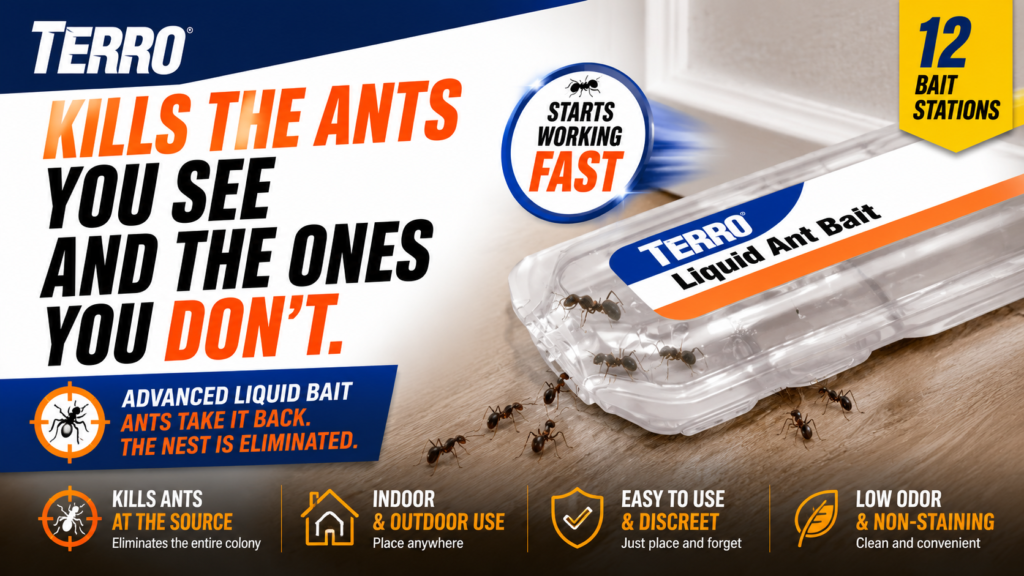
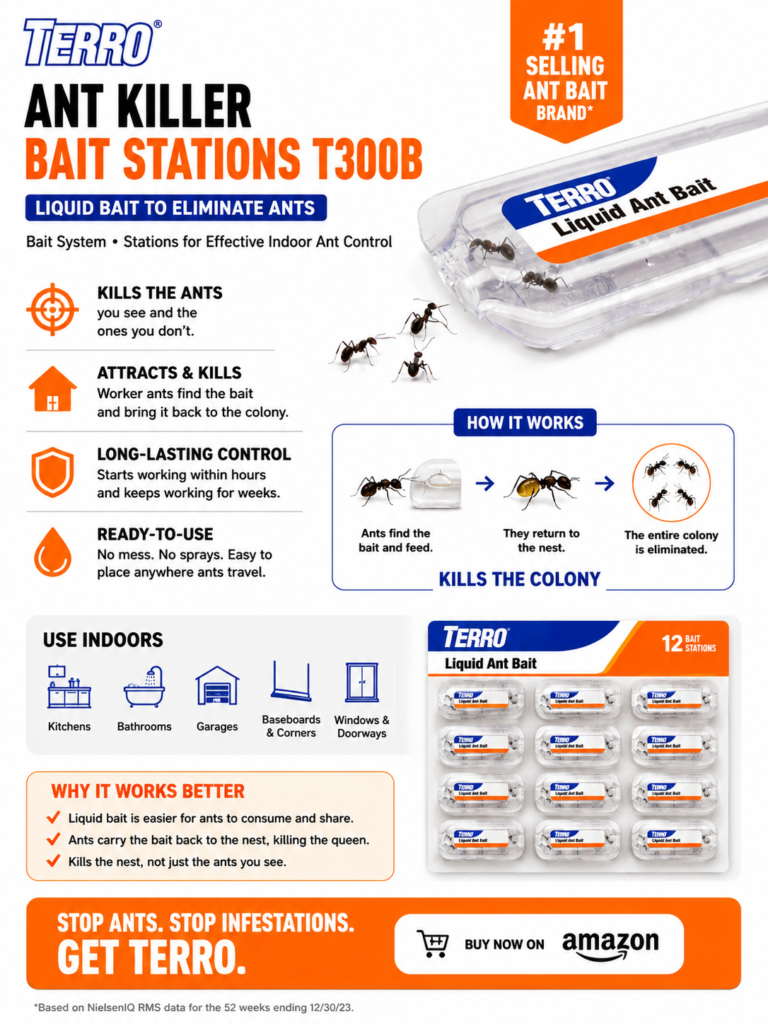
I’ve had good success with TERRO Liquid Ant Bait Stations because worker ants carry the bait back to the nest where it can affect the colony over time. In my TERRO Liquid Ant Bait Stations review, I explain when they work best and what homeowners should realistically expect.


For larger or recurring infestations, Ecoxall Boric Acid Fine Powder can also be useful when used correctly. I explain where it fits into a complete treatment strategy in my Boric Acid for Roaches and Ants review.
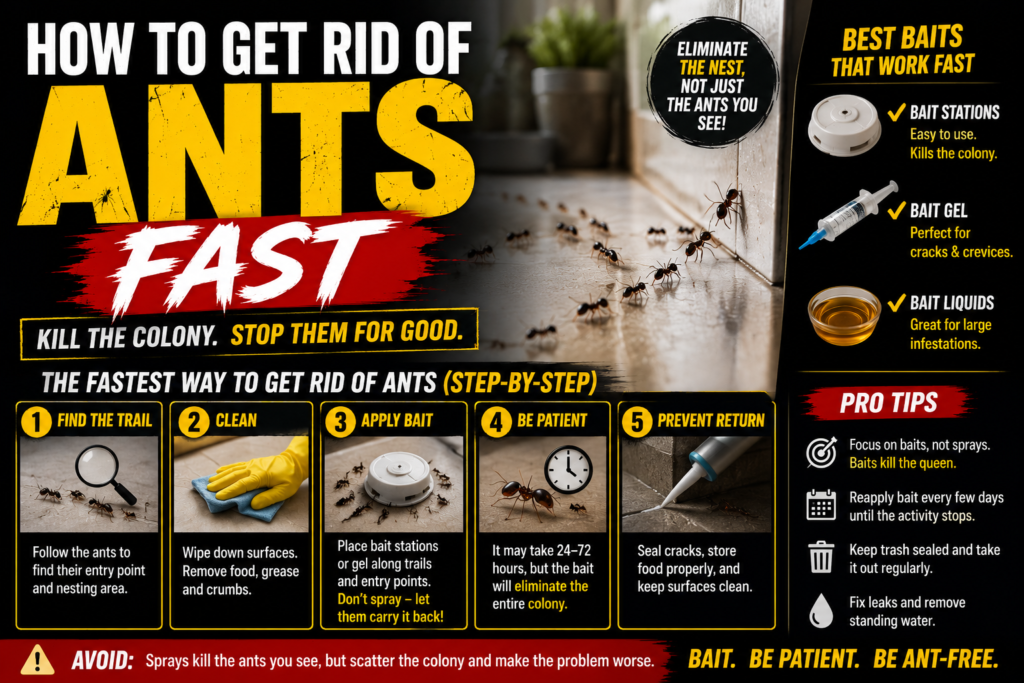
If you’re ready to eliminate the infestation instead of waiting it out, my guide on Getting Rid of Ants Fast walks through the exact process I’d follow.
The Biggest Mistake I See
The biggest mistake I see is confusing quiet with gone.
Ants are incredibly adaptable.
Just because they’re not walking across your counter today doesn’t mean they aren’t still living nearby.
I’d much rather spend a little time confirming the colony is gone than assume everything is fine and have the same infestation return a month later.
Frequently Asked Questions
Will ants eventually leave my house on their own?
Sometimes worker ants stop visiting a particular area, but that doesn’t necessarily mean the colony has disappeared.
Why did my ants disappear overnight?
They may have lost interest in that food source, changed their foraging route, or temporarily reduced activity because of weather conditions.
Should I wait before treating ants?
If the ants disappear, it’s reasonable to continue monitoring, but I wouldn’t assume the problem has solved itself without confirming the colony is gone.
Can an ant colony survive without coming inside my house?
Yes. Many colonies live outdoors and only send workers indoors when food or water becomes available.
How do I know the ants are really gone?
Continue checking the areas where you originally found activity for several weeks. If no new trails appear and you’ve removed the conditions attracting them, the problem may truly be resolved.
About the Author
Daniel Brooks is a pest management writer who studies ant behavior, seasonal insect activity, and practical home pest prevention. He enjoys helping homeowners understand why ant infestations begin, why they sometimes seem to disappear, and how to solve the source of the problem instead of relying on temporary fixes.