
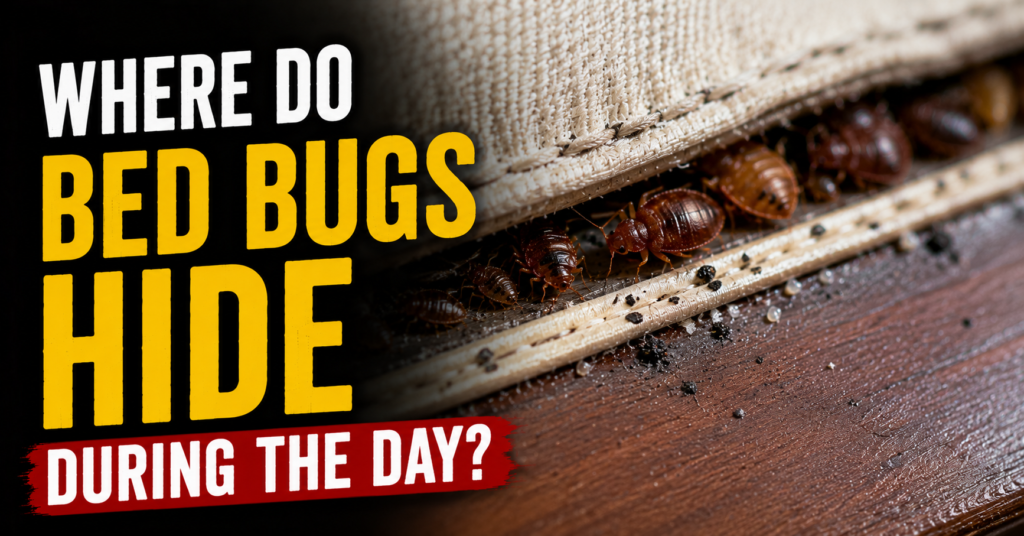
One of the biggest myths about bed bugs is that they’re always crawling around your bed.
In reality, they’re surprisingly good at staying hidden.
I’ve had homeowners tell me they wake up with bites every morning but can’t find a single bed bug anywhere. That’s actually a very common situation. Bed bugs spend only a small part of their lives feeding. The rest of the time they’re tucked away in places most people never think to inspect.
If someone asked me to inspect a home for bed bugs today, I wouldn’t start by tearing apart the entire bedroom.
I’d begin by thinking like a bed bug.
Where would I hide if I wanted to stay close to a sleeping person without being noticed?
That’s exactly how I approach every inspection.
Sarah’s First Impression
When someone tells me, “I know I have bed bugs, but I can’t find them,” I don’t assume they’re looking in the wrong room.
I assume they’re looking in the wrong places.
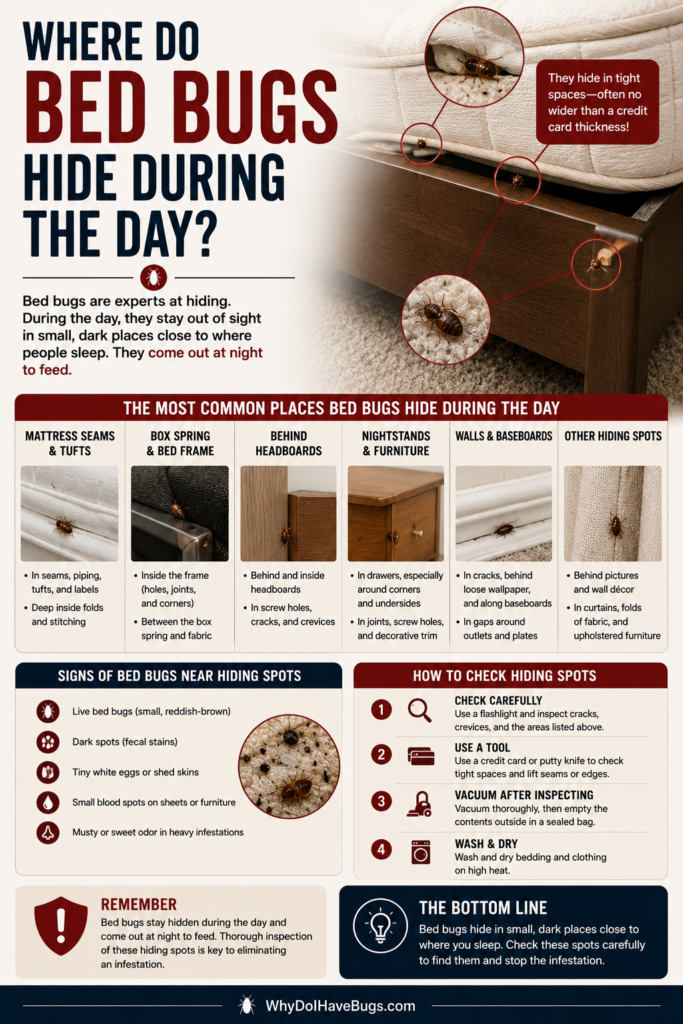
Bed bugs are experts at squeezing into spaces no thicker than a credit card.
Most infestations aren’t hidden because there are only a few bugs.
They’re hidden because people don’t know where to look.
Bed Bugs Want to Stay Close to Their Food Source
Unlike many household pests, bed bugs aren’t interested in your pantry or trash can.
They want one thing.
A sleeping person.
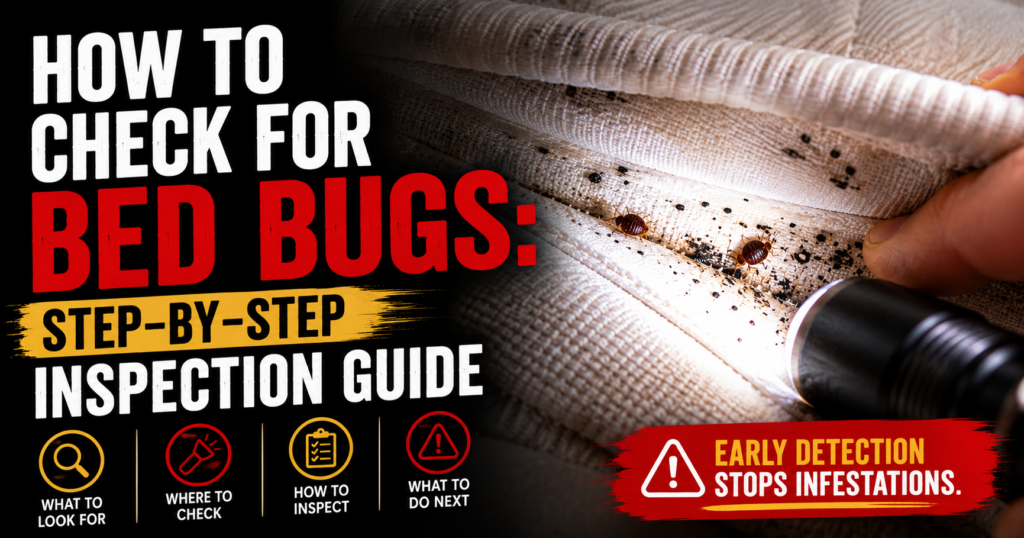
That’s why I almost always begin my inspection within a few feet of the bed. The inspection guide in How to Check for Bed Bugs: Step-by-Step Inspection Guide turns that starting point into a room-by-room search sequence.
The closer a hiding place is to where someone sleeps, the more likely I am to inspect it first.



Mattress Seams Are My First Stop
If I only had five minutes to inspect a room, I’d begin with the mattress.
Not the middle.
The seams.
The piping.
The fabric tags.
The stitched corners.
These protected areas give bed bugs exactly what they want.
Darkness.
Protection.
Easy access to a sleeping host.
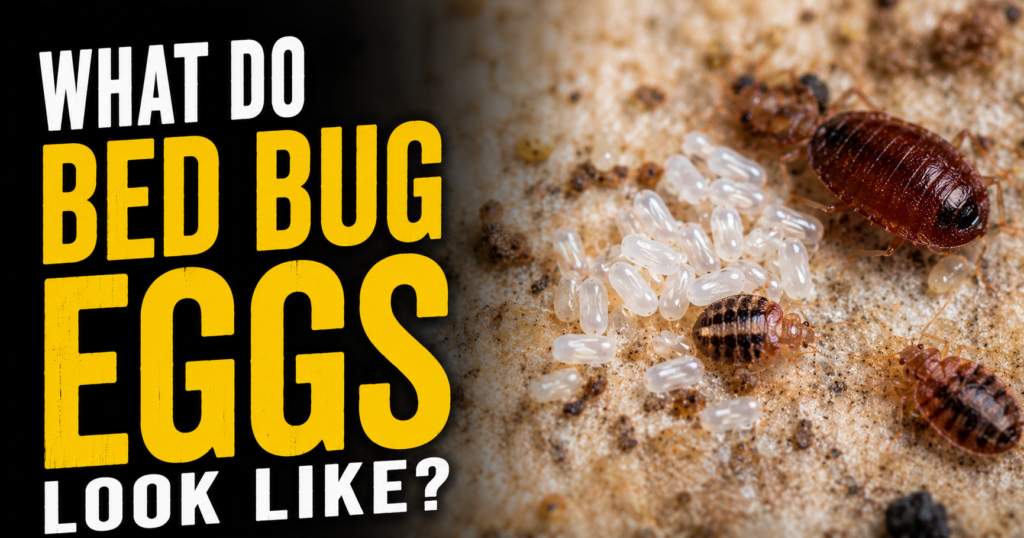
While you’re inspecting, it’s also helpful to know what bed bug eggs really look like. Eggs are often attached near the same hiding places as adult bed bugs and can be one of the earliest clues that an infestation is growing.
Don’t Forget the Box Spring
Many people carefully inspect the mattress and completely forget the box spring.
That’s a mistake.
The underside of a box spring contains:
- Fabric folds
- Wooden framing
- Staples
- Seams
- Small gaps
These protected spaces often provide excellent hiding spots.
I’ve found that some infestations are much easier to detect underneath the box spring than on top of the mattress.



Bed Frames and Headboards Hide More Bed Bugs Than People Expect
Wooden joints.
Bolt holes.
Decorative grooves.
Cracks.
Every one of these areas deserves attention.
I’ve inspected beds where the mattress looked perfectly clean, but the headboard was hiding dozens of bed bugs only inches away.
That’s why I never stop after checking the mattress.
Nightstands and Nearby Furniture
Bed bugs don’t limit themselves to the bed.
If the infestation grows, they often move into nearby furniture.
I inspect:
- Nightstands
- Dressers
- Drawer joints
- Screw holes
- Undersides of furniture
- Furniture touching the bed
The farther furniture is from where people sleep, the lower it moves on my inspection list.


Baseboards and Wall Cracks
When an infestation becomes larger, bed bugs often expand into nearby hiding places.
Baseboards.
Cracks in trim.
Small gaps around flooring.
Tiny openings behind loose wallpaper.
These aren’t the first places I inspect, but they’re certainly not the last.
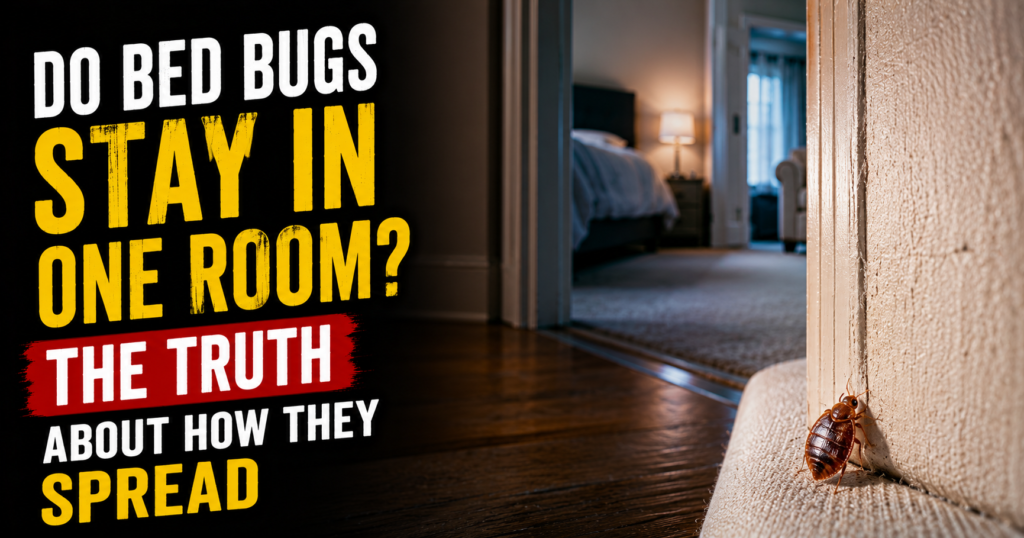
If you’ve already confirmed that bed bugs have spread beyond the bed, our guide on whether bed bugs stay in one room or spread through the house explains what usually happens next.
Can Bed Bugs Hide in Pillows?
Yes.
But it’s usually not where I expect to find them first.
Pillows are constantly being moved, fluffed, and repositioned.
That makes them less attractive than more stable hiding places.
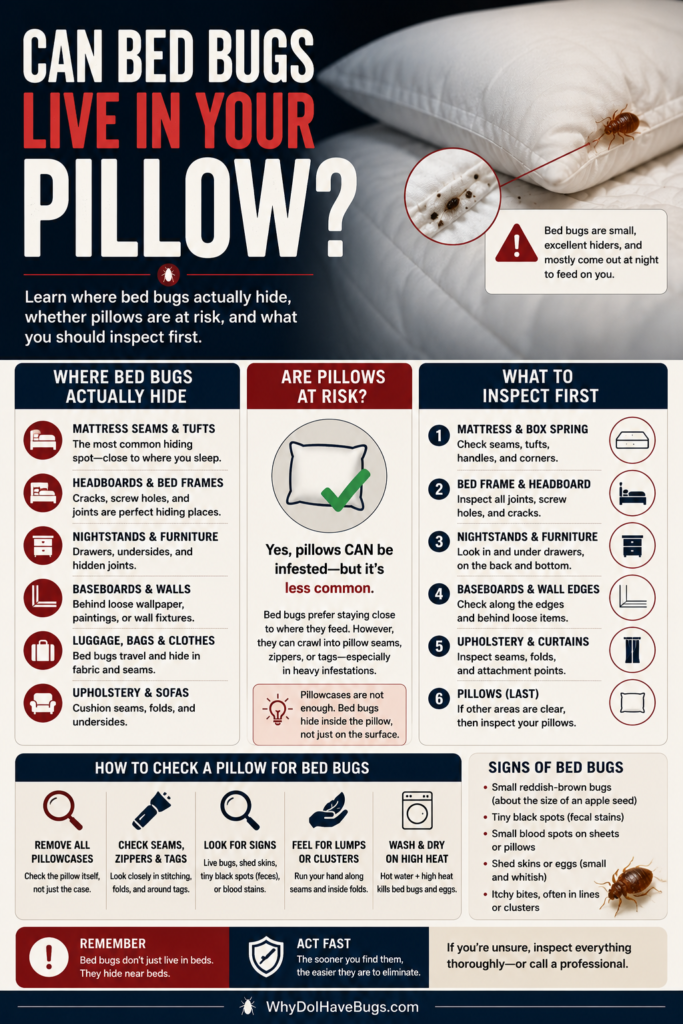
If you’re worried about bedding, our article on whether bed bugs can live in pillows explains what I actually inspect and why.
Can Bed Bugs Hide in Carpet?
This is another common concern.
Bed bugs may travel across carpet and occasionally hide near carpet edges or along baseboards, but the middle of the carpet is rarely where I expect to find them.
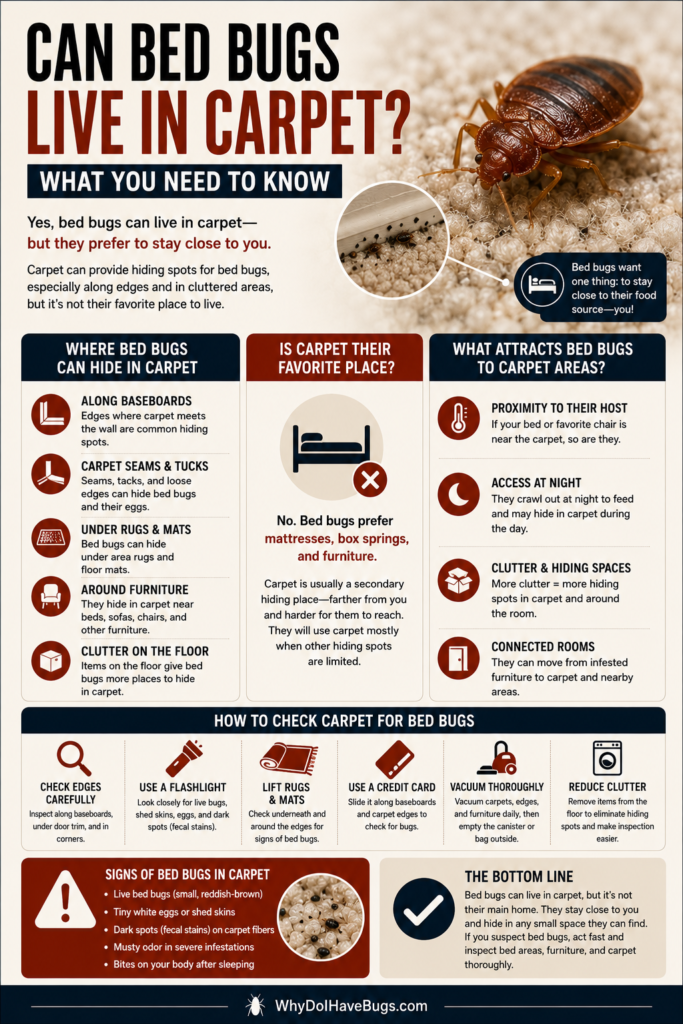
Our guide on whether bed bugs can live in carpet explains why location matters much more than the carpet itself.
My Complete Inspection Routine
If I were inspecting your bedroom today, this is the order I’d follow.
- Mattress seams and tags.
- Box spring.
- Bed frame.
- Headboard.
- Nightstands.
- Furniture beside the bed.
- Baseboards.
- Carpet edges.
- Wall cracks.
- Upholstered furniture.
Most homeowners are surprised by how rarely I begin with the middle of the room.



Monitoring After Treatment
After treatment, I want to know whether bed bugs are still active.
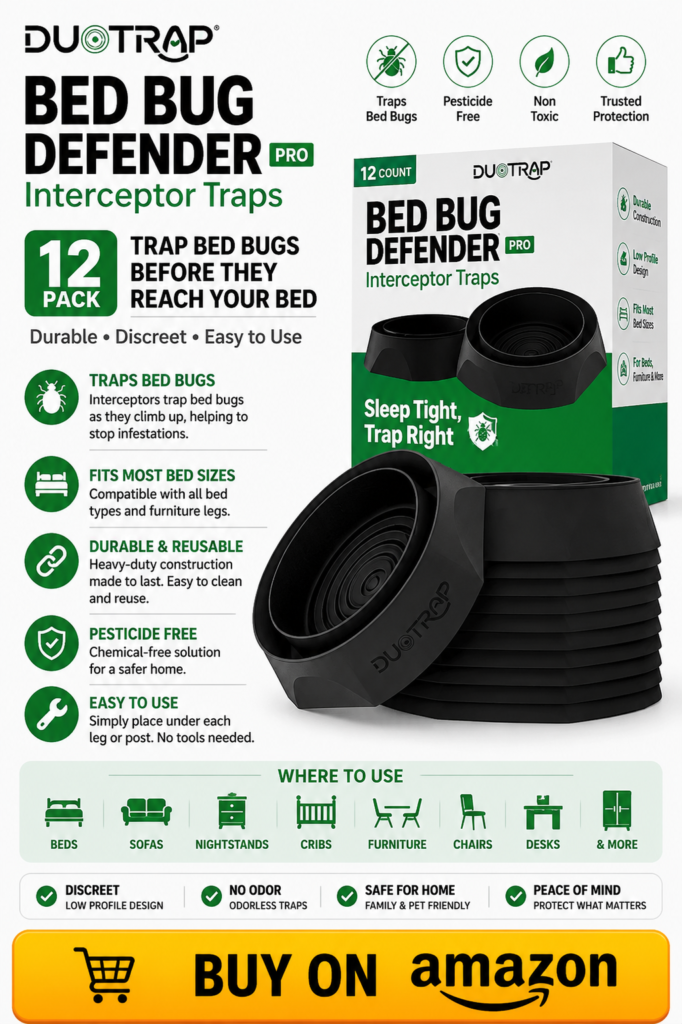
One of the easiest ways to do that is by placing bed bug interceptor cups beneath the legs of the bed. They help catch bed bugs attempting to climb onto or off the bed, giving you a much clearer picture of whether activity is continuing.
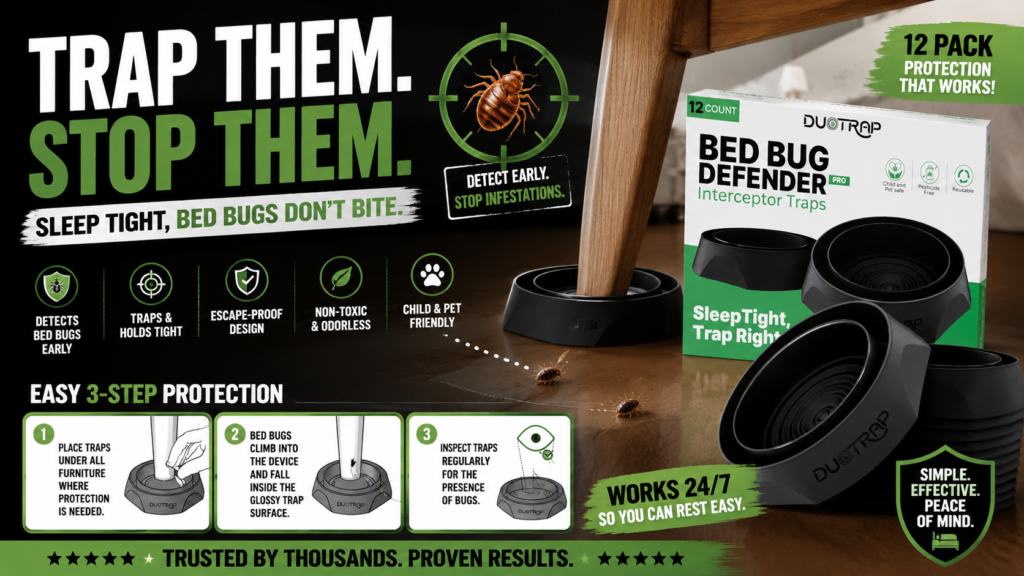
If you’re considering them, our review of bed bug interceptor cups explains when they’re most useful and what they can and can’t tell you.
Products I Recommend First
If I confirm bed bugs are present, my goal is to reduce hiding places while making future inspections easier.

One of the first products I recommend is a SureGuard Mattress Encasement. It completely surrounds the mattress, making it much harder for bed bugs to hide there and much easier for you to inspect the bed.
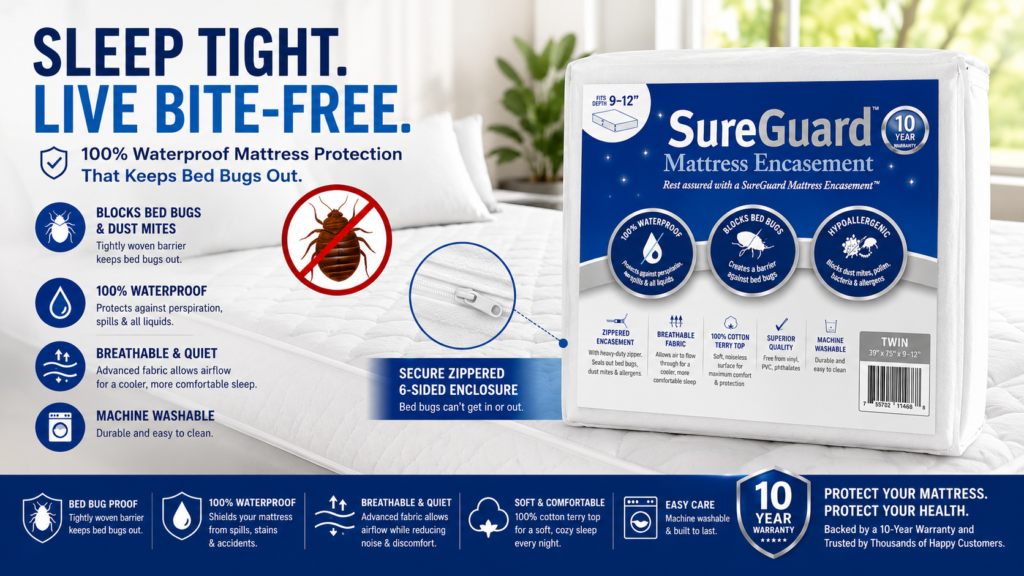
Before buying one, read our guide on whether mattress encasements really work for bed bugs so you know what they can realistically accomplish.

If an infestation has been confirmed, many homeowners also use Harris Toughest Bed Bug Killer as part of a broader treatment plan. Our review of Harris Toughest Bed Bug Killer explains where it fits into an effective treatment strategy.
The Biggest Mistake I See
The biggest mistake I see is people searching random areas before inspecting the places bed bugs are most likely to hide.
They spend an hour looking through closets.
They inspect every piece of clothing.
They pull books off shelves.
Meanwhile, the bed frame has never been checked.
Whenever you’re looking for bed bugs, start close to where people sleep and work your way outward.
That’s the approach that’s given me the best results.
Frequently Asked Questions
Where do bed bugs hide during the day?
Most bed bugs hide in mattress seams, box springs, bed frames, headboards, and nearby furniture while waiting for nighttime.
Can bed bugs hide where you can’t see them?
Yes. They regularly hide inside tiny cracks, seams, screw holes, and other narrow spaces that are easy to overlook.
Why can’t I find bed bugs if I’m getting bitten?
Bed bugs spend most of the day hidden. It’s common for people to experience bites before ever seeing a live bug.
Do bed bugs always hide in the mattress?
No. While mattresses are common hiding places, bed bugs frequently hide in box springs, bed frames, headboards, furniture, and nearby cracks.
What’s the first place I should inspect?
I always begin with the mattress seams and immediately move to the box spring and bed frame before inspecting the rest of the room.
About the Author
Sarah Bennett researches bed bugs, home pest behavior, and practical inspection techniques. She specializes in helping homeowners identify bed bug hiding places, understand infestation patterns, and make informed treatment decisions without unnecessary panic.