You clean your kitchen every night. You wipe down the counters, you take out the trash, you don’t leave dishes in the sink. And then you turn on the light at midnight and a roach scatters across your floor. It’s infuriating — and it feels personal, like your home is being judged and found wanting. It’s not. Roaches in a clean house are not a reflection of how you live. They’re a reflection of your home’s structure, location, and a few conditions that have nothing to do with how often you mop.

Here’s the actual explanation — why roaches show up in clean homes, what they’re really after, how they’re getting in, and what you need to do about it.
Cleanliness Is Not the Whole Story
The idea that roaches only infest dirty homes is one of the most persistent myths in pest control — and it causes real harm because it leads people to clean obsessively while ignoring the actual causes of their infestation.
Roaches need three things to survive: food, water, and shelter. A clean home eliminates some food sources but almost never eliminates all three. Your pipes provide water whether your house is spotless or not. Your walls provide shelter whether you vacuum daily or not. And food sources exist in clean homes in forms most people never think about — grease residue behind the stove, crumbs under the refrigerator, pet food in a bowl on the floor, a drip under the sink. The broader answers about household bug problems also explains why cleanliness alone does not prevent infestations.
Beyond that, the cleanest home in the world still has entry points. Gaps around pipes, cracks in foundations, spaces under doors — these let roaches in regardless of what’s waiting for them inside. A roach that finds its way in will stay if conditions allow it to survive. A clean home makes survival harder but doesn’t make it impossible. These practical DIY pest control methods include sealing entry points and reducing the conditions that let pests persist.

The Real Reasons Roaches Are in Your Clean House
Your Neighbors Have Them
This is the number one reason clean homes in apartments and attached housing end up with roaches, and it’s the one people find most frustrating because it feels completely outside their control.
German cockroaches — the small tan ones most commonly found in kitchens — spread through shared walls, plumbing chases, electrical conduits, and under doors between units. A neighboring apartment with an untreated infestation is constantly exporting roaches into the building. They follow pipes and wiring through wall voids, emerge from gaps around plumbing under your sink, and establish themselves in your unit regardless of how clean you keep it.
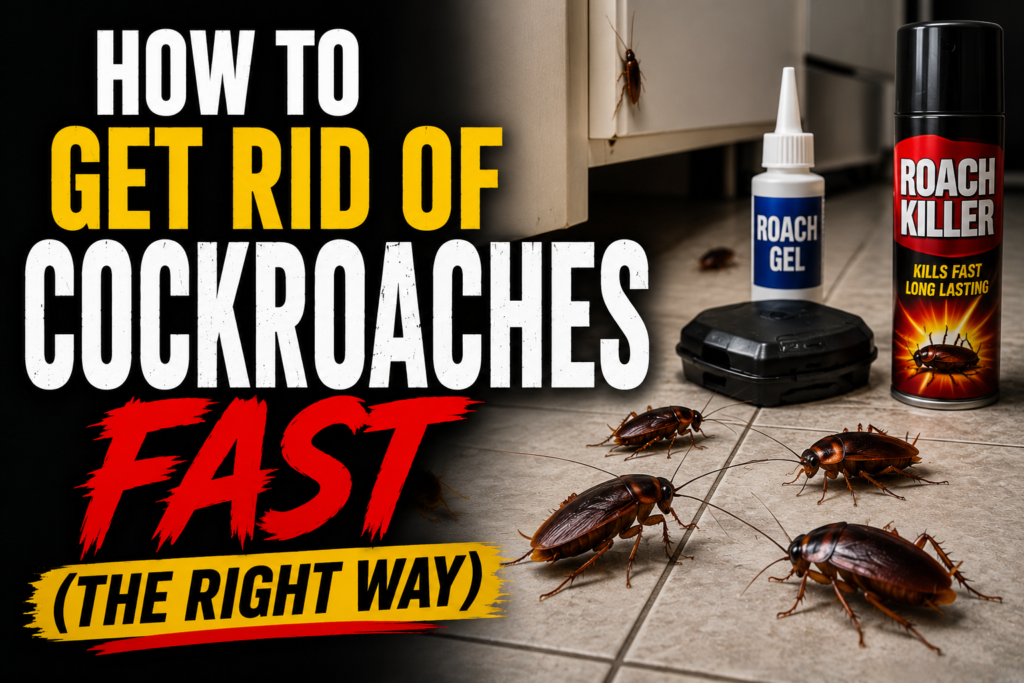
If you’re in an apartment and you’ve been fighting roaches for months with no clear source, this is almost certainly what’s happening. The problem isn’t in your unit — it’s coming into your unit. That changes the treatment approach significantly. The How to Get Rid of Cockroaches Fast (The Right Way) outlines the product sequence and placement strategy for reducing an active infestation quickly.
They’re Coming In From Outside
American cockroaches — the large ones sometimes called palmetto bugs or water bugs — are primarily outdoor insects that enter homes seeking water, warmth, or shelter. They live in mulch, leaf piles, wood stacks, sewer systems, and the gaps in your foundation. They don’t need a dirty home to be attracted inside. They need a gap and a reason — usually moisture or temperature.
During hot dry summers they come in looking for water. During cold snaps they come in looking for warmth. After heavy rain they come in because their outdoor harborage got flooded. None of that has anything to do with how often you clean.
There’s a Water Source You Haven’t Found
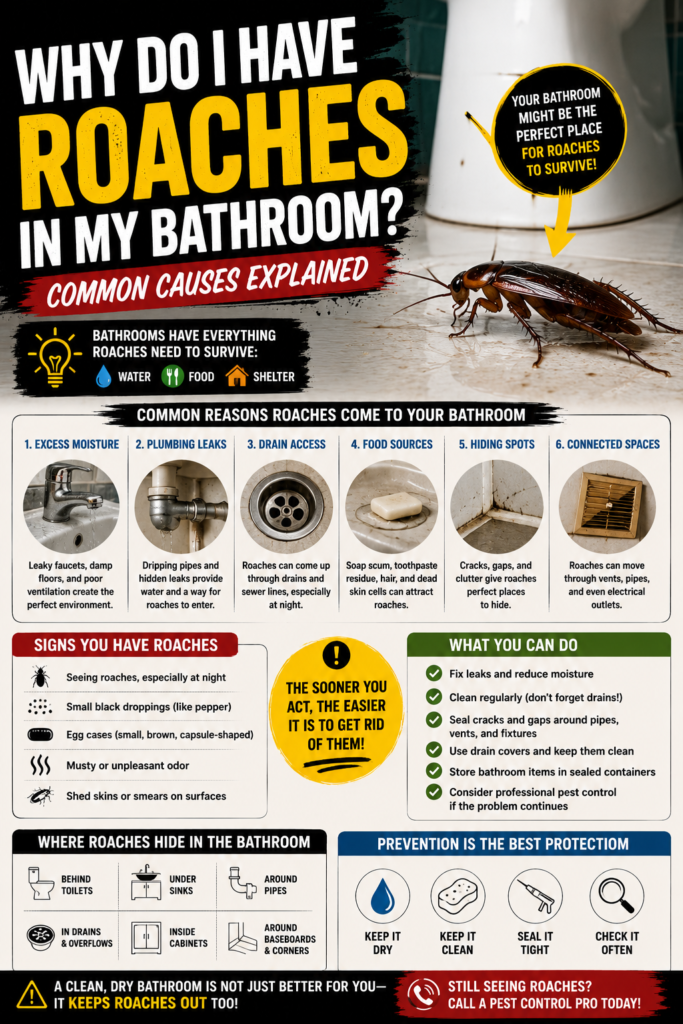
Roaches can survive weeks without food. They can survive only days without water. Moisture is the most powerful attractant in your home — more than food, more than warmth — and it exists in places most people never think to check. Bathrooms can provide exactly the moisture roaches need, and Why Do I Have Roaches in My Bathroom? Common Causes Explained explains the common sources.

A slow drip under the kitchen sink. Condensation on cold water pipes in a cabinet. A leak behind the dishwasher. A dripping refrigerator water line. The moisture that accumulates in the drip tray under your fridge. A slow drain that stays wet. Any of these is enough to sustain a roach population in an otherwise clean home. For homes where humidity is part of the problem, dehumidifier for roach-prone homes can support the broader effort to keep moisture-loving pests from settling in.
If you have roaches and you can’t figure out why, get under every sink in your home and look carefully. Check behind and under every appliance. Look for water stains, soft spots in cabinet floors, or any evidence of moisture. Finding and fixing that leak may do more than any treatment product.
Your Building Has Old Pipes or Infrastructure
Older homes and buildings — anything pre-1980 — tend to have more gaps around pipe penetrations, more cracks in foundations, more spaces in the infrastructure where roaches can travel and hide. These gaps exist not because the home was poorly maintained but because construction standards and materials were different, and decades of settling have opened spaces that didn’t exist when the building was new.
Roaches have been using the same routes through your building’s infrastructure since before you moved in. You inherited their highway system. That’s not a cleanliness problem — it’s an architecture problem, and it requires physical sealing to address properly.
They Came In With Something You Brought Home
Roaches and their egg cases hitchhike on cardboard boxes, grocery bags, used appliances, secondhand furniture, and packages shipped from infested warehouses. This is more common than most people realize.
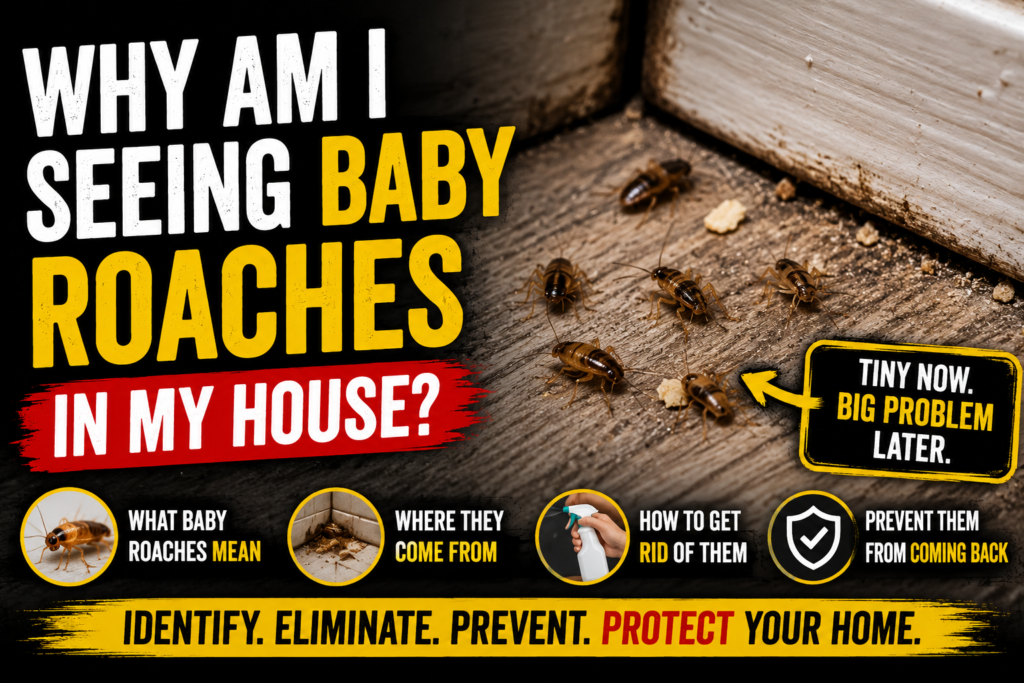
German roaches in particular are expert stowaways. Their egg cases — small brown capsules called oothecae — get glued to the bottom of cardboard boxes, inside used appliances, and in the crevices of secondhand furniture. One egg case introduced into your home contains up to 40 eggs. A single infested box from a grocery store can start an infestation in a clean home with no other contributing factors. If those egg cases have already hatched, what newly hatched roaches mean can help you understand why tiny roaches may begin appearing soon afterward.
If your roach problem appeared suddenly after you moved, after receiving a large delivery, or after bringing in secondhand items — this is the likely cause.
There’s a Hidden Food Source
Clean homes still have food sources that roaches exploit. Most of them are invisible during normal cleaning.
The grease that accumulates behind the stove over months of cooking. The film of cooking residue inside the hood vent. Crumbs that fall behind the refrigerator and never get swept up. Pet food left in a bowl overnight. The residue inside recycling bins. A forgotten spill under the stove drawer. Roaches can survive on amounts of food that would be invisible to you. They don’t need a pile of crumbs — they need trace amounts, and those exist in almost every kitchen.

Which Type of Roach Do You Have?
The type of roach matters because it changes the treatment approach. Getting this wrong means treating for the wrong species and wondering why nothing is working.
German Cockroaches
Small — about half an inch to five-eighths of an inch long. Tan to light brown with two dark stripes running from the head down the back. This is the most common indoor roach and the hardest to eliminate. They reproduce faster than any other common species — a single female can produce hundreds of offspring in her lifetime — and they have developed resistance to many over-the-counter pesticides through decades of exposure.
German roaches stay indoors almost exclusively. They don’t come in from outside — they spread through buildings via shared infrastructure. If you have small roaches in your kitchen or bathroom, you almost certainly have German roaches.
American Cockroaches
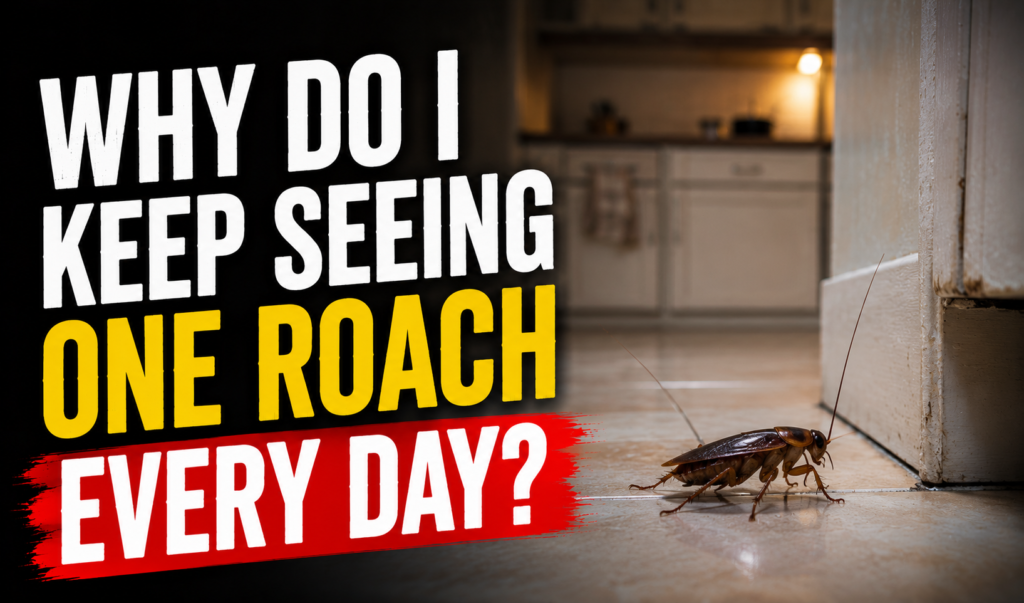
Large — one and a half to two inches long. Reddish brown with a yellowish figure-eight pattern on the back of the head. These are outdoor roaches that enter homes opportunistically. Finding one or two occasionally doesn’t necessarily mean an infestation — it may mean one found its way in through a gap. Finding them regularly, especially in basements and near drains, suggests they’ve found a consistent entry point or a suitable harborage site inside. If these sightings are becoming routine rather than occasional, why regular sightings matter offers a useful way to assess what the pattern may indicate.
Oriental Cockroaches
Medium sized — about one inch. Very dark brown to almost black. Slow moving. Often found near floor drains, in basements, and in areas with significant moisture. These prefer cooler, damper environments than German or American roaches and are often associated with sewer or drain issues.
Brown-Banded Cockroaches
Small — similar size to German roaches but lighter colored with distinctive banding across the wings. Unlike German roaches they don’t cluster in kitchens — they prefer drier, warmer spots higher up in the home, like inside electronics, in bedroom closets, and in upper cabinet areas. If you’re finding roaches in unusual locations away from the kitchen, check for this species.
Where They’re Hiding in Your Clean Home
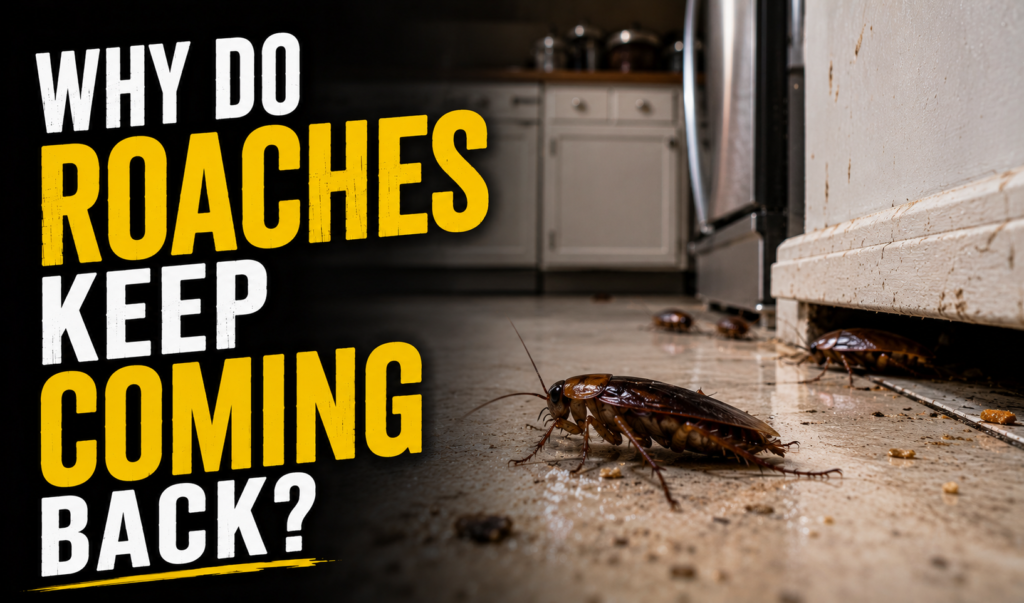
Knowing where roaches hide helps you understand why you’re not seeing the full extent of the problem. The roaches you see are a small fraction of the total population. Hidden populations are also a major reason treatments seem to fail, as explained in Why Do Roaches Keep Coming Back? Common Reasons Explained.
Under and behind the refrigerator. The motor generates heat and the drip tray provides moisture. Perfect roach habitat, almost never disturbed. Pull your refrigerator out right now and look — you may be surprised.
Inside the motor compartment of the refrigerator. Roaches enter through the kickplate area and live inside the warm motor housing. This is one of the most overlooked harborage sites in any kitchen.
Inside electrical outlet and switch boxes. Roaches travel through wall voids and emerge through outlets. The boxes are warm, protected, and connected to the entire wall void system.
Under the stove and inside the oven drawer. Grease residue plus heat plus darkness equals prime roach territory. The gap under the stove top and the drawer below it are common harborage sites even in clean kitchens.
Inside cabinet hinges and along the back walls of cabinets. The small gap at the back of cabinet interiors where the cabinet meets the wall is a roach highway. They travel this route constantly.
Under the sink around pipe penetrations. The hole where the pipe enters the cabinet wall almost always has a gap around it — this gap connects directly to the wall void and the building’s plumbing infrastructure. This is one of the primary entry points for roaches coming from neighboring units or from outside.
Behind and under the dishwasher. Moisture, warmth, food debris — the area around and under the dishwasher has everything roaches need and almost never gets inspected.
Why Your Current Efforts Probably Aren’t Working
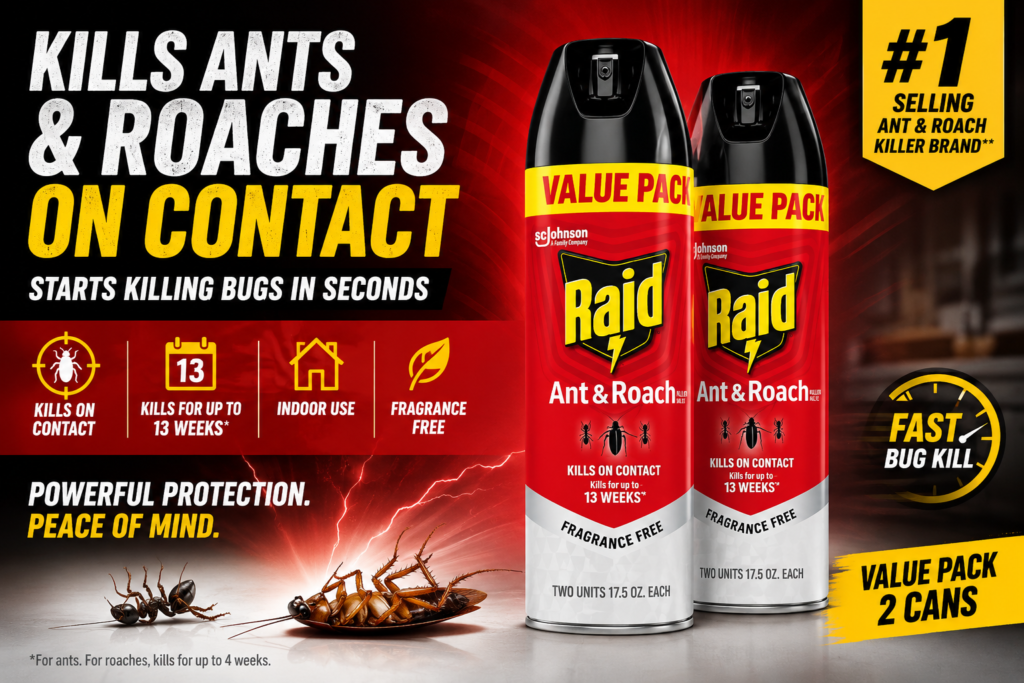
Most people treat roaches with spray. It doesn’t work on an infestation, and understanding why helps you stop wasting time and money on the wrong approach. A review of Raid spray limitations clarifies what a household contact spray can do and where it falls short against an infestation.
Spray only kills roaches on contact. The roaches you can spray are a tiny fraction of the population. The hundreds living in your walls, under your appliances, and inside your cabinet voids never touch the spray. They’re replaced within days by the colony continuing to breed in undisturbed harborage.
Repellent sprays make baiting impossible. If you spray and then try to use bait, the repellent chemicals drive roaches away from the bait and the treatment fails. Many people do both simultaneously and wonder why neither works.
Store-bought foggers don’t penetrate harborage. Bug bombs fill a room with pesticide mist but that mist doesn’t get inside walls, under appliances, or into the deep crevices where roaches actually live. They’re largely theater for roach infestations — expensive, disruptive, and mostly ineffective against the population that matters.
German roaches have developed resistance. Decades of exposure to common over-the-counter pesticides has led to widespread resistance in German roach populations. Products that worked reliably twenty years ago may have limited effect on today’s populations. This is why professional pest controllers have shifted to rotation of active ingredients and rely heavily on bait-based treatments rather than spray.
What Actually Works
The most effective DIY approach to a roach infestation combines three elements: the right product, the right placement, and eliminating the conditions that support the population.
Gel Bait — The Professional Standard
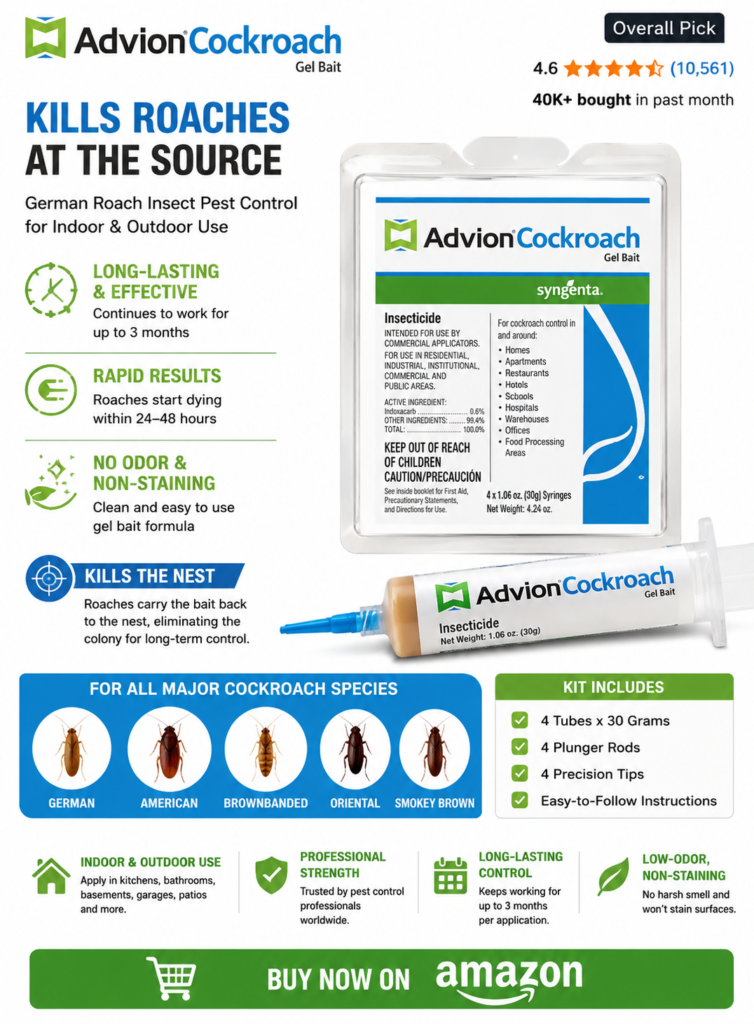
Gel bait is what pest control professionals use on roach infestations, and it’s available to homeowners. The principle is the opposite of spray — instead of killing on contact, bait is designed to be eaten and carried back to the colony, spreading through the population via secondary kill. For this bait-based approach, homeowners may want to compare a roach gel bait option.
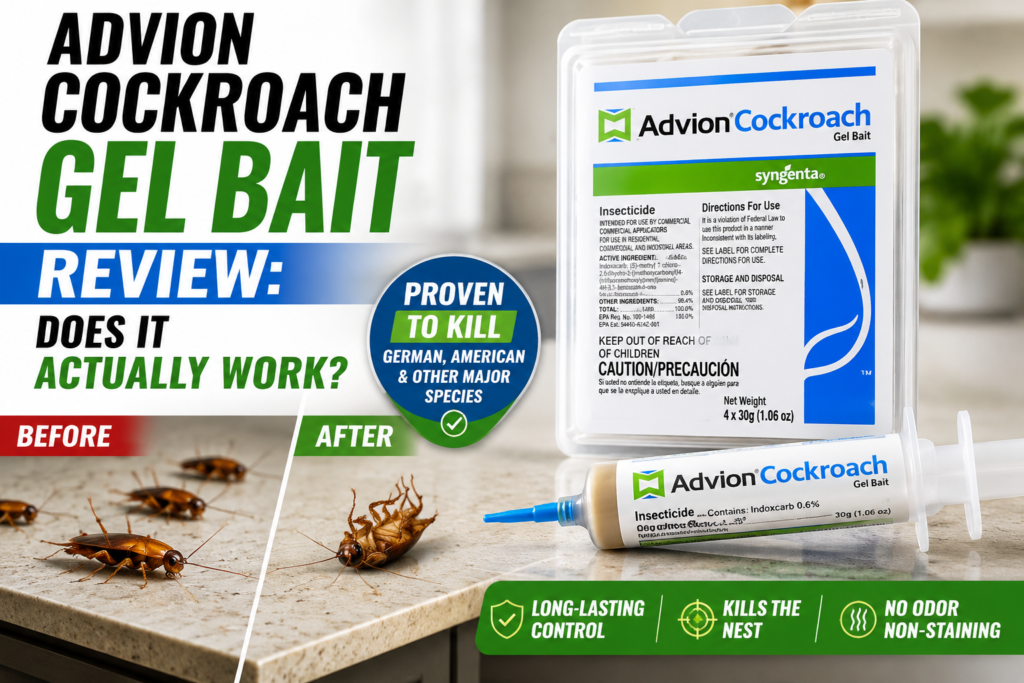
Advion Cockroach Gel Bait is the most consistently recommended product in this category. It uses indoxacarb — an active ingredient that roaches haven’t developed significant resistance to — at a concentration that’s attractive to roaches but slow-acting enough to allow them to return to the harborage before dying. The result is a cascade kill that reaches the roaches you never see.
Applied correctly — small pea-sized dots in roach travel zones, refreshed when consumed — gel bait addresses the colony rather than the individual bugs on your counter. This is the single most important shift in approach for anyone who’s been spraying and getting nowhere.
Powder Treatments for Harborage Zones
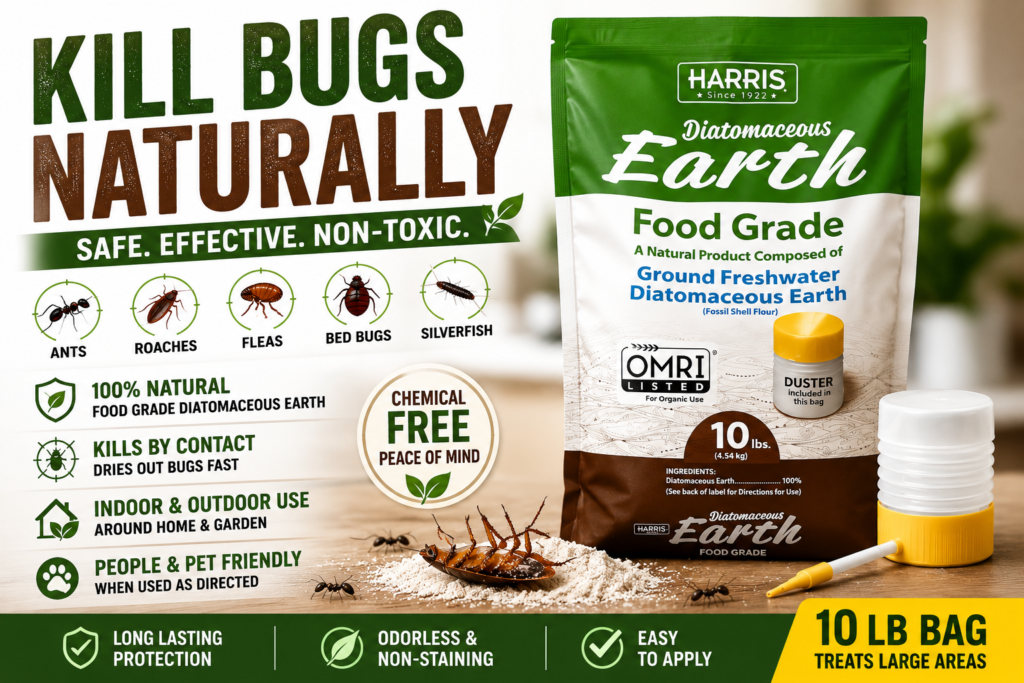
Boric acid and diatomaceous earth applied in the hidden zones roaches travel through create long-term residual kill that doesn’t break down. Inside outlet boxes, in wall voids around pipe penetrations, under appliances — these areas can be treated once and left, killing roaches that travel through them indefinitely. Before treating those hidden zones, use this diatomaceous earth application guide to understand where a light, dry application works best.

These powder treatments work differently from spray and bait — they’re physical kill agents that work on contact without repelling roaches from the area. Used in the right locations they create permanent treated zones in the roach travel routes you can’t easily reach with other products. For inaccessible dry travel routes, home-safe diatomaceous earth treatment is one option to consider only where the product label permits its use.
Sealing Entry Points
Treatment handles the current population. Sealing entry points stops the next wave.
Under every sink, find the gap around the pipe where it enters the cabinet wall. Fill it with steel wool or caulk. Check along baseboards for cracks. Check the gap under exterior doors — a gap you can see light through is a gap roaches use. Seal around utility penetrations on exterior walls.
In an apartment building you can’t seal your unit off from the building’s shared infrastructure completely, but you can significantly reduce the flow by addressing the primary entry points in your unit.
Eliminate Moisture
Fix every drip. Check every pipe under every sink. Pull out every appliance and look for moisture. A dry home is a significantly less hospitable home for roaches — addressing the water source is often the step that makes everything else more effective.

How to Keep Roaches From Coming Back
Once you’ve treated the infestation, keeping it gone requires making your home less hospitable on an ongoing basis.
Maintain bait placements. After the infestation is eliminated, a small dot of gel bait in key spots every 4–6 weeks catches new arrivals before they establish. Two minutes a month prevents you from dealing with this again next year.
Store food in sealed hard containers. Cardboard boxes and folded-over bags are not sealed. Transfer dry goods — cereal, flour, rice, pasta, pet food — into containers with actual lids. This eliminates one of the most consistent food sources in most kitchens.
Take the trash out nightly. A kitchen trash can sitting overnight with food waste is a reliable roach attractant. Make it a habit before bed.
Deep clean behind and under appliances seasonally. The grease and debris that accumulates in these spots over months is a food source that survives regular surface cleaning. Pull the fridge and stove out twice a year and clean thoroughly.
Fix moisture issues immediately. The moment you find a drip, fix it. Don’t let a slow leak under the sink sit for a week — that’s a week of providing exactly what roaches need most.
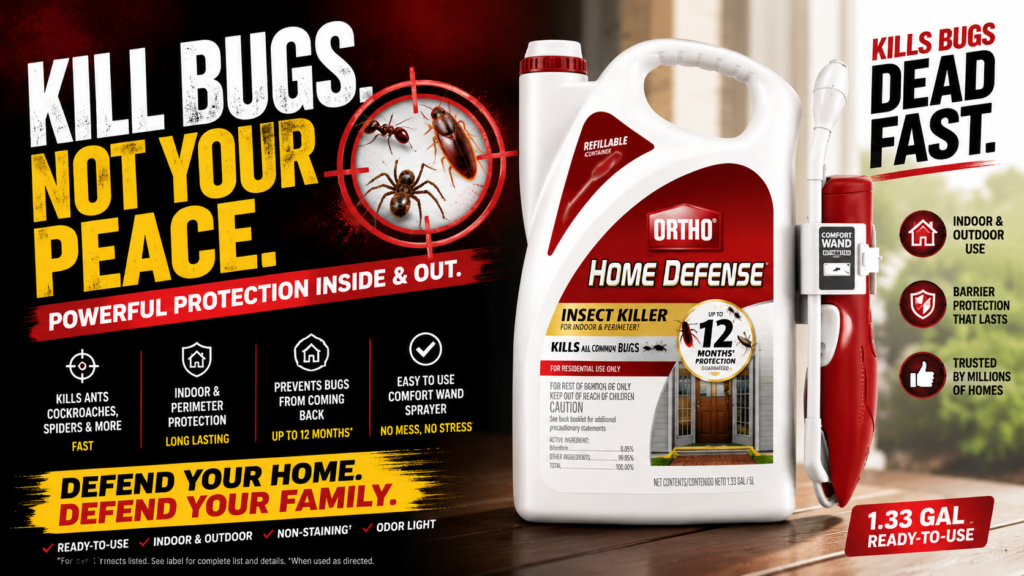
Treat your perimeter. A barrier spray like Ortho Home Defense applied around your home’s foundation and entry points creates an outdoor barrier that kills roaches before they get inside. For ground-floor units and houses this is one of the most effective preventive steps available.
Roaches in a clean house are not a character flaw or a housekeeping failure. They’re a structural and environmental problem with a structural and environmental solution. Find the entry points, eliminate the moisture, use the right treatment products in the right locations, and give it two to three weeks. Clean homes get roaches. Clean homes can also get rid of them.