One of the first questions I hear after someone discovers bed bugs is:
“Where did they come from?”
It’s usually followed by another question.
“Did I do something wrong?”
The good news is that bed bugs don’t appear because your house is dirty.
I’ve seen spotless homes with bed bug infestations, and I’ve seen cluttered homes that didn’t have a single bed bug.
The real story is much different.
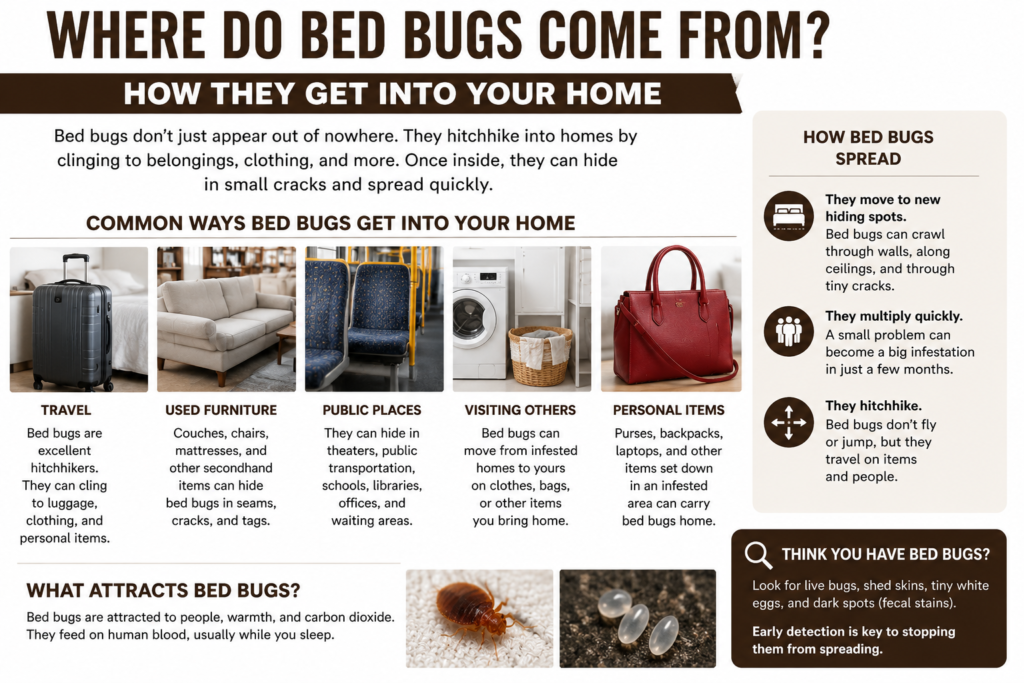
Bed bugs almost always arrive because someone accidentally brings them inside.
Understanding how that happens is one of the best ways to prevent future infestations.
Sarah’s First Impression
Whenever someone asks me where bed bugs came from, I don’t immediately start looking around the bedroom.
Instead, I ask questions about what happened during the last few weeks.
Have you traveled?
Stayed in a hotel?
Bought used furniture?
Had overnight guests?
Moved into a new apartment?
Most of the time, the answer is hiding somewhere in that conversation.
The Biggest Myth I Hear
One myth refuses to disappear.
“Only dirty houses get bed bugs.”
That simply isn’t true.
Unlike cockroaches, bed bugs aren’t attracted to leftover food, overflowing trash cans, or dirty dishes.
They’re attracted to people.
A clean home can develop bed bugs just as easily as any other home if the insects are accidentally carried inside.
Cleaning is always a good habit, but it doesn’t prevent bed bugs from hitchhiking into your house.



Travel Is One of the Most Common Sources
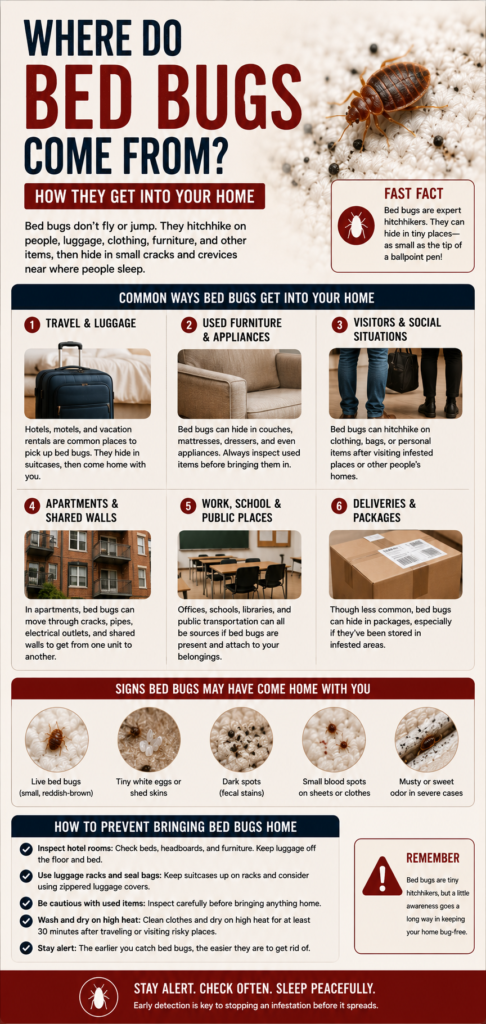
If I had to name the most common way bed bugs enter a home, I’d probably start with travel.
Bed bugs are excellent hitchhikers.
They can crawl into:
- Suitcases
- Duffel bags
- Backpacks
- Clothing
- Shoes
Hotels, vacation rentals, cruise ships, and other places where many people sleep can all become opportunities for bed bugs to move from one location to another.
That doesn’t mean every hotel has bed bugs.
It simply explains why luggage inspections are worth the effort after traveling.
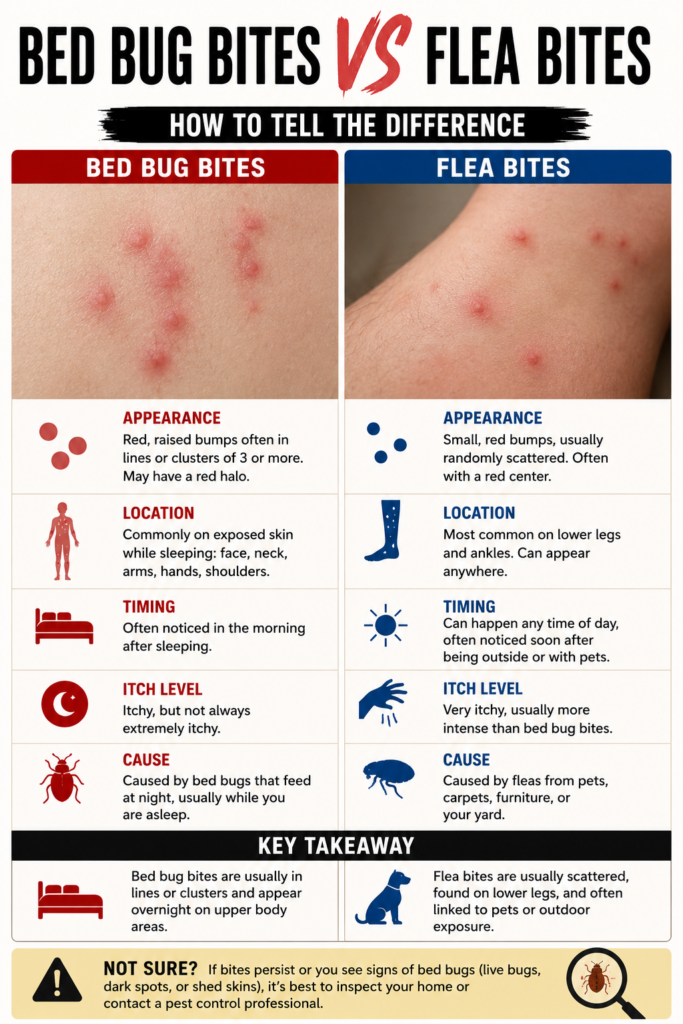
If you recently returned from a trip and started noticing itchy bites, don’t assume they’re automatically from bed bugs. Flea bites, mosquito bites, and other skin reactions can look very similar. Before deciding what you’re dealing with, compare the common signs in Bed Bug Bites vs. Flea Bites: How to Tell the Difference.
Used Furniture Can Bring Them Home
One of the first questions I ask is whether someone recently brought home:
- A used mattress
- A couch
- A recliner
- A bed frame
- Upholstered chairs
- Secondhand furniture
Bed bugs don’t care whether the furniture came from a thrift store, an online marketplace, or a family member.
If they’re already hiding inside it, they can move into your home with the furniture.
I always recommend inspecting used furniture carefully before bringing it indoors.



Guests Can Accidentally Bring Bed Bugs
Most people don’t realize they have bed bugs.
That means family members, overnight guests, or visitors can unknowingly transport them.
Bed bugs may travel on:
- Overnight bags
- Jackets
- Backpacks
- Blankets
- Personal belongings
This isn’t anyone’s fault.
It’s simply how bed bugs spread from place to place.
Apartments and Shared Buildings
Multi-unit housing creates additional opportunities for bed bugs to spread.
They can move through:
- Wall voids
- Electrical outlets
- Plumbing openings
- Shared utility spaces
If one apartment develops an infestation, neighboring units may eventually become affected if the problem isn’t addressed.
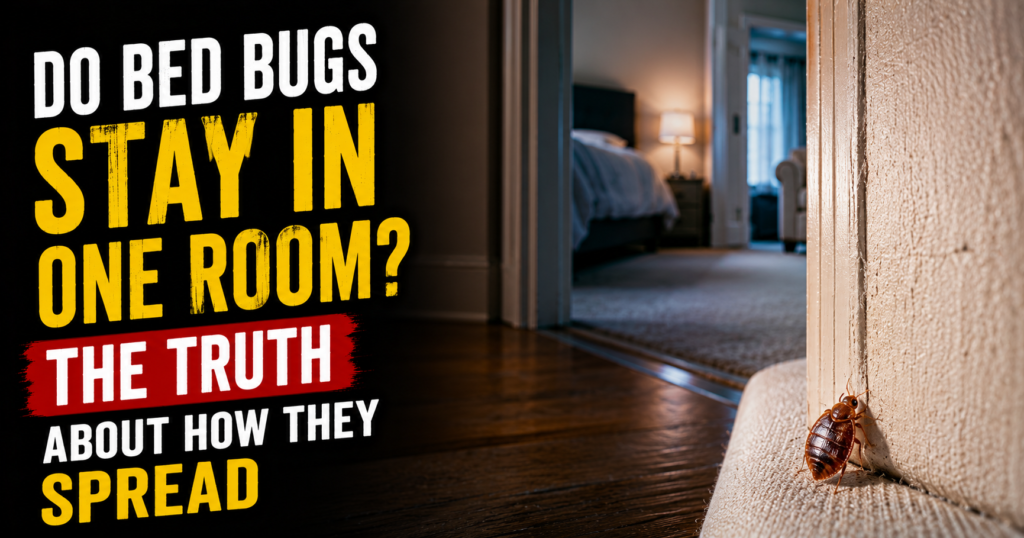
Our guide on whether bed bugs stay in one room or spread throughout a home explains how infestations often expand after bed bugs arrive.
Could They Have Come From My Car?
It’s possible.
If bed bugs hitchhiked into your vehicle inside luggage, clothing, or personal belongings, the car can become part of the transportation chain.
That doesn’t automatically mean your vehicle is infested.
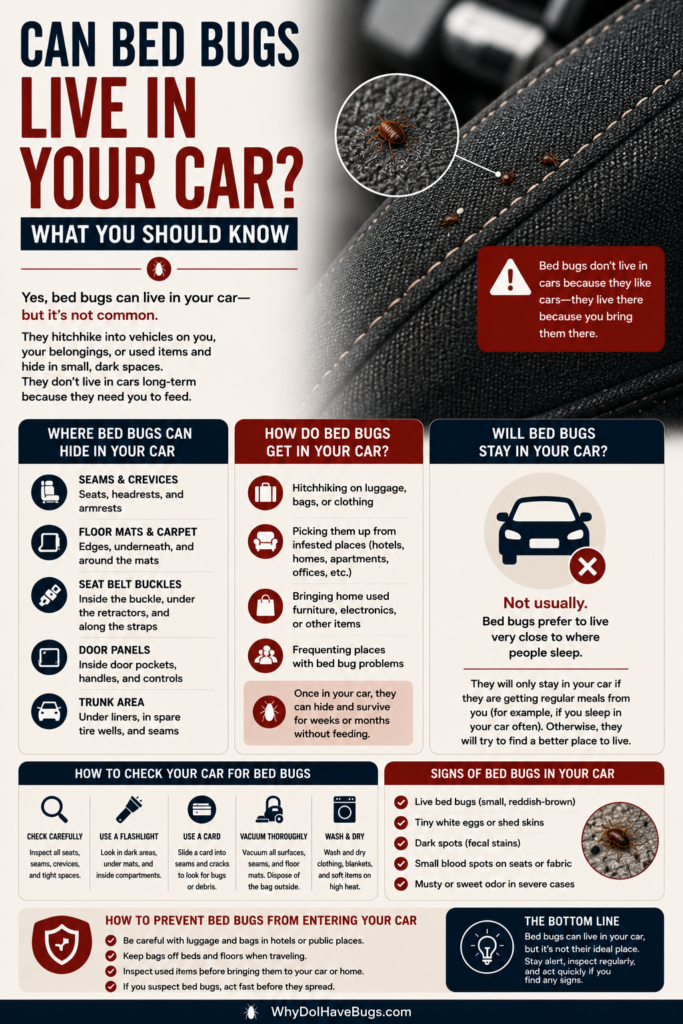
Our article on whether bed bugs can live in your car explains when vehicles become a concern and when they usually don’t.
What Happens After Bed Bugs Get Inside?
This is where early detection becomes important.
After entering a home, bed bugs usually settle close to where people sleep.
Common hiding places include:
- Mattress seams
- Box springs
- Bed frames
- Headboards
- Nightstands
- Upholstered furniture
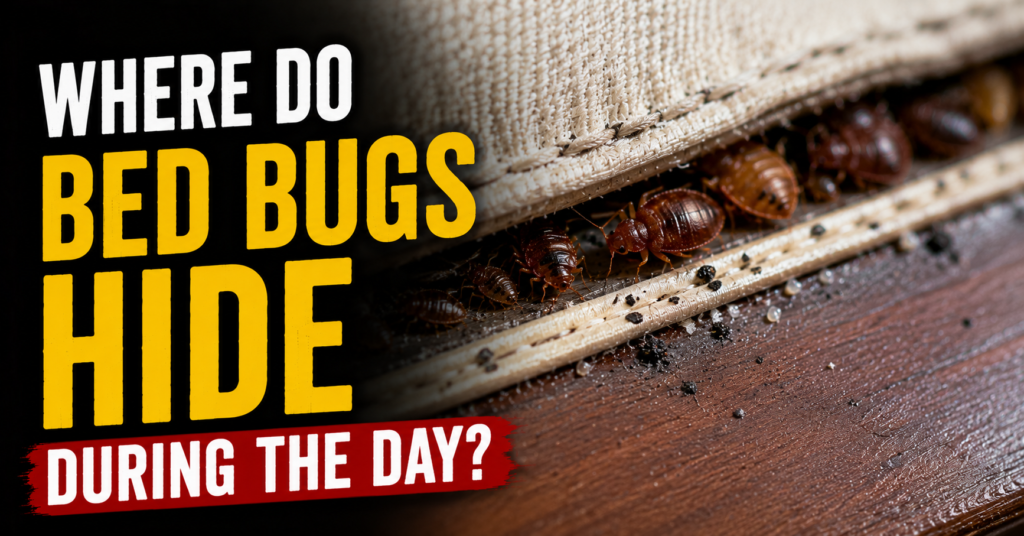
If you’re trying to locate them, our guide on where bed bugs hide during the day walks through the exact areas I inspect first.
What If You Only Found One?
Sometimes homeowners discover a single bed bug after returning from a trip.
That doesn’t always mean the infestation has become established.
It does mean I would inspect carefully before assuming everything is fine.
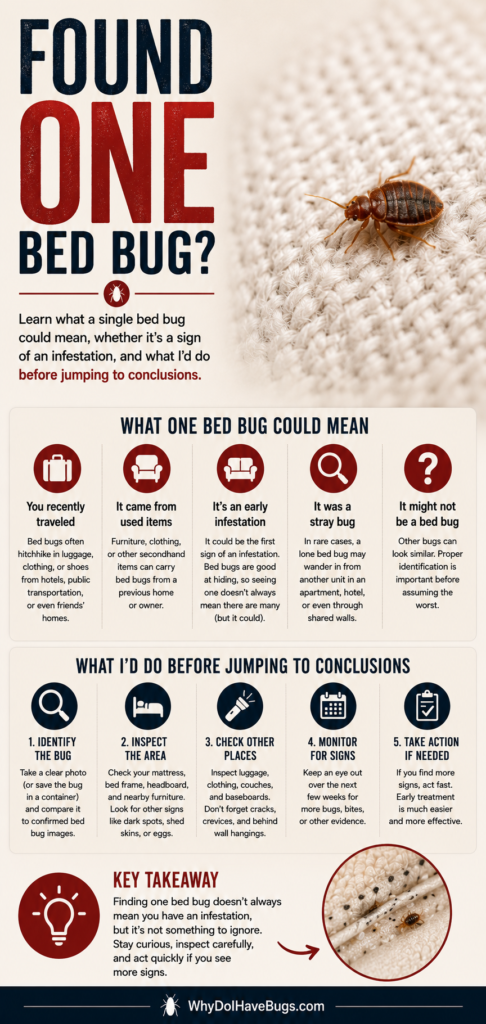
Our article on what finding one bed bug really means explains how I approach that situation and what clues I look for next.
Look for More Than Just Live Bed Bugs
When I inspect a home, I’m looking for more than the insects themselves.
I’m also looking for:
- Eggs
- Shed skins
- Dark fecal spots
- Tiny blood stains
Those clues often tell the story before you ever find another live bug.
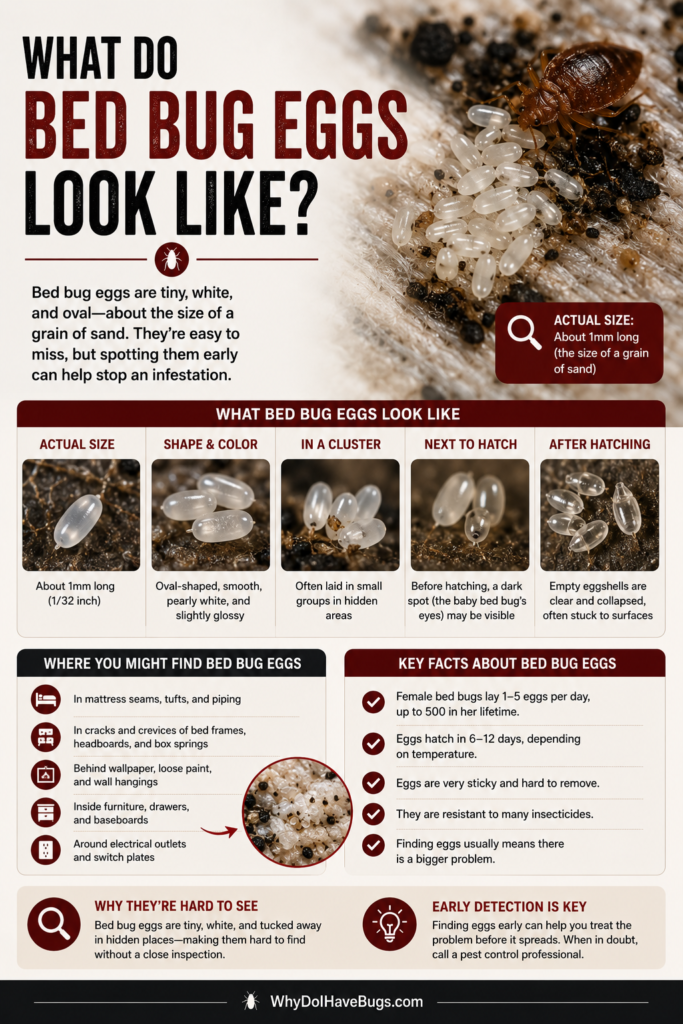
If you’re unsure what bed bug eggs actually look like, our guide on identifying bed bug eggs can help you avoid confusing them with lint or other household debris.
What I’d Do If I Thought I Brought Bed Bugs Home
If I suspected I had accidentally brought bed bugs home, I wouldn’t panic.
I’d act quickly.
Here’s where I’d start:
- Inspect luggage before storing it.
- Examine the mattress and box spring.
- Check the bed frame and headboard.
- Wash and dry travel clothing using the care instructions on the labels, with sufficient heat in the dryer when appropriate.
- Continue monitoring the sleeping area over the next several weeks.
Early action is much easier than dealing with a large infestation later.
Products That Can Help

If bed bugs have already been confirmed, one of the first products I recommend is a quality SureGuard Mattress Encasement. It helps eliminate one of their favorite hiding places while making future inspections much easier.
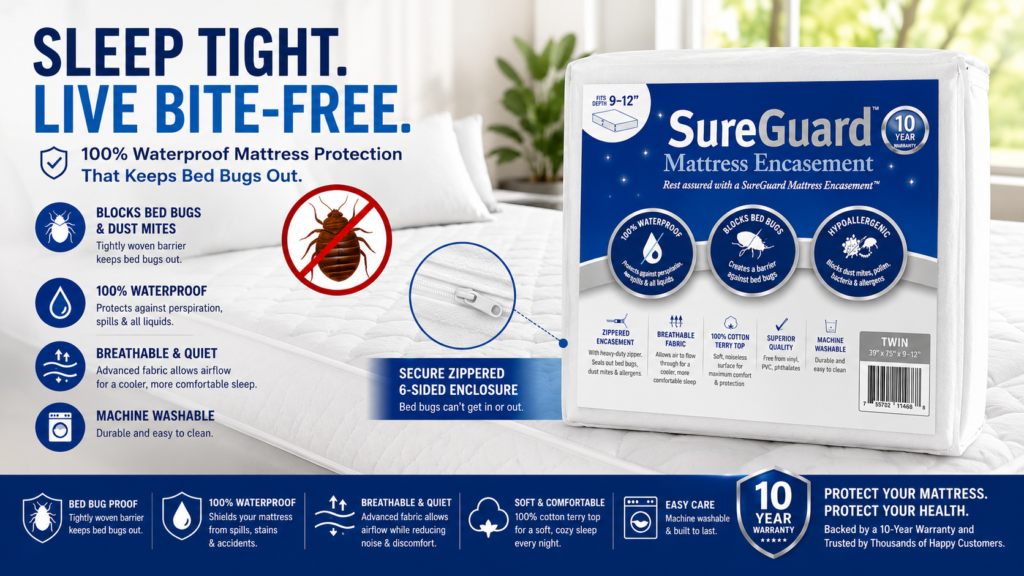
Before buying one, I recommend reading our guide on whether mattress encasements really work for bed bugs so you understand exactly what they can and can’t do.
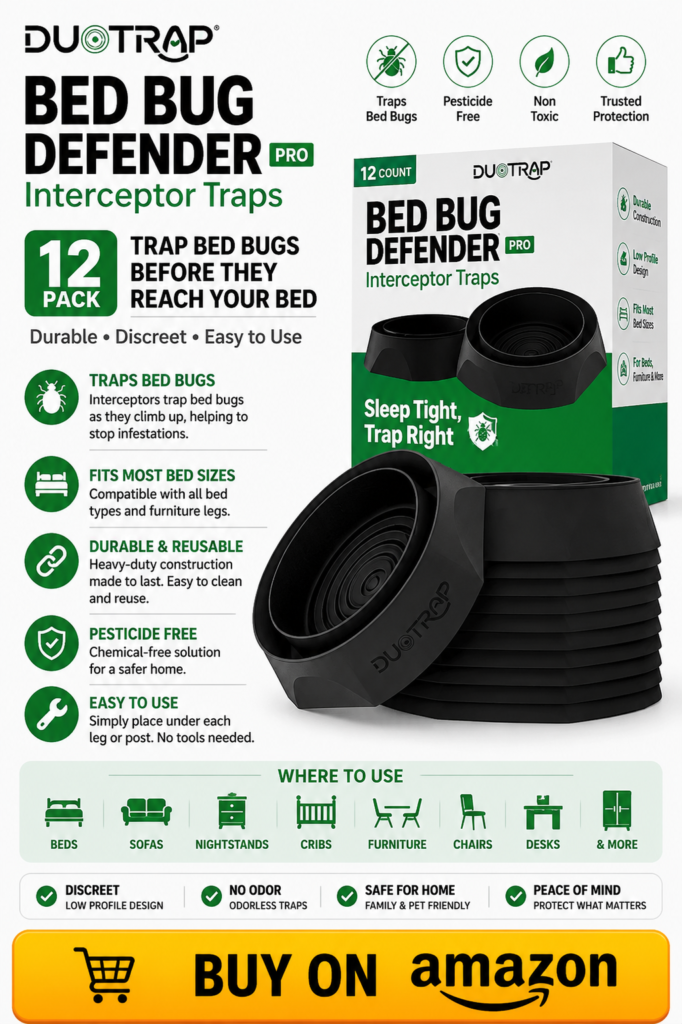
To monitor for ongoing activity, many homeowners also use bed bug interceptor cups. Our review explains how interceptor cups work and why they’re one of my favorite monitoring tools.
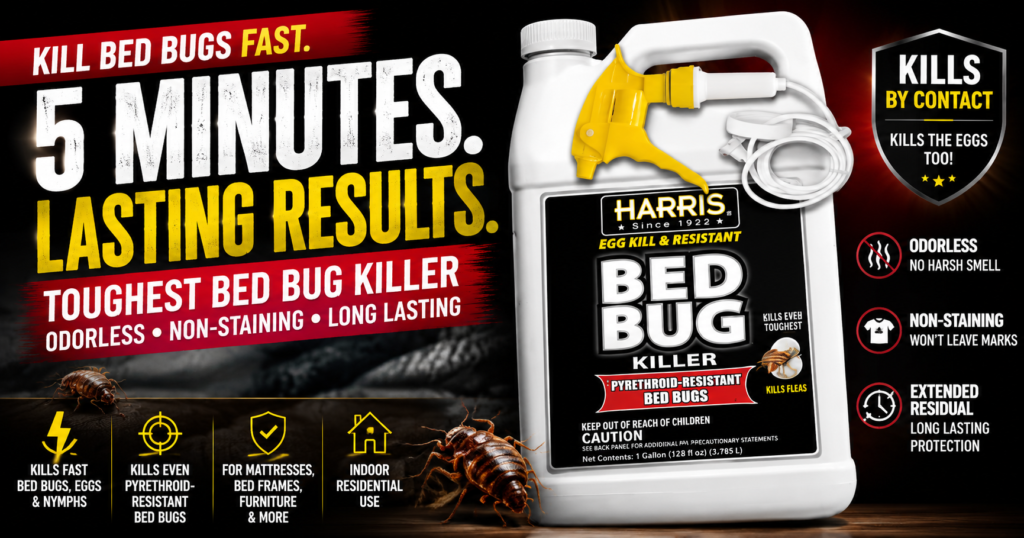

If treatment is needed, many homeowners also choose Harris Toughest Bed Bug Killer. We cover its strengths, limitations, and realistic expectations in our review of Harris Toughest Bed Bug Killer.
The Biggest Mistake I See
The biggest mistake I see is homeowners spending all their time trying to figure out exactly where the bed bugs came from.
Sometimes you’ll never know.
Instead of focusing only on the past, focus on the present.
Inspect carefully.
Monitor consistently.
Take action early.
Those steps usually matter far more than identifying the original source.
Frequently Asked Questions
Do bed bugs come from dirty houses?
No. Bed bugs are attracted to people, not dirt or poor housekeeping.
Can you bring bed bugs home from a hotel?
Yes. Hotels are one of the most common places where bed bugs hitchhike into luggage and personal belongings.
Can bed bugs come from used furniture?
Yes. Used mattresses, couches, recliners, and other upholstered furniture can occasionally harbor bed bugs.
How do bed bugs usually enter a home?
Most infestations begin when bed bugs are accidentally carried inside on luggage, clothing, furniture, or personal belongings.
Can bed bugs spread from neighbors?
Yes. In apartments and other multi-unit buildings, bed bugs may move between units through wall voids and utility openings.
About the Author
Sarah Bennett researches bed bugs, household pests, and practical home inspection methods. She specializes in helping homeowners understand how infestations begin, where bed bugs hide, and the realistic steps that can stop a small problem from becoming a much larger one.