
It’s late at night.
You walk into your bathroom, flip on the light, and something small and silver darts across the floor before disappearing beneath the vanity.
If you’ve experienced that, you’re not alone.
One of the most common questions homeowners search for isn’t “Do I have silverfish?”
It’s much simpler.
“What are these little silver bugs in my bathroom?”
In most cases, the answer is silverfish.
These fast-moving insects are one of the most common bathroom pests because bathrooms provide exactly what they need to survive. For a broader look at their habits, appearance, and living conditions, see the complete silverfish guide.
The good news is they’re usually more of a nuisance than a danger.
The better news is that once you understand why they’re there, they’re often much easier to eliminate.
The Short Answer
If you’re seeing little silver bugs in your bathroom, they’re most likely silverfish.
Silverfish are small, wingless insects that:
- Have a silvery gray body.
- Move with a fish-like wiggle.
- Have long antennae.
- Have three tail-like filaments.
- Prefer humid, dark environments.
Bathrooms are one of their favorite places because they provide moisture, warmth, and plenty of cracks where they can hide during the day. (extension.missouri.edu)



Why Are They Always in the Bathroom?
Whenever someone tells me they’ve found silver bugs in the bathroom, humidity is the first thing that comes to mind.
Silverfish lose moisture through their bodies surprisingly easily.
To avoid drying out, they naturally seek rooms with consistently damp conditions.

Bathrooms provide exactly that. For persistent bathroom dampness, a dehumidifier for bathroom humidity can support the moisture-control steps that make the room less attractive to silverfish.
They’re attracted to:
- Steamy showers.
- Condensation around pipes.
- Damp cabinets.
- Moist baseboards.
- Water around toilets.
- Humid air.
Even if your bathroom looks perfectly clean, the moisture alone can make it an attractive place for silverfish to live. (extension.missouri.edu)



How Can You Tell They’re Silverfish?
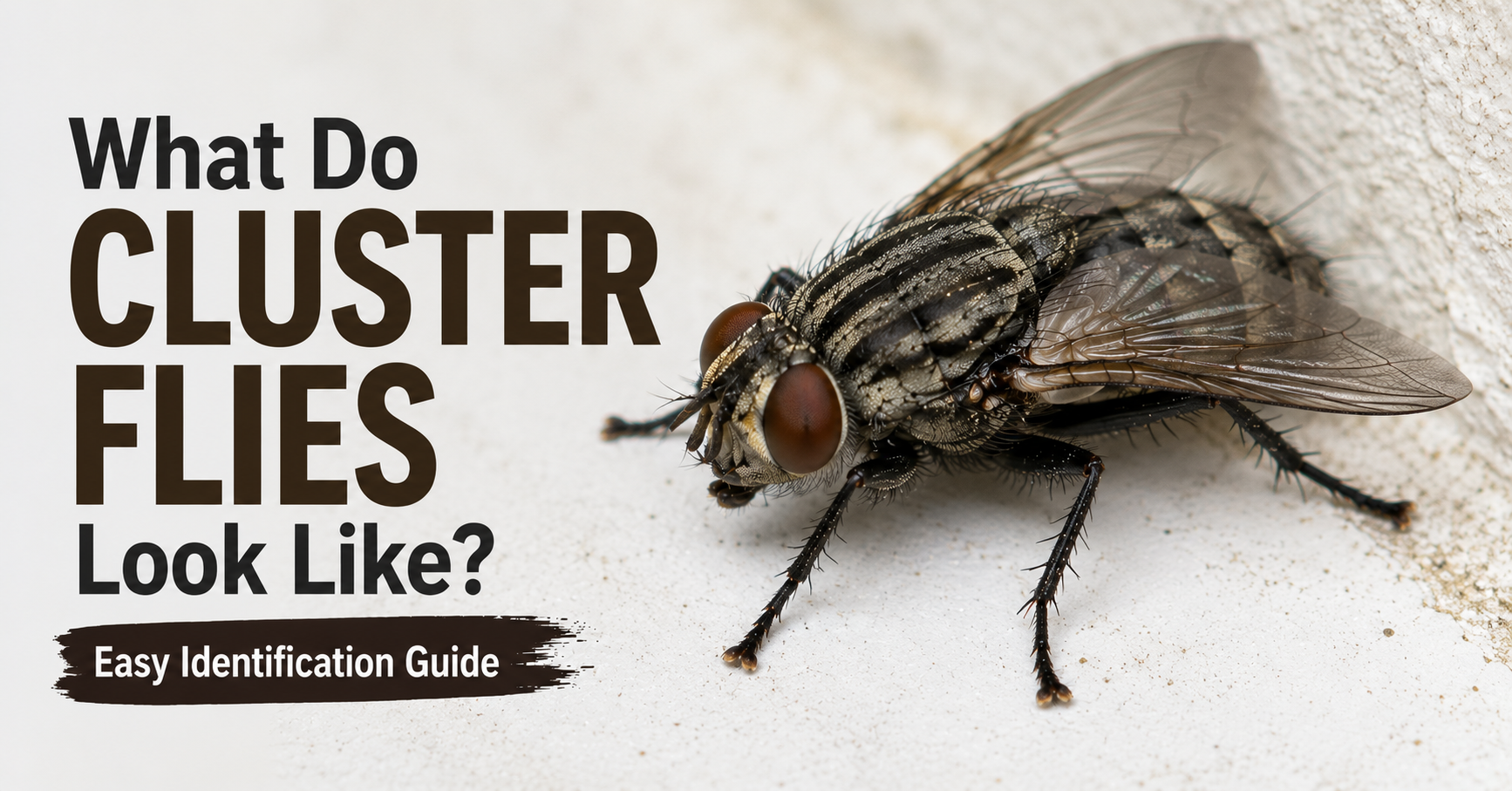
Fortunately, silverfish have several unique features that make them fairly easy to identify.
Look for:
- A flattened body.
- A metallic silver or gray color.
- Long antennae.
- Three long tail filaments.
- No wings.
- Very fast, side-to-side movement.
That last feature is often what homeowners notice first.
Instead of running like an ant or cockroach, silverfish wiggle their bodies as they move, almost like a tiny fish swimming across the floor.

If you’d like a closer look at every identifying feature, my What Do Silverfish Look Like? Easy Identification Guidecovers the differences between silverfish and several common look-alikes.
Could They Be Something Else?
Sometimes.
Although silverfish are by far the most common answer, there are a few other insects that occasionally cause confusion.
Firebrats
Firebrats are very close relatives of silverfish.
They look almost identical.
The biggest difference is where they’re found.
Firebrats prefer hotter locations, including:
- Furnace rooms.
- Boiler rooms.
- Around water heaters.
- Hot attics.
If the insects are consistently appearing in a humid bathroom rather than a very warm utility room, silverfish are much more likely.
Baby Cockroaches
Young cockroaches occasionally cause concern because they’re similar in size.
However, they don’t have the three long tail filaments found on silverfish.
Their bodies are also broader and more oval instead of carrot-shaped.
Once you’ve seen both insects, they’re usually easy to tell apart.


Are Silverfish in the Bathroom Dangerous?
Fortunately, no.
Finding silverfish in your bathroom can certainly be unsettling, but they’re not considered dangerous to people.
Silverfish don’t:
- Bite.
- Sting.
- Spread diseases.
- Feed on blood.
If one runs across your foot while you’re getting ready in the morning, it’s trying to escape from you, not attack you.
The real concern isn’t your health.
It’s what happens if they’re allowed to multiply.
A growing silverfish population can eventually spread into closets, storage rooms, and other parts of the house where they begin feeding on books, paper, clothing, cardboard, and pantry items.

If you’re wondering whether they’re something you should actually worry about, I cover that in more detail in Are Silverfish Dangerous? What Every Homeowner Should Know.
Why Do They Only Come Out at Night?
One reason silverfish seem so mysterious is that they’re almost entirely nocturnal.
During the day, they stay hidden inside:
- Cracks behind baseboards.
- Spaces beneath bathroom cabinets.
- Gaps around plumbing.
- Behind toilets.
- Under flooring.
- Inside wall voids.
When the lights go out and the bathroom becomes quiet, they emerge to search for food and moisture.
That’s why so many homeowners say they never see them during the day but regularly spot them during late-night bathroom trips.


Why Are They Around My Sink or Bathtub?
This is one of the most common places to find them.
Sinks, tubs, and showers create small pockets of humidity that silverfish love.
Even after the room appears dry, moisture often remains:
- Beneath the vanity.
- Around plumbing pipes.
- Under bath mats.
- Along the base of the toilet.
- Inside cabinets beneath the sink.
Those damp hiding places provide ideal conditions for silverfish to spend the day before becoming active at night.
How Do You Get Rid of Little Silver Bugs in the Bathroom?
The solution isn’t simply killing the one you saw.
It’s making your bathroom less attractive to the entire population.
I recommend:
- Running the exhaust fan during and after every shower.
- Repairing any plumbing leaks.
- Drying standing water around sinks and tubs.
- Reducing clutter beneath the vanity.
- Sealing gaps around plumbing and baseboards.
- Treating hidden cracks and crevices where silverfish hide.

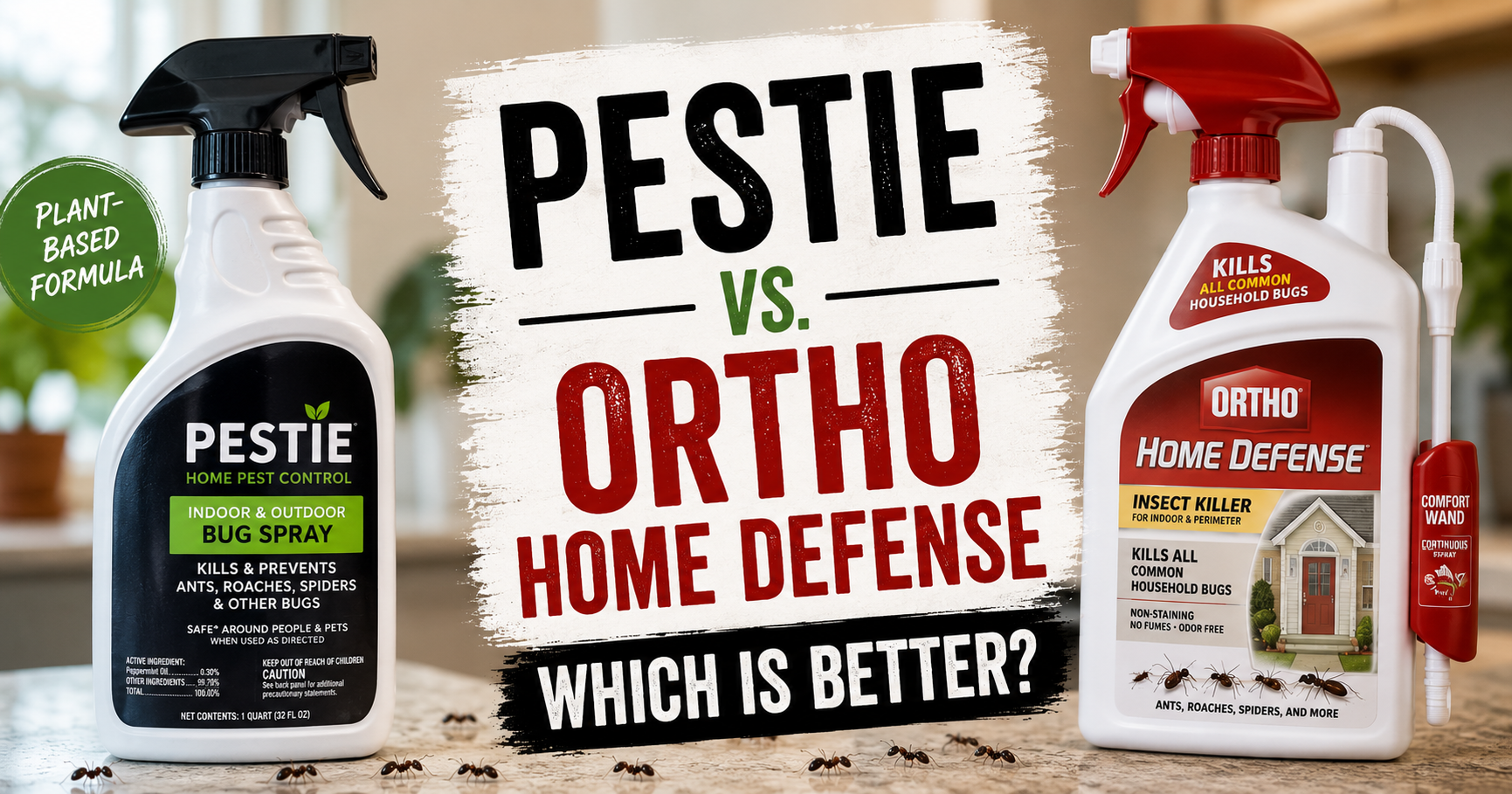
If you’re already seeing them regularly, I recommend the HARRIS Boric Acid Roach and Silverfish Killer Powder with Lure because it’s designed for exactly the kinds of hidden spaces where silverfish spend most of their lives.

I explain where to apply it and why I recommend it in my guide to the Best Silverfish Killer That Actually Works.
If you’d rather use a non-spray treatment in certain areas, my guide on whether diatomaceous earth works for bugsexplains when it’s an effective option for silverfish.


Can You Prevent Them From Coming Back?
Absolutely.
Once you’ve eliminated the current infestation, preventing another one is mostly about controlling moisture.
The biggest improvements usually come from:
- Keeping humidity below about 50%.
- Using the bathroom exhaust fan regularly.
- Fixing plumbing leaks quickly.
- Sealing cracks and gaps.
- Storing paper products in dry locations.
- Cleaning beneath the vanity and behind the toilet periodically.
Silverfish are creatures of habit.
If your bathroom stops providing the moisture they need, they’ll often move elsewhere or disappear altogether.
Frequently Asked Questions
What are the little silver bugs in my bathroom?
In most cases, they’re silverfish. These small, wingless insects are attracted to humid bathrooms because they need moisture to survive and prefer dark hiding places. (extension.missouri.edu)
Why do I only see silverfish at night?
Silverfish are nocturnal. They hide during the day and become active after dark when they leave their hiding places to search for food and moisture.
Do silverfish live in bathroom drains?
Not usually. Silverfish may hide around drains because the surrounding area stays damp, but they don’t normally live inside the drain itself. They prefer cracks, crevices, and spaces beneath cabinets or behind baseboards.
Should I be worried about silverfish in my bathroom?
One silverfish isn’t usually a major concern. However, seeing them regularly often means your bathroom has enough moisture and shelter to support a larger hidden population.
What’s the fastest way to get rid of silverfish in a bathroom?
Start by reducing humidity, fixing leaks, and treating the hidden areas where they’re living. Combining moisture control with a targeted treatment like the HARRIS Boric Acid Roach and Silverfish Killer Powder with Lure gives you the best chance of eliminating the infestation before it spreads.
About the Author
Mark Ellison is a structural pest management consultant with more than 20 years of experience helping homeowners identify and eliminate indoor pests. He specializes in moisture-related infestations and practical prevention strategies that solve the underlying problem rather than simply treating the insects that are visible.