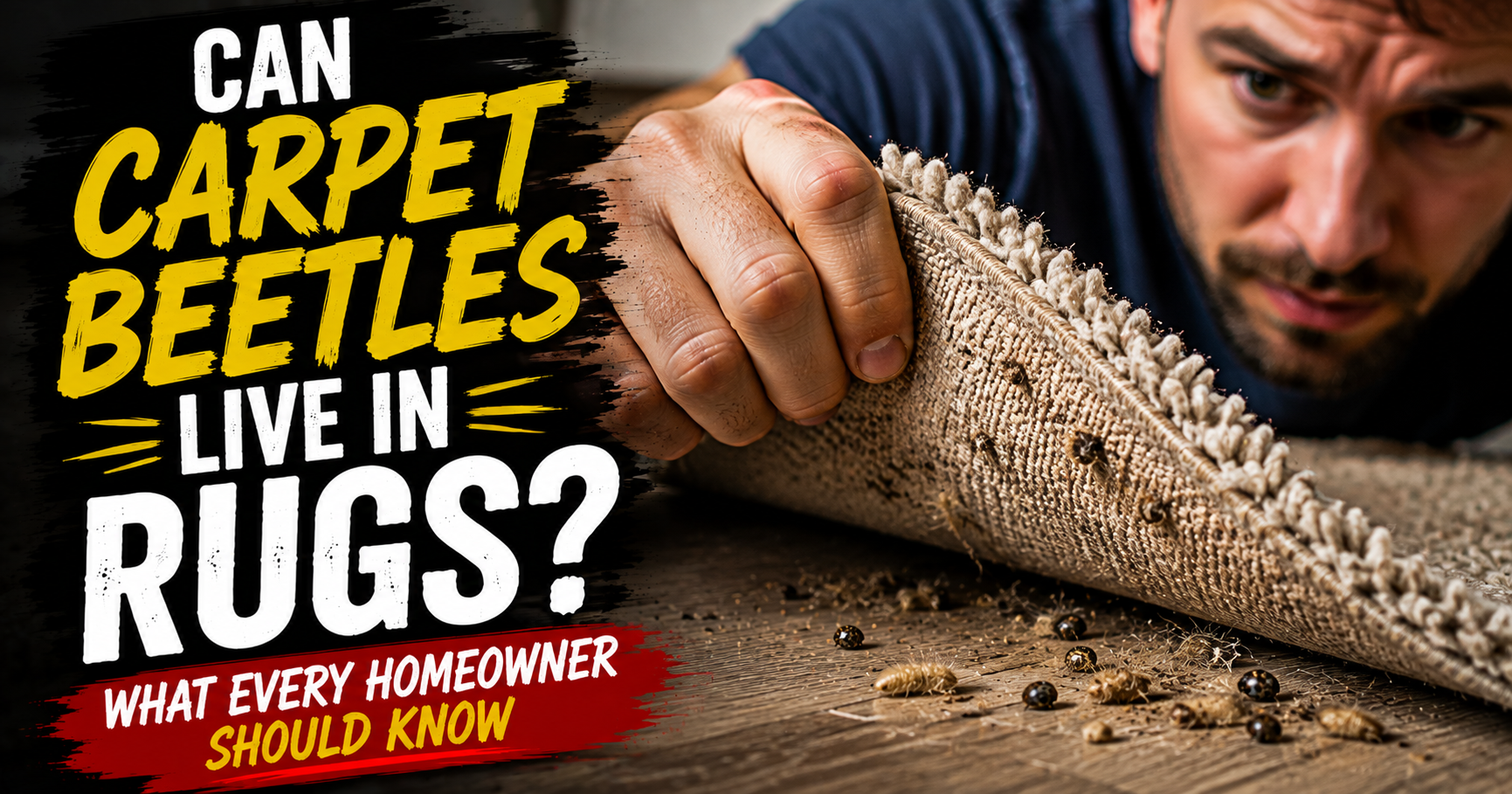
When most people hear the name carpet beetle, they immediately think of wall-to-wall carpeting.
I used to think the same thing.
Then I started looking at area rugs a little differently.
Some rugs can actually be even more attractive to carpet beetles than carpet, especially if they’re made from natural fibers and spend years sitting in the same place without much attention.
That doesn’t mean every rug is full of carpet beetles.
But if you have an infestation somewhere in your home, rugs are definitely worth inspecting.
Some Rugs Are More Attractive Than Others
Not every rug offers the same environment.
A synthetic runner in a busy hallway usually isn’t as appealing as an old wool area rug in a spare bedroom that hardly anyone walks through.
Carpet beetle larvae are looking for food.
Rugs made with natural materials give them a much better chance of finding it.
I’d pay the closest attention to rugs made from:
- Wool
- Animal hair
- Fur
- Felt
- Natural woven fibers mixed with animal materials
Even synthetic rugs can become attractive if enough pet hair, lint, and organic debris build up over time.

It’s Usually What’s Collected in the Rug
One thing I didn’t realize at first is that carpet beetles often aren’t feeding on the rug alone.
They’re taking advantage of everything trapped inside it.
Hair.
Pet fur.
Dust.
Dead insects.
Lint.
Tiny bits of natural material that slowly settle into the fibers.
That’s one reason regular vacuuming makes such a difference.
You’re removing the things the larvae actually need to survive.

If you’re trying to choose a vacuum that can handle deep cleaning, I explain what I look for in Best Vacuum for Carpet Beetles Why Powerful Suction Matters.
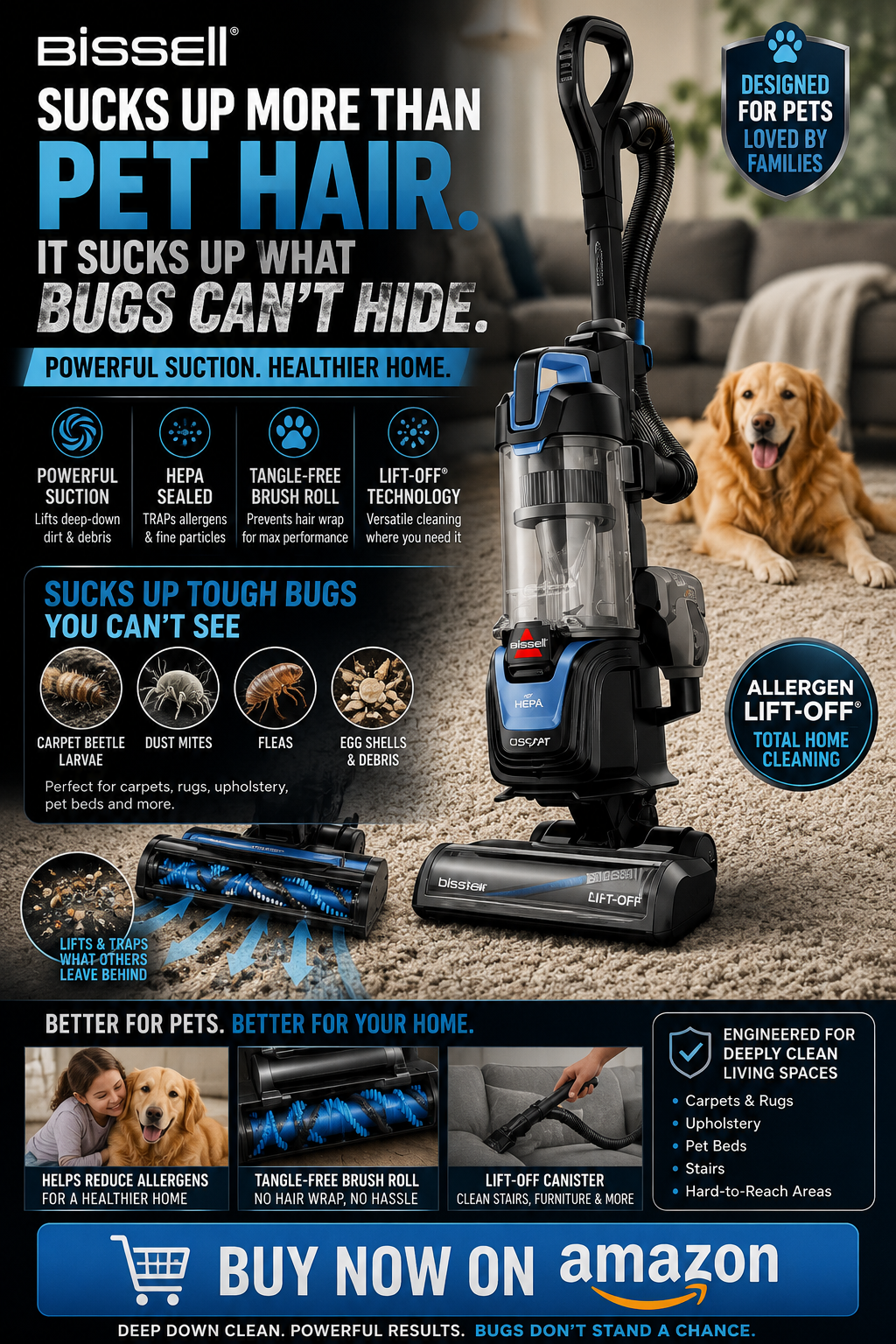
The Bissell Pet Hair Eraser Allergen Lift-Off has become my favorite recommendation because the detachable pod makes it much easier to clean rugs, stairs, furniture, and other places where carpet beetle larvae commonly hide.



Lift the Rug Once in a While
One of the easiest mistakes to make is only vacuuming the top.
If a rug has been in the same spot for years, I’d take a minute to lift it.
You might find:
- Dust buildup.
- Pet hair.
- Dead insects.
- Shed skins.
- Larvae.
- Debris around the edges.
Those hidden areas often tell you much more than the visible surface.
Antique Rugs Need Extra Attention
If you own a handmade or antique wool rug, I’d be even more careful.
Replacing those isn’t cheap.
A small carpet beetle problem that goes unnoticed for months can eventually leave permanent damage.
Fortunately, regular inspections and good cleaning habits usually catch problems long before they become that serious.



Rugs Near Pets Deserve More Frequent Checks
This is something I learned after owning dogs.
Pet hair seems to find its way into everything.
If your dog or cat spends time on an area rug, that rug naturally collects hair, dander, and other organic material that carpet beetle larvae can use.
It doesn’t mean your pet caused the infestation.
It simply means those rugs deserve a little more attention during routine cleaning.
Don’t Assume the Rug Is the Only Problem
Finding carpet beetles in a rug doesn’t necessarily mean that’s where the infestation started.
The rug might simply be one of several places they’re using.
If I found larvae while inspecting a rug, I’d immediately check nearby:
- Upholstered furniture.
- Closets.
- Blankets.
- Pet beds.
- Shoes.
- Baseboards.
Carpet beetles rarely limit themselves to a single hiding place if other food sources are nearby.
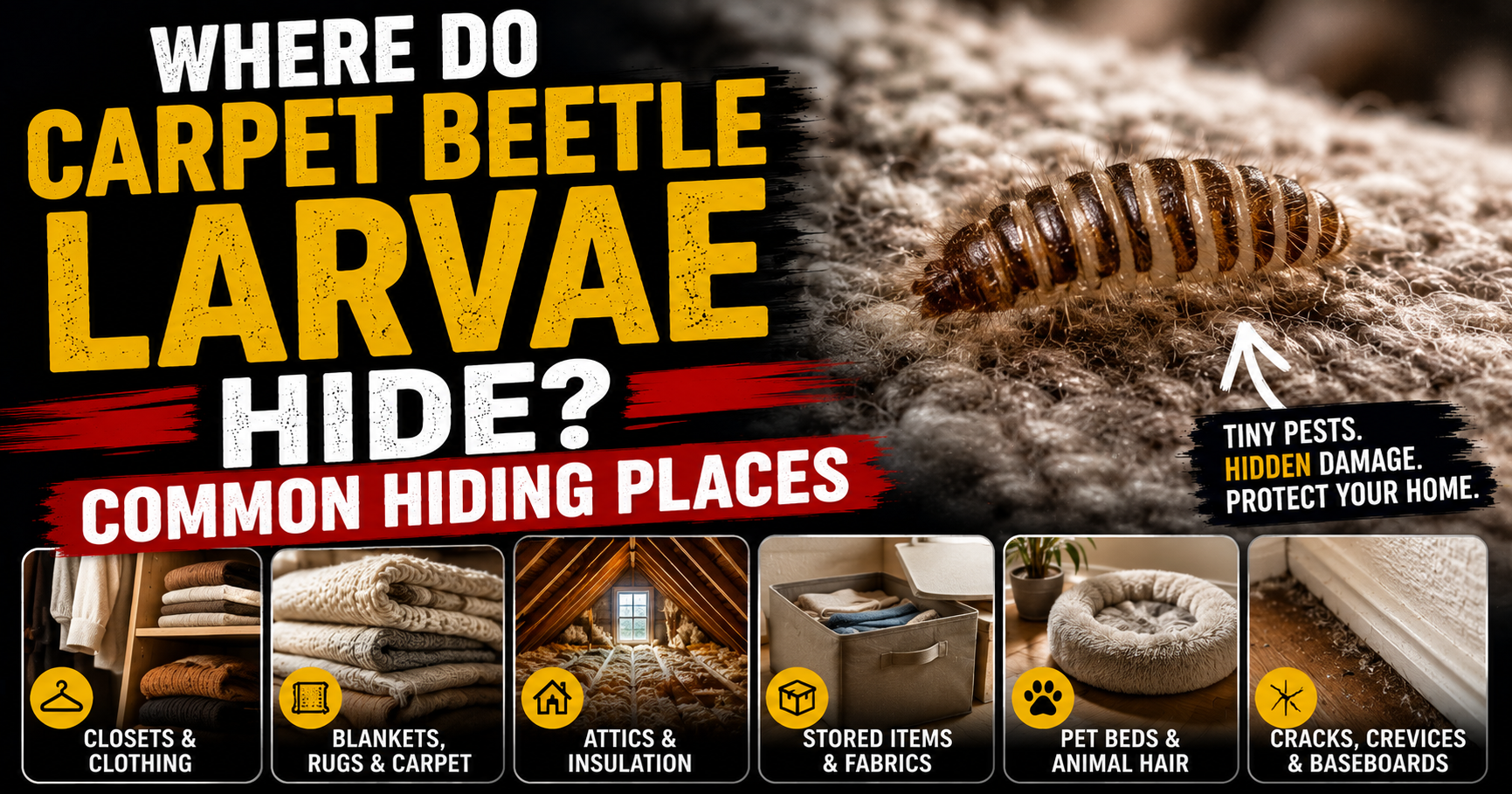
That’s one reason I recommend reading Where Do Carpet Beetle Larvae Hide? Common Hiding Places after finding any signs of activity.
A Quick Inspection Can Save an Expensive Rug
You don’t need to flip every rug over every weekend.
But if you have rugs made from wool or other natural fibers, I’d make a habit of checking them every few months.
It only takes a few minutes.
Look around the edges.
Lift a corner.
Check underneath furniture that’s sitting on the rug.
If carpet beetles are becoming active, those quiet areas often reveal the first clues.
What I’d Look For
Carpet beetles don’t usually announce themselves.
Instead, they leave little hints that are easy to miss if you aren’t paying attention.
Some of the things I’d watch for include:
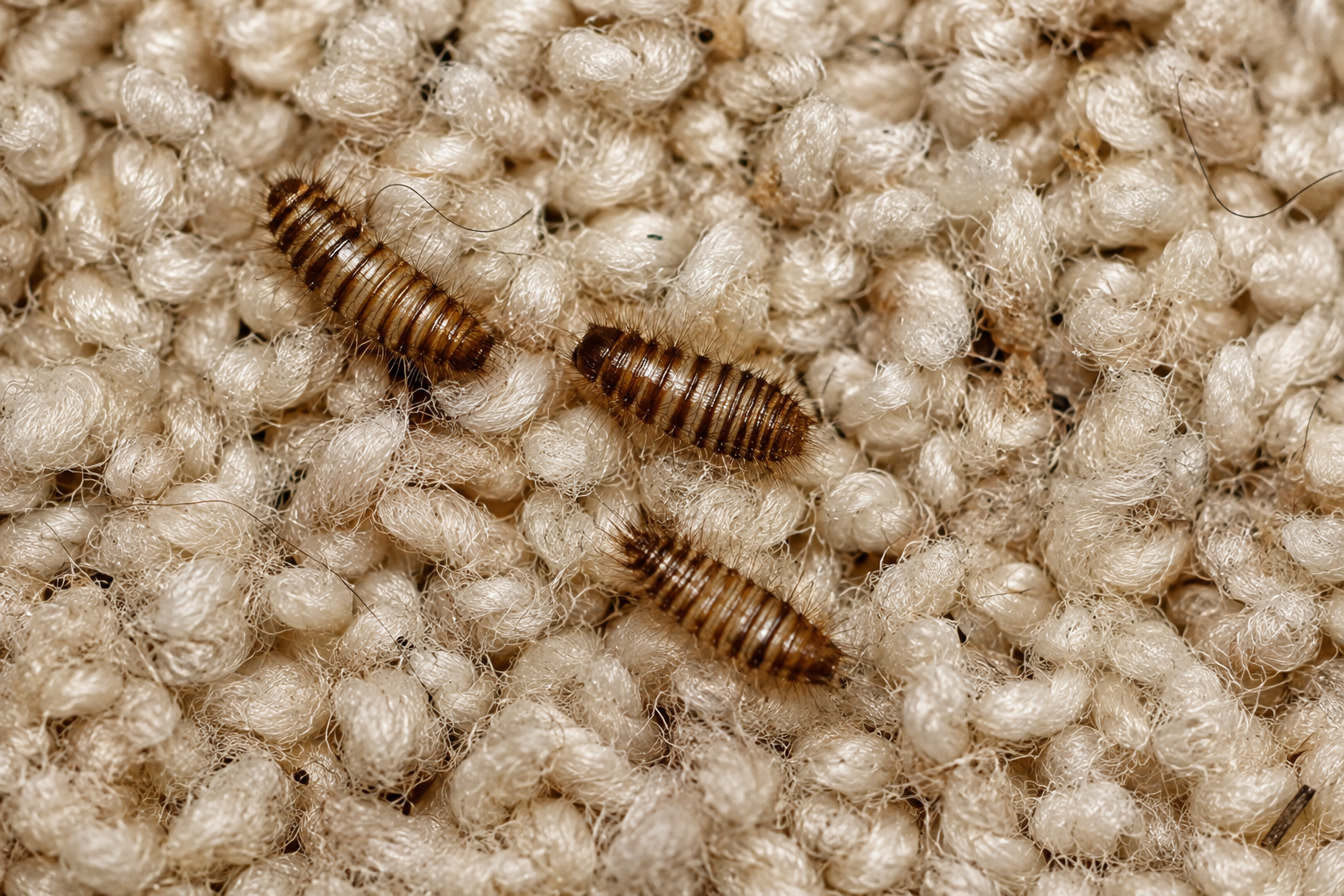
- Tiny fuzzy larvae.
- Shed skins.
- Small irregular patches of damaged fibers.
- Adult carpet beetles near windows in the same room.
- Hair and lint collecting underneath the rug.
- Dead carpet beetles nearby.
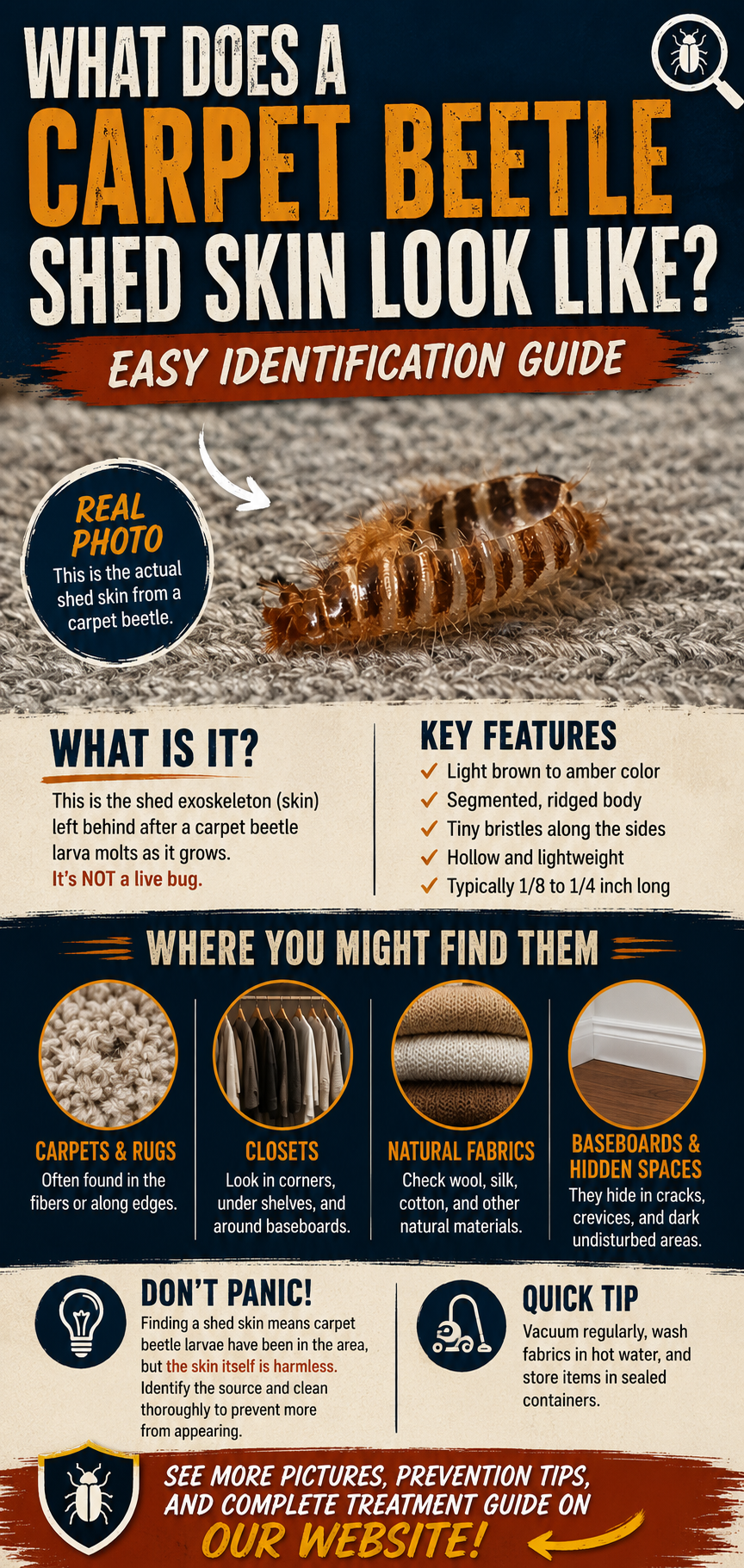
If you aren’t sure whether you’ve found an old shed skin or something else, compare it with What Does a Carpet Beetle Shed Skin Look Like? Easy Identification Guide.
Cleaning the Rug Is Only Part of the Job
One thing I’d avoid is cleaning only the rug itself.
If larvae are living underneath it or along nearby baseboards, they’ll still have plenty of places to continue developing.
Whenever I vacuum an area rug, I’d also vacuum:
- Underneath it.
- The surrounding floor.
- Baseboards.
- Furniture touching the rug.
- Nearby vents.
- Pet sleeping areas.
Taking a few extra minutes often makes a much bigger difference than simply vacuuming the visible surface.
When a Spray Makes Sense
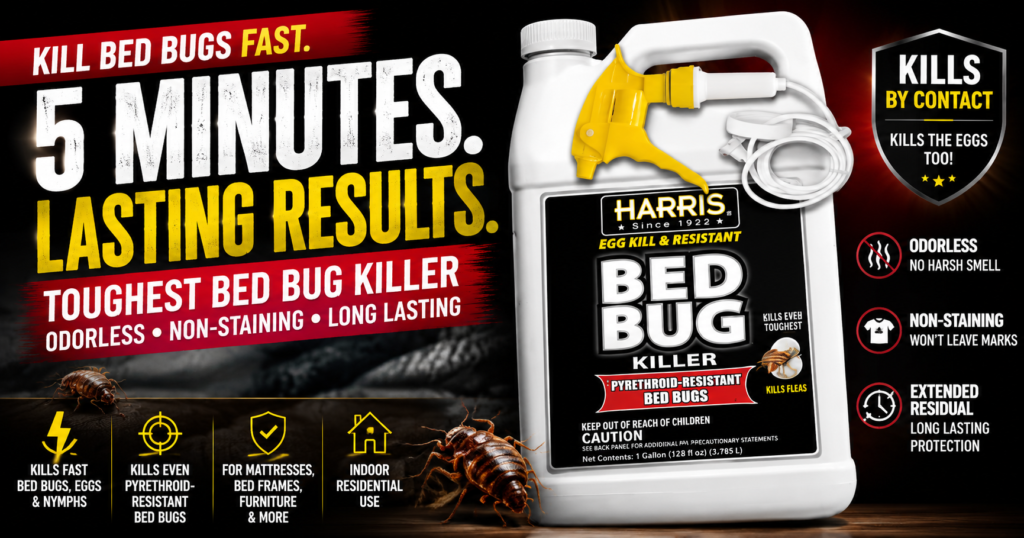
If you’ve confirmed an active carpet beetle infestation, a carpet beetle spray can be helpful as part of a larger treatment plan.
I still wouldn’t rely on spray alone.
Cleaning, vacuuming, and removing the food sources should always come first.
Once that’s done, a labeled carpet beetle treatment can help control insects that remain in cracks, along baseboards, and other hiding places.
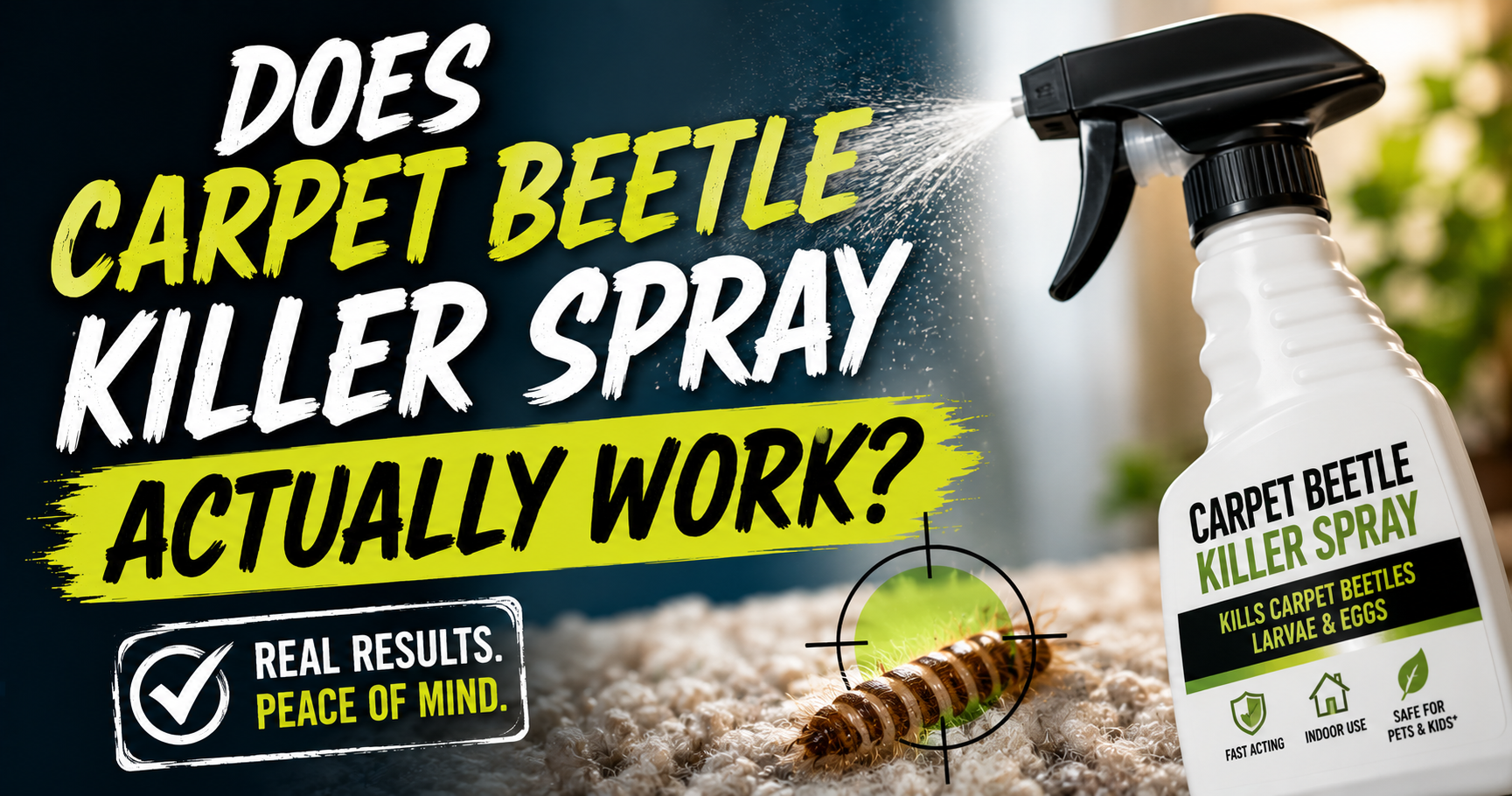
I explain what to realistically expect in Does Carpet Beetle Killer Spray Actually Work?.

If you decide to use one, the Carpet Beetle Killer Spray for Indoor Use is designed specifically for carpet beetles and their larvae when used according to the label directions.



Rugs Usually Tell You There’s More to Inspect
Finding carpet beetles in one rug rarely means that’s the only place they’re living.
I’d take it as a clue.
From there I’d inspect closets, furniture, blankets, stored clothing, and anywhere else natural fibers have been sitting undisturbed.
The earlier you find those additional hiding places, the easier it usually is to stop the infestation before another generation develops.
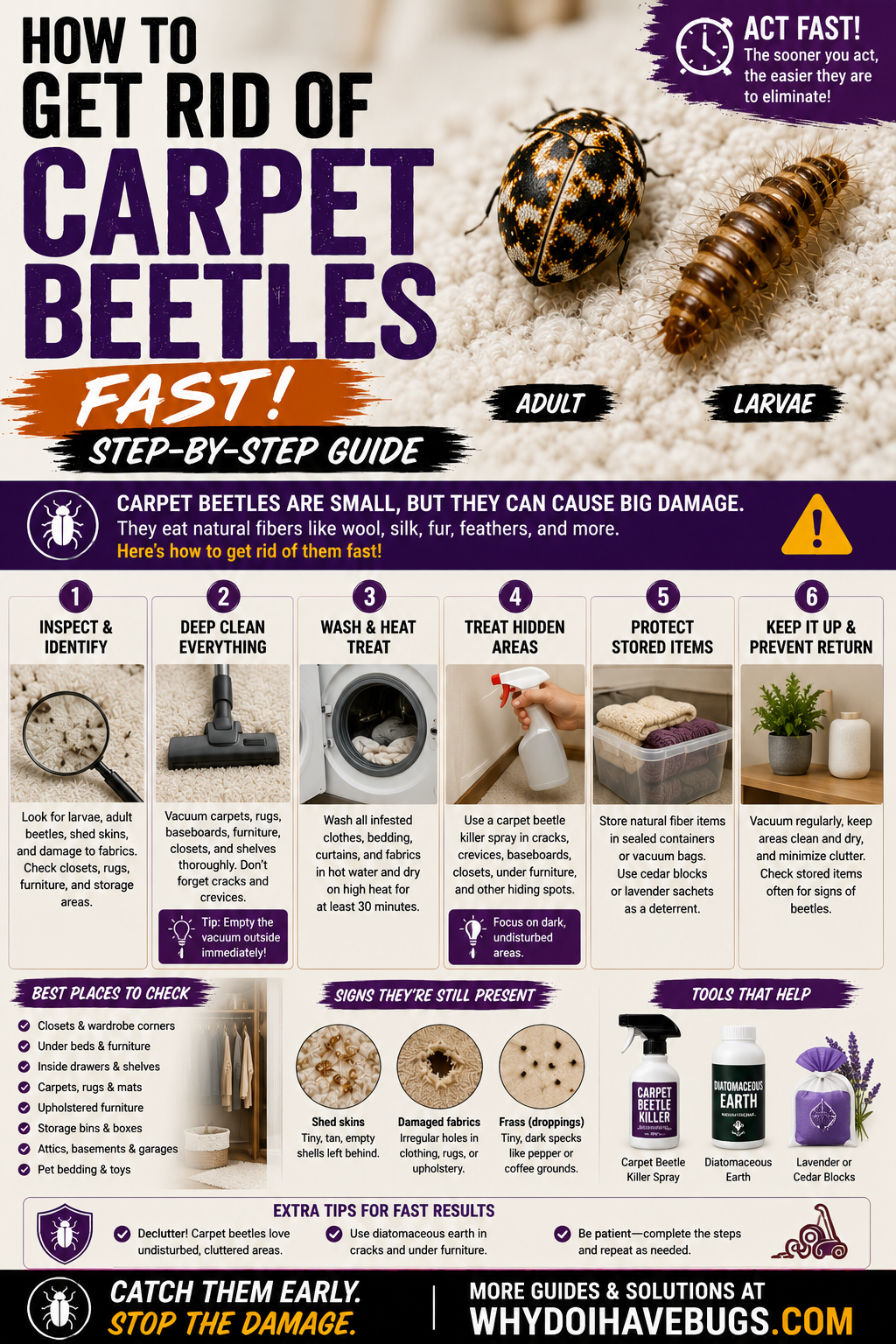
If you’re trying to eliminate carpet beetles throughout your home, my step-by-step guide to getting rid of carpet beetles fast walks through the same approach I’d follow in my own house.
You can also browse our growing Carpet Beetles category for more identification guides, treatment advice, and prevention tips.
Frequently Asked Questions
Can carpet beetles damage rugs?
Yes. Carpet beetle larvae can damage rugs made from natural animal-based fibers such as wool, especially if the rug remains undisturbed for long periods.
Are wool rugs more likely to get carpet beetles?
Generally, yes. Wool contains natural proteins that carpet beetle larvae can feed on, making wool rugs more attractive than most synthetic rugs.
Should I throw away a rug with carpet beetles?
Usually not. Most rugs can be saved if the infestation is caught early and the rug is thoroughly cleaned while the surrounding area is inspected and treated if needed.
Can vacuuming remove carpet beetles from rugs?
Regular, thorough vacuuming removes many larvae, eggs, shed skins, pet hair, and lint. It’s one of the most effective parts of controlling a carpet beetle infestation.
How often should I inspect rugs for carpet beetles?
If you own wool rugs, antique rugs, or have had carpet beetles before, I’d inspect them every few months and vacuum them regularly, especially underneath and around the edges.
About the Author
Ryan Mitchell researches household pests and writes practical guides that help homeowners understand why insects appear, where they hide, and what actually works to get rid of them. His goal is to provide straightforward advice that’s easy to understand and even easier to put into practice.