

The first time most people find a silverfish, they have the same reaction.
They see a strange, fast-moving insect with long antennae and three tail-like appendages racing across the bathroom floor. That bathroom sighting is often easier to understand with identifying silver bugs on bathroom floors.
Then comes the obvious question.
“Should I be worried?”
Fortunately, the answer is almost always no.
Silverfish look much more intimidating than they actually are.
They don’t attack people.
They don’t chase pets.
They don’t inject venom or spread diseases the way many homeowners fear.
That doesn’t mean they’re completely harmless, though.
While silverfish pose very little direct risk to people, they can quietly damage books, important documents, clothing, wallpaper, pantry items, and other household belongings if they’re allowed to multiply. Homeowners who want to understand the insect behind this type of damage can review what silverfish do inside homes.
The Short Answer
Silverfish are not considered dangerous to people.
They:
- Don’t bite.
- Don’t sting.
- Aren’t poisonous.
- Don’t carry diseases known to infect humans.
- Don’t damage the structure of your home.
However, they can become destructive household pests because they feed on paper, cardboard, wallpaper paste, books, fabrics, and other materials containing starches or cellulose. Their shed skins and droppings may also contribute to allergy symptoms in sensitive individuals.

Do Silverfish Bite?
This is probably the question I receive most often.
The good news is simple.
No.
Silverfish aren’t interested in biting people.
Although they have small mouthparts for scraping and chewing starchy materials, those mouthparts aren’t designed to bite human skin.
I’ve never considered silverfish a personal safety concern.
If one runs across your hand, it’s almost certainly trying to escape, not attack.


Are Silverfish Poisonous?
No.
Silverfish don’t produce venom.
They don’t inject toxins.
They aren’t poisonous to touch.
Unlike some insects that defend themselves with painful stings or irritating chemicals, silverfish rely almost entirely on hiding and running away when disturbed.
Do Silverfish Spread Disease?
Current evidence suggests silverfish are not known to transmit diseases to humans.
That’s one reason entomologists generally classify them as nuisance pests instead of public health pests.
They’re very different from insects such as:
- Cockroaches.
- House flies.
- Fleas.
- Mosquitoes.
Those insects are associated with disease transmission.
Silverfish are not.


Can Silverfish Hurt Dogs or Cats?
Generally, no.
Silverfish aren’t venomous or toxic to household pets.
If a curious cat catches one or a dog accidentally eats one, it’s unlikely to cause anything more than mild stomach upset, if any symptoms at all.
The insects don’t bite pets, burrow into their skin, or feed on blood.
Most pets simply view them as moving toys rather than dangerous insects.
The Biggest Danger Is the Damage They Cause
Silverfish aren’t dangerous because they attack people.
They’re dangerous because they quietly destroy things that are difficult or impossible to replace.
Over time, they may damage:
- Family photo albums.
- Important documents.
- Birth certificates.
- Books.
- Wallpaper.
- Wallpaper paste.
- Cotton clothing.
- Linen fabrics.
- Cardboard storage boxes.
- Dry pantry foods.
The damage usually starts small.
Tiny irregular holes.
Scraped paper.
Yellow stains.
Missing bits of wallpaper.
By the time many homeowners notice it, silverfish may have been feeding for months.


Can Silverfish Cause Allergies?
For most people, silverfish don’t cause any health problems.
However, some people can be sensitive to proteins found in their shed skins, scales, or droppings.
In homes with a large infestation, these particles may mix with household dust and contribute to allergy or asthma symptoms in susceptible individuals.
Symptoms can include:
- Sneezing.
- Runny nose.
- Itchy eyes.
- Coughing.
- Worsening asthma symptoms.
This isn’t something most homeowners experience, but it is another good reason not to let a silverfish infestation continue unchecked.
Should You Kill Silverfish?
Personally…
Yes.
Not because they’re dangerous to you.
Because they’re dangerous to your belongings.
Unlike fireflies or ladybugs, silverfish don’t provide any real benefit inside a home.
If left alone, they continue feeding, reproducing, and spreading into additional rooms.
The earlier you deal with them, the easier they are to eliminate.
If you’re already seeing silverfish regularly, I recommend treating the infestation before it grows larger.


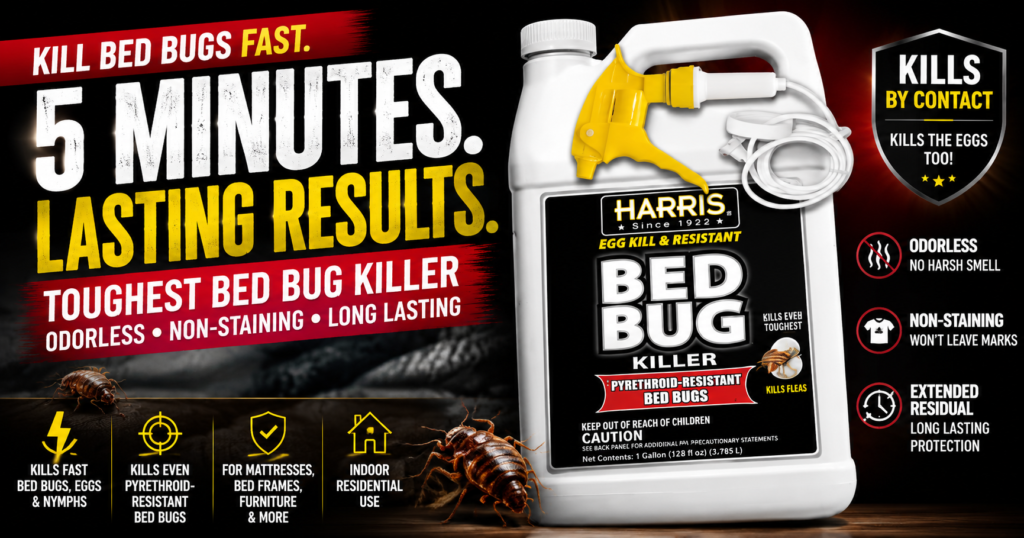
My first choice is the HARRIS Boric Acid Roach and Silverfish Killer Powder with Lure because it’s designed to work inside the cracks and crevices where silverfish spend most of their lives. I explain exactly how I use it in my guide to the Best Silverfish Killer That Actually Works.



When Should You Actually Be Concerned?
Finding a single silverfish usually isn’t an emergency.
I become more concerned when homeowners tell me they’re seeing:
- Silverfish every few nights.
- Silverfish in several different rooms.
- Young and adult silverfish together.
- Damage to books or stored papers.
- Silverfish around pantry foods.
Those signs usually indicate an established population rather than a single wandering insect.

At that point, it’s time to identify what’s attracting them and begin treating both the insects and the conditions allowing them to thrive. Before treating further, review what brings silverfish indoors to pinpoint the conditions supporting them.
My Opinion
If I found a silverfish crawling across my bathroom floor tonight, I wouldn’t panic.
I also wouldn’t ignore it.
Silverfish aren’t dangerous in the way termites, bed bugs, or cockroaches can be.
But they are persistent.
The longer they’re allowed to remain, the greater the chance they’ll damage books, keepsakes, clothing, pantry items, and other belongings.

The good news is that they’re usually one of the easier household pests to control once you reduce moisture and treat the hidden areas where they live. For homeowners addressing an active infestation, indoor pest treatment can complement moisture reduction and treatment of hidden areas.
Frequently Asked Questions
Are silverfish dangerous to humans?
No. Silverfish aren’t considered dangerous to people. They don’t bite, sting, or spread diseases. Their primary impact is damage to household items rather than direct harm to humans.
Can silverfish bite you while you sleep?
No. Silverfish don’t feed on people and aren’t known to bite sleeping humans. Their mouthparts are adapted for scraping starchy materials, paper, glue, and similar foods.
Are silverfish dangerous to pets?
Generally, no. Silverfish aren’t poisonous or venomous and don’t bite dogs or cats. While pets occasionally eat them, they’re not considered toxic.
Can silverfish make you sick?
Silverfish aren’t known to transmit diseases to humans. However, their shed skins, scales, and droppings may contribute to allergy or asthma symptoms in sensitive individuals.
Should I worry if I see one silverfish?
Usually not. One silverfish doesn’t necessarily mean you have a major infestation. However, repeated sightings often indicate a larger hidden population and are worth investigating before damage becomes more extensive.
About the Author
Mark Ellison is a structural pest management consultant with more than 20 years of experience helping homeowners solve indoor pest problems. He specializes in identifying moisture-related infestations and developing practical, long-term solutions that eliminate pests while protecting homes and personal belongings.