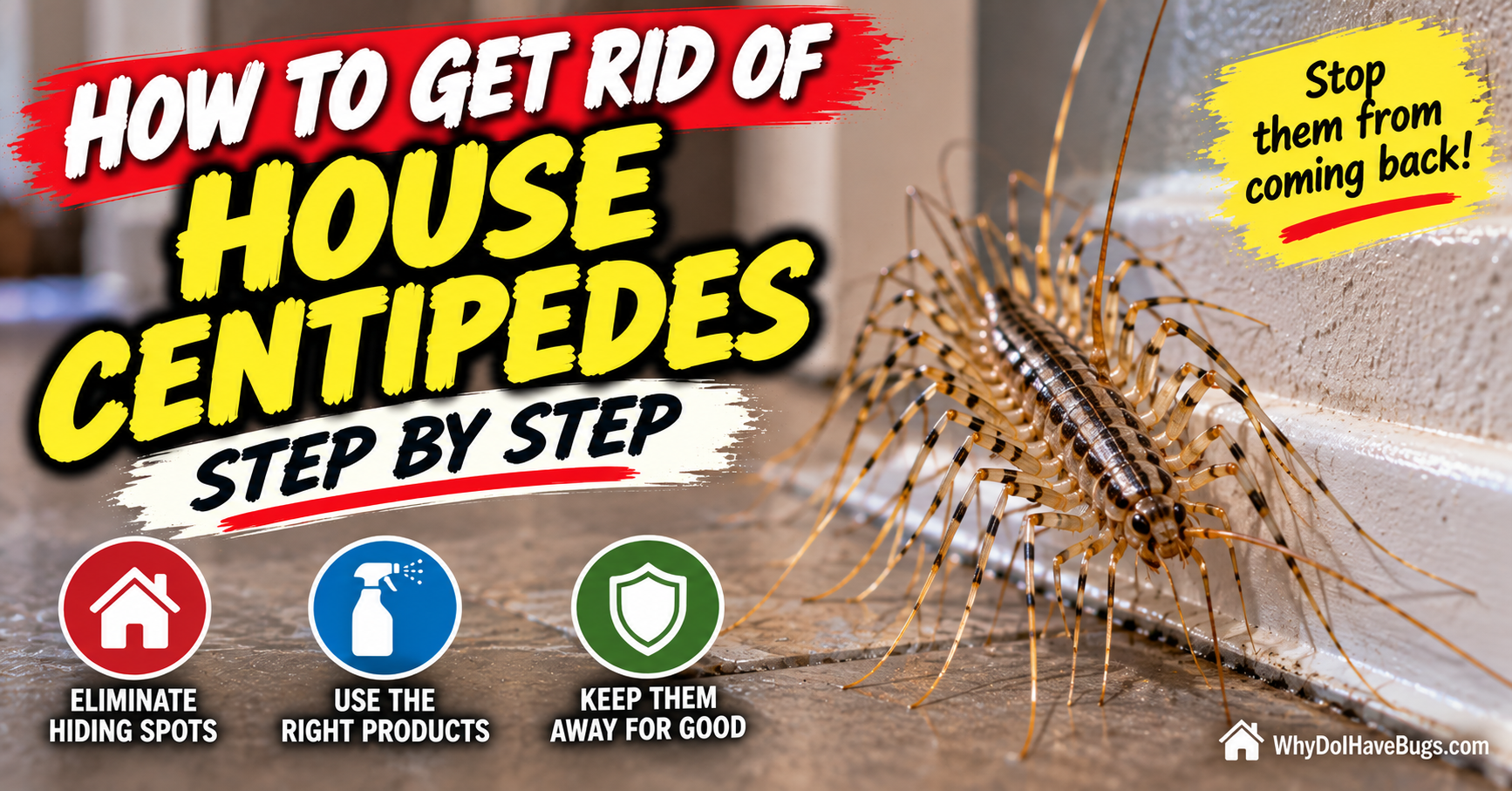
The fastest way to get rid of house centipedes is not to chase every one you see with a spray can. It is to make your house less damp, take away the other bugs they eat, and close the easy places they use to get inside.
House centipedes look unsettling because they move so fast and have all those long legs, but they are not nesting in mattresses, feeding on people, or chewing up your house. If you are not completely sure that is what you found, compare it with this easy house centipede identification guide before treating the wrong pest.
A one-time sighting does not always mean you have a major issue. Seeing several centipedes over and over, especially in the same damp part of the home, usually means your house is giving them moisture, hiding spots, or prey.
Why You Keep Seeing House Centipedes
House centipedes are predators. They eat other small bugs, including silverfish, ants, roaches, flies, spiders, and carpet beetle larvae. That means a house centipede problem can sometimes be a clue that another bug problem is quietly giving them food.
They also need moisture more than most homeowners realize. Basements, bathrooms, laundry rooms, crawlspaces, garages, and damp closets are common places to find them because those areas stay cool and humid.
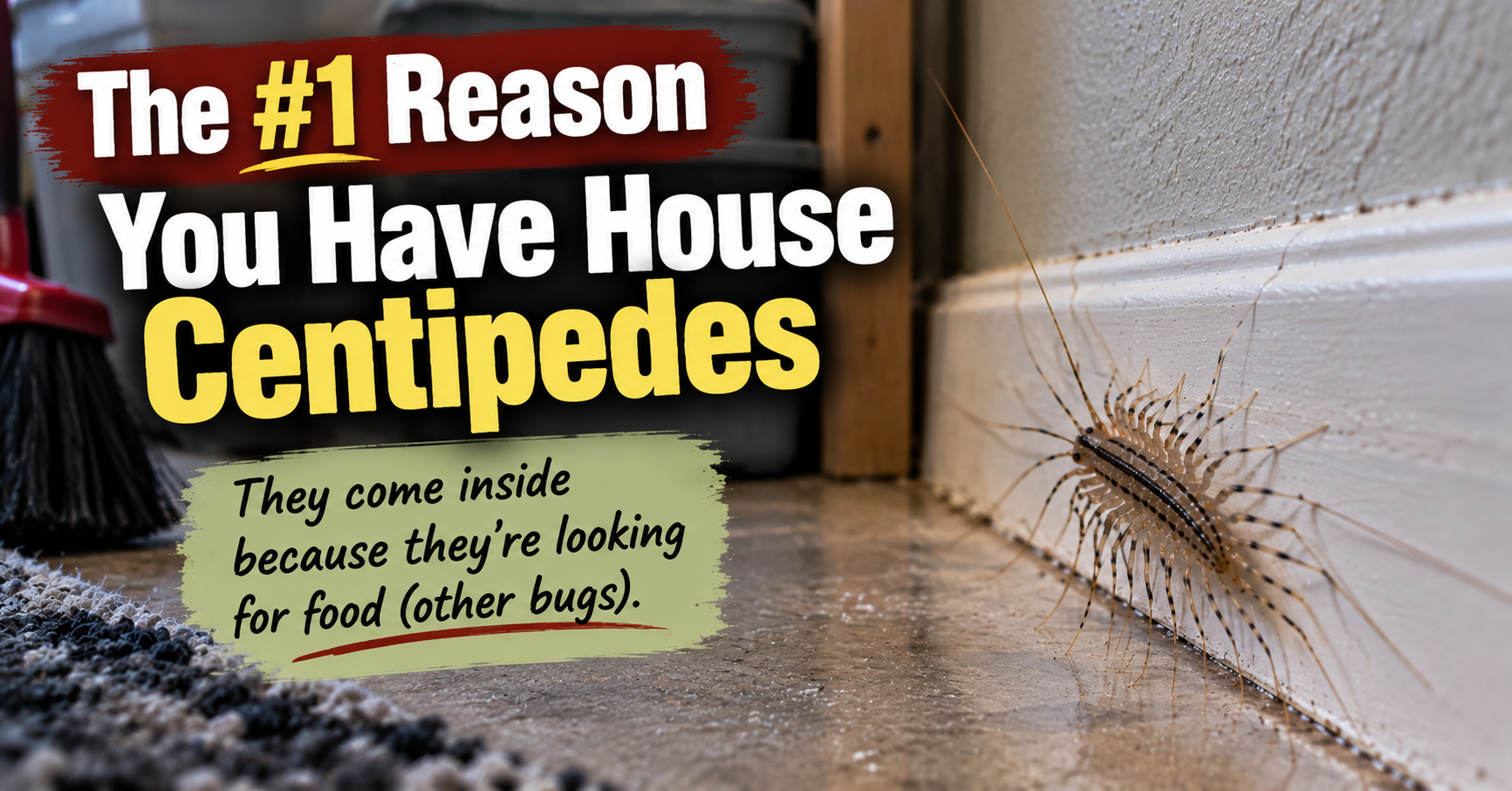
Before you put out traps or apply any treatment, take a minute to understand why house centipedes come inside. Fixing that reason is what keeps the problem from turning into a repeating cycle.

Get Rid of the Centipedes You See
If you see a centipede and want it gone right then, there is no need to touch it with bare hands. They usually run away from people, but trapping one against your skin or trying to grab it can cause a rare defensive bite.
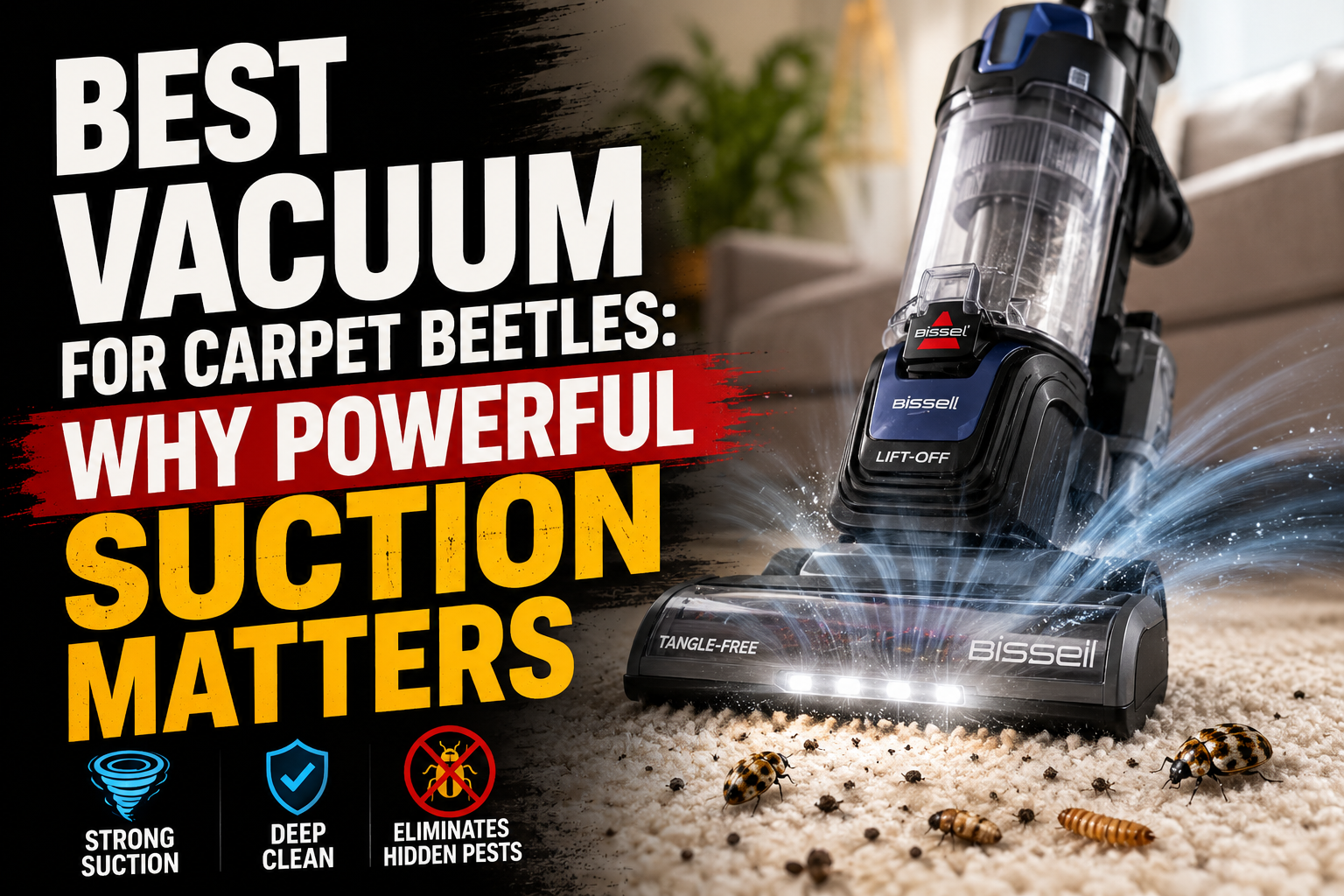
A cup and stiff piece of paper works well if you want to take it outside. A vacuum is another quick option, especially if it is in a basement corner, behind a toilet, or in a spot that makes it hard to catch.
You can also use sticky traps along the walls where centipedes travel. They are especially useful when you want to know whether you are seeing one random centipede or whether several are moving through the same area at night.
Catchmaster Spider and Insect Traps are a simple pesticide-free option for monitoring house centipedes near basement walls, sinks, utility rooms, and bathroom corners. Put them flat against a wall rather than in the open middle of a room, since centipedes usually travel along edges.


Dry Out the Areas That Keep Attracting Them
Moisture control is usually the most important part of getting rid of house centipedes for good. You can kill every centipede you see, but more may keep showing up if the same wet conditions are still there.
Start with the areas where you have actually found them. Look beneath sinks, around water heaters, beside washing machines, near floor drains, and along basement walls.
Check for these common moisture problems:
- A slow plumbing drip under a sink or behind a toilet.
- Condensation around pipes, windows, or a basement wall.
- A bathroom fan that does not vent moisture well.
- Wet cardboard, stored clothing, or clutter sitting directly on a basement floor.
- A damp crawlspace or water pooling near the foundation outside.
- A dehumidifier that is too small, full, disconnected, or not running often enough.
A dehumidifier can help make a damp basement or utility room less appealing to centipedes and the bugs they feed on. If humidity is a regular issue in your home, read whether a dehumidifier actually helps with indoor bugs before expecting it to solve everything by itself.
Fix Leaks Instead of Covering Them Up
A drip under a bathroom sink may not look serious, but it can create a perfect little centipede zone behind the cabinet or inside the wall void. The same goes for a damp basement corner that stays wet after heavy rain.
Repair plumbing leaks, replace failing caulk around tubs or showers, and make sure gutters and downspouts are moving water away from the foundation. If your sump pump pit or crawlspace stays wet, deal with that condition before spending much money on pest products.
House centipedes do not need a flooded room to benefit from moisture. A consistently humid, dark area with a little moisture and a few other insects can be enough to keep them around.


Remove the Other Bugs They Are Hunting
This is the step many people miss. A house centipede may be the bug you notice, but it may not be the bug creating the underlying problem.

For example, silverfish often thrive in the same damp parts of a house. If you are seeing both, reducing humidity and finding their hiding places can help bring down both populations. This guide to getting rid of silverfish can help you look at that side of the problem.
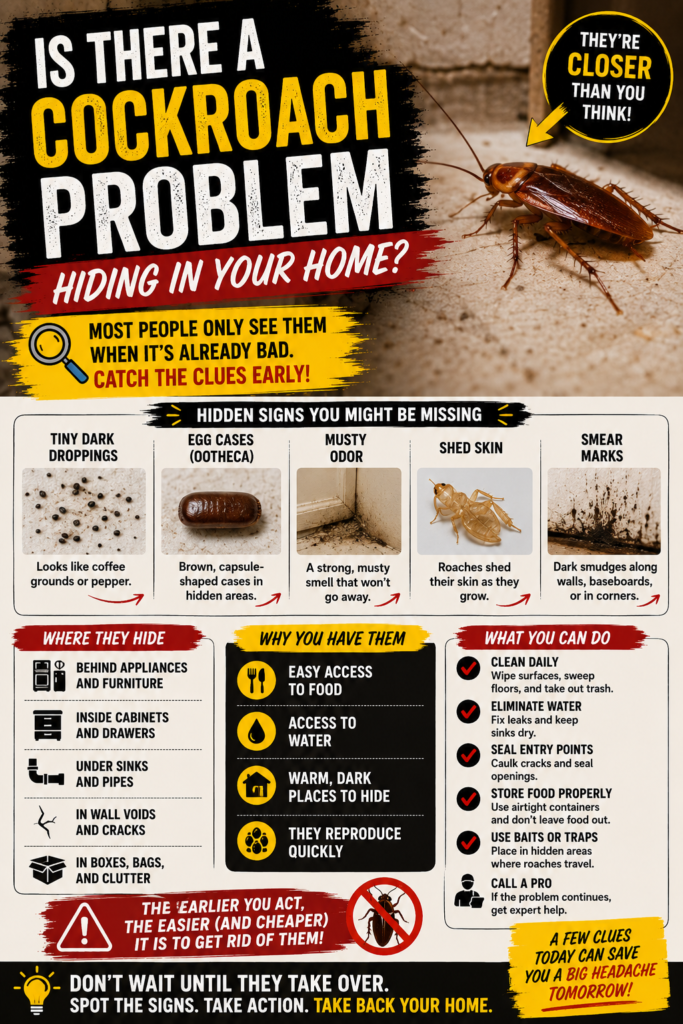
Roaches, ants, flies, spiders, and carpet beetle larvae can also provide food. You do not need to assume the worst because you found one house centipede, but repeat sightings are worth taking as a prompt to inspect more carefully. If roaches may be part of that food source, these hidden cockroach warning signs can help guide the inspection.
Look behind appliances, under sinks, around pet-food storage, in pantry corners, near drains, and along basement walls. You are trying to find signs of the bugs the centipedes may be eating, not just more centipedes.
Reduce Hiding Places in Damp Rooms
House centipedes love protected places where they can rest during the day and hunt after dark. You do not need an empty, spotless basement, but reducing clutter along walls makes a real difference.
Move cardboard boxes off the floor and store things in plastic bins with lids when possible. Avoid leaving piles of damp towels, laundry, paper, or clothing in a basement or bathroom area.
In a garage, utility room, or storage space, pull stored items a few inches away from the wall. That gives you a better view when checking for moisture, pests, or centipede activity.
Outdoor clutter can matter too. Keep leaf piles, stacked lumber, mulch, rocks, and dense ground cover from being pressed directly against the foundation. Those areas can shelter centipedes and other insects right next to the places they may enter.


Seal the Entry Points Around Your Home
House centipedes can come indoors through small foundation cracks, gaps around pipes, torn screens, poorly sealed doors, and other openings. Sealing these spots will not eliminate every centipede already inside, but it helps stop new ones from wandering in.
Walk around the outside of your home and look closely at the lower level. Pay attention to where utility pipes, wires, cable lines, and air-conditioning lines pass through walls.
Inside, check for gaps around baseboards, pipe openings under sinks, unfinished basement windows, floor drains, and doors leading into garages or crawl crawlspaces.
Use the right material for the gap. Caulk works for small cracks. Larger holes may need backing material, foam, patching compound, metal mesh, or a more durable repair depending on where the opening is located.
Do not overlook door sweeps. A worn-out sweep under a basement, garage, or exterior door can create a surprisingly easy path for centipedes, spiders, crickets, and other crawling pests.
Use Sticky Traps the Smart Way
Sticky traps are better for monitoring and reducing wandering centipedes than for solving the source of the problem. They work best when placed in the right spots and checked regularly.
Set them along walls in places where you have already seen activity. Good locations include behind toilets, beneath bathroom sinks, beside washing machines, behind water heaters, near basement storage, and inside utility closets.
Do not place traps where children or pets can reach them. They are sticky enough to create a mess in fur or on small hands.
Check the traps after several days. If you catch centipedes, silverfish, spiders, roaches, ants, or other bugs, that tells you more about what is happening in the room. It may also show you which wall or corner needs closer inspection.


Should You Spray for House Centipedes?
A labeled indoor perimeter spray can kill house centipedes that cross a treated area, but it should not be your first or only step. Spraying a damp room without fixing the moisture and insect activity often gives temporary results at best.
If you decide to use a product, choose one that specifically lists centipedes on the label and follow the label exactly. Apply it only where the label permits, such as cracks, crevices, baseboards, or a foundation perimeter.
Do not spray countertops, food-prep surfaces, children’s toys, pet bedding, or random open areas just because you saw a centipede. More product does not mean better control.
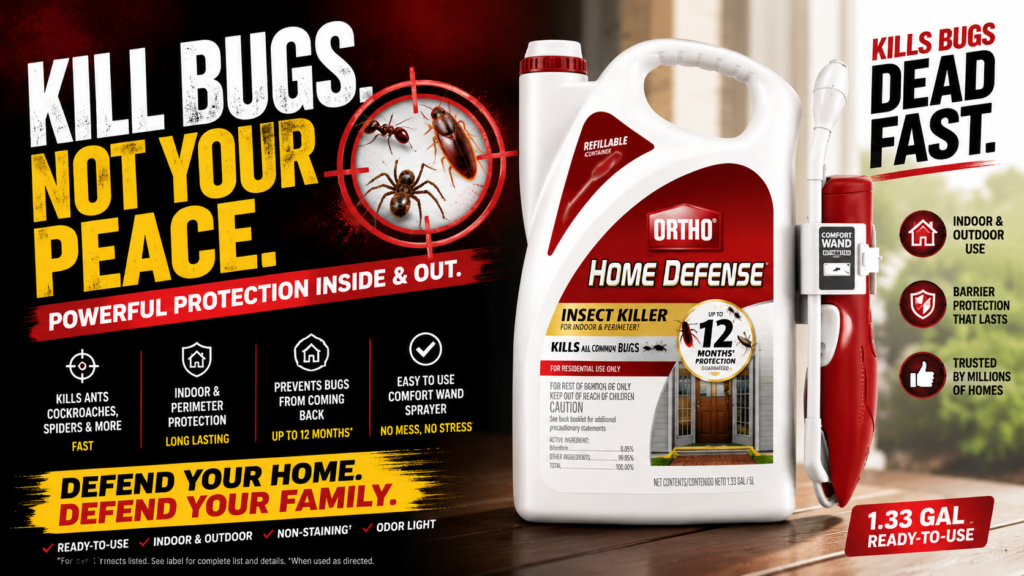
For homeowners who need a residual barrier after addressing moisture and entry points, my honest Ortho Home Defense review explains what a perimeter spray can realistically do and where it falls short.
Why Foggers Are Usually a Bad Choice
Bug bombs and total-release foggers are rarely a good answer for house centipedes. Centipedes hide in cracks, behind walls, under appliances, and inside dark spaces that airborne fog may not reach well.
Foggers can also leave pesticide residue where you do not want it while doing very little to correct the actual reason centipedes are in the room. They are a lot of disruption for a problem that is usually better handled through moisture control, sealing, targeted trapping, and dealing with other insects.
If your home has a serious ongoing insect issue, identify that pest before choosing any treatment.. A centipede is often the messenger, not the main problem.


What to Do About House Centipedes in a Bathroom
Bathrooms are one of the most common house centipede locations because they offer moisture, pipe openings, drains, and plenty of dark edges to hide around.
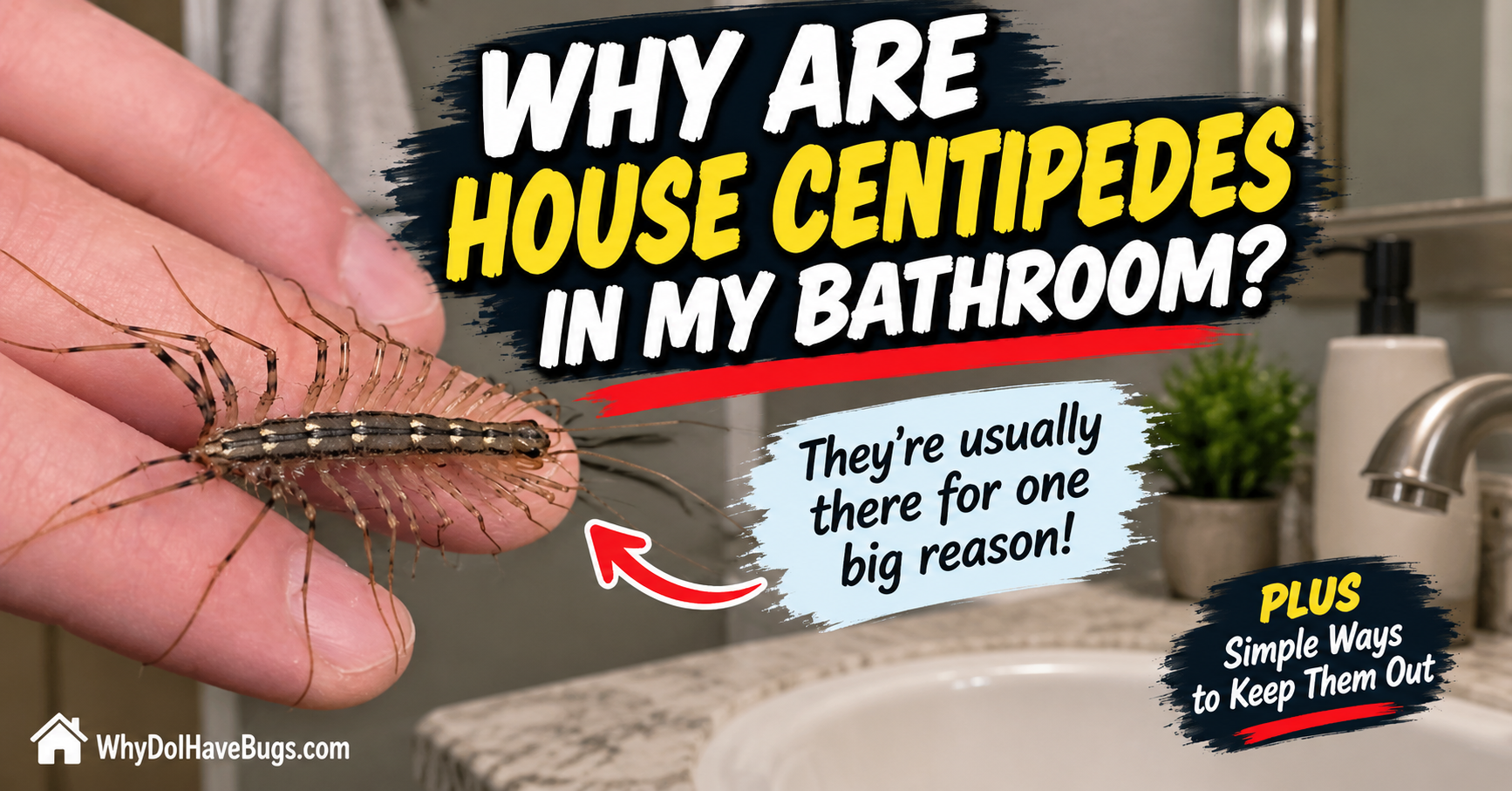
Start under the vanity. Look for a slow pipe leak, damp flooring, missing caulk, or an opening around plumbing lines. Then look behind the toilet and around the tub or shower wall. These checks are especially useful when investigating house centipedes in your bathroom.
Run the exhaust fan during showers and let it continue running long enough to pull out moisture afterward. If the bathroom has no fan or the fan barely moves air, improving ventilation can make a big difference.
A centipede near a bathroom drain does not necessarily mean it came up through the drain. It may simply be using the damp area around the drain or pipe openings as a travel route.
What to Do About House Centipedes in a Basement
Basements often combine almost everything house centipedes like: cooler temperatures, moisture, foundation cracks, stored boxes, floor drains, and other bugs.
Start by checking the humidity level. If the basement feels musty, has condensation, or regularly stays above a comfortable indoor humidity range, make drying it out your first job.
Then inspect the walls and floor edges. Look for water stains, efflorescence, foundation cracks, insect activity, and gaps where utilities enter.
Keep boxes and stored items elevated or in sealed plastic totes. A few well-placed sticky traps along exterior walls will help show where centipedes are traveling while you work on the larger moisture issue.
Are House Centipedes Dangerous Enough to Call an Exterminator?
House centipedes themselves are not usually dangerous. They do not spread disease, damage wood, feed on people, or build destructive nests inside your home.
A pest professional may make sense if you are seeing large numbers, have a persistent moisture problem you cannot identify, suspect a more serious insect infestation, or do not feel comfortable using any treatment yourself.
It is also reasonable to call someone if you have tried drying the area, sealing gaps, and reducing clutter but still see centipedes constantly. Ask the professional to inspect for moisture and other pest activity instead of only applying a general spray.
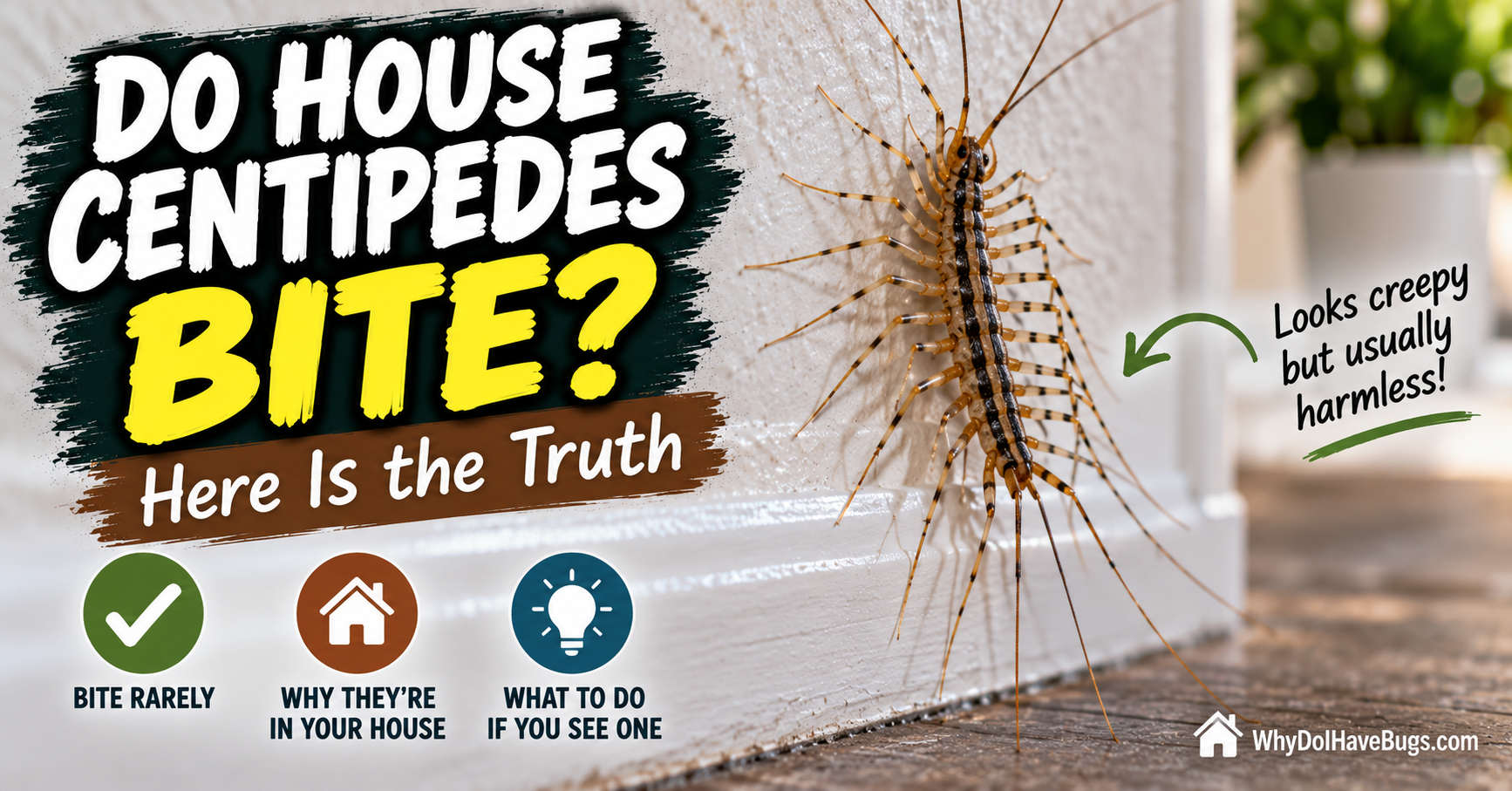
If the fear of being bitten is what is making the problem feel urgent, the truth about house centipede bites can help put that risk in perspective. They can bite if trapped or handled, but they normally avoid people.
How Long Does It Take to Get Rid of House Centipedes?
You may see fewer centipedes within a week or two after placing traps, reducing clutter, and drying out the area. Long-term control can take longer if there is a hidden leak, damp crawlspace, or another insect population supporting them.
The important thing is to watch the trend. One centipede after a rainy week is very different from catching several every night in the same bathroom or basement.
Keep checking your traps and the dampest parts of the home. If activity continues, go back through the list: moisture, food source, hiding places, and entry points. One overlooked leak or gap can keep the cycle going.
Frequently Asked Questions
What is the fastest way to get rid of house centipedes?
Vacuuming or trapping the ones you see is the fastest immediate step. For lasting control, dry out damp areas, remove their food source, and seal entry points.
Will sticky traps catch house centipedes?
Yes. Sticky traps can catch house centipedes that travel along walls, especially in bathrooms, basements, laundry rooms, and utility spaces.
Does vinegar kill house centipedes?
Vinegar is not a dependable house centipede control method. It may disturb one if sprayed directly, but it will not fix moisture, entry gaps, or the other bugs attracting centipedes.
Does bleach keep house centipedes away?
Bleach is not a good centipede treatment. It can create fumes, damage surfaces, and does not solve the conditions allowing centipedes to keep coming back.
Why do I keep finding house centipedes in my bathroom?
Bathrooms offer humidity, dark hiding spaces, pipe gaps, and sometimes other small insects. Check for leaks, improve ventilation, and seal openings around plumbing.
Should I kill house centipedes or leave them alone?
They do eat other household pests, but you do not have to leave them if you do not want them inside. Removing them and fixing the conditions that attract them is the most balanced approach.
Can a dehumidifier get rid of house centipedes?
A dehumidifier can make damp areas less appealing, especially in basements and utility rooms. It works best alongside leak repairs, sealing, and control of the other bugs centipedes eat.
Do house centipedes mean I have roaches?
Not necessarily. House centipedes can eat roaches, but they also eat silverfish, ants, spiders, flies, and other small pests. Repeat sightings are a reason to inspect, not proof that you have roaches.
Daniel Brooks writes practical home pest guides for WhyDoIHaveBugs.com, helping homeowners identify indoor pests and fix the conditions that keep them coming back.