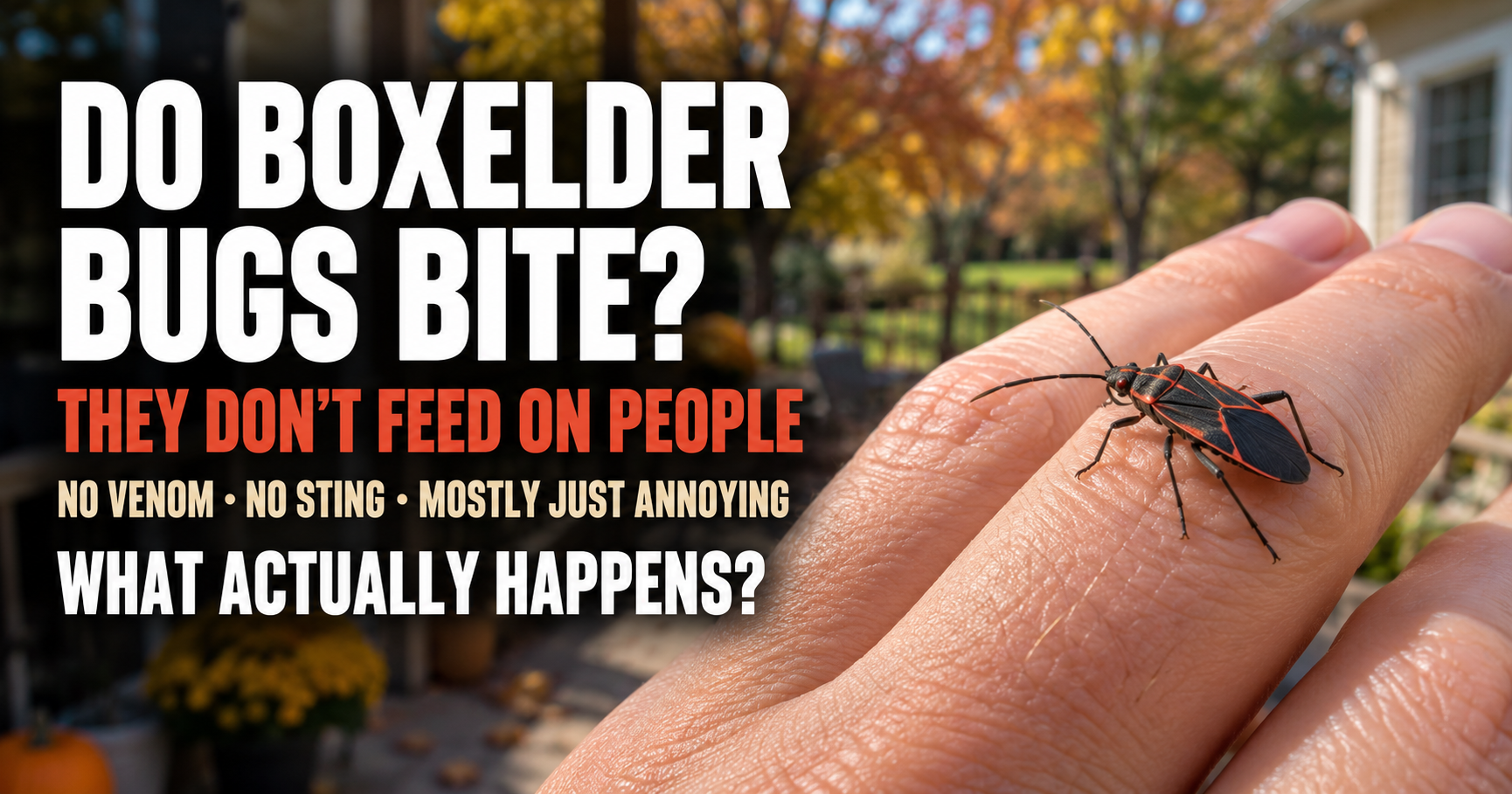
Boxelder bugs do not normally bite people. They are not blood feeders, they do not hunt people or pets, and they do not act like mosquitoes, fleas, ticks, or bed bugs.
That said, I understand why people ask. A large black-and-red bug suddenly crawling on your arm, coming in through a window, or landing on a child can make anybody wonder whether it can hurt them. The answer is reassuring: boxelder bugs are mainly a nuisance because they gather in large numbers around homes, not because they attack people.
What a Boxelder Bug Actually Uses Its Mouth For
Boxelder bugs have a slender, straw-like mouthpart used to feed on plant material. They use it outdoors on seeds, leaves, flowers, and soft plant tissue, especially around boxelder and maple trees.
They are not equipped to feed on blood. People and pets are not part of their normal food source, so a boxelder bug has no reason to crawl over and bite someone.
That is different from a true biting pest. Bed bugs, fleas, and mosquitoes need a blood meal. Boxelder bugs do not.
Can a Boxelder Bug Ever Pinch or Poke Skin?
It is possible for an insect with piercing mouthparts to give a brief probe if it is trapped against skin, squeezed in clothing, or handled roughly. But that is unusual, defensive contact, not normal biting behavior.
If someone feels a tiny poke while holding a bug, it is generally short-lived and does not cause the kind of welt, swelling, or ongoing irritation associated with a real biting insect.
I would not handle them barehanded just to test it. There is no benefit to it, and they can leave a stain or odor when accidentally crushed. Use a cup, tissue, paper, or vacuum instead.


What Does a Boxelder Bug Bite Look Like?
Most people will never have a boxelder bug bite to identify because they are not a typical biting insect. If you have a red, itchy bump, a painful spot, swelling, or a line of bites, something else is more likely responsible.
Common possibilities include mosquitoes, fleas, mites, bed bugs, chiggers, spiders, ants, or a stinging insect. Skin irritation can also come from plants, cleaning products, detergents, sweat, or a completely unrelated issue.
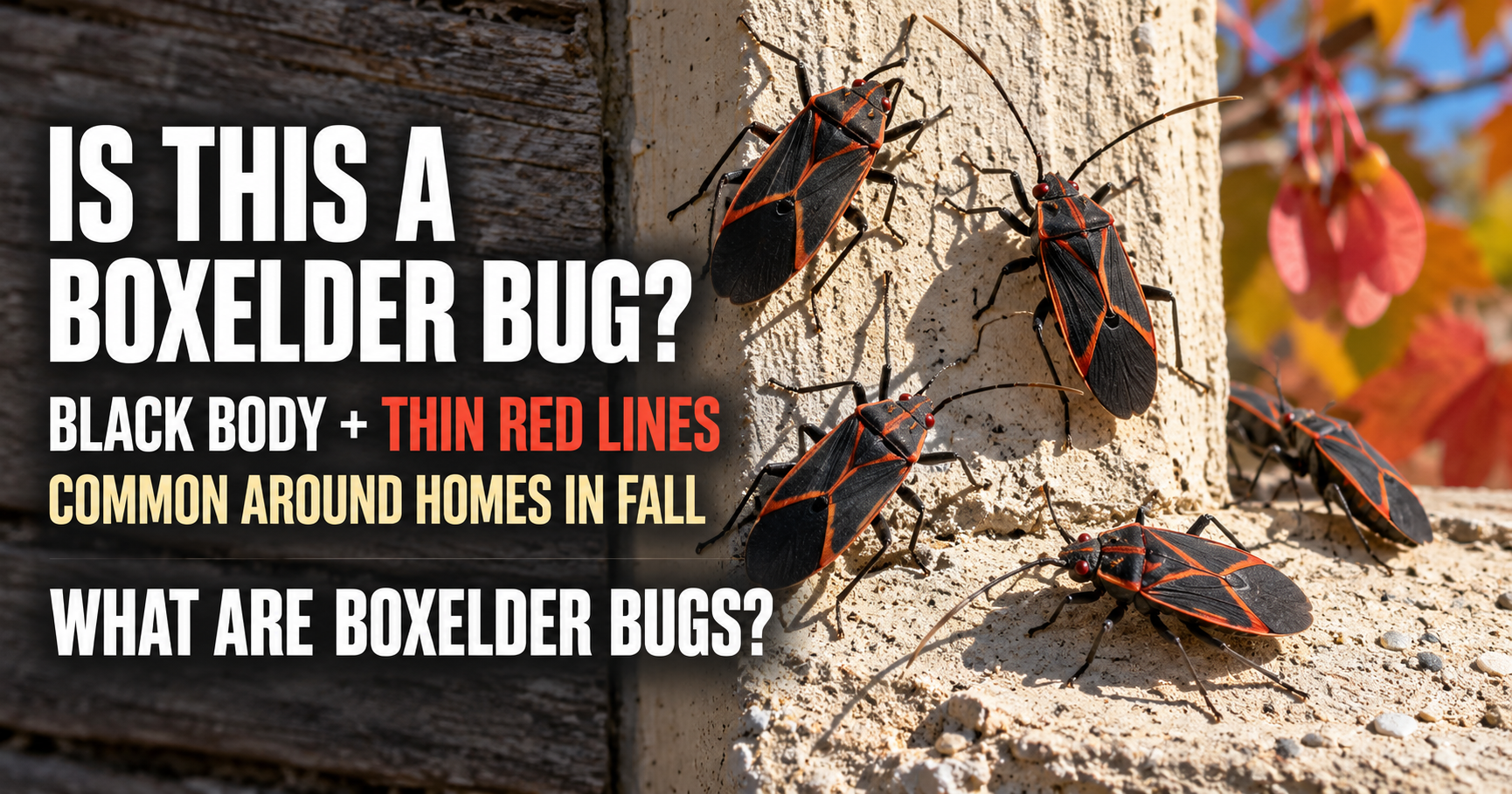
The first thing I would do is look at the insect itself instead of assuming the black-and-red bug nearby caused the mark. Compare it with this boxelder bug identification guide before treating your house for the wrong pest.
Do Baby Boxelder Bugs Bite?
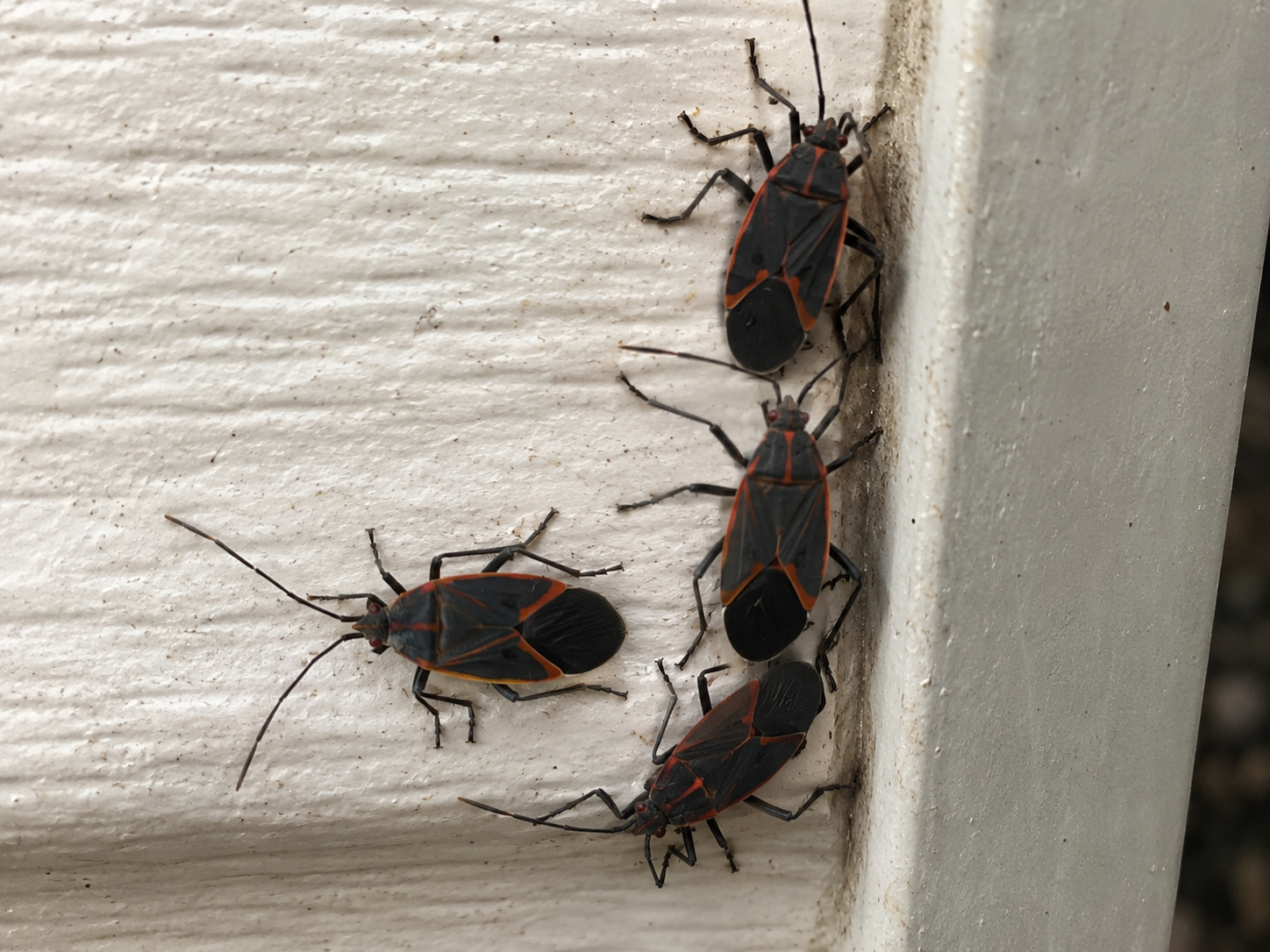
No. Young boxelder bugs, called nymphs, are also plant feeders. They are often bright red with dark legs and markings, which can make them look more alarming than the adults.
Nymphs do not have full wings yet, so they may gather in groups on warm walls, tree trunks, seed pods, or around foundation areas. They can crawl quickly and show up in surprising numbers, but they are not tiny biting bugs.
If you see a large cluster of red-and-black nymphs outdoors, the main concern is keeping them from finding a way into the house later in the season.


Do Boxelder Bugs Bite Dogs or Cats?
Boxelder bugs do not bite dogs or cats in the normal sense. A curious pet may sniff, paw at, or eat one, but the bug is not looking for an animal to feed on.
I would still discourage a pet from chewing on them. Any insect can have an unpleasant taste, and swallowing several may lead to mild stomach upset in a sensitive animal. The concern there is irritation from eating bugs, not venom, disease, or a bite.
The more important pet-safety issue is any pesticide used around the home. Keep animals out of treatment areas and follow the product label exactly if you use a spray outdoors.
Why Did It Feel Like Something Bit Me?
Sometimes a boxelder bug is blamed simply because it was visible. These bugs are easy to notice on bright walls and windows, while the real culprit may be much smaller or already gone.
A mosquito bite may not itch right away. Flea bites can happen around floors, pet bedding, or porches. Tiny mites and chiggers can be hard to see. A wasp or ant can cause a quick sharp pain and leave before you identify it.
A true boxelder bug problem usually looks like bugs gathering around warm exterior walls, slipping around window frames, or slowly appearing on indoor sills. It does not usually look like repeated unexplained bites.


Do Boxelder Bugs Sting?
No. Boxelder bugs do not have stingers and cannot inject venom.
This is one of the clearest differences between boxelder bugs and wasps, yellow jackets, hornets, and bees. If you had a sudden, sharp sting followed by burning pain or noticeable swelling, a stinging insect is much more likely.
A black-and-red insect near the house can sometimes be mistaken for a wasp from a distance, but boxelder bugs have a flatter body and do not have the narrow waist or obvious wings of a wasp.
Are Boxelder Bugs Dangerous Even Though They Do Not Bite?
No. They are annoying, but not dangerous.
They do not carry a household blood-feeding infestation, chew wiring, destroy wood, spread through mattresses, or harm people by crawling inside. Their real downside is that large groups can make a house look invaded, and crushed bugs or droppings can stain light-colored surfaces.
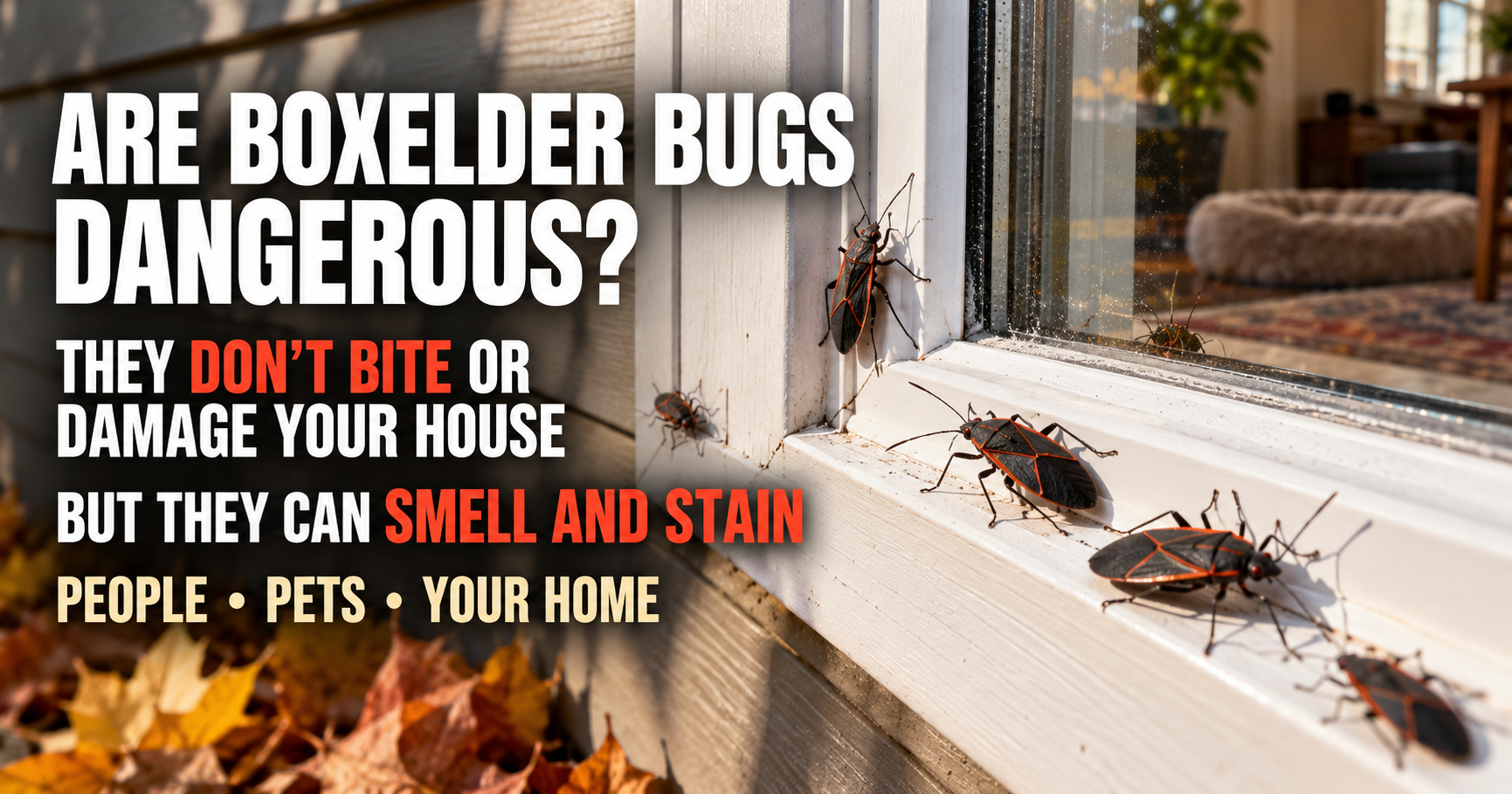
The broader answer, including concerns about kids, pets, trees, and damage to the home, is covered in are boxelder bugs dangerous to people, pets, or your home.
What Should You Do if a Boxelder Bug Crawls on You?
Brush it off, let it crawl onto a piece of paper, or gently move it into a cup and release it outdoors. There is no need to use bug spray on your body or worry about being bitten.
Wash your hands afterward if you crushed one or had it on your skin for a while. That is basic cleanup, not an emergency measure.
If you experience serious swelling, trouble breathing, dizziness, widespread hives, or rapidly worsening pain after an insect encounter, seek medical help. Those symptoms are not typical of boxelder bugs and could point to a sting, allergy, or another cause.
What if a Boxelder Bug Gets Into a Bed or Clothes?
It is unpleasant, but it is not dangerous. Remove the bug, shake out the item, and wash bedding or clothing if it has left a visible mark.
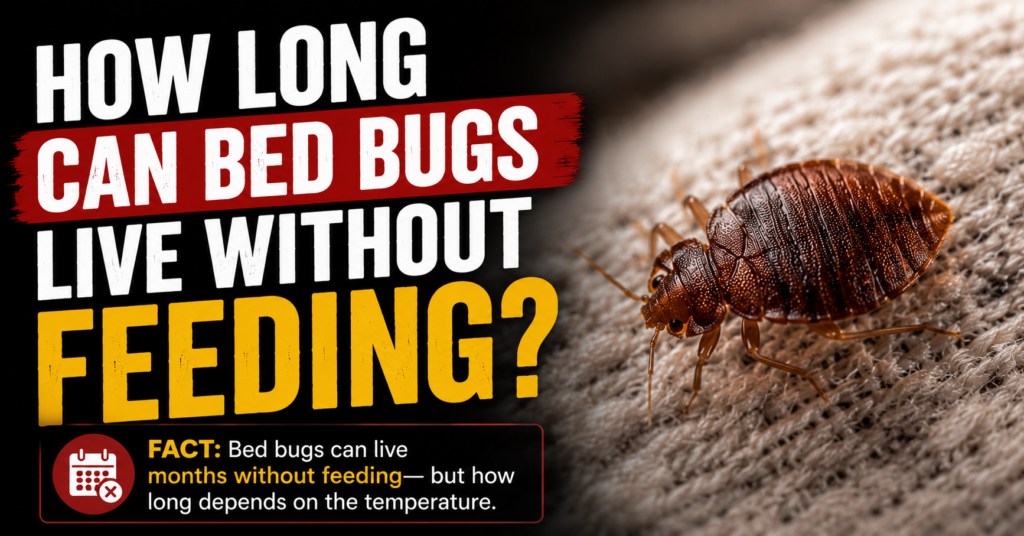
Boxelder bugs do not live in mattresses, feed on sleeping people, or make nests in clothes. If you are finding bugs in bed repeatedly and waking with bite marks, do not assume they are boxelder bugs just because some are near the windows.
Look closely for the actual insect, especially around seams, cracks, pet bedding, and nearby furniture. Different pests leave very different clues.


Can Boxelder Bugs Cause an Allergic Reaction?
A true severe reaction to boxelder bugs is not something most people need to expect. Their presence may be irritating when large numbers collect around a home, but they are not known as a common allergy or sting risk.
Anyone can react to an insect, residue, pesticide, or a separate environmental trigger. If a person develops symptoms that feel significant, it is best to focus on the symptoms and speak with a healthcare professional instead of trying to diagnose the cause from a bug photo alone.
Why You Should Not Smash Them
The instinct to squash a bug on the wall is understandable, especially when several are gathered by a window. With boxelder bugs, that can create more cleanup than the bug deserved.
They can leave dark reddish or brownish staining on painted walls, curtains, furniture, and trim. Their droppings can also mark surfaces where groups have been sitting.
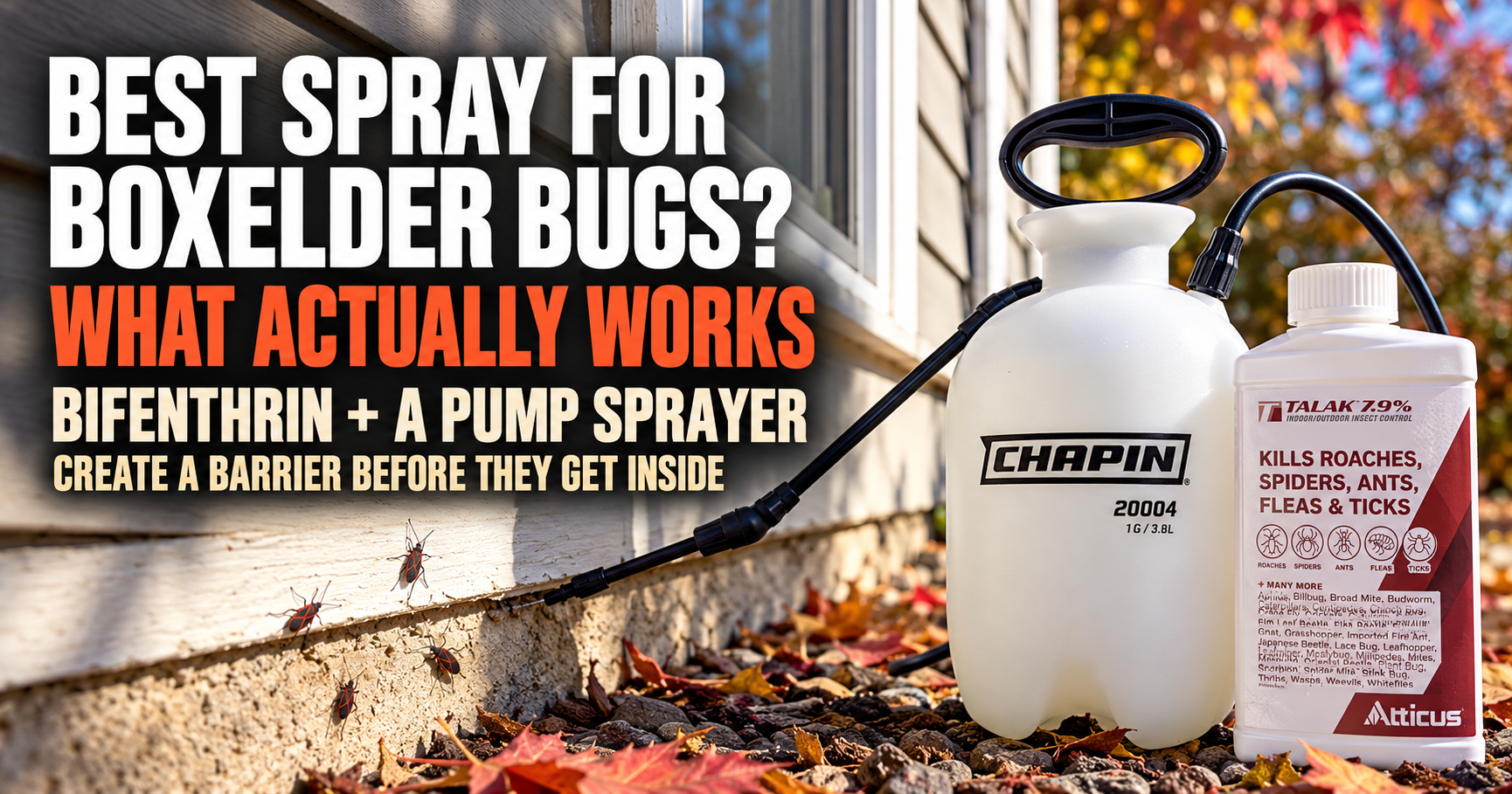
I would vacuum them, sweep them into a container, or use a tissue to remove an individual bug. That keeps the house cleaner and avoids turning an easy nuisance into a permanent spot on a curtain.
How to Keep More Boxelder Bugs From Getting In
If you are seeing them indoors, the important question is not whether they will bite. It is where they got in.
Check window screens, weatherstripping, door sweeps, exterior trim, siding gaps, utility-line openings, foundation cracks, attic vents, and garage-door seals. They often gather on sunny siding before slipping into narrow openings around the home.
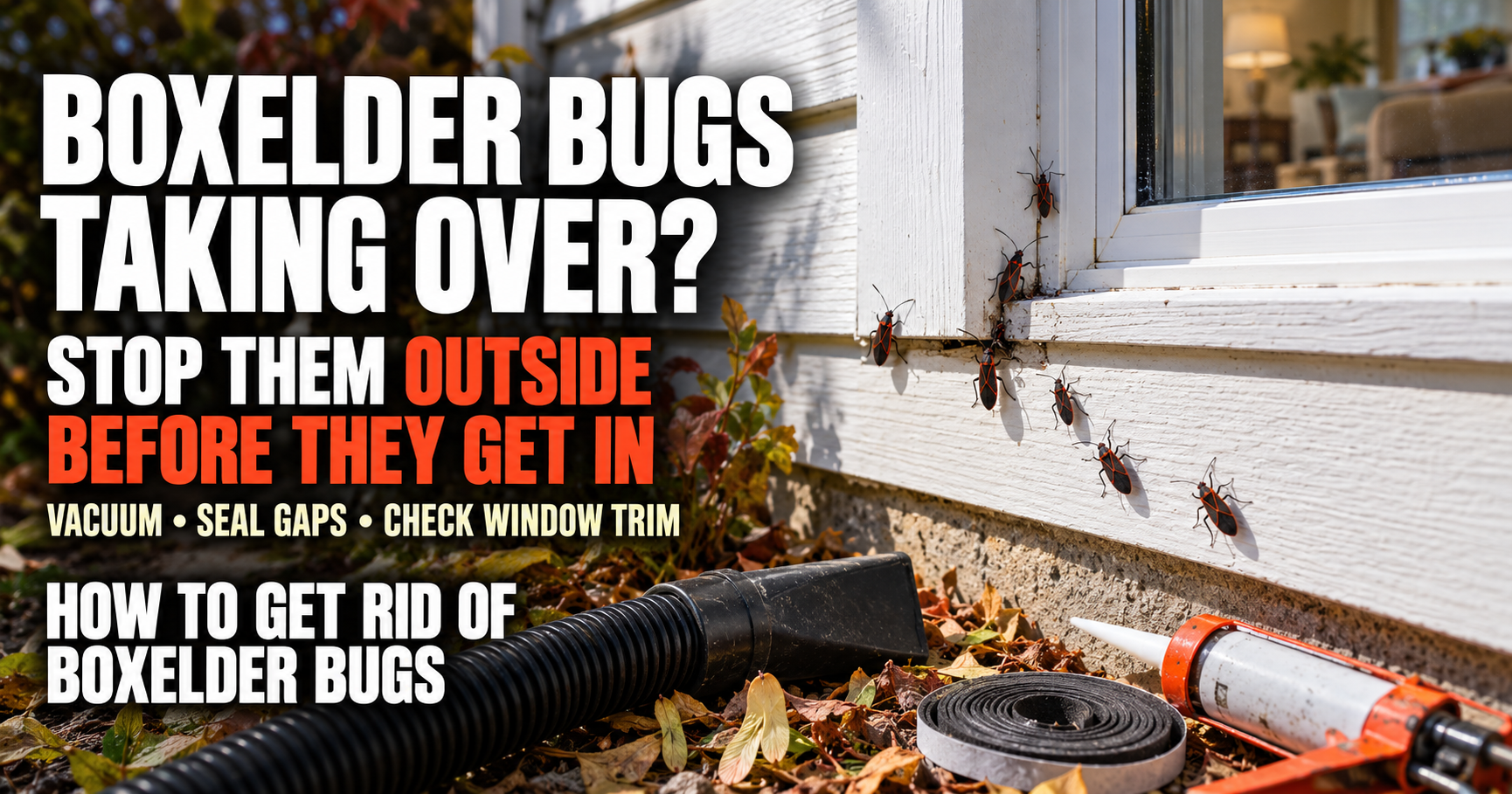
The practical removal and prevention steps are in this guide on getting rid of boxelder bugs inside and outside. Exclusion is far more useful than repeatedly spraying single bugs after they are already indoors.
Do boxelder bugs bite humans?
No. Boxelder bugs are plant feeders and do not normally bite humans.
Can boxelder bugs bite through clothing?
No. They are not blood-feeding insects and do not bite through clothing the way some mosquitoes, fleas, or mites can.
Do boxelder bugs bite at night?
No. They do not come out at night to bite sleeping people. A bug found near a bed is usually a wandering nuisance insect, not a nighttime blood feeder.
Are boxelder bugs poisonous?
No. They are not venomous or poisonous to people. They are mainly a nuisance because of how many can gather around a home.
What should I do if I think a boxelder bug bit me?
Wash the area with soap and water and observe it. If the mark becomes increasingly painful, swollen, or itchy, consider that another insect or skin irritant may be involved. Seek medical care for severe or concerning symptoms.
Do boxelder bugs hurt when they crawl on you?
No. Their legs can feel ticklish or startling, especially when one appears unexpectedly, but crawling on skin does not hurt or mean the bug is about to bite.
Caleb Warren writes practical pest guides for WhyDoIHaveBugs.com, helping homeowners identify what is actually bothering them before they spend money treating the wrong bug.