
You flip on the bathroom light late at night.
Out of the corner of your eye, you catch a small brown insect racing across the floor before disappearing beneath the vanity.
Then you notice the pincers.
If you’ve found earwigs in your bathroom, you’re definitely not alone.
Bathrooms are one of the most common places homeowners discover earwigs because they provide exactly what these insects are looking for: moisture, darkness, and plenty of places to hide. Earwigs don’t usually live indoors permanently, but bathrooms often become their favorite room while they’re exploring inside your home. The same bathroom conditions can attract other flying insects, so why flies love bathrooms offers a useful comparison when identifying the problem.
The Short Answer
If earwigs keep showing up in your bathroom, they’re usually attracted by one or more of these conditions:
- High humidity.
- Plumbing leaks.
- Damp cabinets.
- Condensation around pipes.
- Cracks that allow them to enter.
- Moisture around the home’s foundation.
Most bathroom sightings are the result of earwigs wandering indoors while searching for cool, damp shelter rather than establishing a permanent infestation.

Bathrooms Feel Like Their Natural Habitat
Think about where earwigs spend most of their lives outdoors.
They’re usually hiding beneath:
- Mulch.
- Rocks.
- Flower pots.
- Leaf litter.
- Logs.
- Damp soil.
Now compare that to a typical bathroom.
After a hot shower, the room often becomes:
- Warm.
- Humid.
- Dark.
- Full of small hiding places.
To an earwig, those conditions feel surprisingly similar to the sheltered outdoor environments they already prefer.


Moisture Is the Biggest Attraction
If I had to blame one thing, it would be moisture.
Earwigs lose water easily through their bodies, so they naturally seek environments where humidity stays relatively high.
Bathrooms provide moisture in countless ways, including:
- Shower steam.
- Wet bath mats.
- Water around tubs.
- Condensation beneath sinks.
- Slow plumbing leaks.
- Humid air after showers.
Even a small leak beneath the vanity can create conditions that attract earwigs night after night.
They’re Probably Not Coming From the Drain
This is one of the biggest misconceptions I hear.

People often assume earwigs are breeding inside the shower drain because that’s where they first notice them. If the insect itself is unclear, compare it with this drain fly identification guide before treating the drain.
In reality, that’s very unlikely.
Earwigs don’t normally live inside plumbing or drains.
Instead, they’re usually entering through tiny gaps around plumbing pipes, foundation openings, door thresholds, or other small cracks before wandering across the bathroom floor. Because bathrooms stay damp, they’re simply one of the first places homeowners notice them. Those same entry-point and moisture clues can help explain many other household bug problems covered in common ways bugs get inside.



Why Do I Only See Them at Night?
Earwigs are nocturnal.
They spend nearly the entire day hidden in protected places before emerging after dark to search for food and moisture.
That’s why so many people say they only notice earwigs during late-night trips to the bathroom.
If you rarely use that room after sunset, you may never realize they’re there at all.
Check Under Your Bathroom Sink
One place I always recommend inspecting is the cabinet beneath the sink.
It doesn’t take much moisture to make this area attractive to earwigs.
Look for:
- Slow plumbing leaks.
- Condensation on water lines.
- Damp cabinet floors.
- Water stains.
- Mold or mildew.
- Wet cleaning supplies.
Even a tiny drip that goes unnoticed for weeks can create the cool, humid conditions earwigs prefer.



Could They Be Coming Through the Drain?
Usually, no.
Many homeowners assume earwigs are living inside the drain because that’s where they first notice them.
In reality, the water sitting in a properly functioning P-trap creates a barrier that makes the drain an unlikely entry point. What often happens instead is that earwigs enter through small gaps around plumbing penetrations or other openings beneath the sink and simply end up near the drain because it’s one of the dampest places in the room.
How to Keep Earwigs Out of Your Bathroom
The best solution is to make your bathroom less inviting.
Here’s what I recommend:
- Run the exhaust fan during and after every shower.
- Repair plumbing leaks as soon as you find them.
- Wipe up standing water around sinks and tubs.
- Seal gaps around plumbing pipes and baseboards.
- Keep the area beneath the vanity clean and dry.
- Reduce moisture around your home’s foundation.
These simple improvements often solve the problem without needing indoor insecticide treatments. Extension experts consistently recommend moisture reduction and sealing entry points as the most effective long-term solutions.



How I Monitor Bathroom Earwigs
When earwigs keep appearing in the bathroom, I like to find out exactly where they’re traveling instead of guessing.

One of the easiest ways to do that is by placing a Catchmaster Spider & Insect Traps Indoor Sticky Glue Boards (12 Pack) behind the toilet, beneath the vanity, or along the baseboard behind the bathroom door.
They’re pesticide free, easy to hide, and quickly show whether earwigs are entering regularly or if you simply had the occasional visitor.
When Should You Be Concerned?
Finding one earwig every now and then usually isn’t a reason to worry.
However, if you’re seeing them several nights a week, it’s worth looking for an underlying moisture problem.
Frequent sightings can point to:
- A plumbing leak.
- Poor ventilation.
- Excess humidity.
- Water collecting near the foundation.
- Large outdoor populations close to the house.
Correcting those issues usually reduces bathroom sightings far more effectively than treating individual insects.


Frequently Asked Questions
Why do I only find earwigs in my bathroom?
Bathrooms are one of the most humid rooms in the house. Earwigs naturally seek cool, damp environments, making bathrooms especially attractive when moisture is present.
Can earwigs come up through the shower drain?
In most homes, no. A properly functioning drain trap contains water that acts as a barrier. Earwigs are much more likely to enter through cracks around pipes, doors, windows, or the foundation than through the drain itself.
Why do I keep seeing earwigs after I shower?
A hot shower raises the humidity in your bathroom, creating conditions that earwigs prefer. If they’re already inside the home or entering from nearby, they’re more likely to become active in that environment.
Will a dehumidifier help?
Yes. Lowering humidity makes your bathroom much less appealing to earwigs. Running the exhaust fan after showers and using a dehumidifier in persistently damp areas can help reduce activity.
Should I spray insecticide in my bathroom?
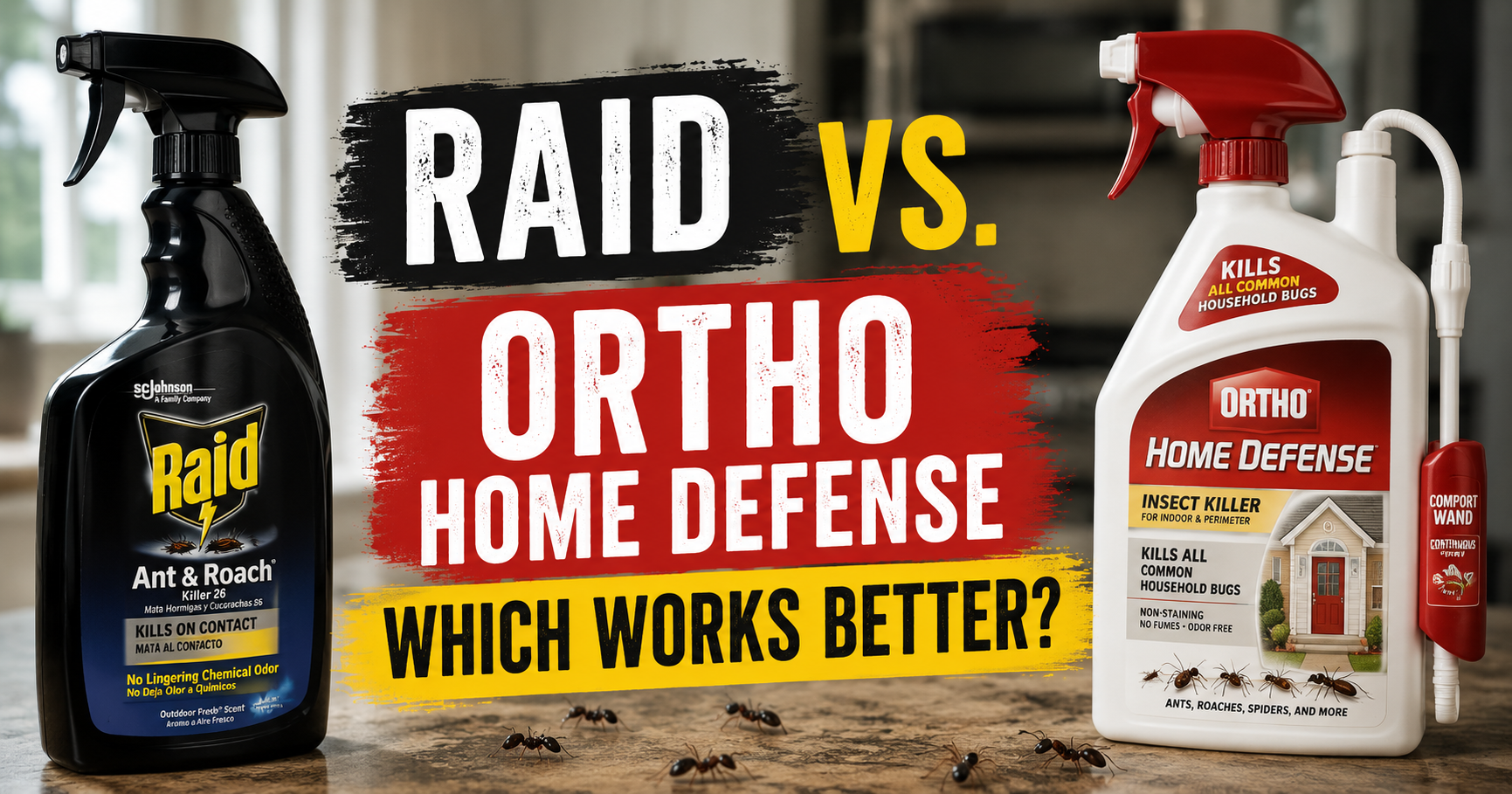
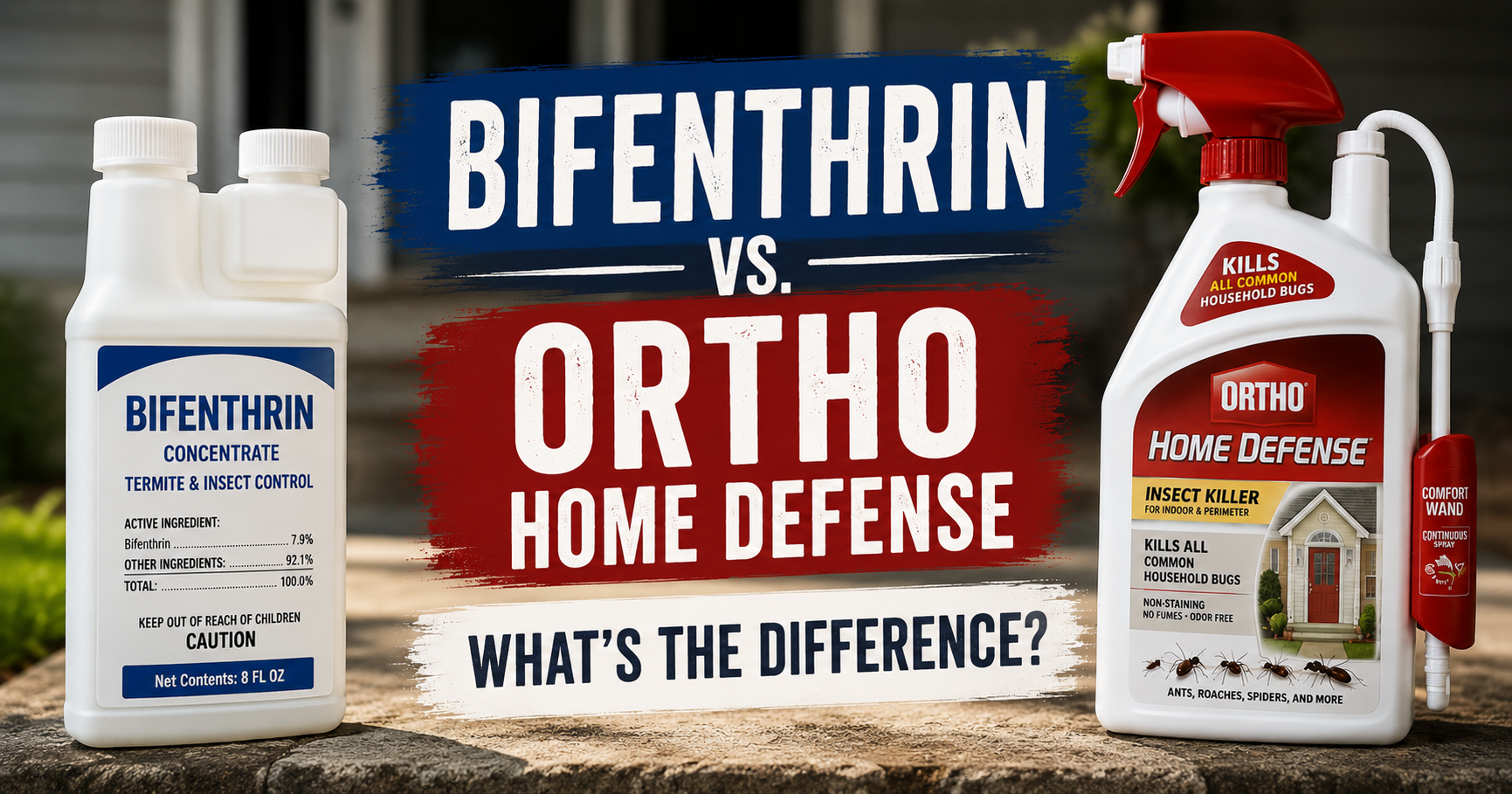
Usually not as a first step. It’s generally more effective to eliminate excess moisture, seal entry points, and monitor activity before considering insecticides. If earwigs continue appearing, focus on reducing the outdoor population and the conditions attracting them rather than repeatedly spraying indoors. When insecticide becomes necessary, the Raid versus Ortho for earwigs can help clarify whether direct treatment or perimeter prevention better fits the situation.
About the Author
Daniel Brooks is an urban entomology educator with more than 15 years of experience helping homeowners identify common household pests and understand why they’re invading their homes. He specializes in practical, science-backed prevention strategies and long-term pest control solutions that solve problems at their source.