
Few things are more frustrating than finally getting rid of a house full of flies only to see more buzzing around a day or two later.
You empty the trash.
You swat every fly you can find.
Maybe you even set out a trap.
Everything seems better…
Then somehow they’re back.
If that sounds familiar, you’re definitely not alone.
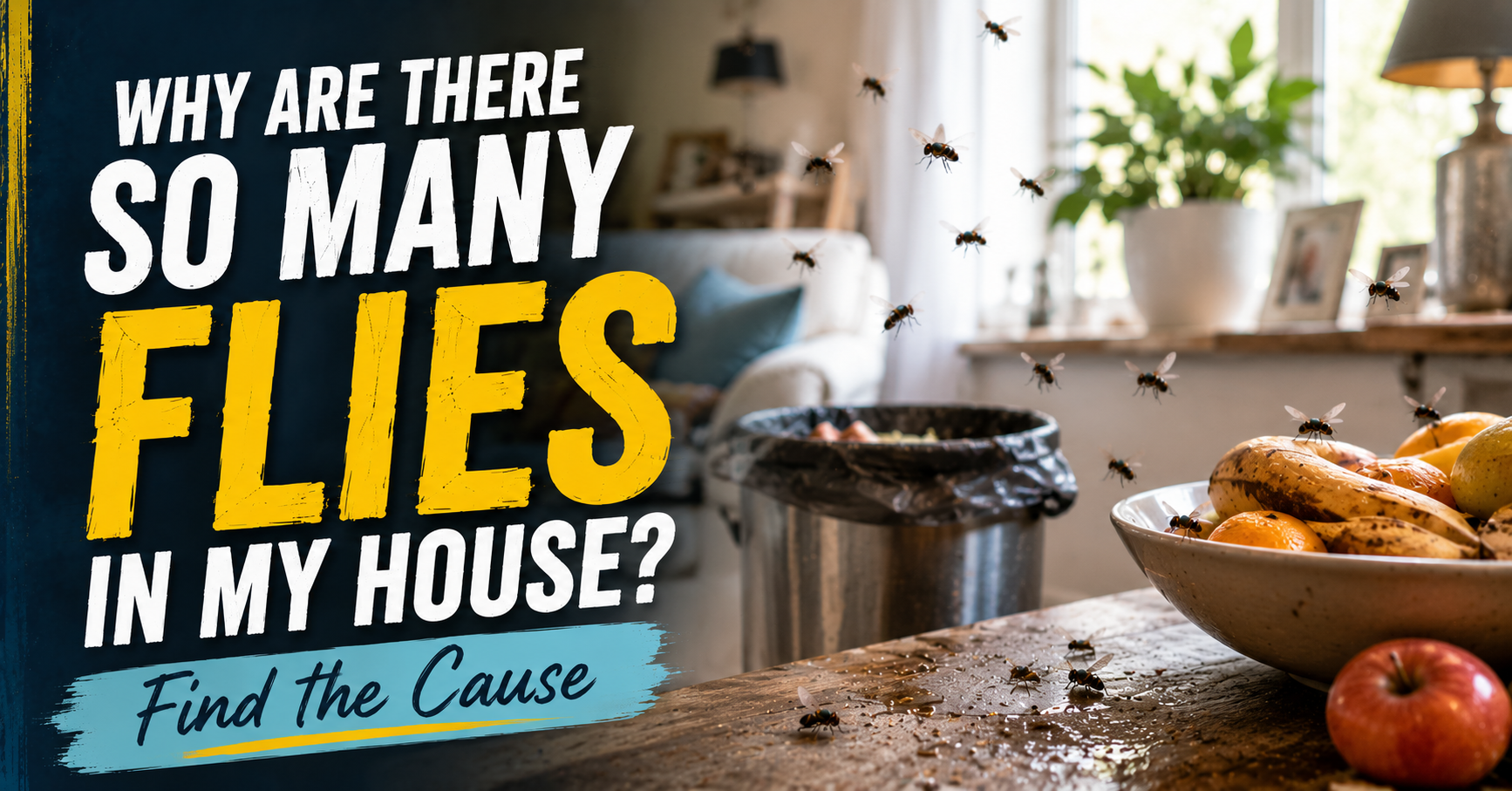
One thing I’ve learned is that flies almost never “come back” by accident. If you’re seeing new flies every few days or every week, something is continuing to attract them, give them a place to breed, or allow them to get back inside your home. A closer look at why house flies appear can help connect recurring activity with food, moisture, breeding material, or entry points.
The good news is that once you identify what’s keeping the cycle going, the problem usually becomes much easier to solve.

Killing the Flies Doesn’t Solve the Problem
This is probably the biggest misconception I see.
People think the flies they can see are the problem.
Most of the time, they aren’t.
They’re simply the result of another problem that’s happening somewhere nearby.
You can kill twenty flies today.
If the source is still there, another twenty may appear tomorrow.
That’s why I spend much more time looking for why the flies are there than trying to kill every one I see.

Start Looking for What’s Feeding Them
Flies don’t stay where they can’t survive.
If they continue returning, they’re almost certainly finding food, moisture, or a place to reproduce.
When I’m trying to solve a recurring fly problem, these are the first places I inspect.
Kitchen
- Garbage can
- Recycling bin
- Fruit bowl
- Potatoes and onions
- Pet food
- Dirty dishes
- Garbage disposal
Garage
- Trash containers
- Lawn equipment with grass clippings
- Pet food storage
- Recycling
Outside
- Compost piles
- Garbage cans
- Pet waste
- Animal pens
- Dead wildlife
- Rotting organic material
Sometimes one overlooked area explains everything.


Flies May Be Breeding Nearby
This is something many homeowners don’t think about.
You may kill every adult fly in the house today.
But if eggs or larvae are developing nearby, you’ll soon have another generation replacing them.
That’s why recurring fly problems often seem impossible to solve.
You’re removing today’s flies while tomorrow’s flies are already developing somewhere else.
Finding and eliminating the breeding source is almost always more effective than buying another spray.
Check Your Trash Can, Not Just the Trash Bag
Here’s something I learned years ago.
Taking the garbage out doesn’t necessarily remove what attracted the flies.
Food residue, spilled liquids, and grease often stick to the bottom or sides of the container itself.
I make it a habit to occasionally wash both indoor and outdoor trash cans with soap and water.
That simple step removes odors that continue attracting flies long after the garbage has been taken outside.
Your Window Screens Might Not Be Doing Their Job
Most homeowners think they’d notice if a window screen had a hole.
Honestly, many of the worst screens I’ve seen only had tiny tears.
A gap the size of your fingertip is more than enough for flies to get inside.

When I’m dealing with flies that seem to keep returning, I walk around the outside of the house and inspect every screen closely. A broader inspection of common fly entry points can reveal other gaps that keep restarting the problem.
I pay attention to:
- Small tears in the mesh.
- Loose screen frames.
- Corners pulling away.
- Bent frames that don’t seal tightly.
- Gaps around screen doors.
Repairing one damaged screen can sometimes stop dozens of future flies from getting inside.
Your Garage Could Be the Real Problem
The garage is another place I always check.
Many people leave the garage door open while mowing, unloading groceries, working on projects, or letting kids play outside.
During that time, flies have an open invitation.
Once they’re inside the garage, finding their way into the rest of the house is surprisingly easy.
If your garage contains garbage, recycling, pet food, or lawn equipment covered in grass clippings, you’re giving flies even more reasons to stick around.


Outdoor Fly Problems Don’t Stay Outdoors
One mistake I see quite a bit is homeowners focusing entirely on what they can see inside the house.
Meanwhile, the real problem is twenty feet away.
Walk around your property and ask yourself:
- Are garbage cans staying open?
- Is pet waste being picked up regularly?
- Is there a compost pile nearby?
- Are there animal pens or chicken coops?
- Is spilled bird seed attracting insects?
- Is there anything rotting that shouldn’t be?
If you reduce the fly population outside, you’ll usually notice far fewer flies finding their way indoors.

When outdoor flies become overwhelming, I’d much rather deal with them before they reach the house. That’s exactly why I like the RESCUE! Outdoor Disposable Fly Trap. Placed away from patios and entry doors, it helps reduce large outdoor fly populations before they become an indoor problem.
You’re Probably Using the Wrong Trap
Not every fly trap is designed for every situation.
This is where I think a lot of frustration comes from.
I’ve seen people hang fly strips in their kitchen when a window trap would work much better.
I’ve also seen homeowners try to control a heavy outdoor fly problem with a small indoor plug-in trap.
The products aren’t bad.
They’re just being used in the wrong place.
That’s why I recommend matching the trap to the problem instead of buying whatever happens to be on the shelf.

If you’re still trying to decide which product fits your situation, I compared all of my favorites in Best Fly Traps That Actually Work for Every Situation.
Seasonal Changes Can Make It Feel Like Nothing Is Working
Every year, I notice people become discouraged during late spring and summer.
They’ll say something like:
“I got rid of the flies last month, but now they’re back again.”
Sometimes that’s simply because outdoor fly populations have exploded.
Warmer temperatures speed up their life cycle, increase breeding activity, and put far more flies around your home than there were just a few weeks earlier.
That doesn’t necessarily mean your previous efforts failed.
It may simply mean you’re dealing with a much larger population than before.
Don’t Forget to Clean the Trap Areas
Here’s something that often gets overlooked.
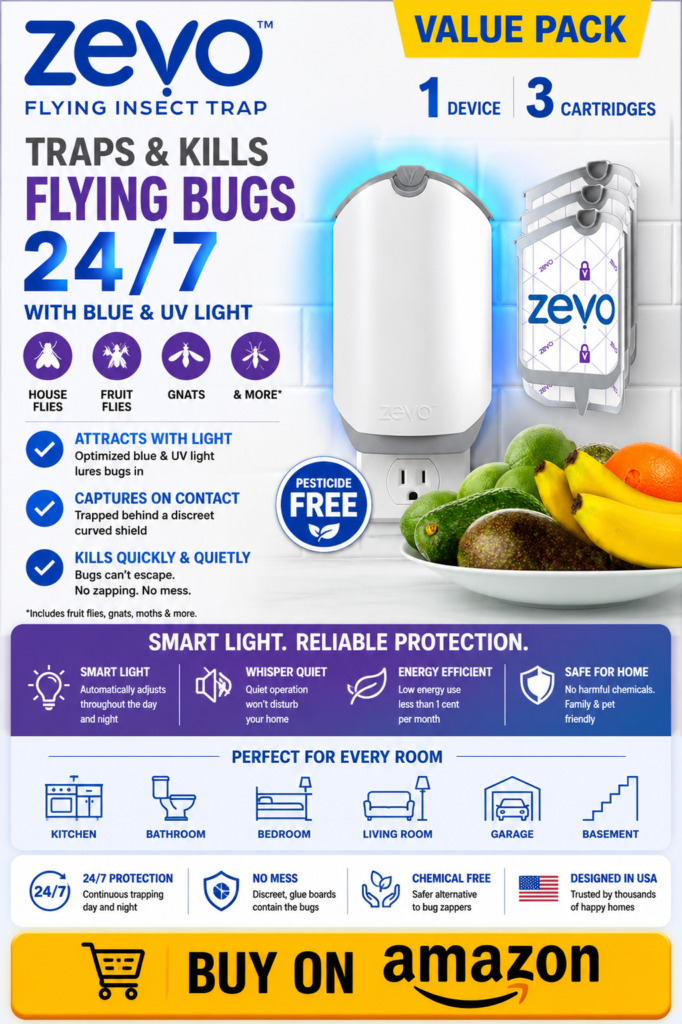
If you’re using sticky traps, plug-in traps, or window traps, don’t ignore the area around them. For indoor areas where flying insects remain active, flying insect traps can fit the trap-based approach described here.
Dead insects, dust, and grime can build up over time.
I like replacing sticky surfaces before they’re completely full and wiping down the surrounding area occasionally.
A clean trap generally performs much better than one that’s been hanging in the same place for months.
What I Would Do If Flies Kept Returning
If I had a fly problem that just wouldn’t go away, I’d slow down and work through it one step at a time instead of trying random products.
I’d inspect the kitchen first.
Then the garage.
Then every window screen and exterior door.
After that, I’d walk the property looking for outdoor breeding areas.
Only once I understood where the flies were coming from would I decide which trap belonged where.
That process takes a little more time upfront, but it almost always saves time, money, and frustration in the long run.
You Can Break the Cycle
The good news is that recurring fly problems are usually fixable.
The key is understanding that every fly you see has a reason for being there.
Once you remove the food source, eliminate breeding areas, repair entry points, and use the right traps in the right places, you’ll usually notice the number of flies dropping week after week instead of coming right back.
For more identification guides, product reviews, and practical advice, be sure to explore our growing Flies category.
Frequently Asked Questions
Why do flies keep coming back after I kill them?
Because killing adult flies doesn’t remove the reason they’re there. If food sources, breeding areas, or entry points remain, new flies will continue appearing.
Can flies breed inside my house?
Yes. Depending on the species, flies may lay eggs in garbage, rotting food, organic debris, or other suitable materials inside or around your home.
Why do I keep getting flies even after taking out the trash?

The trash can itself may still contain food residue or odors that attract flies. Outdoor breeding sources, damaged screens, or nearby compost can also keep bringing new flies to your home. For a more targeted inspection of kitchen attractants, see fruit fly breeding sources.
What’s the fastest way to stop flies from coming back?
Identify and eliminate what’s attracting them first, then use the appropriate fly trap for the area where they’re most active. Long-term control almost always starts with removing the source.
Should I worry if flies keep returning every week?

Recurring flies usually indicate an ongoing source rather than a one-time event. It’s worth inspecting your home and property carefully to identify why they continue returning before the problem grows larger. That inspection becomes easier when you know the common house fly breeding sources that commonly sustain an infestation.
About the Author
Mark Sullivan has spent years maintaining homes, garages, barns, and rural properties while solving everyday pest problems. He enjoys sharing practical, experience-based advice that helps homeowners identify the real source of pest problems instead of simply treating the symptoms.