
Finding flies in your bathroom can be confusing.
There’s no fruit bowl.
No kitchen trash.
No dinner sitting on the counter.
So why would flies choose one of the cleanest rooms in the house?
I’ve found that bathroom fly problems are often misunderstood because homeowners assume every fly is an ordinary house fly.
Sometimes that’s true.
Many times it isn’t.
Bathrooms provide something every flying insect needs.
Moisture.
Whether it’s a tiny plumbing leak, a damp floor drain, standing water, or simply a humid room after a hot shower, moisture creates conditions that many flying insects find attractive.
That’s why the first thing I do isn’t grab a fly swatter.
I start looking for what the bathroom is providing that other rooms aren’t.
First, Make Sure They’re Actually Flies
Before trying to solve the problem, take a close look at the insect.
This is more important in a bathroom than almost anywhere else in the house.
Many homeowners call every small flying insect a fly, but several different species can end up in bathrooms.
For example:
- House flies
- Drain flies
- Fungus gnats
- Fruit flies that wandered from another room
Each one has different habits and different breeding areas.
Spending a minute identifying the insect can save you hours of frustration later.

Check Every Drain
Whenever someone tells me they have flies in the bathroom, this is where I start.
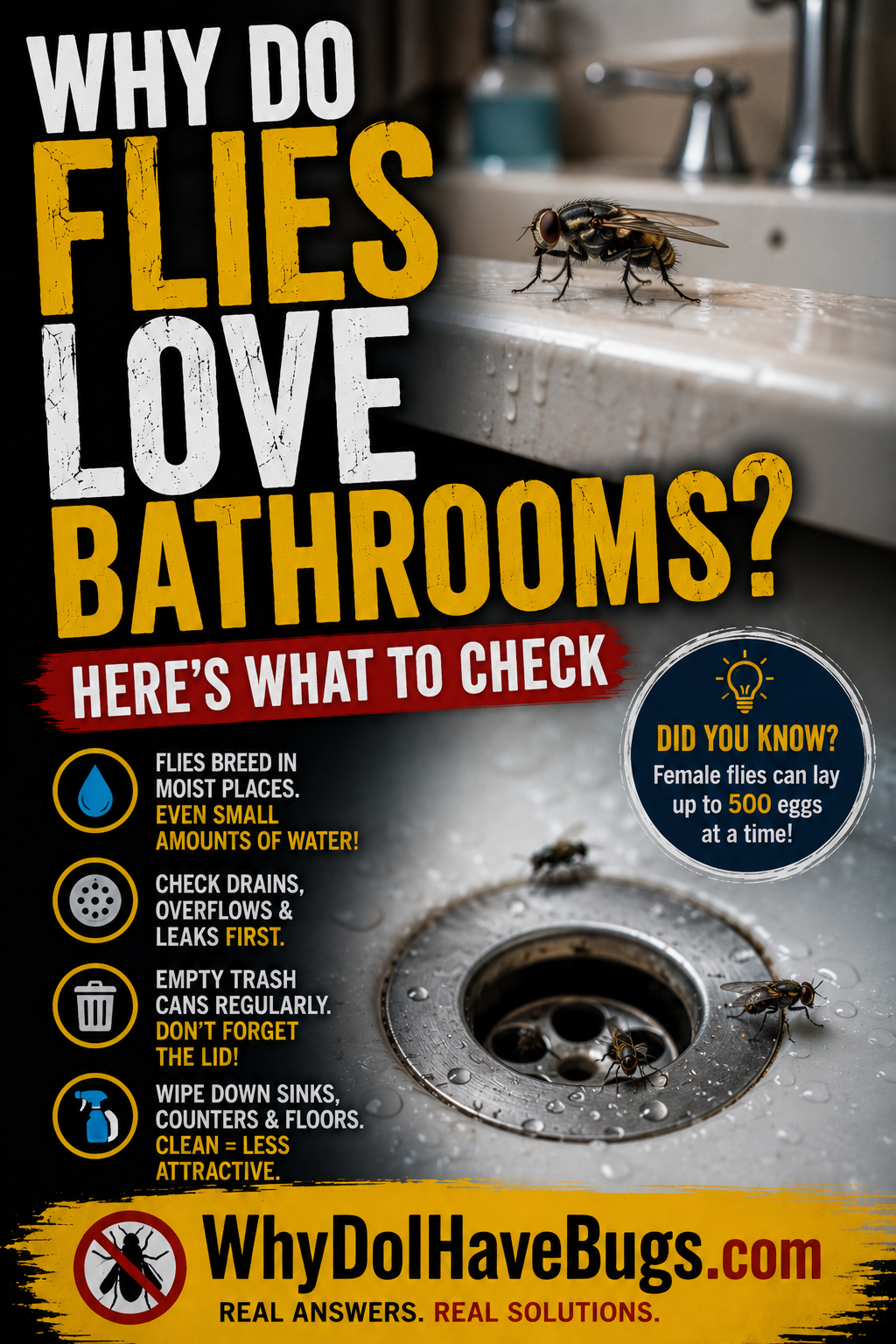
Bathroom drains collect far more than water.
Over time they can accumulate:
- Hair
- Soap residue
- Toothpaste
- Skin oils
- Organic buildup
That material can create ideal conditions for certain species, especially drain flies.
Even if the drain looks perfectly clean from above, buildup farther down the pipe can still become a problem.



Look Under the Sink
This is another place people rarely inspect.
Open the cabinet doors and use a flashlight.
I’d look for:
- Slow plumbing leaks.
- Damp wood.
- Mold.
- Standing water.
- Water stains.
- Wet cleaning supplies.
Even a very small leak can keep the area damp enough to attract insects over time.
Don’t Ignore Bathroom Trash
Bathroom trash cans usually don’t contain food.
That doesn’t mean flies ignore them.
Tissues.
Cotton swabs.
Personal care products.
Anything with organic residue can eventually become attractive to certain insects if it sits long enough.
Emptying the trash regularly and wiping down the inside of the container is a simple habit that helps eliminate another possible attraction.


Moisture Is Often the Real Attraction
Bathrooms naturally stay more humid than most rooms in the house.
Hot showers.
Baths.
Wet towels.
Leaky faucets.
Condensation on pipes.
None of these automatically cause a fly problem, but together they create an environment that’s much more appealing to certain insects than a dry room.
If I notice flies repeatedly showing up in a bathroom, I pay close attention to where moisture tends to linger.
Sometimes simply improving ventilation or fixing a slow leak makes a noticeable difference over the next couple of weeks.
Check Around the Toilet
It may sound strange, but I always inspect the area around the toilet.
I’m not talking about the toilet itself.
I’m looking for hidden moisture.
Things like:
- A leaking wax ring.
- Water collecting around the base.
- Condensation from the tank.
- Damp flooring.
Those issues don’t always attract ordinary house flies, but they can contribute to conditions that other flying insects enjoy.
Houseplants Can Surprise You
If you keep plants in your bathroom, don’t overlook them.
Bathrooms often provide great humidity for tropical plants.
Unfortunately, overly wet potting soil can also attract fungus gnats.
I’ve seen homeowners blame bathroom drains when the real problem was a houseplant sitting beside the window.
Take a close look at the soil before assuming the insects are coming from your plumbing.
Bathroom Windows Can Become Fly Magnets
If flies are spending most of their time on the bathroom window instead of around the sink or drain, that tells me something important.
They’re probably trying to get outside.
Flies naturally move toward light once they’re trapped indoors.
That’s why I like watching where they gather before trying to solve the problem.

If they’re constantly crawling across the glass, I’d read my guide on Why Are Flies on My Windows? Here’s What It Means because it explains why this happens and what it usually tells you about the source of the infestation.


One Mistake I See All the Time
A lot of homeowners immediately pour chemicals down every drain.
Sometimes that’s necessary.
Many times it isn’t.
If the insects are ordinary house flies that simply wandered into the bathroom, treating the drains won’t accomplish much.

That’s why I always recommend identifying the insect first instead of assuming every bathroom fly is a drain fly. Use this guide to identify small flying insects when a bathroom visitor may actually be a fruit fly rather than a drain fly.
It saves time, money, and a lot of unnecessary frustration.
My Step-by-Step Bathroom Inspection
If flies kept appearing in my bathroom, here’s exactly how I’d approach it.
First, I’d identify the insect as closely as possible.
Next, I’d inspect every drain for buildup.
Then I’d check under the sink for plumbing leaks and moisture.
After that, I’d look around the toilet, bathtub, shower, and any bathroom windows where flies seem to gather.
Finally, I’d inspect any houseplants, trash cans, and nearby rooms to make sure the bathroom isn’t simply where the flies happen to end up.
Working through the room in that order usually reveals the problem much faster than randomly trying different products.

The Best Fly Trap for a Bathroom
Bathrooms are usually smaller than kitchens or garages, so I prefer products that stay out of the way.

If flies are gathering on the bathroom window, clear window traps are often the simplest solution because they catch flies exactly where they’re already landing.
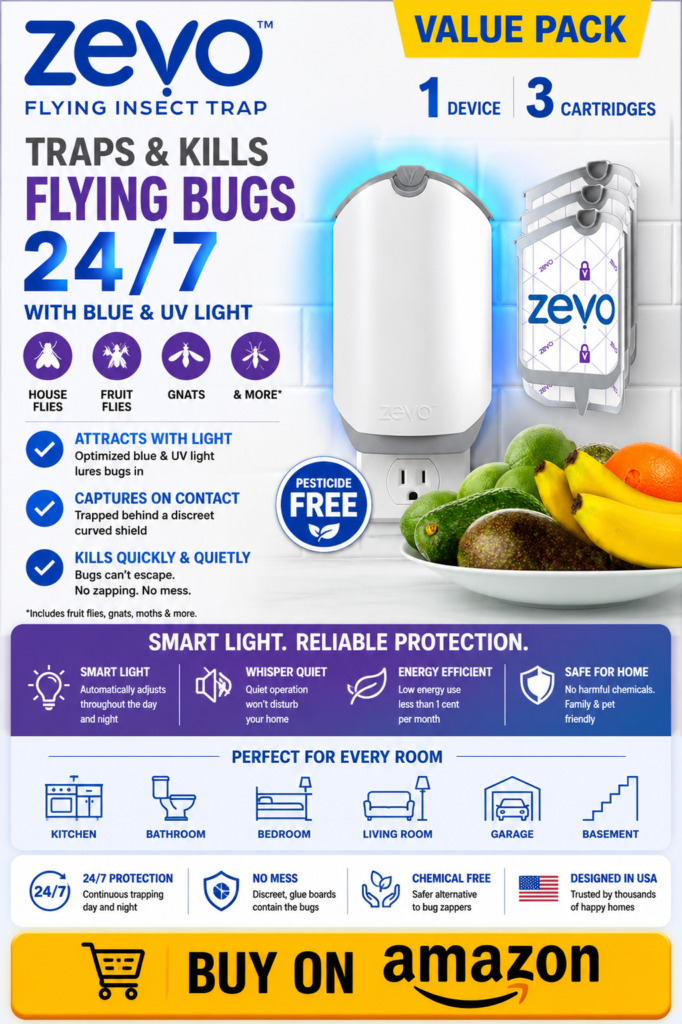
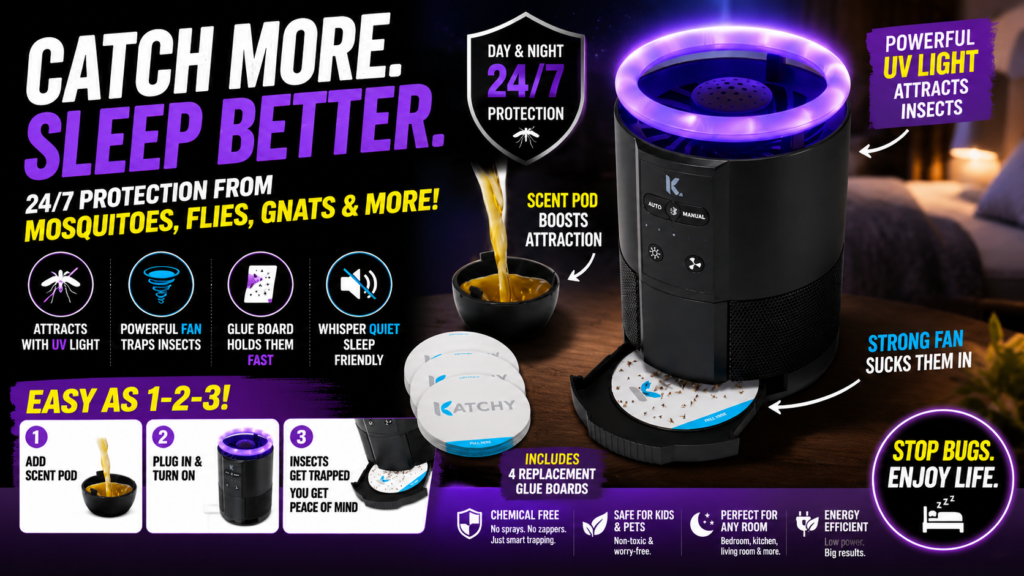
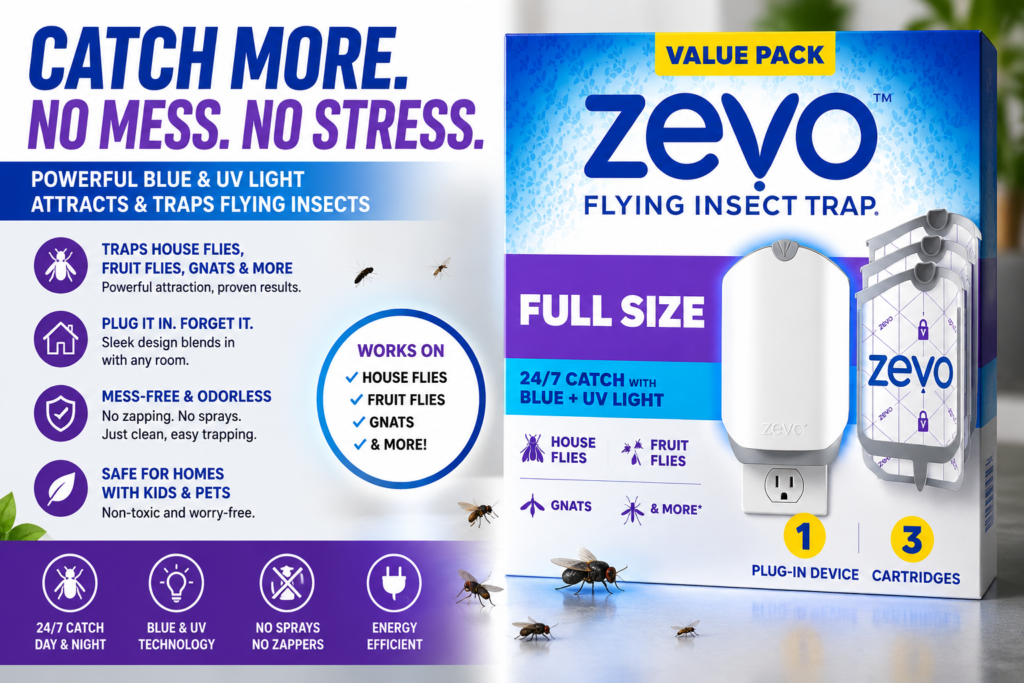
If flies are moving throughout the room instead of staying on the glass, I’d usually lean toward a discreet plug-in trap rather than hanging sticky strips in a bathroom.

If you’re still deciding what makes the most sense, I compared my favorite products in Best Fly Traps That Actually Work for Every Situation to help match the right trap to the room.
Don’t Ignore a Problem That Keeps Coming Back
Finding one fly in the bathroom once in a while usually isn’t a reason to panic.
Seeing flies there every single week is different.
Recurring activity often means something is continuously attracting them.
The sooner you identify what’s causing it, the easier it becomes to stop the problem before it spreads to other parts of your home.
For more identification guides, product reviews, and practical advice, visit our growing Flies category.
Frequently Asked Questions
Why do flies keep showing up in my bathroom?
Bathrooms provide moisture, warmth, and sometimes organic buildup in drains or plumbing fixtures. Depending on the species, those conditions can attract flies or other small flying insects.
Are bathroom flies always drain flies?

No. While drain flies are common in bathrooms, house flies, fungus gnats, and even fruit flies can also end up there. Identifying the insect is the first step toward solving the problem. A species-by-species overview of the flies found in your home can make that first identification step easier.
Can a bathroom drain attract flies?
Yes. Organic buildup inside drains can provide ideal breeding conditions for drain flies and other moisture-loving insects.
Why are flies on my bathroom window?
They’re usually trying to get back outside. Flies naturally move toward light after becoming trapped indoors, which is why they often gather on windows.
What’s the best way to get rid of flies in a bathroom?
Start by identifying the insect, cleaning drains, fixing moisture problems, checking for plumbing leaks, and then choosing the right trap based on where the flies are spending most of their time.
About the Author
Mark Sullivan has spent years maintaining homes and rural properties while solving everyday pest problems. He enjoys helping homeowners understand why pests appear in specific rooms and sharing practical solutions that work in the real world.