When bugs suddenly start appearing inside in the fall, it can feel like your house has developed a pest problem overnight. You see them by windows, on sunny walls, in light fixtures, near attic doors, or crawling out of places that seemed sealed all summer.
In many cases, they are not coming inside because your house is dirty or because they are setting up an infestation. They are trying to find a protected place to wait out winter. Homes give them exactly what they need: cracks, warmth, dry shelter, and dark spaces that stay relatively protected from wind and freezing temperatures.
That does not mean you have to put up with them. The key is figuring out whether you are seeing seasonal overwintering bugs, insects coming in through an opening, or a true indoor pest problem that needs a different response.
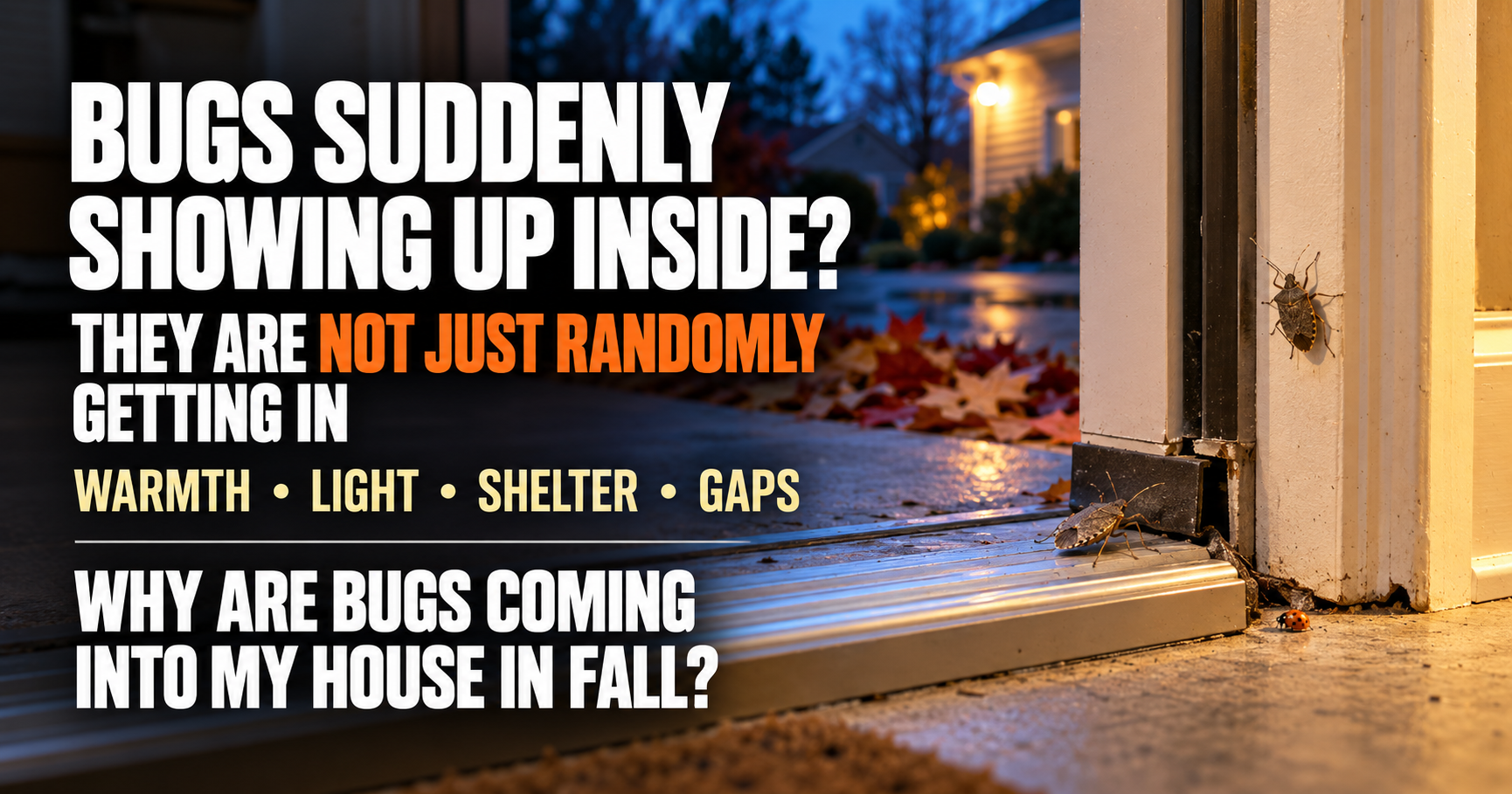
Why Are Bugs Coming Into My House in the Fall?
Most fall bugs come indoors for shelter, not food.
As temperatures begin dropping, many outdoor insects stop looking for leaves, garden plants, and other insects to eat. Their priority changes to finding a dry, protected spot where they can survive winter. Cracks behind siding, wall voids, attic spaces, window frames, and gaps around doors can all look like a safe hiding place.
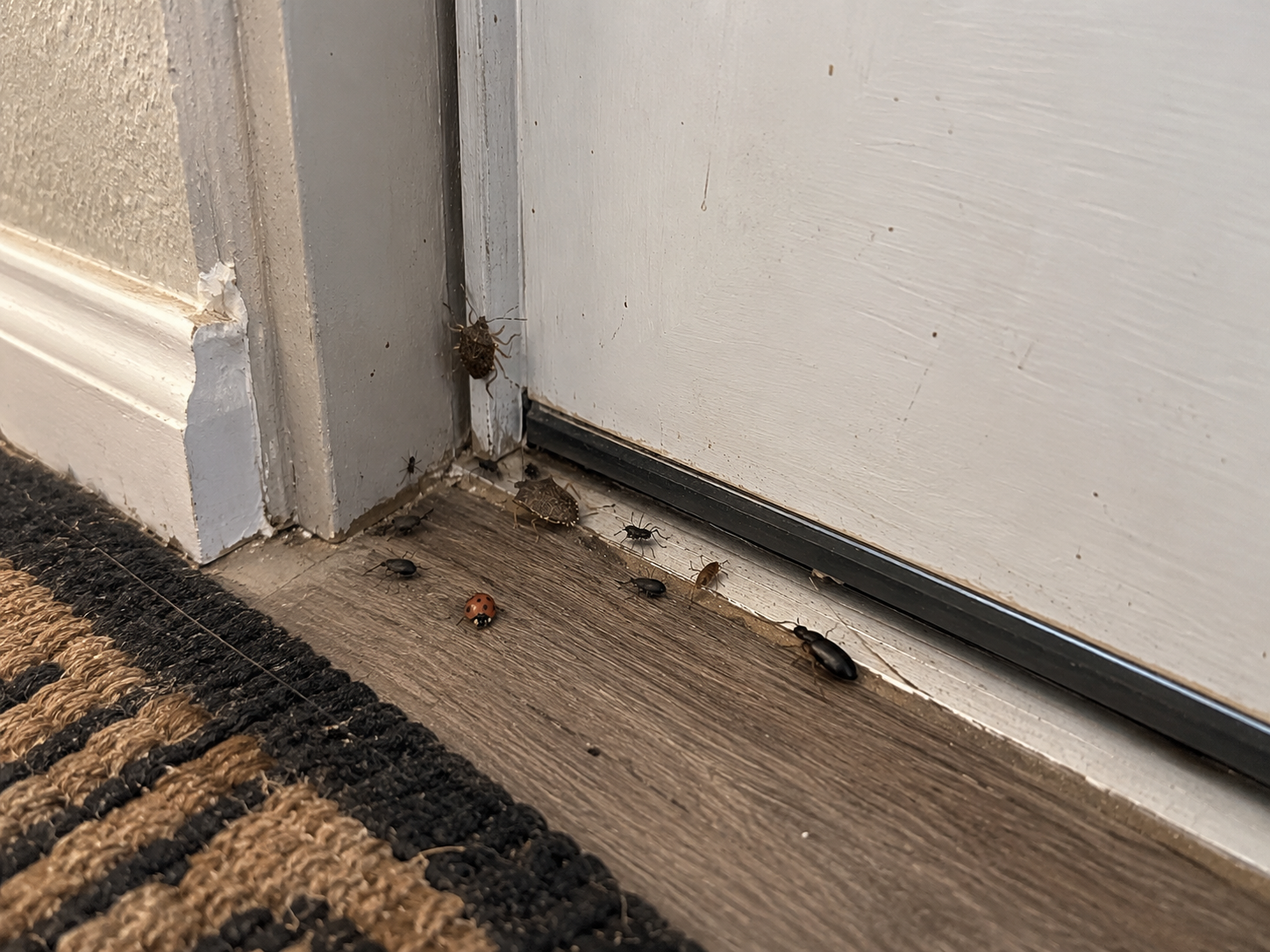
Some insects remain tucked away until spring. Others become active during a warm afternoon and accidentally find their way into living areas. That is why people sometimes see a few bugs in October, then several more around sunny windows during a warm spell in January or February.
Stink bugs, boxelder bugs, Asian lady beetles, cluster flies, and western conifer seed bugs are common fall home invaders. Spiders, crickets, and house centipedes may also become more noticeable, but they do not all come inside for the same reason.


They Are Looking for a Place to Overwinter
“Overwintering” simply means surviving the cold season.
A wall void, attic, garage, crawl space, or gap around a window can stay much warmer and drier than the outdoors. Bugs do not need to be in your kitchen or bedroom to benefit from that shelter. Many enter a crack outside the house and spend weeks or months hidden inside a wall.
The trouble starts when indoor heat, sunlight, or a stretch of mild weather wakes them up. They follow light or warmth and end up on a window, ceiling, or wall where you finally notice them.
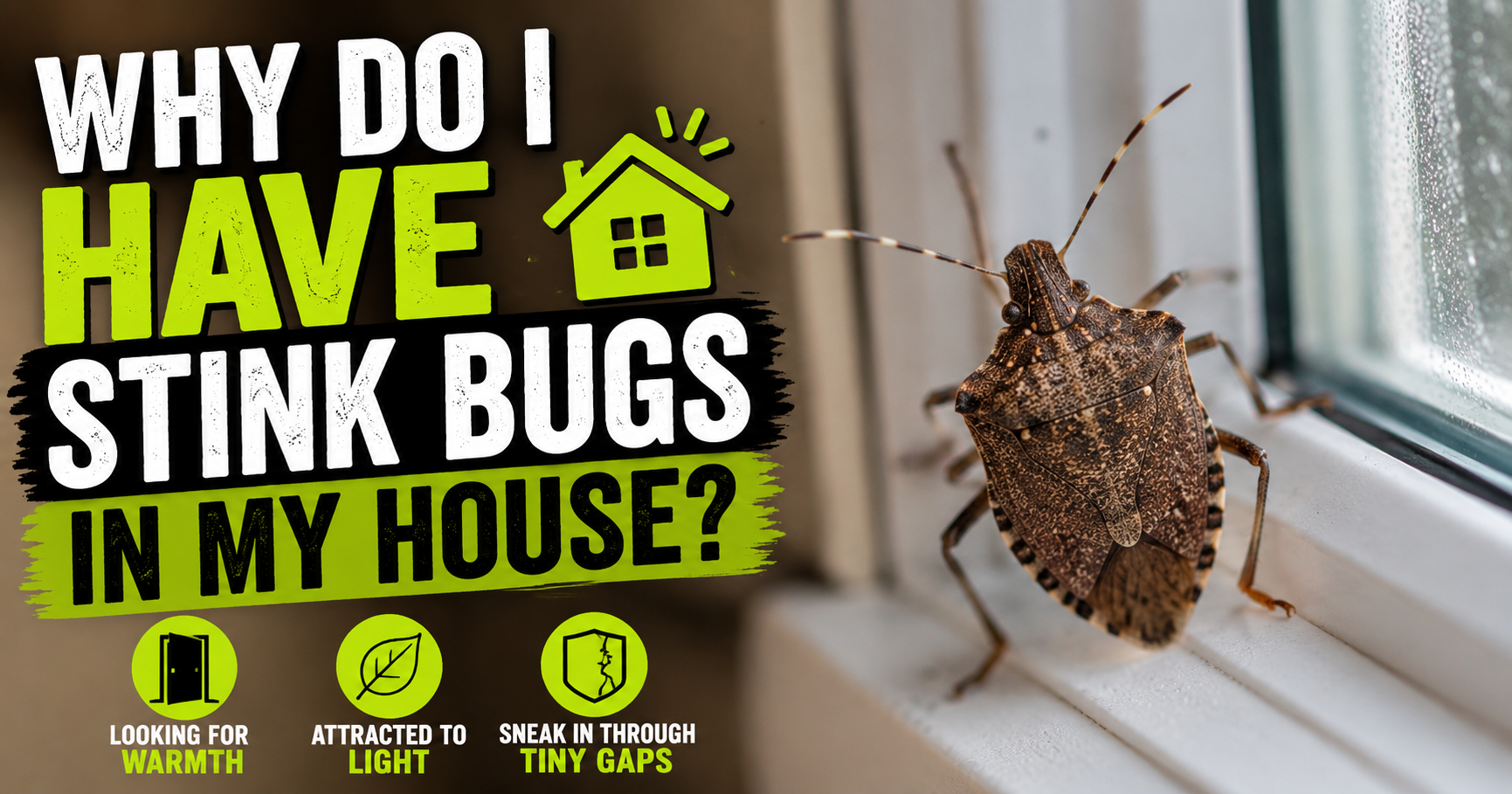
This is especially common with stink bugs. If you are seeing brown, shield-shaped insects near windows or exterior doors, use this guide to why stink bugs get into houses to make sure that is what you are dealing with.


Small Gaps Become Easy Entry Points
A bug does not need a big open door to get inside. A gap around a cable line, loose screen corner, worn door sweep, or tiny crack near a window can be enough.
Common entry points include:
- Gaps around window frames and screens.
- Weatherstripping that has flattened, cracked, or pulled loose.
- Space beneath exterior doors.
- Openings where plumbing, electrical, cable, or HVAC lines enter the house.
- Cracks around siding, trim, soffits, and foundation areas.
- Unscreened attic, gable, bathroom, or dryer vents.
- Garage-door seals that no longer sit flush against the floor.
Fall home invaders are often drawn to the sunny side of a house first. After gathering there, they start exploring every seam, opening, and loose edge they can find.
Warm Walls and Sunlight Attract Them
If bugs are clustered on one exterior wall, especially a south-facing or west-facing wall, warmth is probably part of the reason.
Sun-warmed siding can make a house stand out on a cool fall day. Bugs land there, rest there, and eventually work their way toward cracks and sheltered edges. Light-colored exterior walls can also make a home more noticeable to some species.
That does not mean you need to repaint your house or live in the dark. It means prevention works best before the insects reach the wall gaps. Once dozens or hundreds have already slipped into wall spaces, spraying the inside of the house usually does not solve the real problem.

Exterior Lights Bring Food and Predators Closer
Porch lights and garage lights can attract moths, flies, beetles, and other insects at night. That activity may bring spiders, praying mantises, and other predators closer to doors and windows too.
The light itself does not create an infestation. It simply puts more insects near the places where they may find an opening.
If bugs seem worst around one door, garage, or porch, look at what happens there after dark. Switching off an unnecessary light, moving a decorative light away from the doorway, or using a warmer-colored bulb can reduce the nightly gathering.
Fall Landscaping Can Give Bugs a Route to the House
Plants growing directly against siding create shade, moisture, and cover. Branches that touch the house can also give insects an easier path to windows, rooflines, and vents.
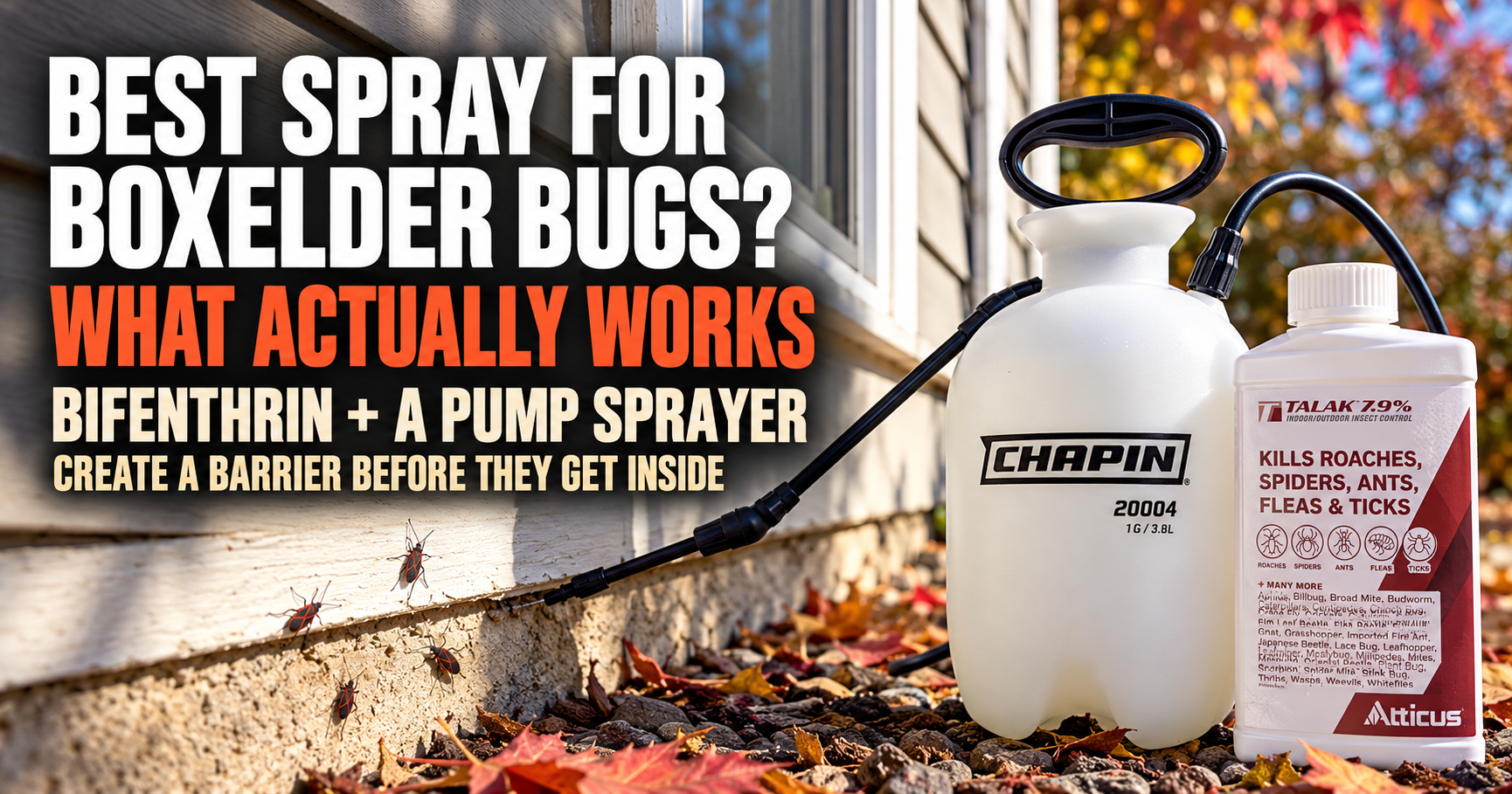
Leaf piles, firewood stacks, thick mulch, decorative stone, and clutter beside the foundation do not always cause bugs to enter. They can, however, give bugs a place to gather close to the house before they search for a way inside.
Keep shrubs trimmed back so there is some open space between foliage and siding. Move firewood away from the house if possible, and avoid letting fallen leaves build up against doors, basement windows, or the foundation.

Some Fall Bugs Accidentally Wander In
Not every bug you see in fall is deliberately trying to spend winter in your walls.
Crickets may come in through an open door while following warmth or light. Spiders may enter while searching for prey. Flies can come from outdoor trash, pet waste, nearby livestock areas, or decaying material before finding an opening. Ants may still be active during warm fall weather if they find food or moisture indoors.
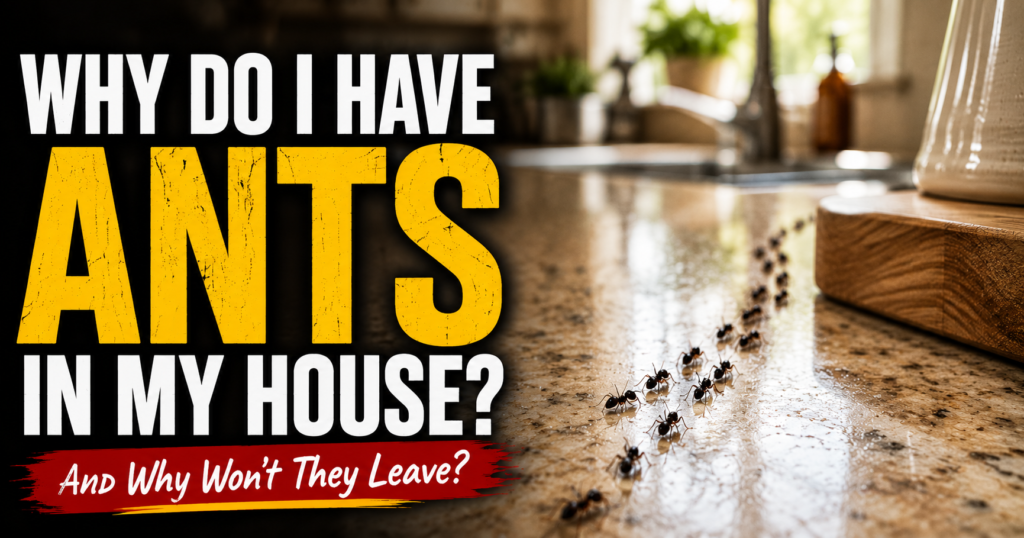
If you are seeing ants instead of larger seasonal invaders, this guide to why ants suddenly show up indoors will help you narrow down whether food, water, weather, or an entry point is driving the problem.
Why Bugs Show Up at Windows in Fall and Winter
Windows are where many overwintering insects become visible first.
A bug hidden inside a wall follows the brightest and warmest direction it can find. On a sunny day, that often leads directly to a window. The insect is not necessarily entering through that particular window. It may have come in through siding, a roofline gap, a vent, or a completely different exterior opening weeks earlier.
This is why sealing a window after bugs are already inside a wall does not always stop the current round of sightings. It can still help prevent future entry, but insects already in the structure may emerge until the season changes.
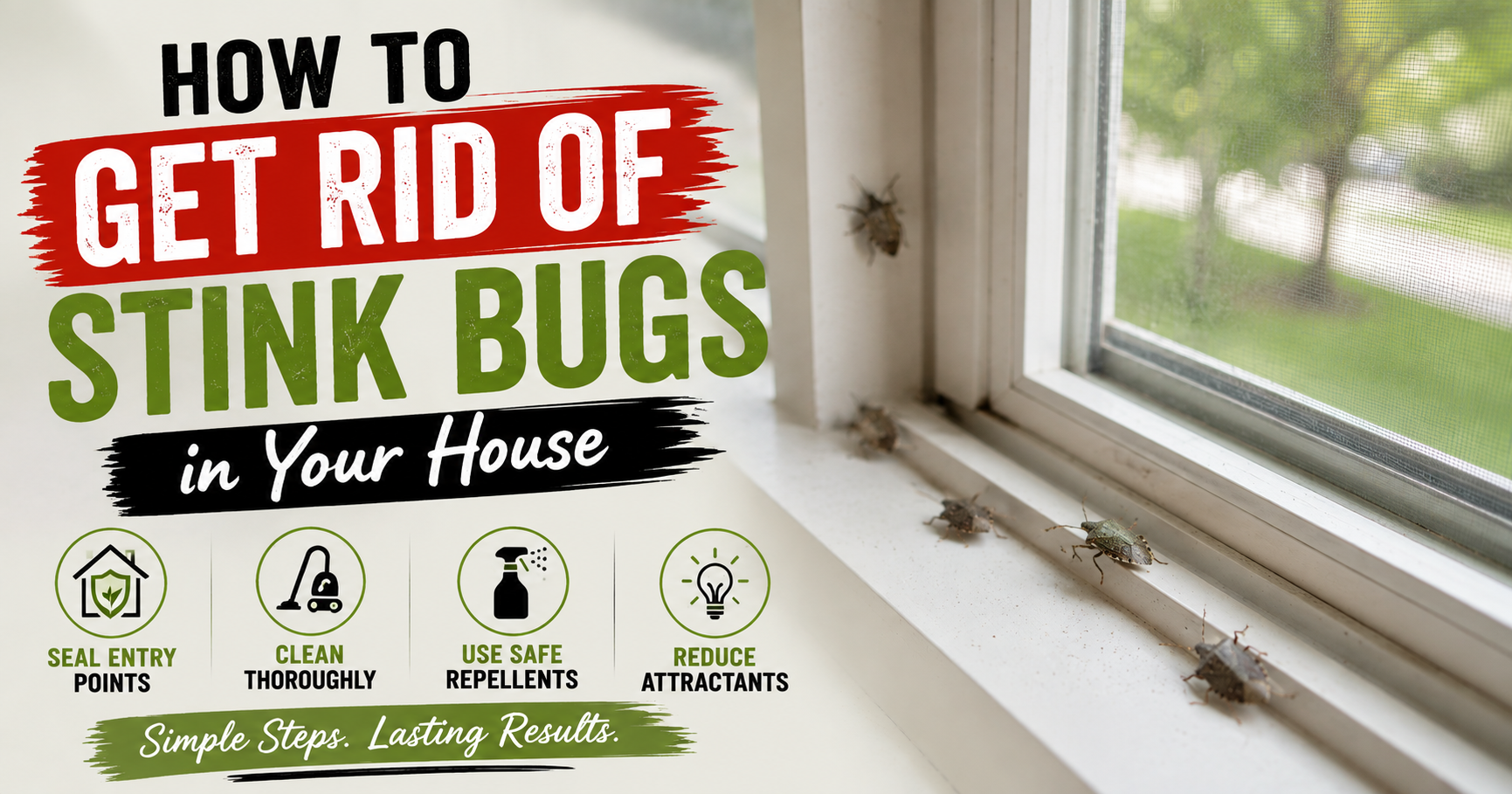
A vacuum is usually the simplest way to remove a few bugs from a window area. With stink bugs, avoid crushing them if you can because their odor may linger. For a bigger indoor stink bug problem, see how to get stink bugs out of your house.


Which Bugs Commonly Come Inside in the Fall?
The answer depends on where you live, but these are some of the usual fall visitors.
Stink Bugs
Brown marmorated stink bugs are one of the most recognizable fall invaders. They are shield-shaped, mottled brown, and often gather on sunny exterior walls before finding gaps around windows, siding, or rooflines.
They are a nuisance indoors, but they do not reproduce inside homes or chew through the structure. Their smell when crushed is the main reason people want them gone quickly.
Boxelder Bugs
Boxelder bugs are black with thin red or orange markings. They may gather in large numbers on warm walls in fall, especially around homes near boxelder, maple, or ash trees.
They are annoying but generally do not damage the house. Their waste can leave marks on light-colored surfaces, so it is better to remove them gently rather than smash them.
Asian Lady Beetles
Asian lady beetles look similar to ladybugs, but they often gather in large groups around homes in fall. They may be orange, yellow, red, or tan, with different numbers of black spots.
They can release a yellowish defensive fluid that may stain walls, curtains, or fabrics. They are another reason vacuuming carefully is usually better than crushing insects on a wall.
Cluster Flies
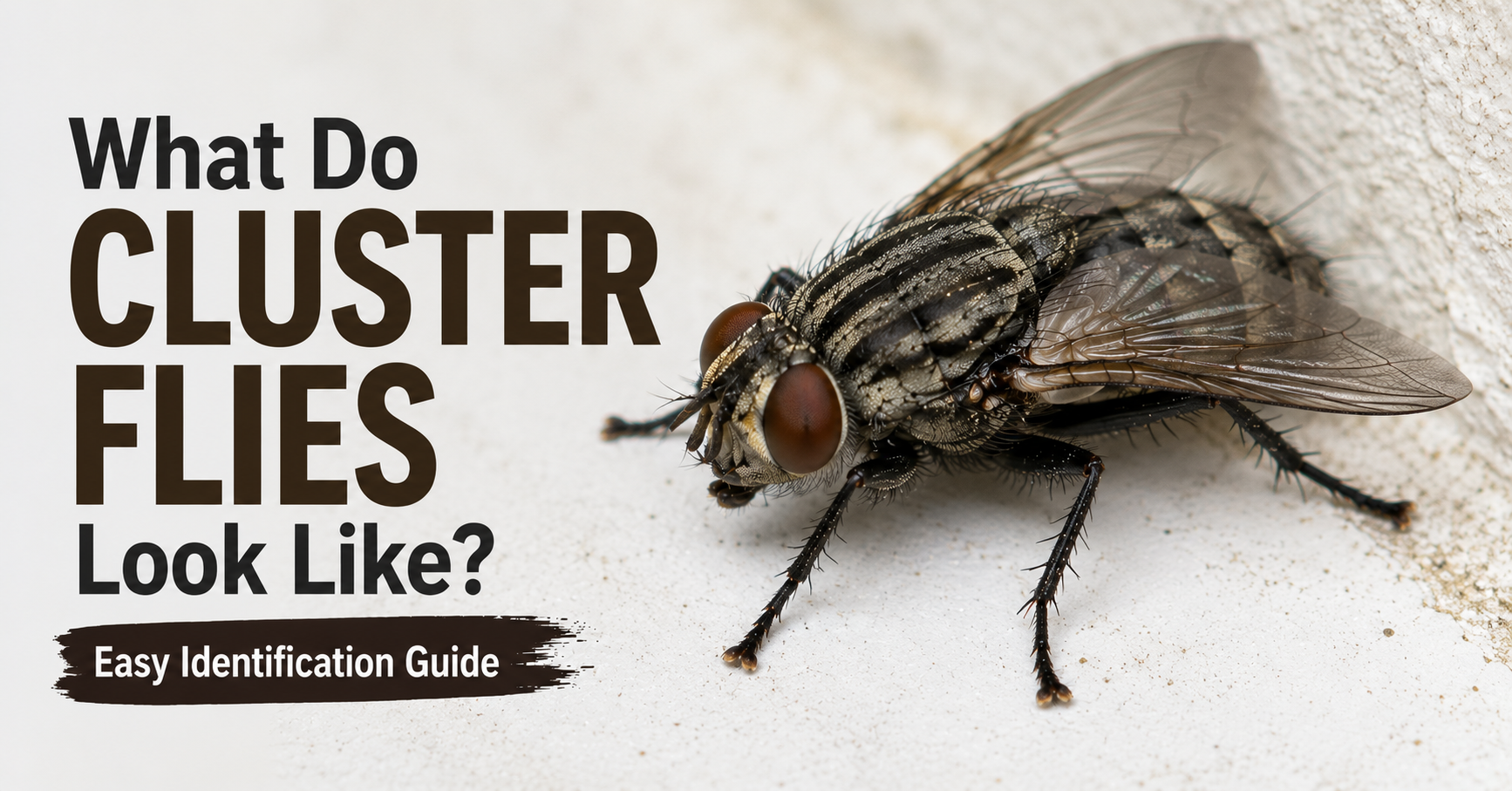
Cluster flies often appear around sunny windows during fall, winter, or early spring. They are slightly larger and slower than typical house flies, and they tend to rest together.
Unlike house flies, cluster flies do not usually mean there is rotting food or garbage inside your home. They often entered the structure earlier in the fall to overwinter.
Western Conifer Seed Bugs
Western conifer seed bugs are often mistaken for stink bugs because they are brown, long-legged, and show up indoors in fall. They can make a buzzing sound when they fly and are often found one at a time rather than in huge groups.
They are not dangerous, but they can look alarming if you have never seen one before.
Spiders and House Centipedes
Spiders and house centipedes are different from many fall invaders because they may be inside hunting other bugs. Finding one does not automatically mean you have an infestation, but repeated sightings can point to moisture, clutter, or a steady supply of insect prey.
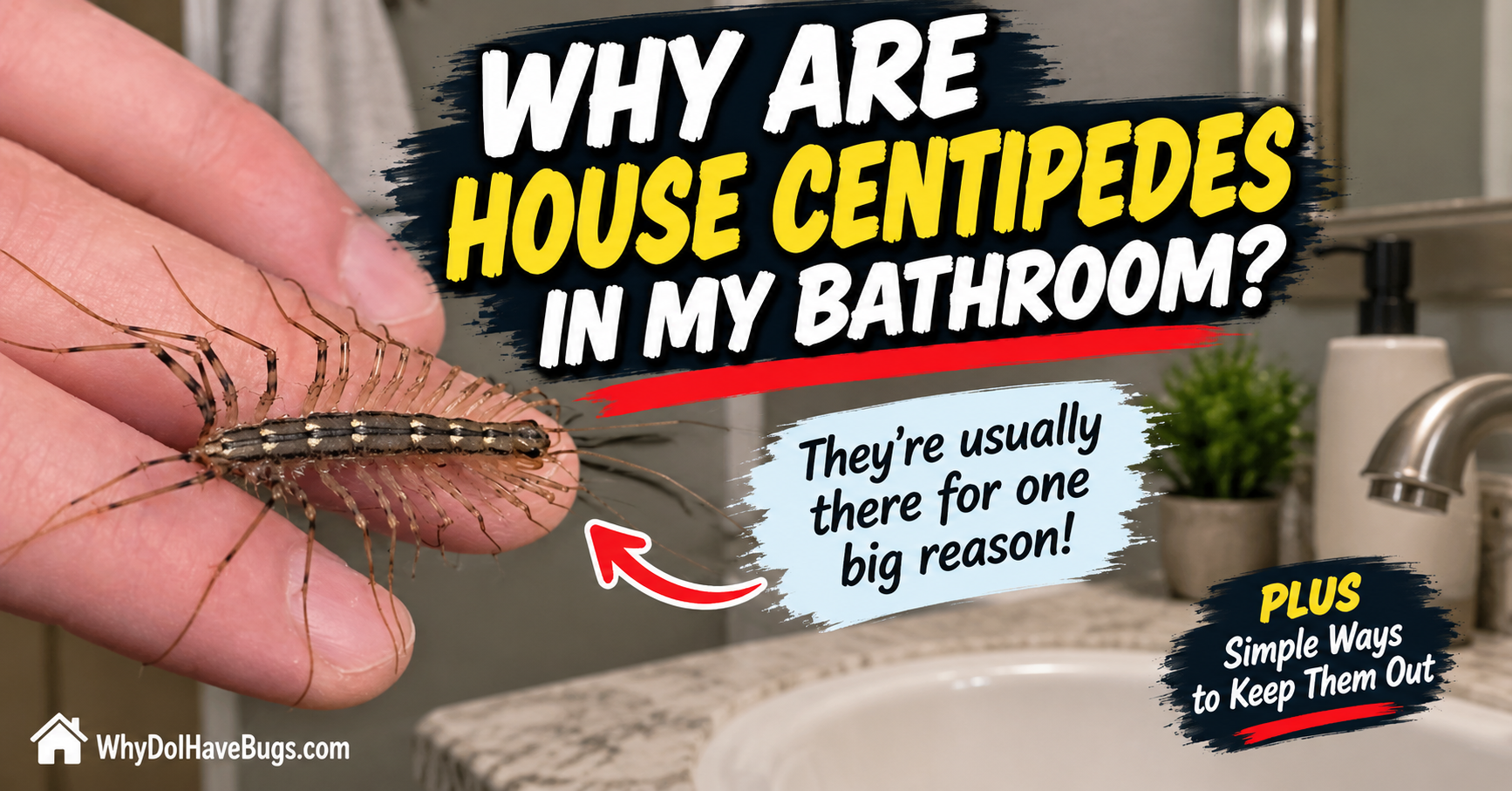
If the sightings are mostly in bathrooms, basements, or damp lower rooms, this guide to why house centipedes show up in bathrooms can help you check the right conditions.
Does Seeing Fall Bugs Mean You Have an Infestation?
Usually, no.
A few stink bugs, lady beetles, cluster flies, or boxelder bugs in fall are often seasonal invaders that found a route into the structure. They are not necessarily breeding in the house.
The situation deserves more attention when you are seeing large numbers every day, finding insects in several rooms, or noticing clues that point to a pest living and reproducing indoors.
Watch for signs such as:
- Bugs seen regularly in kitchens, pantries, bedrooms, or bathrooms rather than mostly around windows.
- Small insects, shed skins, droppings, egg cases, or damage to stored food and fabrics.
- Bugs appearing during the day and at night in high numbers.
- Insects concentrated around a moisture problem, food source, dead animal, or indoor plant issue.
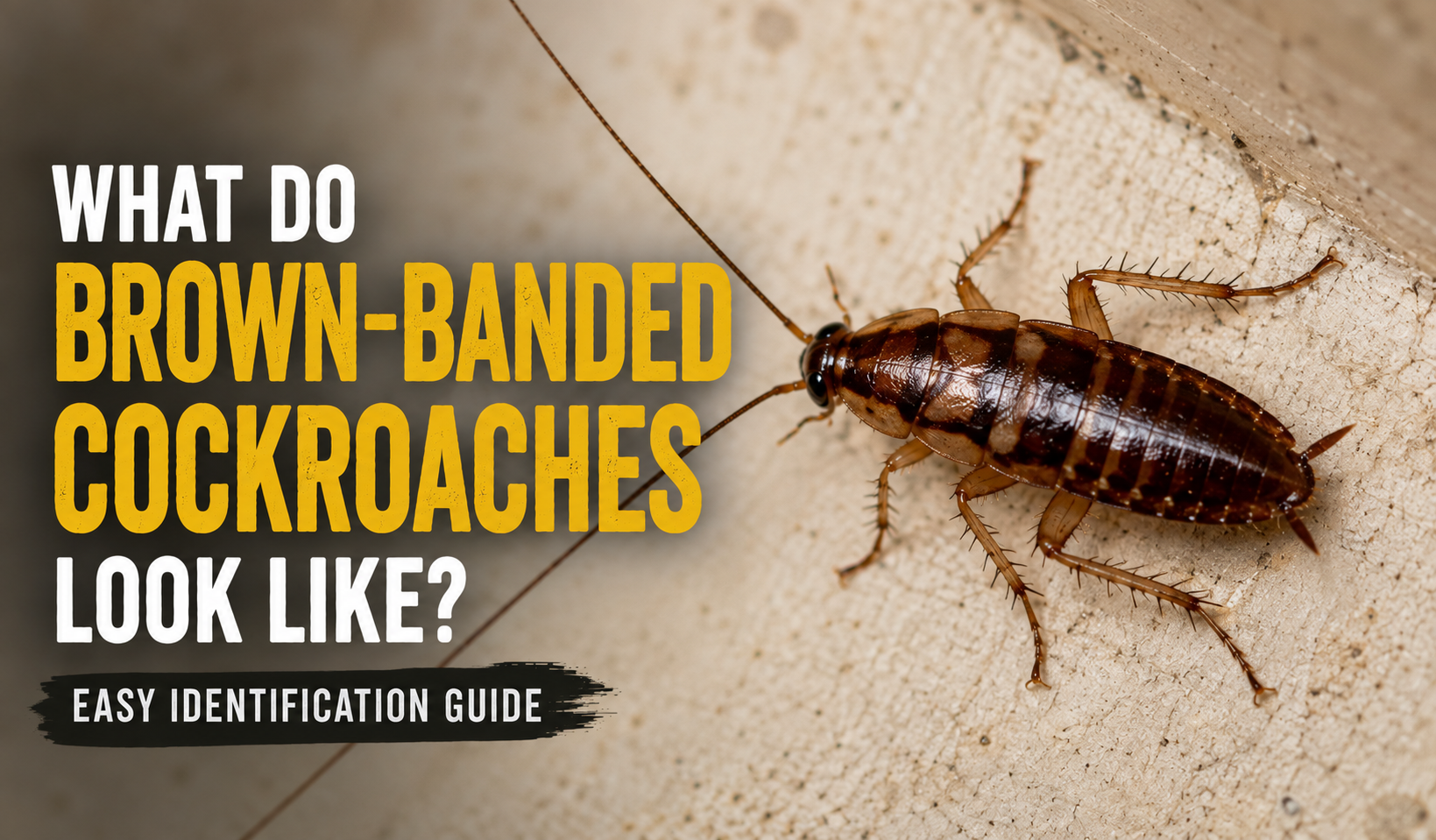
- Repeated insects that look like roaches, bed bugs, fleas, pantry pests, or carpet beetle larvae.
A seasonal bug coming in from outside needs exclusion. A true indoor pest needs identification and a source-specific plan. Treating both situations the same can waste money and make the problem harder to understand.


What to Do Right Away When Bugs Start Coming Inside
The best immediate response is simple: remove the insects you see, then work backward to find how they are getting close to the house.
Vacuuming is useful for a small number of bugs, especially around window frames, ceilings, and screens. Empty the canister outside right away or seal and discard the bag if you are dealing with smelly bugs.

For crawling insects, sticky monitors can help show where activity is strongest without filling the home with spray. This breakdown of the best indoor bug trap for home use explains where monitoring traps make the most sense.
Avoid setting off foggers or spraying every wall because you saw a few fall bugs. Those products rarely reach insects hidden in wall voids, and they will not close the entry points that let more insects arrive.
How to Stop Bugs From Coming in Before Winter
Exclusion is the long-term answer. The goal is to close the easy routes before insects settle into wall spaces for winter.
Check Doors First
Door sweeps and weatherstripping do a lot of work for a relatively low cost. Stand inside during daylight and look for light around the sides and bottom of exterior doors. If you can see daylight, insects can often find that opening too.
Replace torn sweeps, tighten loose thresholds, and make sure storm doors close fully.
Repair Screens and Window Gaps
A screen with even a small tear can allow small insects through. Check window screens, basement-window screens, attic vents, and crawl-space vents.
Caulk visible cracks around window trim and exterior frames, but do not block designed drainage holes in window systems. Those holes allow water to escape and should stay open.
Seal Utility Openings
Look around cable lines, outdoor faucets, pipes, electrical boxes, and air-conditioning lines. These are common places for small gaps because they are difficult to finish perfectly when a house is built or repaired.
Use an appropriate exterior-grade sealant for small cracks. Larger openings may need backer rod, pest-resistant foam, metal mesh, or a repair that matches the material around it.
Clean Up the Foundation Zone
Pull leaves away from the foundation, keep mulch from piling against siding, and move stacked materials away from the house where practical. The goal is not to create a bare yard. It is to make the area around doors, windows, and siding easier to inspect.
Look at Moisture Problems Separately
Some bugs want winter shelter. Others keep showing up because a basement, bathroom, crawl space, or utility room stays damp.

If your problem is concentrated in humid areas, whether a dehumidifier helps with bugs is worth reading before you spend money on sprays that will not fix the moisture source.
When Should You Call a Pest Professional?
A pest professional can make sense when large numbers of bugs are gathering outside every fall, insects are already entering through hidden building gaps, or you are unsure whether the insect is a harmless seasonal invader or something that can reproduce indoors.
Get help sooner if you see signs of termites, carpenter ants, cockroaches, bed bugs, rodents, or a wasp nest in a wall or attic. Those situations are different from finding a few overwintering bugs by a sunny window.
For common fall invaders, a professional may recommend targeted exterior treatment and exclusion work before bugs enter. Ask what insect they believe you have, where they think it is entering, and what specific entry-point work is included. A useful treatment plan should not depend on repeatedly spraying the inside of your home after the bugs are already there.
Why Bugs Can Still Appear After You Seal Gaps
It is frustrating to repair screens, add weatherstripping, and still find bugs inside. That does not always mean the work failed.
Bugs that entered earlier may already be tucked behind siding, in wall voids, or around attic areas. They can emerge during warm weather for a while after you improve the exterior. The goal is to reduce the next wave, not expect every hidden insect to disappear the same day.
Keep removing the occasional insects you see, make notes about the rooms and windows where they appear, and look for patterns. A repeated cluster in the same room often points you toward the exterior wall, door, vent, or utility opening worth checking next.
Frequently Asked Questions
Why do bugs come into houses in the fall but not summer?
Many insects have food and shelter outdoors during summer. In fall, dropping temperatures push some species to look for protected places to survive winter, and homes provide cracks, dry spaces, and warmer conditions.
What bugs are most common in houses during fall?
Stink bugs, boxelder bugs, Asian lady beetles, cluster flies, crickets, spiders, and western conifer seed bugs are common fall visitors. The exact mix depends on your area and the plants around your property.
Will bugs that come inside in fall lay eggs in my house?
Most overwintering insects that enter homes in fall are not there to reproduce. Stink bugs, boxelder bugs, Asian lady beetles, and cluster flies are usually looking for shelter, not a place to lay eggs.
Why are bugs only coming in through one side of my house?
The sunny side of the house may be warmer and more attractive. That side may also have more cracks, older weatherstripping, nearby trees, or an exterior light that keeps insects close to entry points.
Can I spray outside to stop fall bugs?
An exterior treatment may help in some situations when applied before insects enter, but it will not replace sealing cracks and repairing screens. Once insects are already in wall voids, indoor spraying is usually not the best answer.
Why are bugs coming out of my walls in winter?
They likely entered the structure earlier in fall to overwinter. A warm day or sunlight can make them active, and they may follow warmth or light toward windows and living spaces.
Do I need to treat every bug I see as an infestation?
No. A few seasonal visitors do not automatically mean an infestation. Identify the insect, look for a likely entry point, and watch for signs of breeding, food contamination, moisture problems, or increasing numbers before assuming the worst.
Caleb Warren writes practical pest guides for WhyDoIHaveBugs.com, helping homeowners identify why insects are showing up before they spend money on the wrong treatment.