
If you’ve started finding silverfish in your bathroom, basement, laundry room, or kitchen, you’re probably wondering one thing.
How do I get rid of them for good?
The good news is that silverfish are one of the more manageable household pests.
The bad news is that simply killing the one you see crawling across the floor rarely solves the problem.
Silverfish spend most of their lives hidden behind baseboards, beneath appliances, inside wall voids, under sinks, and in dark storage areas. These concealed locations are also the best starting points for where to search for silverfish eggs.
If you only treat the insects you can see, you’ll almost always miss the majority of the population.
The key is treating the infestation while also removing what attracted them in the first place.
Here’s the exact process I recommend.
Step 1: Find Out Why They’re There
Before buying any insecticide, I always try to answer one question.
Why are the silverfish living here?
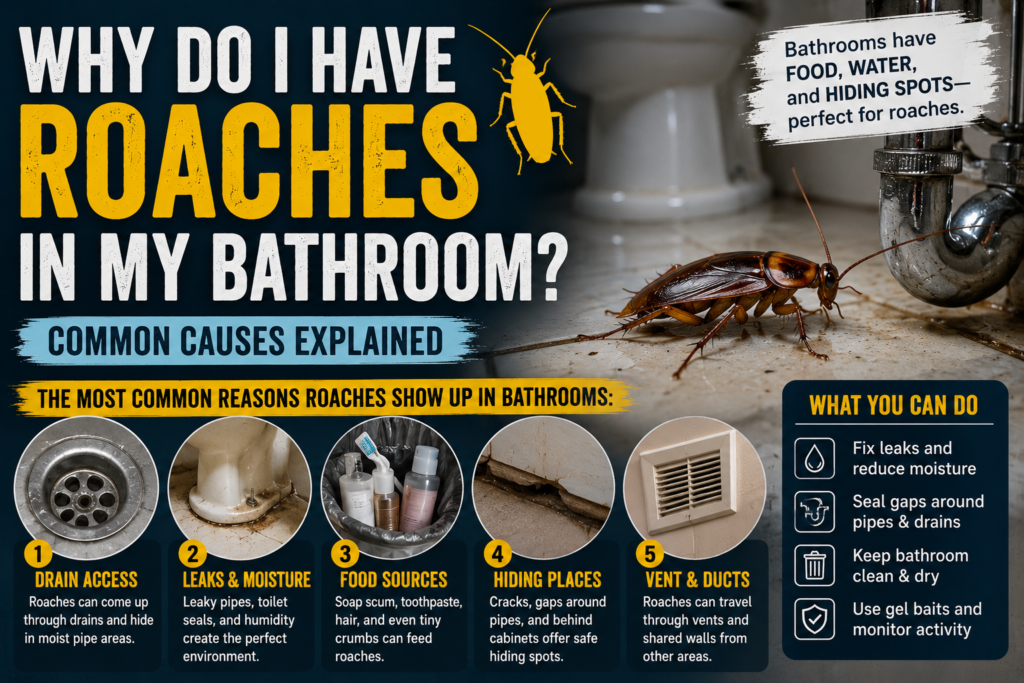
They’re usually attracted by one or more of these conditions:
- High humidity.
- Plumbing leaks.
- Damp basements.
- Cardboard storage.
- Books and paper.
- Pantry foods.
- Dark, undisturbed hiding places.

If you haven’t already, I recommend reading my guide explaining Why Do I Have Silverfish? Common Causes Explained because eliminating the source of the problem makes every treatment much more effective. Moisture reduction, sealing entry points, and removing food sources are the foundation of long-term silverfish control.
Step 2: Lower the Humidity
This is one step many homeowners skip.
Silverfish thrive in humid environments.
Lowering indoor humidity makes your home much less comfortable for them while also helping prevent mold and mildew.
I focus on:
- Running bathroom exhaust fans.
- Using a dehumidifier in damp basements.
- Improving ventilation.
- Repairing plumbing leaks.
- Drying damp crawl spaces.
Even reducing humidity by a moderate amount can make a noticeable difference over time because silverfish depend on moisture to survive.



Step 3: Remove Their Favorite Food Sources
Silverfish aren’t picky eaters.
They’re attracted to many materials commonly found around the home.
Some of the biggest food sources include:
- Cardboard boxes.
- Newspapers.
- Books.
- Wallpaper paste.
- Flour.
- Cereal.
- Pet food.
- Stored fabrics.
Whenever possible, I replace cardboard storage boxes with sealed plastic totes and keep dry pantry goods in airtight containers.
Not only does this reduce available food, but it also eliminates many of their favorite hiding places.
Step 4: Vacuum Hidden Areas Thoroughly
Vacuuming does more than improve appearance.
It removes:
- Eggs.
- Shed skins.
- Food particles.
- Dust.
- Small insects that silverfish may feed on.
I pay special attention to:
- Behind appliances.
- Under bathroom cabinets.
- Closet corners.
- Baseboards.
- Storage rooms.
- Utility areas.
Regular vacuuming also helps you monitor whether the infestation is improving.

Step 5: Treat the Places Silverfish Actually Hide
This is where many DIY treatments go wrong.
People spray the middle of the bathroom floor.
Silverfish aren’t living there.
They’re hiding inside cracks and crevices.

If I were treating my own house today, I’d use the HARRIS Boric Acid Roach and Silverfish Killer Powder with Lure.
It’s my top recommendation because it remains effective in dry cracks and voids where silverfish naturally travel instead of only killing insects you happen to spray directly.

I explain exactly how to use it, where to apply it, and why I recommend it in my guide to the Best Silverfish Killer That Actually Works. Boric acid dusts are widely recommended for treating cracks, crevices, wall voids, and other hidden harborages where silverfish spend most of their time.
Step 6: Seal the Places They Hide
Once you’ve reduced moisture and treated the infestation, it’s time to make your home harder for future silverfish to invade.
Silverfish don’t need a large opening.
A tiny crack is often enough.
I recommend inspecting and sealing:
- Gaps around plumbing pipes.
- Cracks beneath baseboards.
- Openings around electrical outlets.
- Gaps around windows and doors.
- Spaces where utility lines enter the house.
- Cracks in the foundation.
Keep in mind that sealing cracks won’t eliminate an existing infestation hiding inside your walls, but it does reduce future hiding places and can limit movement throughout the home.

Step 7: Replace Cardboard With Plastic Storage
This is one of the simplest improvements you can make.
Silverfish love cardboard for two reasons.
First, it provides excellent shelter.
Second, the starches and adhesives used during manufacturing can become a food source.
Whenever possible, I replace:
- Cardboard moving boxes.
- Old paper storage boxes.
- Cardboard file boxes.
with sealed plastic storage totes.
Not only are plastic containers less attractive to silverfish, but they also better protect photographs, important documents, clothing, and keepsakes if silverfish are already present.
Step 8: Monitor Your Progress
One mistake I see homeowners make is assuming the infestation is gone simply because they haven’t seen a silverfish for a few days.
Silverfish are nocturnal.
They’re experts at staying hidden.
Continue checking the areas where you’ve seen activity, especially:
- Bathrooms.
- Basements.
- Laundry rooms.
- Utility closets.
- Closets.
- Storage rooms.
If you stop seeing silverfish over the following weeks and months, your treatment plan is probably working.
If activity continues at the same level, go back and look for a moisture source you may have missed.


Avoid These Common Mistakes
Even good products won’t solve the problem if they’re used incorrectly.
The mistakes I see most often are:
- Spraying only the silverfish that are visible.
- Ignoring humidity problems.
- Leaving cardboard boxes in damp areas.
- Applying too much insecticide dust.
- Failing to treat cracks and crevices.
- Expecting results overnight.
Silverfish control is usually a process rather than a one-time treatment.
The homeowners who have the best success are the ones who combine moisture control, sanitation, exclusion, and targeted insecticide applications instead of relying on just one method.
When Should You Call a Professional?
Most homeowners can handle a small or moderate silverfish infestation on their own.
However, I would consider professional pest control if:
- You’re seeing dozens of silverfish every week.
- The infestation has spread throughout multiple rooms.
- Valuable books or collections are being damaged.
- You’ve corrected moisture problems but activity continues for several months.
- The infestation appears to be coming from inaccessible wall voids or structural spaces.
A professional can identify hidden harborages and apply products to areas that are difficult for most homeowners to reach.
My Recommended Plan
If I found silverfish in my own house today, here’s exactly what I’d do.
- Identify and eliminate any moisture problems.
- Lower humidity with ventilation or a dehumidifier.
- Remove unnecessary cardboard and paper clutter.
- Vacuum thoroughly behind furniture and appliances.
- Apply the HARRIS Boric Acid Roach and Silverfish Killer Powder with Lure to dry cracks and crevices where silverfish hide.
- Seal entry points and monitor the home over the next several weeks.
For me, that’s the combination that gives homeowners the best chance of eliminating silverfish while also preventing them from returning.
If you’re still deciding which treatment to buy, I explain why I recommend this product in my review of the Best Silverfish Killer That Actually Works.
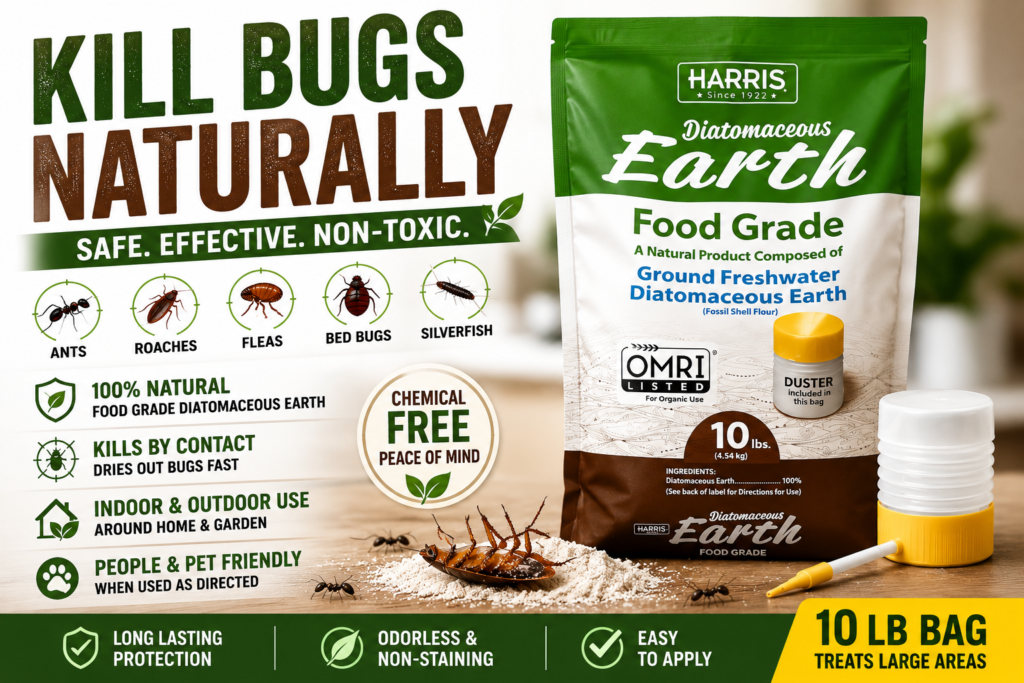
If you prefer a non-spray approach or want to combine methods, my guide on whether diatomaceous earth works for bugs explains where it fits into a long-term silverfish control plan.
Frequently Asked Questions
What’s the fastest way to get rid of silverfish?
The fastest approach combines reducing humidity, removing food sources, and treating cracks and crevices with a long-lasting product labeled for silverfish. Addressing only the insects you see rarely solves the problem.
Will silverfish go away on their own?
Sometimes, but only if the moisture and food sources attracting them disappear. Otherwise, the population may continue to grow.
Does boric acid kill silverfish?
Yes. Boric acid is commonly recommended for silverfish control when applied as a light dust in dry cracks, crevices, and other hiding places according to the product label.
Is diatomaceous earth good for silverfish?

Yes. Diatomaceous earth can be effective in dry areas because it damages the insect’s protective outer layer, causing it to dehydrate. It should be applied as a thin layer in places where silverfish travel. Readers considering this method can review diatomaceous earth for dry areas for a suitable home-use option.
How long does it take to eliminate a silverfish infestation?
Small infestations may improve within a few weeks, but larger infestations often take longer because silverfish spend most of their lives hidden and can live for several years. Consistent moisture control and follow-up treatments are usually necessary.
About the Author
Mark Ellison is a structural pest management consultant with more than 20 years of experience helping homeowners solve indoor pest problems. He specializes in identifying the underlying conditions that allow pests to thrive and developing practical, long-term control strategies that work.