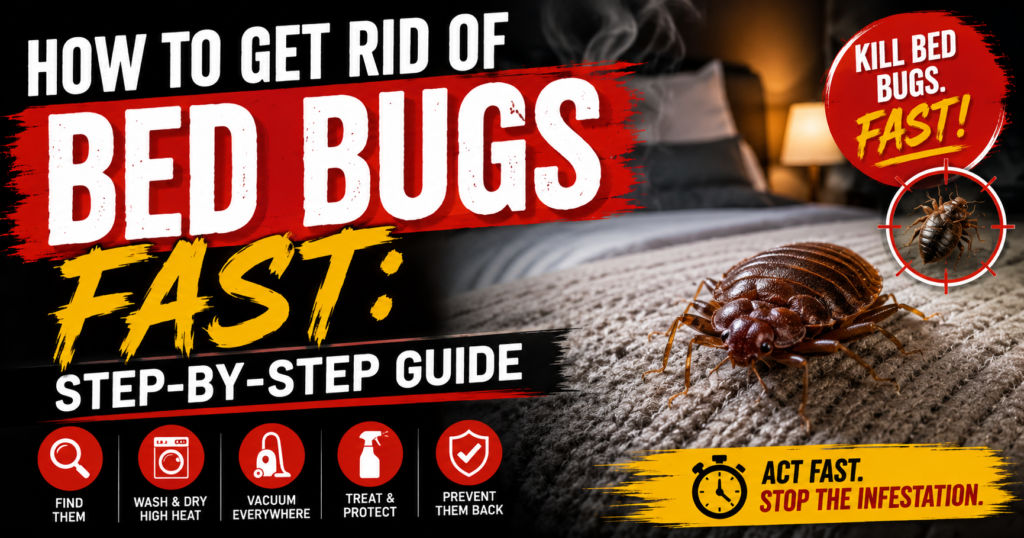
The moment you discover bed bugs, your mind starts racing.
Should you throw away the mattress?
Call an exterminator?
Sleep in another room?
Buy every spray at the hardware store?
I’ve talked with enough homeowners to know that panic is usually the first reaction. Unfortunately, panic also leads to some of the biggest and most expensive mistakes.
If this were my house, I wouldn’t start by buying products.
I’d start by understanding exactly what I was dealing with.
The fastest way to get rid of bed bugs isn’t using the strongest chemical you can find.
It’s using the right strategy from the very beginning.
I’ve seen small infestations become major problems because homeowners skipped the inspection and started guessing. I’ve also seen people spend thousands of dollars replacing furniture that never needed to be replaced.
This guide walks through exactly how I would approach a bed bug infestation if I discovered one in my own home today.
Sarah’s First Impression
Whenever someone asks me how to get rid of bed bugs fast, I ask them one simple question.
“How do you know they’re bed bugs?”
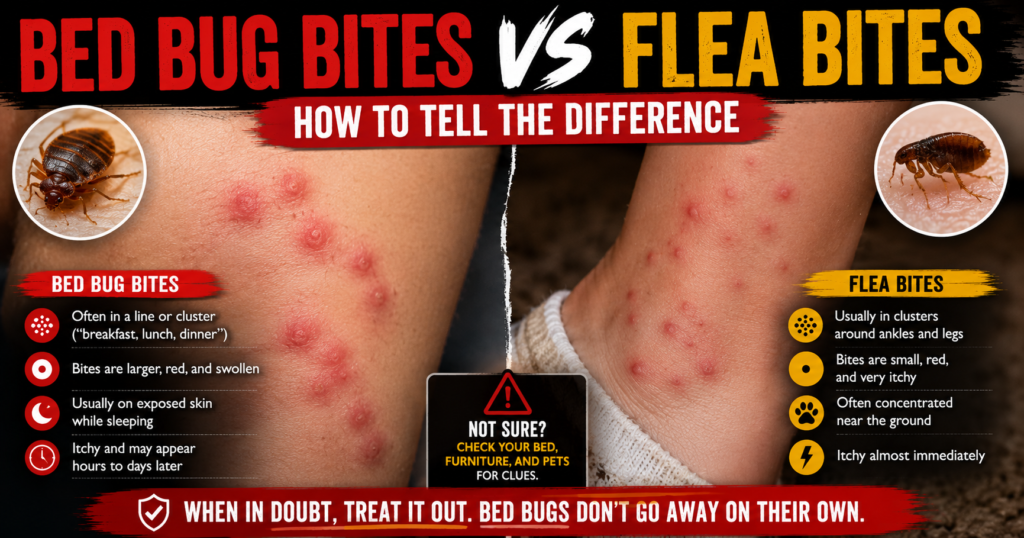
You’d be surprised how often people mistake carpet beetles, fleas, bat bugs, or even mosquito bites for bed bugs. Comparing Bed Bug Bites vs Flea Bites: How to Tell the Difference can help confirm the problem before treatment begins.
The treatment plan completely changes if you’ve identified the wrong pest.
That’s why I never skip the inspection.
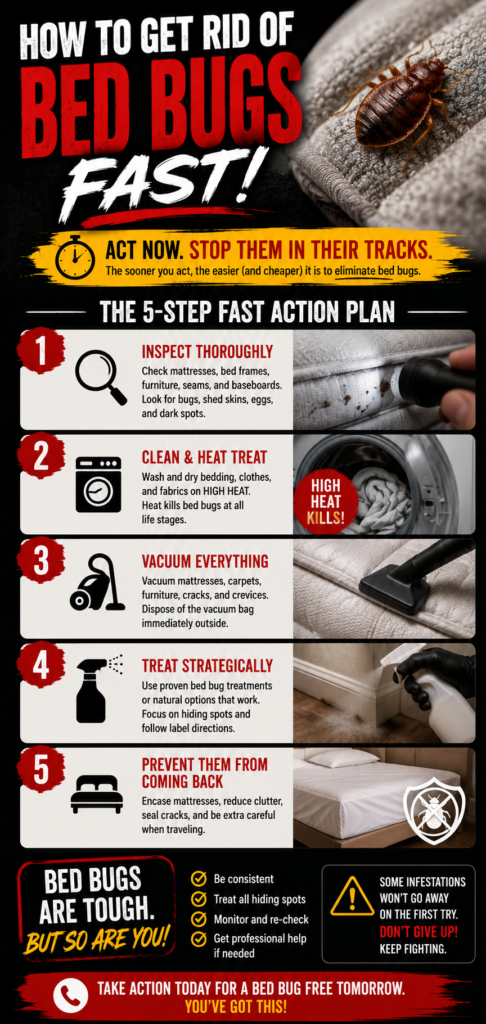
Step 1: Make Sure You’re Actually Dealing With Bed Bugs
Before spending a single dollar, I want proof.
I’m looking for evidence, not guesses.
Some of the most common signs include:
- Live bed bugs
- Tiny white eggs
- Shed skins
- Dark black fecal spots
- Small blood stains on bedding
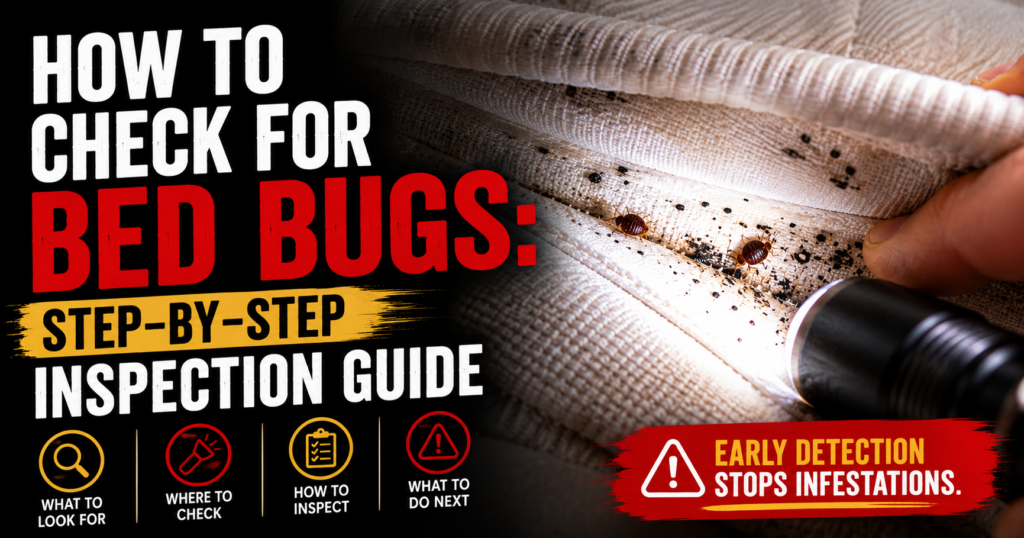
If you’re not completely sure what you’re seeing, start with our guide on How to Check for Bed Bugs.
That article walks through exactly how I inspect a bedroom from start to finish.
If you discover tiny white objects, don’t assume they’re eggs.
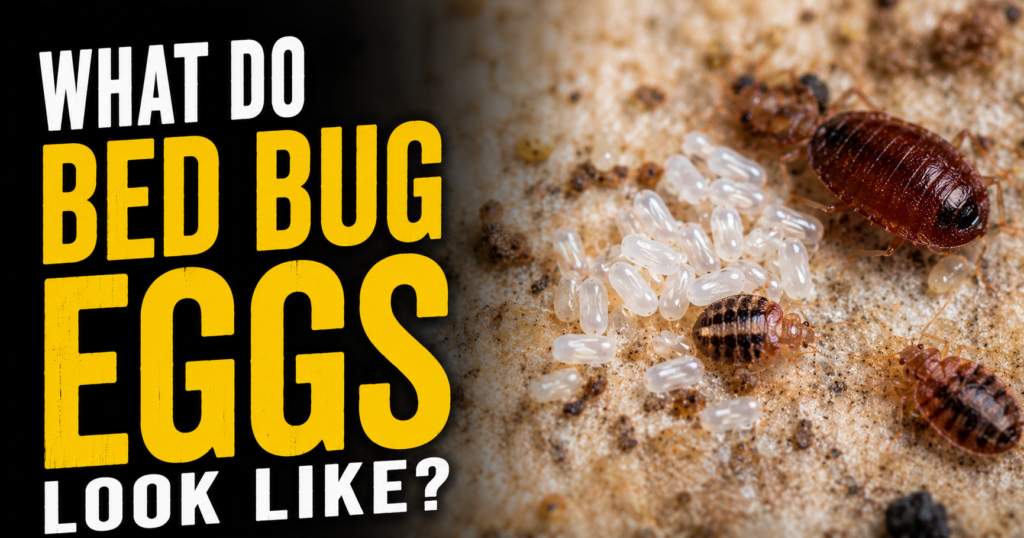
Our guide on What Do Bed Bug Eggs Look Like? explains how to tell the difference between real eggs and things like lint, paint chips, and other household debris that people commonly mistake for bed bug eggs.


Step 2: Stay Calm and Avoid the Biggest Mistakes
This is where many infestations get worse.
People panic.
They drag mattresses through the house.
Move into another bedroom.
Throw clothing everywhere.
Carry laundry uncovered through the hallway.
All of those actions can accidentally spread bed bugs into places they weren’t hiding before.
If this were my house, I’d leave everything where it is until I understood exactly where the infestation was located.
A calm inspection almost always beats a rushed reaction.
Step 3: Figure Out How Big the Problem Really Is
Not every infestation looks the same.
That’s important because the solution depends on how widespread the problem has become.
Small Infestation
You found:
- One bed bug
- A few suspicious spots
- No obvious eggs
- No widespread evidence
If that’s the case, don’t assume your home is overrun.
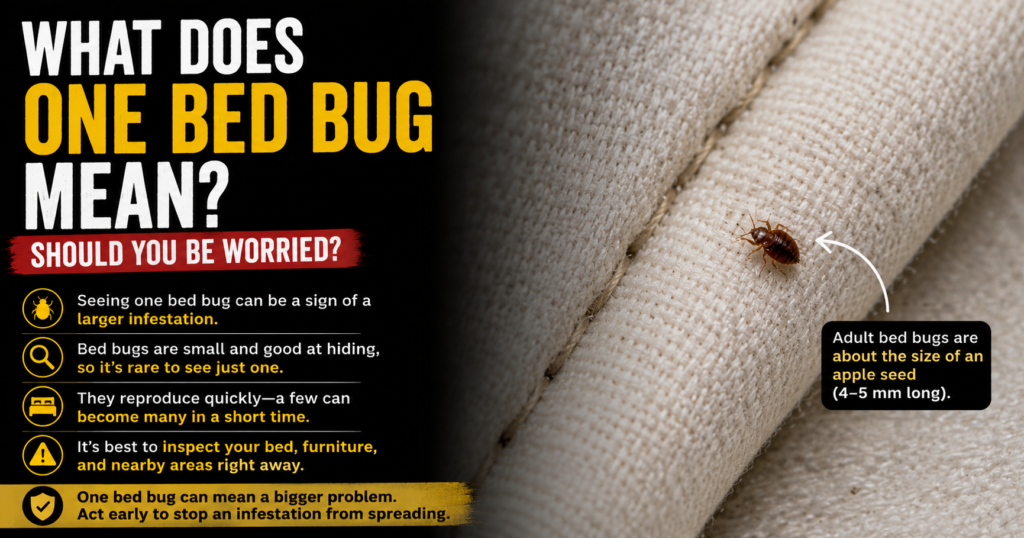
Our article on What Does One Bed Bug Mean? explains why one bug doesn’t always mean hundreds more.
Moderate Infestation
You find:
- Multiple live bugs
- Eggs
- Shed skins
- Evidence around one bed
At this stage I’d move quickly because reproduction has probably already started.
Severe Infestation
You’re finding bugs in multiple rooms.
Furniture.
Walls.
Living room.
Bedrooms.
At this point the infestation has likely spread well beyond one sleeping area.
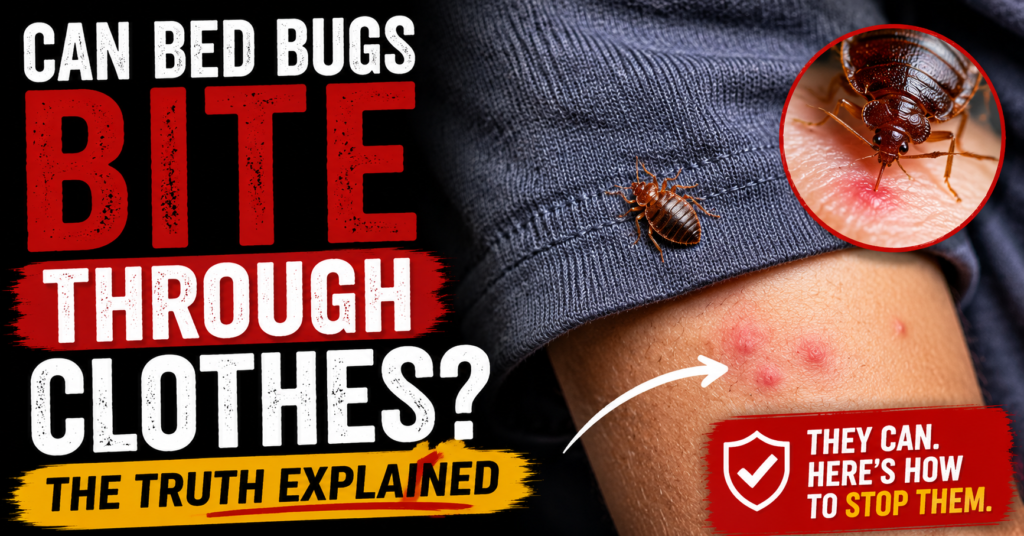
Many people try wearing extra layers of clothing while they’re treating an infestation, hoping they’ll avoid getting bitten overnight. While that sounds logical, it’s usually not an effective long-term solution because bed bugs often search for exposed skin instead. Learn more in Can Bed Bugs Bite Through Clothes? The Truth Explained.


Step 4: Inspect the Entire Bedroom Before Treating Anything
This is probably the most valuable step in the entire process.
Don’t spray first.
Inspect first.
Here’s the exact order I’d follow.
Mattress
Check:
- Seams
- Piping
- Fabric tags
- Corners
- Handles
The middle of the mattress is rarely where I find them.
Box Spring
The underside of the box spring often reveals more evidence than the top.
Inspect:
- Wooden framing
- Fabric covering
- Staples
- Corners
- Seams
Bed Frame
Pay attention to:
- Screw holes
- Bolt heads
- Wooden joints
- Decorative grooves
Bed bugs love tiny protected spaces.
Headboard
Don’t forget the back.
I’ve seen infestations hiding completely behind headboards while the mattress appeared almost clean.
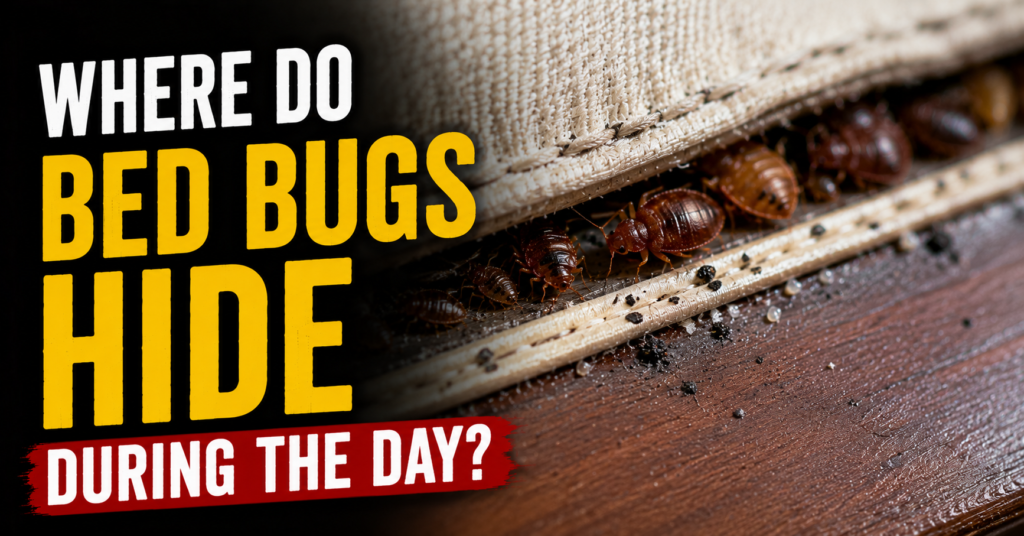
Our guide on Where Do Bed Bugs Hide During the Day? explains why these locations consistently produce the best evidence.
Step 5: Expand the Inspection Beyond the Bed
If the infestation has been present for a while, bed bugs may begin expanding into nearby areas.
I inspect:
- Nightstands
- Dressers
- Upholstered chairs
- Recliners
- Couch
- Curtains
- Baseboards
- Carpet edges
- Wall cracks
If anyone regularly sleeps on the couch, don’t ignore it.
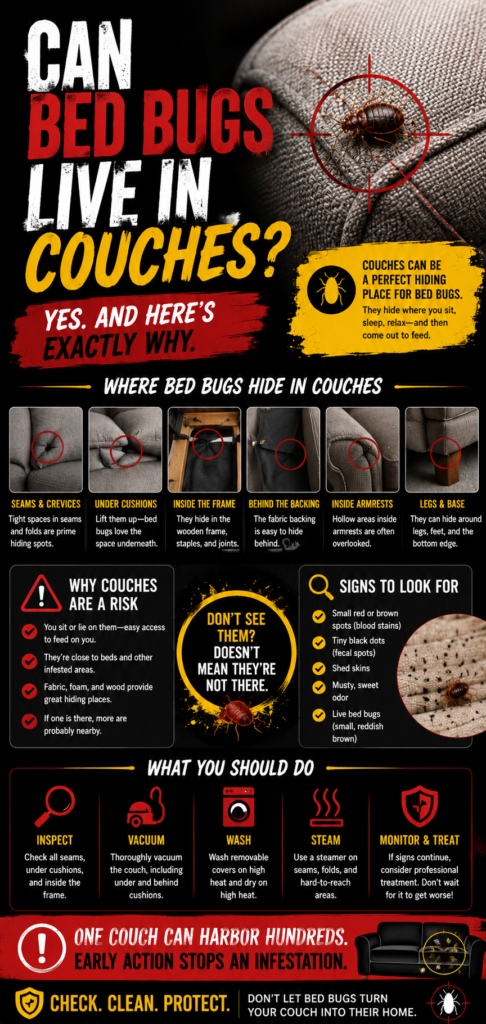
Our guide on Can Bed Bugs Live in Couches? explains exactly where I’d inspect first.
Likewise, carpet often worries homeowners far more than it should.
Instead of staring at the middle of the floor, I focus on edges, baseboards, and areas beneath the bed. Our article on Can Bed Bugs Live in Carpet? explains why.


Step 6: Don’t Forget Personal Belongings
One of the easiest ways bed bugs spread is by hitchhiking.
That means I inspect:
- Backpacks
- Luggage
- Laundry baskets
- Shoes
- Jackets
- Clothing left beside the bed
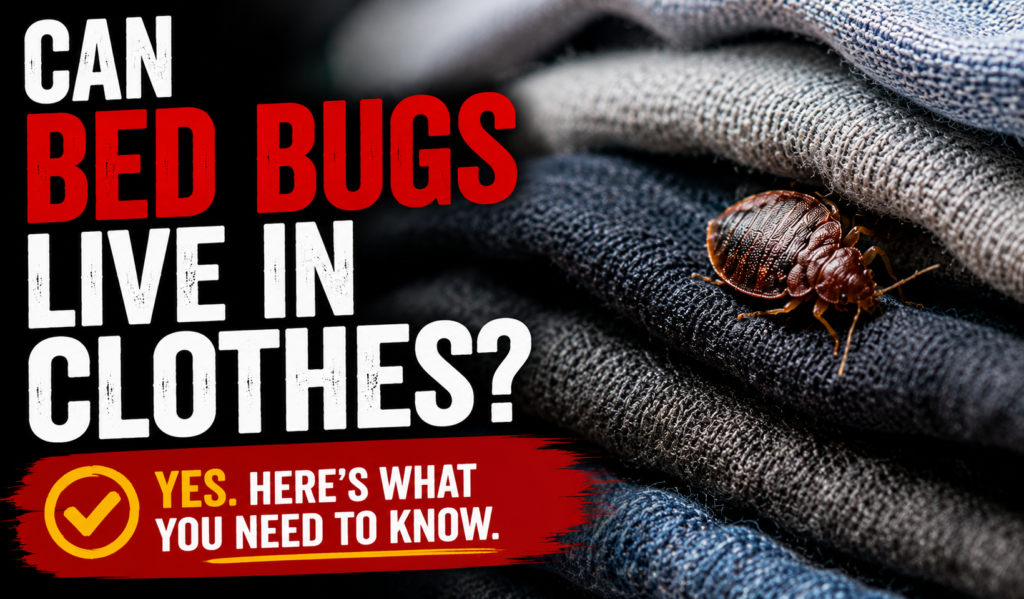
Our article on Can Bed Bugs Live in Clothes? explains why clothing usually isn’t their preferred home but can easily transport them from one place to another.
If you’ve recently traveled, don’t forget your vehicle.
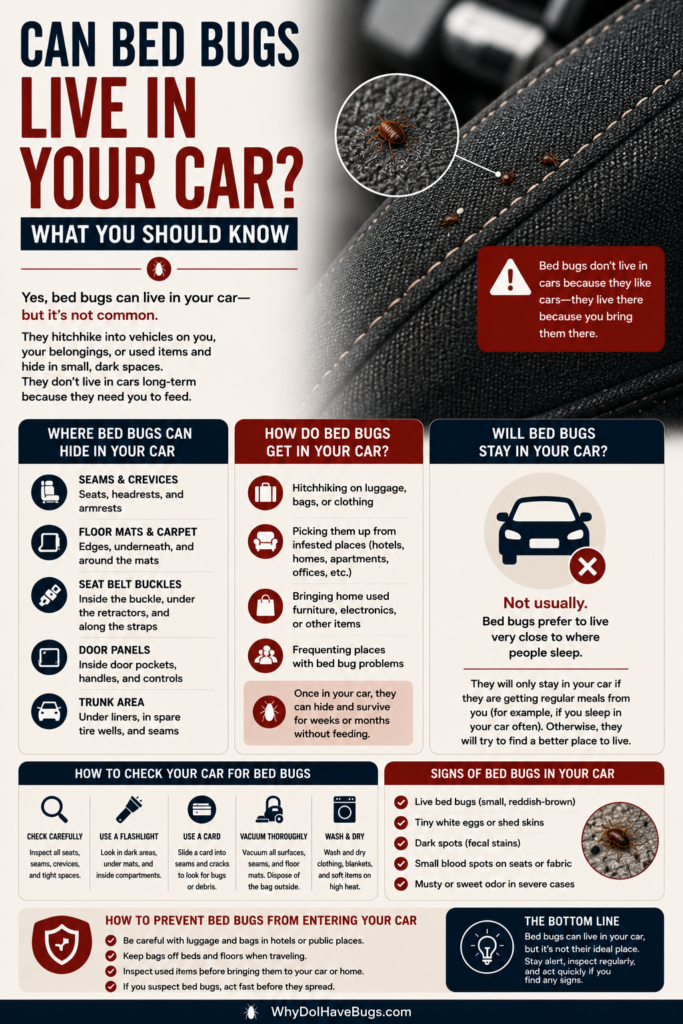
Our guide on Can Bed Bugs Live in Your Car? explains how vehicles sometimes become part of the infestation without being the original source.
Step 7: Understand How They Got Inside
People often spend hours wondering whether they somehow caused the infestation.
Most didn’t.
Bed bugs usually arrive because they hitchhike.
Common sources include:
- Hotels
- Vacation rentals
- Used furniture
- Overnight guests
- Apartment buildings
- Luggage
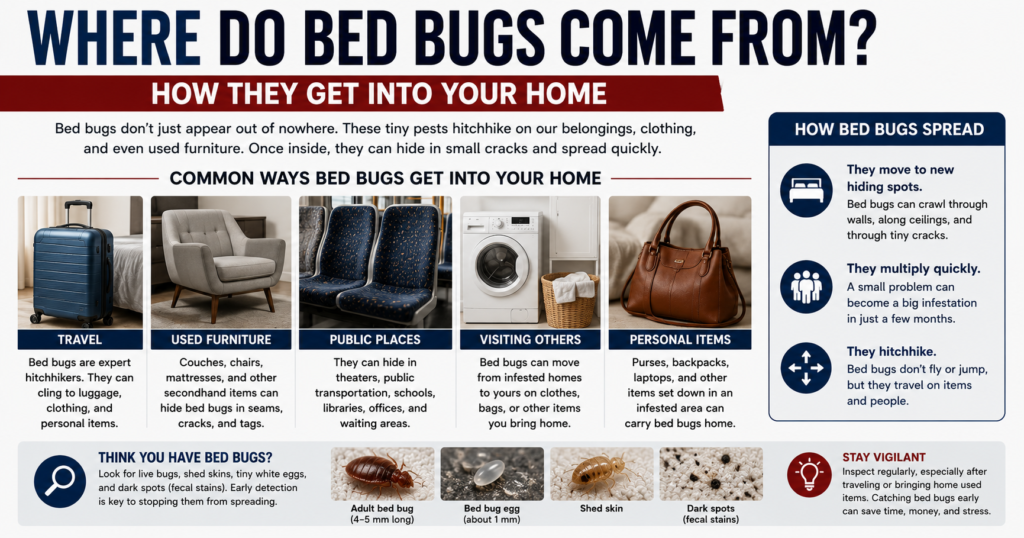
Our complete guide on Where Do Bed Bugs Come From? explains every major way they enter homes and how to reduce your risk in the future.
The Biggest Myth I Hear
The biggest myth I hear is:
“If I keep my house cleaner, the bed bugs will leave.”
Unfortunately, cleanliness isn’t what determines whether bed bugs stay.
They aren’t eating crumbs.
They aren’t looking for dirty dishes.
They’re looking for people.
I’ve seen immaculate homes with bed bug infestations and cluttered homes without a single bed bug.
Cleaning is always worthwhile, but it isn’t what eliminates bed bugs.
What I Would Do If This Were My House
If I discovered bed bugs tonight, I wouldn’t immediately rush to the store.
I’d spend the evening gathering information.
I’d inspect every likely hiding place.
I’d photograph every sign I found.
I’d determine whether the infestation appeared small or widespread.
Only then would I begin deciding which treatment methods made the most sense.
That one decision alone would probably save me hundreds of dollars compared to reacting emotionally.


Step 8: Wash and Dry Bedding the Right Way
Once I know where the infestation is, one of my first priorities is treating anything that can safely go through the washer and dryer.
This includes:
- Sheets
- Pillowcases
- Blankets
- Comforters
- Clothing
- Pajamas
- Towels
- Washable stuffed animals
Many people assume the washing machine is what kills bed bugs.
In reality, the dryer is often doing the heavy lifting.
High dryer temperatures that are appropriate for the fabric can kill bed bugs and their eggs, while washing alone isn’t always enough. Always follow the care instructions on your items to avoid damaging them.
I also recommend placing infested laundry into sealed plastic bags before carrying it through the house.
That simple step helps reduce the chance of dropping bed bugs in hallways or other rooms.
Step 9: Vacuum Like You’re Looking for Evidence
Vacuuming won’t solve a bed bug infestation by itself.
But it can remove:
- Live bed bugs
- Shed skins
- Eggs
- Dust that hides evidence
When I vacuum, I move slowly.
I pay special attention to:
- Mattress seams
- Box spring edges
- Bed frame joints
- Carpet edges
- Baseboards
- Couch seams
- Under furniture
When I’m finished, I immediately empty the vacuum into a sealed trash bag if the vacuum design allows, then dispose of it outside. If your vacuum uses a reusable canister, empty it outdoors when possible and clean it according to the manufacturer’s instructions.
Step 10: Reduce Hiding Places
Bed bugs love clutter.
Not because it’s dirty.
Because it gives them more places to hide.
If this were my house, I’d reduce clutter without moving unnecessary items into other rooms.
I’d organize:
- Shoes
- Books
- Boxes
- Laundry
- Bags
I wouldn’t throw everything away.
I’d simply make the room easier to inspect.
Step 11: Protect the Mattress

One of the first products I recommend is a quality mattress encasement.
A good encasement doesn’t magically eliminate bed bugs.
What it does is:
- Trap any bed bugs already inside the mattress.
- Prevent new hiding places from forming inside the mattress.
- Make future inspections much easier.
I’ve found this makes homeowners much more confident because they can quickly inspect the outside of the mattress instead of wondering what’s happening inside.
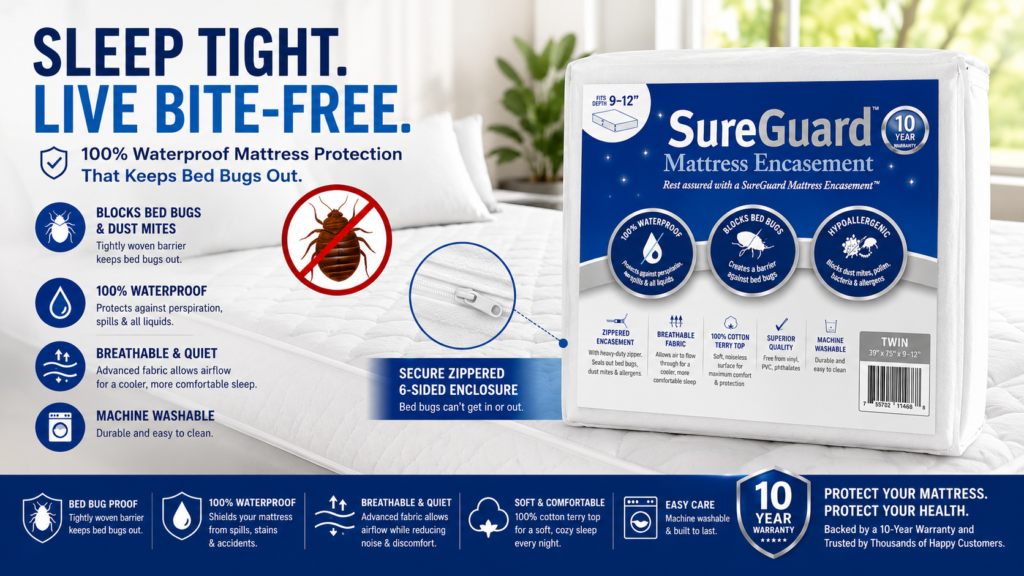
If you’re considering one, my review of the SureGuard Mattress Encasement explains exactly what I like about it and where its limitations are.
Step 12: Monitor Instead of Guessing
One mistake I see constantly is this:
“I haven’t seen a bed bug in three days, so I think they’re gone.”
Maybe.
Maybe not.
Bed bugs are excellent at hiding.
Instead of guessing, I like monitoring.
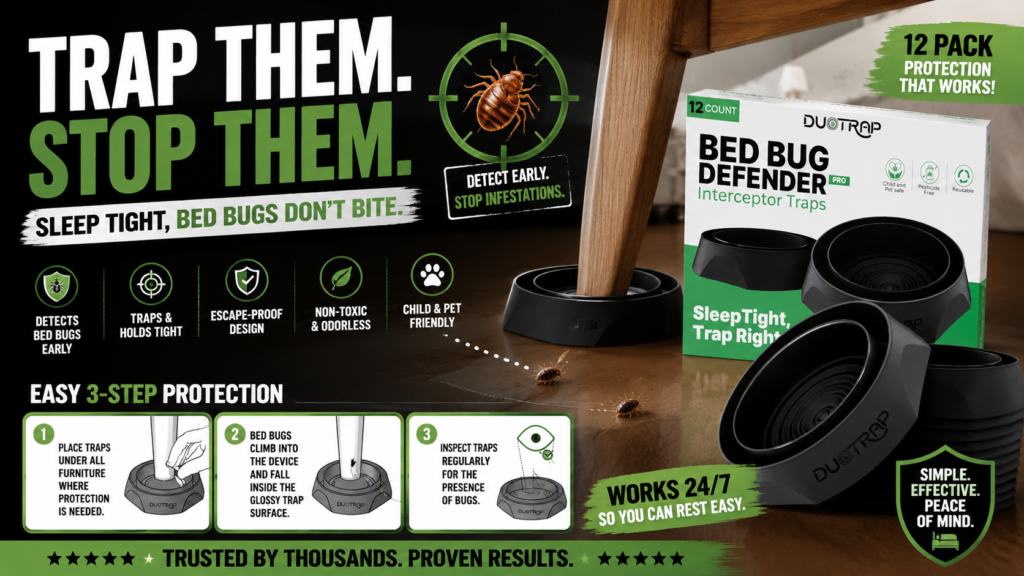
One of my favorite tools is a set of bed bug interceptor cups placed beneath bed legs.
They’re inexpensive.
They’re easy to install.
Most importantly, they provide evidence.
I’d much rather have evidence than assumptions.
Step 13: Use Treatment Products Correctly
People often ask me:
“What’s the best spray?”
I don’t think that’s the right question.
The better question is:
“How does this product fit into my overall plan?”
No spray reaches every hiding place.
No powder reaches every crack.
No mattress encasement solves an infestation by itself.
Successful treatment usually combines:
- Careful inspection.
- Physical removal.
- Monitoring.
- Targeted treatment.
- Follow-up inspections.
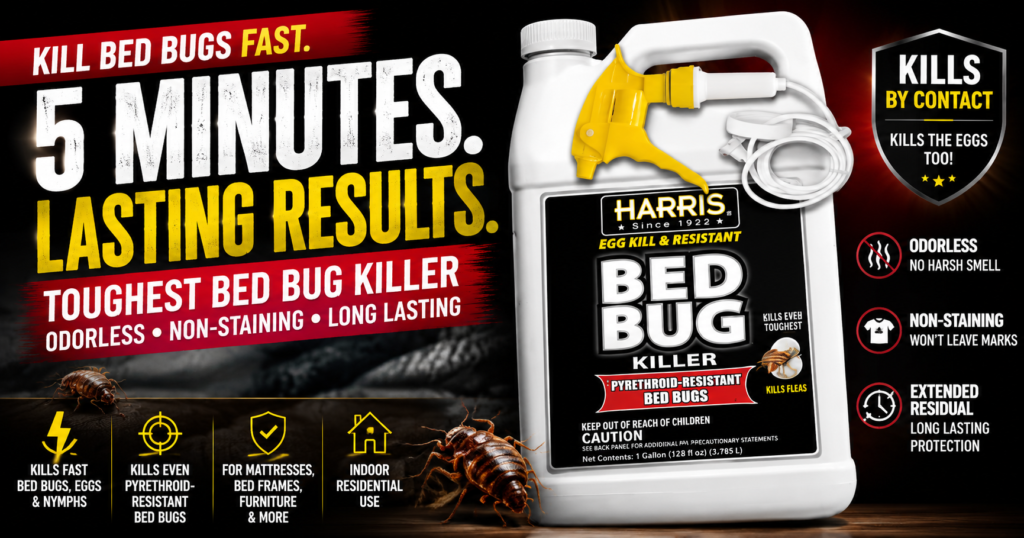
For homeowners treating an infestation themselves, I’ve had good experiences with Harris Toughest Bed Bug Killerwhen it’s used according to the label as part of a broader strategy instead of expecting it to solve everything on its own.
Step 14: Keep Inspecting
One inspection isn’t enough.
Neither is one treatment.
If this were my house, I’d inspect:
- A few days later.
- One week later.
- Two weeks later.
- About a month later.
Bed bugs reproduce over time.
Catching new activity early is much easier than waiting until you’re seeing bugs throughout the room again.
Should You Sleep Somewhere Else?
Almost everyone asks this.
Usually, I say no.
If practical, continue sleeping in the same room while treatment is underway.
Bed bugs feed on people.
Moving into another bedroom may encourage them to spread.
That’s one reason I recommend reading Do Bed Bugs Stay in One Room? before deciding to relocate.
Should You Throw Away Your Mattress?
Usually not.
This is probably the most expensive mistake I see.
Many mattresses can be protected with a quality encasement.
Replacing a mattress while leaving bed bugs elsewhere in the room often means the new mattress simply becomes infested too.
I only consider replacing furniture when it’s badly damaged or cannot be treated effectively.
Should You Hire a Professional?
Sometimes.
If you’re finding:
- Bed bugs in multiple rooms.
- Large numbers of bugs.
- Repeated infestations after treatment.
- Bed bugs throughout an apartment or duplex.
I’d strongly consider professional help.
There’s no shame in calling an expert.
Sometimes it’s the fastest and least expensive solution in the long run.
What Most Websites Don’t Tell You
One thing I rarely see mentioned is how much homeowner behavior affects success.
The people who usually eliminate bed bugs fastest aren’t necessarily the ones who buy the most expensive products.
They’re the people who stay organized.
Inspect consistently.
Document what they find.
Avoid spreading belongings around the house.
And resist making emotional decisions based on fear.
That steady approach almost always produces better results than panic.
The Biggest Mistakes I See
If I could help every homeowner avoid just a handful of mistakes, they’d be these:
- Assuming bites alone prove you have bed bugs.
- Throwing away the mattress immediately.
- Sleeping in another room too soon.
- Spraying chemicals everywhere without inspecting first.
- Ignoring the bed frame.
- Forgetting the box spring.
- Carrying uncovered laundry through the house.
- Assuming one treatment solves everything.
- Giving up after a week.
- Stopping inspections too early.
Frequently Asked Questions
Can I get rid of bed bugs without throwing away furniture?
Yes. In many cases, careful inspection, monitoring, and treatment allow homeowners to keep their furniture.
What’s the first thing I should do after finding bed bugs?
Confirm they’re actually bed bugs and inspect the sleeping area before buying products.
How often should I inspect after treatment?
I recommend regular inspections for several weeks to make sure activity has stopped.
Should I vacuum every day?
Frequent vacuuming can help, especially in key hiding areas, but it shouldn’t be your only treatment method.
Do bed bugs ever go away by themselves?
Usually not. Our article on Do Bed Bugs Ever Go Away on Their Own? explains why waiting is rarely a successful strategy.
How long can they survive without feeding?
Longer than most people expect. That’s why simply leaving the room vacant usually isn’t enough. Learn more in How Long Can Bed Bugs Live Without Feeding?.
Are bed bug bites enough to identify an infestation?
No. Bites can raise suspicion, but you should always look for physical evidence. Our guide on What Do Bed Bug Bites Look Like? explains why.
Where do bed bugs usually come from?
Most infestations begin when bed bugs hitchhike into a home on luggage, furniture, clothing, or personal belongings. Read Where Do Bed Bugs Come From? for a complete explanation.
About the Author
Sarah Bennett is a household pest researcher and writer who specializes in bed bug behavior, inspection methods, and practical treatment strategies. Her work focuses on helping homeowners understand how infestations begin, where bed bugs hide, and how to solve the problem with evidence-based guidance instead of fear or misinformation. She believes the best results come from careful inspections, realistic expectations, and taking the right steps before the infestation has a chance to spread.