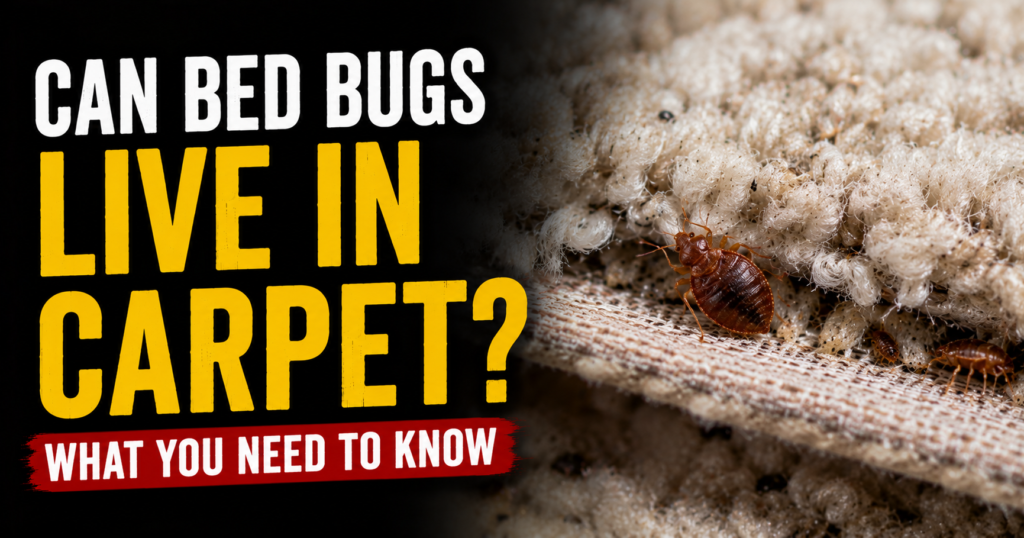
Stink bug eggs are easy to miss until you know what you are looking for. They are tiny, pale, and usually arranged in a very neat group on a leaf. Once I learned to spot them, I stopped thinking of stink bug control as a problem that starts with big smelly adults on my tomatoes. It often starts with one little egg cluster hiding under a leaf. If the object is a single pale speck rather than a leaf cluster, compare it with bed bug egg identification.
What Do Stink Bug Eggs Look Like?
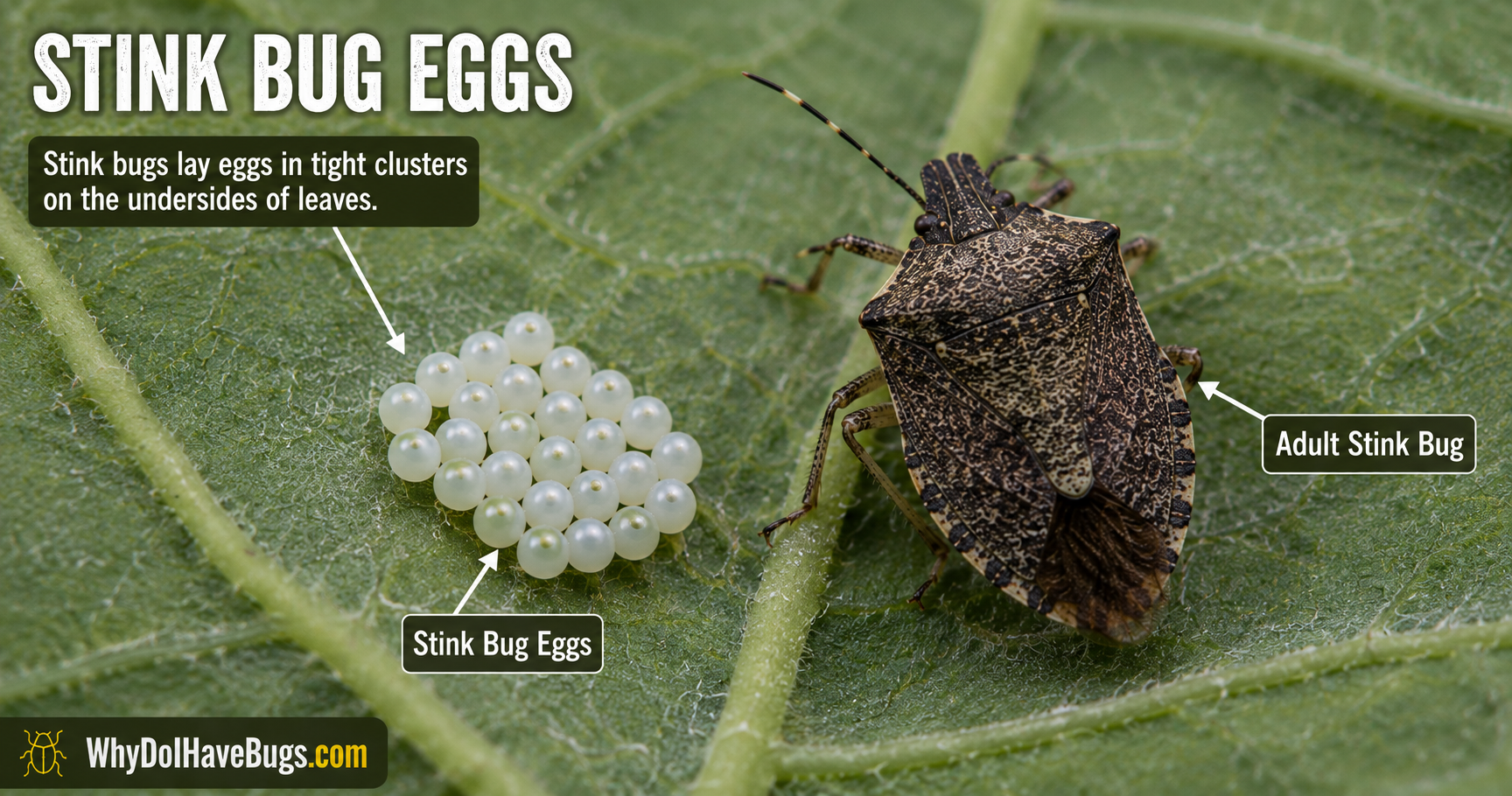
Most stink bug eggs look like tiny barrels, capsules, or short little cylinders standing upright in a close-packed cluster. Depending on the species, they may be pale green, cream, white, yellowish, gray, or slightly pink as they get close to hatching.
A cluster commonly contains around 20 to 30 eggs, although the exact number can vary by species. The eggs are only a few millimeters across, so from a distance they may look like a strange pale patch, tiny beads, or a neatly arranged group of dots.
The important clue is how organized they look. Stink bugs typically lay eggs side by side in a tidy cluster rather than scattering them randomly across the leaf.


Where Stink Bugs Lay Their Eggs
The underside of a leaf is the first place I look. That protected spot helps shield eggs from sun, rain, and some predators.
You may also find them in a few other places around the garden.
- On the undersides of tomato, bean, pepper, squash, and other vegetable leaves.
- On the leaves of fruit trees, ornamental shrubs, and weeds near the garden.
- On stems, leaf stalks, or occasionally near flower clusters.
- On outdoor screens, siding, porch plants, or other sheltered surfaces near the house.
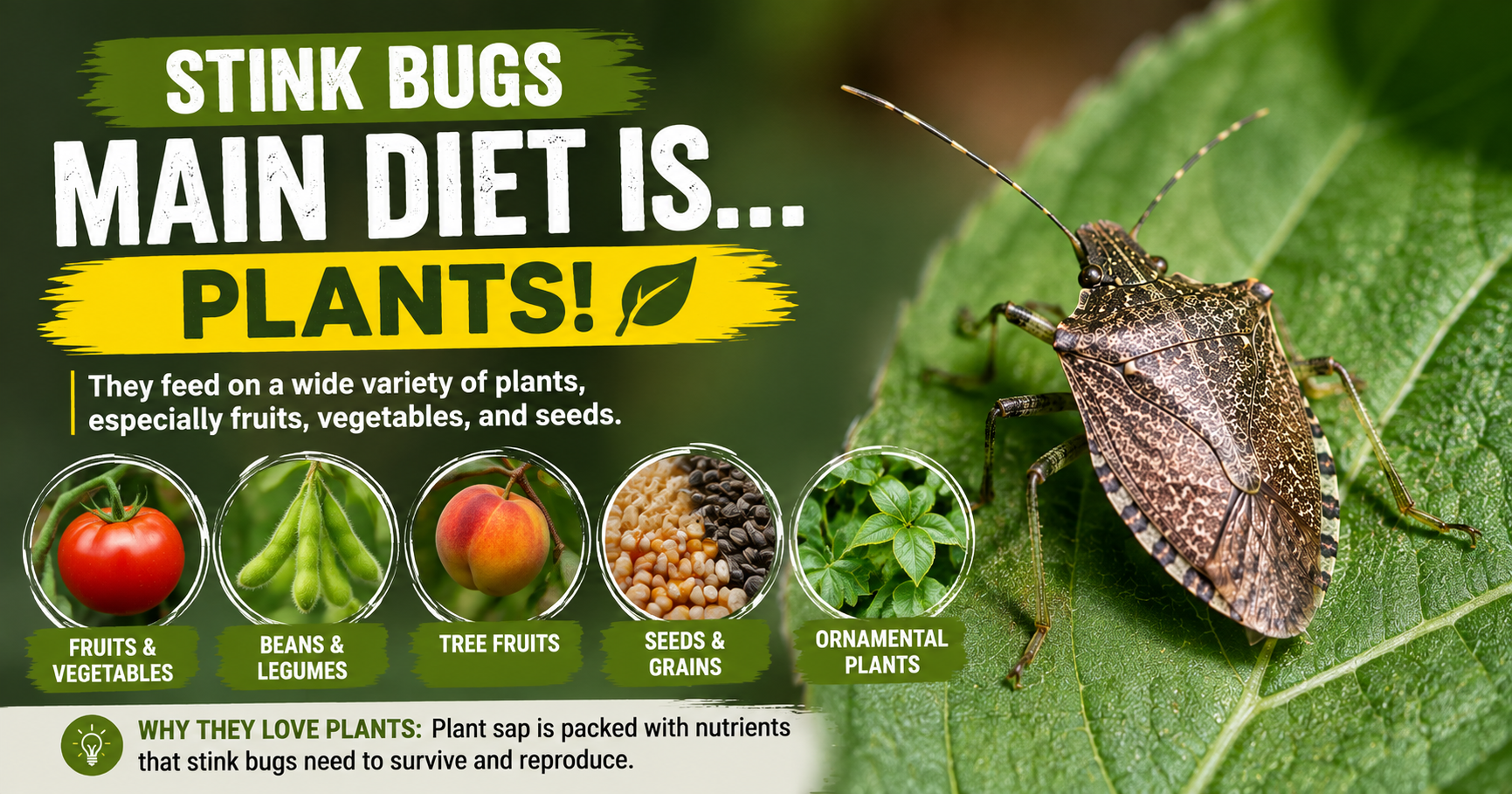
If stink bugs are causing trouble in the garden, inspect nearby plants too. They do not feed on tomatoes alone, and this guide to what stink bugs eat can help you figure out where they may be coming from.

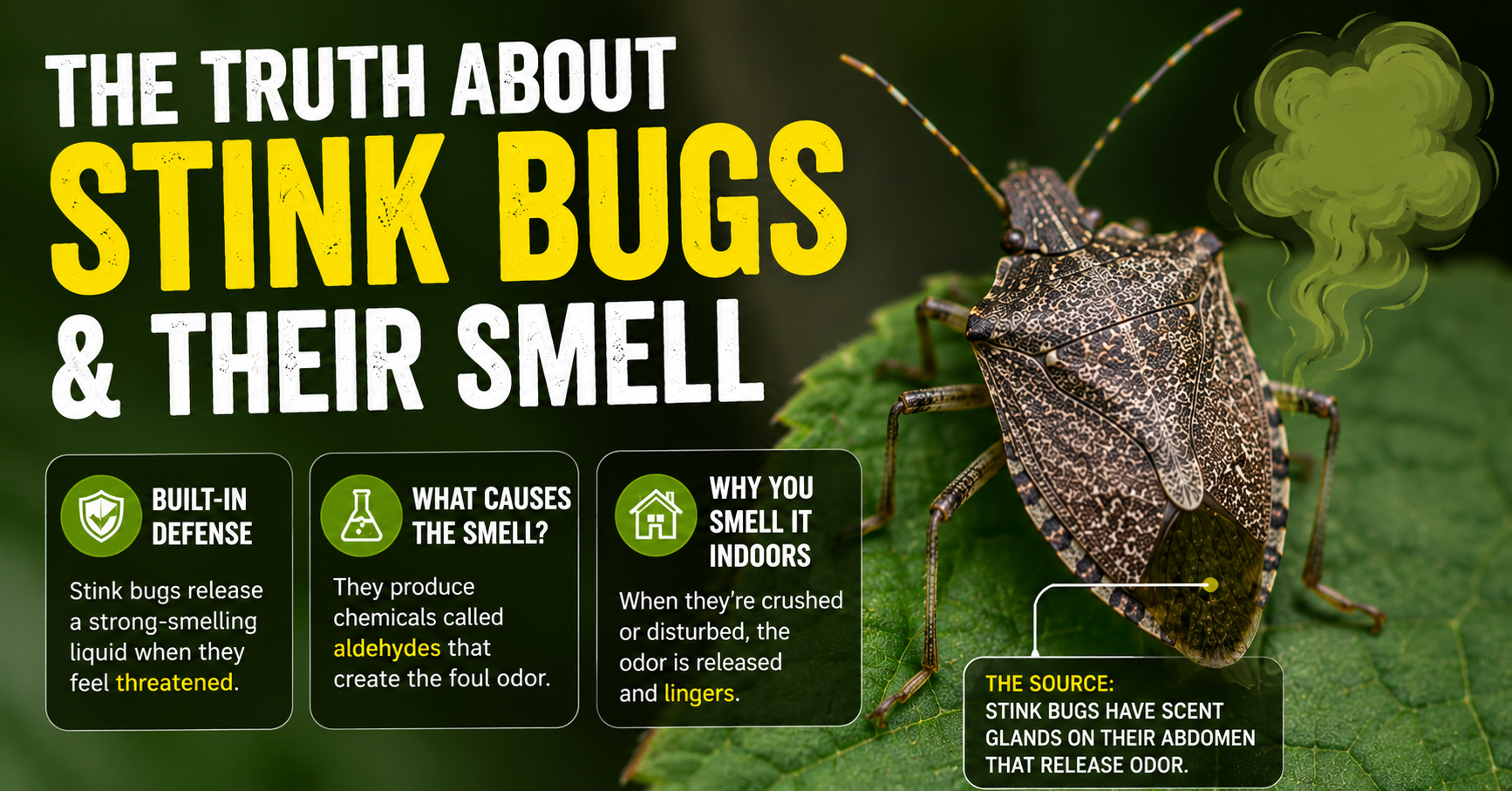
What Color Are Stink Bug Eggs?
Egg color depends on the species and the age of the eggs. Brown marmorated stink bug eggs, the kind many people find around homes and gardens, are usually light green to pale yellow-green when freshly laid. They are more oval than some native stink bug eggs.
Other common stink bug eggs can be white, cream, yellow, light green, or even gray. Some change color as the nymphs develop inside. Darker spots or an overall darker appearance can be a sign that hatching is getting close.
Color helps, but I would not identify eggs by color alone. Their barrel-like shape, tight cluster, and location on the underside of a leaf are more useful clues.
How Big Are Stink Bug Eggs?
Individual eggs are tiny, usually about the size of a pinpoint or a very small grain of sand. You may need to hold the leaf close or use your phone camera to see the shape clearly.
The entire cluster is easier to notice than one egg. On a medium-sized leaf, it can look like a small patch of pale dots arranged almost like a little honeycomb.

What Do Stink Bug Eggs Look Like Right Before They Hatch?
Eggs often darken slightly as hatching gets close. You may see a darker cap, tiny dark spot, or a shadowy look inside each egg. Soon after, you may find a tight group of little round nymphs gathered near the empty shells.
Freshly hatched stink bugs do not look much like the brown shield-shaped adults people recognize. They are rounder, wingless, and often have black, red, orange, white, or yellow markings. They usually remain together briefly after hatching.
Are These Stink Bug Eggs or Something Else?
Not every egg cluster on a leaf belongs to a stink bug. Ladybugs, moths, butterflies, beetles, and beneficial insects also lay eggs on plants.
Here are a few ways I separate likely stink bug eggs from other common eggs.
Stink Bug Eggs vs. Ladybug Eggs
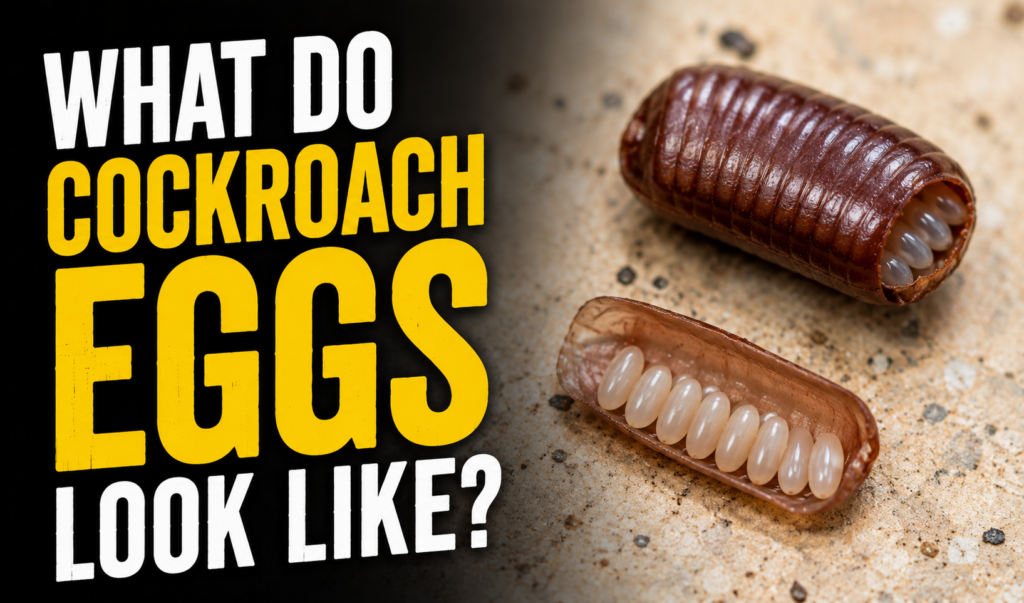
Ladybug eggs are usually yellow or orange, longer than they are wide, and often look like tiny grains of rice standing upright. Stink bug eggs are more rounded or barrel-shaped and arranged in a tighter, more even group. If the suspected egg case was found indoors rather than on a plant, Stink bug eggs are more rounded or barrel-shaped provides a household-focused comparison for cockroach egg cases.
Stink Bug Eggs vs. Squash Bug Eggs
Squash bug eggs are generally shiny bronze, coppery, or reddish brown. They are most often found on squash, pumpkins, zucchini, and other cucurbit plants. Stink bug eggs are usually much lighter in color.
Stink Bug Eggs vs. Butterfly or Moth Eggs
Butterfly and moth eggs may be laid alone or in smaller groups. Their patterns vary greatly, but they often do not have the same orderly, side-by-side barrel arrangement common with stink bugs.
If you are unsure, do not rush to destroy them. A quick photo and a closer look can prevent you from removing eggs from an insect that would have helped your garden.

How Long Do Stink Bug Eggs Take to Hatch?
In warm summer weather, stink bug eggs may hatch in about five to seven days. Cooler weather can slow the process, while hot conditions may speed things up.
That short window is why regular checks are worthwhile. If you inspect susceptible plants twice a week during the growing season, you have a good chance of finding clusters before the nymphs spread through the garden.
What to Do When You Find Stink Bug Eggs
If you are confident the eggs belong to plant-feeding stink bugs, remove them before they hatch. This is one of the easiest times to interrupt the problem.
- Take a photo first if you are not completely sure what you found.
- Scrape the cluster gently into a container of soapy water.
- You can also remove the small leaf section if it is easier and will not harm the plant.
- Check nearby leaves carefully because there may be more than one cluster.
- Recheck the plant every few days, especially after finding eggs or young nymphs.
I do not just knock egg clusters onto the ground. Some may still hatch close enough for the young bugs to find their way back onto the plant.

Should You Spray Stink Bug Eggs?
Usually, no. Physical removal is more direct, inexpensive, and less likely to harm beneficial insects. Many sprays are more useful against certain young insects than eggs, and stink bug adults can be difficult to control once they are established.
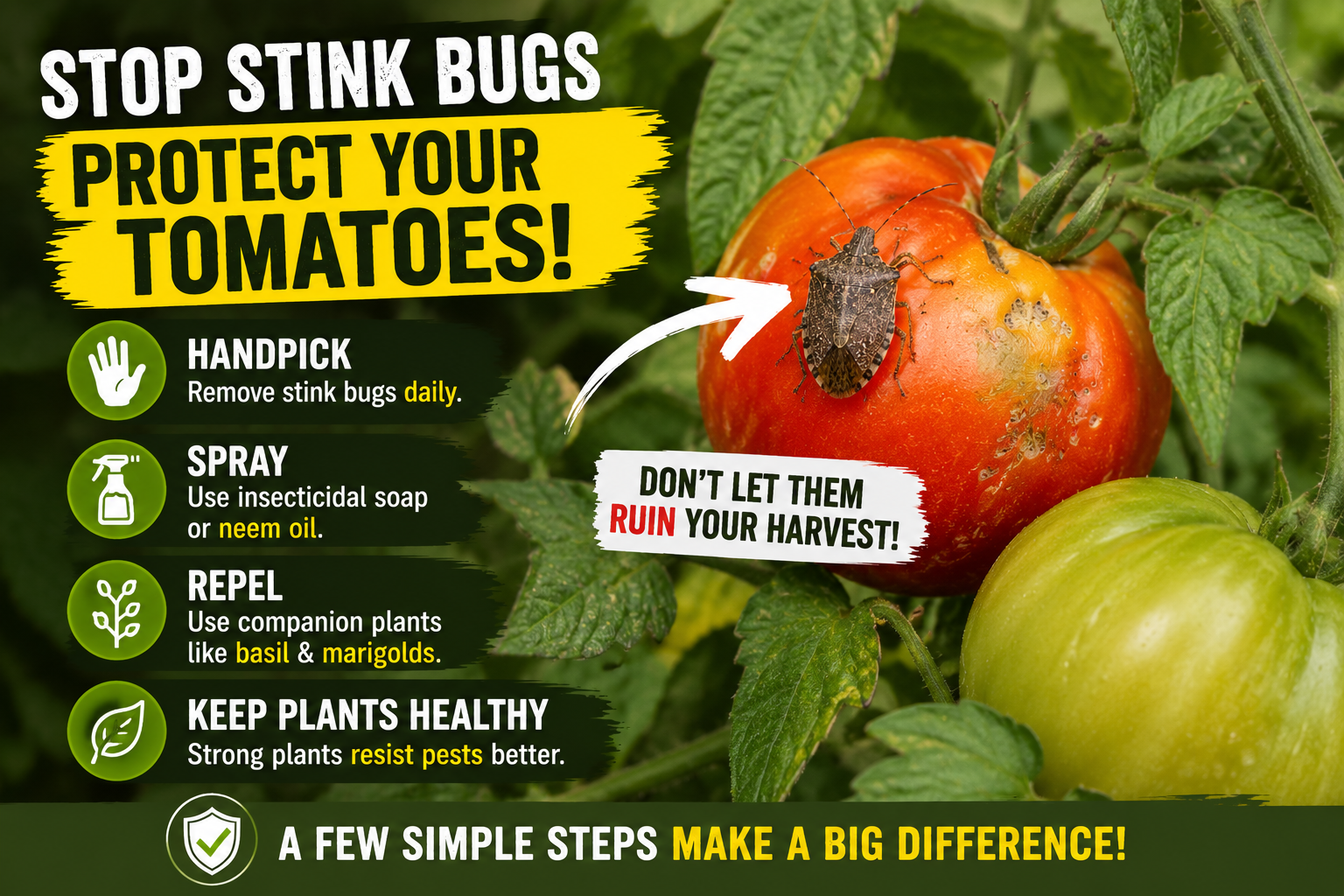
For a few egg clusters on a home garden plant, I would remove the eggs by hand and keep checking. If tomatoes are already getting damaged and you are finding adults repeatedly, use this practical guide on getting stink bugs off tomato plants for the full garden plan.
Why You Should Not Remove Every Stink Bug Egg Cluster Automatically
Some stink bugs are predators. They feed on caterpillars, beetle larvae, and other insects that can damage vegetables. Their eggs can also be barrel-shaped and laid in clusters, so there is room for mistaken identity.
If you see a cluster near obvious plant damage and later find brown, green, or other plant-feeding stink bugs nearby, removal makes sense. If you are not sure, look for the adult insects around the plant before treating the eggs as a pest problem.
How to Keep Finding Fewer Egg Clusters
You cannot make every stink bug disappear from a garden, but you can reduce the number that settle in and reproduce.
- Inspect plants regularly instead of waiting for fruit damage.
- Keep weeds and heavy plant growth around the garden from becoming a hiding place.
- Harvest ripe fruit promptly.
- Use insect netting early if stink bugs are a repeated problem in your garden.
- Avoid routine broad-spectrum sprays that may kill helpful predatory insects.
- Check nearby host plants, especially if stink bugs are returning to the same garden area every year.
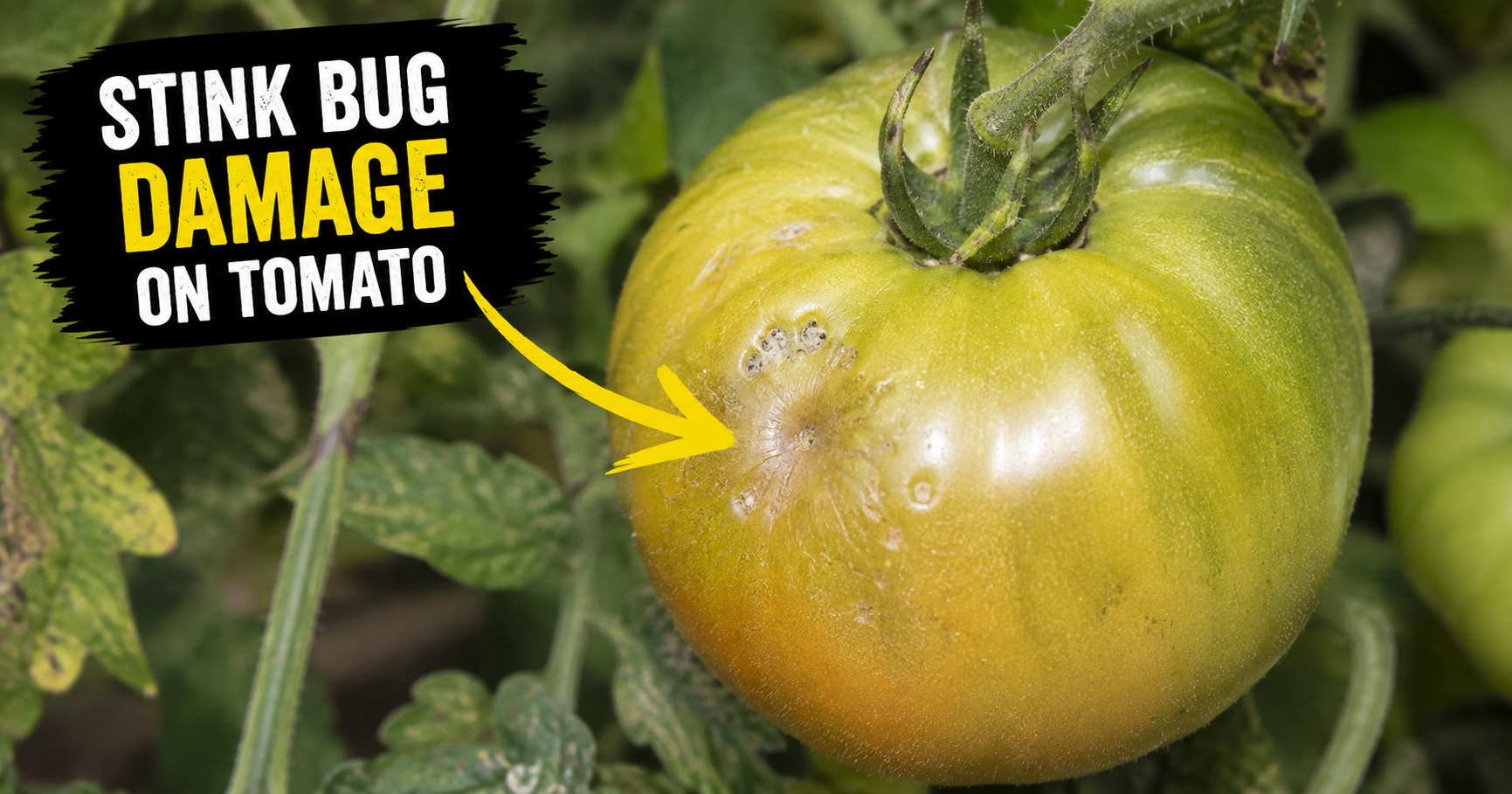
If your tomatoes are already showing dimples, pale spots, or hard white areas inside, compare them with these signs of stink bug tomato damage before assuming the eggs you found are the only issue.
Frequently Asked Questions
Are stink bug eggs white?
They can be white or cream, but many species lay pale green, yellowish, or light gray eggs. The shape and neat cluster are usually more reliable identification clues than color alone.
Are stink bug eggs on the top or bottom of leaves?
They are most often on the undersides of leaves. Check the lower surface carefully, especially around the middle and upper portions of vegetable plants.
Do stink bug eggs hatch into baby stink bugs?
Yes. The eggs hatch into nymphs, which are the immature stage of stink bugs. Nymphs have no full wings and often look rounder and more colorful than adults.
Can I leave stink bug eggs alone?
You can leave them alone if you are not sure what they are. If you have confirmed plant-feeding stink bugs around your garden, removing their egg clusters is a simple way to prevent more nymphs from feeding on your plants.
Do stink bug eggs survive winter?
Most stink bugs overwinter as adults rather than eggs. The adults hide in protected places, including cracks around buildings, then become active again when spring weather returns.
What kills stink bug eggs naturally?
Hand removal is the most dependable natural option for a small garden. Predatory insects and other natural enemies may also eat some eggs, but it is not something I would depend on if you are already seeing crop damage.
Are stink bug eggs dangerous to touch?
No. Stink bug eggs are not dangerous to people or pets. You can remove them with a leaf, glove, tissue, or small tool if you prefer not to touch them directly.
Caleb Warren is a longtime gardener and backyard insect researcher who writes practical pest guides for WhyDoIHaveBugs.com, helping homeowners identify insects accurately before choosing a treatment.